Artwork
The Martyrdom of Saint Stephen
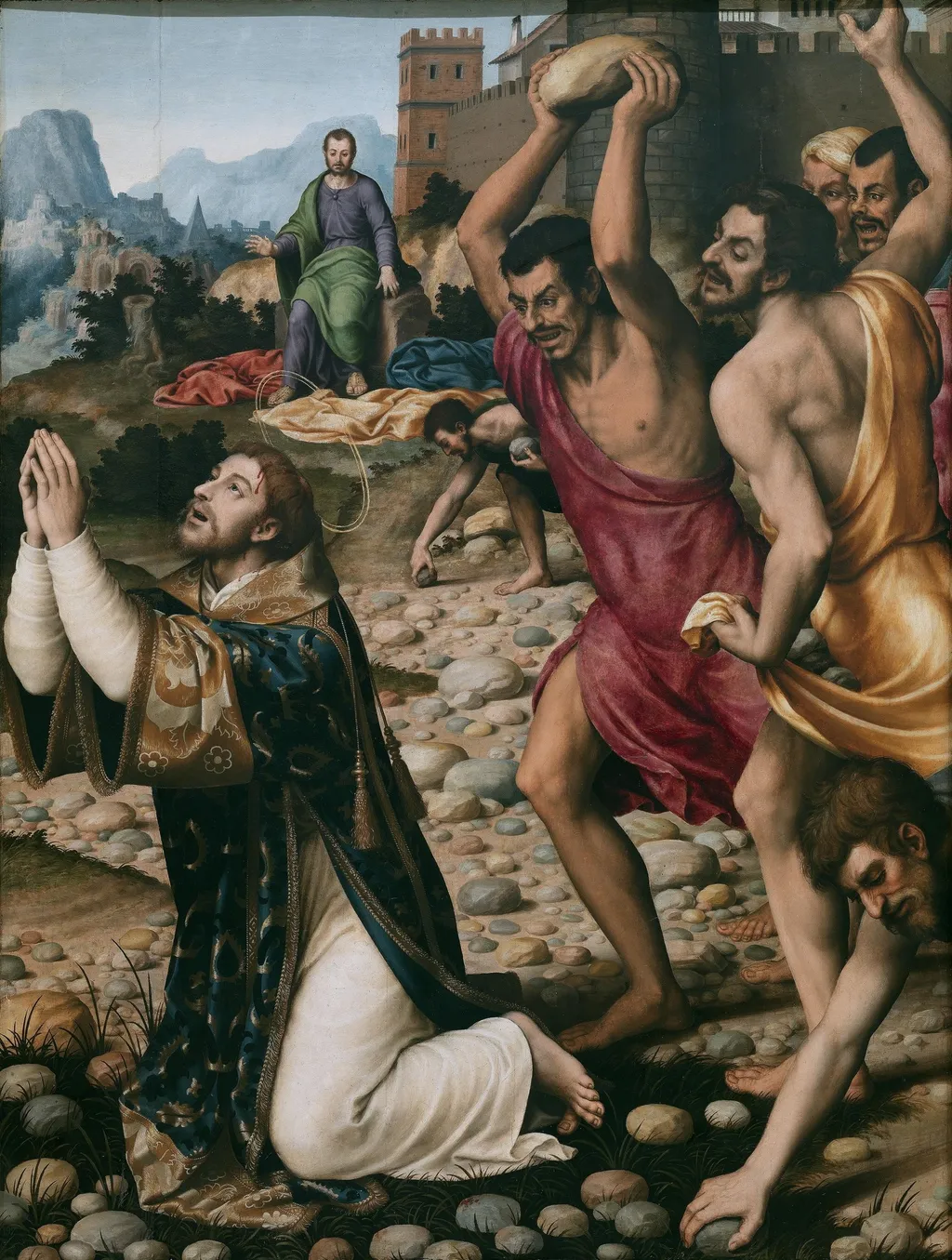
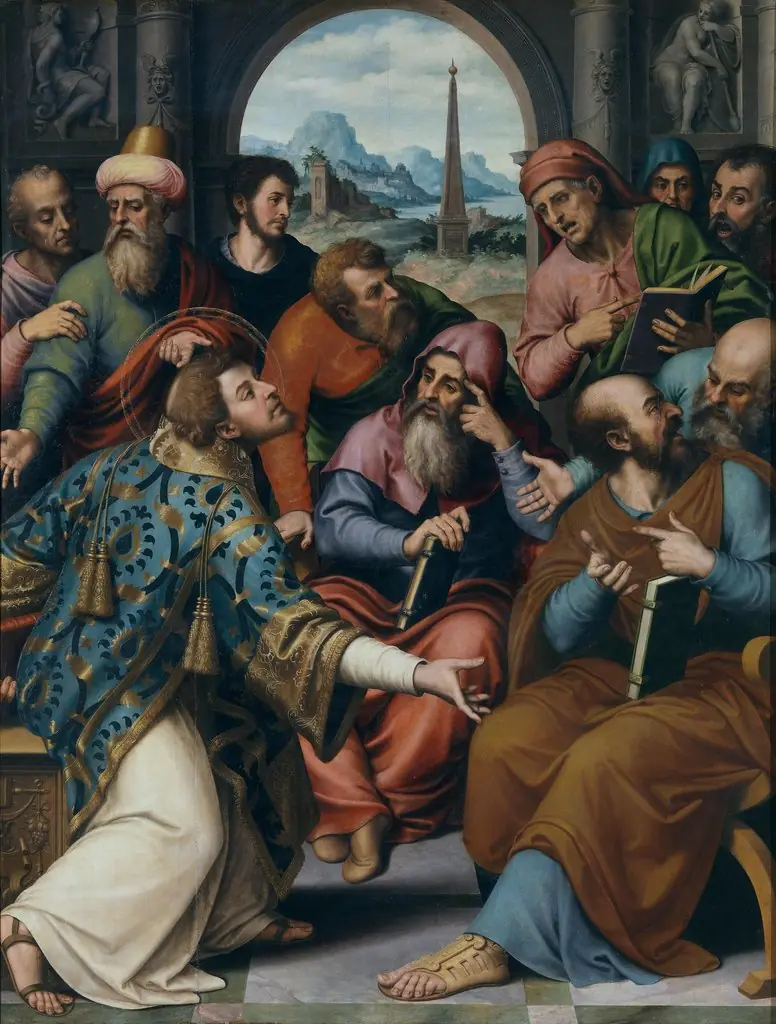
The Martyrdom of Saint Stephen is an oil painting by the Mannerist artist Juan de Juanes. It dates from 1555 and is held in the collection of the Museo del Prado.
About this work
Subject & Meaning
This narrative underscores themes of sacrifice and spiritual endurance within Counter-Reformation religious art.
Juan de Juanes depicted the martyrdom of the Christian deacon Saint Stephen, a scene drawn from the Acts of the Apostles that emphasizes his steadfast faith amid violent persecution. The composition highlights Stephen's outstretched arms and upward gaze, symbolizing his heavenly vision and the triumph of divine justice over earthly oppression. This narrative underscores themes of sacrifice and spiritual endurance within Counter-Reformation religious art.
The painting measures 160 cm in height and 123 cm in width, executed in oil on panel.
It is housed in the Museo del Prado, Royal Palace of Madrid, and was once owned by Ferdinand VII of Spain.
Technique & Style
The Martyrdom of Saint Stephen is an oil painting executed on a wooden panel, employing traditional oil paint techniques characteristic of 16th-century Spanish religious art. The work demonstrates careful handling of light and composition to dramatize the martyrdom of Saint Stephen, reflecting the formal stylistic conventions of the period.
Measured at 160 cm in height and 123 cm in width, the painting's support and material integrity have been preserved through careful conservation, maintaining its original visual impact.
Its stylistic qualities include naturalistic figure rendering, vivid coloration, and compositional balance typical of Juan de Juanes' mature phase, as documented in museum records.
The artwork remains in its original condition, displayed at the Museo del Prado in Madrid, where it is part of the royal collection originally assembled by Ferdinand VII of Spain.
History & Provenance
Juan de Juanes executed The Martyrdom of Saint Stephen in 1555 as an oil painting on panel. While some records suggest a broader inception window starting in 1555 and extending to 1562, the specific date of 1555 is established as the primary year of creation. The work measures 160 cm in height and 123 cm in width.
Historically, the painting entered the Spanish royal collection under the ownership of King Ferdinand VII. It subsequently became part of the holdings at the Museo del Prado, located within the Royal Palace of Madrid, where it remains classified as a significant piece of religious art.
The Martyrdom of Saint Stephen is held in the collection of the Museo del Prado in Madrid, where it is recorded under the inventory number P00968. The work entered the royal collection through King Ferdinand VII of Spain and has been displayed in various Prado exhibitions focusing on Spanish Renaissance art. Its provenance traces back to the Spanish court, reflecting its significance within the royal collection.
The painting measures 160 cm in height and 123 cm in width and is executed in oil on panel.
Context
Juan de Juanes painted The Martyrdom of Saint Stephen in 1555, a religious work now housed in the Museo del Prado, where it entered the collection of Ferdinand VII of Spain. The painting, created on panel using oil paint, measures 160 cm in height and 123 cm in width, and depicts the stoning of Saint Stephen. It was likely produced between 1555 and 1562, reflecting the late Renaissance style characteristic of Spanish devotional art.
Scholarship emphasizes its significance within de Juanes' oeuvre as a mature synthesis of Italianate compositional techniques and Spanish Counter-Reformation piety, situating it within the broader trajectory of 16th-century Spanish religious painting.
Overview
The Martyrdom of Saint Stephen is a 1555 oil painting by Juan de Juanes, a prominent artist of the Valencian school during the Spanish Renaissance.
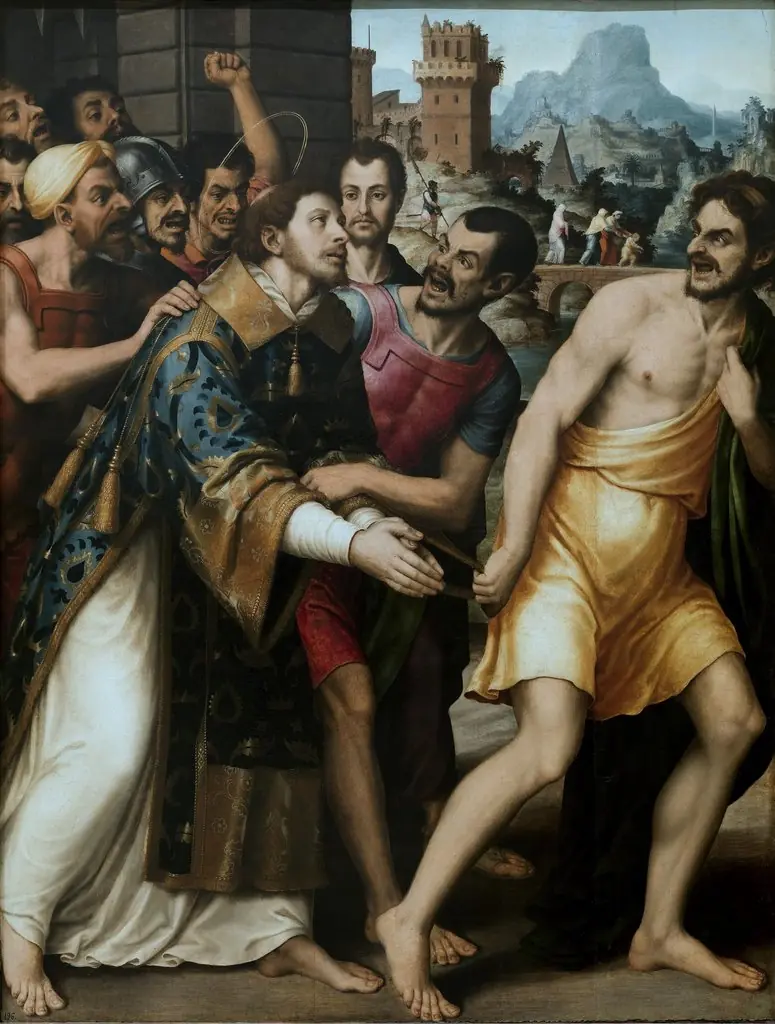
Own this work as a print
Artist & collection
Artist
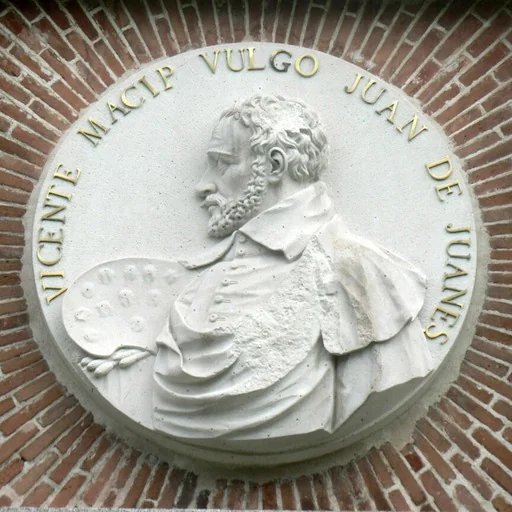
Vicente Juan Masip (also known as Joan de Joanes) (1507 – 1579) was a Spanish painter of the Renaissance period.

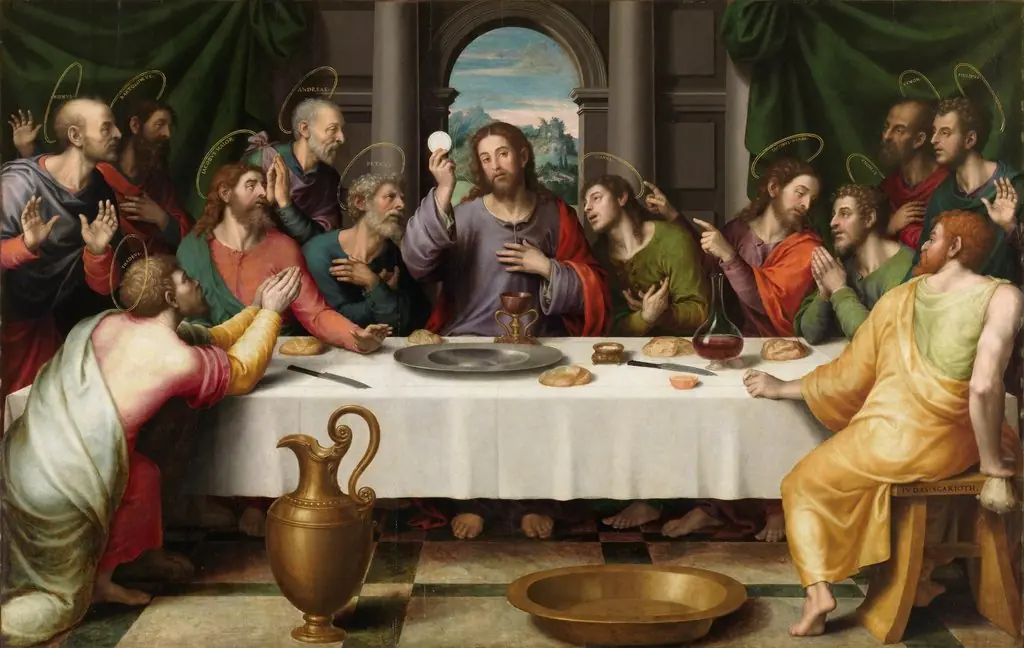
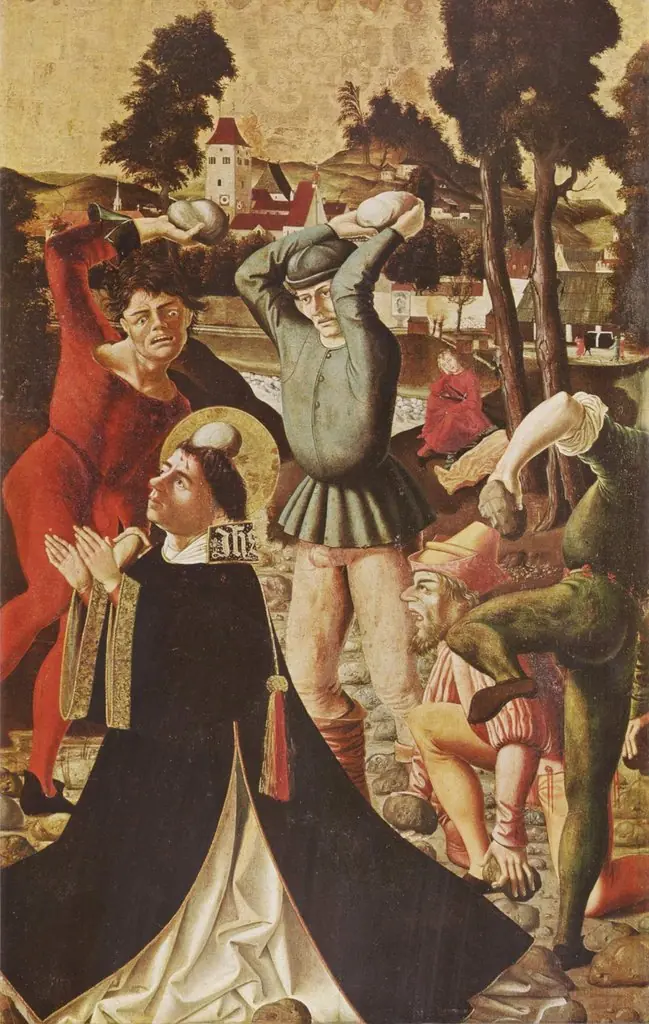 Jakobus-Stephanus-Altar: Steinigung des hl. Stephanus
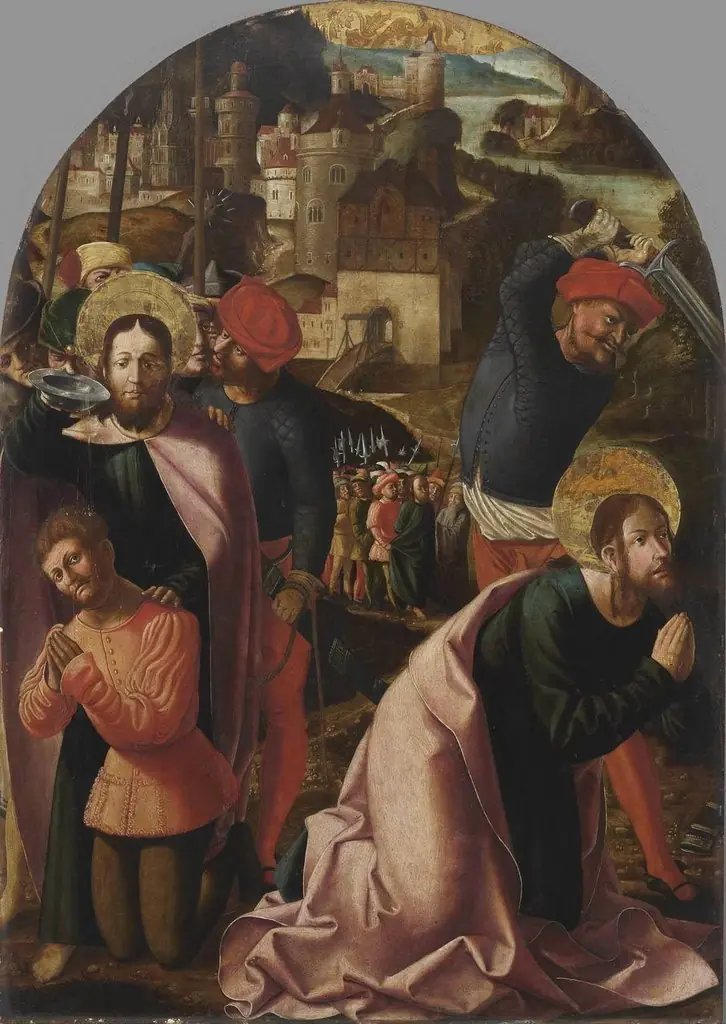 Jakobus-Stephanus-Altar: Der hl. Jakobus tauft Josias und Hinrichtung des Jakobus
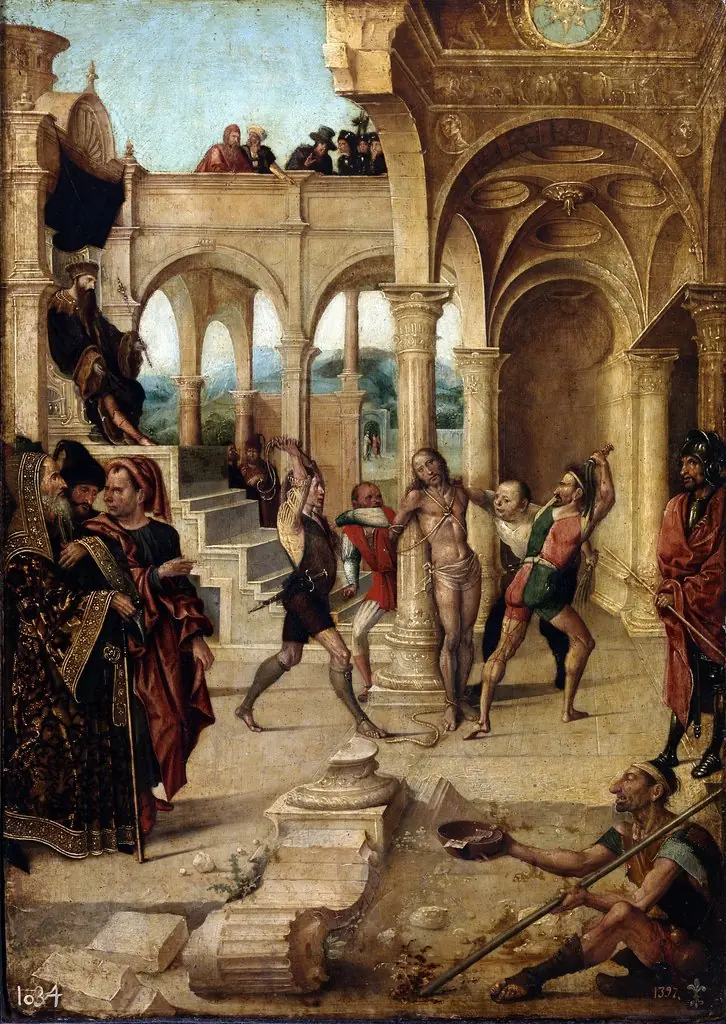 The Flagellation
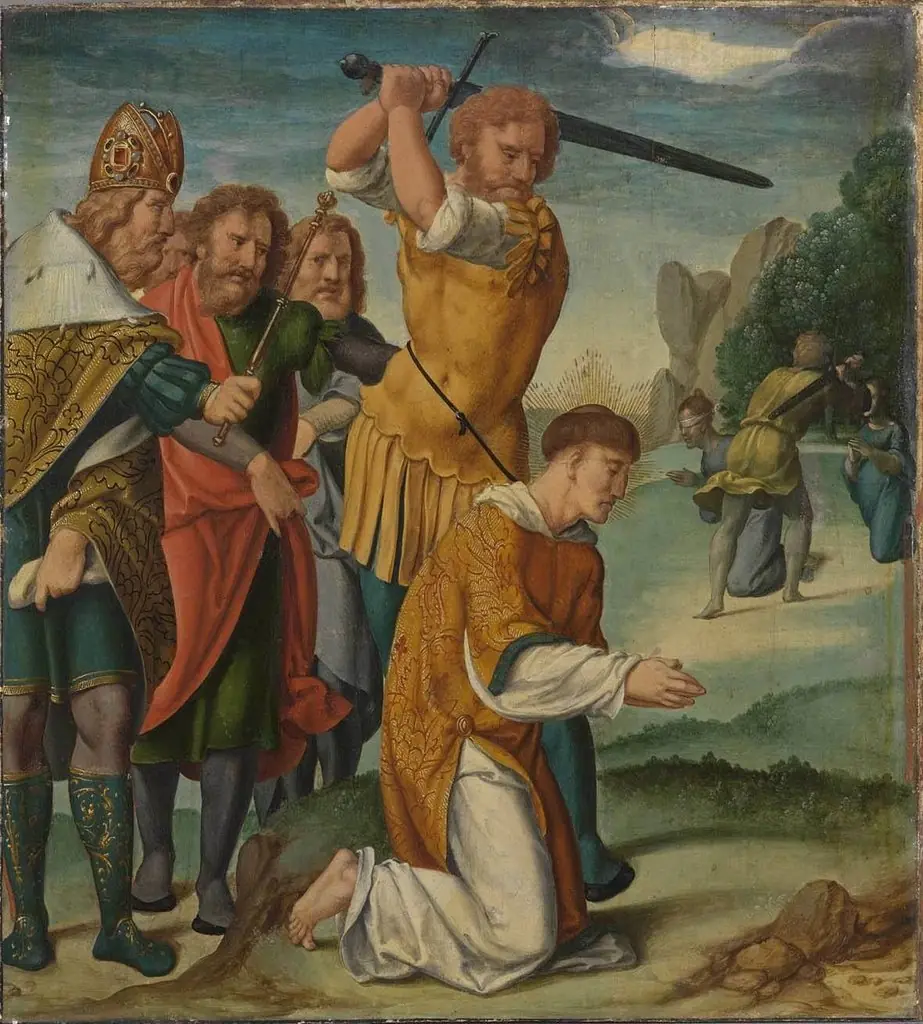 Cyriakus-Folge: Tod des hl. Cyriakus
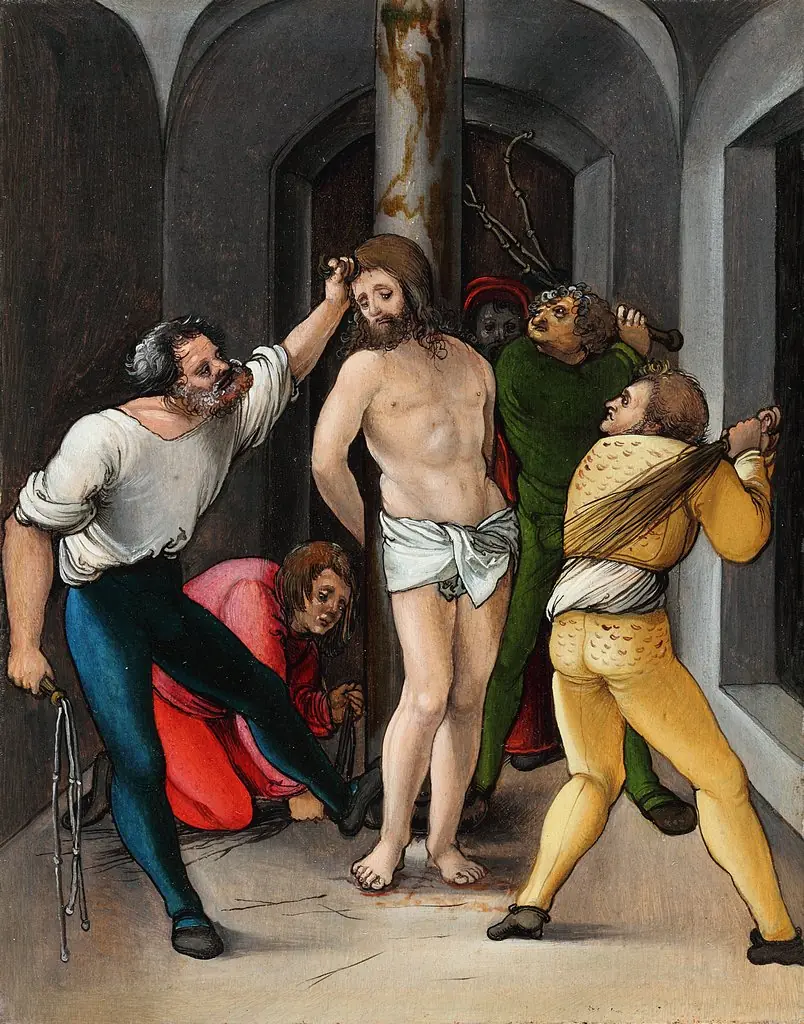 The Flagellation of Christ
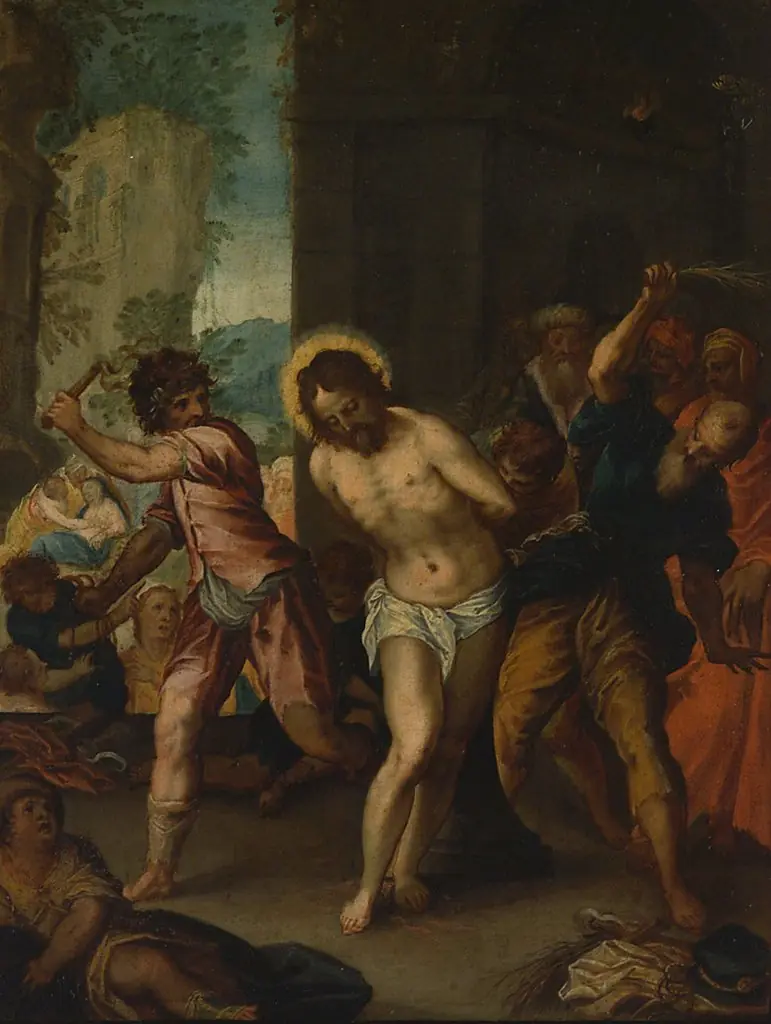 Flagellation of Christ
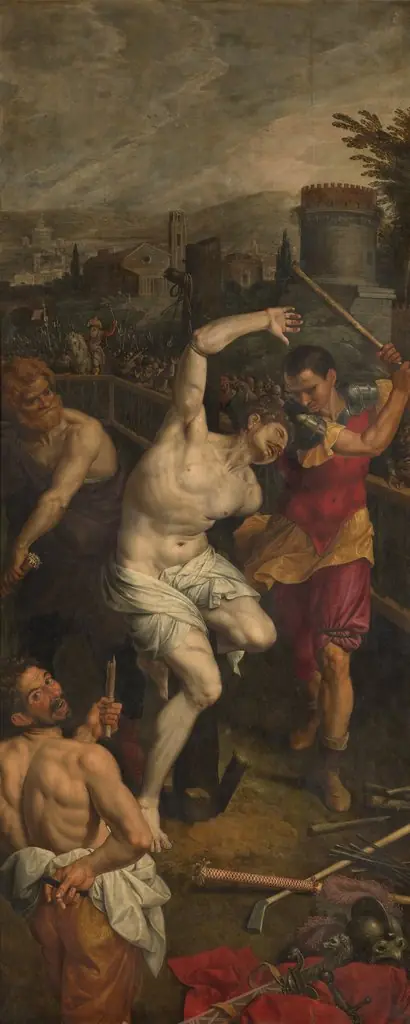 The Martyrdom of Saint Sebastian of Rome
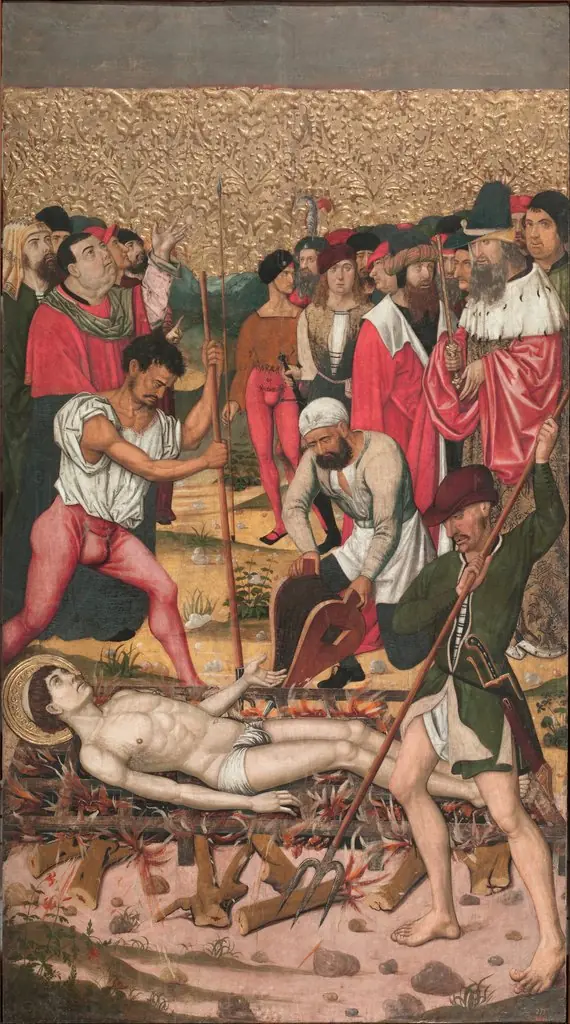 Saint Vincent on the Gridiron
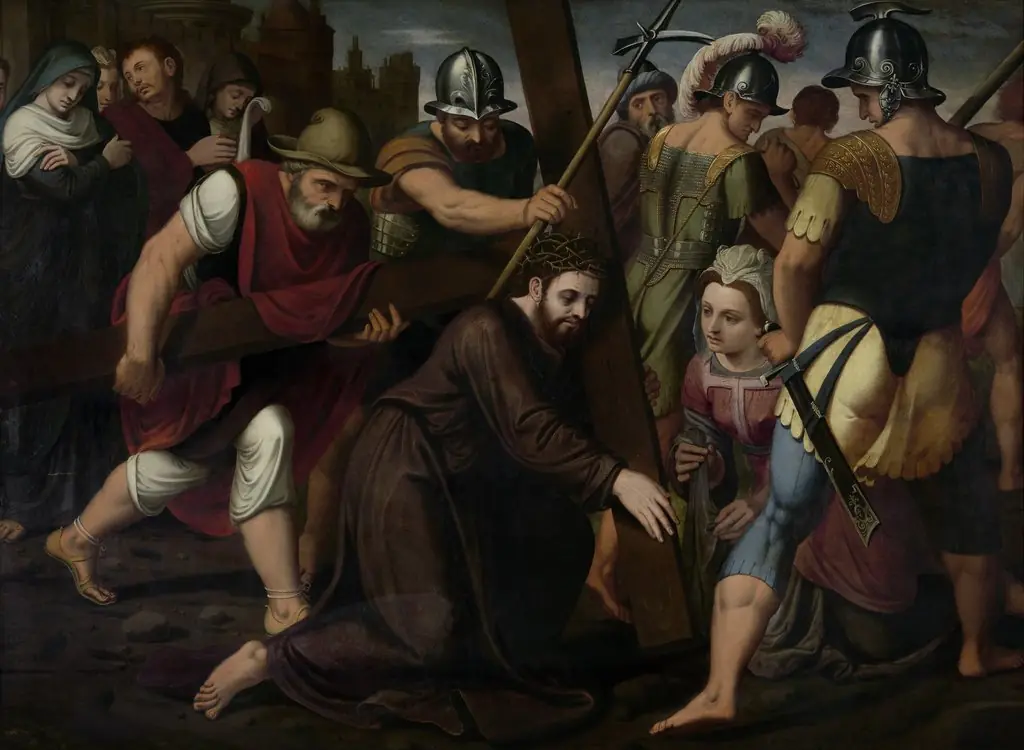 The Bearing of the Cross