Artwork
A Beggar
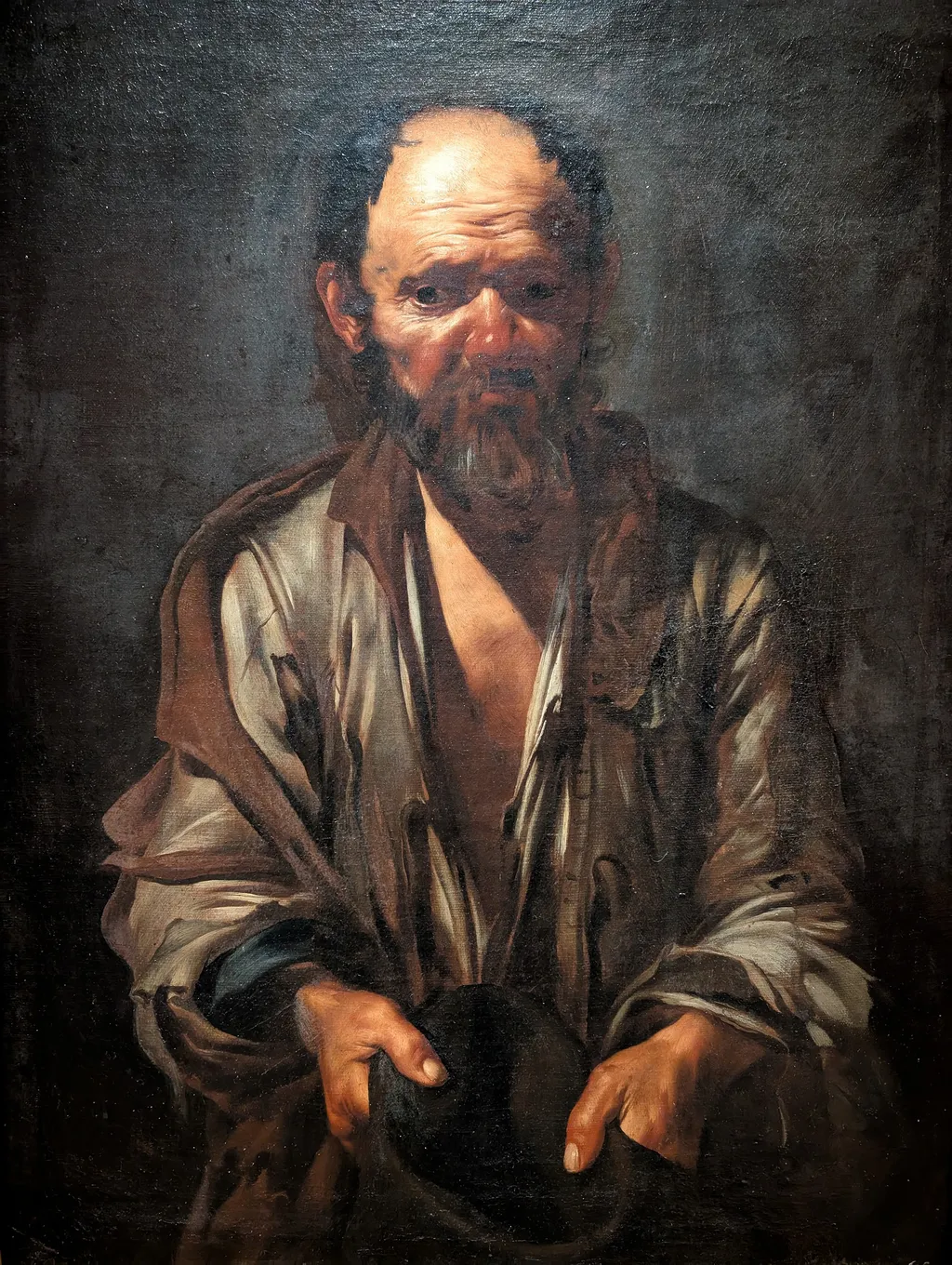
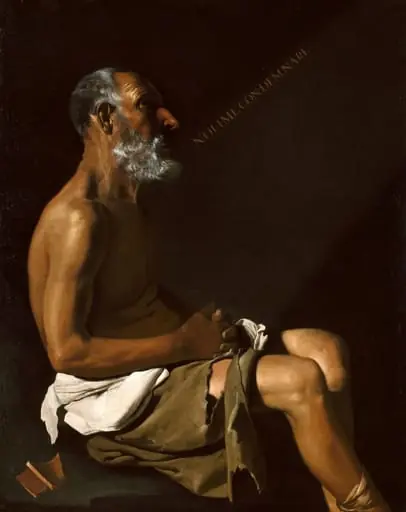
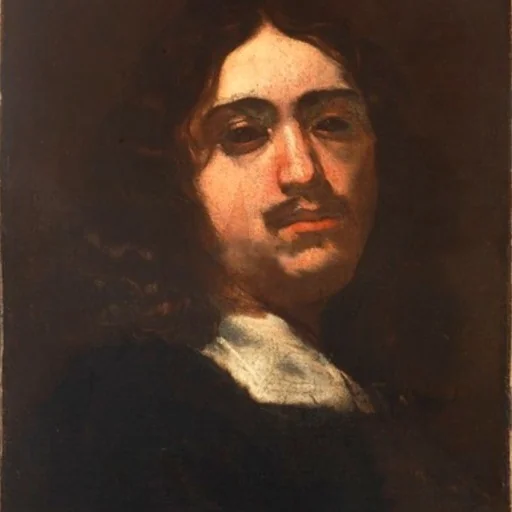
A Beggar is an oil painting by the Caravaggisti artist Jusepe de Ribera. It dates from 1612 and is held in the collection of the Borghese Collection.
About this work
Overview
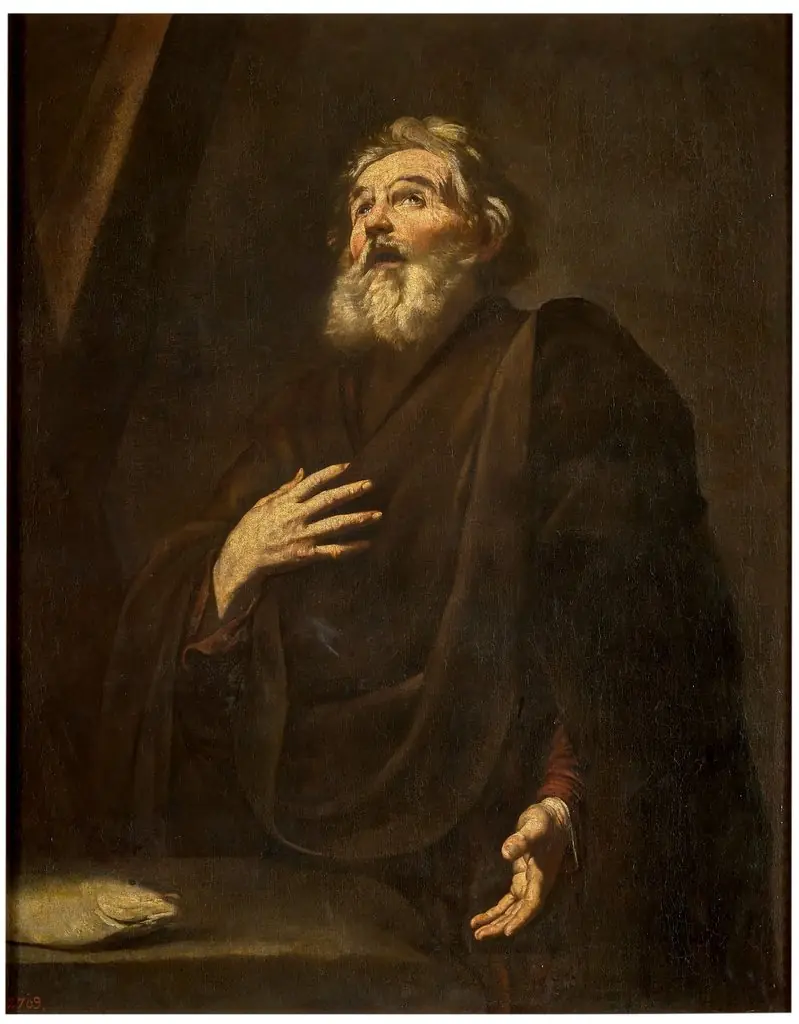
Painted in 1612 by Jusepe de Ribera, this oil on canvas depicts a solitary beggar rendered with intense realism.
Painted in 1612 by Jusepe de Ribera, this oil on canvas depicts a solitary beggar rendered with intense realism. The work reflects Ribera’s early engagement with Caravaggism, emphasizing raw human presence over idealization. Its compact scale and focused composition draw attention to the figure’s physicality and emotional gravity. The painting resides in the Galleria Borghese in Rome, where it has remained since its creation.
Subject & Meaning
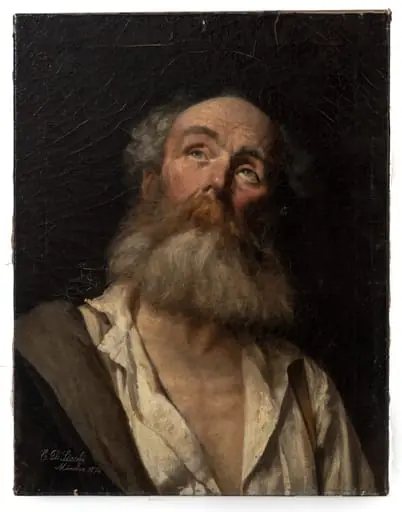
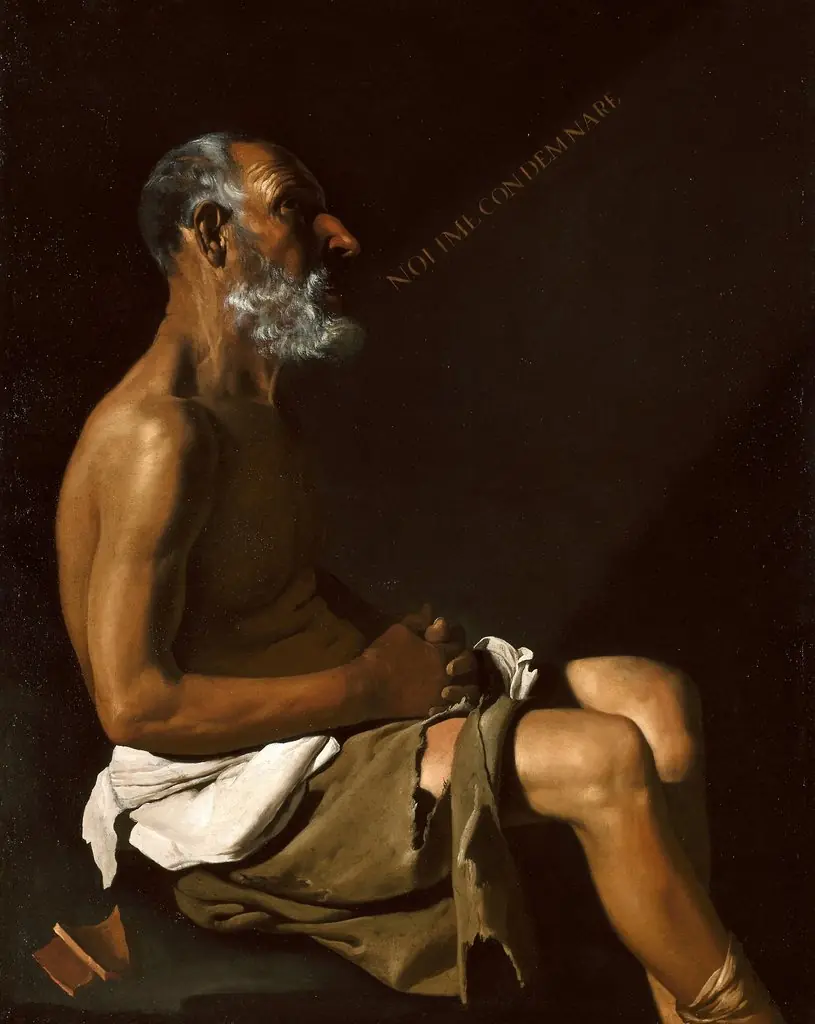
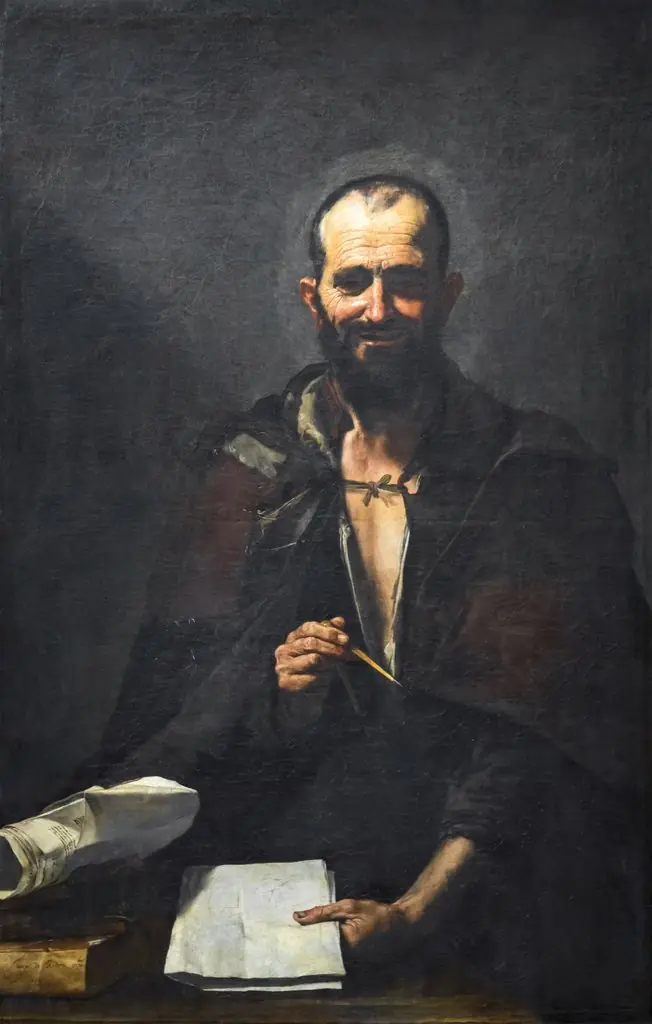
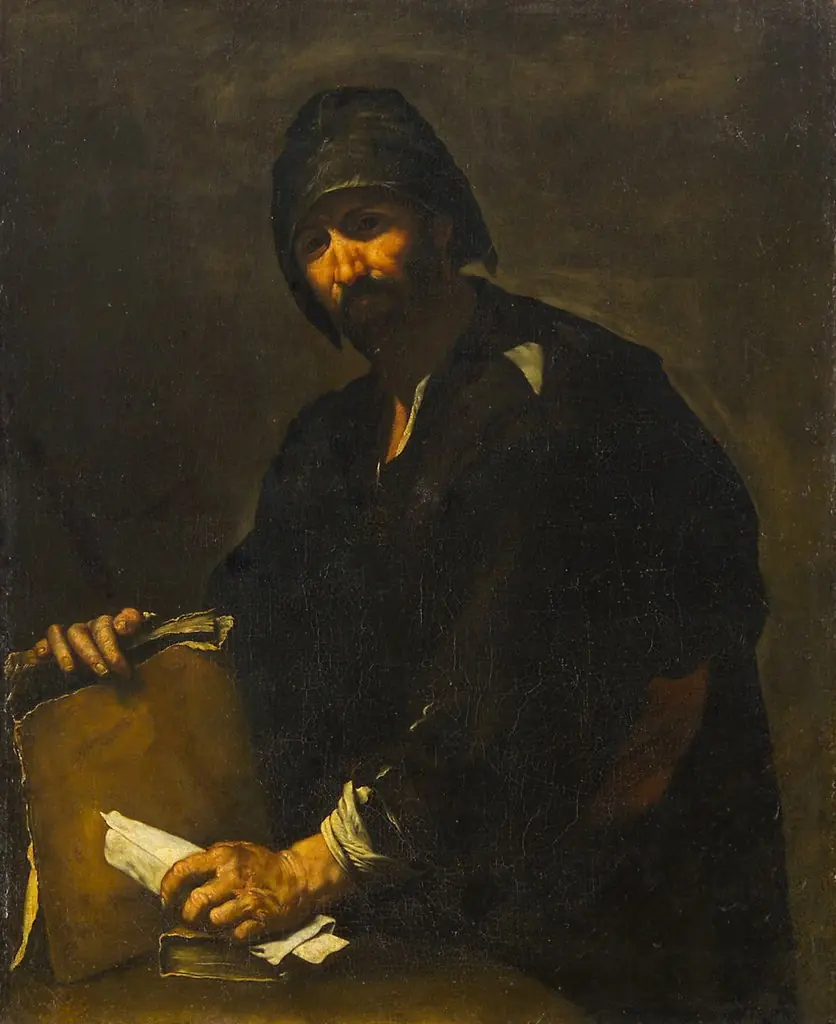
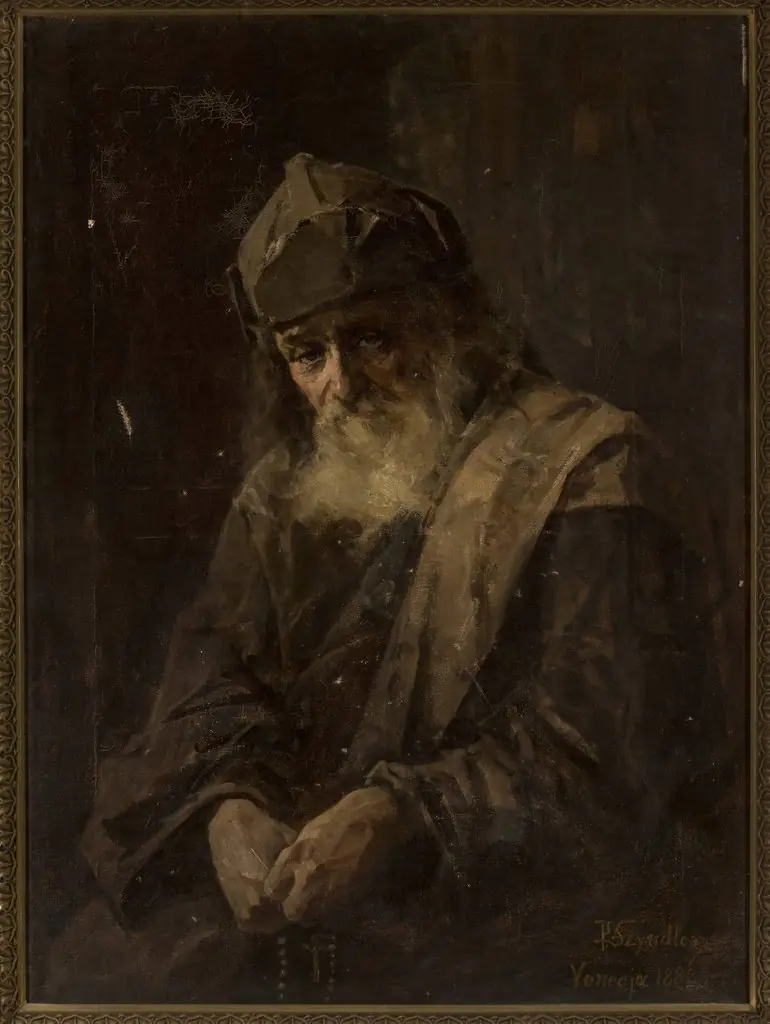
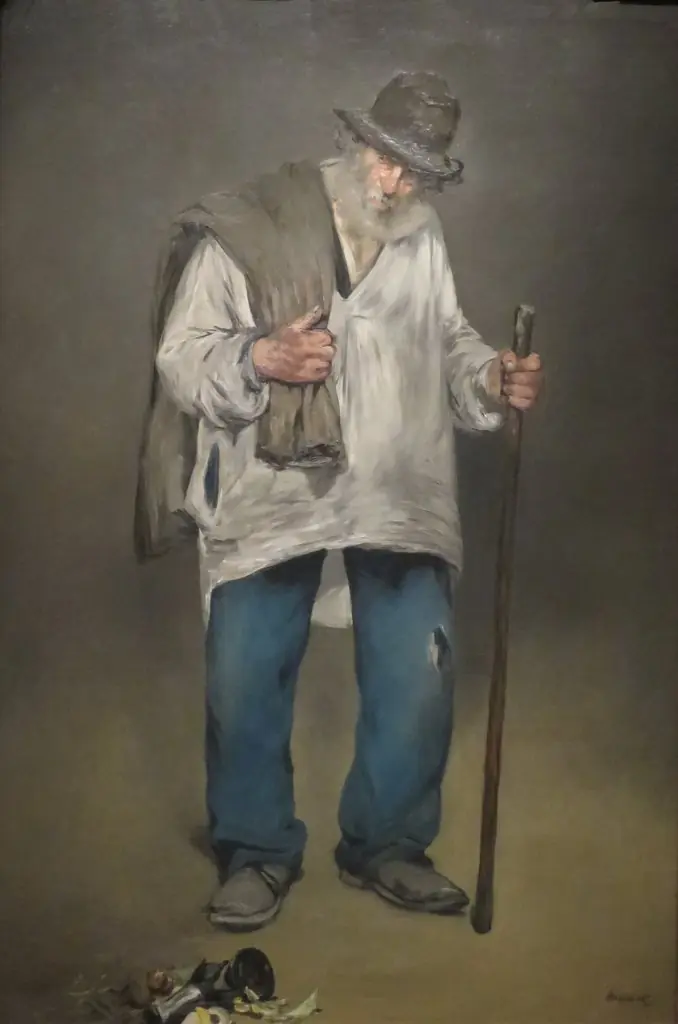
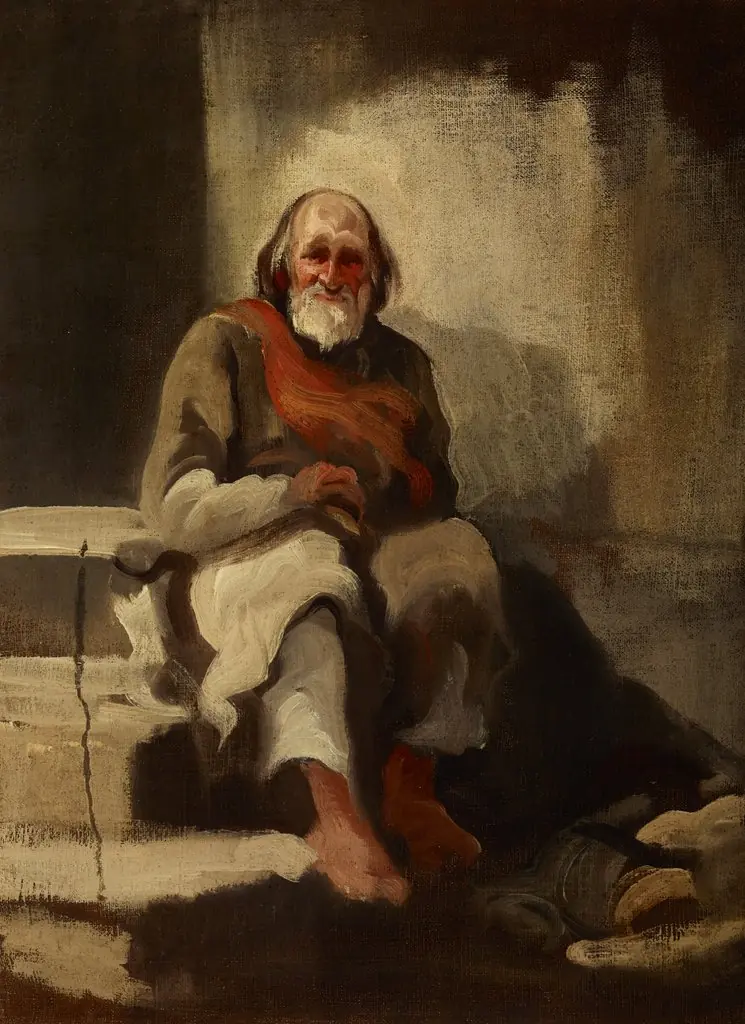
The subject is an elderly man, his face lined with hardship, dressed in a frayed brown robe and plain white shirt. His outstretched hands suggest supplication, yet his gaze is inward, avoiding direct engagement with the viewer. The absence of narrative context or symbolic props shifts focus to the dignity of suffering, presenting poverty not as spectacle but as quiet endurance.
Technique & Style
Ribera employs stark chiaroscuro to model the figure against a near-black background, heightening the three-dimensionality of the beggar’s form. The texture of worn fabric and weathered skin is rendered with meticulous brushwork, while the lighting isolates the face and hands as the emotional core. The palette is restrained, earthy browns, muted whites, reinforcing the somber tone without embellishment.
History & Provenance
Commissioned or acquired during Ribera’s time in Rome, the painting entered the Borghese collection in the early 17th century, likely through Cardinal Scipione Borghese’s patronage of Caravaggisti. It has remained in the gallery’s holdings since, documented in inventories from the 1600s. Its preservation reflects its early recognition as a significant example of naturalistic painting in the Roman context.
Context
Created during Ribera’s Roman period, the work aligns with a broader trend among Caravaggisti to depict marginalized figures with psychological depth. Unlike religious or mythological subjects favored by contemporaries, this painting elevates the ordinary poor, echoing the influence of Caravaggio’s secular realism. It reflects a shift in Baroque art toward human-centered observation over allegory.
Legacy
The painting exemplifies Ribera’s early mastery of emotional realism and contributed to his reputation as a leading figure in Spanish Baroque art. Its unflinching portrayal of poverty influenced later artists in Spain and Italy who sought to depict social reality with dignity. Though not widely reproduced, it remains a key reference in studies of Caravaggism beyond Italy.

Own this work as a print
Artist & collection
Artist
Jusepe de Ribera (Valencian:; baptised 17 February 1591 – 3 November 1652) was a Spanish painter and printmaker.