Art Museum
Galleria Borghese

Image: Wikimedia Commons.
Galleria Borghese is an art museum in Roma Capitale, Italy. 96 works from its collection are in this catalog, including Paolo Veronese and Raphael.
About Galleria Borghese
The Galleria Borghese or Borghese Gallery is an art gallery in Rome, Italy, housed in the former Villa Borghese Pinciana. At the outset, the gallery building was integrated with its gardens, but nowadays the Villa Borghese gardens are considered a separate tourist attraction. The Galleria Borghese houses a substantial part of the Borghese Collection of paintings, sculpture and antiquities, begun by Cardinal Scipione Borghese, the nephew of Pope Paul V (reign 1605–1621). The building was constructed by the architect Flaminio Ponzio, developing sketches by Scipione Borghese himself, who used it as a villa suburbana, a country villa at the edge of Rome.
Overview & Identity
The Galleria Borghese is one of the most prestigious art museums in the world, housed within a 17th-century Roman villa on the Pincian Hill. It displays a unique collection of ancient sculptures and Baroque masterpieces, primarily assembled by Cardinal Scipione Borghese in the early 17th century. The gallery comprises twenty rooms distributed across two floors, where many sculptures are displayed in the specific spaces for which they were originally intended, preserving the original curatorial vision of the Cardinal.
History & Founding
The museum's origins lie with Cardinal Scipione Borghese, an avid art collector and patron whose passion led him to support artists such as Caravaggio and Bernini. The villa was designed as a suburban residence and exhibition space, a 'villa of delights' embodying early Baroque ideals. In 1807, a significant portion of the family's ancient sculpture collection was sold to Napoleon and moved to the Louvre.
The Italian state eventually purchased the villa and its remaining collections in 1902, opening it to the public as a national museum.
Building & Architecture
The villa was designed by architects Flaminio Ponzio and Giovanni Vasanzio to serve as both a residence and a venue for displaying art. It represents a true 'villa of delights,' merging elegance with theatricality in the early Baroque style. The building was modified and extended over the years, eventually being sold to the Italian government in 1902 along with the surrounding gardens and parkland.
The structure houses twenty rooms across two floors, designed to showcase the collection in a specific architectural context.
Collection Highlights & Notable Holdings
The collection features classical antiquities from the 1st–3rd centuries AD, including a famous statue from 320–330 AD, displayed in the main floor's large hall known as the Salone. The collection also includes the Camera di Cerere, featuring a marble vase. The 'modern' statuary, particularly works by Gian Lorenzo Bernini created between 1615 and 1623, was in constant competition with classical models.
The collection was expanded through acquisitions like the Della Porta and Ceuli collections in 1607 and later excavations promoted by Evasio Gozzani di San Giorgio.
Significance & Legacy
The gallery's significance is rooted in the fideicommissum established by Cardinal Scipione Borghese, a legal institution that kept the collection together until the end of the 18th century, ensuring its integrity. A reliable picture of the original collection is provided by the 1650 description of the Villa on the Pincio by Giacomo Manilli. The museum stands as a testament to the artistic grandeur of Rome's past and the enduring legacy of human creativity, having evolved through inheritance, papal politics, and shifting fortunes over centuries.
What to see at Galleria Borghese
Start with The Deposition by Raphael.
See all highlights at Galleria Borghese →Galleria Borghese by the numbers
- Founded
- 1903
- Visitors / year
- 544,290
- Collection
- 540 objects
Works from Galleria Borghese
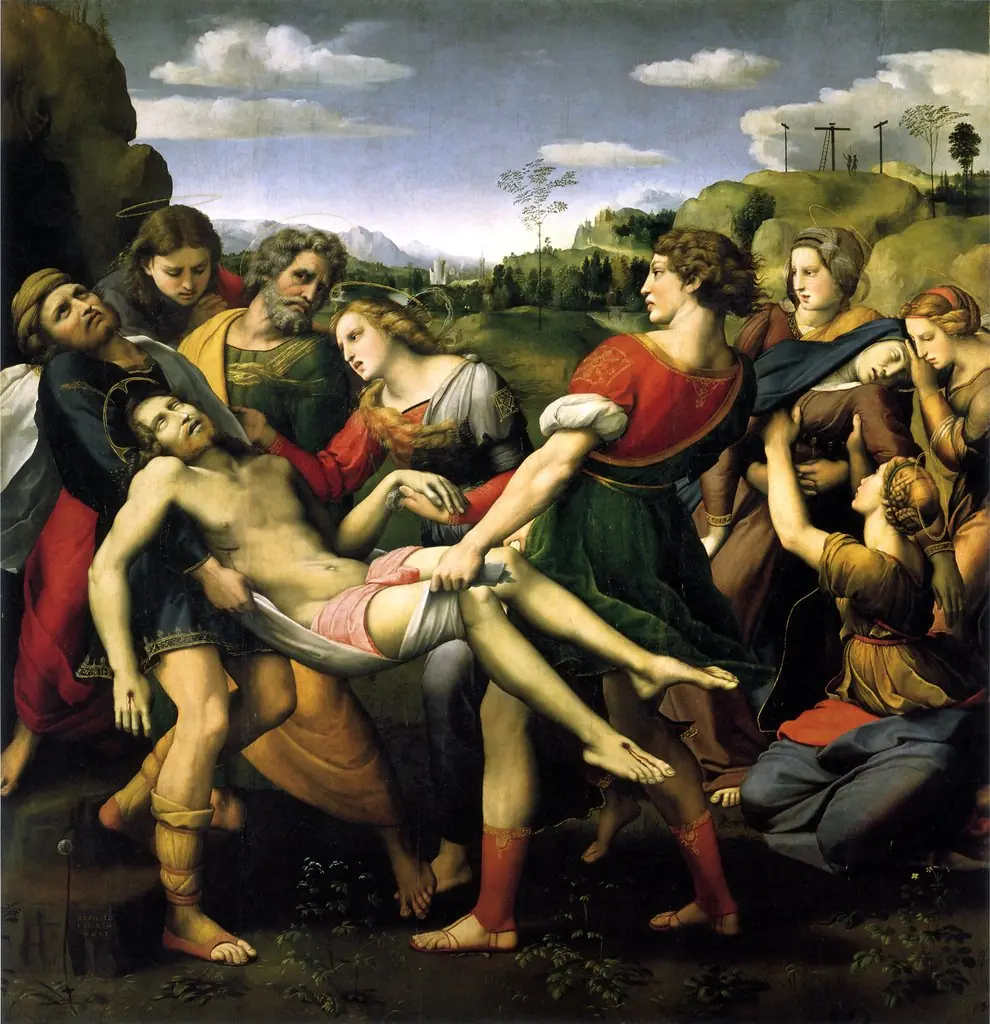 The Deposition
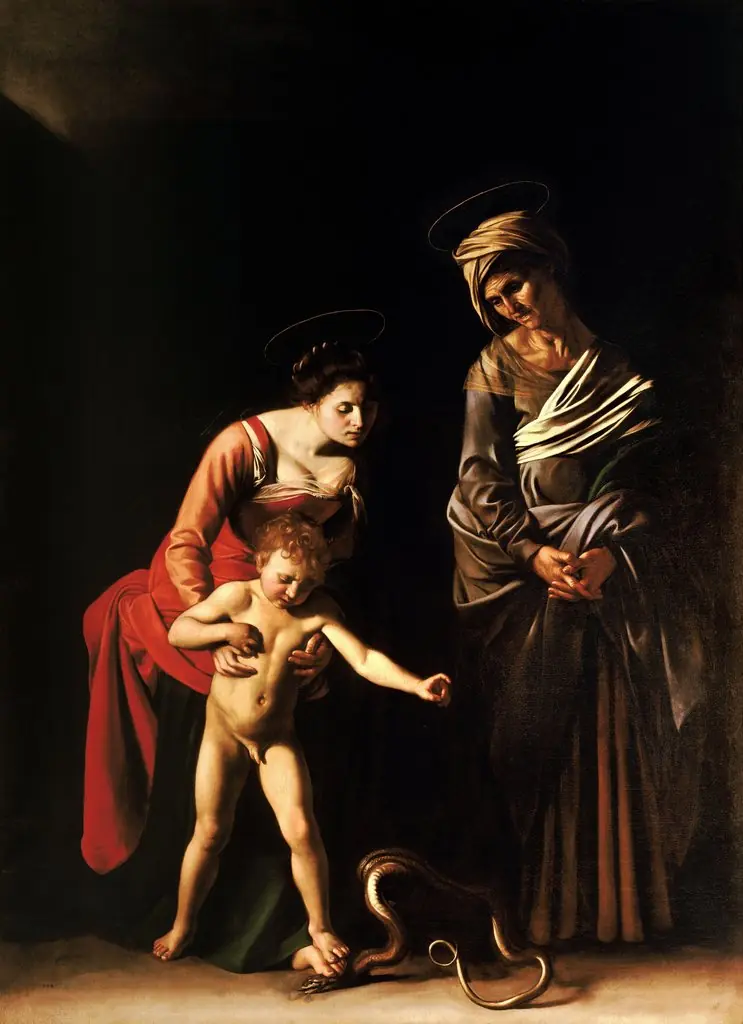 Madonna and Child with Saint Anne
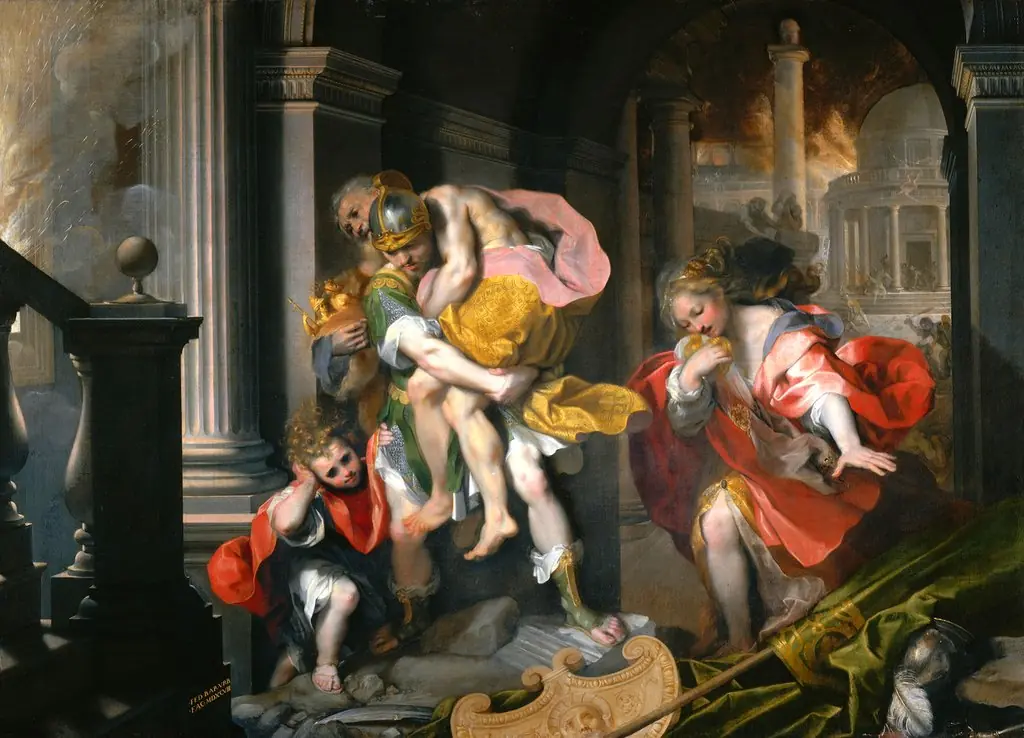 Escape of Aeneas from Troy
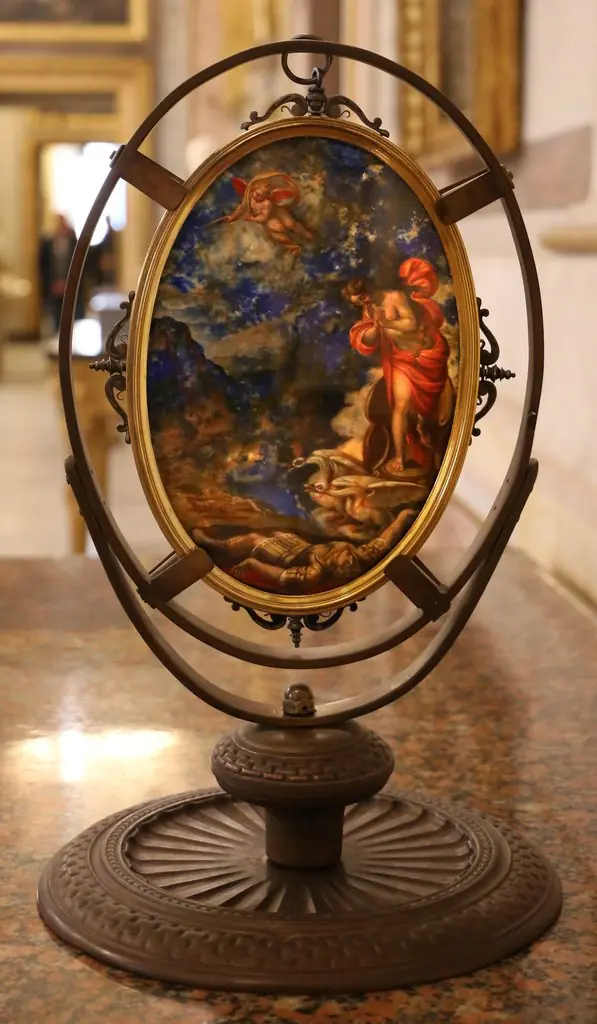 Perseus and Andromeda and Venus and Adonis
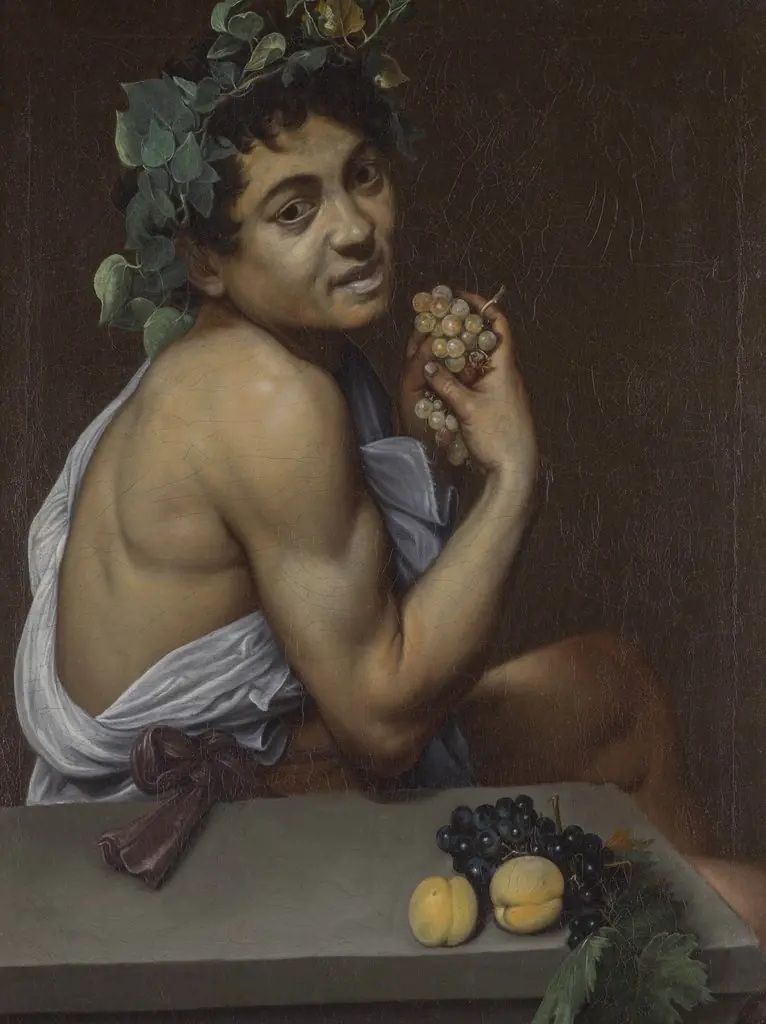 Self-Portrait as Bacchus
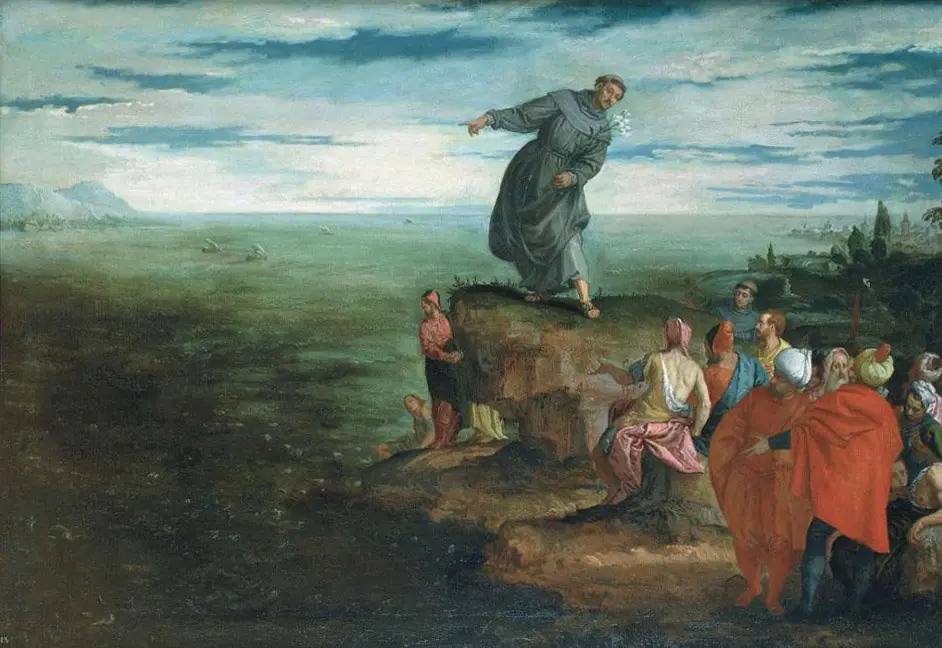 Saint Anthony Preaching to the Fish
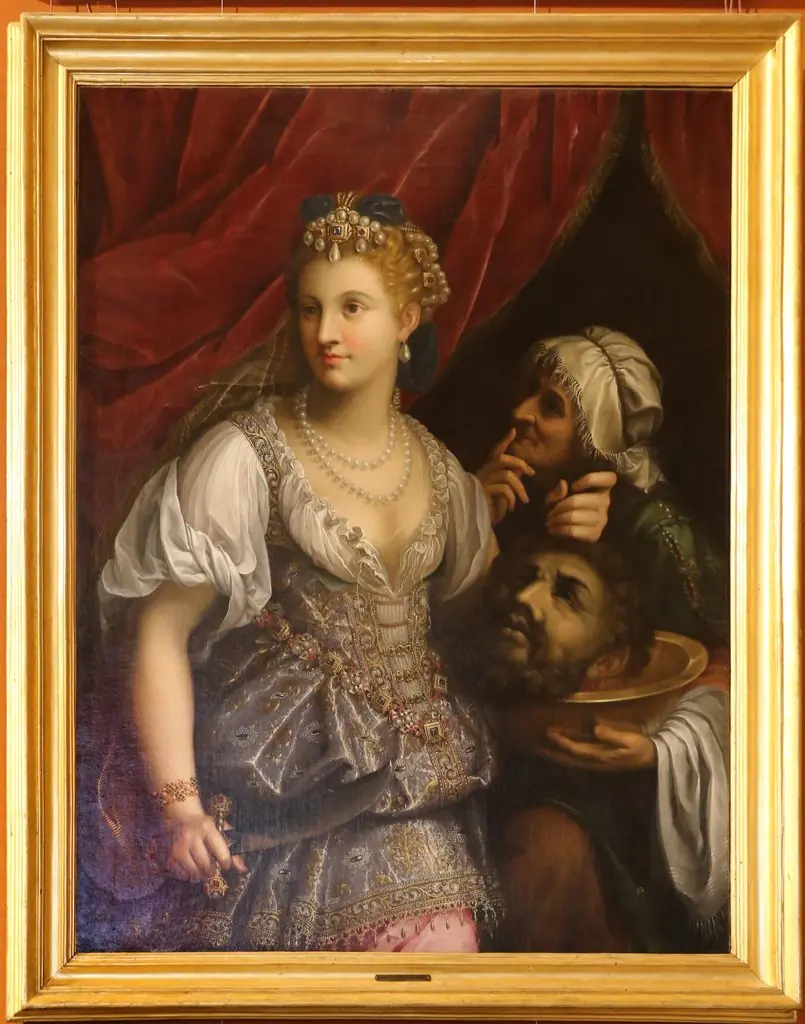 Judith with the Head of Holofernes
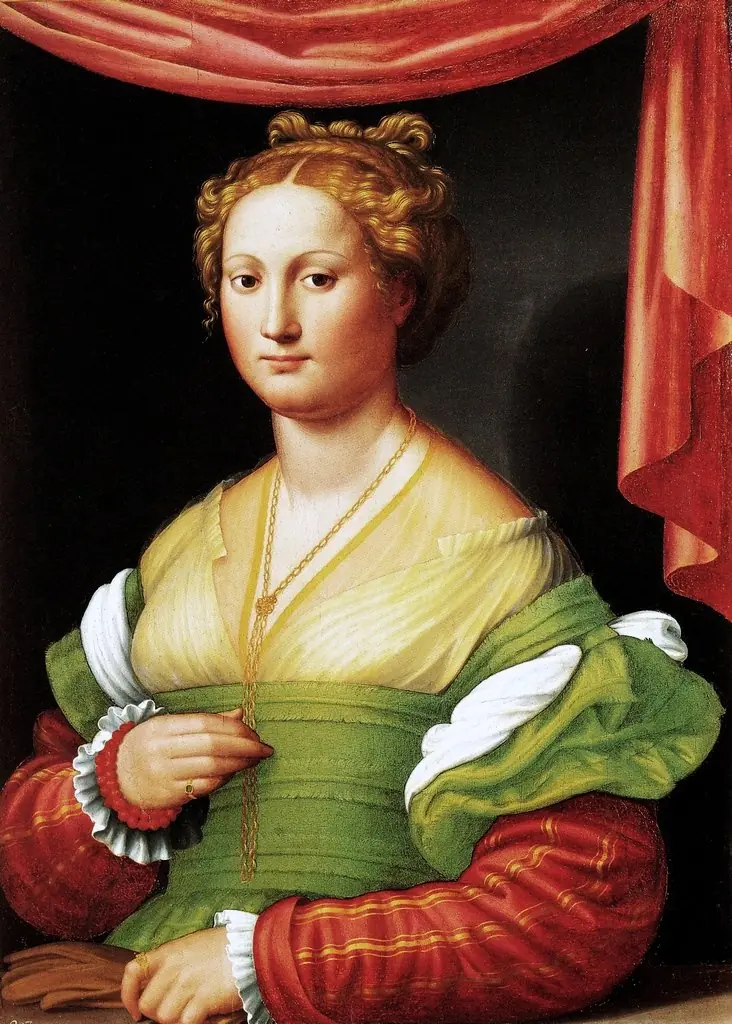 Portrait of a woman
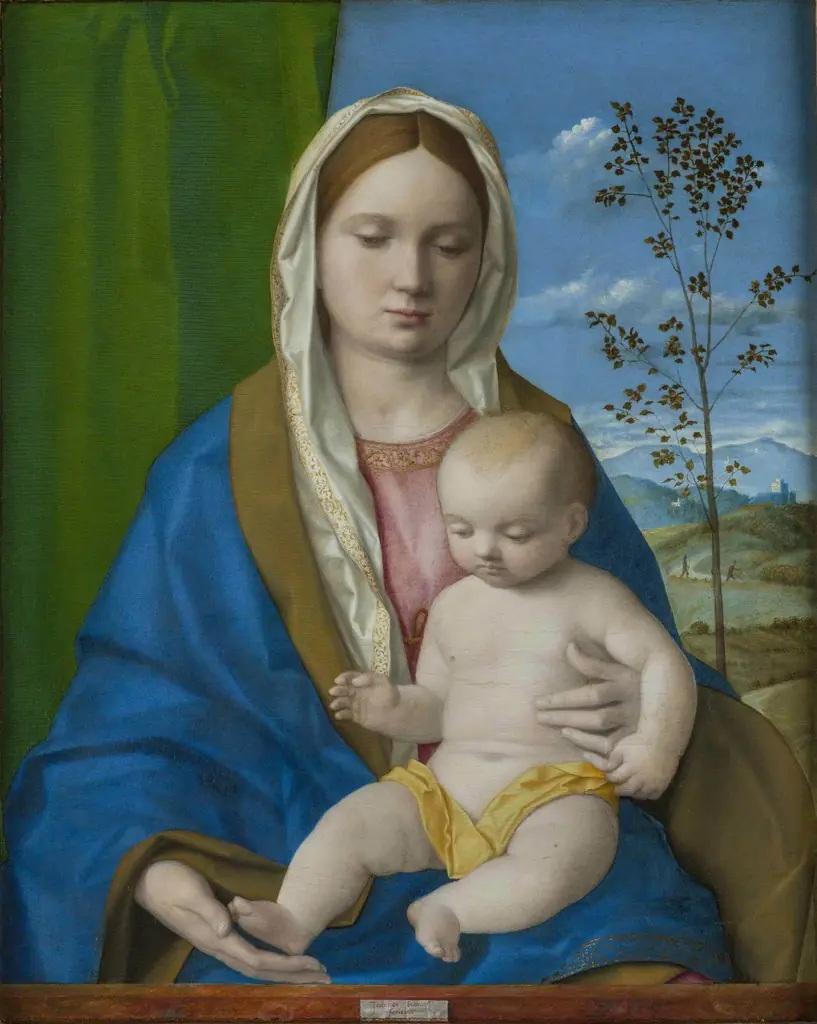 Madonna and Child
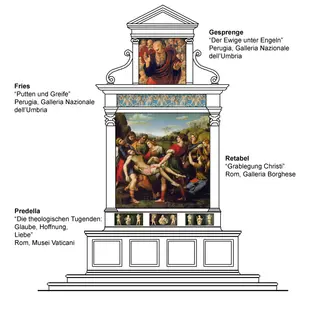 Pala Baglioni
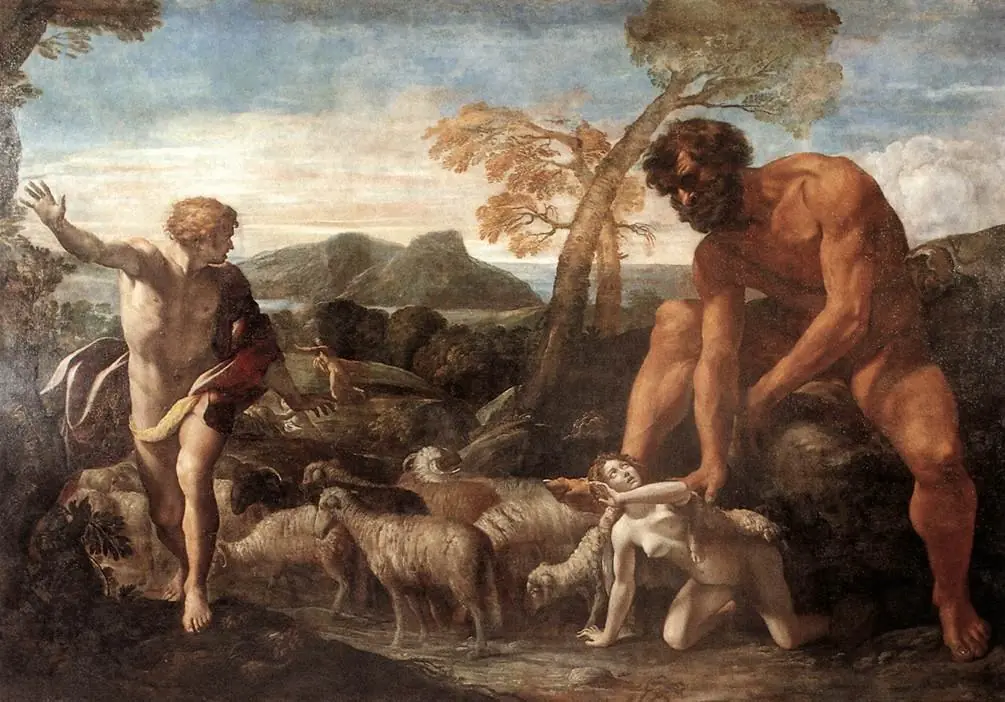 Norandino and Lucina Discovered by the Ogre
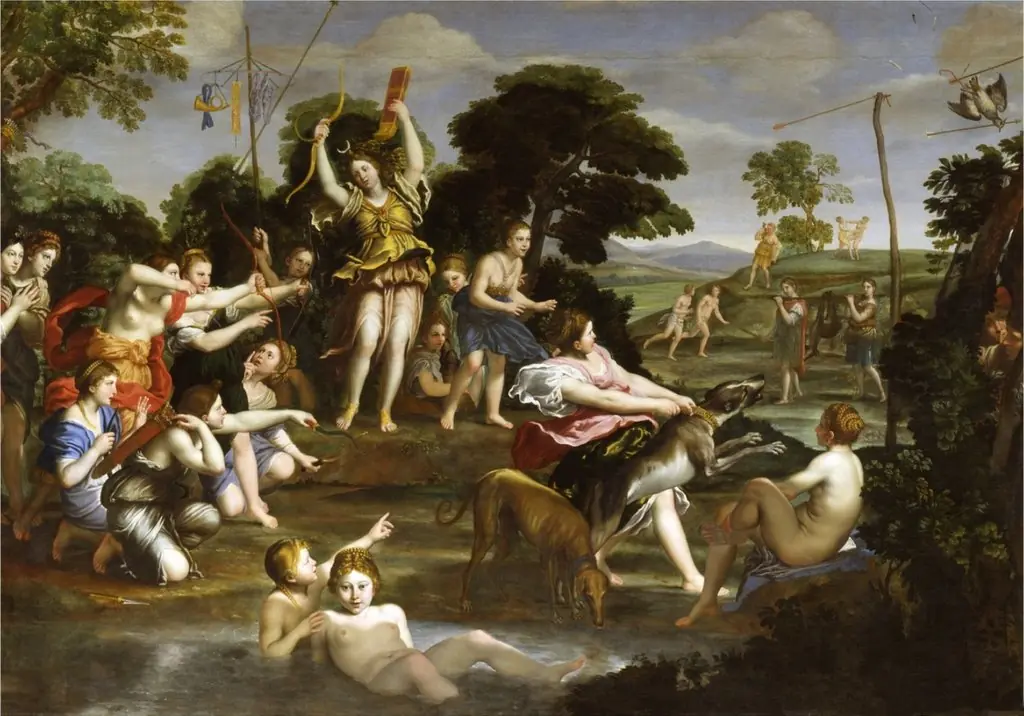 Diana and her Nymphs
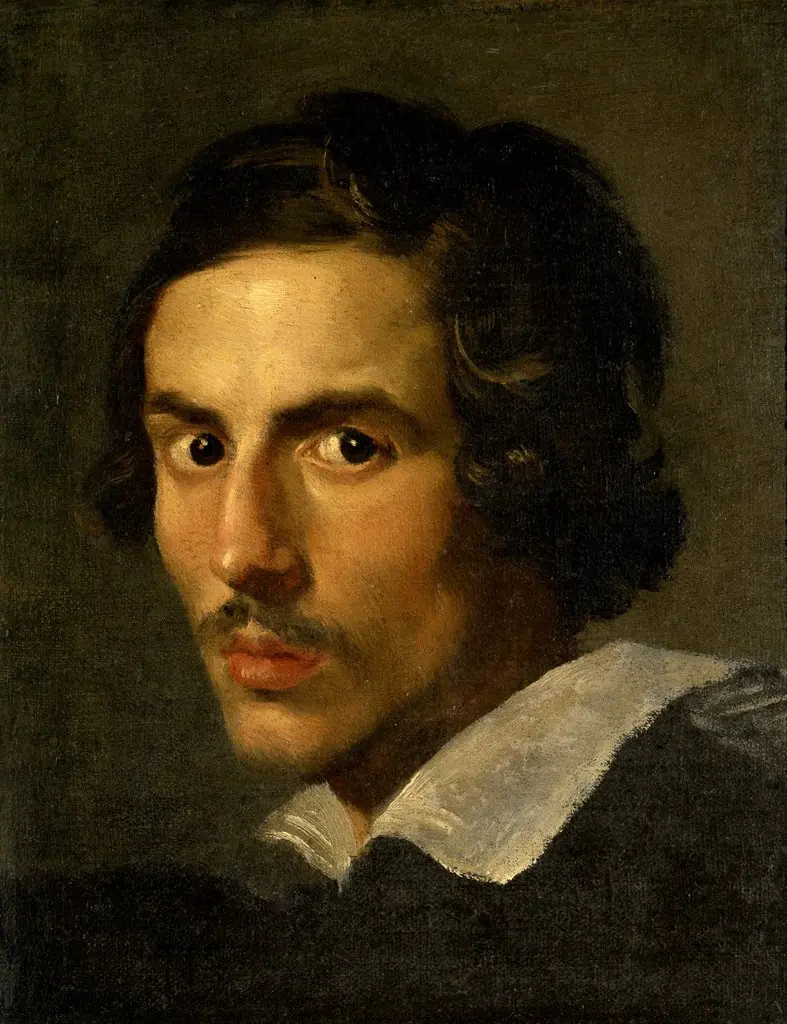 Self Portrait of Gianlorenzo Bernini as young man (1623)
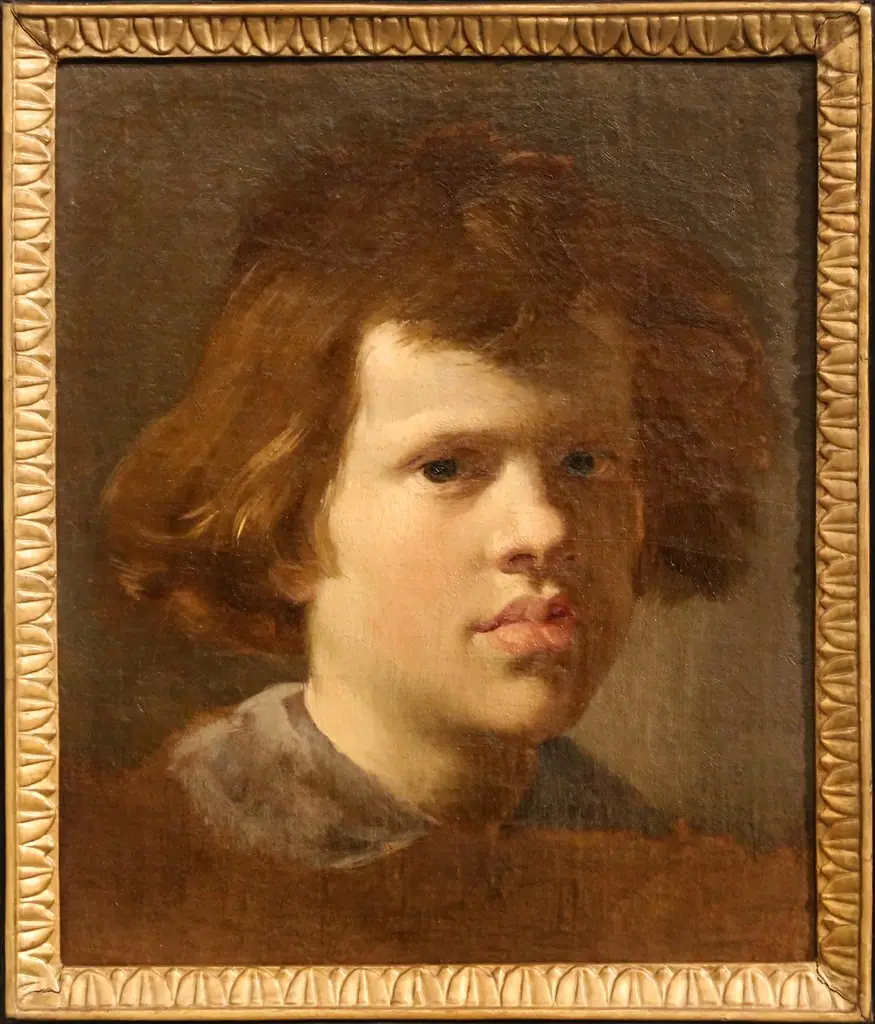 Portrait of Young Boy
 The Basilica of Maxentius and the Church of Santa Francesca Romana
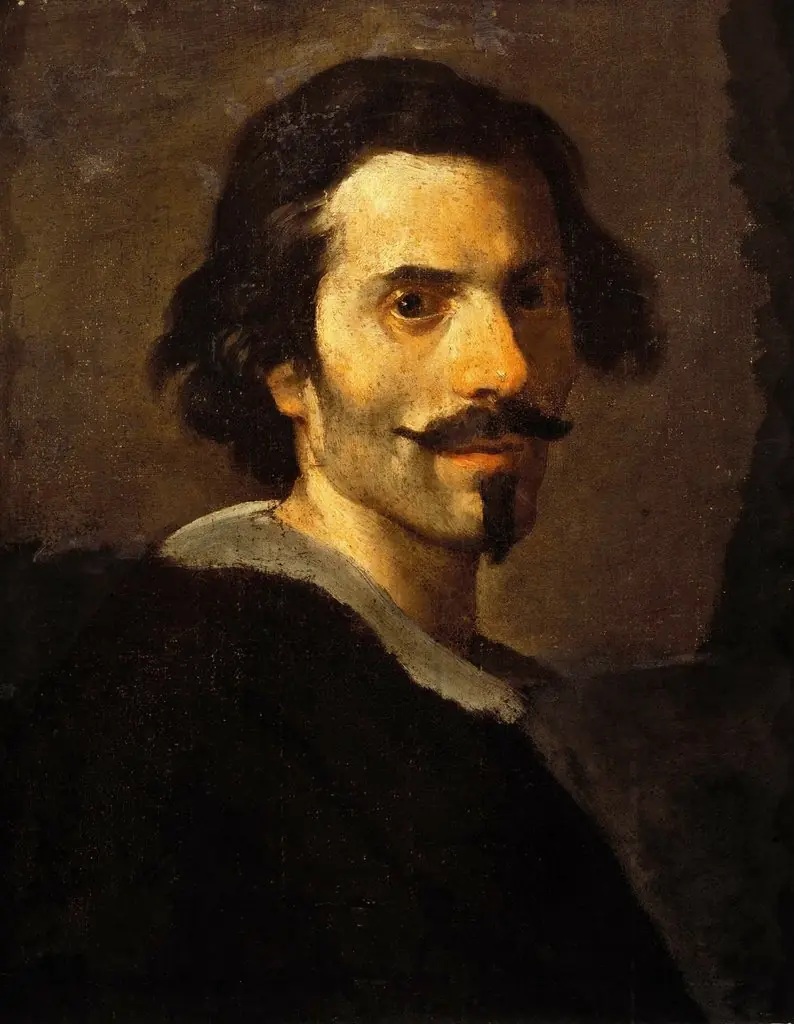 Self Portrait of Gianlorenzo Bernini as a Mature Man (1638-40)
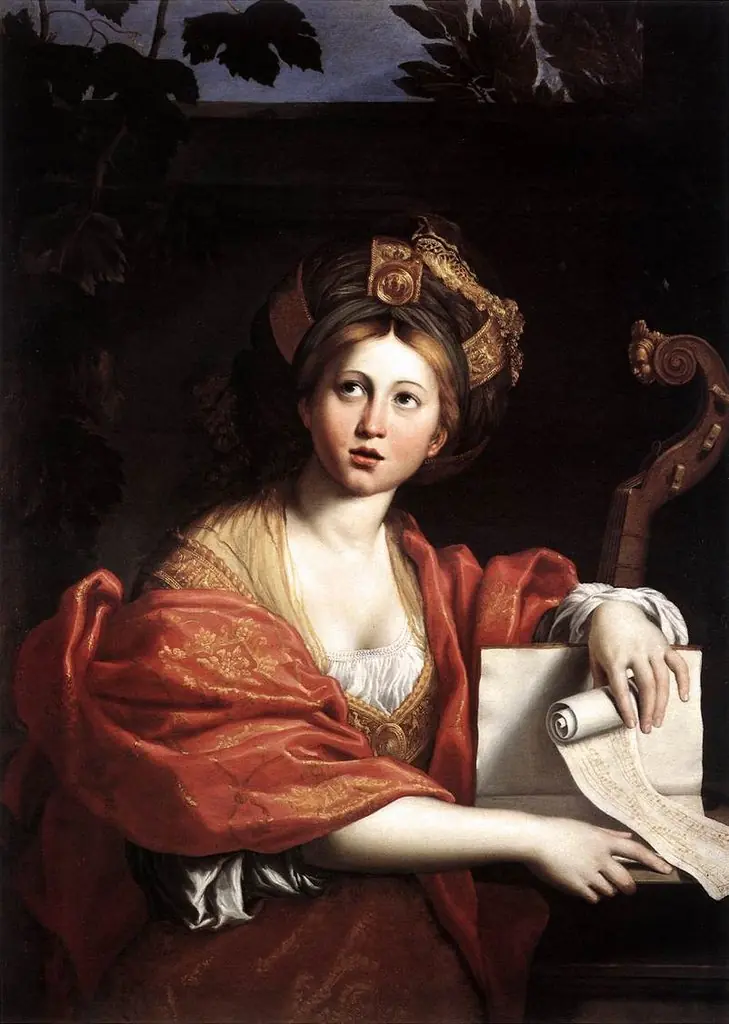 Cumaean Sibyl
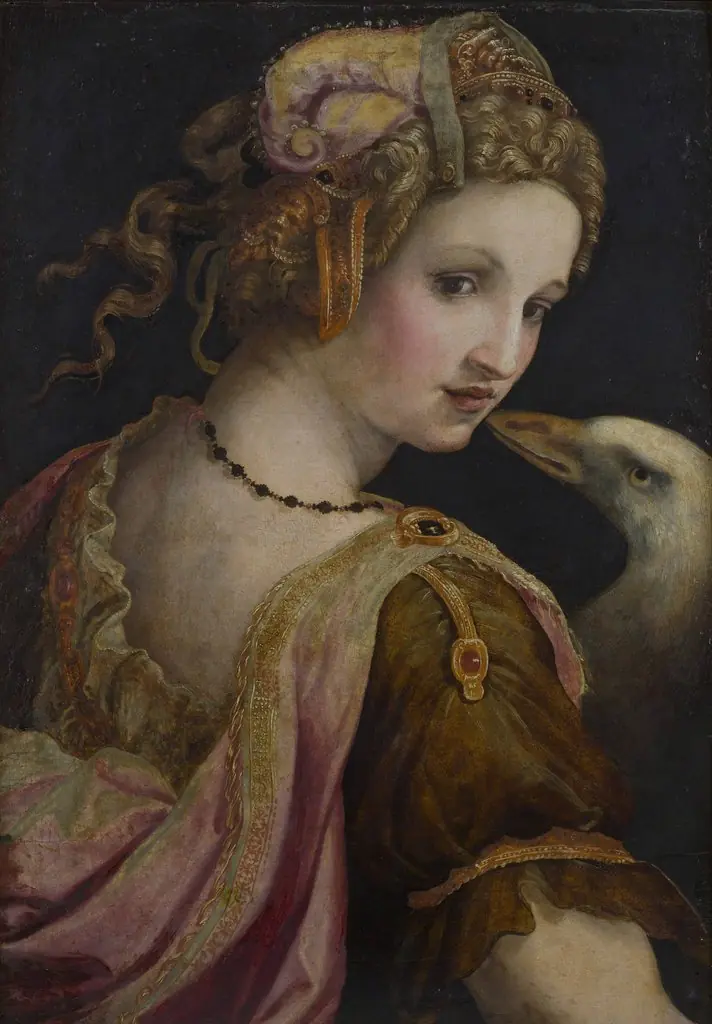 Léda
Léda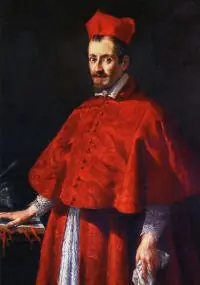 Cardinal Giulio Cesare Sacchetti (1586-1663)
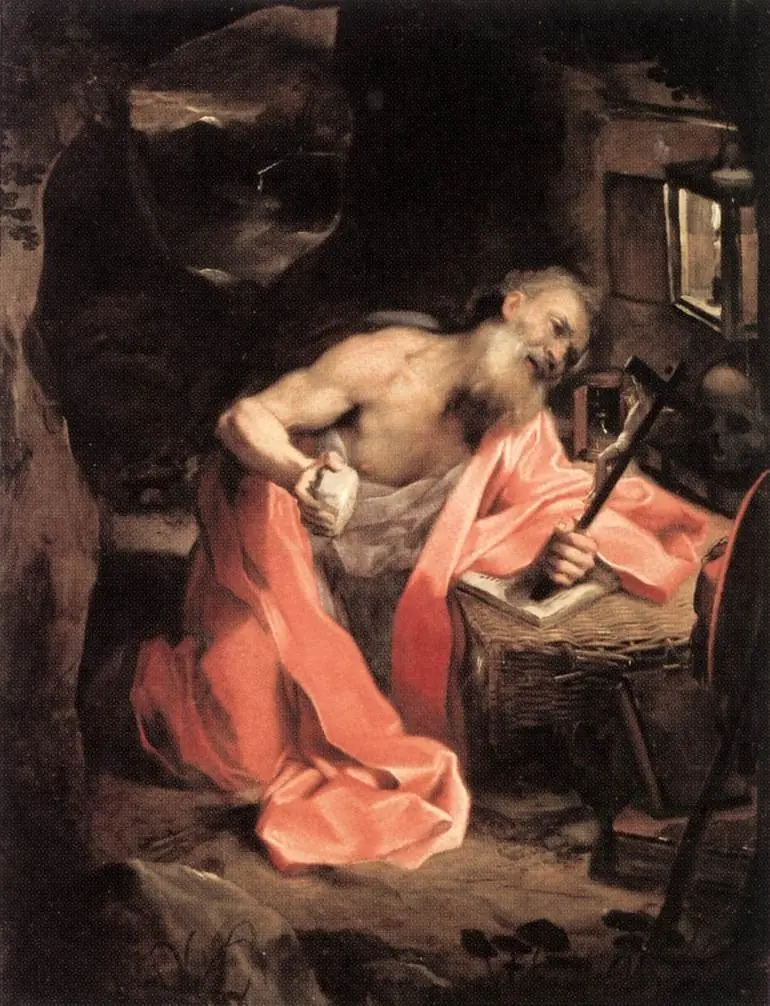 Saint Jerome
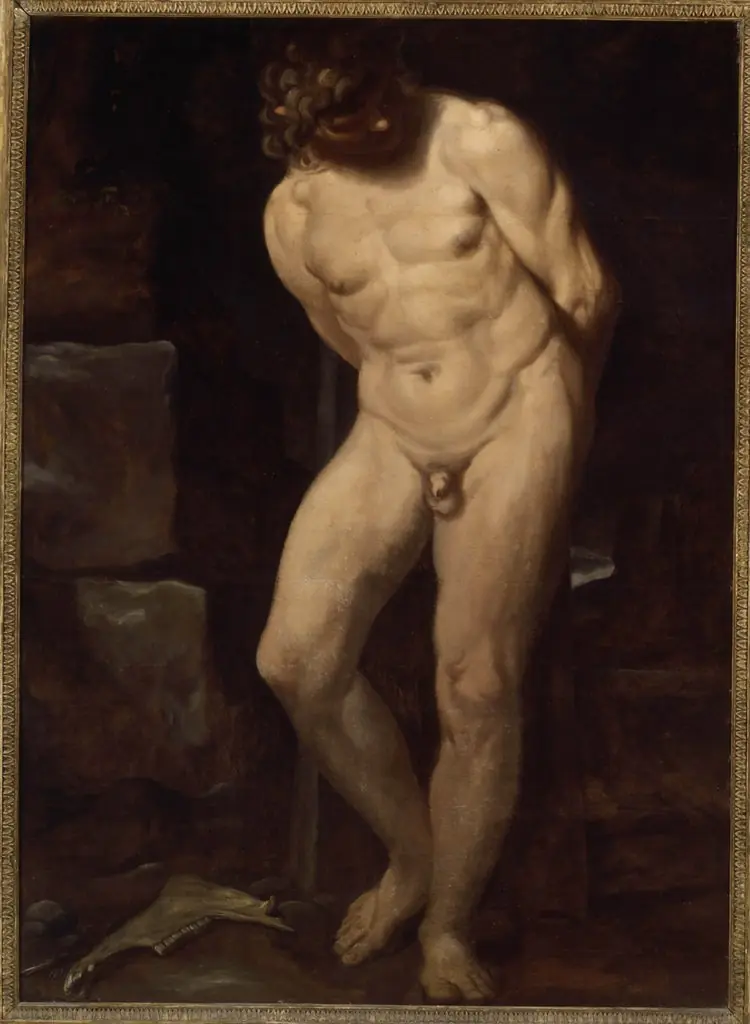 Samson in Chains
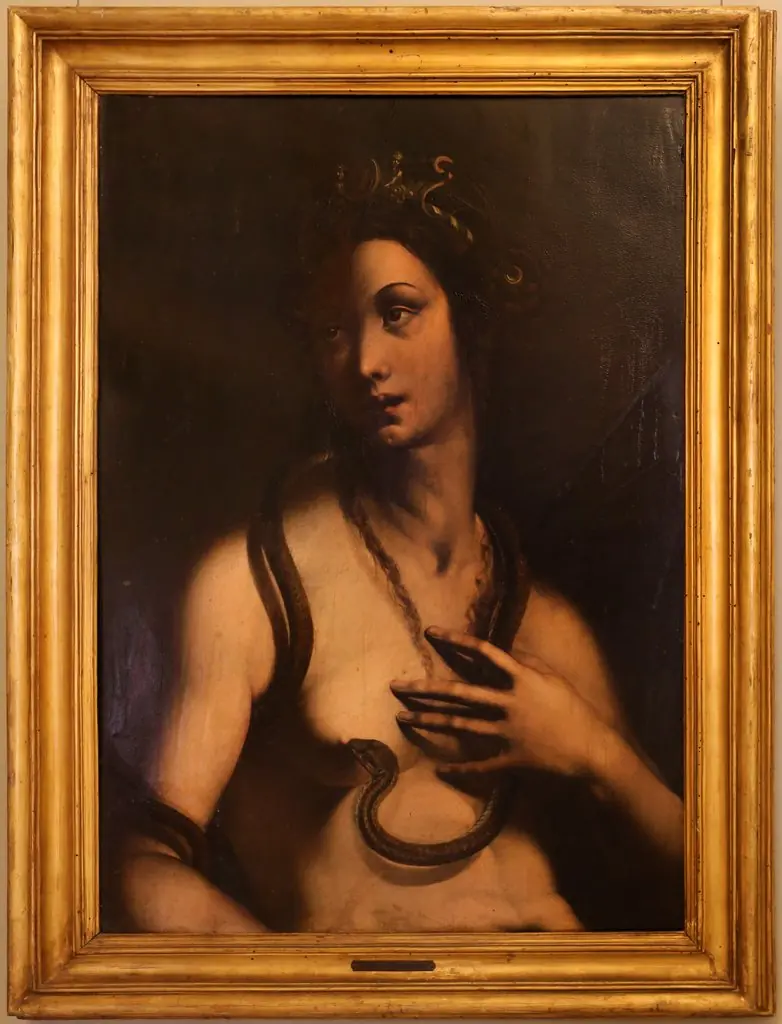 Cleopatra
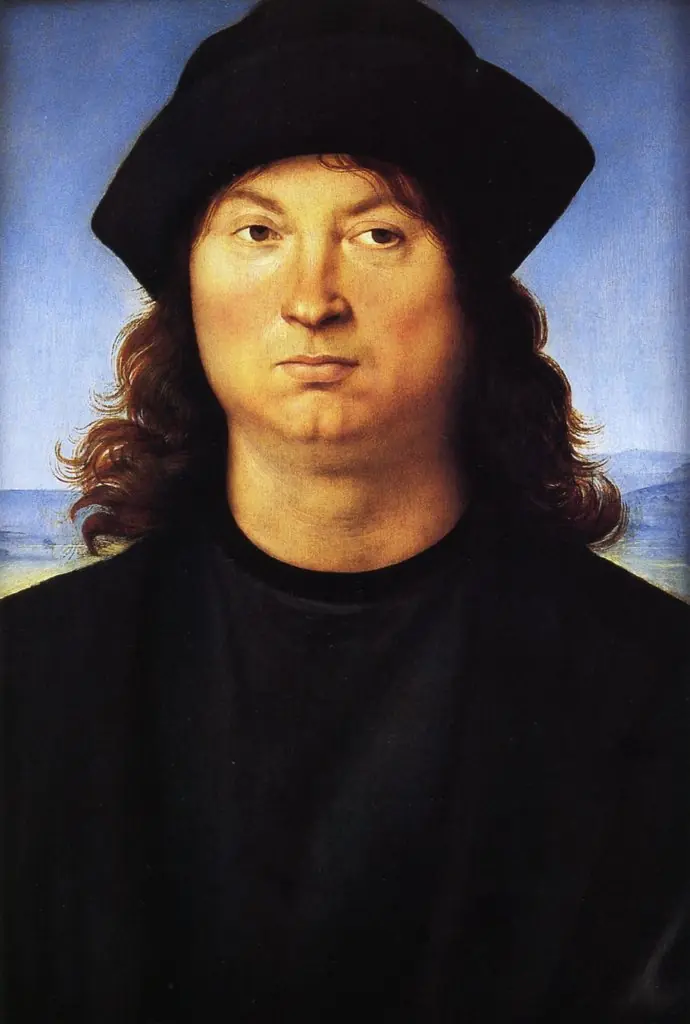 Portrait of a Man
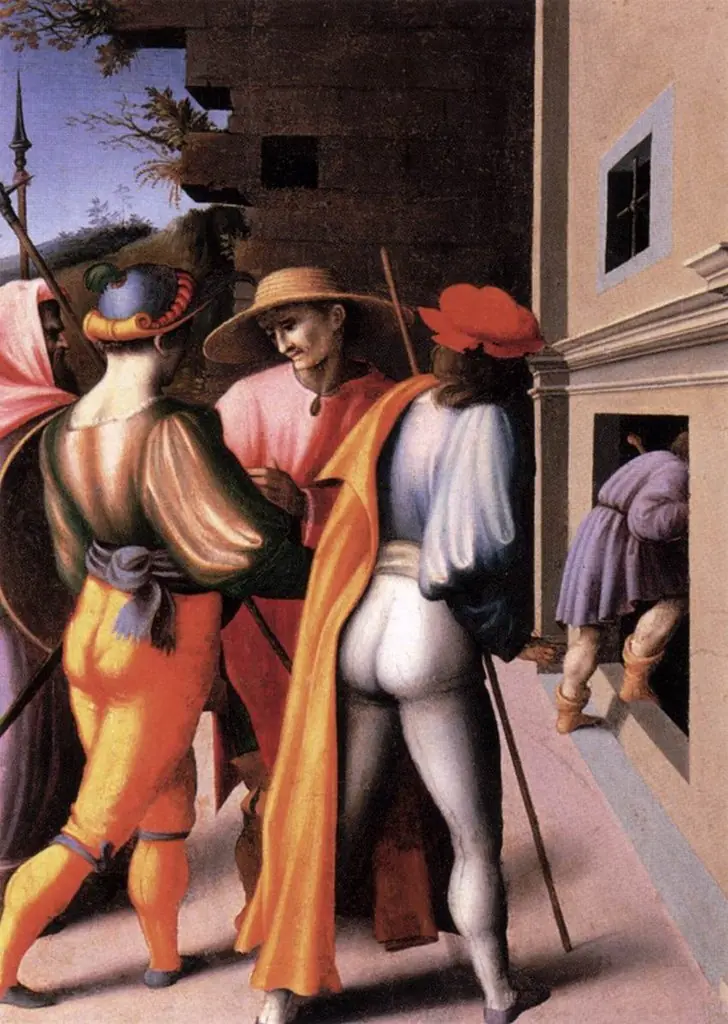 The Arrest of His Brethren
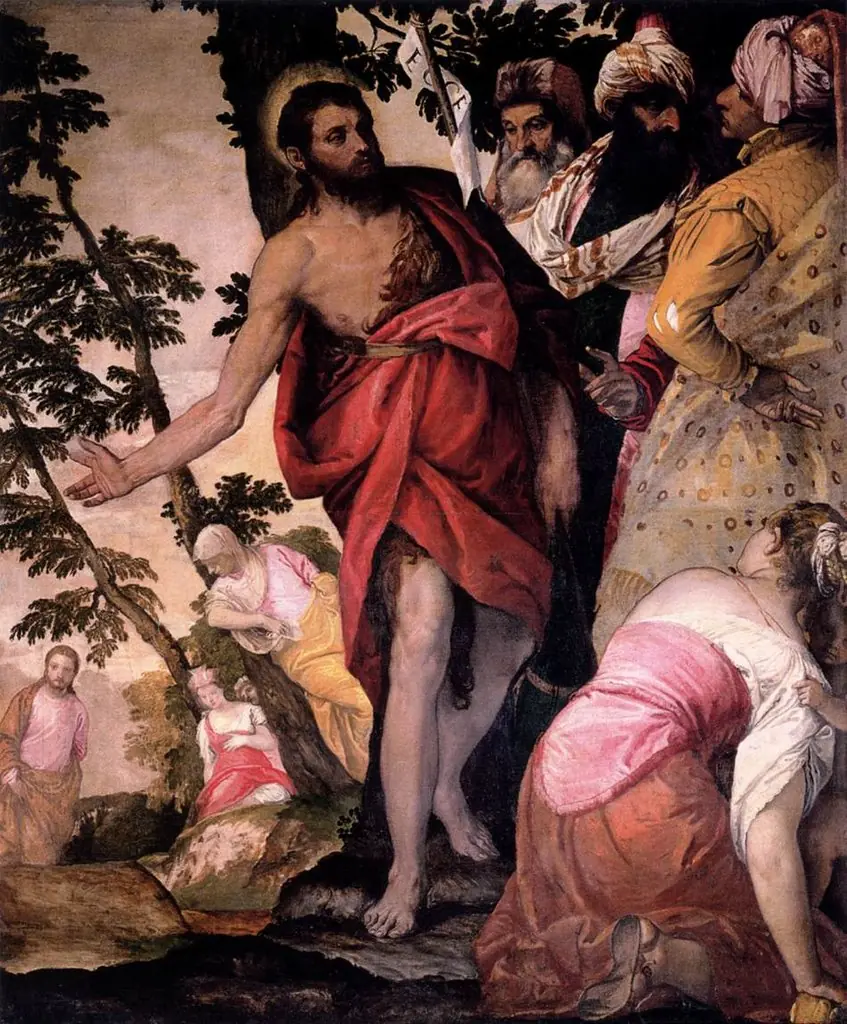 Saint John the Baptist Preaching
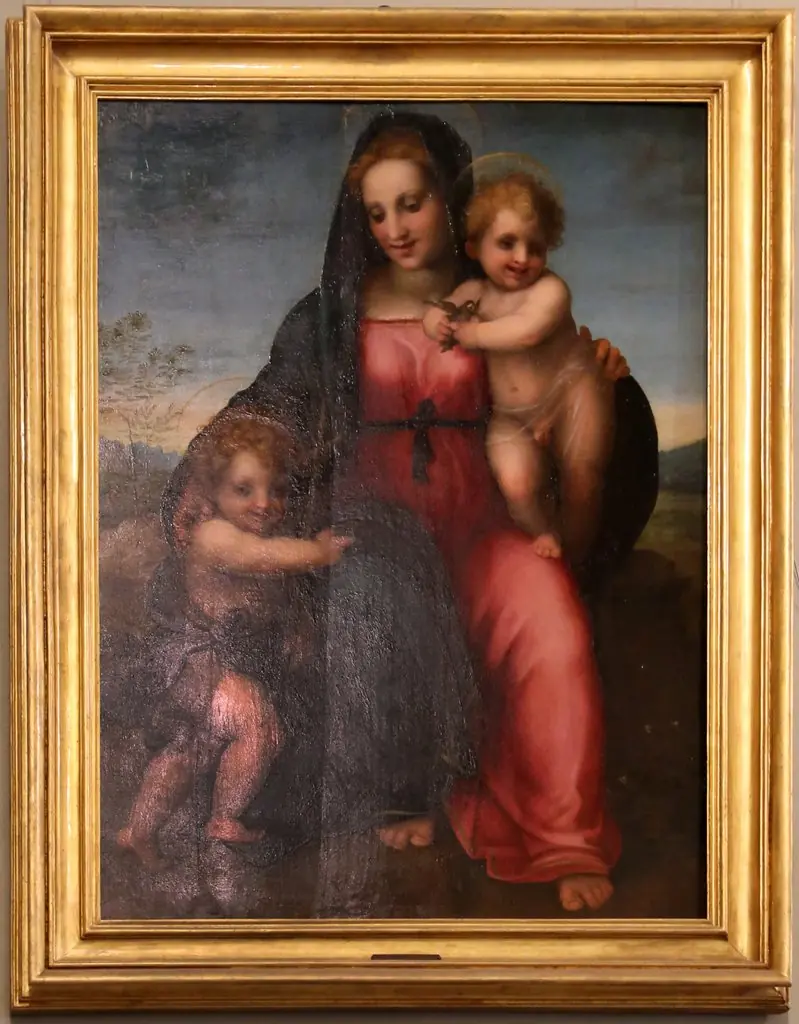 Madonna col Bambino e san Giovannino
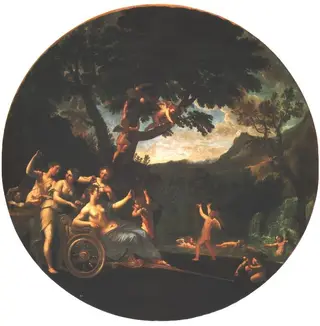 The Bath of Venus
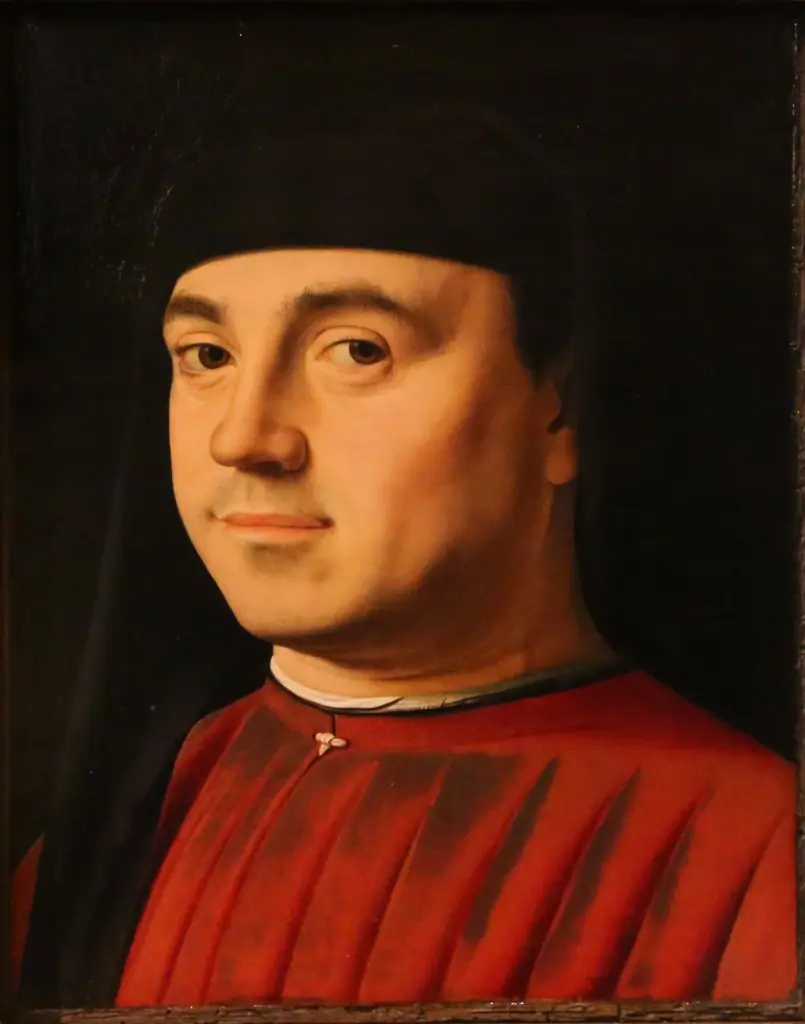 Portrait of a Man
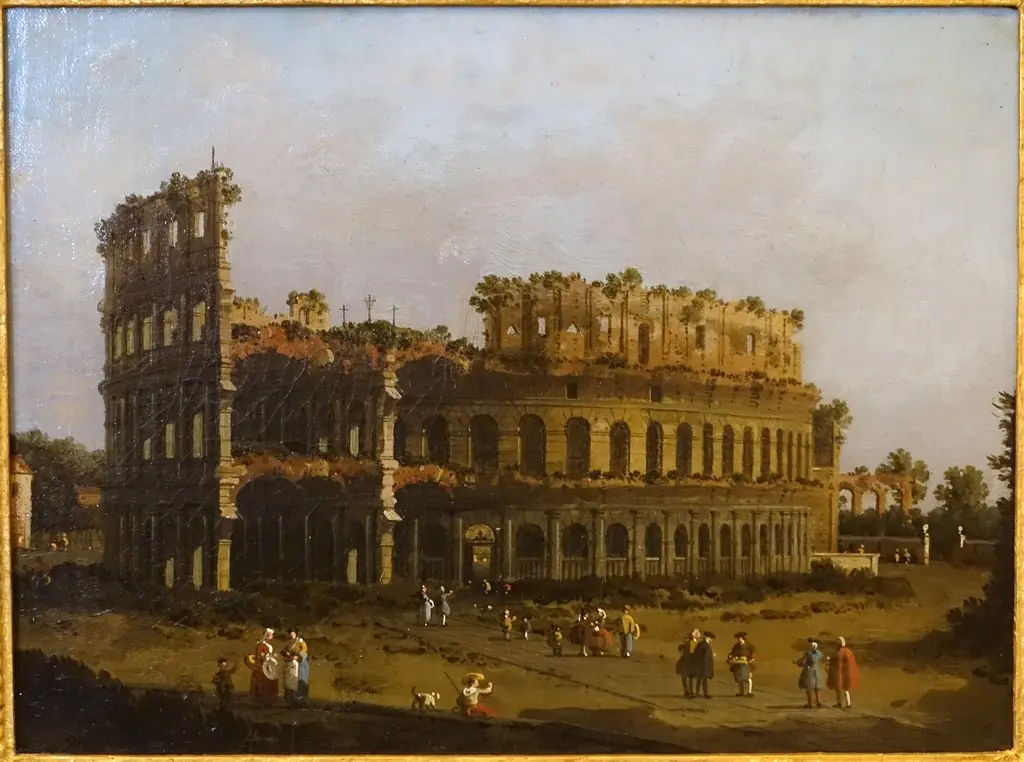 The Colosseum
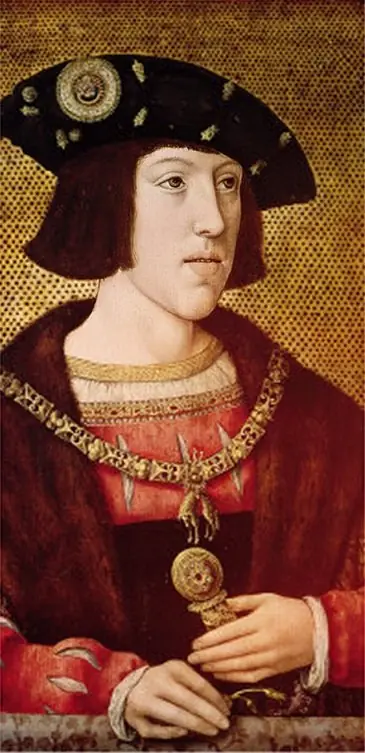 Portrait of Charles V
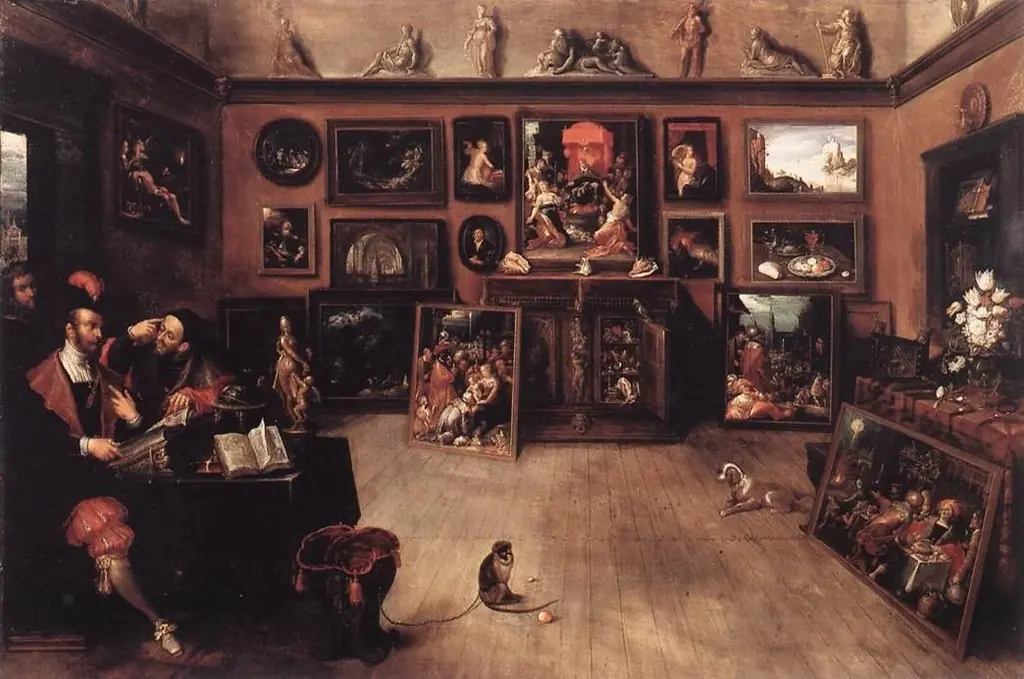 An Antique Dealer's Gallery
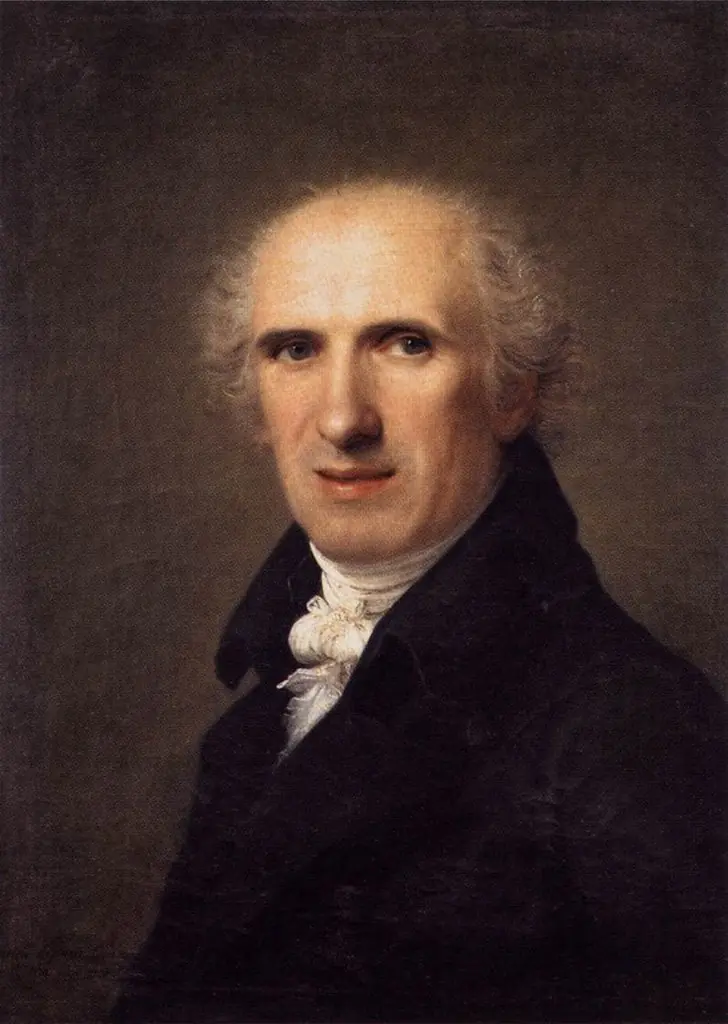 Portrait of Antonio Canova
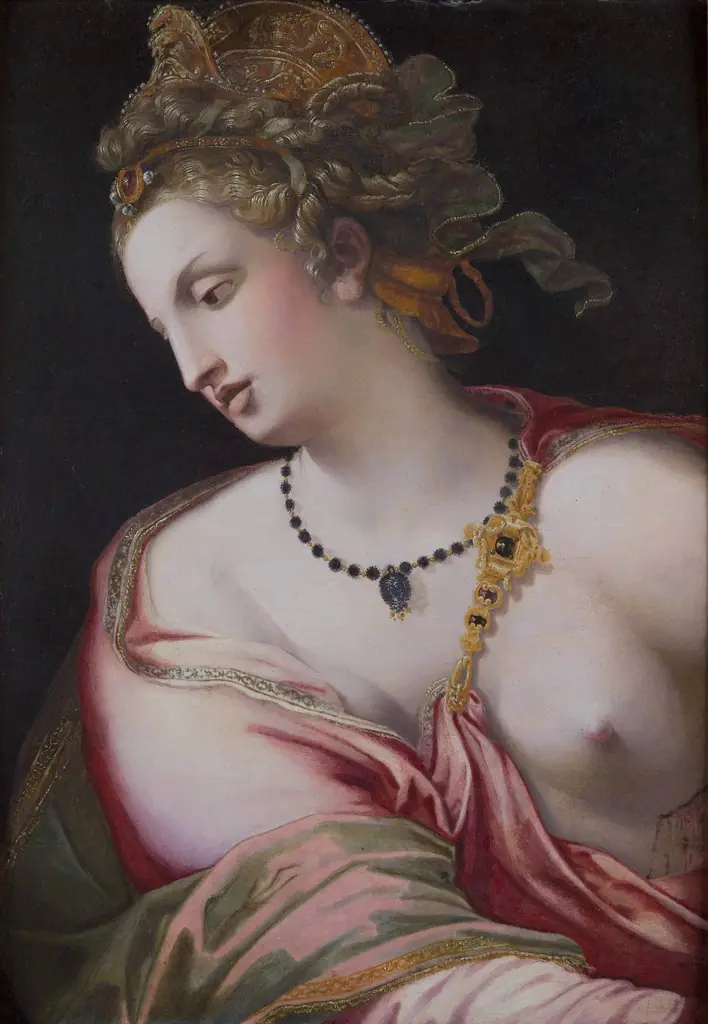 Lucrèce
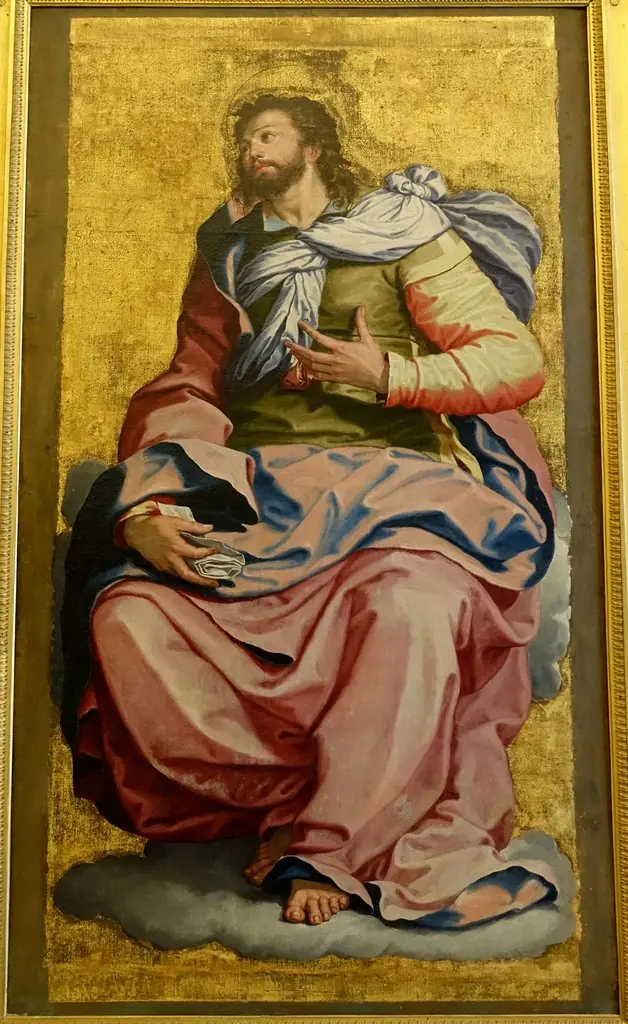 Apostle
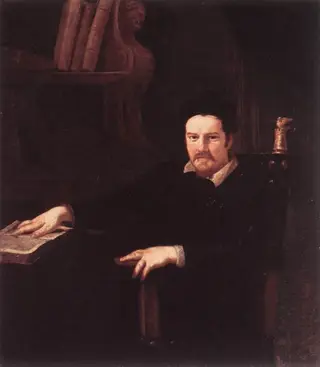 Portrait of Monsignor Clemente Merlini
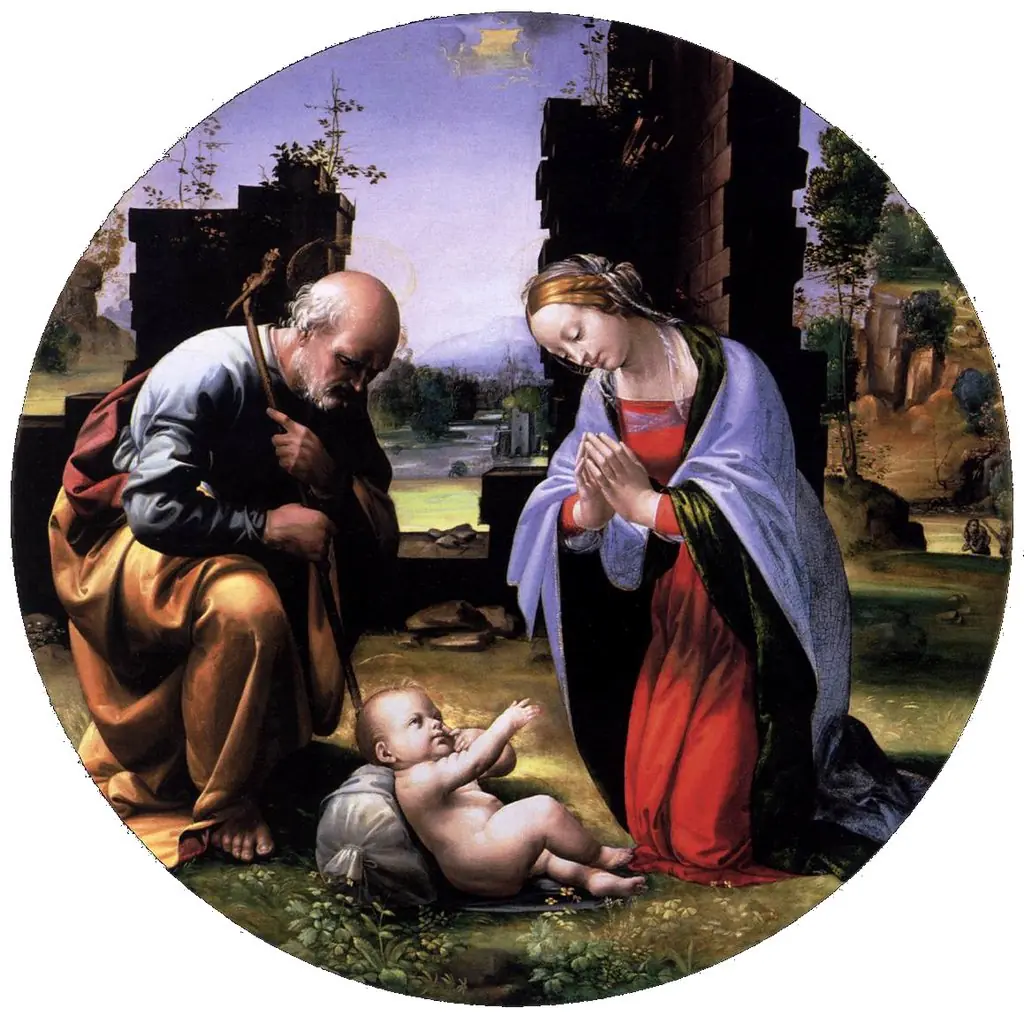 Adoration of the Child
Plan your visit
Galleria Borghese
- Get Tickets
- Book on Tiqets
We may earn a commission from ticket bookings, at no extra cost to you.
Museums near Galleria Borghese
- Art Museum Capitoline Museums Rome, Italy
- Art Museum Vatican Museums Vatican City, Vatican City
- Art Museum Pinacoteca Vaticana Vatican City, Vatican City
- Art Museum National Gallery of Umbria Perugia, Italy
- Art Museum Palace of Caserta Caserta, Italy
- Museum of the Royal Palace of Caserta Caserta, Italy


