Artwork
Self-portrait
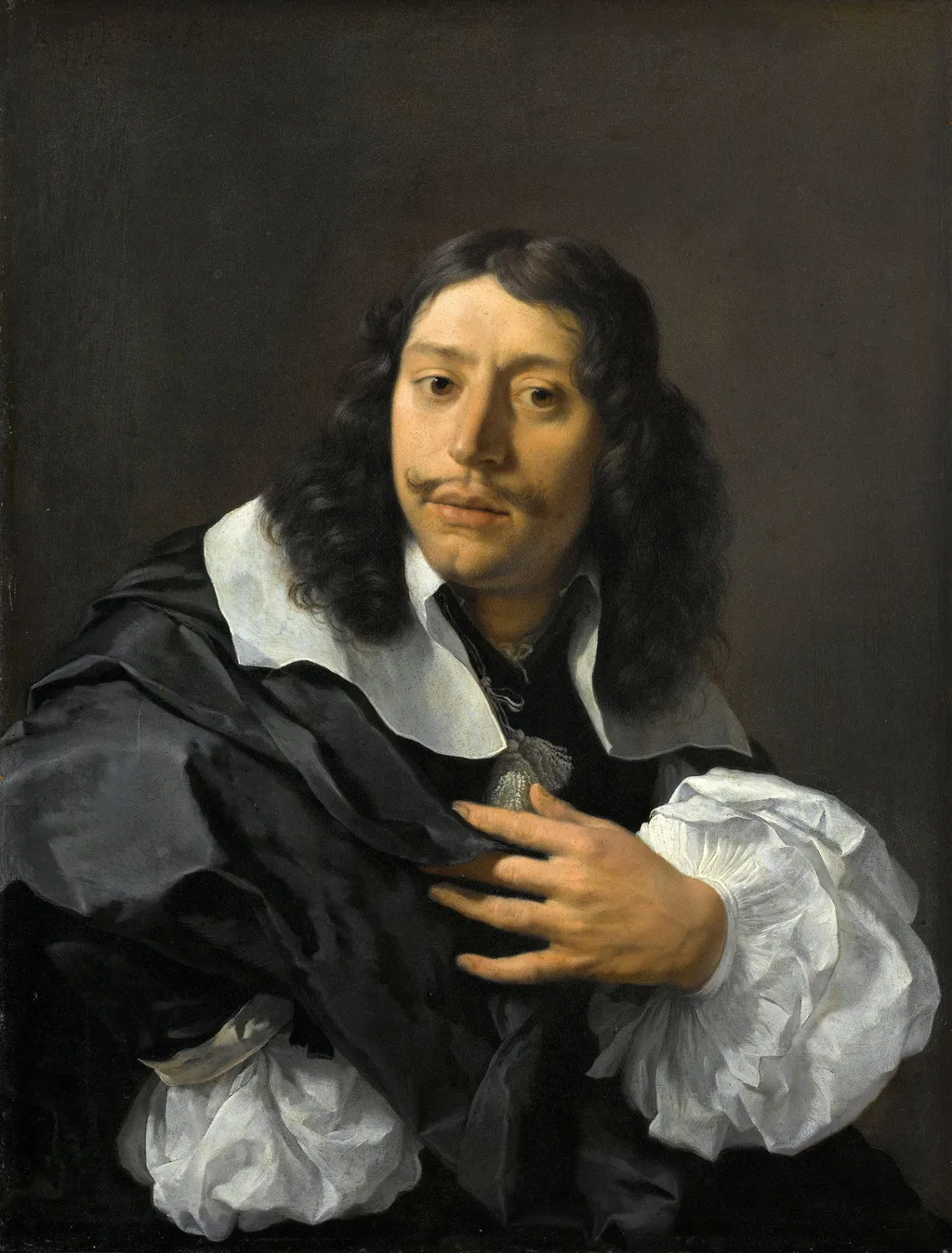
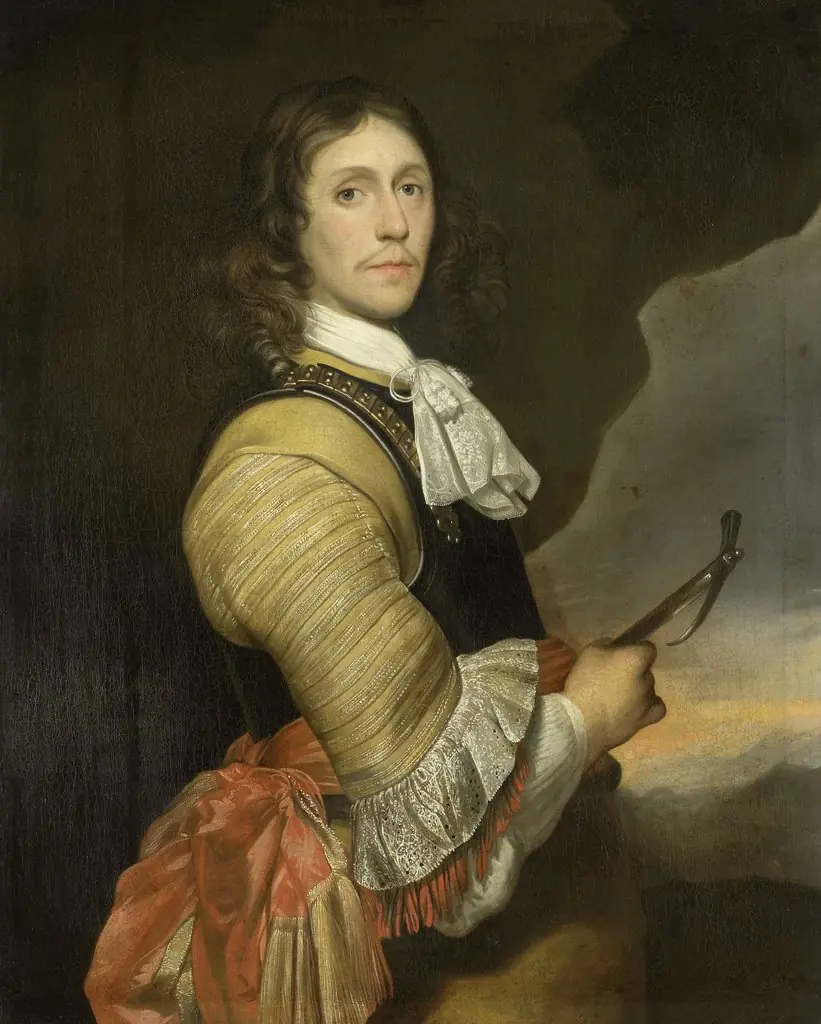
Self-portrait is an oil painting by the Dutch Golden Age artist Karel Dujardin. It dates from 1662 and is held in the collection of the Rijksmuseum.
About this work
Subject & Meaning
This piece is housed in the Rijksmuseum, displayed in hall 2.
The self-portrait shows the artist himself as the sole figure, presenting his appearance and attire with a direct gaze that conveys introspection and professional identity. The work was painted on copper in 1662 and measures 28.5 cm in height by 22 cm in width. Its iconography is limited to the artist’s visage and clothing, without additional symbolic attributes, emphasizing a representation of his status as a painter within the Dutch portrait tradition.
This piece is housed in the Rijksmuseum, displayed in hall 2.17, and is catalogued as a self-portrait genre work.
Technique & Style
Karel Dujardin's 1662 Self-portrait is executed in oil paint on a copper support, a combination well suited to the smooth, enamel-like finish prized in seventeenth-century Dutch cabinet pictures. The small-scale panel measures 28.5 cm in height by 22 cm in width, an intimate format that encouraged meticulous handling and refined surface detail. The copper ground allowed the artist to build up thin, translucent layers with crisp definition, lending the work a polished, jewel-like quality typical of the medium.
Held in the Rijksmuseum's collection and displayed in hall 2.17, the painting exemplifies Dujardin's careful, controlled technique within the self-portrait genre.
History & Provenance
Karel Dujardin's Self-portrait was created in 1662, executed in oil paint on copper. The work measures 28.5 cm in height by 22 cm in width.
The painting entered the collection of the Rijksmuseum, where it is currently displayed in hall 2.17. No further details regarding commission, intermediate ownership, or acquisition history are documented in the available sources.
Context
Karel Dujardin's Self-portrait of 1662 stands as a significant example of Dutch Golden Age portraiture, reflecting the artist's engagement with emerging genre painting and the private studio practices of the period. The work, executed in oil on copper, demonstrates technical virtuosity through its intricate rendering and luminous surface, characteristic of Dujardin's mature style. Its inclusion in the Rijksmuseum collection underscores scholarly recognition of its historical and artistic value, placing it within broader discussions of self-representation and artistic identity in 17th-century Dutch art.
The painting's provenance and display context within the Rijksmuseum further inform its reception, highlighting its role in contemporary art historical narratives.
Overview
Created in 1662, this self‑portrait by Dutch painter Karel Dujardin is executed on a copper panel. The work measures modestly, reflecting Dujardin’s preference for intimate formats, and is presently displayed in the Rijksmuseum’s collection. It presents the artist in a restrained pose, allowing close observation of his features and attire.
Own this work as a print
Artist & collection

Artist
Karel Dujardin (September 27, 1626 – November 20, 1678) was a Dutch Golden Age painter.

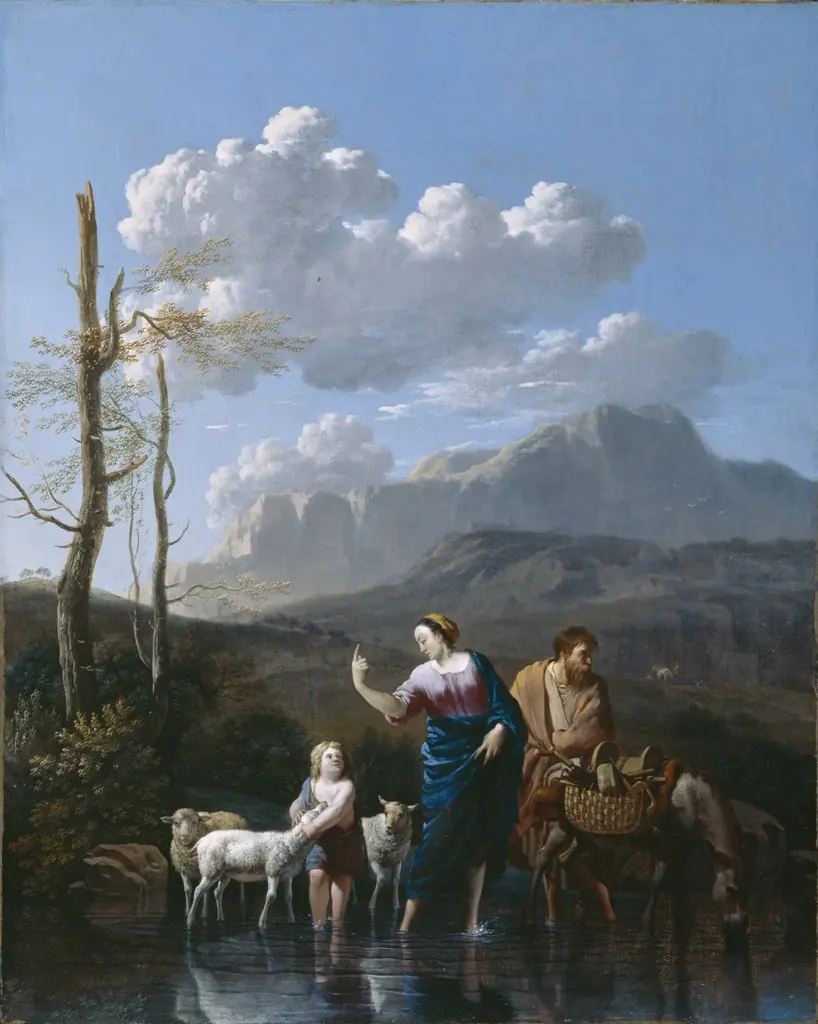
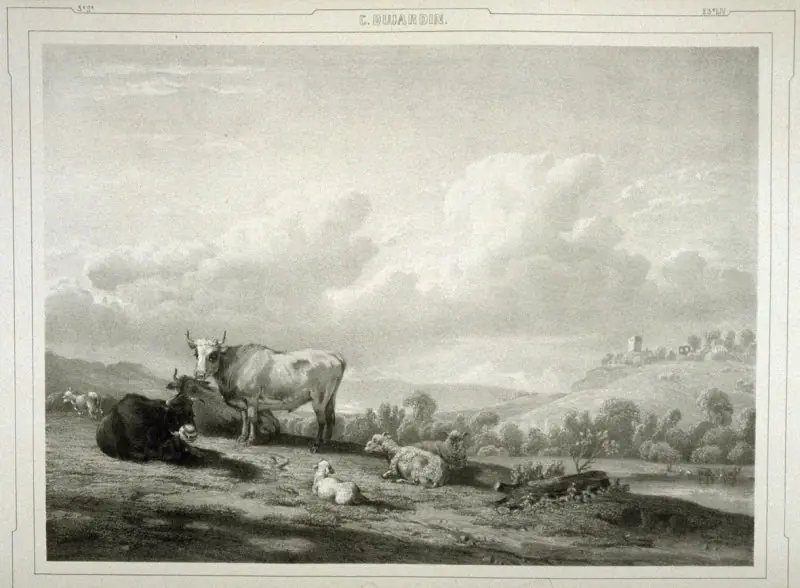
- Portrait of a man with dark hair, probably Alphons Zeffiri
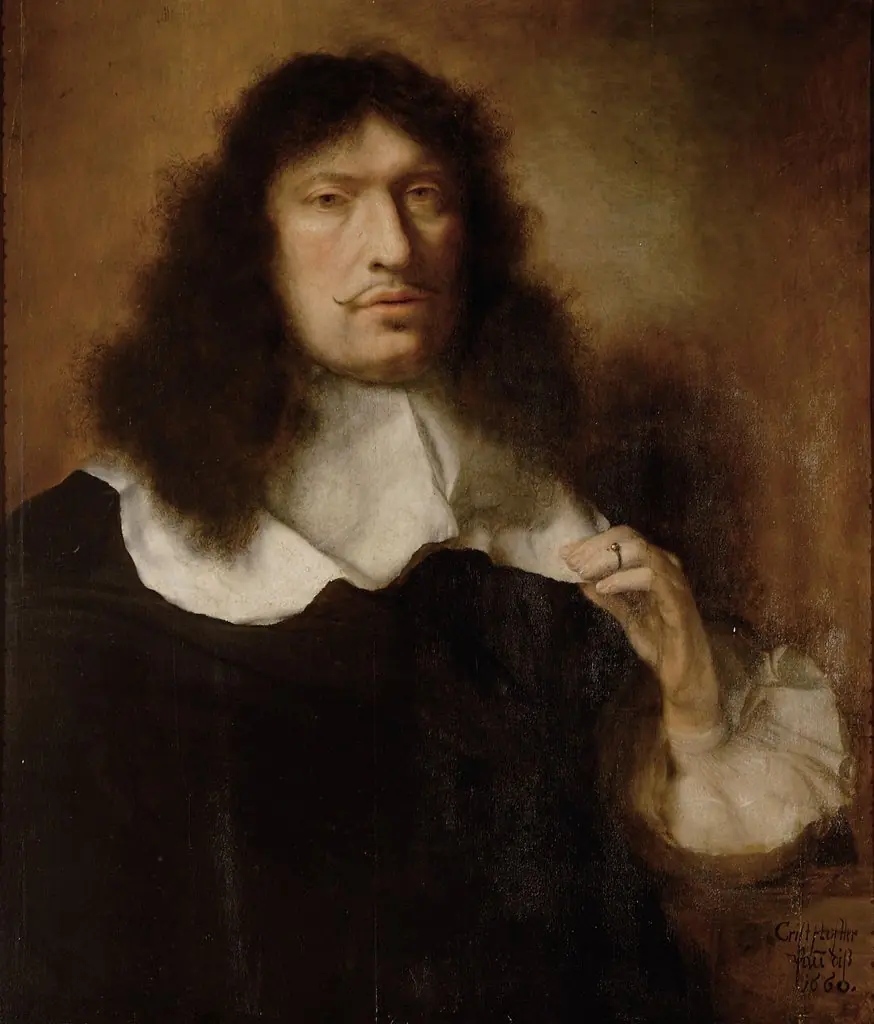
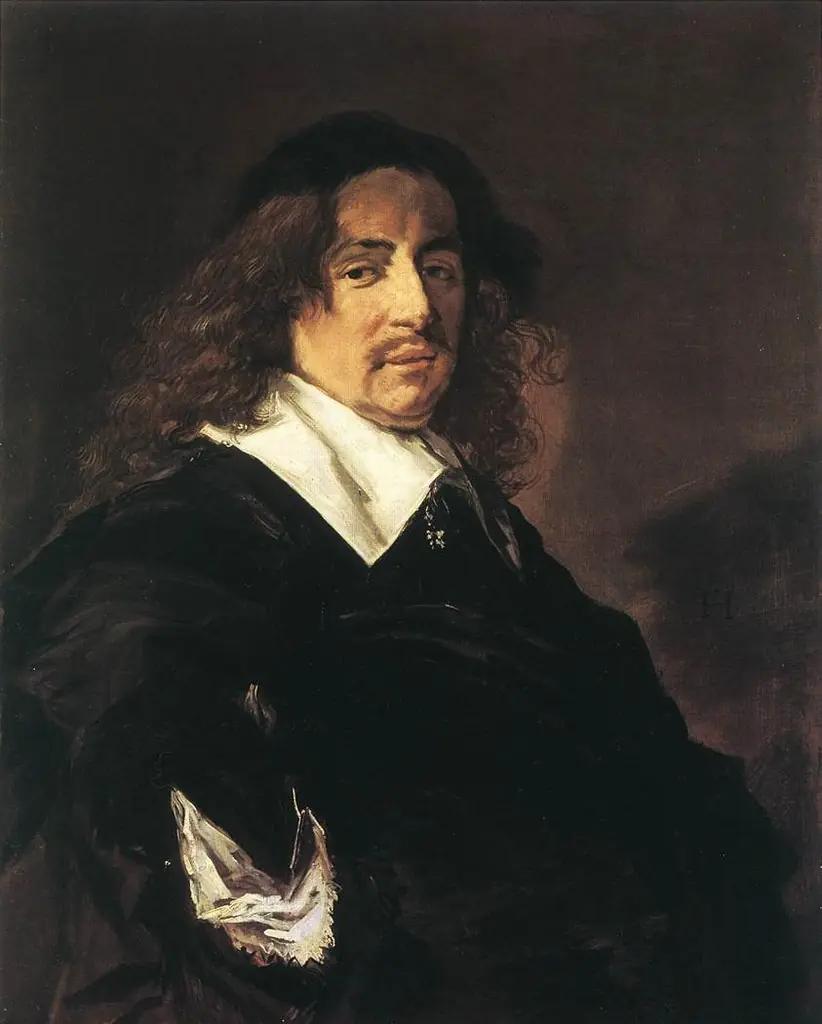 Portrait of a man with long hair and a mustache
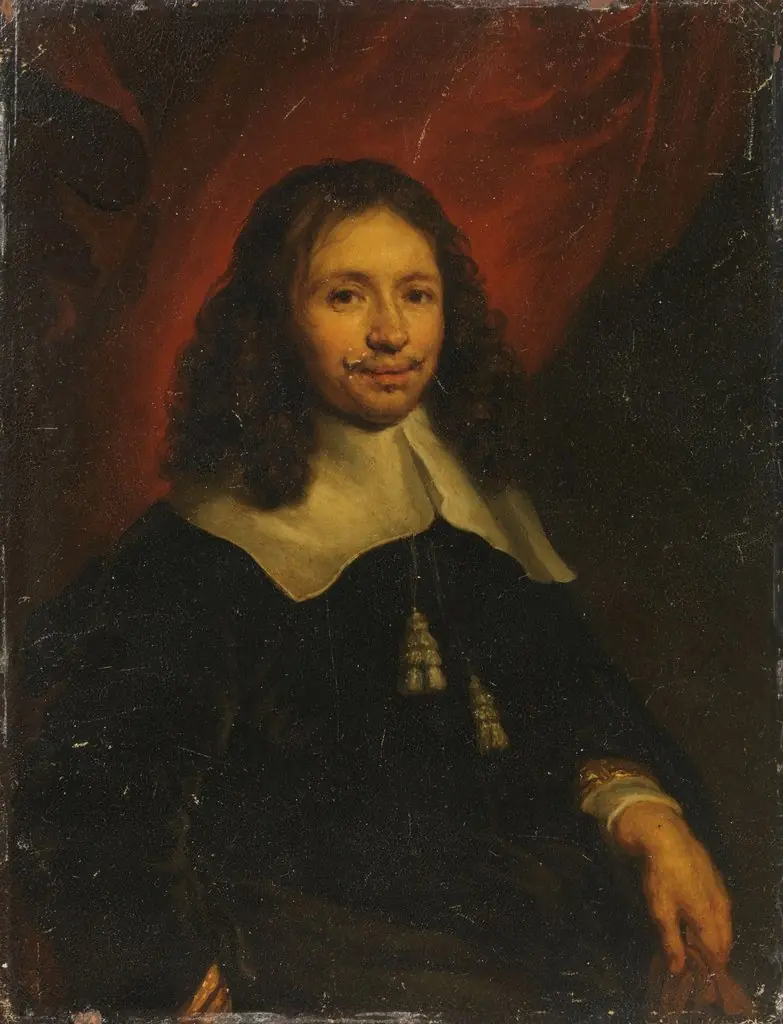 Dionijs Wijnands (1628-73). Amsterdam merchant
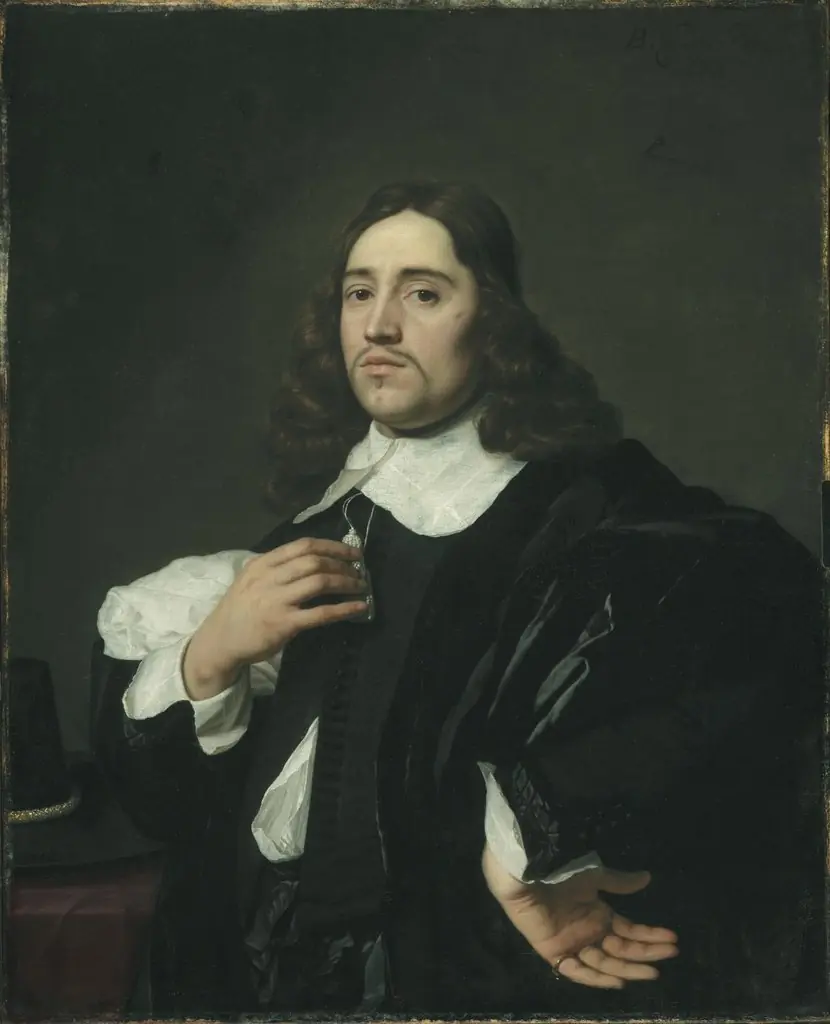 Portrait of a Gentleman (hand on hip)
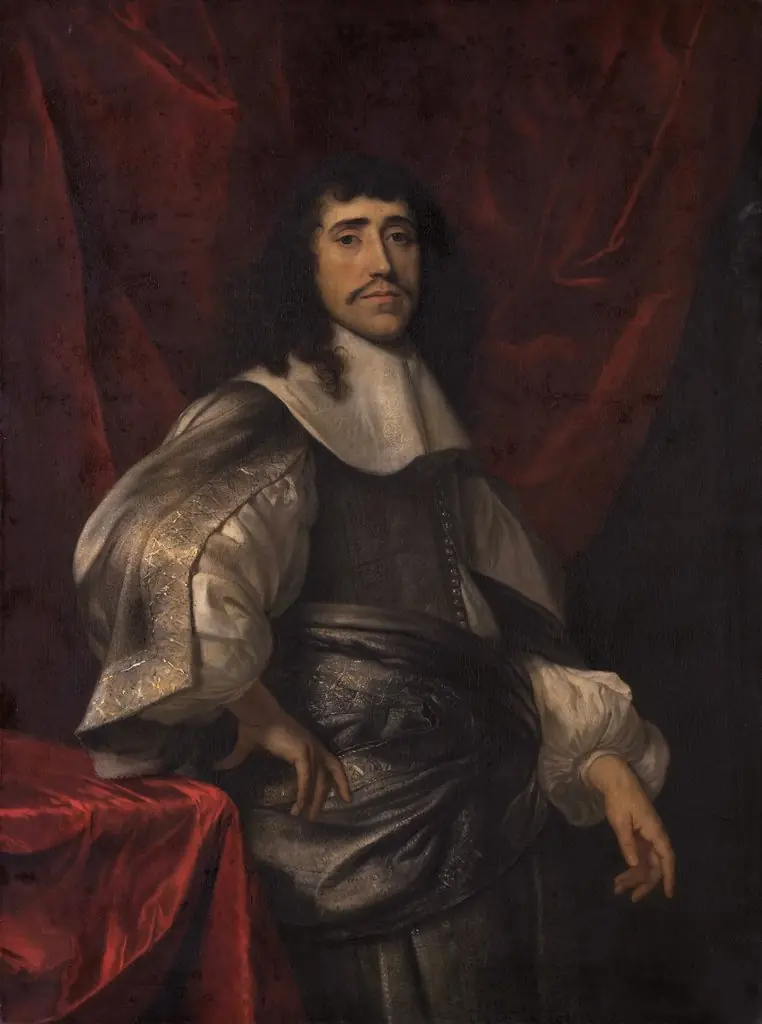 Portrait of a man, thought to be Christoffel van Gangelt
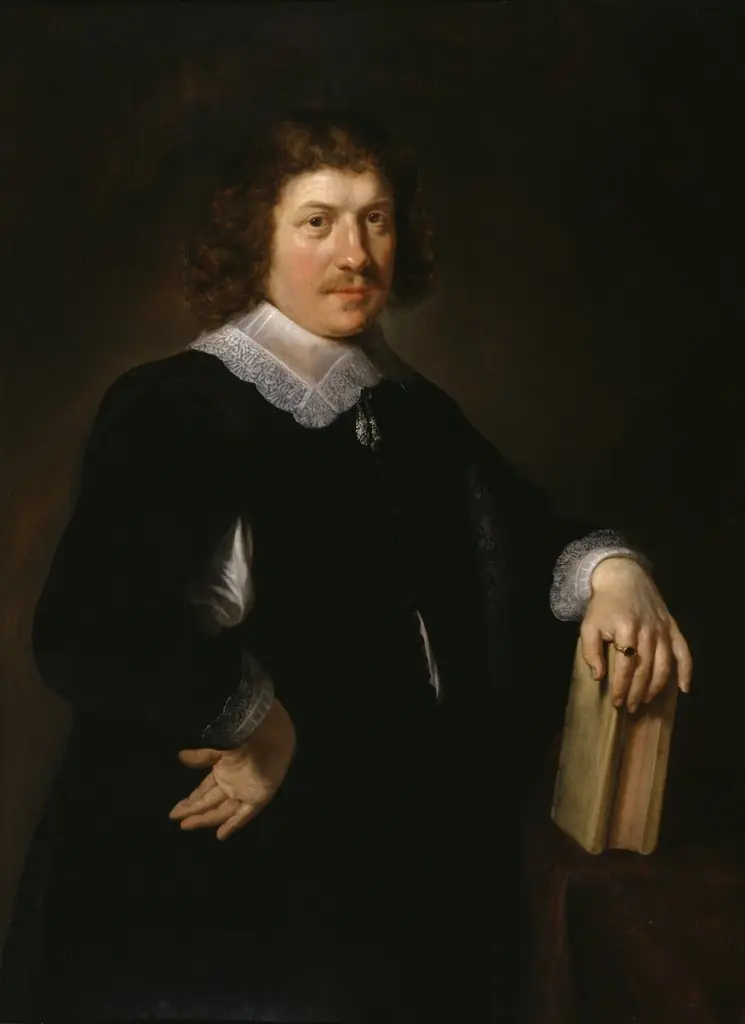 Portrait of a Husband
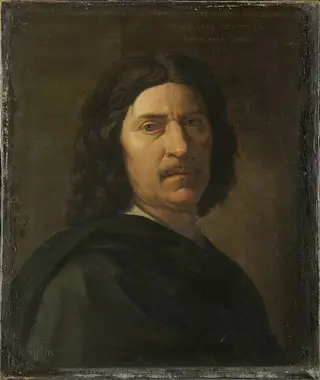 Selbstbildnis
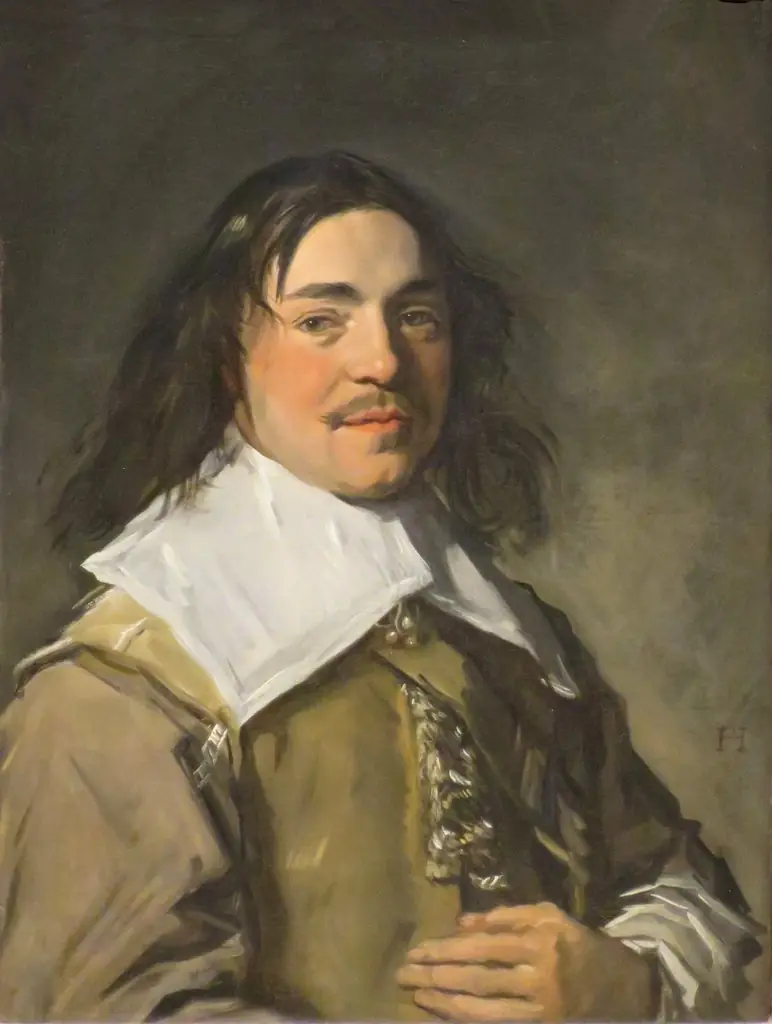 Portrait of a man
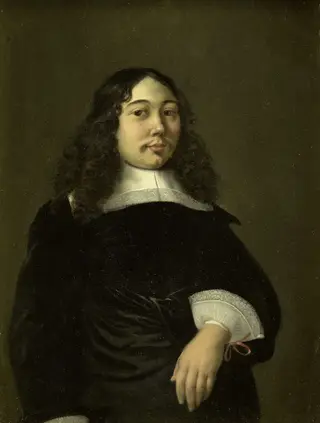 Wijnand Wijnands
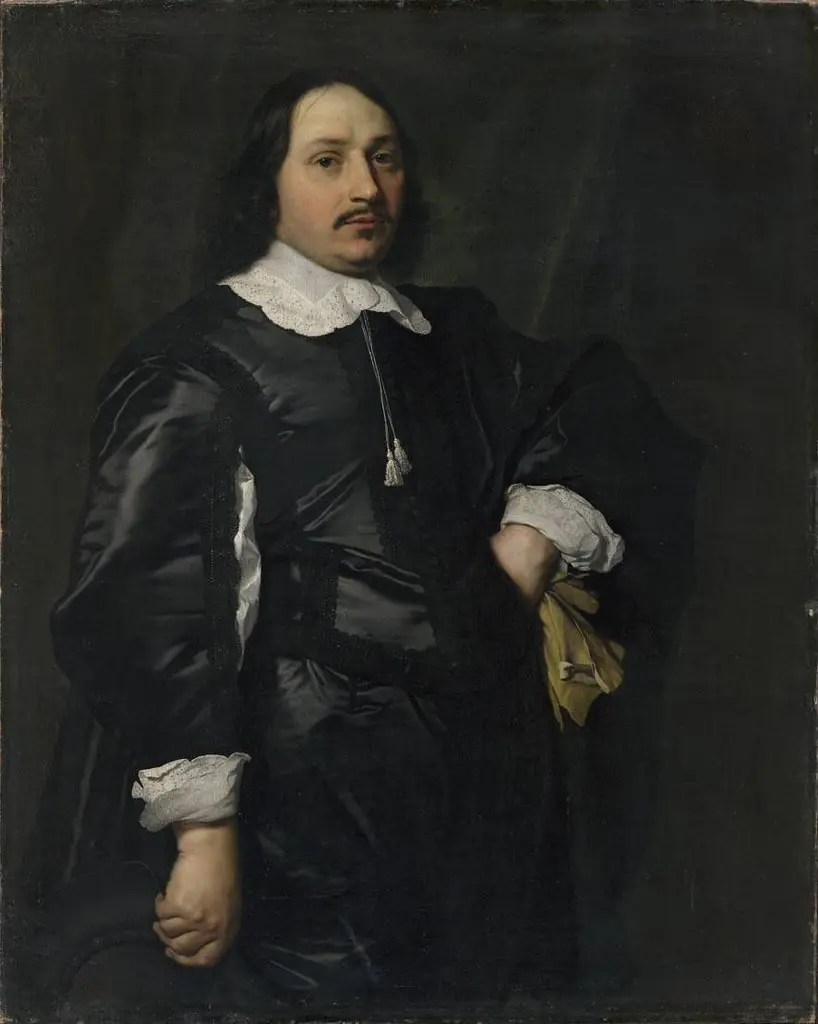 Portrait of a Man in Black
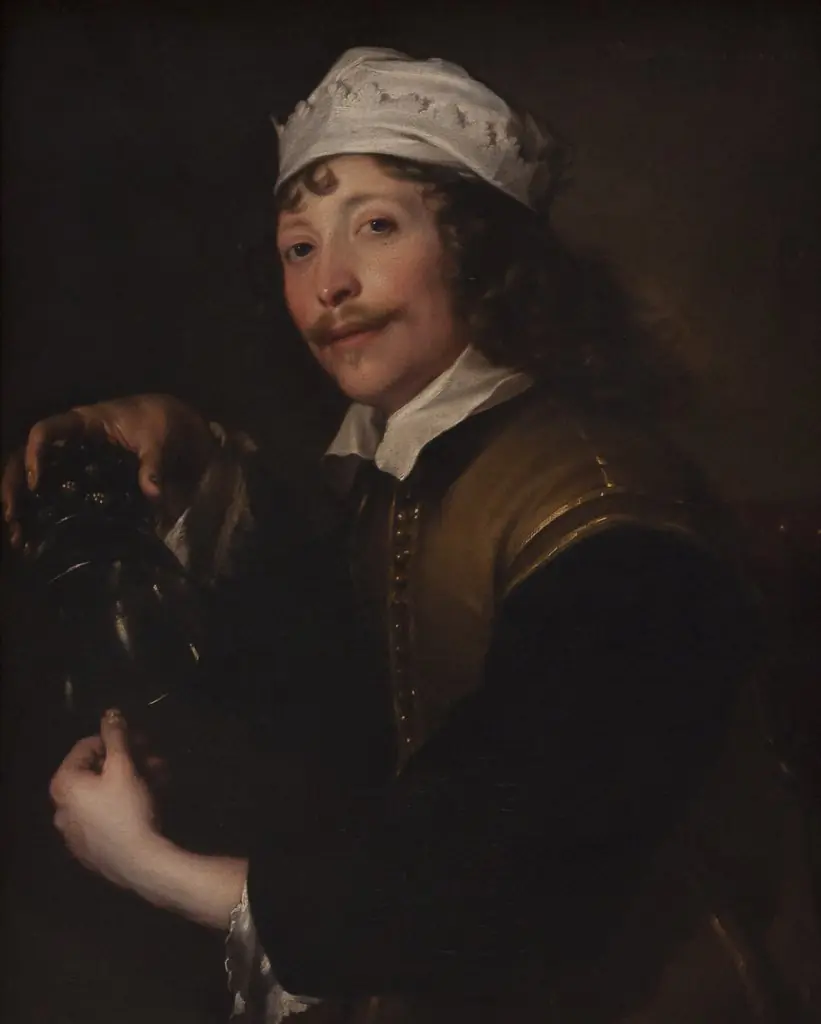 The Fingernail Test
 Portrait of an officer