Artwork
Tavola Doria
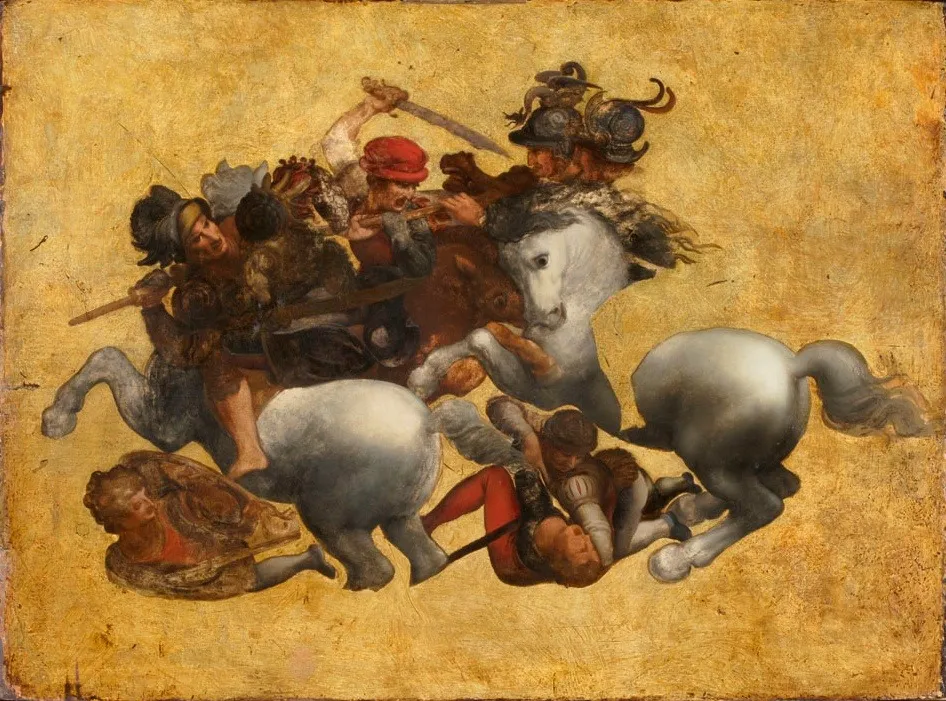
Tavola Doria is an oil painting by the High Renaissance artist Leonardo da Vinci. It is held in the collection of the Uffizi Gallery.
About this work
Overview
The Tavola Doria is a painting executed in oil paint, depicting a scene from a battle. It is associated with Leonardo da Vinci's lost mural, the Battle of Anghiari.
Subject & Meaning
The painting shows a chaotic battle scene with men on horseback, armed with swords and lances. The figures are dressed in armor and various attire, with some falling to the ground. A central figure on a brown horse holds a sword aloft.
Technique & Style
The use of chiaroscuro in the painting creates a sense of depth and drama, drawing the viewer's eye to the center of the action. The artist's handling of light and shadow contributes to the dynamic composition.
History & Provenance
The Tavola Doria is believed to be a 16th-century copy of Leonardo da Vinci's Battle of Anghiari, created between 1503 and 1505. The artist is unknown, although Giovanni Francesco Rustici has been suggested as a possible candidate.
Artist & collection

![Ginevra de' Benci [obverse], by Leonardo da Vinci](https://artifactworldgallery.com/img/leonardo-da-vinci--ginevra-de-benci-obverse--afb6ec3a3e65f392-w320.webp)
![Wreath of Laurel, Palm, and Juniper with a Scroll inscribed Virtutem Forma Decorat [reverse], by Leonardo da Vinci](https://artifactworldgallery.com/img/leonardo-da-vinci--wreath-of-laurel-palm-and-juniper-with-a-scroll-inscribed-vi--4cdfe8467ad2438a-w320.webp)
- the conversion of St Paul
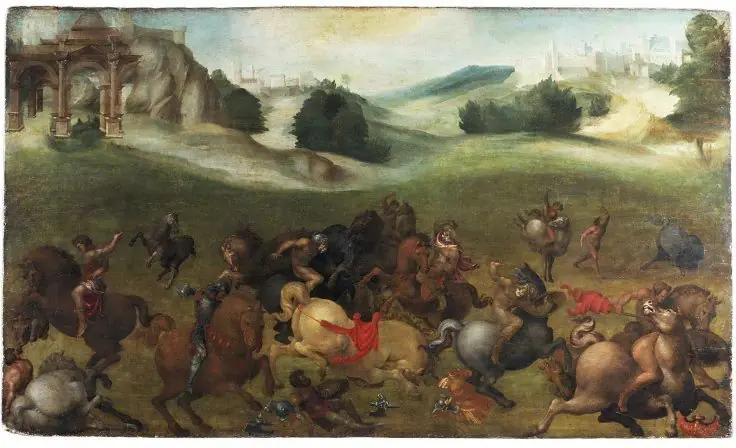
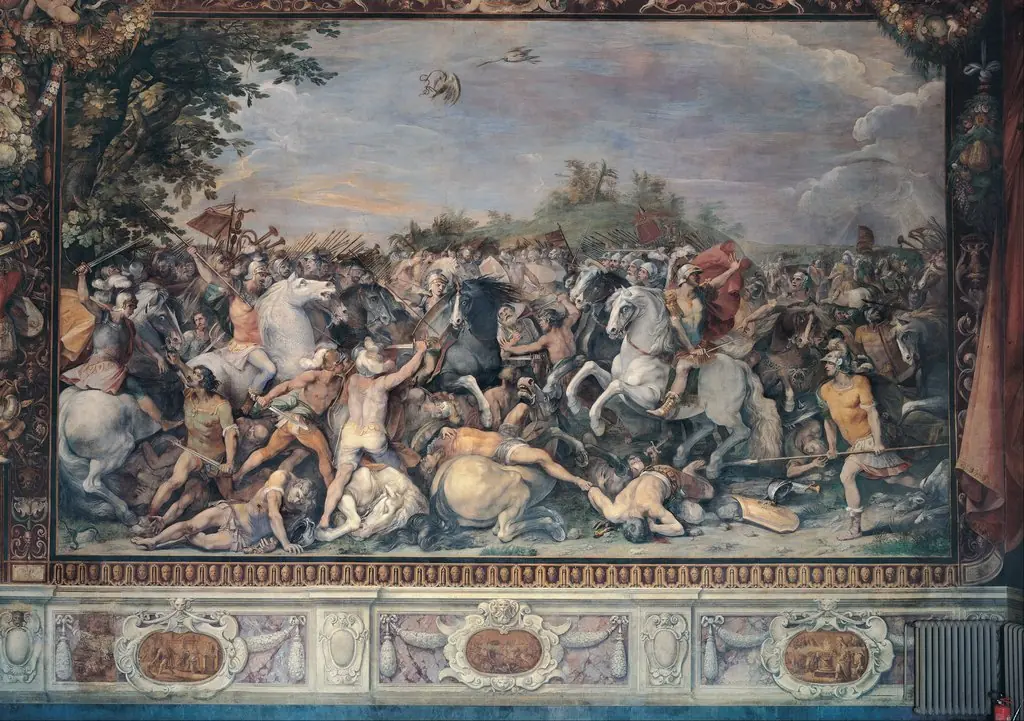 Battle against the inhabitants of Veii and Fidenae
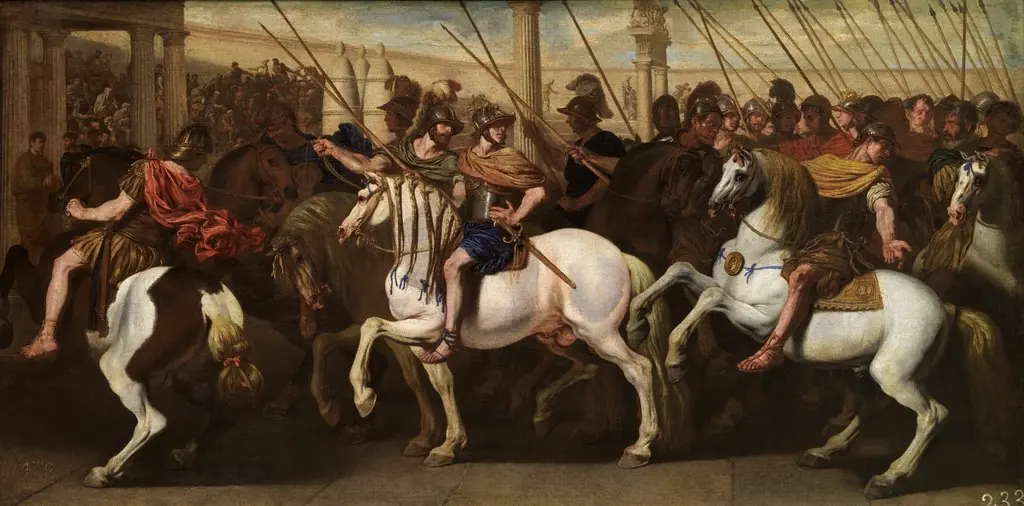 Roman Soldiers in the Circus
 The Battle of Pharsalus and the Death of Pompey
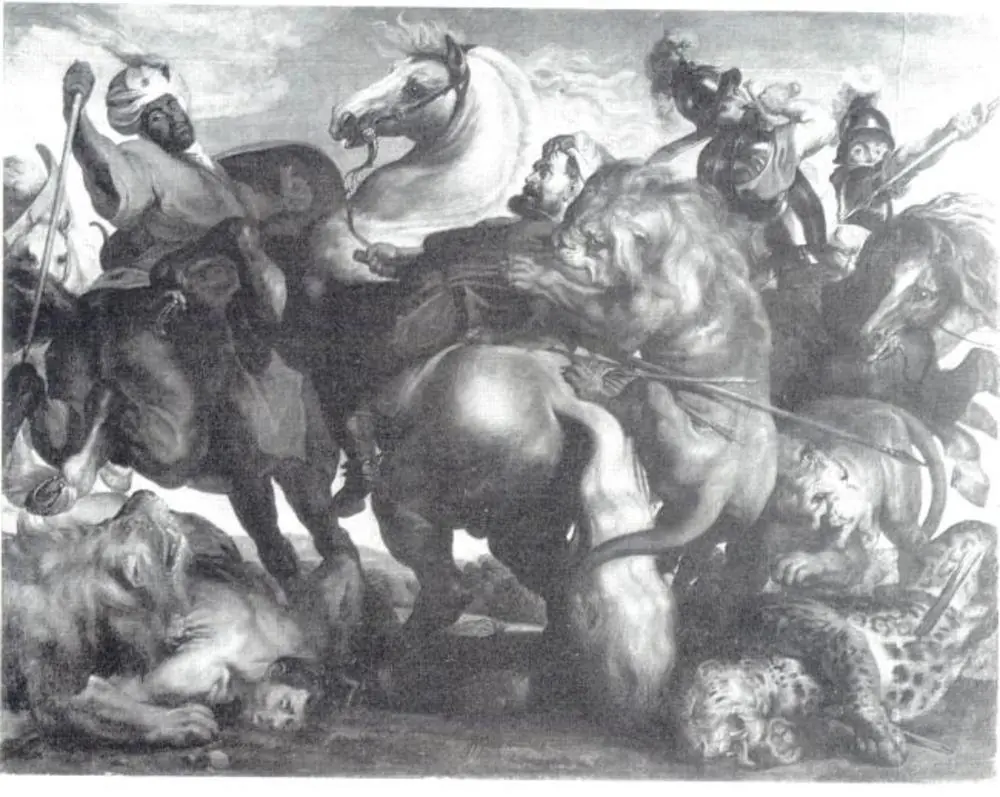 The Lion and Leopard Hunt
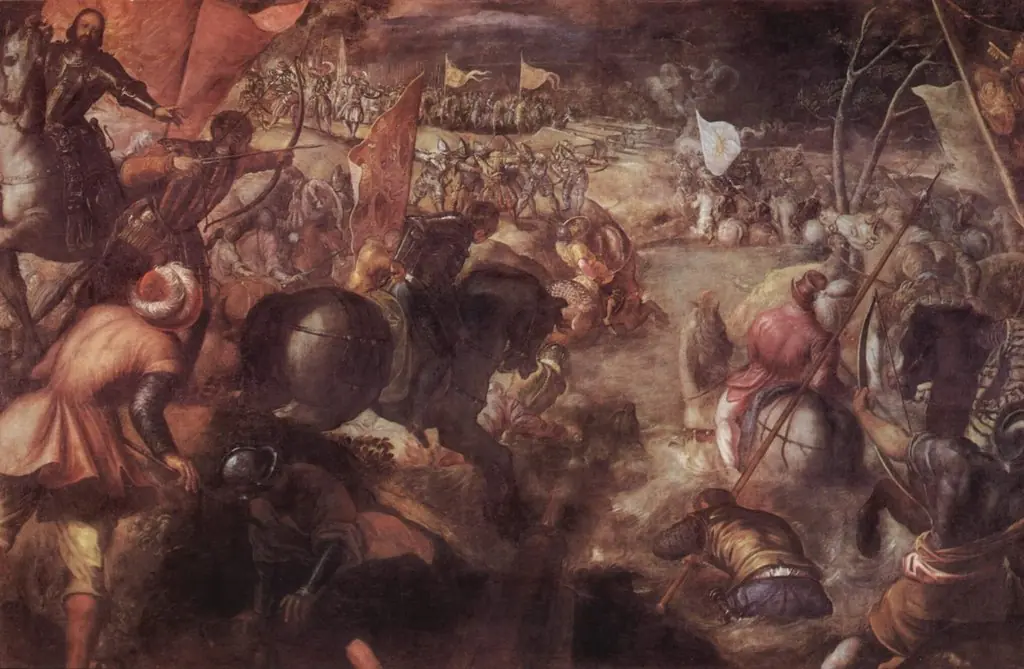 The battle of Taro
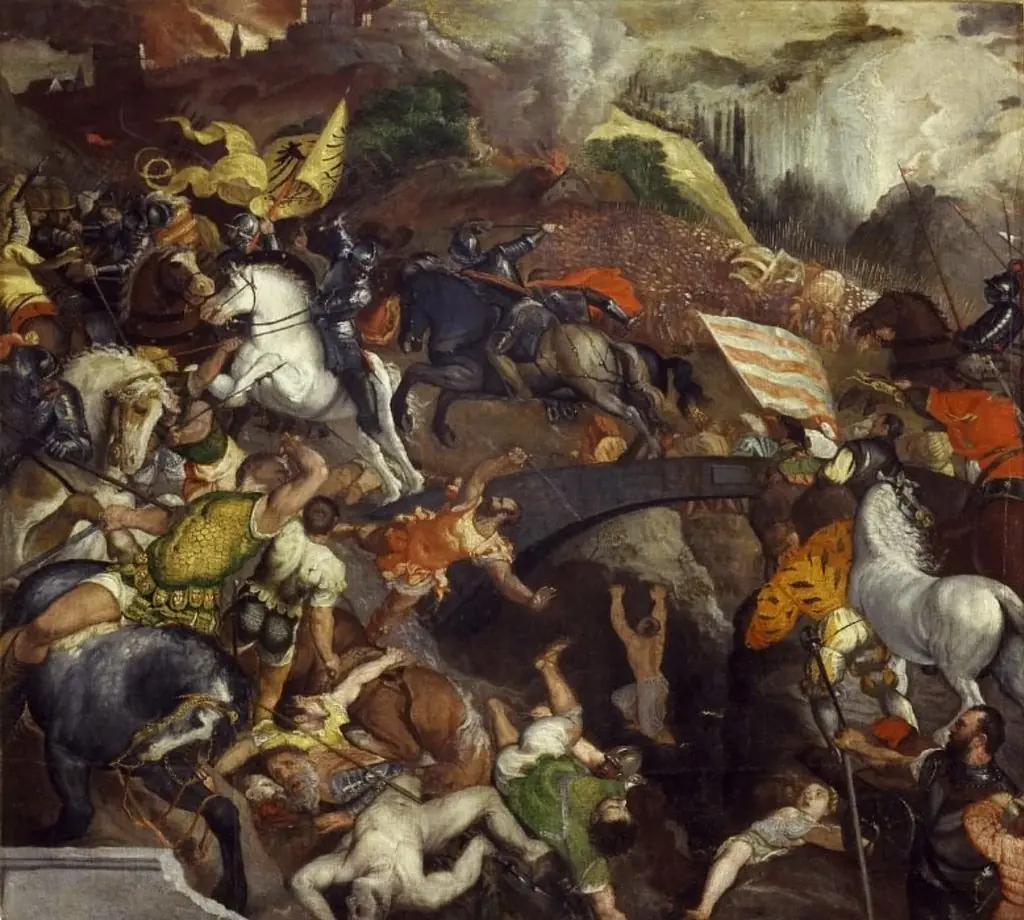 Battle of Cadore
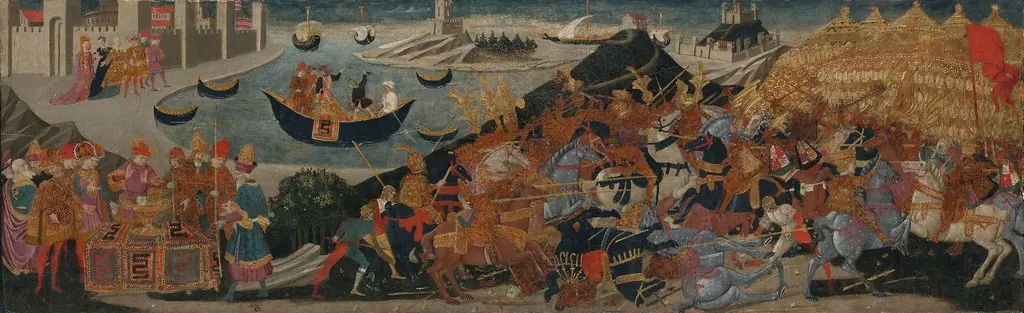 The Battle of Pharsalus and the Death of Pompey
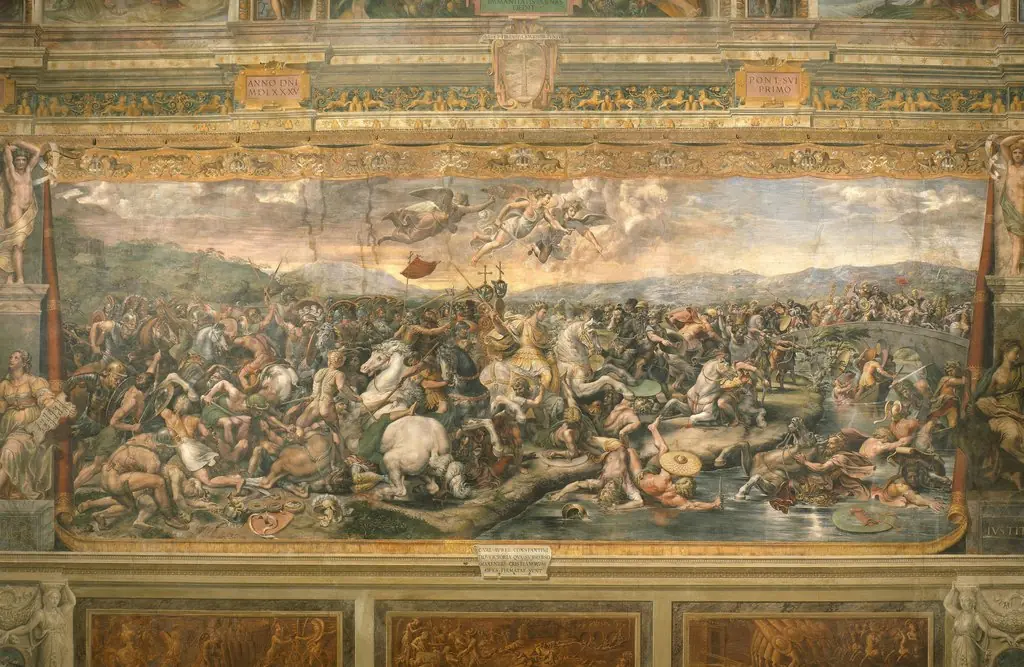 The Battle of the Milvian Bridge
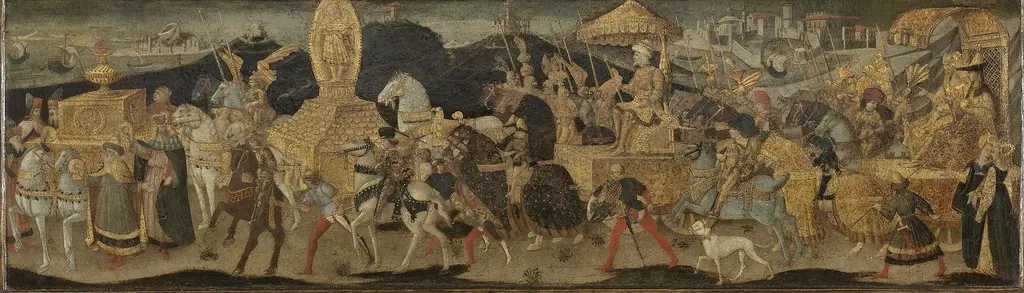 Darius Marching to the Battle of Issus
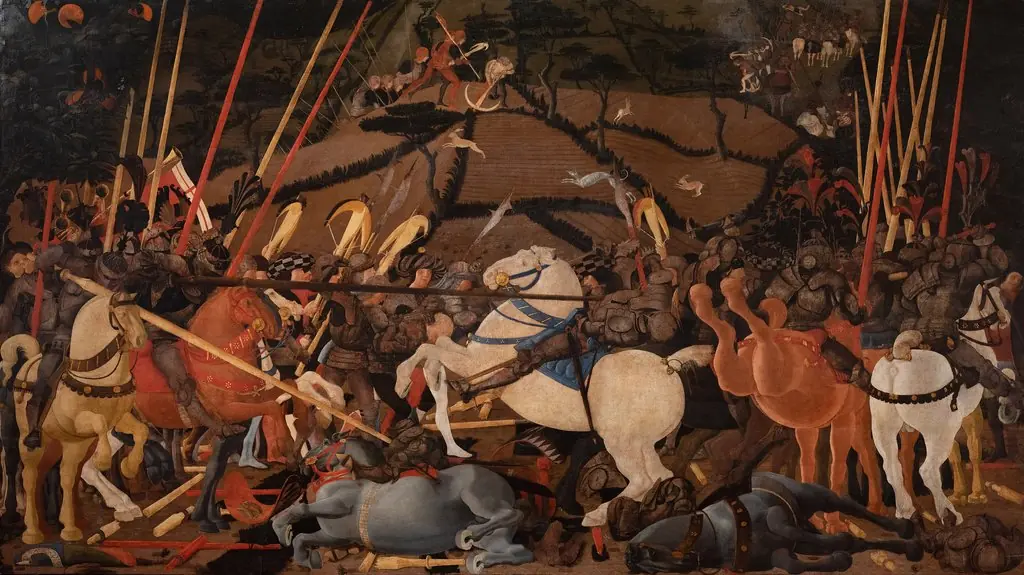 Niccolò Mauruzi da Tolentino unseats Bernardino della Ciarda at the Battle of San Romano
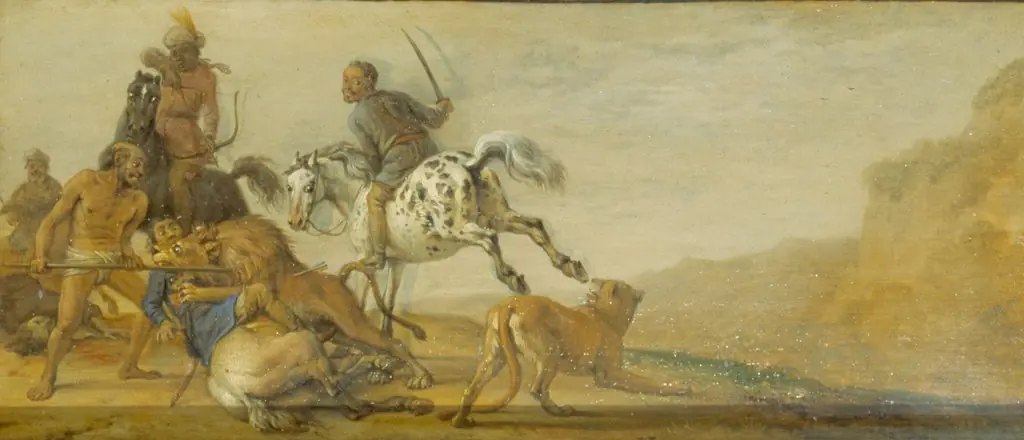 The Lion Hunt