Artwork
Portrait of Anna Pitt as Hebe
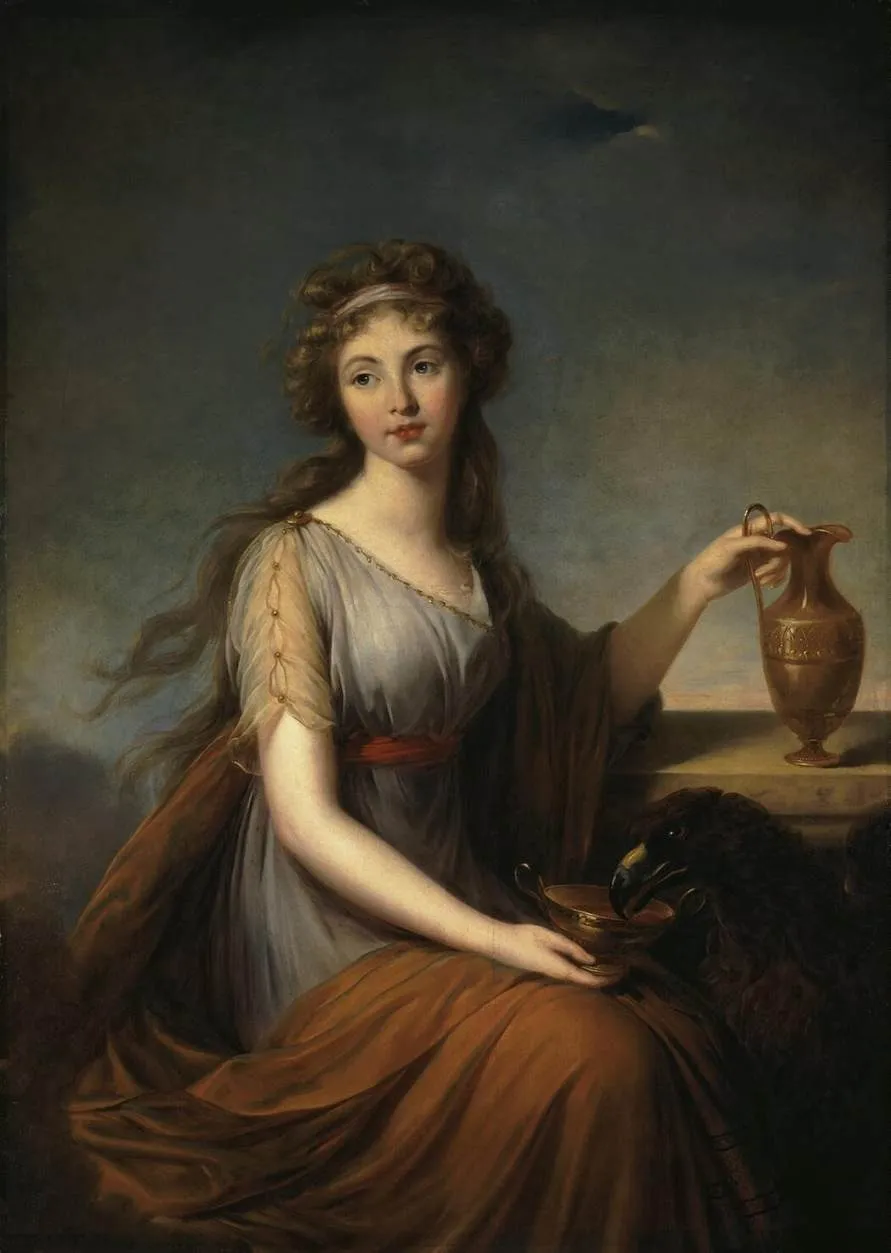
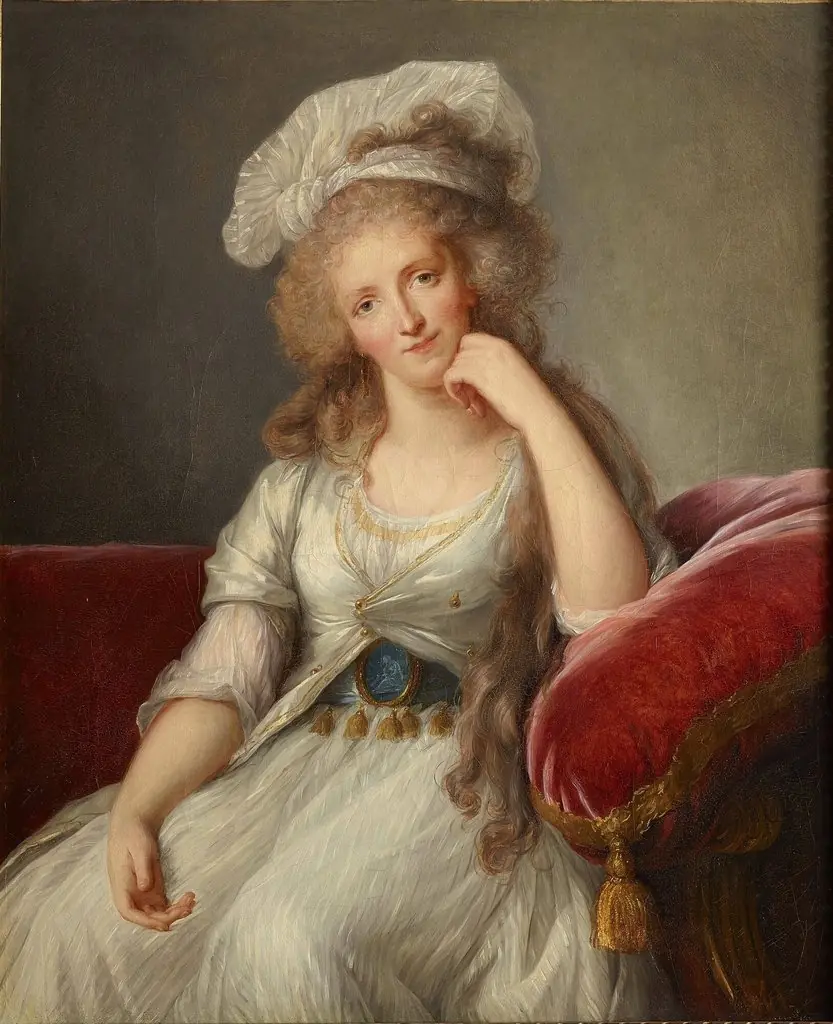
Portrait of Anna Pitt as Hebe is an oil painting by the Rococo painting artist Élisabeth Louise Vigée Le Brun. It dates from 1796 and is held in the collection of the Hermitage Museum. Élisabeth Vigée Le Brun’s 1792 oil portrait presents Anne Pitt dressed as the classical goddess Hebe.
About this work
Overview
The painting is now held in the collection of the Hermitage Museum in Saint Petersburg, where it is classified as a historiated portrait.
Portrait of Anna Pitt as Hebe is a 1792 oil on canvas painting by the French artist Élisabeth Louise Vigée Le Brun, a leading portraitist of the European aristocracy. Measuring 140 by 99.5 centimeters, the work depicts the English noblewoman Anne Pitt in the guise of the Greek goddess Hebe, cupbearer to the gods. The painting is now held in the collection of the Hermitage Museum in Saint Petersburg, where it is classified as a historiated portrait. Created during Vigée Le Brun's stay in Rome, the work exemplifies the artist's ability to merge portraiture with mythological allegory, a strategy that appealed to her elite clientele and secured her reputation across European courts. The portrait is notable for its polished academic finish, its place within Vigée Le Brun's Italian period, and its survival in a major public collection despite the turbulent political climate of the French Revolutionary era.
Subject & Meaning
The sitter, Anne Pitt, was the daughter of Thomas Pitt, 1st Baron Camelford of Boconnoc in Cornwall, and belonged to the powerful Pitt dynasty that dominated British politics throughout the eighteenth century. She posed for Vigée Le Brun in Rome while accompanying her father on an Italian tour. The portrait required seven sittings, after which she returned to England in June 1792 and married her cousin, the politician William Grenville, in July of that year. She later became Baroness Grenville and was wife to the Prime Minister during the Ministry of All the Talents from 1806 to 1807. Vigée Le Brun portrays Pitt as Hebe, the Greek goddess of youth who served nectar and ambrosia to the gods. In this role, she offers drink to Jupiter in his form as an eagle, the black bird with yellow beak who bends to drink from the golden cup she proffers. The iconography carries multiple resonances: Hebe's association with youth and marital innocence suits a young woman on the eve of her wedding, while the eagle of Jupiter introduces a note of imperial grandeur appropriate to the Pitt family's political stature. The classical white gown, red sash, and gold-trimmed oversleeve signal both antique virtue and contemporary fashion, a characteristic conflation in Vigée Le Brun's allegorical portraits.
Technique & Style
The painting is executed in oil on canvas with the smooth, blended brushwork characteristic of polished academic painting. The composition places the figure in three-quarter view against a muted, cloudy sky, with the sitter and eagle occupying the lower two-thirds of the canvas. A stone ledge behind the eagle supports the ewer, grounding the mythological scene in a plausible physical space. The palette is warm, dominated by browns, golds, and creamy whites set against a cool gray-blue atmosphere. Light falls softly from the left, modeling the face and arms and creating gentle shadows in the drapery folds. The sheer oversleeve on the right arm and the rust-colored drapery wrapped around the lower body and left shoulder demonstrate Vigée Le Brun's skill in rendering varied textile textures. A sliver of pale light breaking through dark clouds in the upper right corner adds dramatic tension to an otherwise serene image. The overall effect is one of idealized naturalism, combining careful observation of the sitter's features with the elevated conventions of history painting.
History & Provenance
The portrait was painted in Rome in 1792, during Vigée Le Brun's extended residence in Italy following her flight from revolutionary France. Anne Pitt's presence in Rome with her father provided the opportunity for the commission. After its completion, the painting's provenance before its acquisition by the Hermitage Museum remains unspecified in the available sources. The work is now in the collection of the Hermitage Museum in Saint Petersburg, Russia, where it is listed under the title Portrait of Anna Pitt as Hebe. Its accession history and the circumstances of its arrival in the Russian imperial collection are not detailed in the sources, though the museum's holdings of Vigée Le Brun's work were significantly shaped by nineteenth-century acquisitions. Exhibition history for this specific painting is not recorded in the provided sources.
Context
Vigée Le Brun's portrait belongs to a significant period in her career. Having fled France in 1789, she spent years traveling through Italy, Austria, and Russia, painting the European elite and consolidating her international reputation. The choice to portray Anne Pitt as a mythological figure follows a well-established convention in Vigée Le Brun's practice and in aristocratic portraiture more broadly, where sitters were frequently depicted as goddesses, muses, or heroines to signal their virtue, beauty, and social standing. The work has been discussed in several scholarly publications, including Baillio, Baetjer, and Lang's 2016 Metropolitan Museum of Art catalogue Vigée Le Brun, and Mary D. Sheriff's study The Exceptional Woman: Elisabeth Vigée-Lebrun and the Cultural Politics of Art. The portrait also appears in the context of women artists in the Hermitage collection, as noted in Pomeroy and Blakesley's 2003 publication An Imperial Collection: Women Artists from the State Hermitage Museum. These sources place the painting within broader discussions of gender, patronage, and the cultural politics of portraiture in the late eighteenth century.
Legacy
The Portrait of Anna Pitt as Hebe stands as a significant example of Vigée Le Brun's Italian period and her sustained engagement with allegorical portraiture. The painting's afterlife is tied to its preservation in the Hermitage Museum, one of the few major public collections to hold a substantial group of her works. Its inclusion in scholarly catalogues and museum publications has ensured its visibility in art historical discourse, particularly in studies addressing women artists and the intersection of portraiture with mythological narrative. The work offers insight into the international networks of aristocratic patronage that sustained Vigée Le Brun's career across political upheaval, and into the visual strategies through which elite women were constructed as idealized, quasi-divine figures. While its specific influence on later artists is not documented in the available sources, the painting remains a touchstone for understanding the conventions and ambitions of late eighteenth-century European portraiture.
Artist & collection
Artist
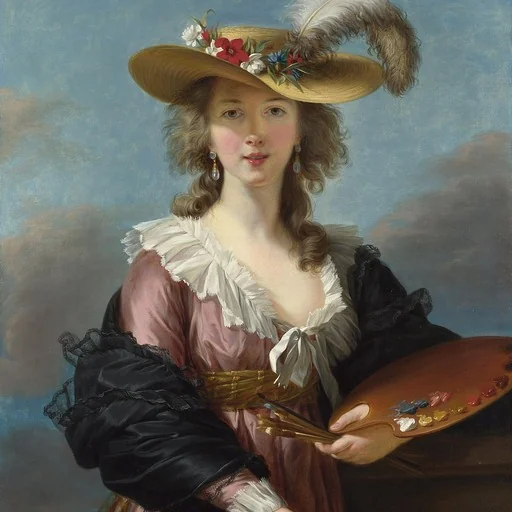
Élisabeth Louise Vigée Le Brun
Élisabeth Louise Vigée Le Brun (French:; née Vigée; 16 April 1755 – 30 March 1842), also known as Louise Élisabeth Vigée Le Brun or simply Madame Le Brun, was a French painter who mostly specialized in portrait…

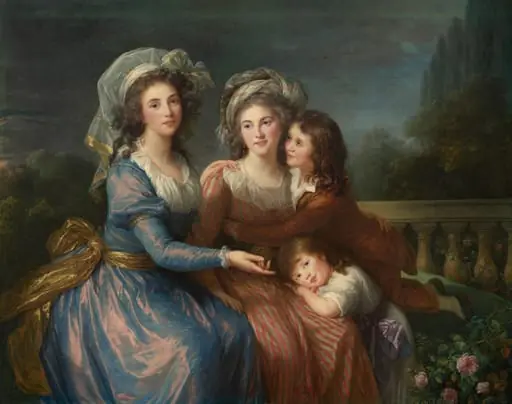 The Marquise de Pezay, and the Marquise de Rougé with Her Sons Alexis and Adrien
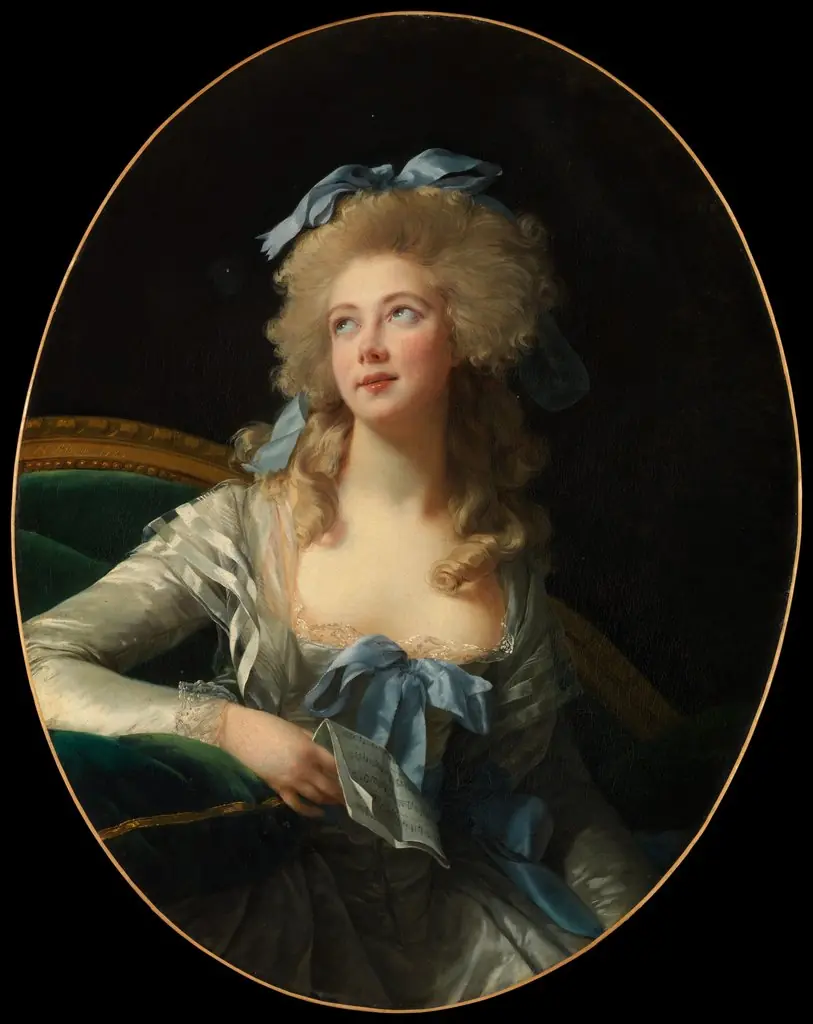 Madame Grand (Noël Catherine Verlée, 1761–1835)
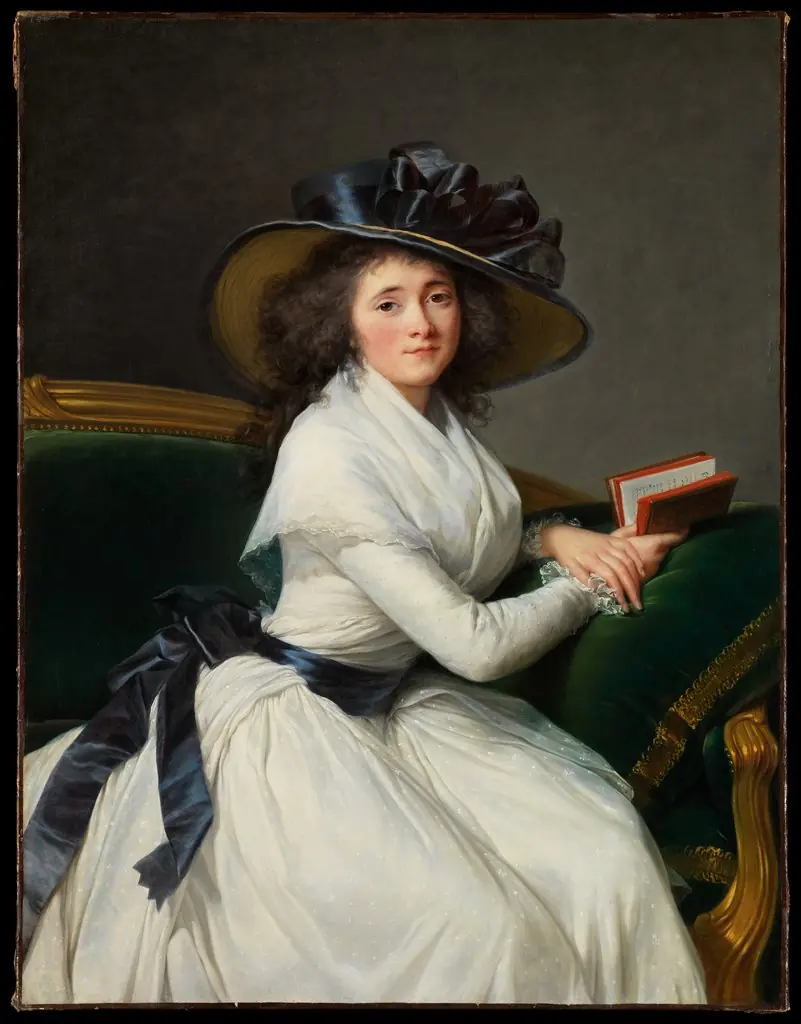 Comtesse de la Châtre (Marie Charlotte Louise Perrette Aglaé Bontemps, 1762–1848)
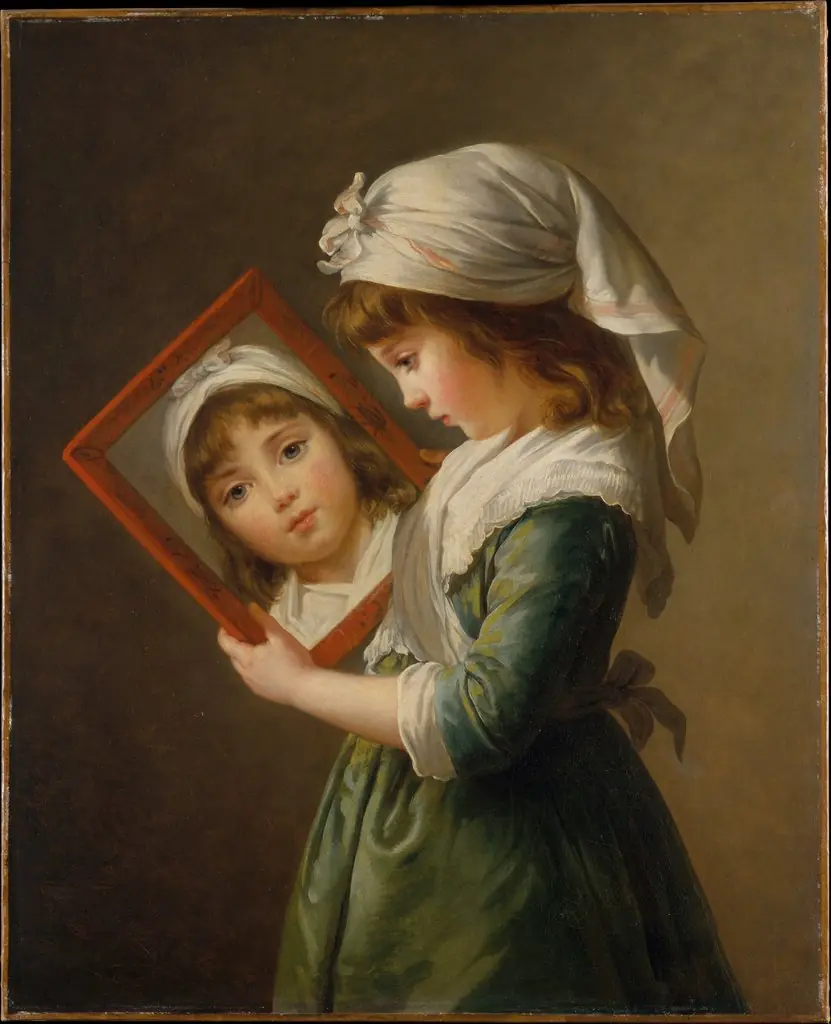 Julie Le Brun (1780–1819) Looking in a Mirror
 Madame d'Aguesseau de Fresnes
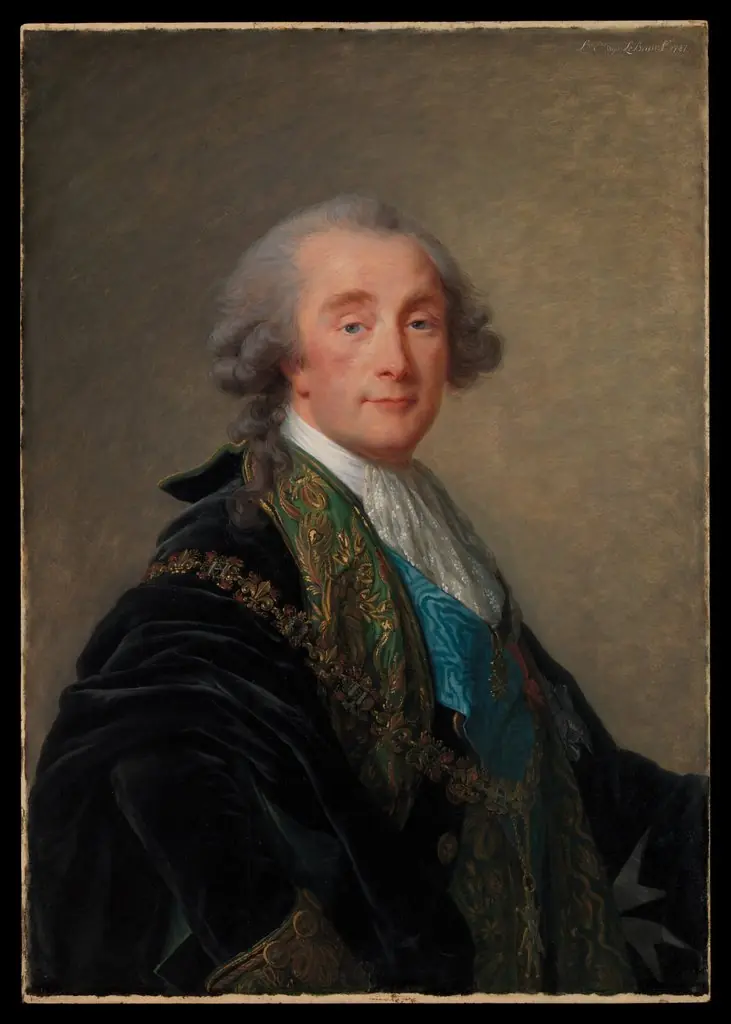 Alexandre Charles Emmanuel de Crussol-Florensac (1743–1815)
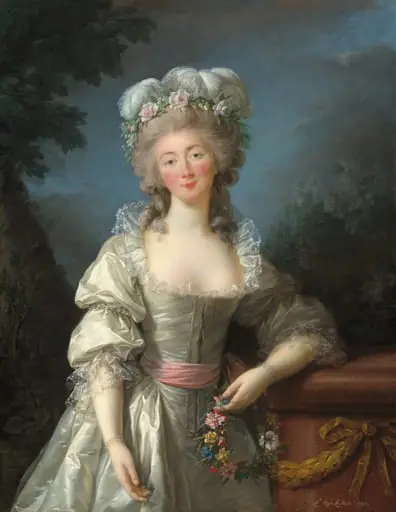 Madame du Barry
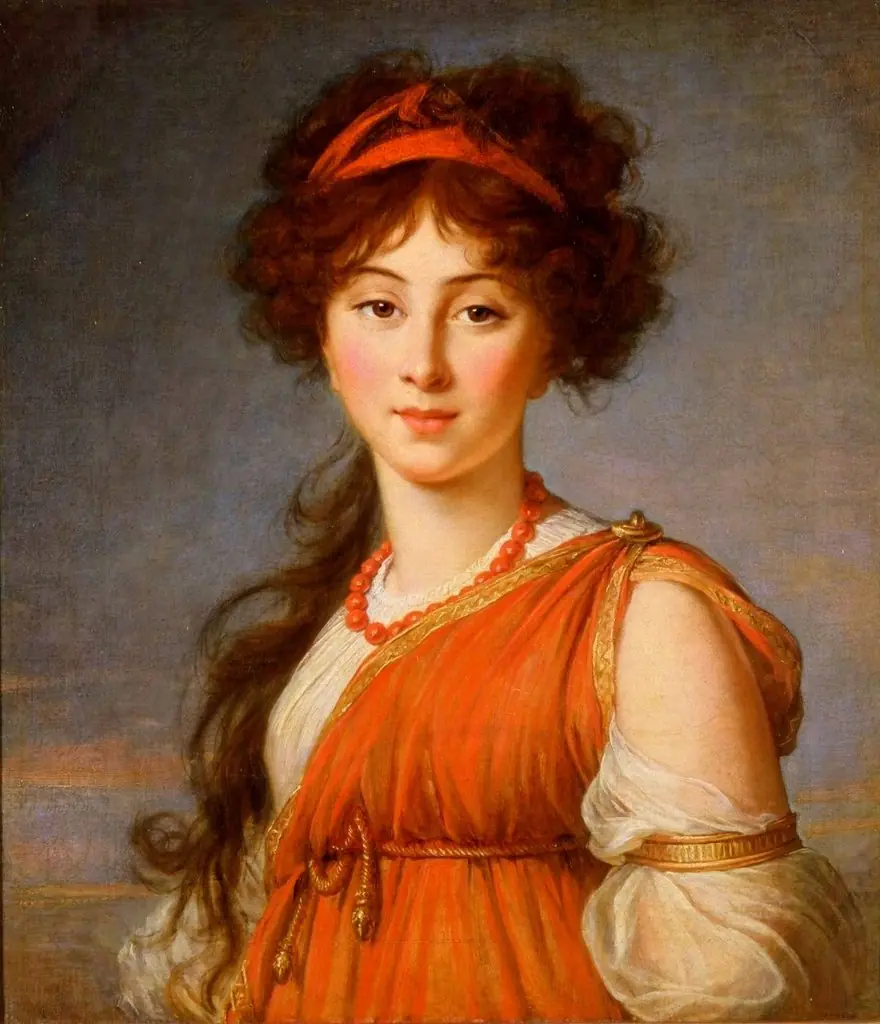 Varvara Ivanovna Ladomirsky
- Porträt des Ekaterina Dolgorukaya
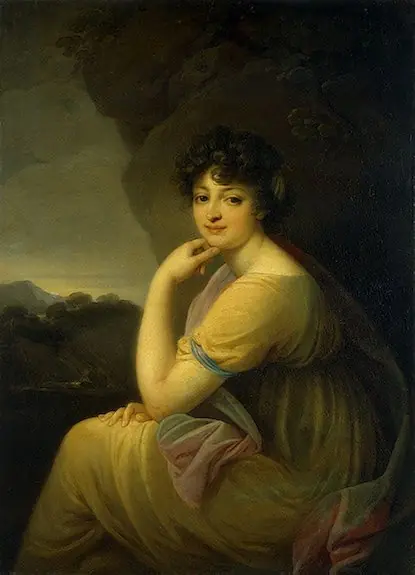 Portrait of Yekaterina Bakunina
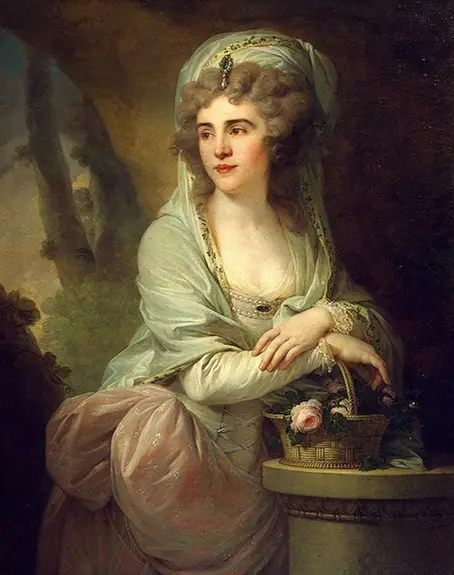 Portrait of Yekaterina Samoilova
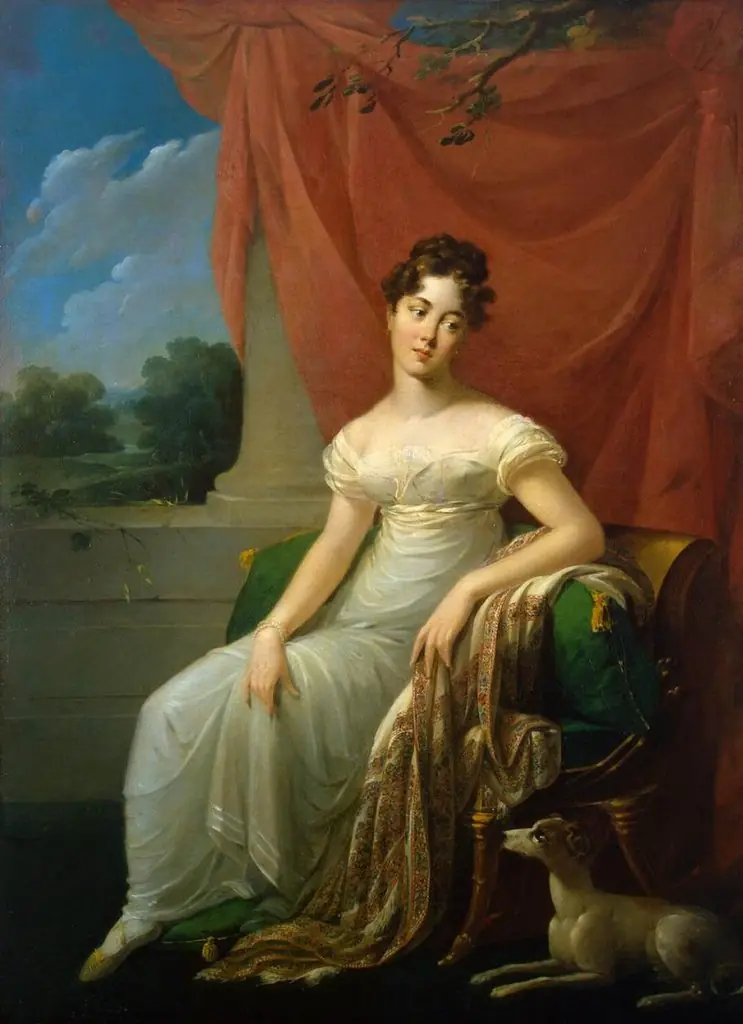 Portrait of Sofia Apraxina
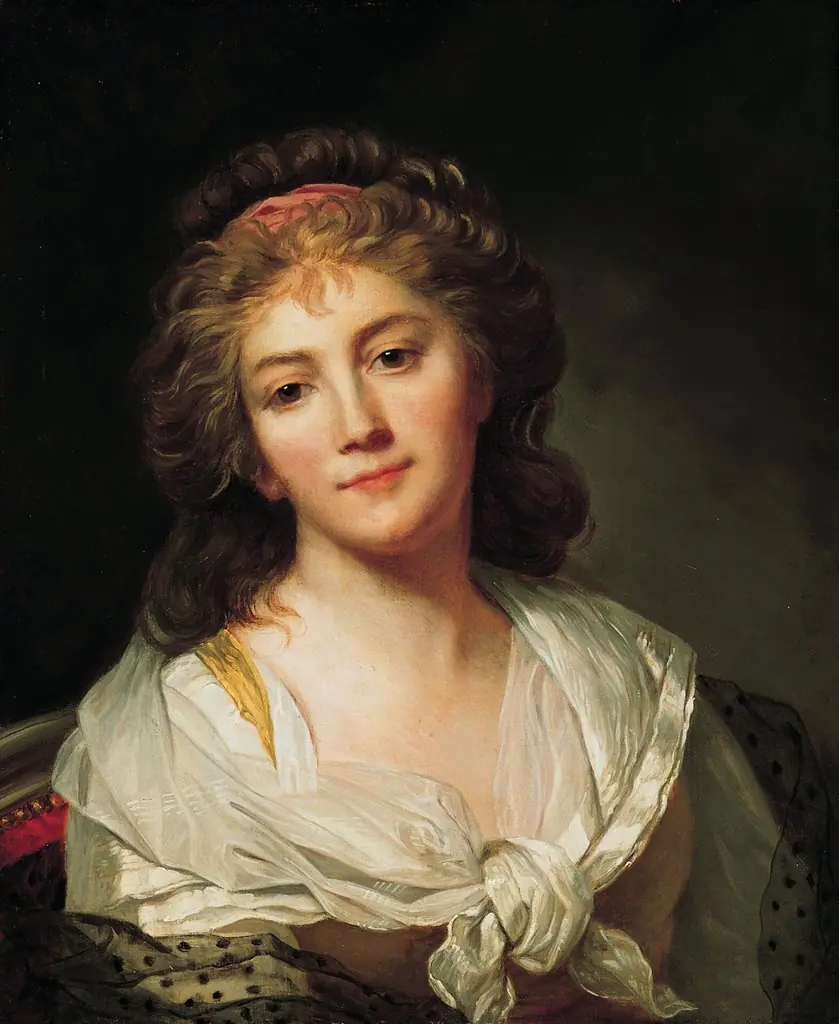 Self-portrait
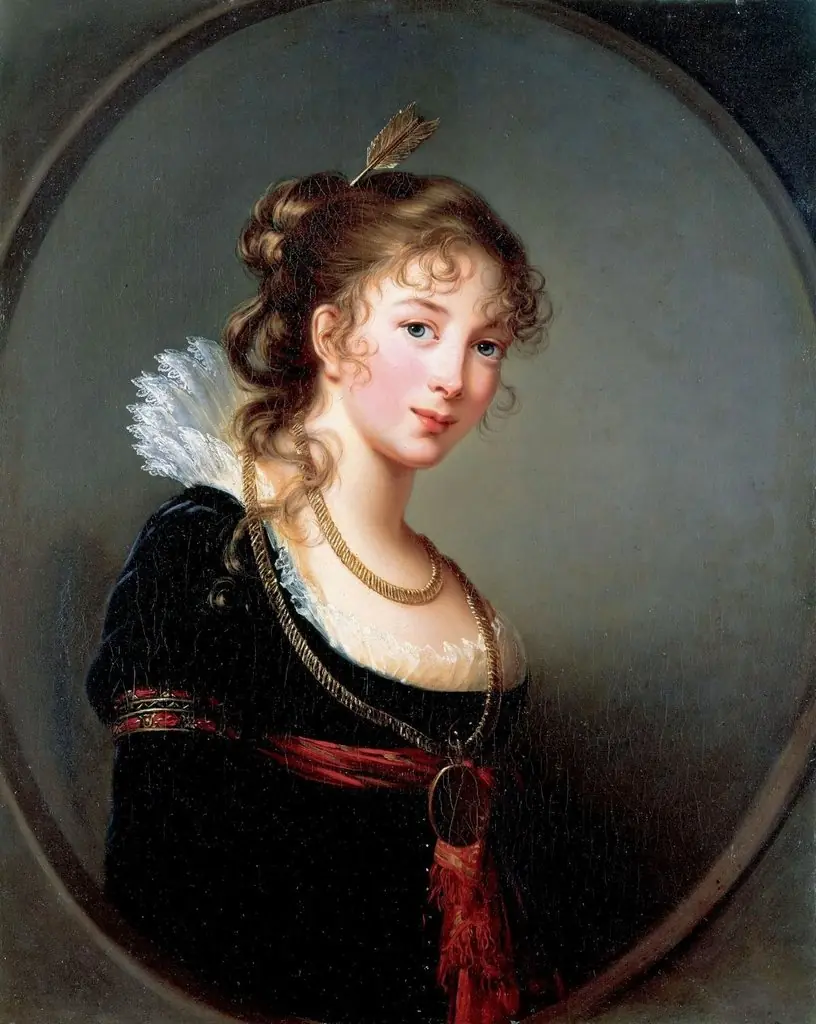 Porträt der Luise von Preußen (1770-1836), Ehefrau von Anton Radziwiłł (1775-1833)
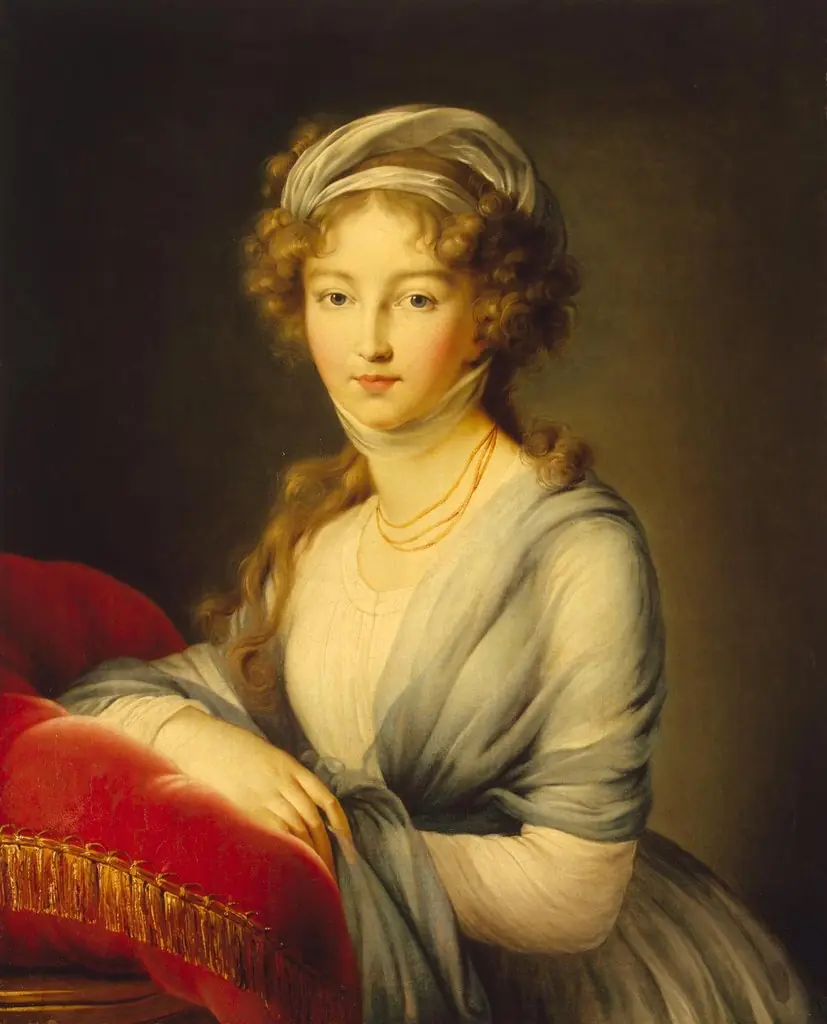 Portrait of Empress Yelizaveta Alekseyevna
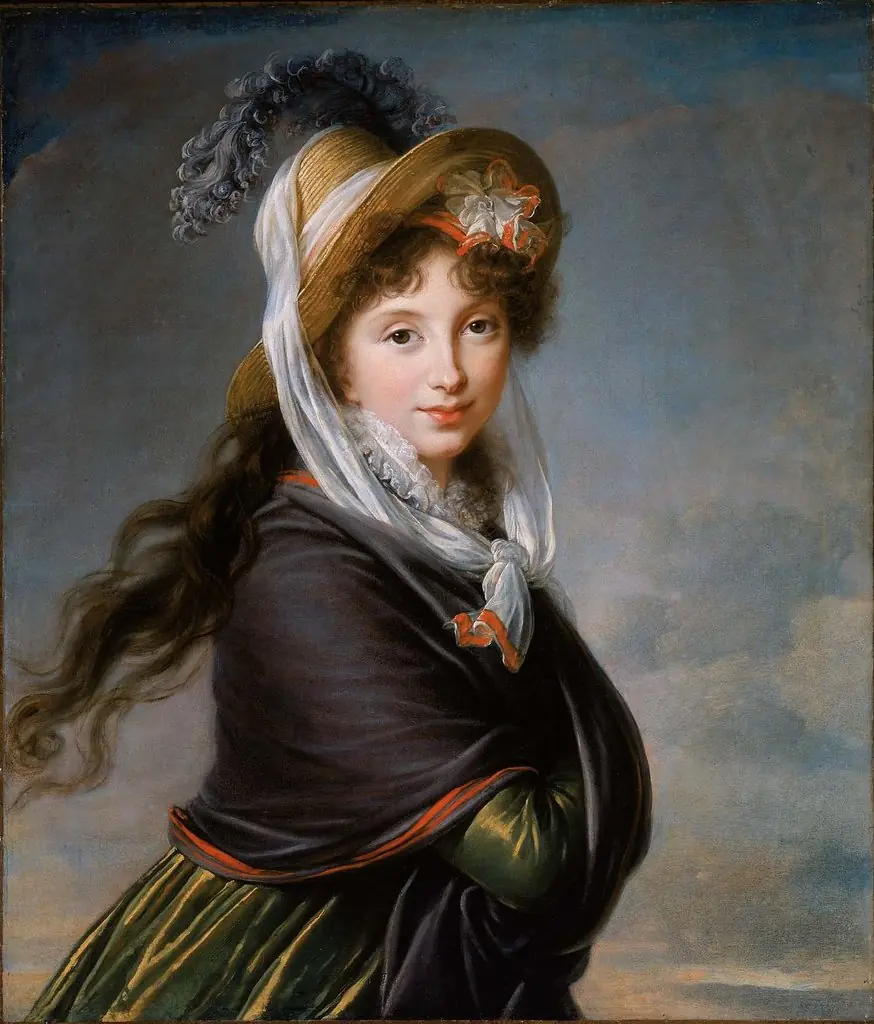 Portrait of a Young Woman
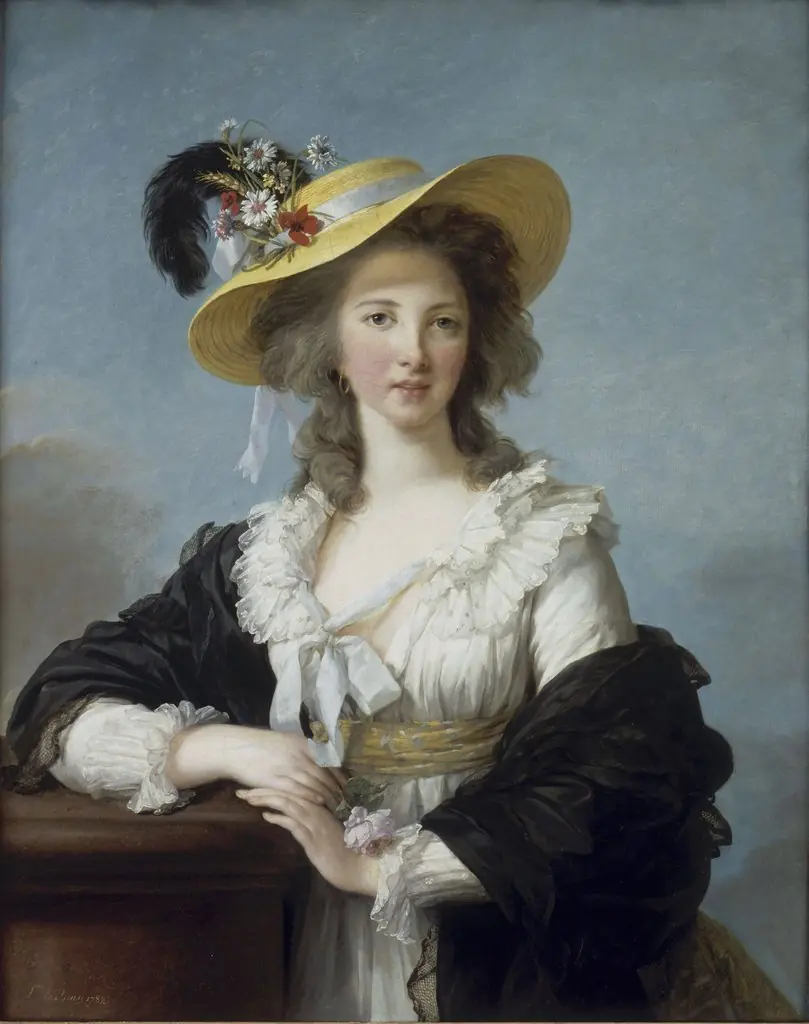 Yolande-Martine-Gabrielle de Polastron, Duchess de Polignac
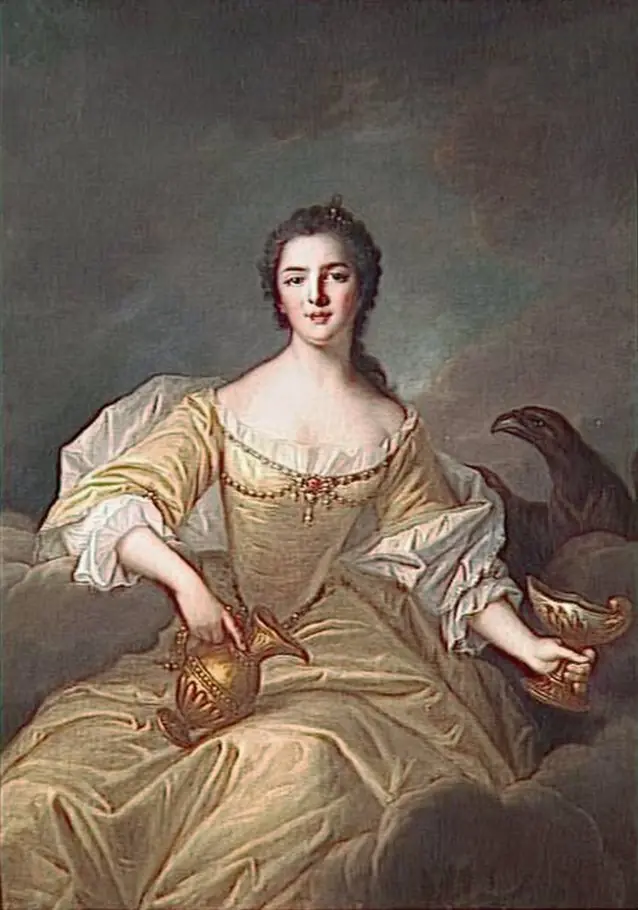 Victoire Marie Louise Thérèse de France, dite Madame Victoire en Hébé
 Louise-Marie-Adélaïde de Bourbon-Penthièvre, Duchess of Orléans