Artwork
Adoration of the Shepherds
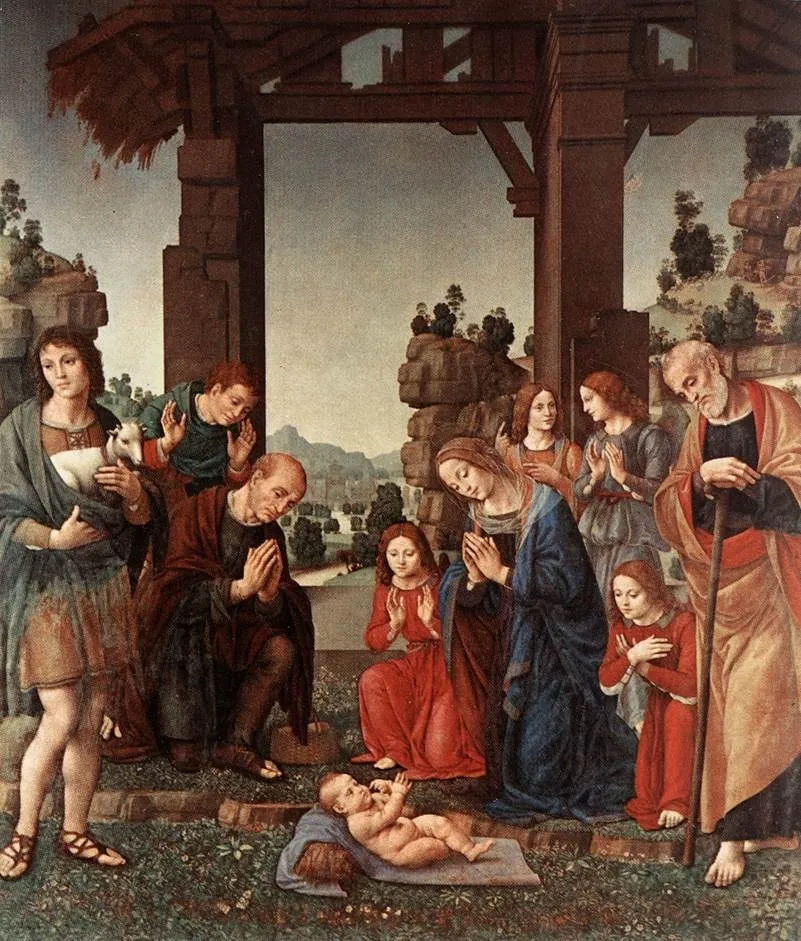
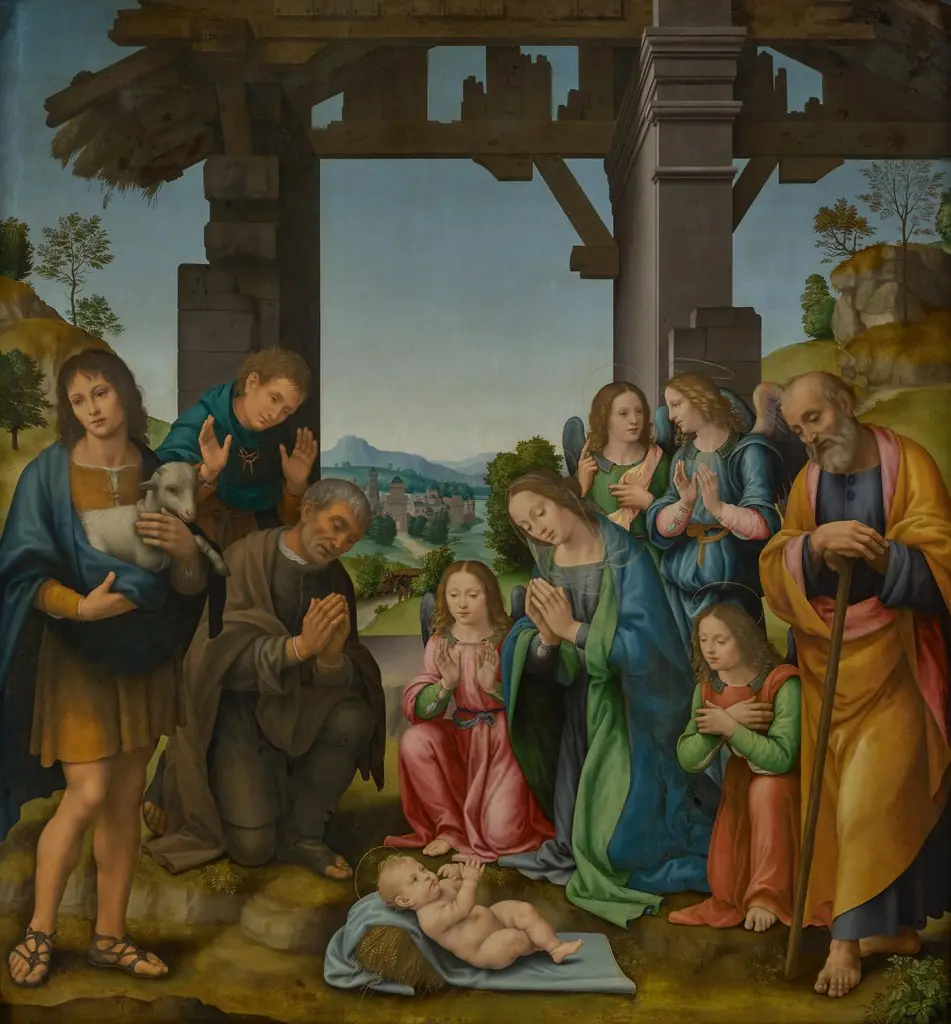
Adoration of the Shepherds is an oil painting by the High Renaissance artist Lorenzo di Credi. It dates from 1510 and is held in the collection of the Uffizi Gallery.
About this work
Subject & Meaning
The setting is a ruined hut, a conventional emblem of the decline of pagan and Hebraic religions giving way to the new Christian order.
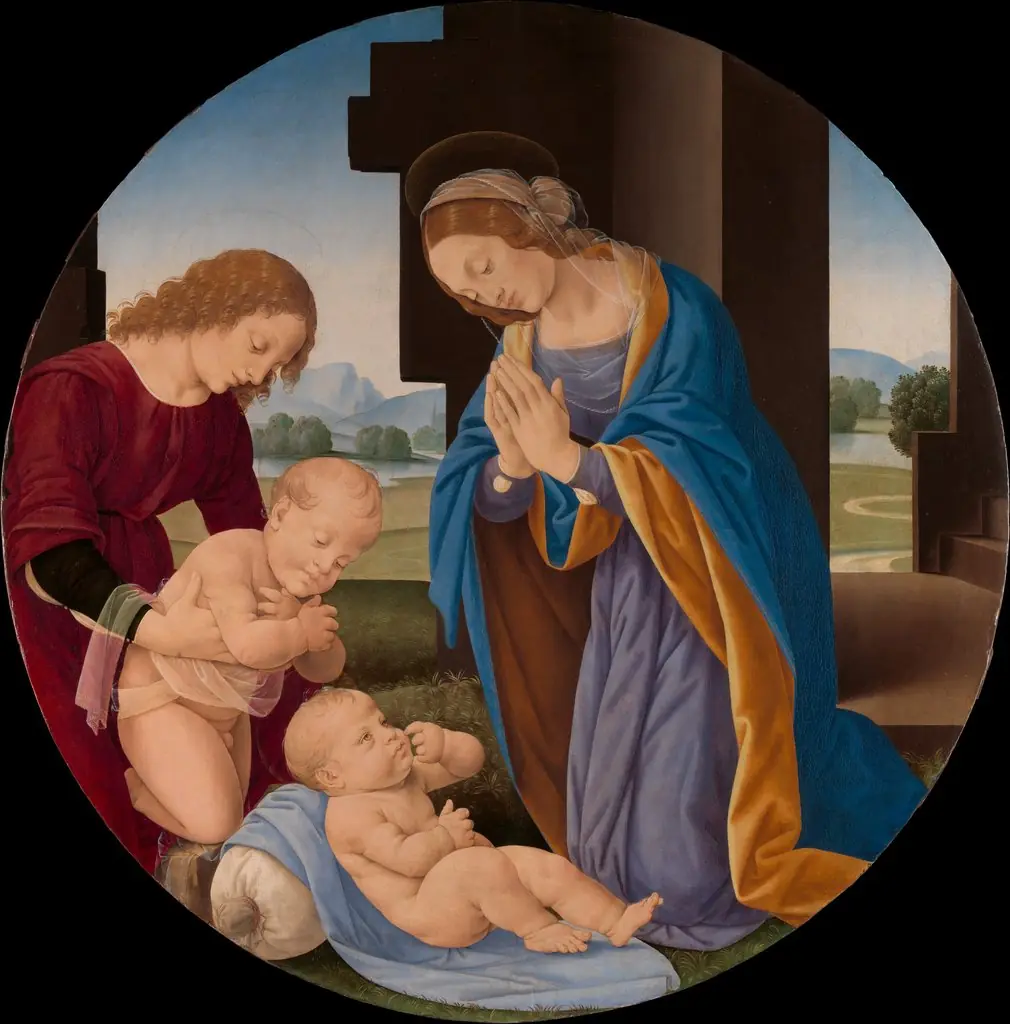
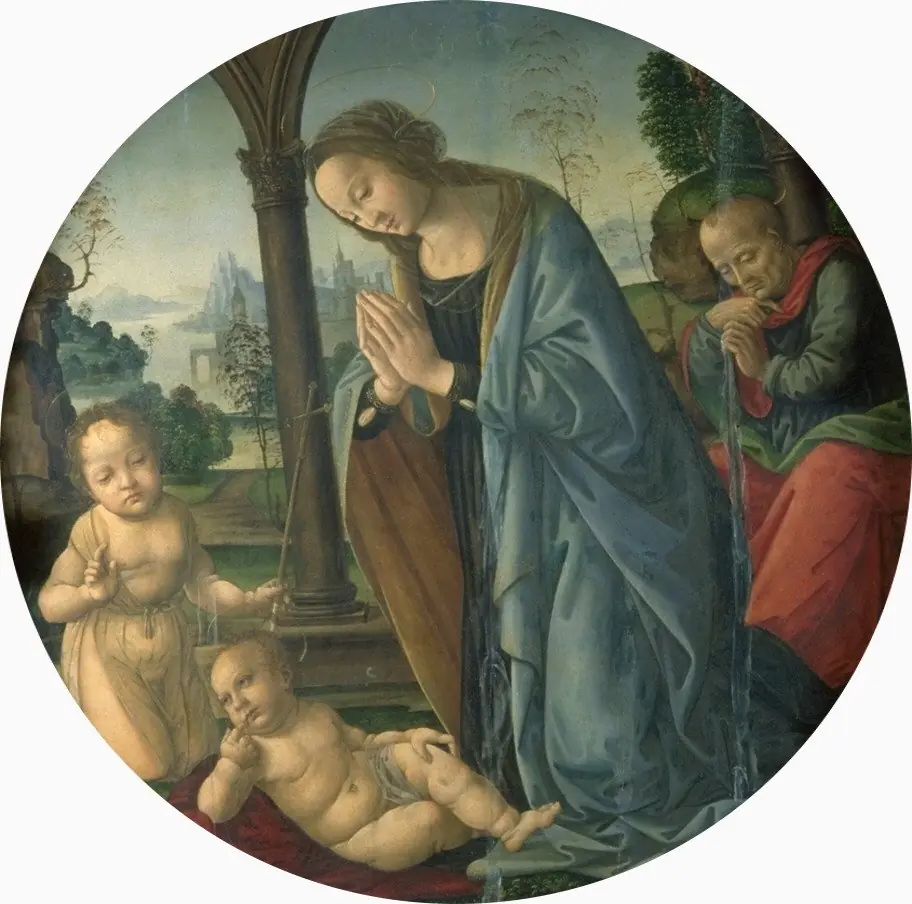
The painting depicts the Adoration of the Shepherds, a traditional Nativity scene centered on the Christ Child, who lies on a veil spread over straw at the focal point of the composition. The Virgin Mary, Saint Joseph, and angels gather around the infant, while shepherds approach in prayer from the left, one carrying a lamb that symbolizes Christ's future sacrifice. The setting is a ruined hut, a conventional emblem of the decline of pagan and Hebraic religions giving way to the new Christian order.
The work represents the moment of revelation of the newborn Savior to the humble shepherds, framed within this iconography of transition from the old order to the new. Angels in red garments attend the Virgin and Child, reinforcing the sacred nature of the adoration. The composition unites these devotional figures into a semicircle around the Christ Child, presenting the Incarnation as the spiritual center toward which the surrounding characters converge.
Technique & Style
The Adoration of the Shepherds is an oil painting on panel measuring approximately 224 by 196 centimeters. It was created by Lorenzo di Credi around 1510 and is executed in oil paint on a wooden support. The artwork depicts the biblical scene of shepherds adoring the infant Jesus, featuring figures such as the Virgin Mary, the Christ Child, angels, Saint Joseph, and various shepherds arranged in a compositional semicircle. Stylistically, the piece reflects Early Renaissance influences, drawing on models from Perugino, Ghirlandaio, and Leonardo da Vinci, particularly in the rendering of drapery and anatomical detail. Recent criticism has noted the technical proficiency of the work but also observed a certain emotional coolness in its execution. Preparatory studies for the painting are held in collections including the Albertina in Vienna, the Cabinet des Dessins in Paris, and the Uffizi’s Gabinetto dei disegni e delle stampe.
History & Provenance
Lorenzo di Credi created the oil-on-panel *Adoration of the Shepherds* around 1510. The work was originally commissioned for the nuns of Santa Chiara in Florence. Its existence was recorded by the contemporary painter Mariotto Albertinelli and the biographer Giorgio Vasari, with further mentions appearing in Florentine art guides from the late 17th century. The creation process involved several preparatory studies, including drawings for the figure of Saint Joseph held in Paris and Vienna, and a study for a lamb held by a shepherd located at the Uffizi. The painting has been housed in the Uffizi Gallery in Florence since at least the 17th century.
The Adoration of the Shepherds is held by the Uffizi Gallery in Florence, where it is catalogued under inventory number 1890, acc. 1890. It entered the collection in 1890 and was first recorded in public guides in the late 17th century. The work has been part of the Uffizi's exhibition schedule since the 19th century, appearing in catalogues of the gallery's holdings and in special Renaissance exhibitions such as the 1906 Florentine art exhibition. Preparatory studies for the painting are housed in the Albertina in Vienna, the Cabinet des Dessins in Paris, and the Gabinetto dei disegni e delle stampe at the Uffizi.
Context
Scholarship on the Adoration of the Shepherds emphasizes its place within Lorenzo di Credi's mature output and its engagement with High Renaissance compositional models. The work, painted circa 1510 for the nuns of Santa Chiara in Florence, entered the Uffizi collection and became a touchstone for discussions of devotional imagery in Renaissance Tuscany. Contemporary accounts by Mariotto Albertinelli and Giorgio Vasari, along with 17th‑century city guides, attest to its early visibility. Modern criticism notes the technical proficiency of the painting but also points to a perceived emotional coolness, contrasting its precise rendering of figures such as the shepherd with the lamb and the angelic group with Leonardo‑derived modeling of the Virgin and angels. Preparatory studies survive in the Albertina in Vienna, the Cabinet des Dessins in Paris, and the Uffizi’s own graphic collection, underscoring the painting’s documented creative process.
Legacy
Later assessments have often emphasized technical skill while noting a certain stylistic detachment in the composition. Nineteenth- and early twentieth-century guides continued to list the panel, reflecting its long-standing presence in Florentine collections, yet modern criticism has frequently judged the work cool in expression and somewhat derivative in its eclectic borrowings from Verrocchio, Perugino, Ghirlandaio, and Leonardo. The painting’s preparatory studies, dispersed across European cabinets, attest to its historical importance as a case study in Credi’s working practice, even as the work itself has receded from canonical narratives of the High Renaissance.
Artist & collection

Artist
Lorenzo di Credi (1456/59 – January 12, 1537) was an Italian Renaissance painter and sculptor best known for his paintings of religious subjects, and portraits.

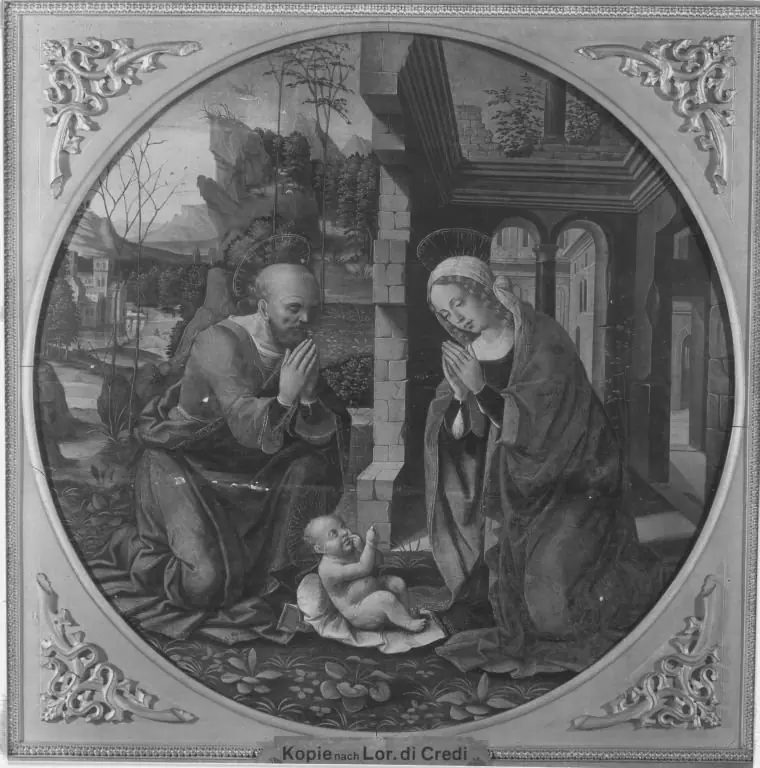
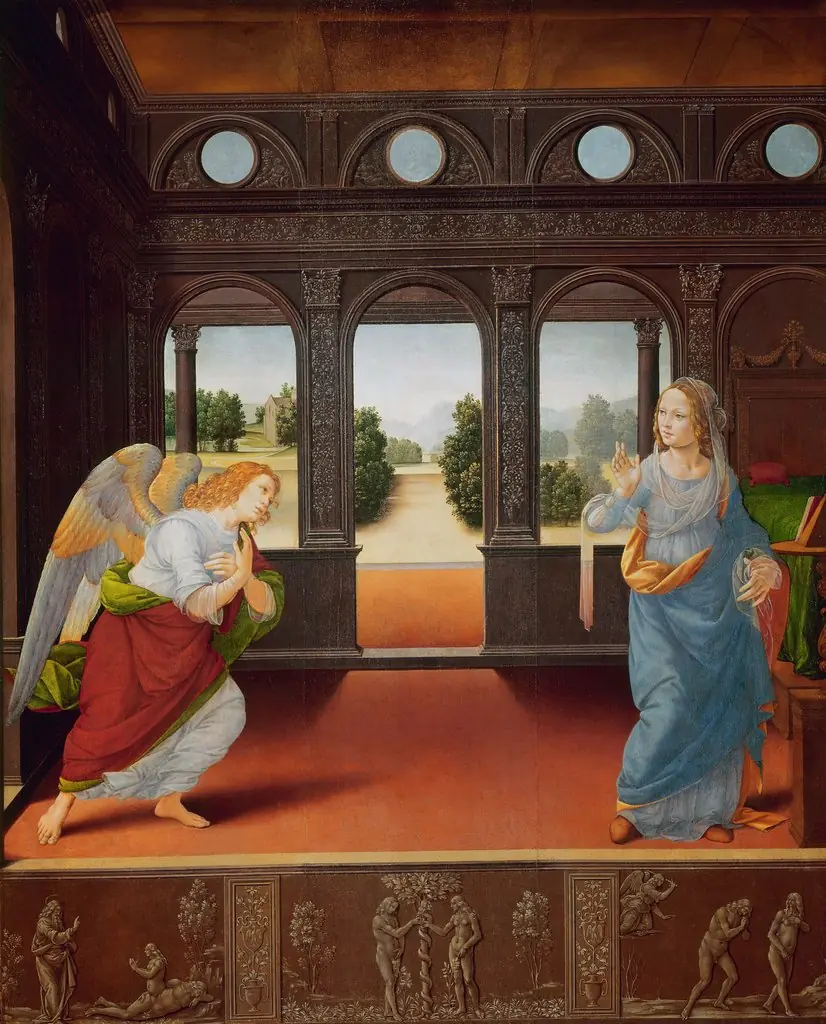
- Adoration of the Shepherds
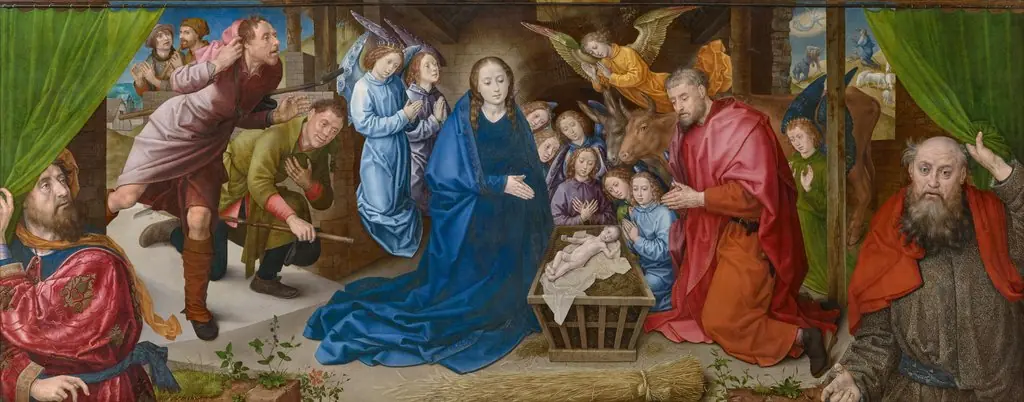 Adoration of the Shepherds
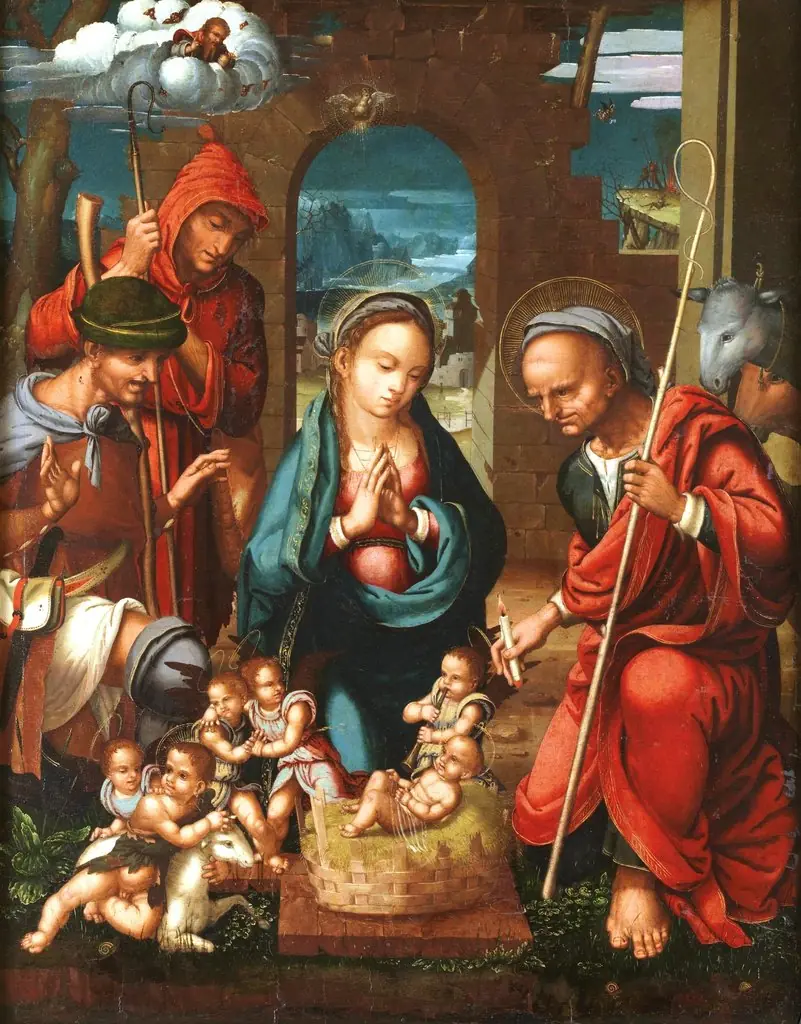 Adoration of the Shepherds
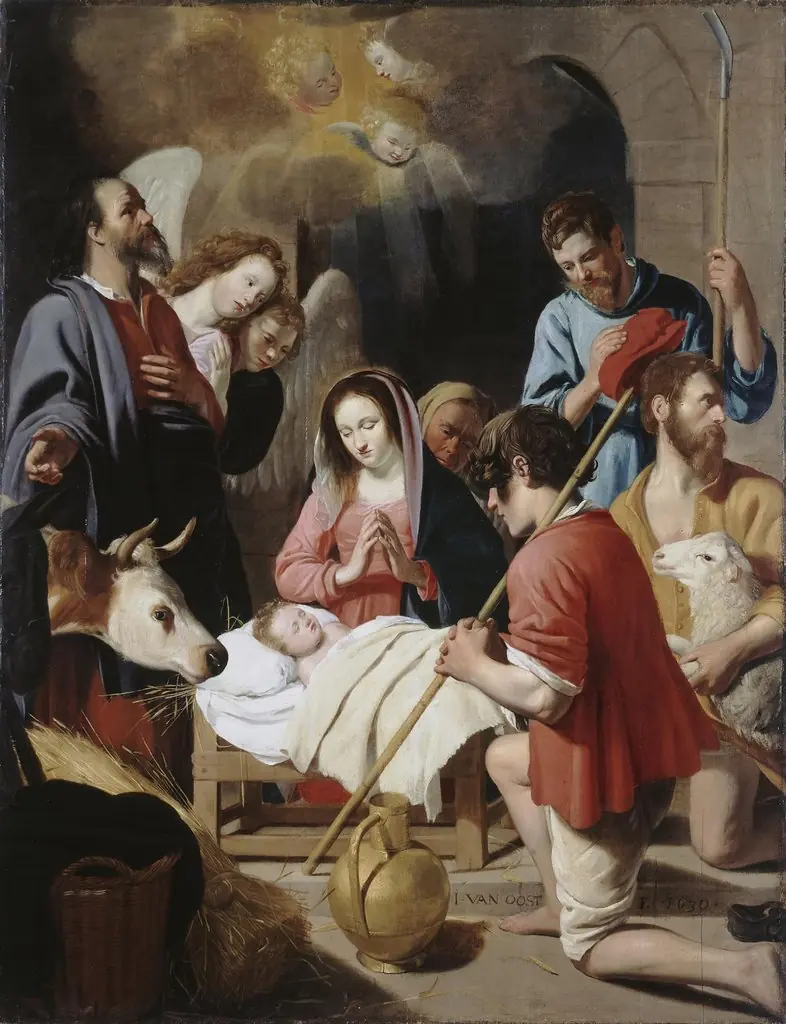 Adoration of the Shepherds
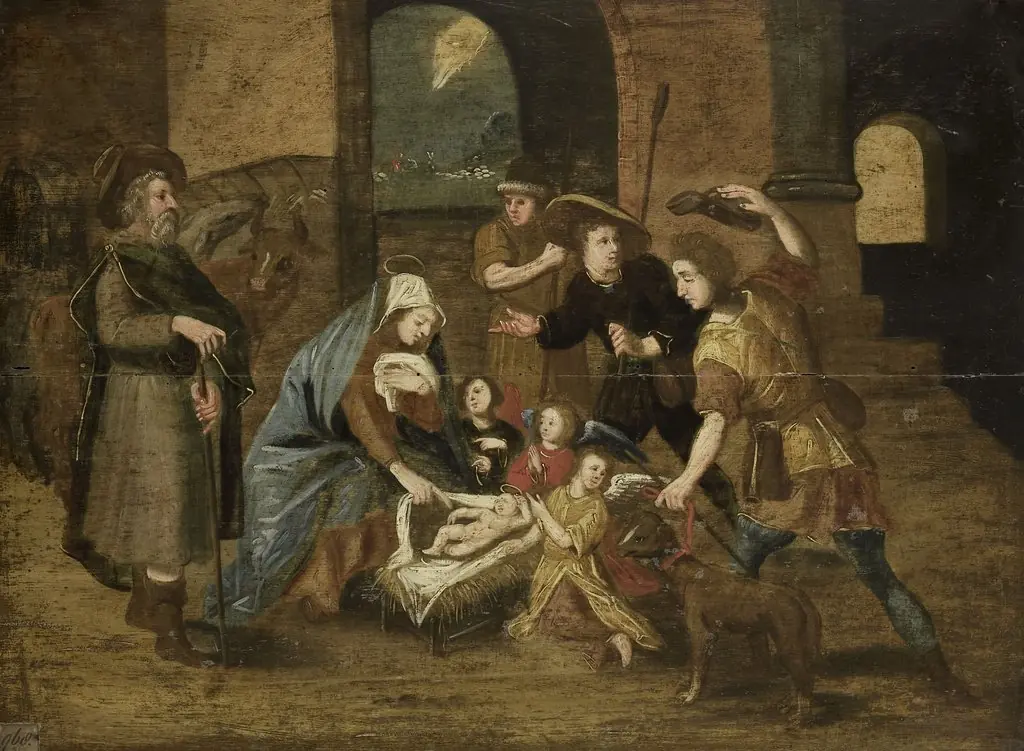 Adoration of the Shepherds
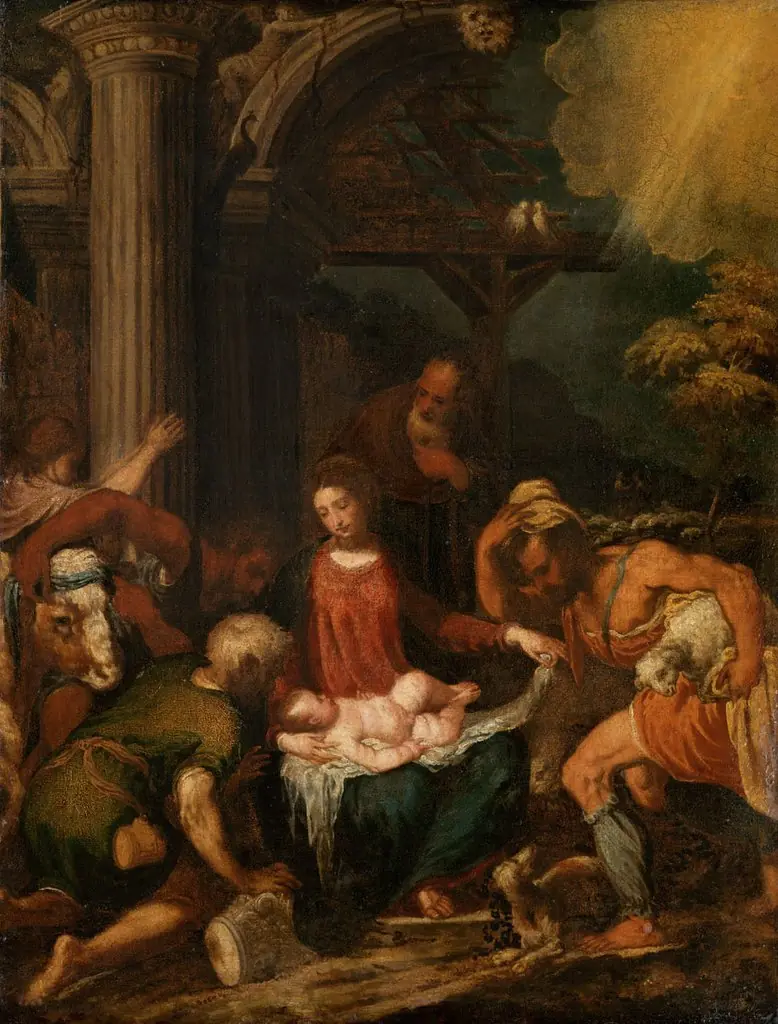 Adoration of the Shepherds
 The Worship of the Shepherds
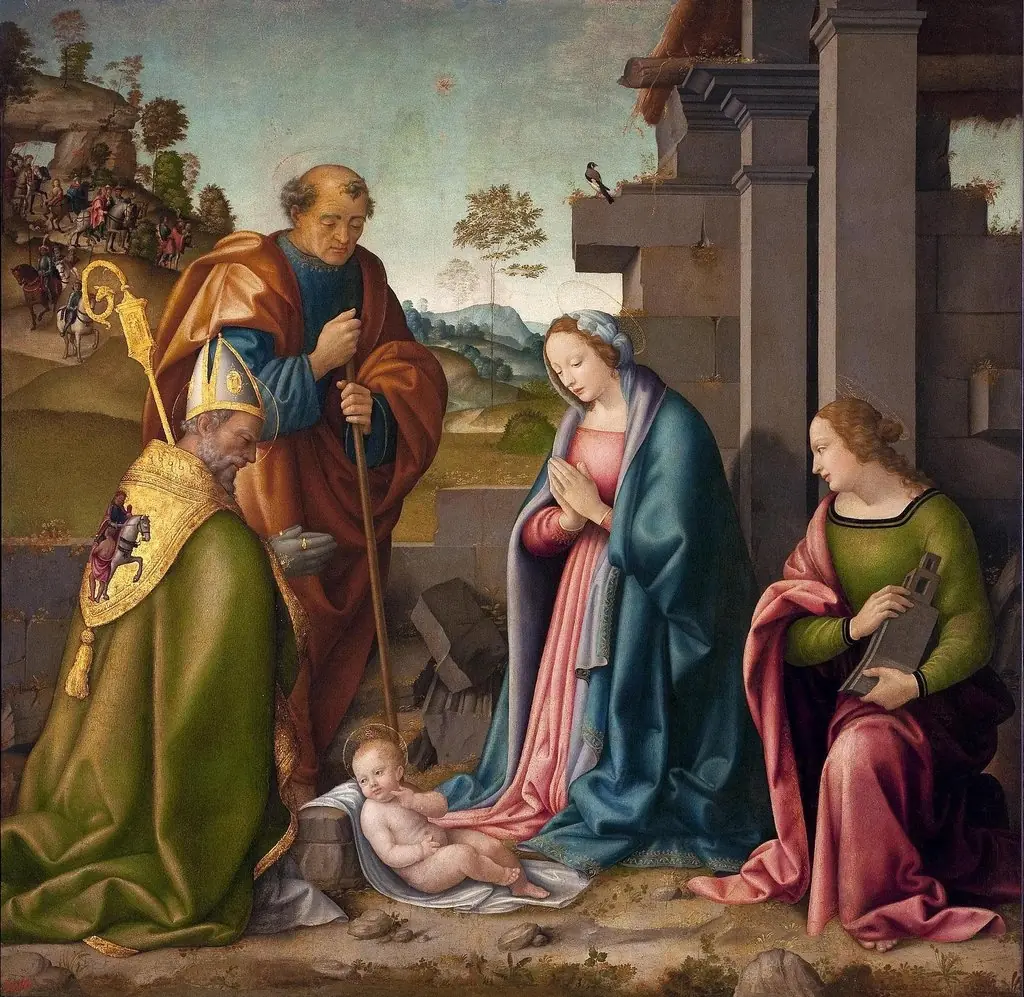 Adoration of the Christ Child, with Sts Barbara and Martin
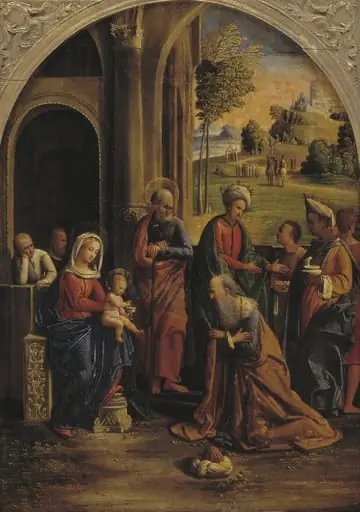 The Adoration of the Kings
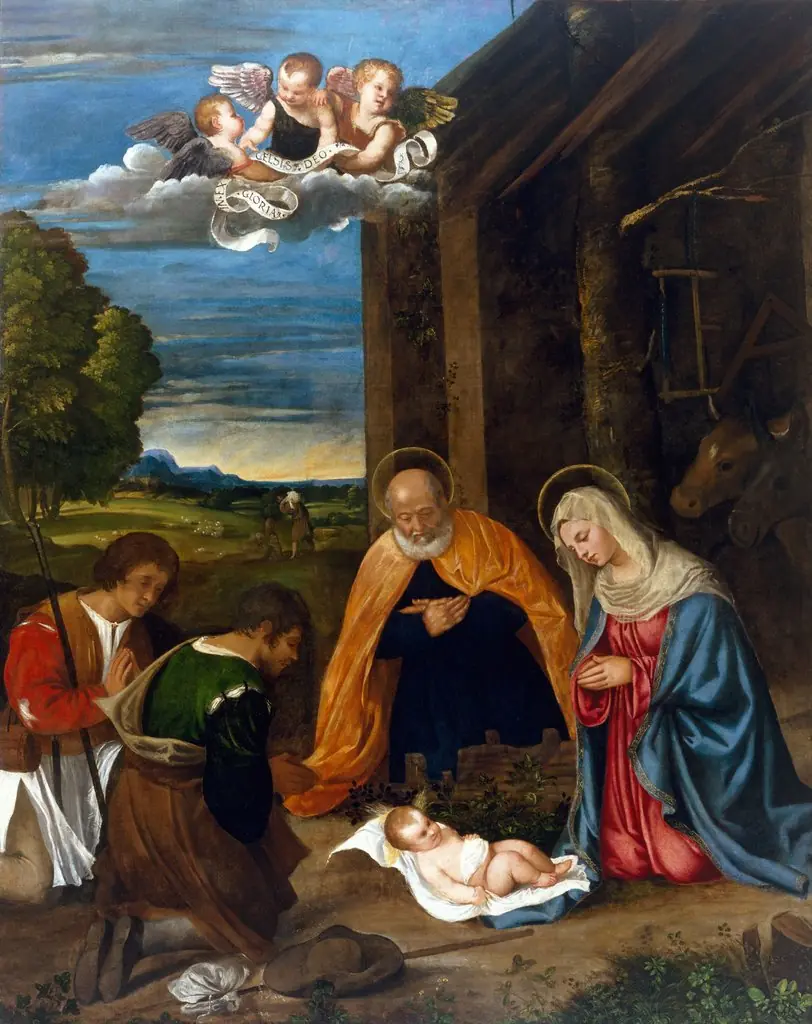 The Nativity with Shepherds
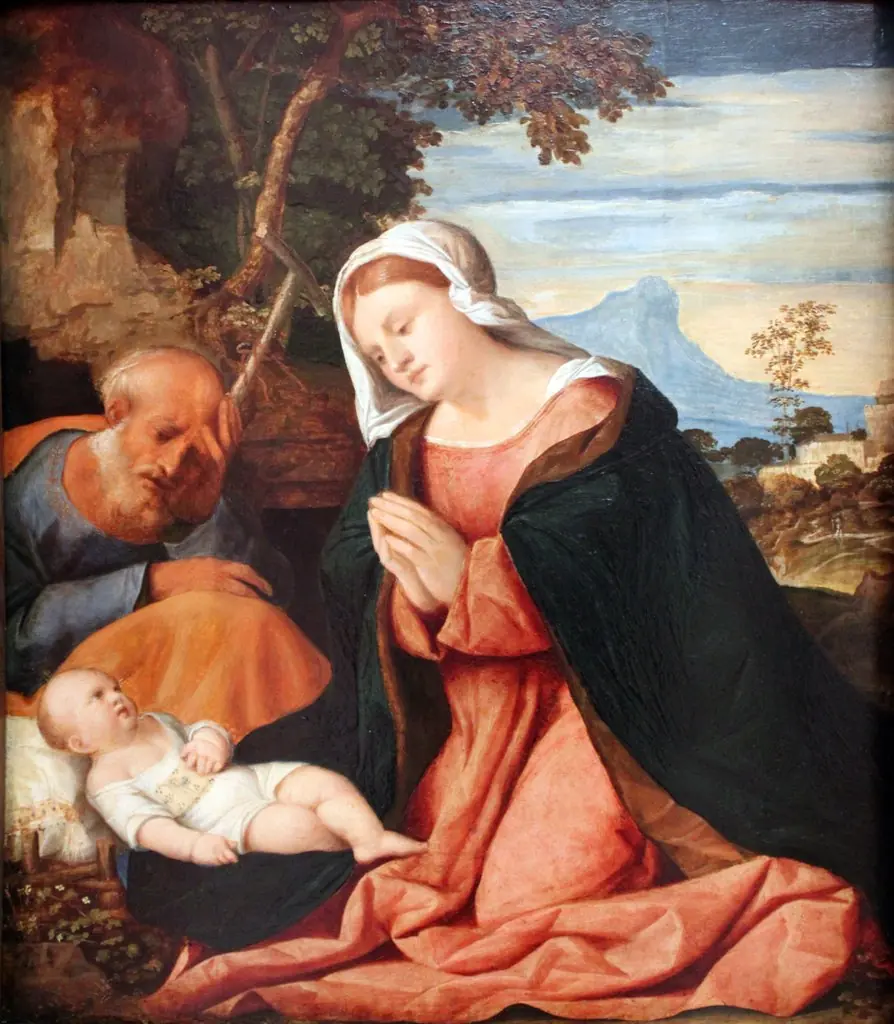 The Holy Family
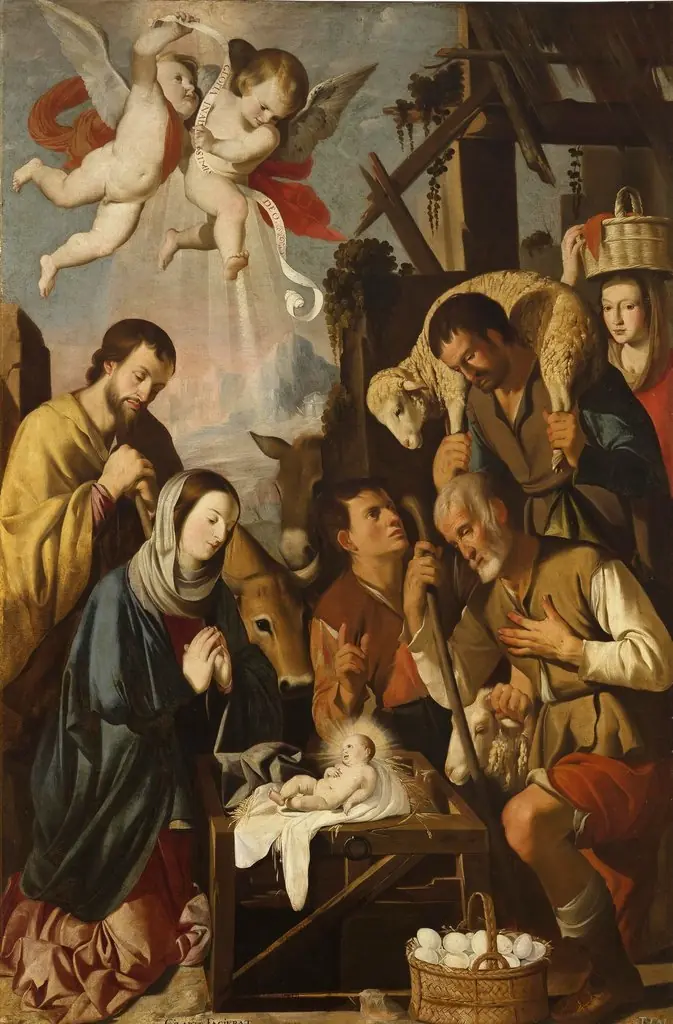 The Adoration of the Shepherds