Artwork
Evening Party
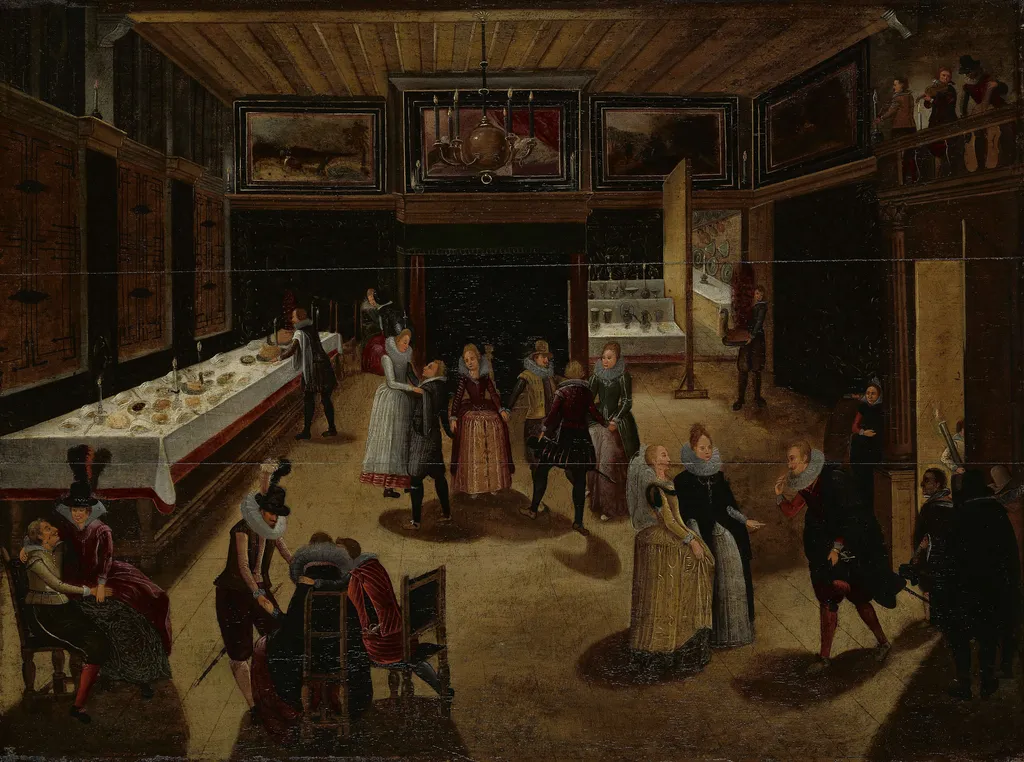
Evening Party is an oil painting by the Flemish Baroque painting artist Louis de Caullery. It dates from 1610 and is held in the collection of the Rijksmuseum.
About this work
The room is decorated with wooden paneling and a high ceiling, and there is a long table with a white tablecloth on the left side of the room.
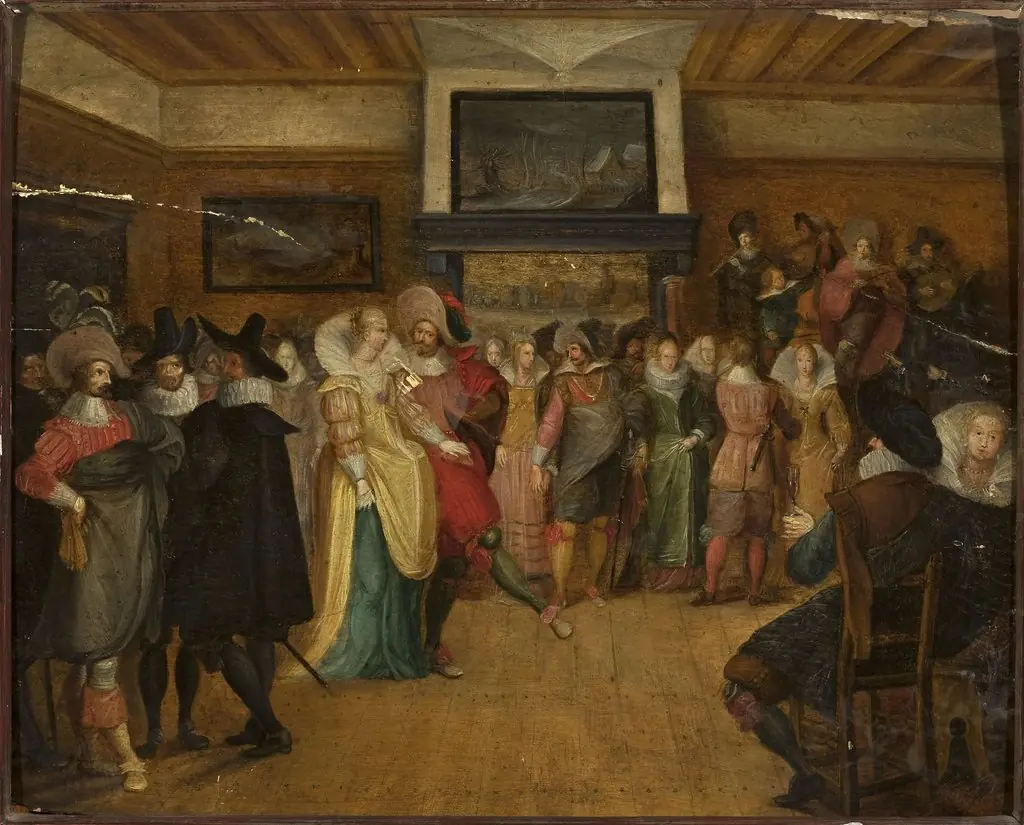
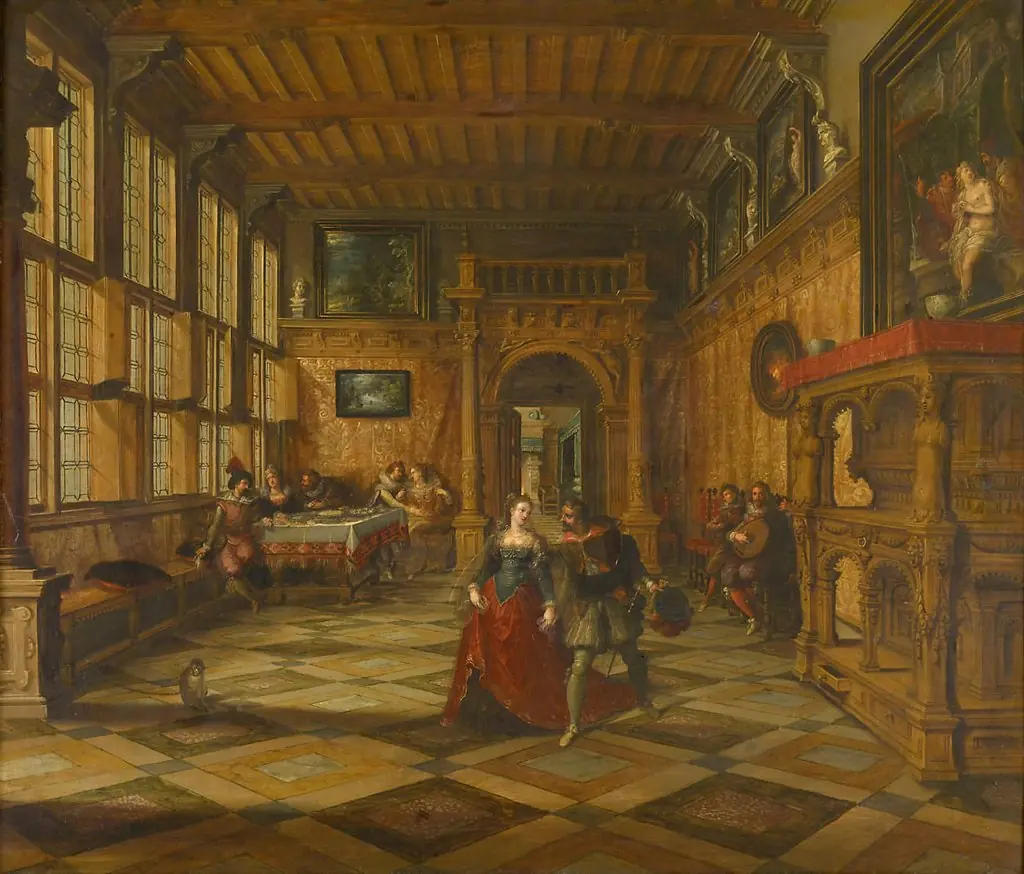
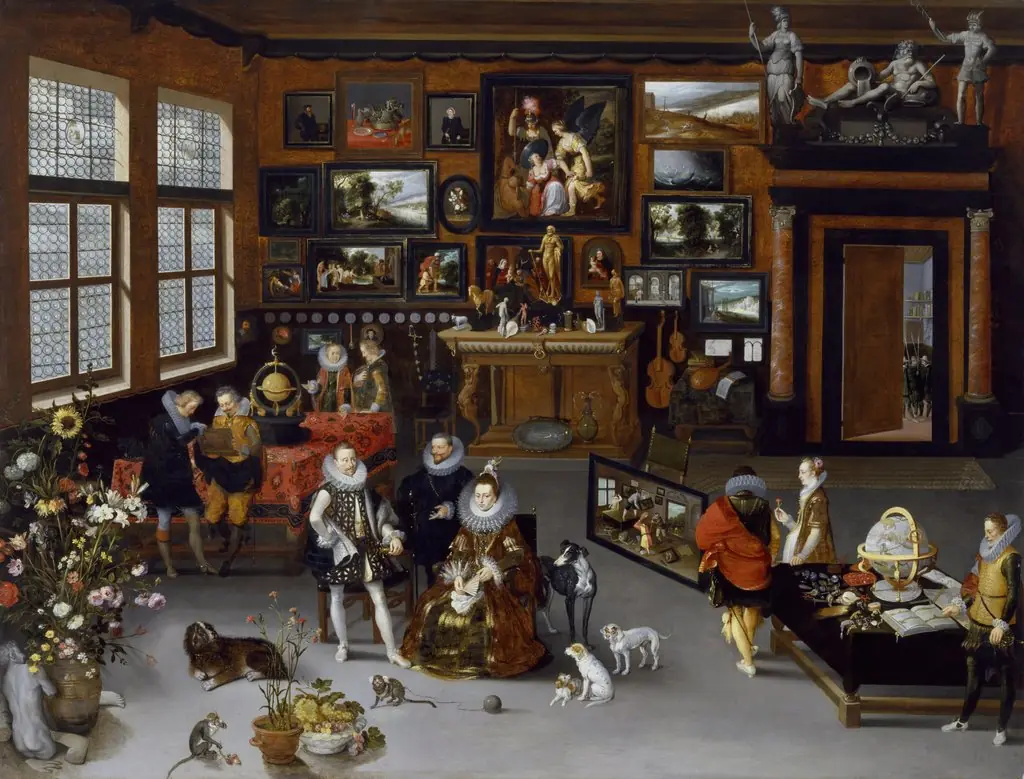
This painting, titled "Evening Party", shows a lively gathering of people in a large room. The room is decorated with wooden paneling and a high ceiling, and there is a long table with a white tablecloth on the left side of the room. The people are dressed in 17th-century clothing, with men wearing hats and women wearing long dresses.
In the center of the room, a group of people are dancing and chatting. Some are standing near the table, while others are seated on chairs or benches. The atmosphere appears to be one of joy and celebration.
The painting is an example of a genre scene, which was a popular type of painting in the 17th century. To learn more about this type of painting, you can explore the work of artist Louis de Caullery.
Technique & Style
Executed in 1610, Evening Party is an oil painting applied on a panel support. The work measures 66 cm in height and 88 cm in width. As a genre scene, the composition depicts a social gathering, characteristic of the artist's focus on interior festivities.
The application of oil paint on wood panel was a standard technique for Netherlandish artists of this period, allowing for the detailed rendering of figures and domestic settings found within the piece.
History & Provenance
The painting Evening Party was commissioned as a genre scene and executed in oil paint on panel in 1610 by Louis de Caullery. It measures 66 cm in height and 88 cm in width. The work entered the collection of the Rijksmuseum in Amsterdam, where it remains on display.
The painting’s provenance is documented through its acquisition by the Rijksmuseum, which holds it as part of its permanent holdings of Dutch Golden Age artworks.
Overview
Louis de Caullery’s Evening Party (1610) is an oil on canvas that captures a convivial gathering in an interior space. Executed during the early phase of the Flemish Baroque, the work presents a well‑dressed group of men and women enjoying music, conversation, and dance within a richly paneled room.
Subject & Meaning
The composition depicts a social soirée set in a spacious hall, where participants in contemporary 17th‑century attire mingle around a long, white‑clothed table. The scene emphasizes leisure and refinement, reflecting the emerging interest of Flemish artists in portraying courtly and garden festivities as a marker of cultured life.
Context
Evening Party belongs to a wave of Flemish works that began to document aristocratic entertainments, moving beyond religious and mythological subjects. This shift mirrors broader cultural trends in the Dutch‑Spanish Netherlands, where a growing bourgeois class commissioned images of refined domestic and social life.
Own this work as a print
Artist & collection
Artist
Louis de Caullery, Caulery or Coulery (ca.1580–1621) was a Flemish painter who is known for his architectural scenes, city views, genre scenes, allegorical compositions, religious and history paintings.

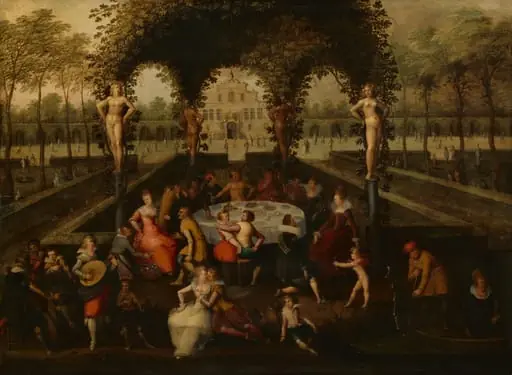
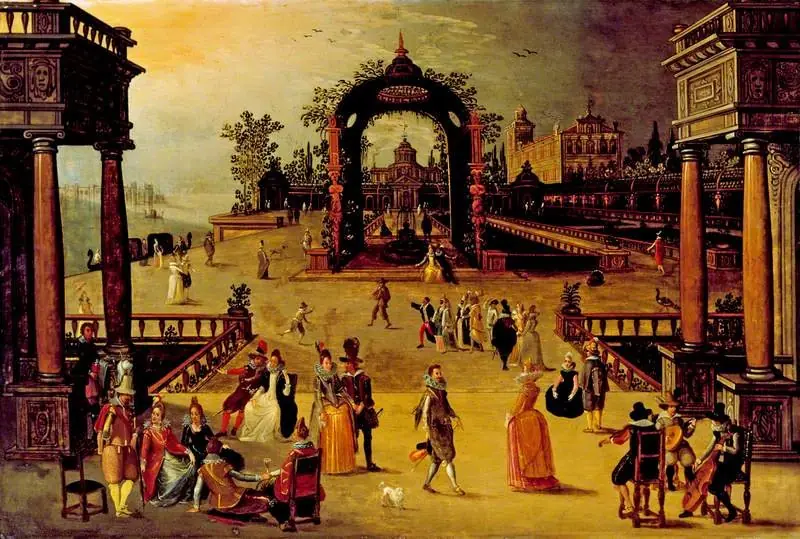
- Party Scene
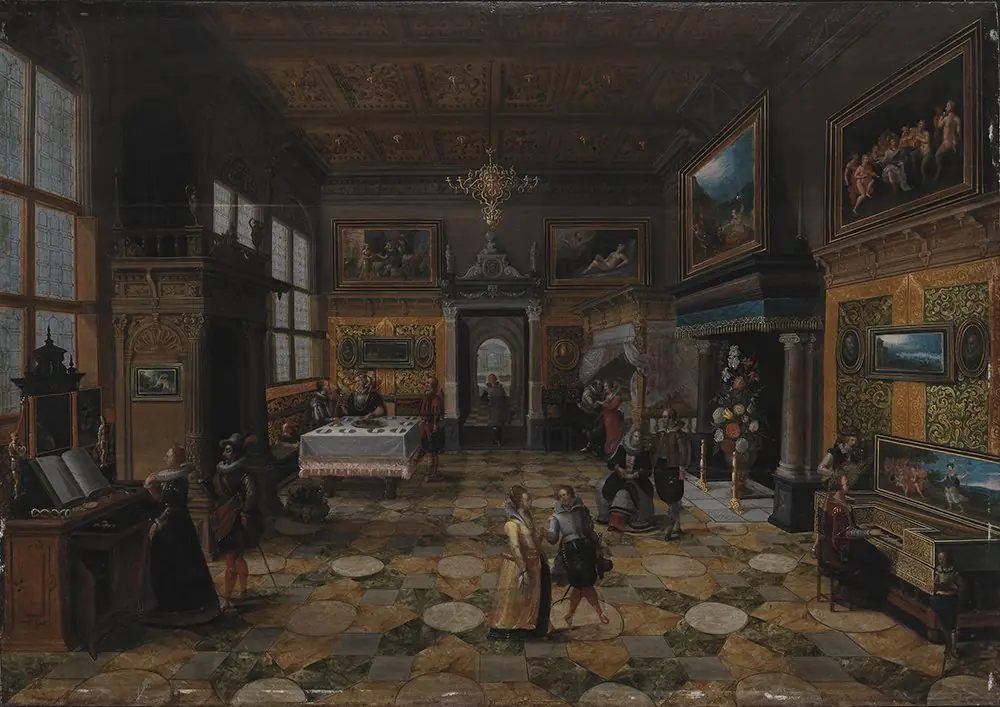 Party Scene
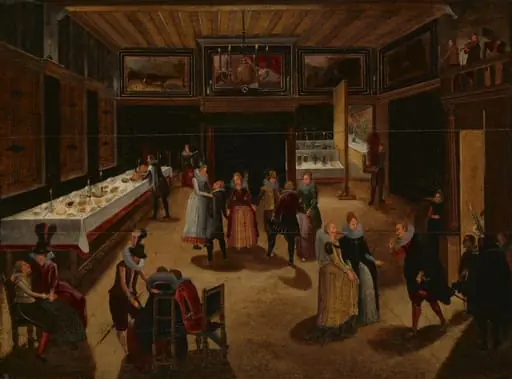 Evening Party
 Ball scene
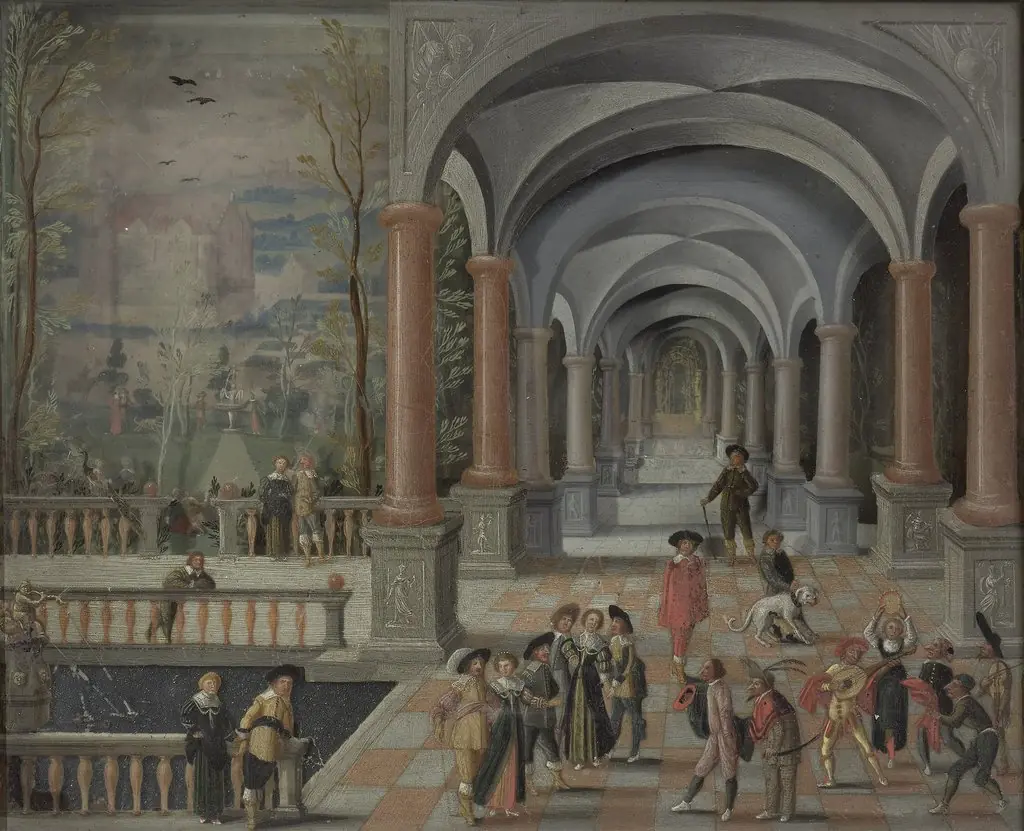 Festive Gathering and Figures from a Commedia dell'Arte in a Gallery
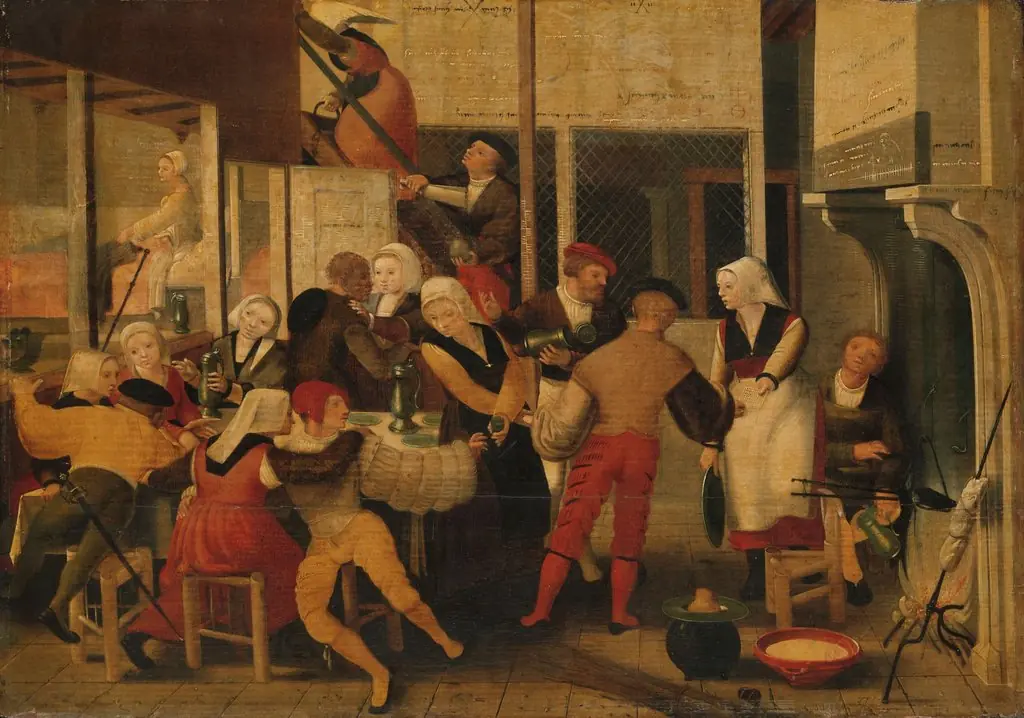 A public house
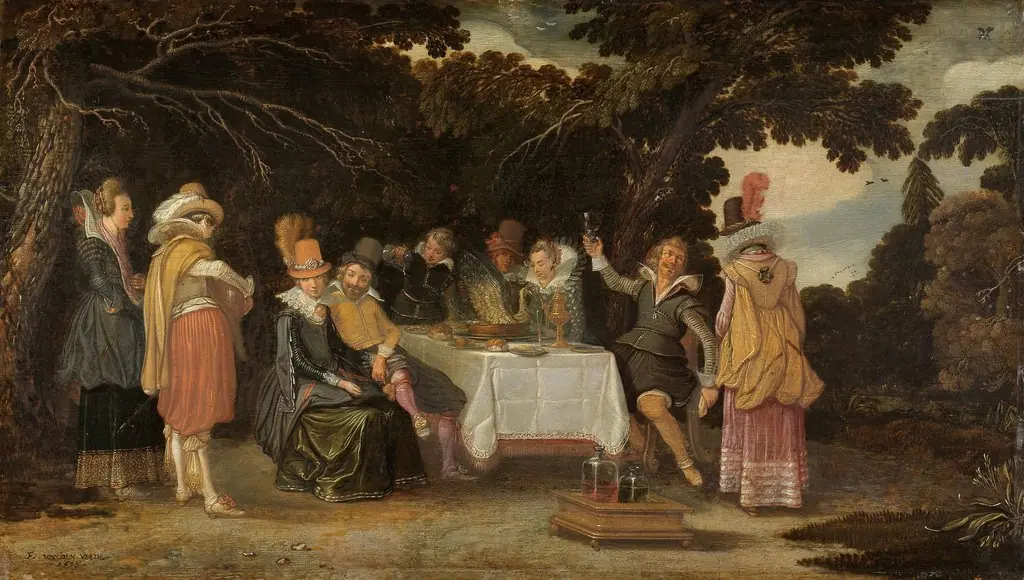 Elegant company dining in the open air
 Gesellschaftsszene
 The Rich Man and Lazarus
 Interior with gamblers and drinkers
 Gezelschap in een interieur
 The Archdukes Albert and Isabella Visiting a Collector's Cabinet