Artwork
Portrait of Rudolph Agricola or Portrait of Johannes Geiler von Kaysersberg
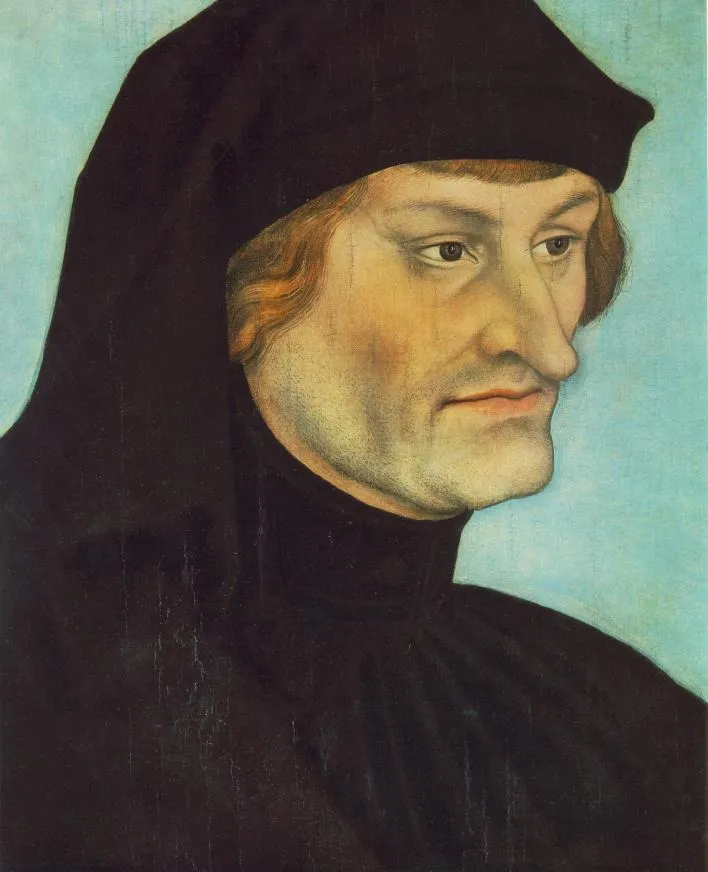
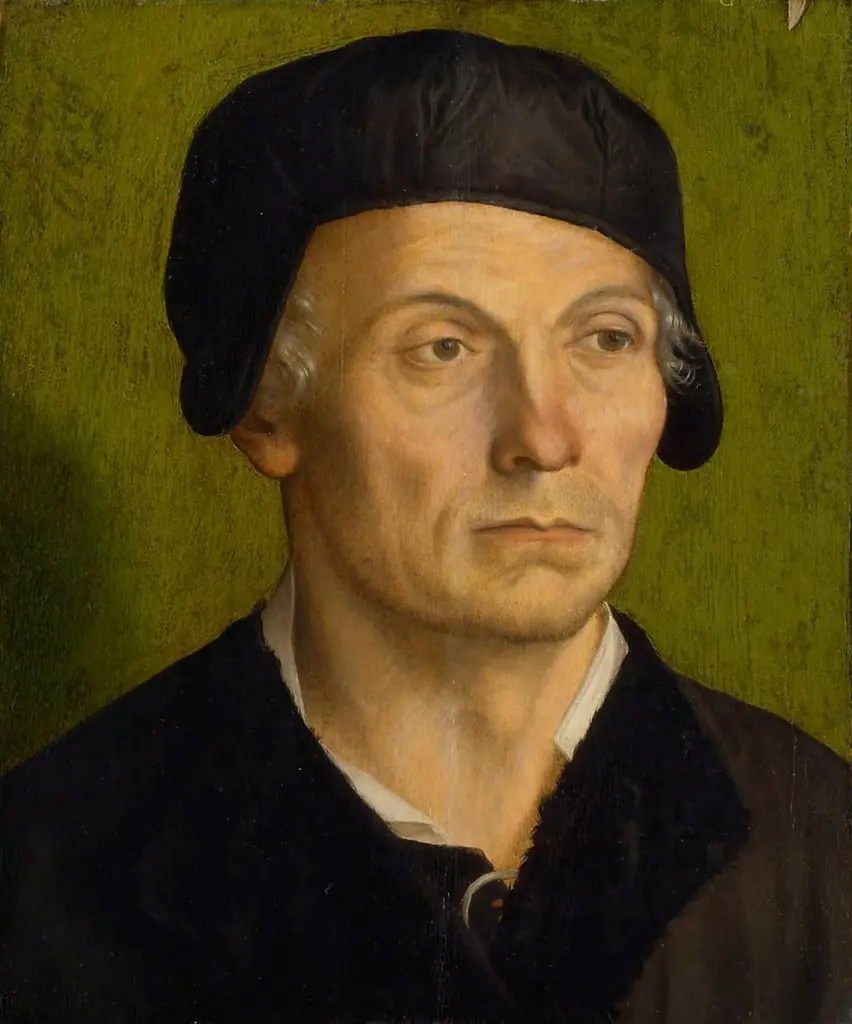
Portrait of Rudolph Agricola or Portrait of Johannes Geiler von Kaysersberg is a wood painting by the Northern Renaissance artist Lucas Cranach the Elder. It dates from 1532 and is held in the collection of the Bavarian State Painting Collections.
About this work
Subject & Meaning
Created in 1532, this portrait on beech wood belongs to the genre of individual portraiture that Lucas Cranach the Elder produced during the Reformation era.
The painting depicts Rodolphus Agricola, the Dutch Renaissance humanist and scholar, as its main subject. Created in 1532, this portrait on beech wood belongs to the genre of individual portraiture that Lucas Cranach the Elder produced during the Reformation era. The identification of the sitter as Agricola reflects the humanist culture of the period, in which intellectuals were commemorated through visual representation.
The work's alternative title, sometimes associated with Johannes Geiler von Kaysersberg, indicates past uncertainty in attribution of the sitter's identity. As a portrait, the painting serves to preserve and propagate the likeness and reputation of a celebrated humanist figure, aligning with Cranach's broader practice of depicting leading thinkers and reformers of his time.
Technique & Style
Executed in 1532 by Lucas Cranach the Elder, this portrait is painted on a support of beech wood. The work measures 29.9 cm in height and 23 cm in width. As a panel painting from the German Renaissance, it utilizes wood as its primary material rather than canvas. The piece functions as a portrait depicting the humanist scholar Rodolphus Agricola.
History & Provenance
The painting is dated 1532 and is executed on beech wood, a support commonly used by Lucas Cranach the Elder during this period. It has been held in the collection of the Bavarian State Painting Collections and is currently located at the Alte Pinakothek in Munich. The work entered the state collection as part of the holdings now administered by the Bavarian State Painting Collections; no further details about its early provenance or the circumstances of its commission are recorded in the available sources.
The work is held by the Bavarian State Painting Collections at the Alte Pinakothek in Munich. Its inventory number is 2684, and it was first exhibited in a Cranach retrospective at the Kunsthalle Hamburg in 1953. Subsequent displays include the 1971 Munich exhibition "German Renaissance Masterpieces" and the 2003 Cranach exhibition at the National Gallery of Art in Washington, D.C.
Context
Lucas Cranach the Elder painted this portrait in 1532 on beech wood, depicting Rodolphus Agricola for the Bavarian State Painting Collections, where it remains on display in the Alte Pinakothek.
Scholarship emphasizes its role within Cranach’s broader oeuvre of Renaissance portraiture, reflecting humanist interests in notable civic and religious figures of the period.
The work is frequently discussed in studies of Northern Renaissance art as an exemplar of the genre’s evolving realism and as part of the artist’s extensive exploration of Reformation-era personalities.
Overview
Created in 1532 by Lucas Cranach the Elder, this beech‑wood panel portrait is part of the collection of the Alte Pinakothek in Munich. The work presents a half‑length figure turned toward the viewer’s right, set against a pale blue backdrop. The sitter’s identity has been debated, with attributions to the humanist Rudolph Agricola and to the theologian Johannes Geiler von Kaysersberg.
Artist & collection
Artist
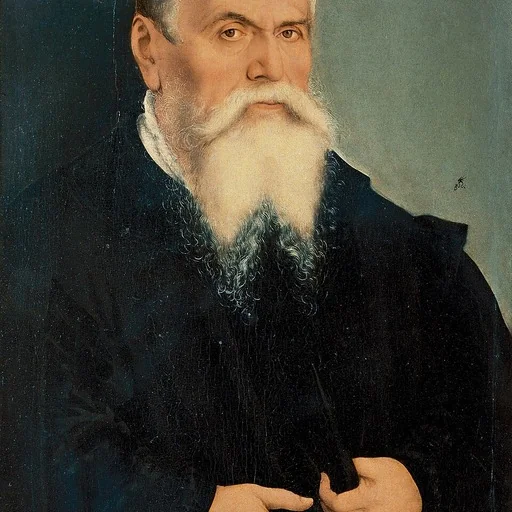
Lucas Cranach the Elder was a German Renaissance painter and printmaker in woodcut and engraving.

- Portrait of a Clergyman (Johann Dorsch?)
 Portrait of a beardless man
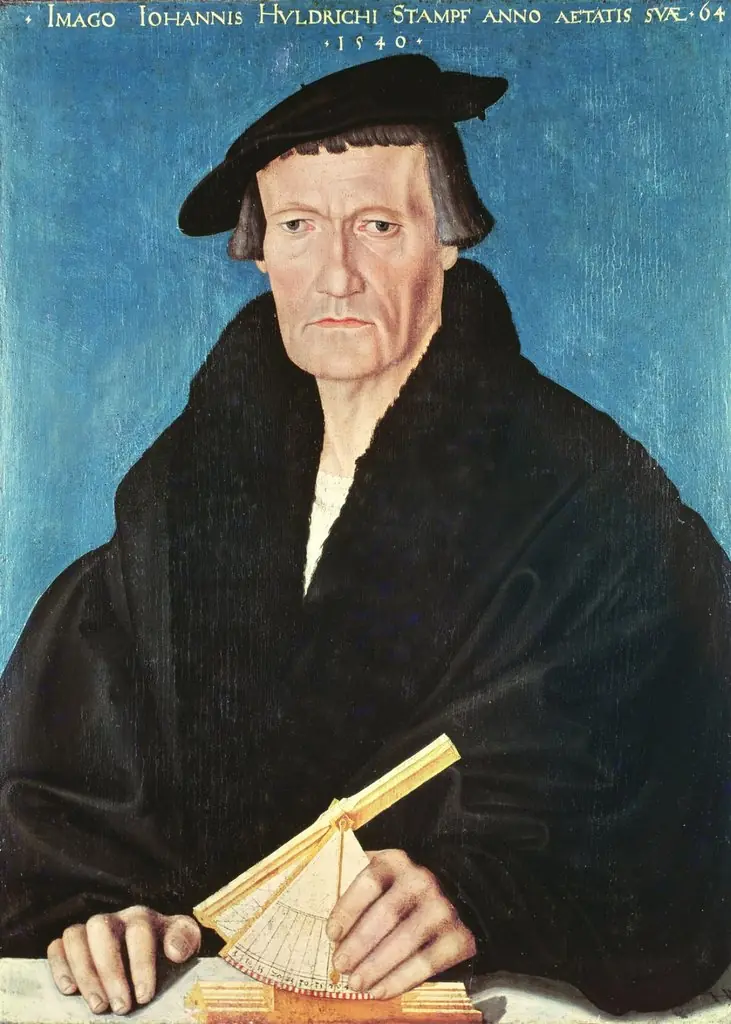 Portrait of Ulrich Stampfer
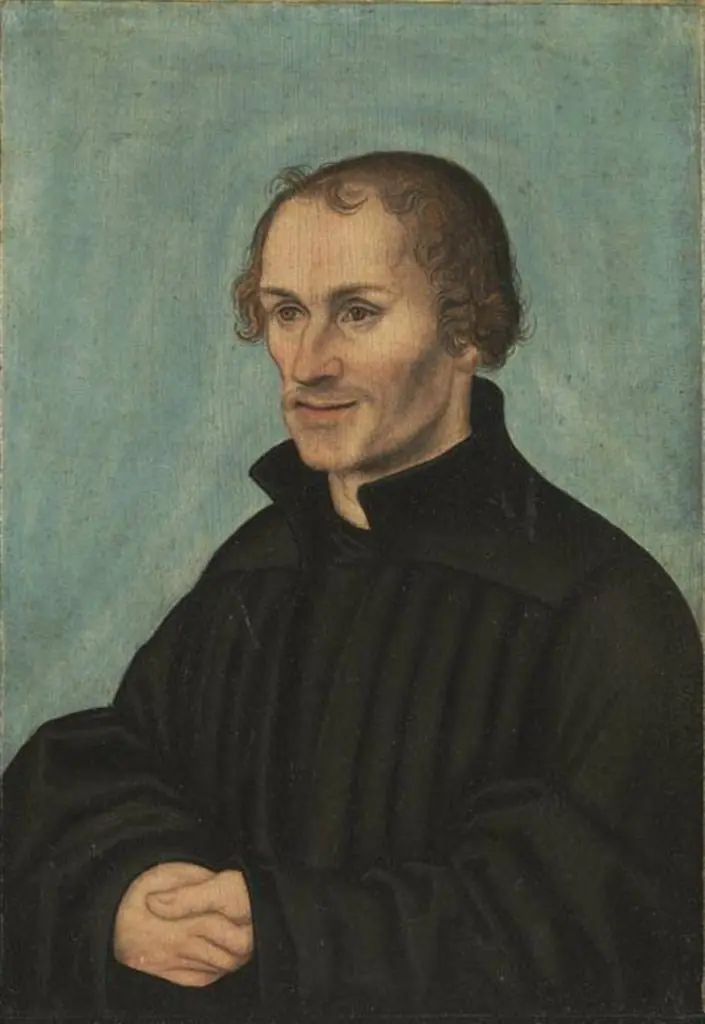 Portrait of Philipp Melanchthon
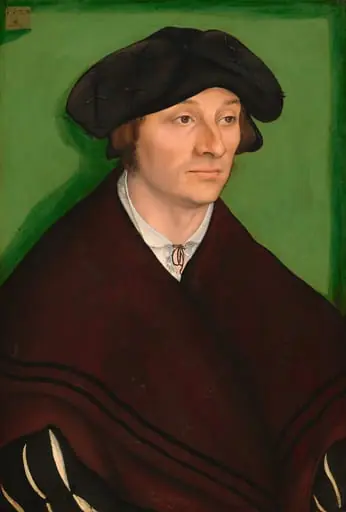 Portrait of a Man
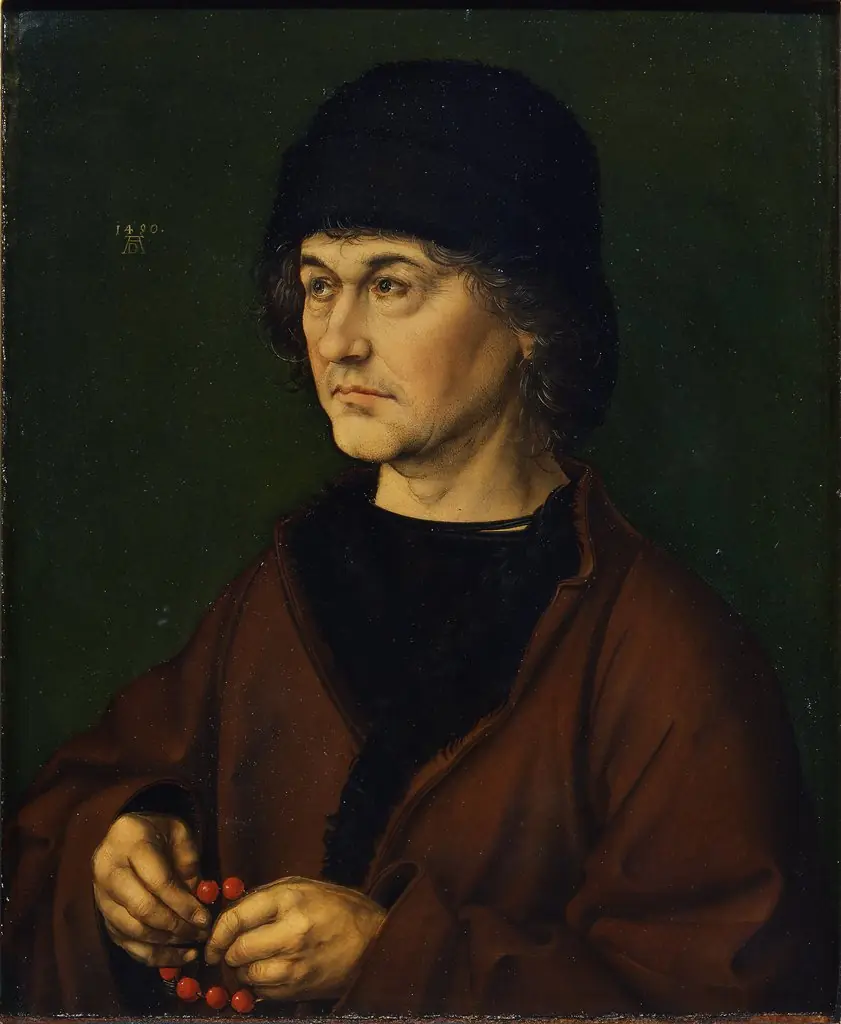 Portrait of the artist's father
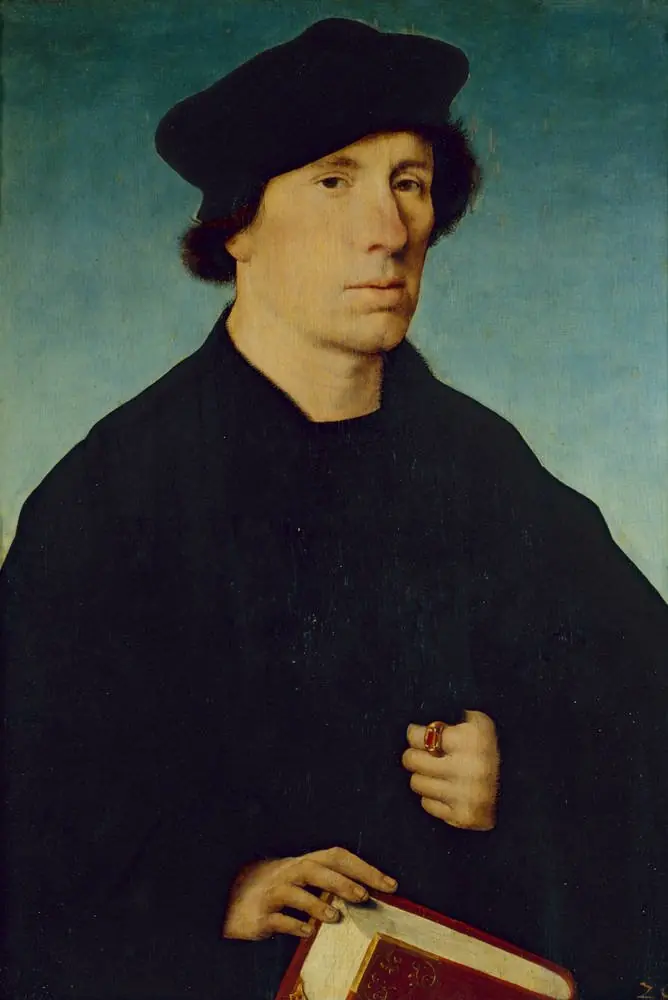 Portrait of a Beardless Man
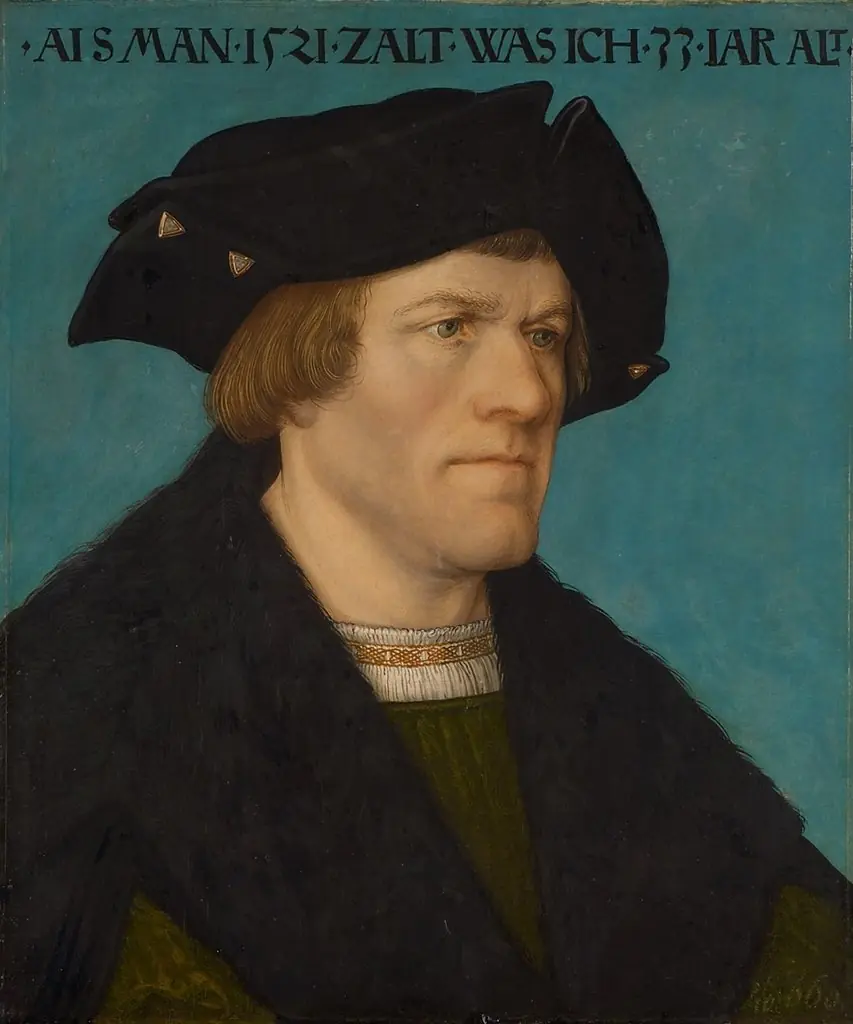 Portrait of a beardless man
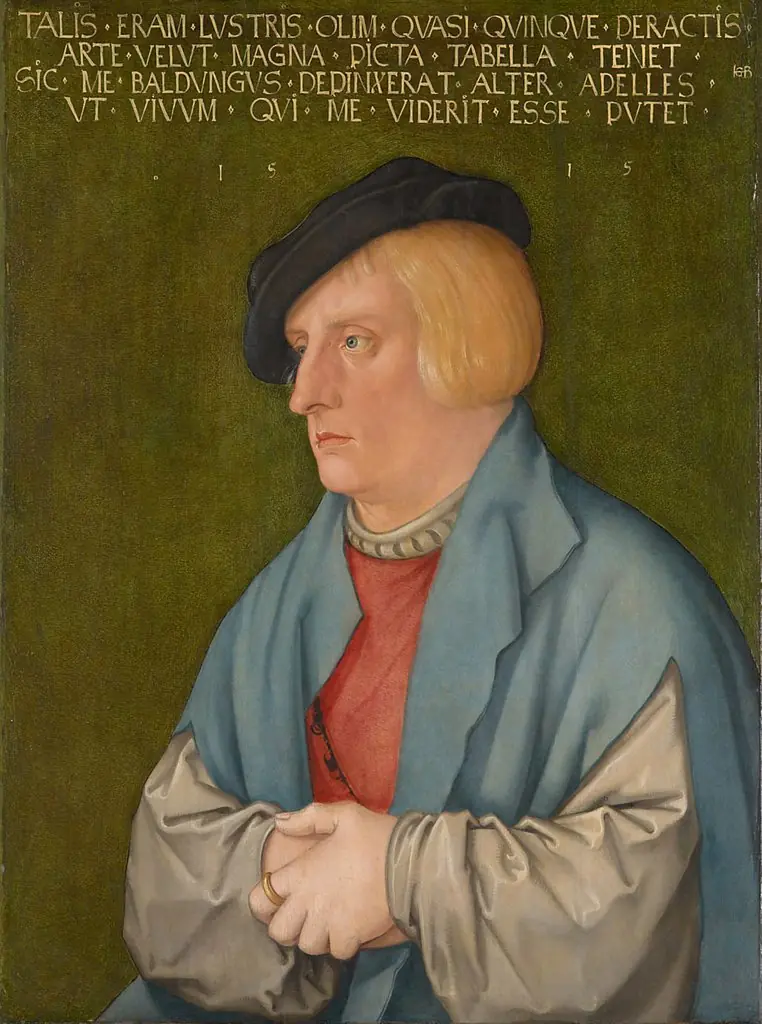 Portrait of a young man
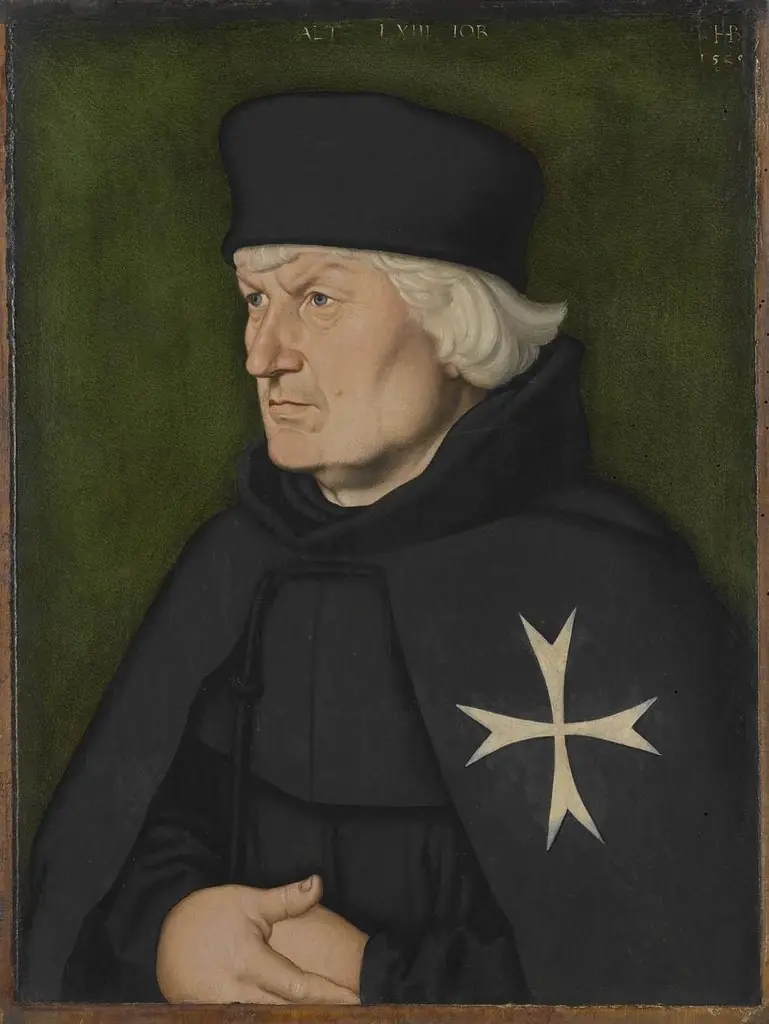 Bildnis des Straßburger Johanniterkomturs Balthasar Gerhardi
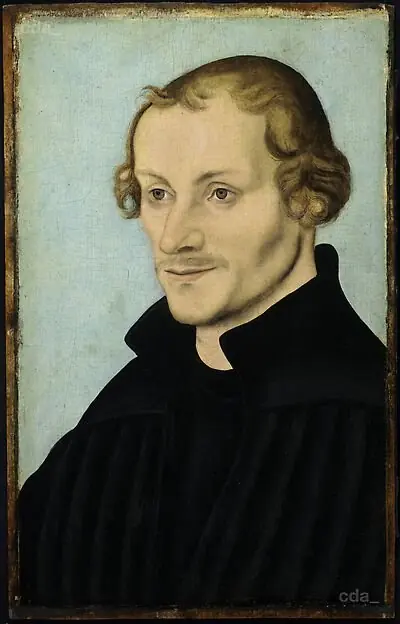 Portrait of Philipp Melanchthon (1497-1560)
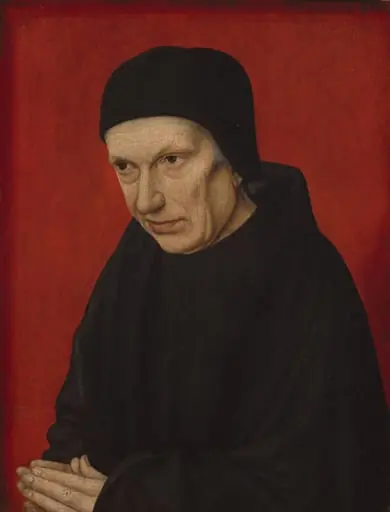 Portrait of an Ecclesiastic