Artwork
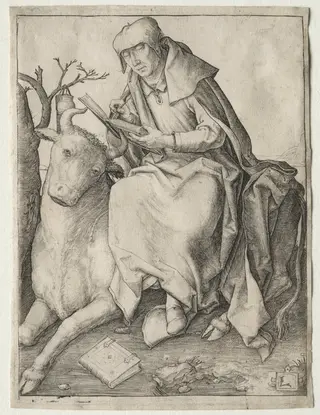
Saint Luke
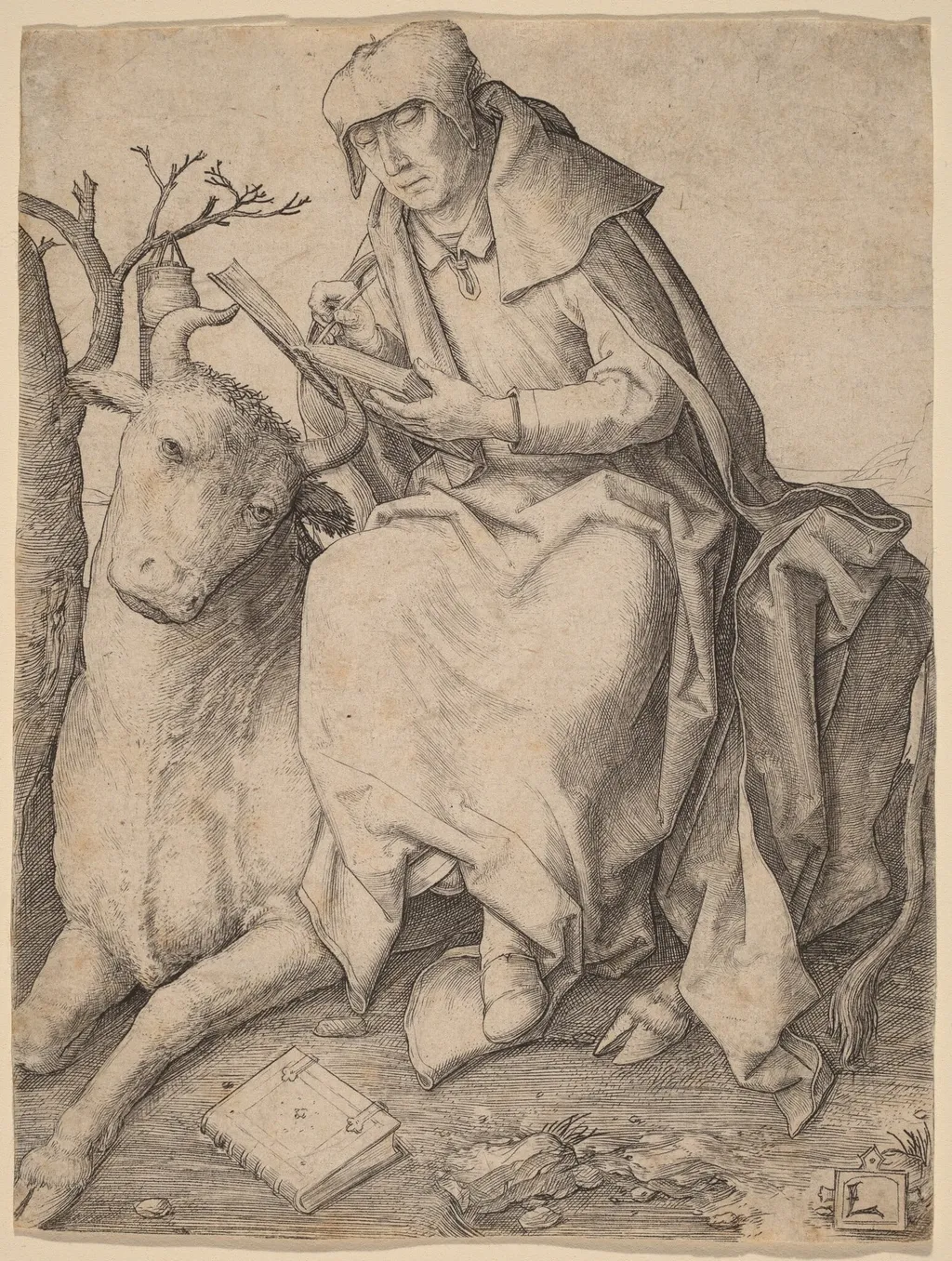
Saint Luke is an ink print by the Renaissance artist Lucas van Leyden. It dates from 1508 and is held in the collection of the National Gallery of Art.
About this work
Overview
Saint Luke is an engraving created by Lucas van Leyden around 1508, exemplifying his proficiency in printmaking and early influence in Dutch genre painting.
Subject & Meaning
The engraving portrays Saint Luke, identifiable by attributes common to depictions of scholars and writers: a book and quill. Seated on an ox, dressed in robes and a cloak, he embodies a figure of contemplative study, set against a subdued, rural backdrop.
Technique & Style
Executed in engraving, the work showcases van Leyden's technical skill in the medium, with detailed linework evident in the subject's attire, the ox, and the subtle, textured background.
History & Provenance
Created circa 1508, Saint Luke is an early example of van Leyden's contribution to Dutch printmaking and genre themes. Specific provenance details are not provided.
Context
This piece reflects the religious and scholarly themes prevalent in early 16th-century Dutch art, with van Leyden's style bridging traditional religious iconography and the emerging genre painting focus.
Legacy
Saint Luke contributes to van Leyden's legacy as a pivotal figure in Dutch Renaissance printmaking, influencing subsequent generations of artists in both technique and thematic exploration.
Own this work as a print
Artist & collection

Artist
Lucas van Leyden (1494 – 8 August 1533), was a Dutch painter and printmaker in engraving and woodcut. Lucas van Leyden was among the first Dutch exponents of genre painting and was a very accomplished engraver.

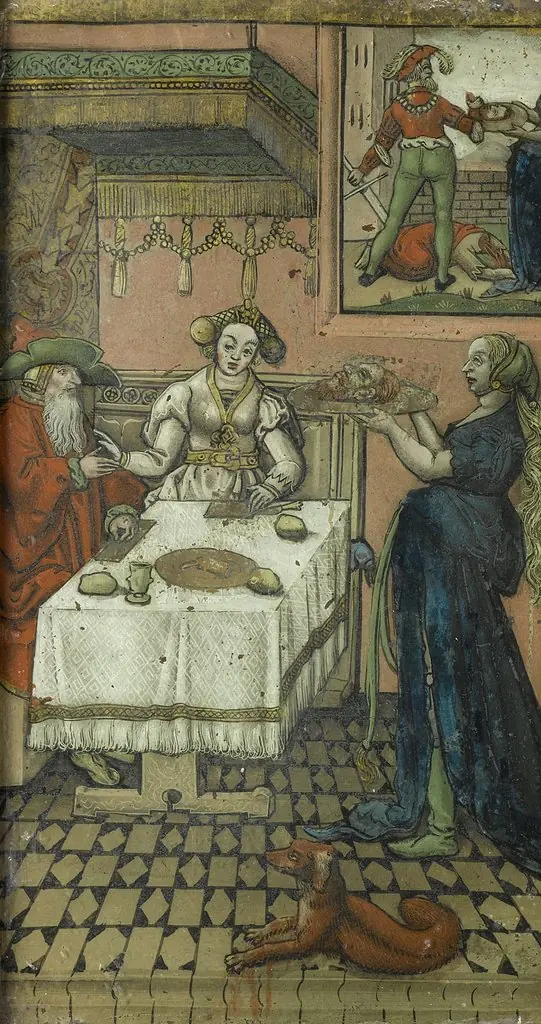 Salome with the head of St John the Baptist
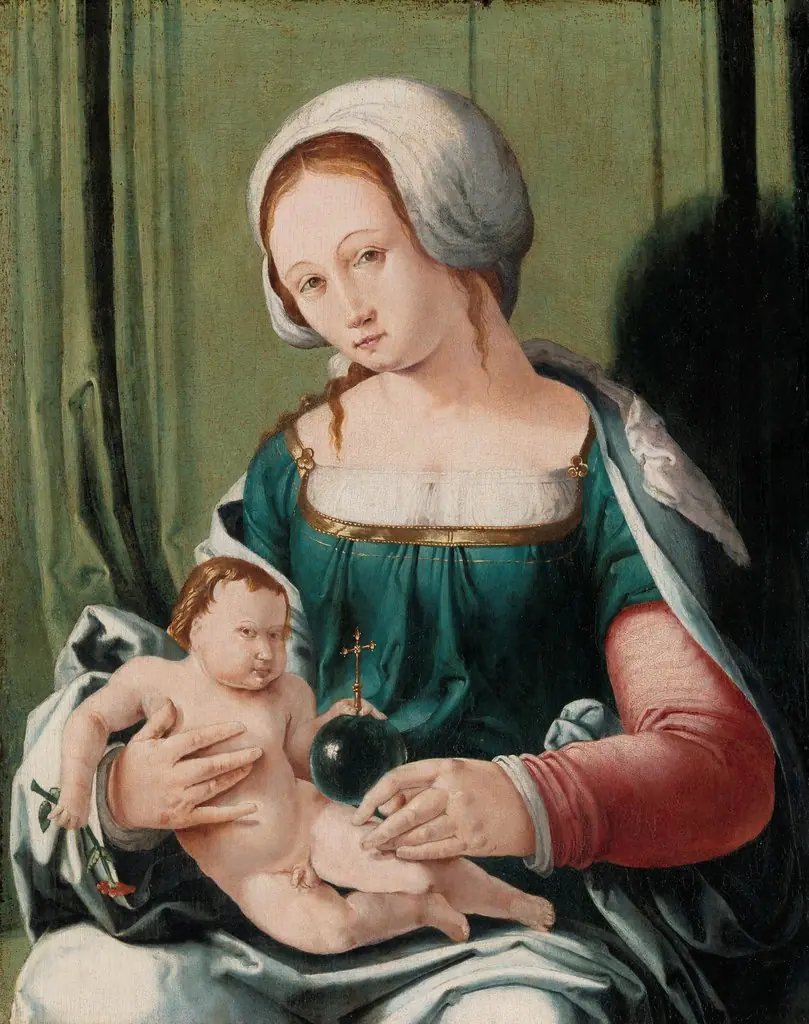 The Virgin and Child
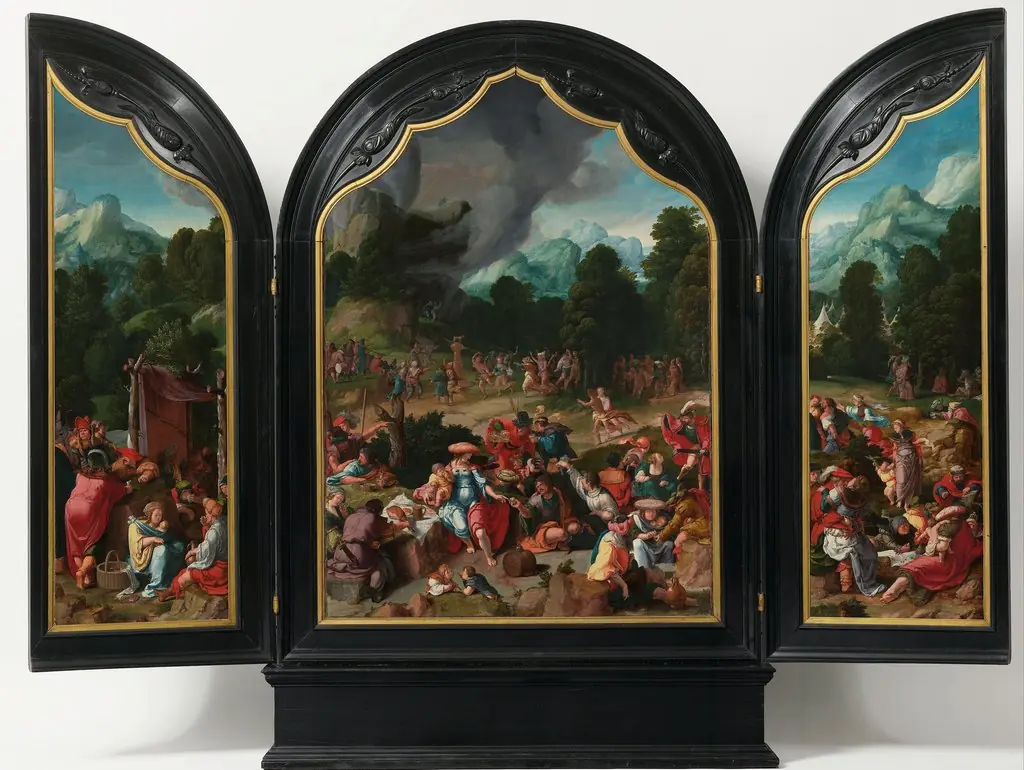 Worship of the Golden Calf
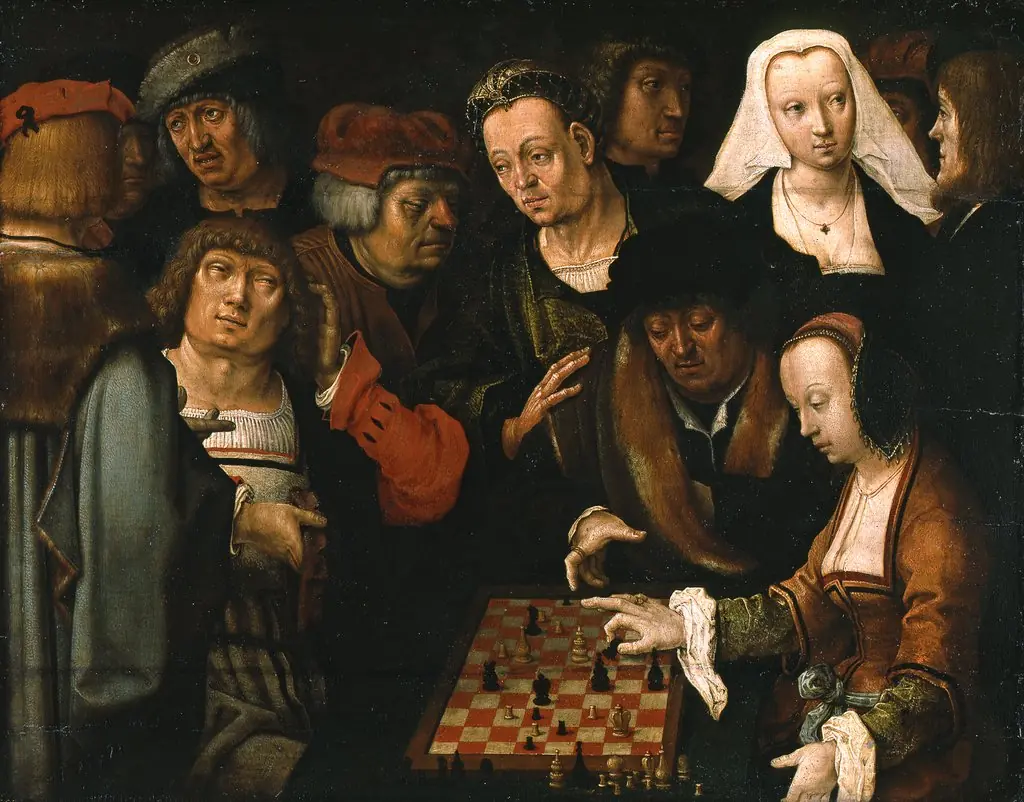 A Game of Chess
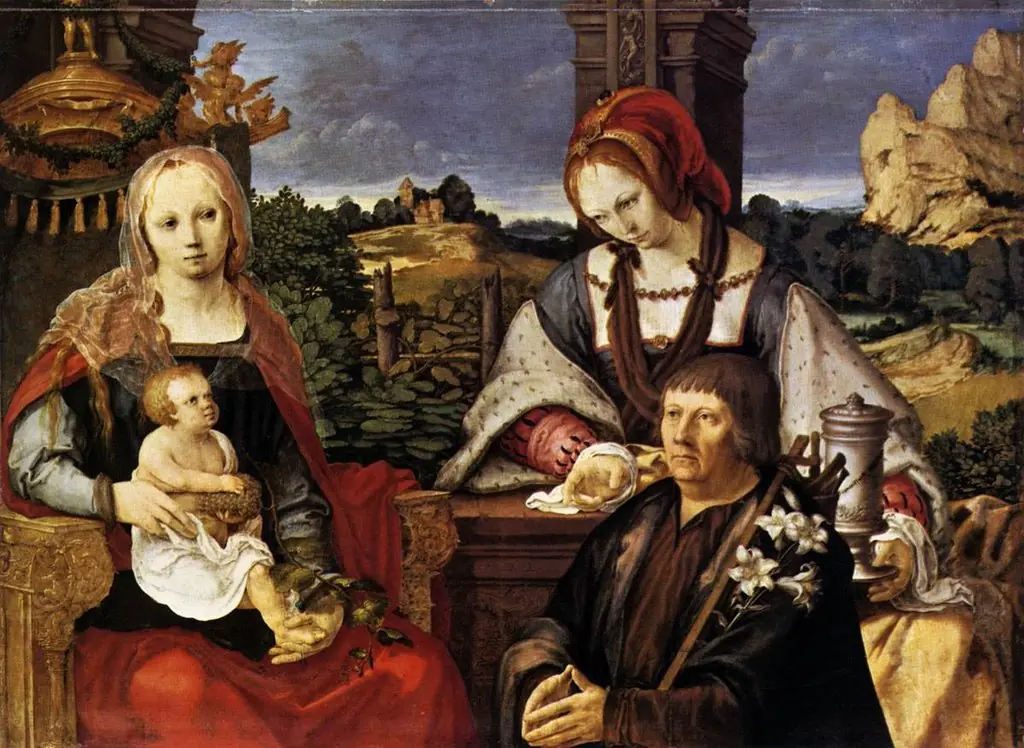 Mary with Child, St. Maria Magdalena and founder (separate outside, Inv. No. 7713)
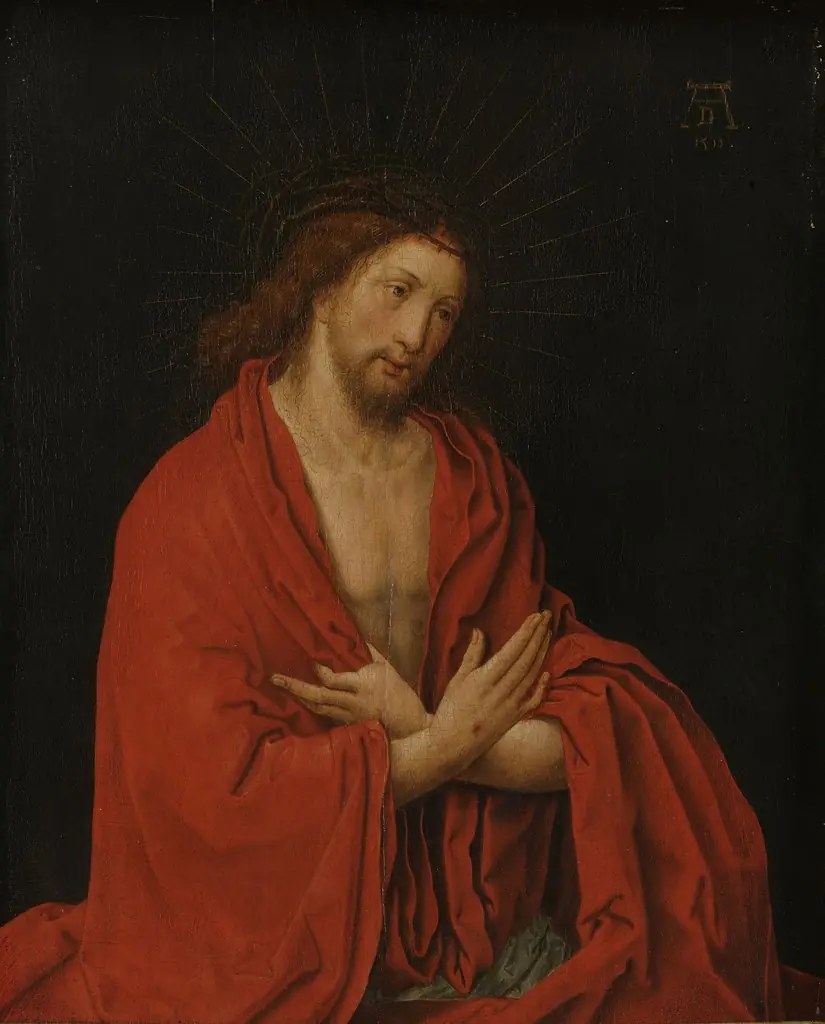 Inner left wing of a diptych with Christ as the Man of Sorrows
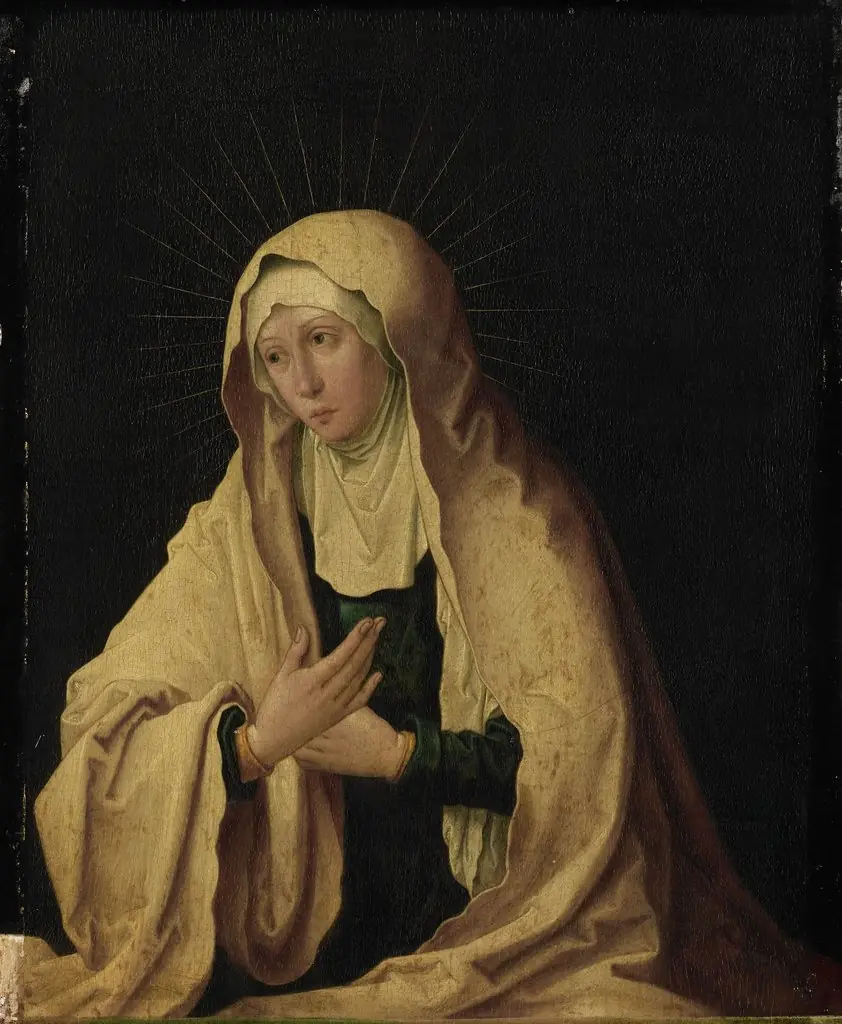 Inner right wing of a diptych with the Virgin as Mater Dolorosa
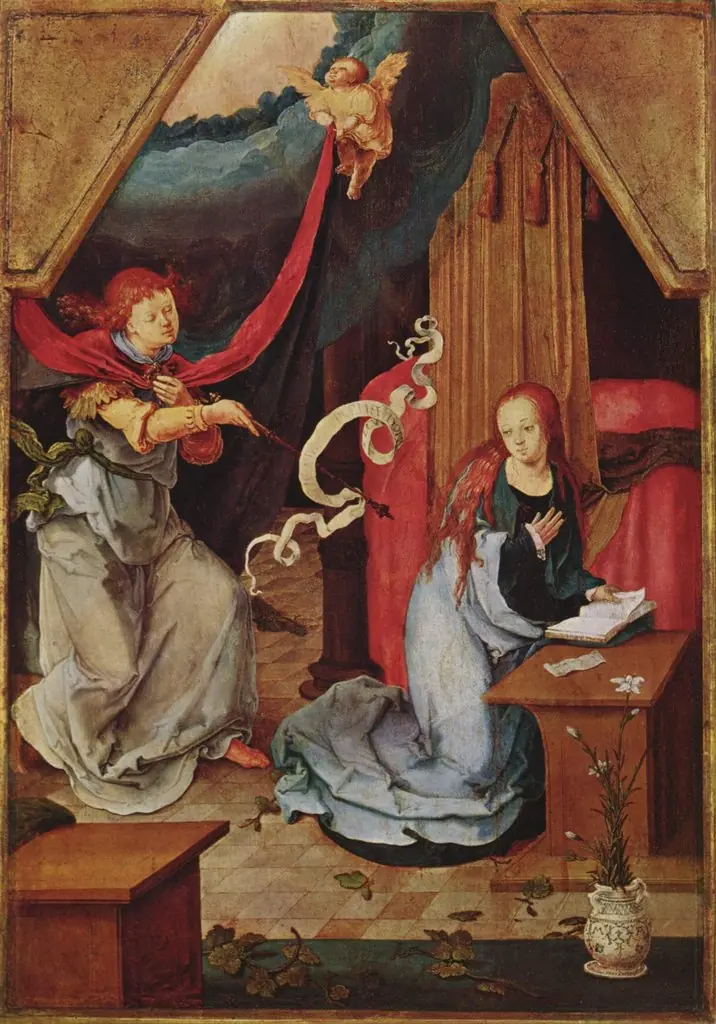 Annunciation