Artwork
宋馬遠華燈侍宴圖 軸
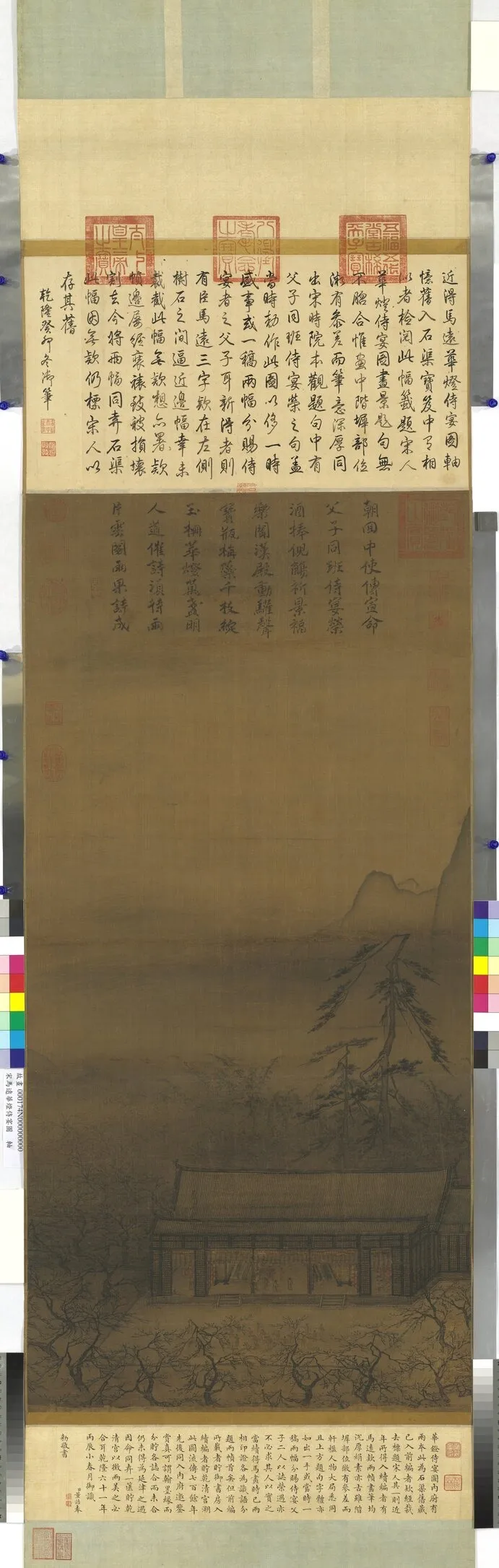
宋馬遠華燈侍宴圖 軸 is an unspecified painting by the Song dynasty landscape artist Ma Yuan. It dates from 1100 and is held in the collection of the National Palace Museum.
About this work
Overview
This silk painting, attributed to Ma Yuan of the Southern Song dynasty, captures a moment of courtly ritual within a restrained natural setting.
This silk painting, attributed to Ma Yuan of the Southern Song dynasty, captures a moment of courtly ritual within a restrained natural setting. Though dated traditionally to around 1100, Ma Yuan’s active period aligns more closely with the later decades of the 12th century. The work exemplifies the Southern Song preference for intimate, atmospheric landscapes that frame human activity without overwhelming it. It resides today in the National Palace Museum’s collection in Taipei.
Subject & Meaning
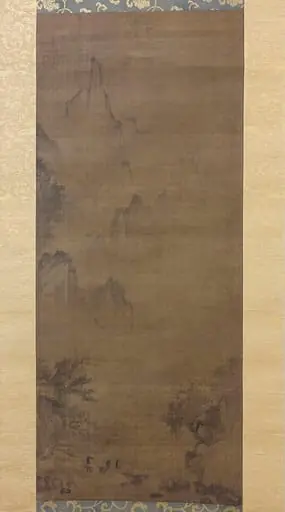
The scene portrays a nighttime banquet at an imperial pavilion, where figures gather under lantern light. The composition emphasizes quietude over spectacle, suggesting ritualized leisure rather than festivity. The lanterns, faintly glowing, symbolize the emperor’s presence and the order of court life.
The surrounding mountains and trees frame the event as part of a harmonious natural order, reflecting Confucian ideals of balance and hierarchy.
Technique & Style
Ma Yuan employed fine brushwork on silk to achieve subtle tonal gradations, particularly in the mist-shrouded mountains and the textured foliage. His use of ink washes creates atmospheric depth, while the sparse figures are rendered with precision, anchoring the viewer’s gaze. The composition follows the 'one-corner' style, leaving much of the upper and left space empty to evoke silence and distance, a hallmark of the Ma-Xia school.
History & Provenance
The painting entered the imperial collection during the Southern Song and remained in royal hands through subsequent dynasties. It was transported to Taiwan in 1949 with the National Palace Museum’s holdings. Its attribution to Ma Yuan is based on stylistic parallels with his authenticated works, though the exact date remains debated. The silk support and ink condition suggest careful preservation over centuries.
Context
Created during a period when the Song court was based in Hangzhou after losing northern territories, this work reflects a cultural turn toward introspection and refined aesthetics. Landscape painting became a vehicle for expressing political withdrawal and philosophical contemplation. Ma Yuan’s style, blending figural detail with expansive nature, responded to this shift, distancing itself from earlier Northern Song grandeur.
Legacy
Ma Yuan’s approach influenced later Chinese, Korean, and Japanese painters who valued suggestion over detail. His integration of human presence within vast, muted landscapes became a model for literati and court artists alike. Though less celebrated in the West than some Northern Song masters, his work remains central to understanding Southern Song visual culture and its enduring emphasis on quietude and spatial ambiguity.
Artist & collection

Artist
Ma Yuan (Chinese: 馬遠; pinyin: Mǎ Yuǎn; Wade–Giles: Ma Yüan; c. 1160–65 – 1225) was a Chinese painter of the Song dynasty. His works, together with that of Xia Gui, formed the basis of the so-called Ma-Xia (馬夏) school of…

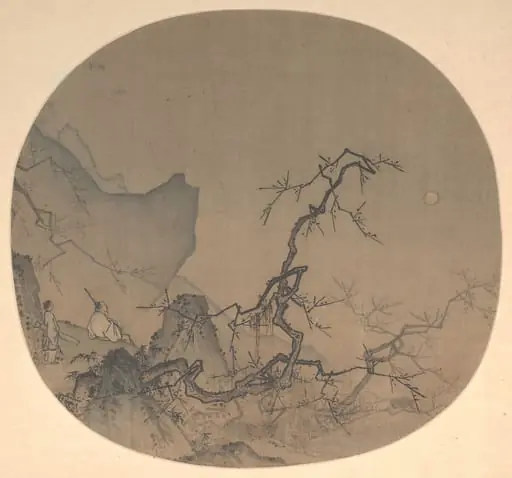 南宋 馬遠 月下賞梅圖 團扇|Viewing plum blossoms by moonlight
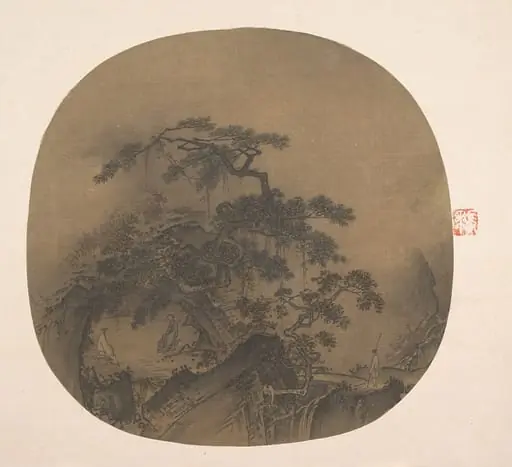 南宋 佚名 洞天論道圖 團扇|Conversation in a cave
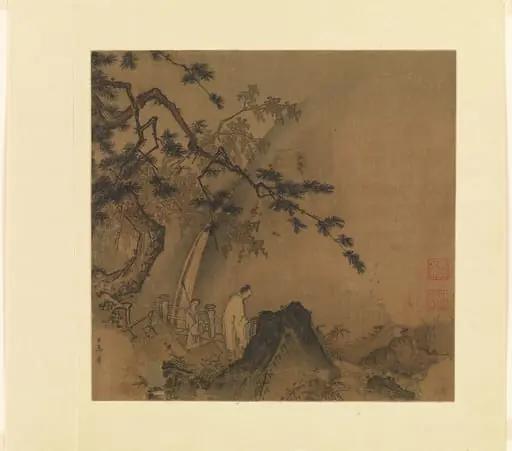 南宋 馬遠 高士觀瀑圖 冊頁 絹本|Scholar viewing a waterfall
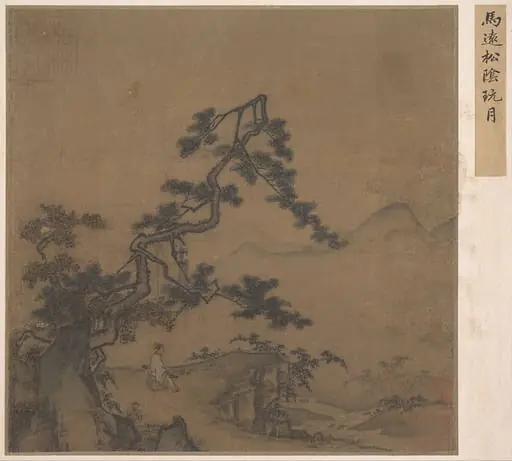 南宋 佚名 倣馬遠 松陰玩月圖 冊頁|Viewing the Moon under a Pine Tree
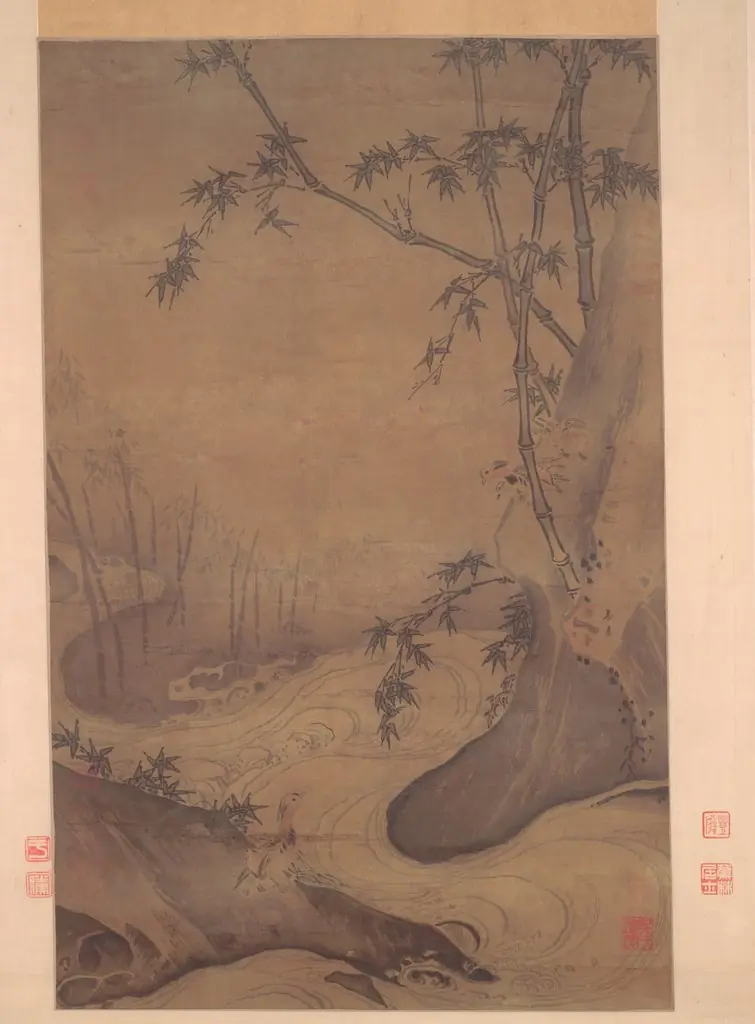 Bamboo and Ducks by a Rushing Stream
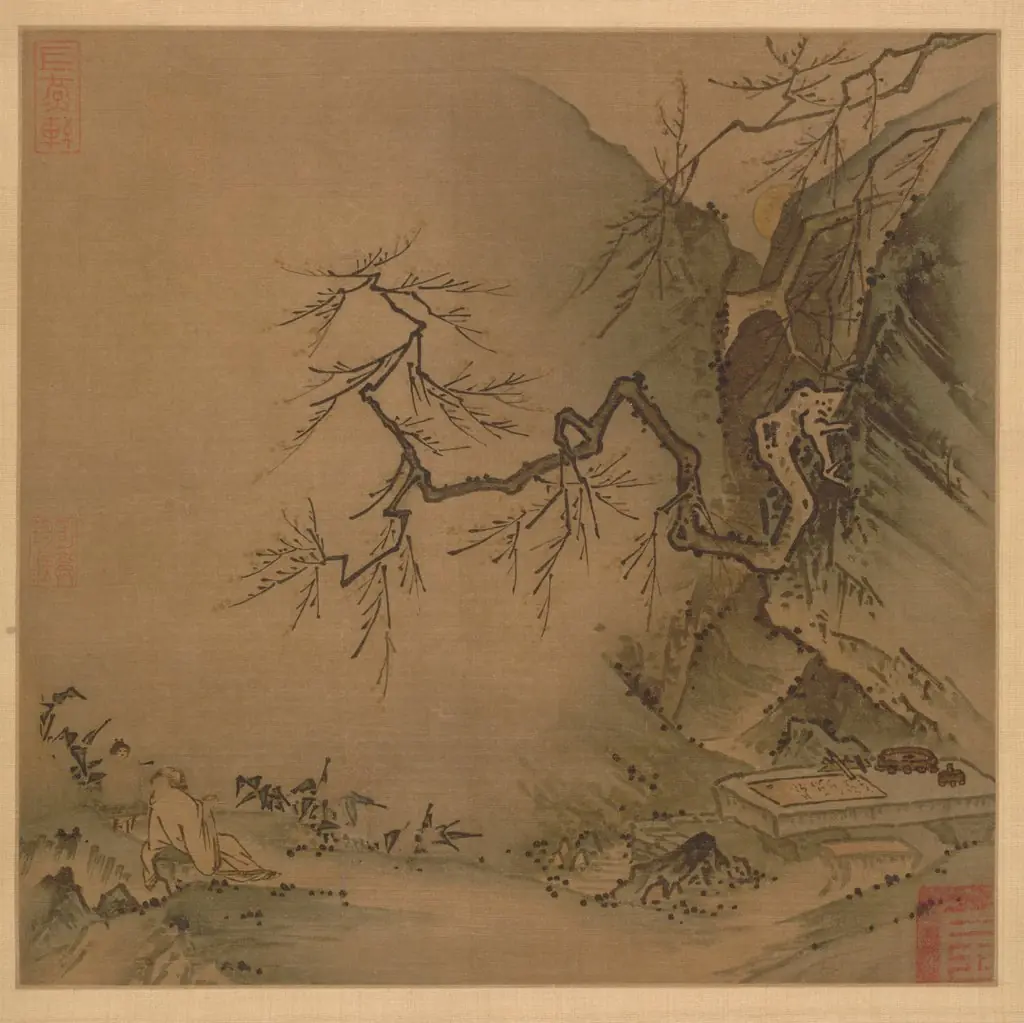 Drinking in the Moonlight
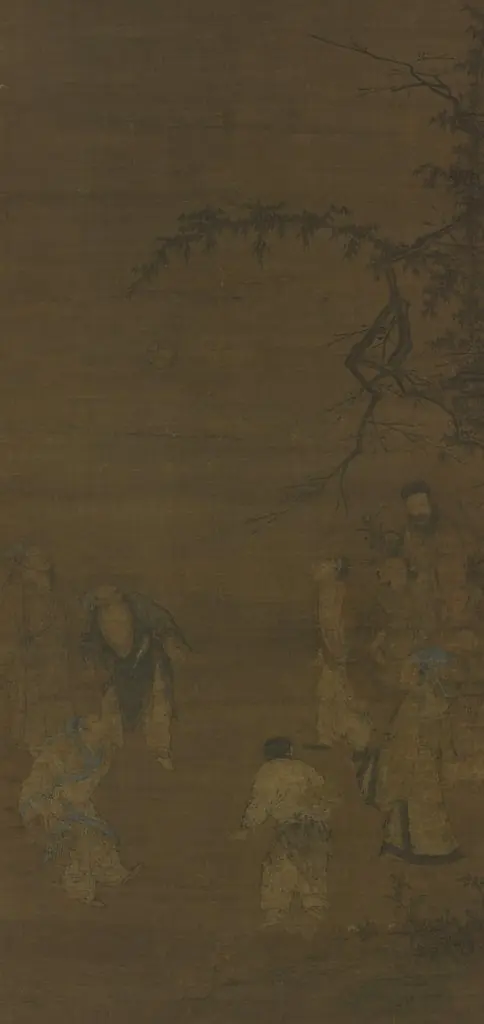 The Football Players
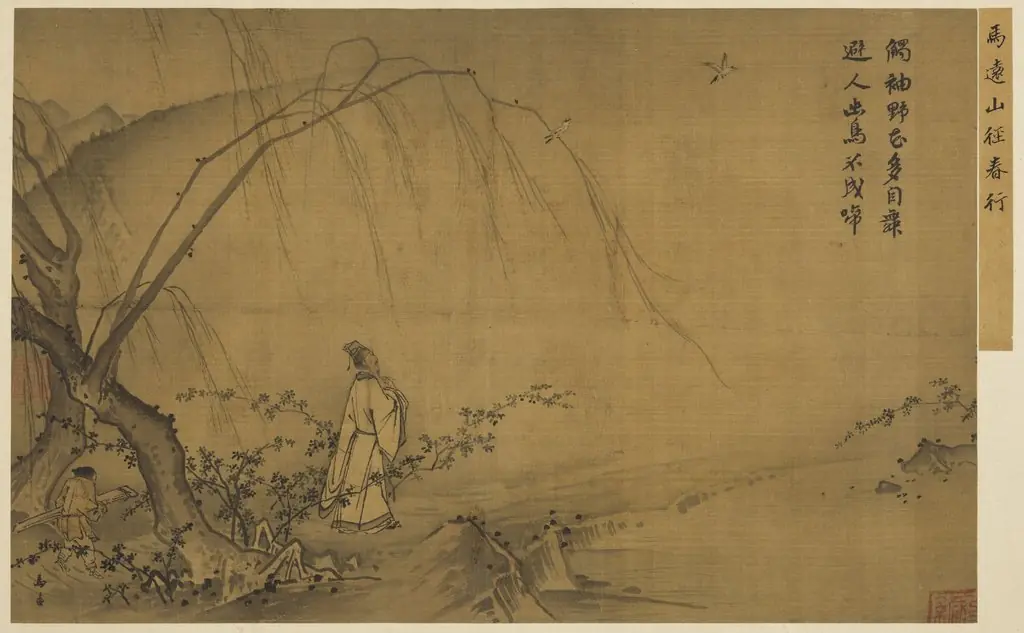 Walking on a Mountain Path in Spring