Artwork
Self-portrait
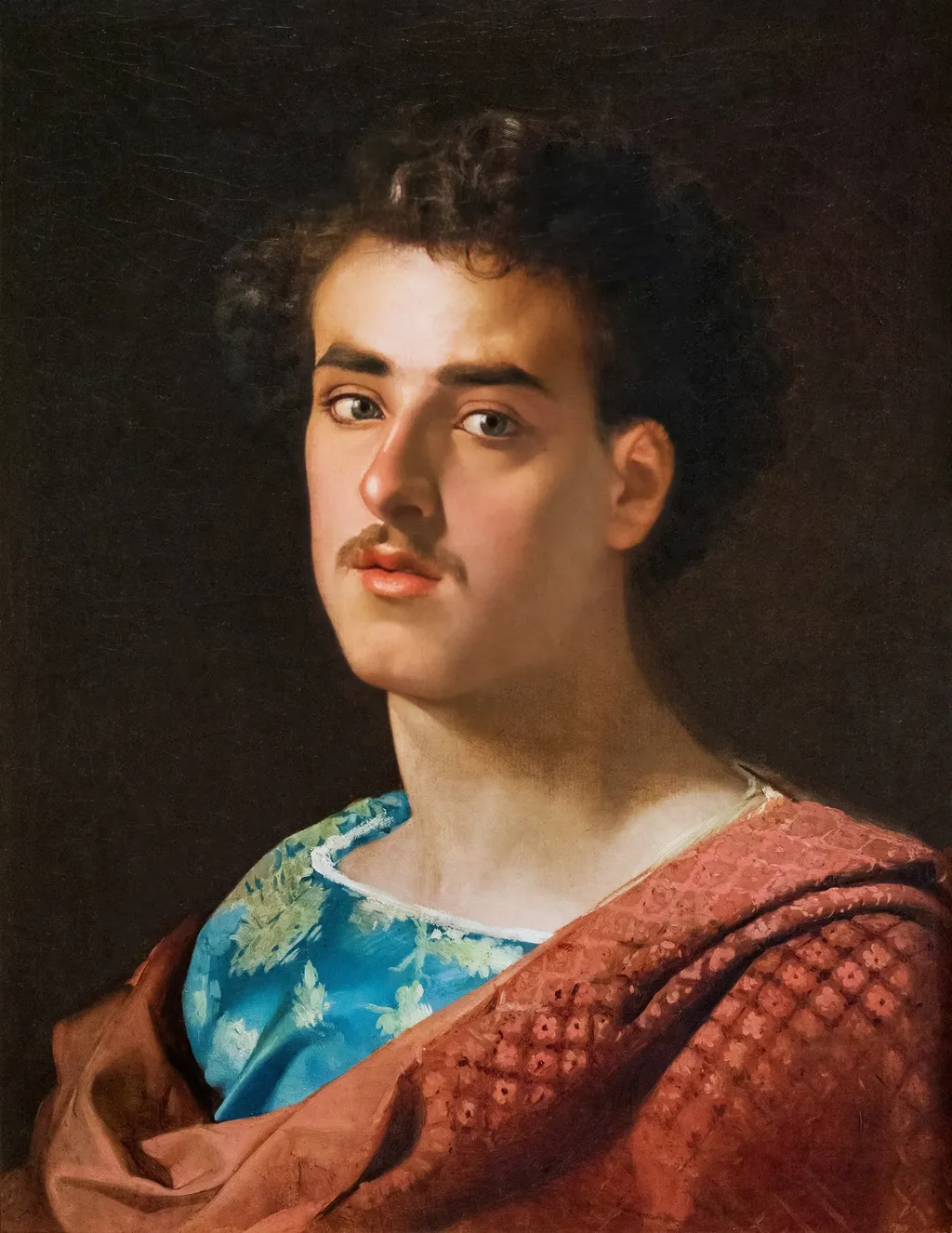
Self-portrait is an oil painting by the Spanish Baroque Tenebrist artist Mariano Fortuny Marsal. It dates from 1858 and is held in the collection of the Museu Nacional d'Art de Catalunya.
About this work
Overview
Painted in 1858, this oil on canvas self-portrait captures Mariano Fortuny Marsal as a young man. Executed with careful attention to light and form, the work reflects his early mastery of technique. It remains part of the permanent collection at the Museu Nacional d'Art de Catalunya, where it serves as a personal and artistic statement from the artist’s formative years.
Subject & Meaning
The portrait presents Fortuny Marsal in a contemplative pose, dressed in a patterned blue shirt and a draped red robe. His dark, curly hair and mustache lend a sense of personal identity, while the absence of symbolic objects shifts focus to his presence. Rather than asserting status or profession, the image conveys introspection, aligning with Romantic ideals of individuality and inner life.
Technique & Style
Fortuny employs chiaroscuro to model his features and garments, creating strong contrasts between light and shadow.
Fortuny employs chiaroscuro to model his features and garments, creating strong contrasts between light and shadow. The dark, unmodeled background isolates the figure, enhancing three-dimensionality. His brushwork is precise yet fluid, particularly in rendering the texture of fabric and the softness of skin. These choices reflect an engagement with Baroque traditions, adapted to a 19th-century sensibility.
History & Provenance
The painting was completed during Fortuny’s early career, before his later fame for Orientalist and historical subjects. It entered the Museu Nacional d'Art de Catalunya’s collection through established institutional acquisition, likely as part of efforts to document Catalan and Spanish artistic development in the 19th century. Its preservation underscores its role as a key record of the artist’s personal and professional evolution.
Context
While Fortuny is better known for his grand historical and military scenes, this self-portrait reveals a quieter, more intimate phase of his practice. Painted during a period of artistic training and exposure to European traditions, it reflects the influence of Spanish Baroque lighting and Romantic individualism. It stands apart from his later exoticized themes, offering insight into his foundational aesthetic concerns.
Legacy
Though not among his most widely exhibited works, this self-portrait remains a vital reference for understanding Fortuny’s artistic beginnings. It demonstrates his early command of light and form, foreshadowing the technical precision seen in his later paintings. Scholars value it as a rare direct expression of the artist’s self-perception before he became associated with imperial narratives and exotic subjects.
Own this work as a print
Artist & collection
Artist
Mariano Fortuny y Marsal (Catalan: Marià Fortuny i Marsal, pronounced; June 11, 1838 – November 21, 1874) was a Spanish painter known for works focusing on Romantic fascination with Orientalist themes, historicist genre…

- Portrait of Cornelis Calkoen, Ambassador to the Ottoman Empire in Constantinople (Istanbul)
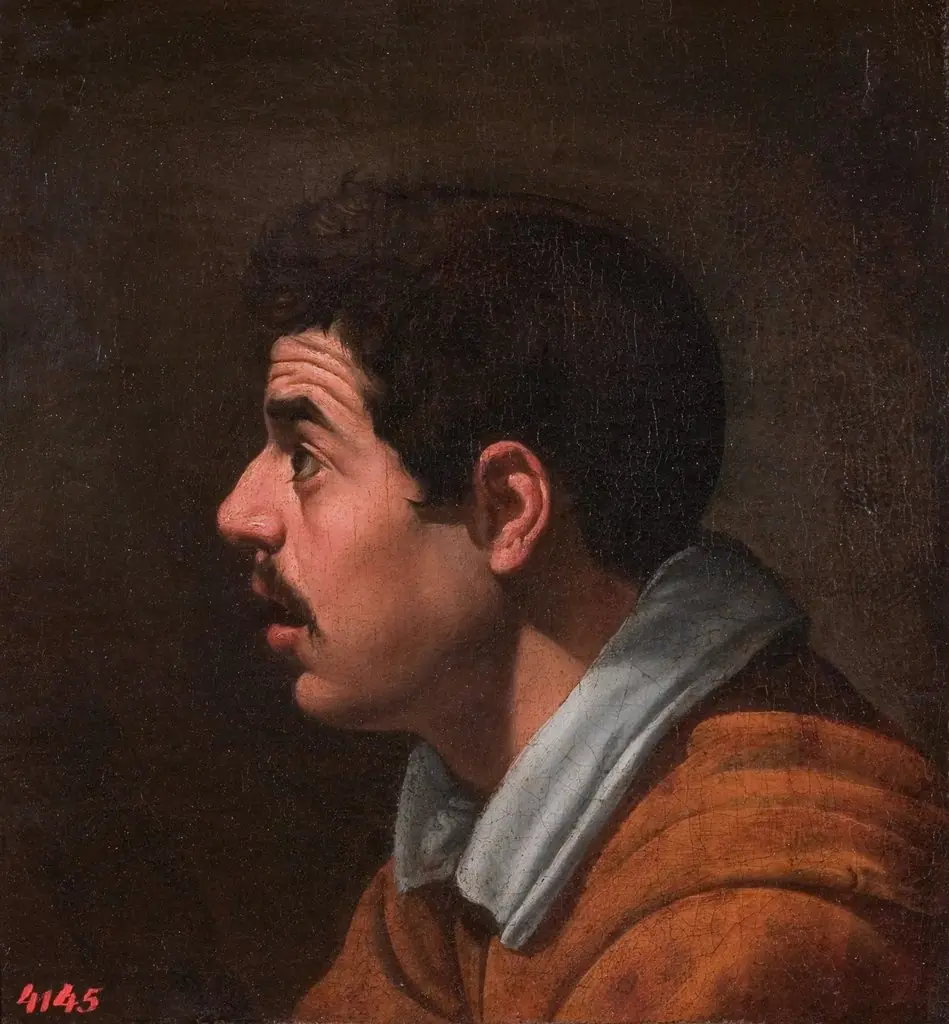 Head of a Man in Profile
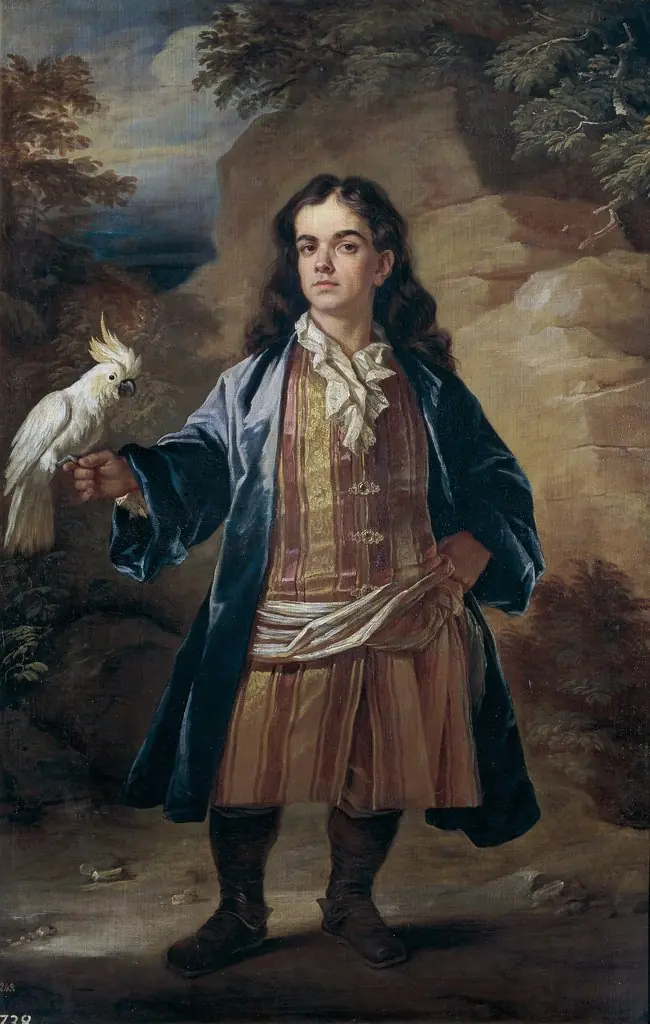 Retrato de enano
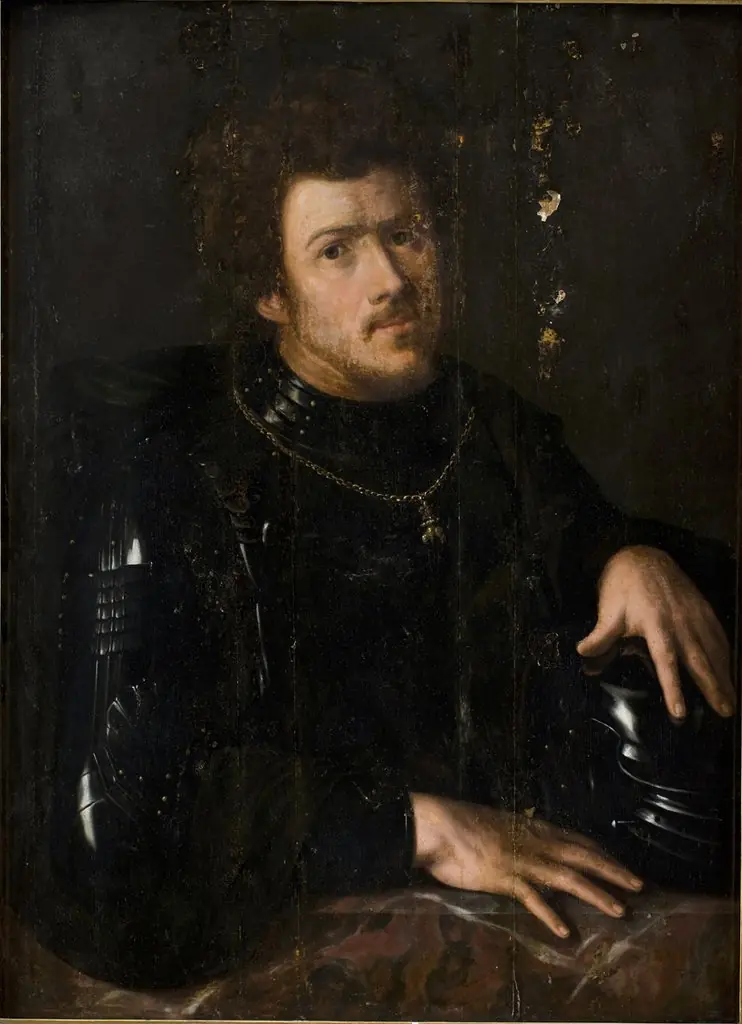 Portrait of Charles the Bold
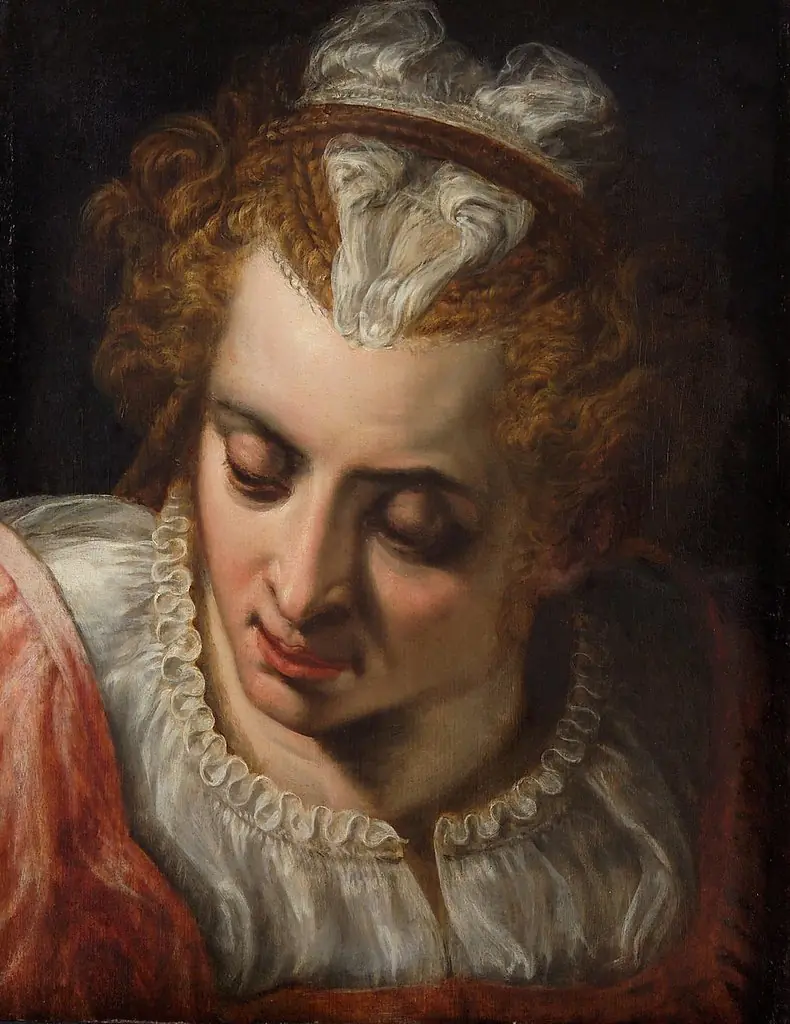 Study of a Head
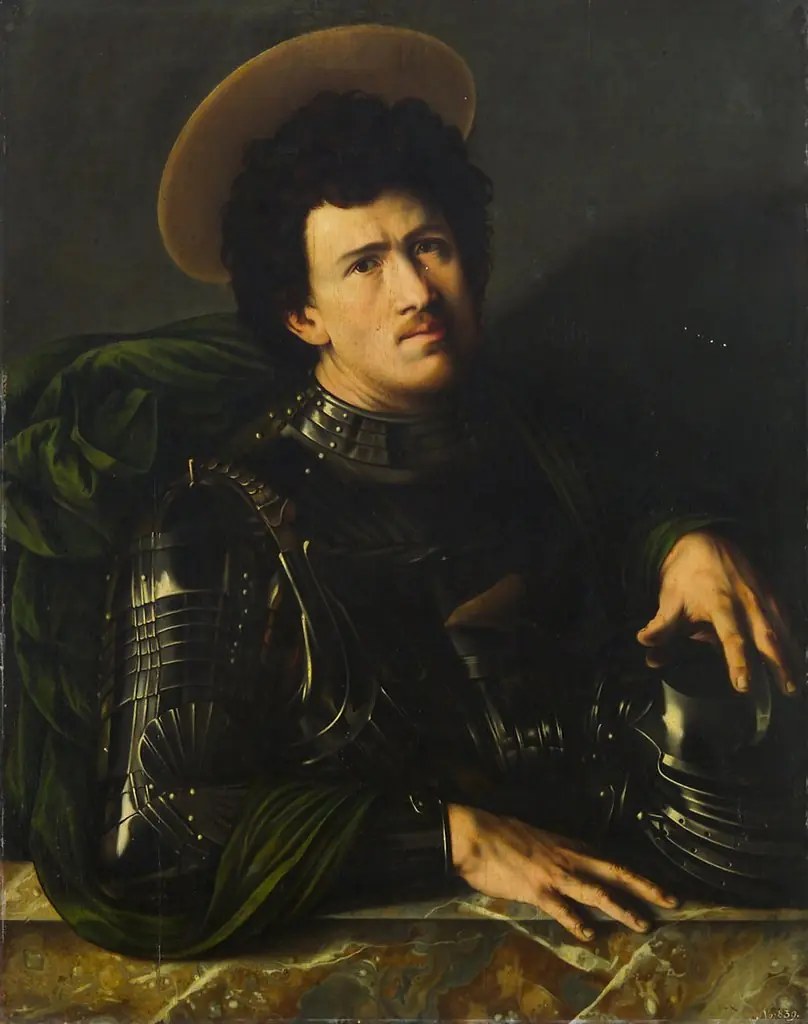 Saint George
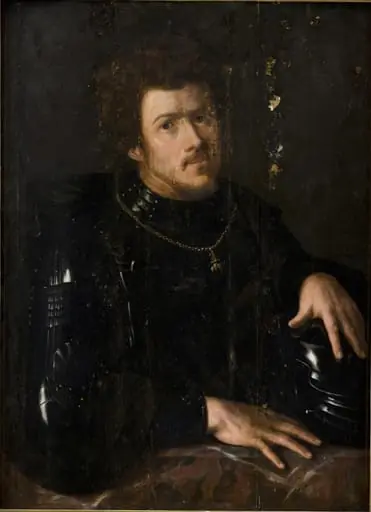 Portrait of Charles the Bold
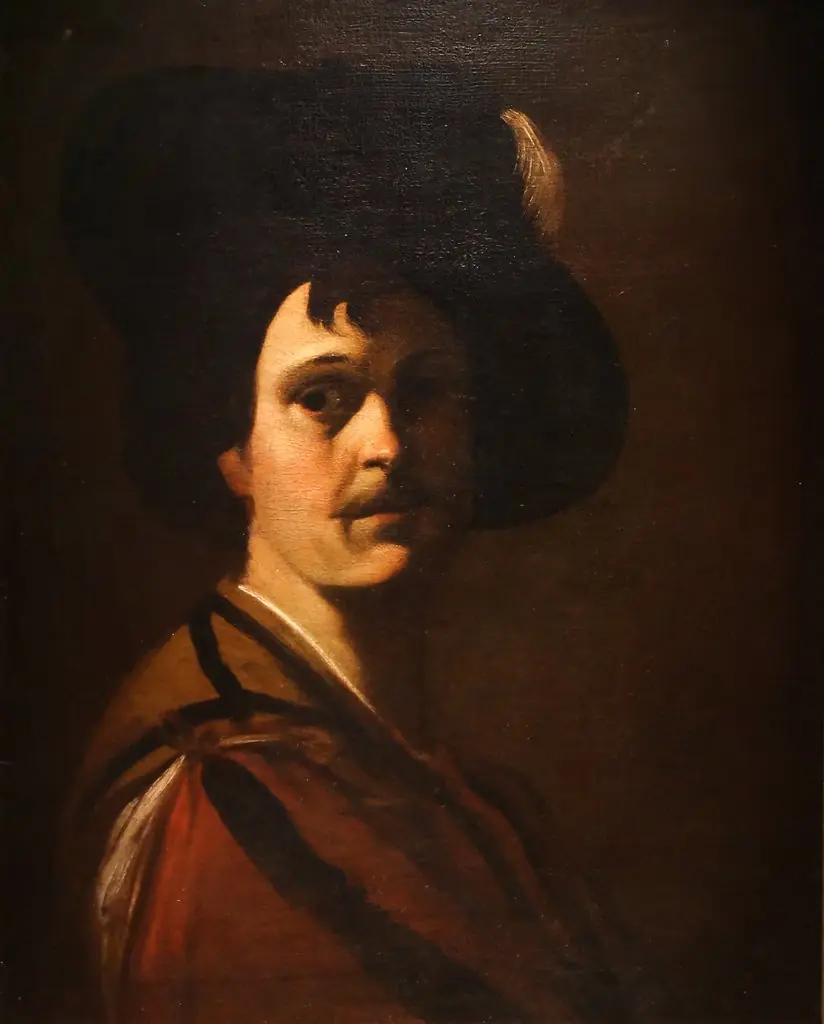 Self-portrait
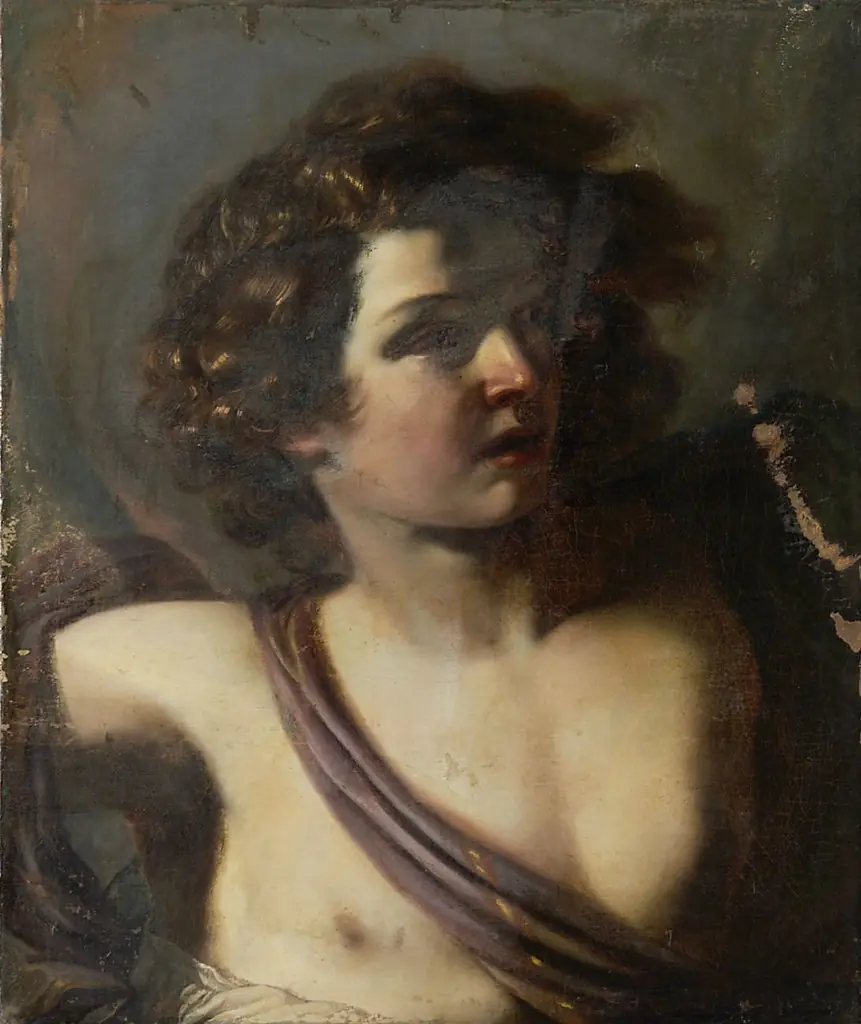 Jüngling
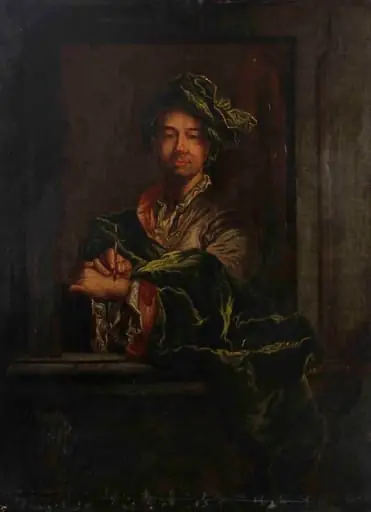 Autoportretul pictorului Hyacinthe Rigaud
 The Engraver and Goldsmith Jacques Roettiers
 Diana
Diana