Artwork
Joseph Interpreting the Dreams of His Fellow Prisoners
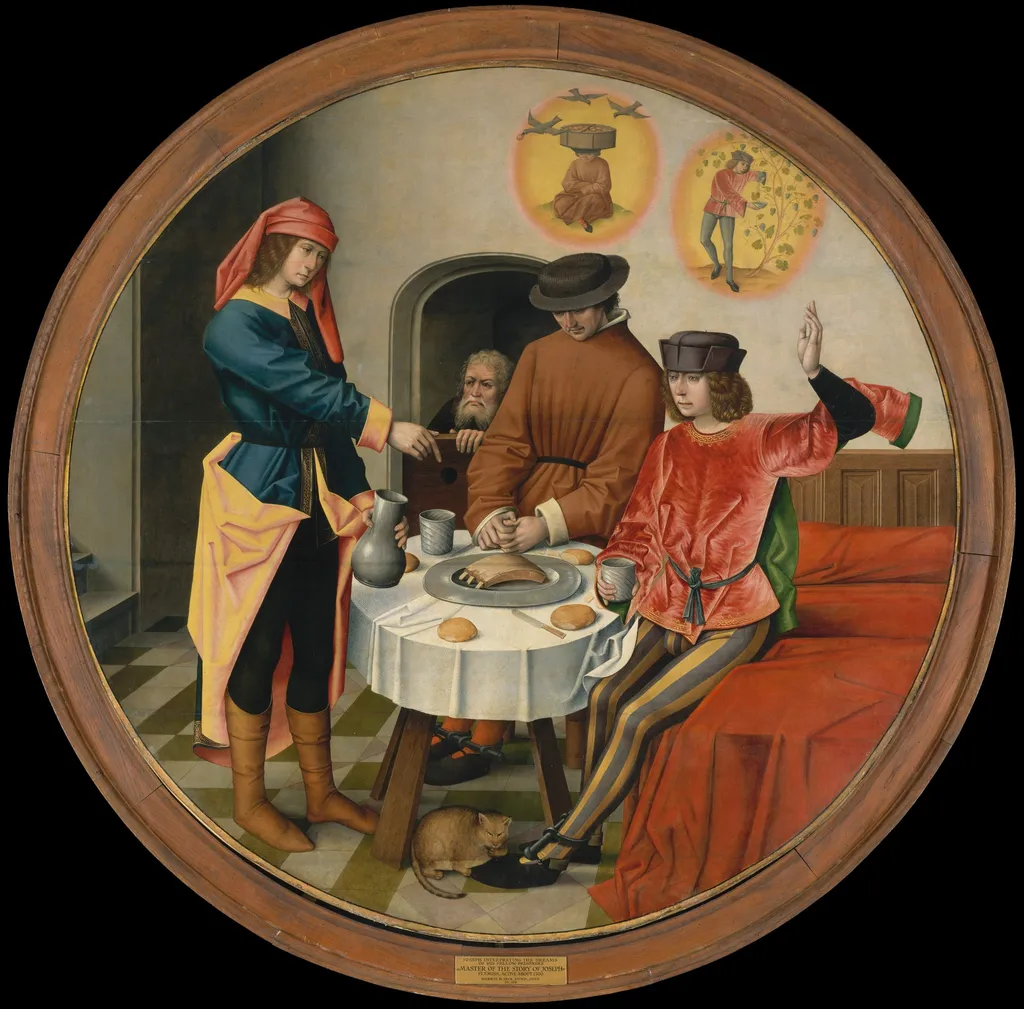
Joseph Interpreting the Dreams of His Fellow Prisoners is an oil painting by the Northern Renaissance artist Master of Affligem. It dates from 1500 and is held in the collection of the Metropolitan Museum of Art.
About this work
Technique & Style
No further details about the artist’s handling, surface condition, or specific stylistic traits are provided in the cited sources.
The work is executed in oil paint on a wooden panel, a common support for Netherlandish paintings of the early sixteenth century. Both sources identify the medium as oil paint and specify that the picture is painted on a panel. The panel measures 156.2 cm in height and 156.2 cm in width, giving the composition a square format.
No further details about the artist’s handling, surface condition, or specific stylistic traits are provided in the cited sources.
History & Provenance
Created circa 1500, the oil-on-panel painting Joseph Interpreting the Dreams of His Fellow Prisoners is attributed to the Master of Affligem, also identified in records as the Master of the Story of Joseph. The work measures 156.2 cm in both height and width. While the specific commission details and original patron remain unrecorded in the available documentation, the piece was executed during the early sixteenth century as a religious narrative scene.
It is currently held in the collection of the Metropolitan Museum of Art, where it is cataloged as a significant example of early Netherlandish religious art depicting the biblical story of Joseph, prisoners, and food.
The painting Joseph Interpreting the Dreams of His Fellow Prisoners by the Master of Affligem is held in the collection of the Metropolitan Museum of Art in New York. Created around 1500, the work is cataloged within the museum's holdings as an oil-on-panel religious painting. While the provided sources confirm its current location and creator, they do not specify a unique inventory or accession number for the piece.
Furthermore, the available documentation contains no details regarding the work's exhibition history or past public display dates. The artwork remains part of the museum's permanent collection, where it is identified by its subject matter and attribution to the Master of the Story of Joseph, also known as the Master of Affligem.
Context
Joseph Interpreting the Dreams of His Fellow Prisoners" is attributed to the Master of Affligem and dated to around 1500, forming part of a religious oil painting series. The work belongs to the "Story of Joseph" cycle associated with the Master of the Story of Joseph and is housed in the Metropolitan Museum of Art. Art historical studies treat it as an early sixteenth‑century Northern European narrative painting that illustrates devotional storytelling and the integration of everyday details such as food and a cat within a biblical scene.
Its inclusion in museum collections and scholarly catalogues reflects a sustained scholarly interest in the Master’s contribution to narrative painting and to the broader tradition of religious art in the Low Countries.
Overview
"Joseph Interpreting the Dreams of His Fellow Prisoners" is an oil painting that vividly portrays a biblical narrative. The composition features five male figures and a cat within an interior setting. Dressed in colorful robes, the men are arranged around a table set with food, with one figure seated on a distinctive red couch. The artwork is notable for its intricate details and the use of a rich, vibrant color palette.
Subject & Meaning
The painting illustrates a key moment from the Book of Genesis, where Joseph, while imprisoned, interprets the prophetic dreams of Pharaoh's chief butler and baker. The presence of a man holding a cup alludes to the butler's dream of a vine producing wine. This detailed visual storytelling emphasizes the narrative's significance, capturing the moment of divine insight and foreshadowing future events within the biblical account.
Own this work as a print
Artist & collection
Artist
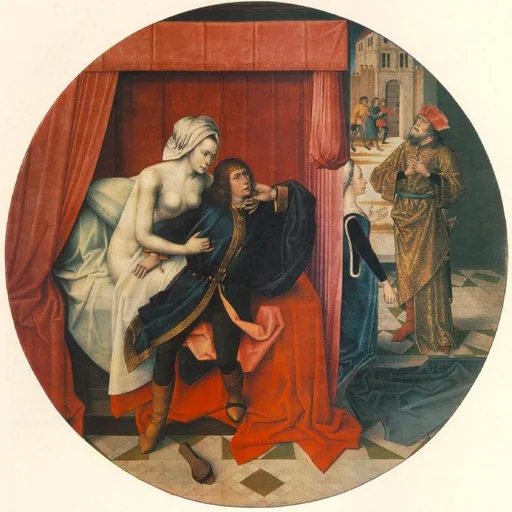
The Master of Affligem or Master of the Joseph Sequence (working c. 1470–1500) was an accomplished painter of the South Netherlandish school, apparently working in Brussels, whose name is not known, but whose hand can…

 Ill-Matched Marriage
 Christ in the house of the Pharisee Simon
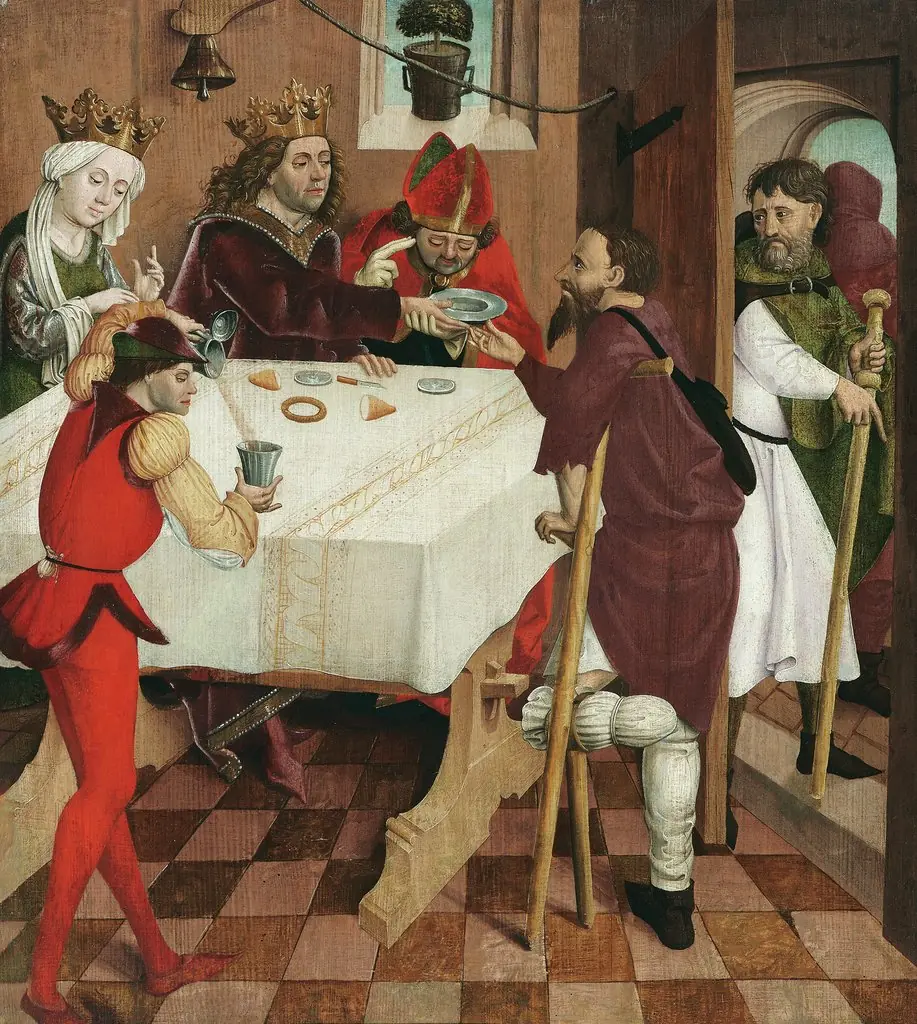 Charity of St. Oswald
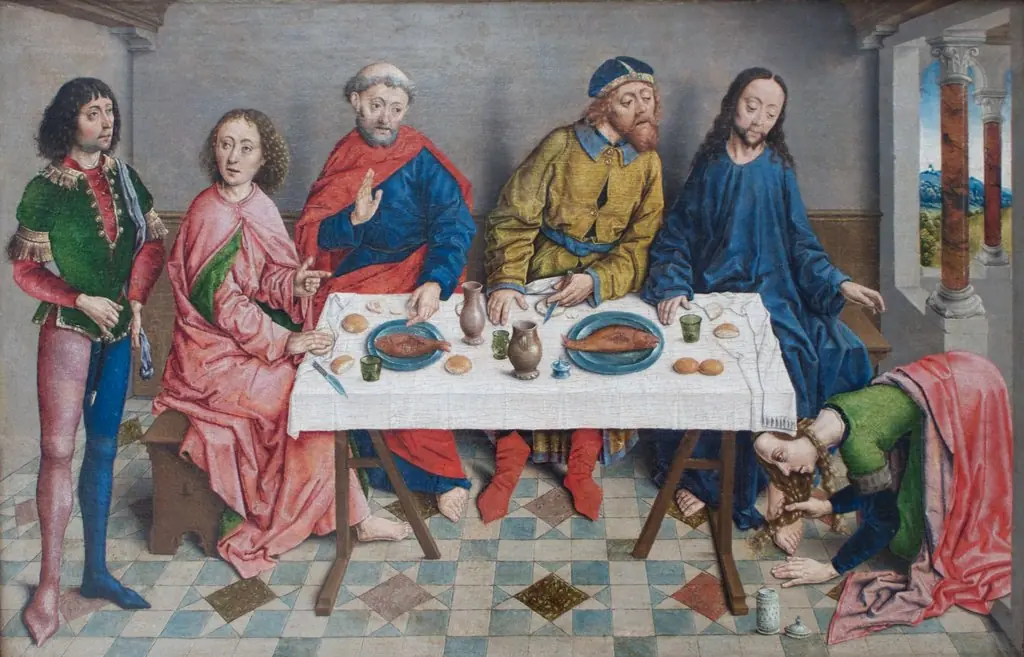 Jesus at Simon's by Aelbrecht Bouts
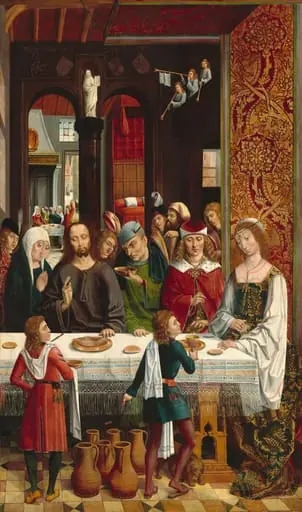 The Marriage at Cana
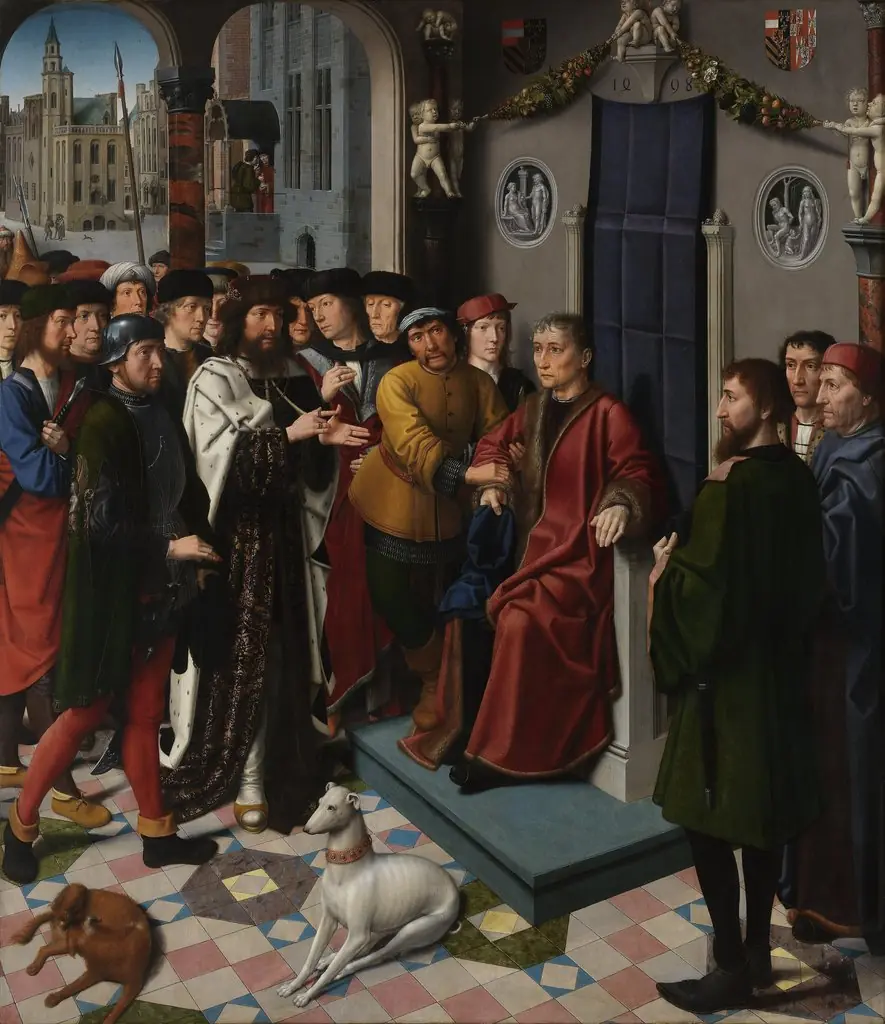 Judgement of Cambyses: The Arrest of Sisamnes
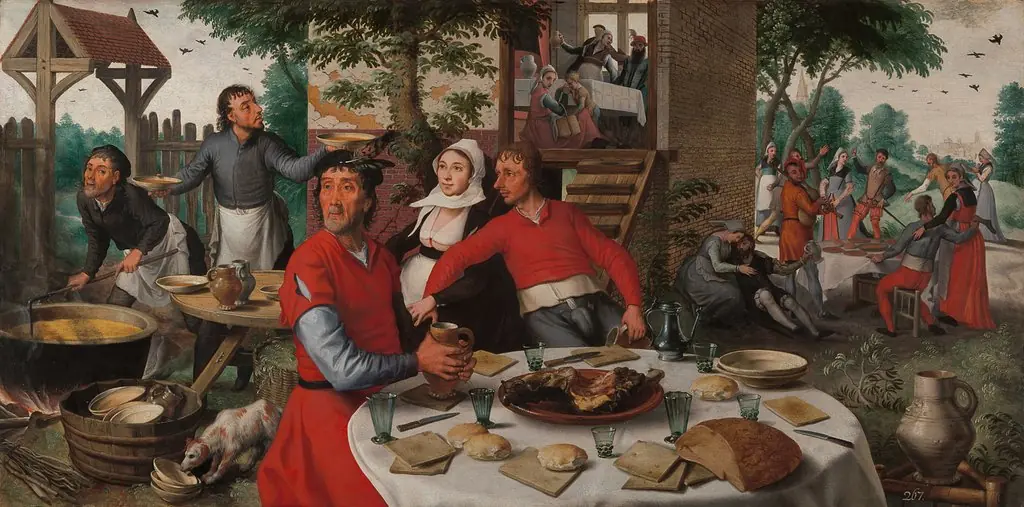 A Peasant's feast
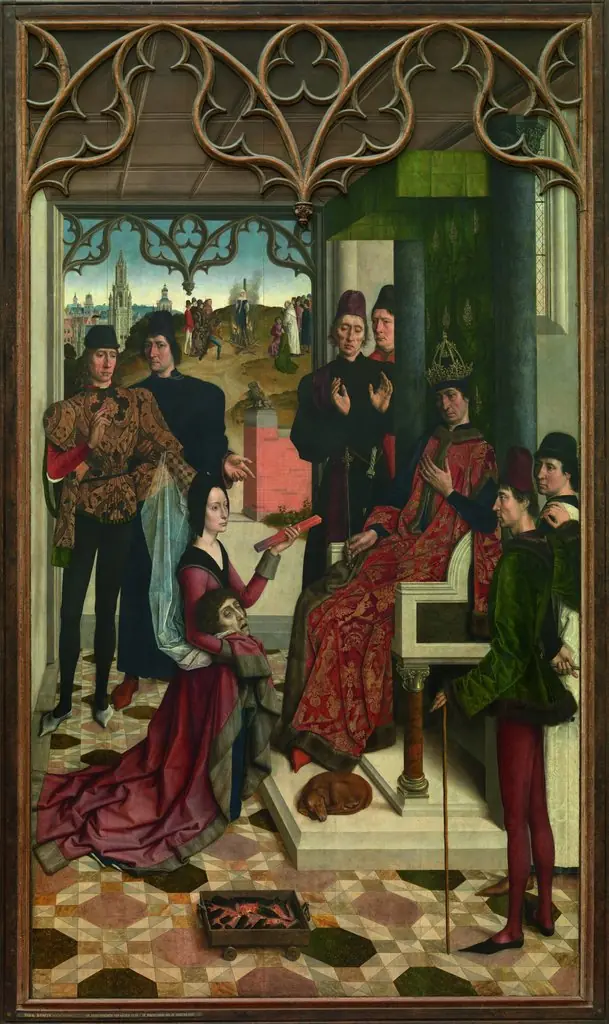 Justice of Emperor Otto III: The Trial by Fire
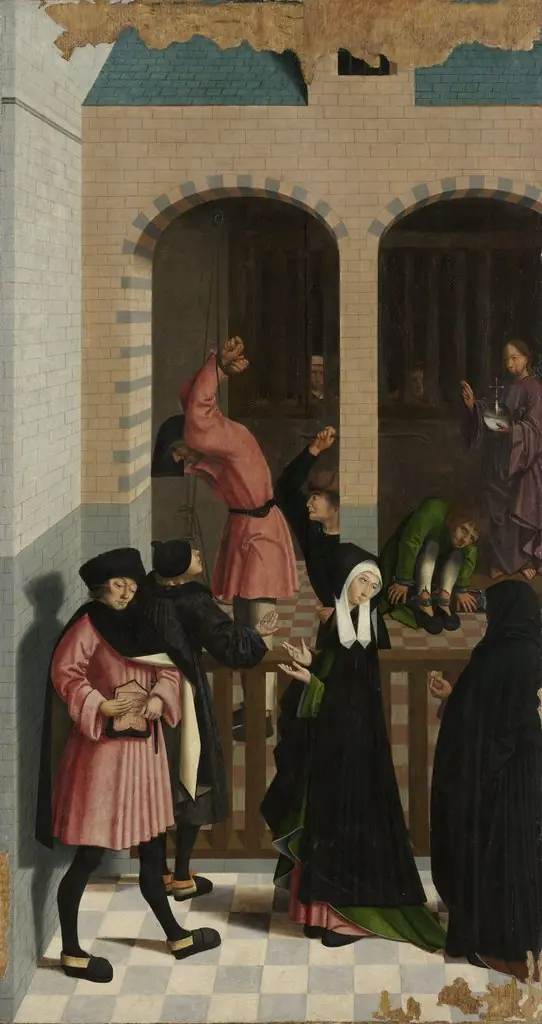 The Seven Works of Mercy
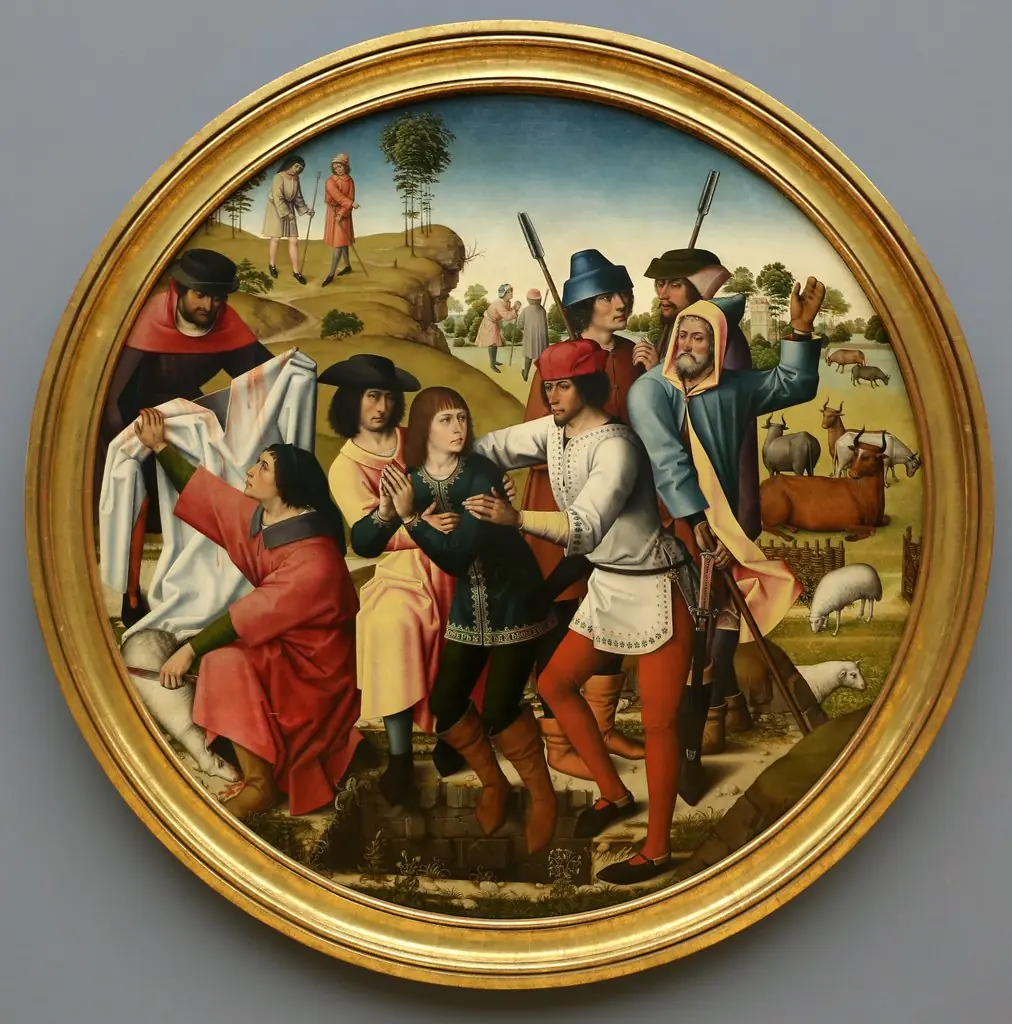 Joseph's Brothers Throw Him Into the Pit
 Christ before Pilate; The Resurrection
- Joseph Interprets the Dreams of the Pharaoh