Artwork
Saint Augustine's Vision of Saints Jerome and John the Baptist
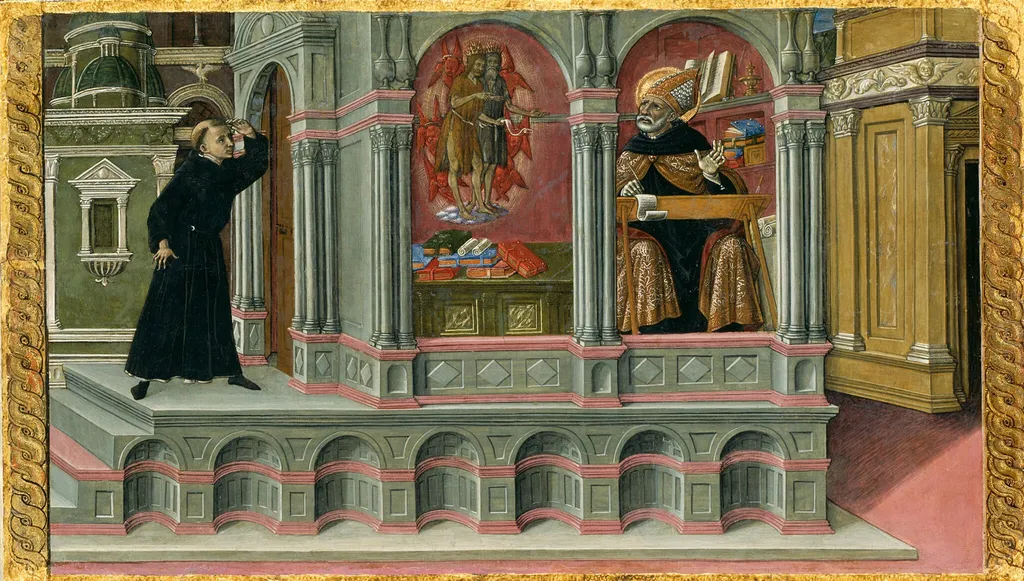
Saint Augustine's Vision of Saints Jerome and John the Baptist is a tempera painting by the Renaissance artist Matteo di Giovanni. It dates from 1476 and is held in the collection of the Art Institute of Chicago.
- Accession no.
- 16183
- Credit line
- Mr. and Mrs. Martin A. Ryerson Collection
About this work
Overview
This tempera on panel painting portrays Saint Augustine, engaged in writing, suddenly interrupted by a vision of Saint Jerome and John the Baptist. It forms a pair with another work depicting Jerome’s dream of divine reprimand. Together, they illustrate moments from Jerome’s posthumous legacy, emphasizing his spiritual authority and the reverence he inspired among fellow Church Fathers.
Subject & Meaning
The scene captures Augustine, while composing Jerome’s eulogy, witnessing a celestial apparition of Jerome alongside John the Baptist. The presence of John, a figure of prophetic authority, affirms Jerome’s spiritual parity. The vision underscores Jerome’s sanctity and the divine approval of his biblical translation, reinforcing the value of his scholarly labor within Christian tradition.
Technique & Style
Executed in tempera on wood panel, the work employs precise linear detail and flat, decorative color planes typical of late 15th-century Sienese painting. Figures are arranged hieratically, with attention to rich textiles and symbolic gestures. The composition avoids spatial depth, focusing instead on the spiritual encounter through formal clarity and restrained expression.
History & Provenance
Attributed to Matteo di Giovanni, the painting likely originated in Siena during the 1480s. It was created as a companion piece to The Dream of Saint Jerome, possibly for a private devotional setting or a religious confraternity. Its survival in relatively intact condition reflects its continued veneration and careful preservation within ecclesiastical collections.
Context
In late medieval Italy, depictions of Church Fathers often served to legitimize theological authority through visual narrative.
In late medieval Italy, depictions of Church Fathers often served to legitimize theological authority through visual narrative. Jerome’s translation of the Bible into Latin was a cornerstone of Christian learning, and his posthumous visions reinforced his role as a bridge between classical scholarship and sacred text. Such images supported the intellectual and spiritual ideals of monastic and humanist circles.
Legacy
The painting contributes to a broader tradition of devotional imagery that linked scholarly achievement with divine favor. Though not widely known today, it exemplifies how Sienese artists translated theological concepts into intimate, symbolic scenes. Its pairing with the Dream of Saint Jerome remains a rare example of narrative continuity in early Renaissance panel painting.
Artist & collection

Artist
A 15th-century Italian painter from the Renaissance era, Matteo di Giovanni’s altarpieces glow with soft golds and deep reds.

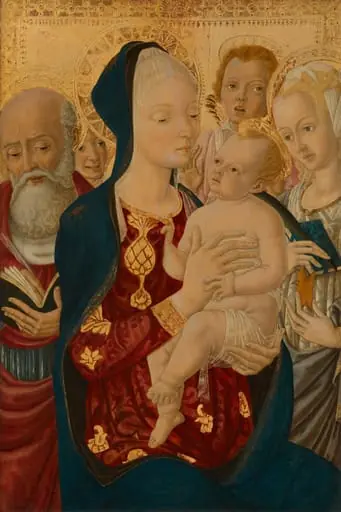 Madonna and Child with Saint Jerome, Saint Catherine of Alexandria, and Angels
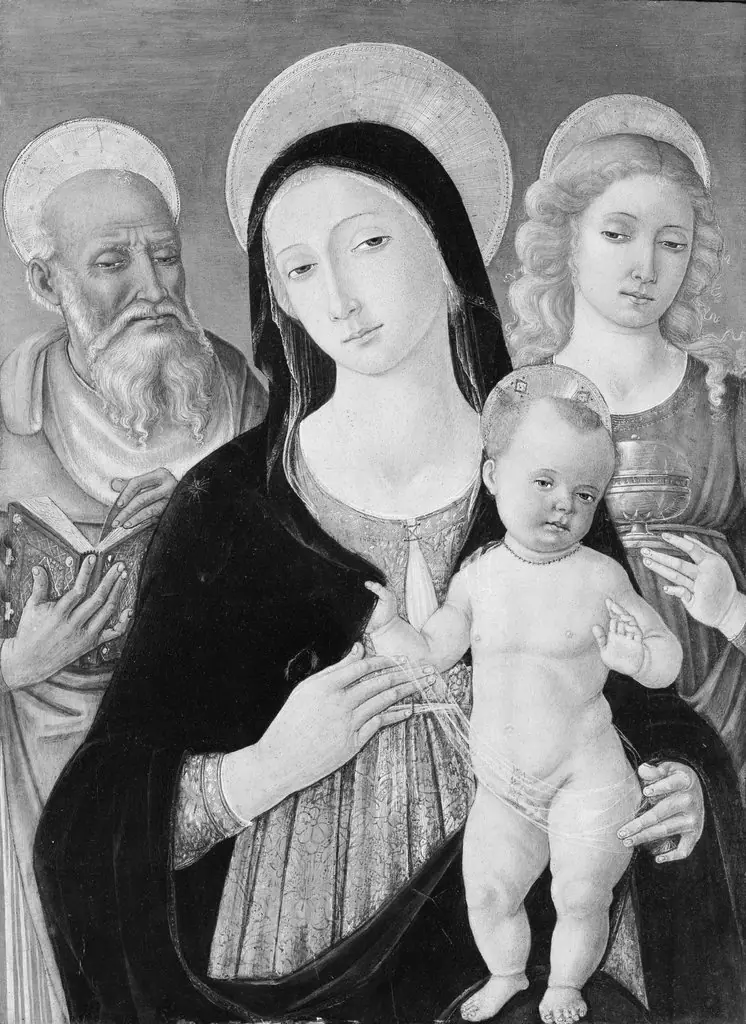 Madonna and Child with Saints Jerome and Mary Magdalen
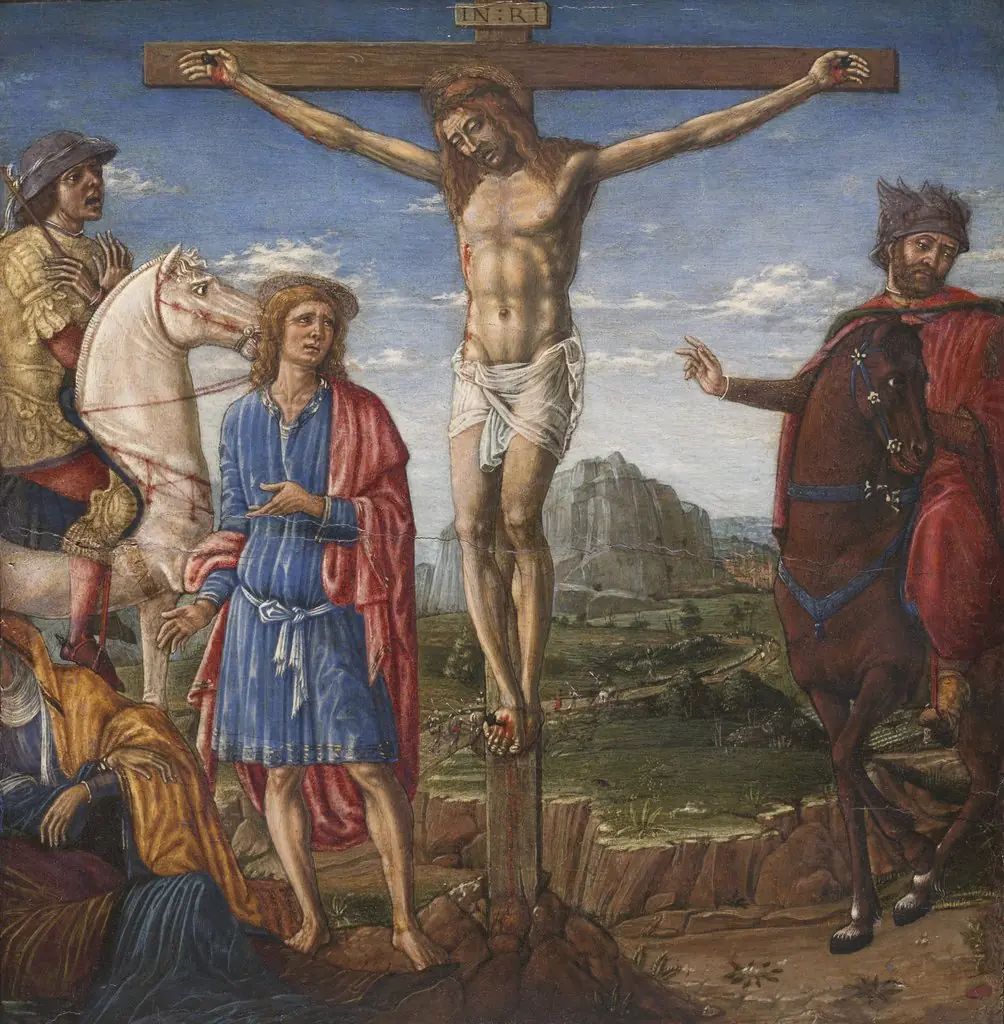 The Crucifixion
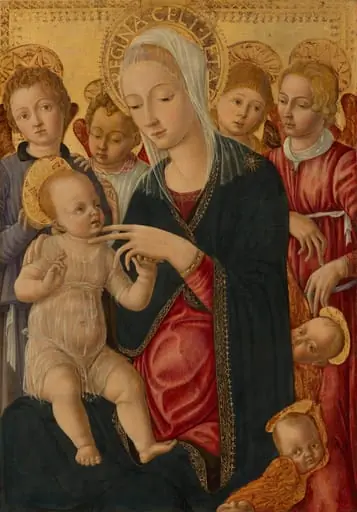 Madonna and Child with Angels and Cherubim
- Saint Augustine's Vision of Saints Jerome and John the Baptist
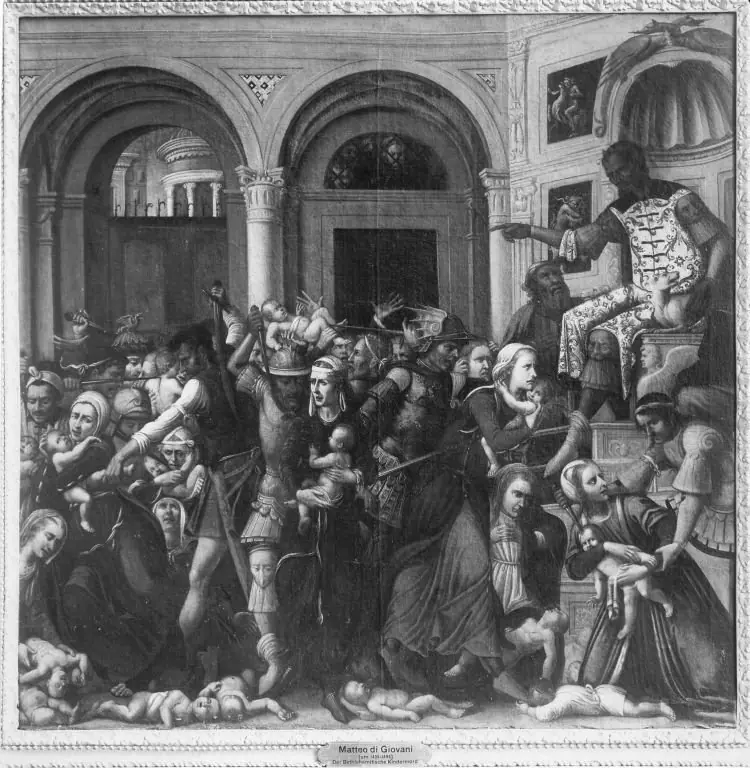 massacre of the Innocents
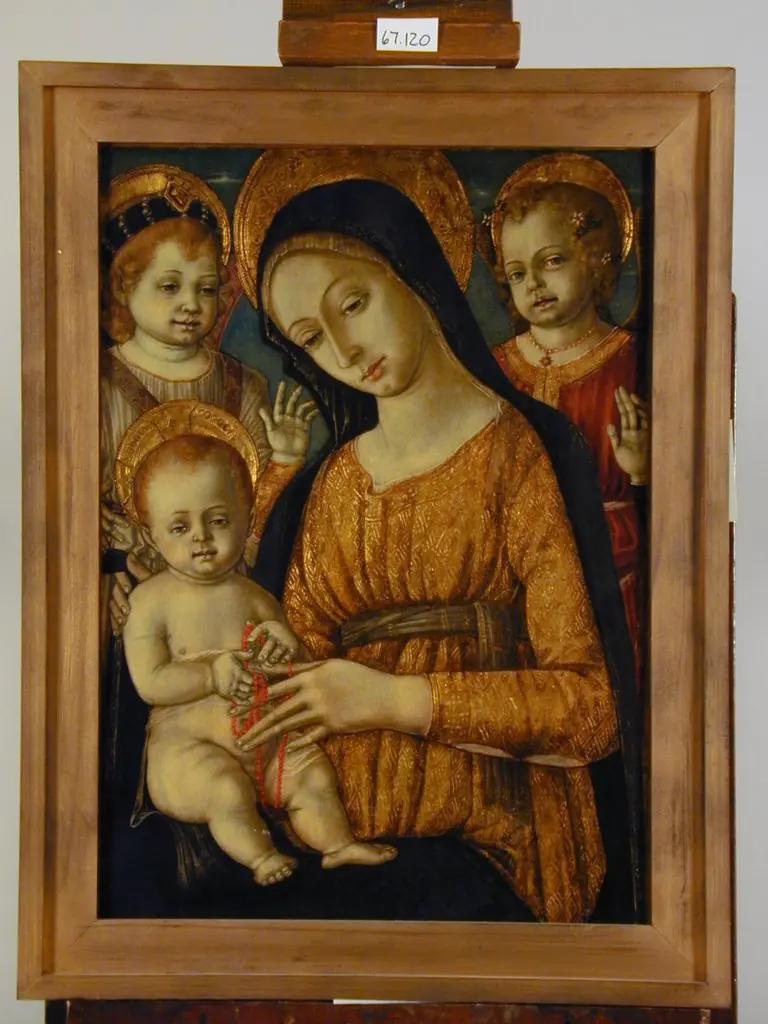 Madonna and Child with Angels
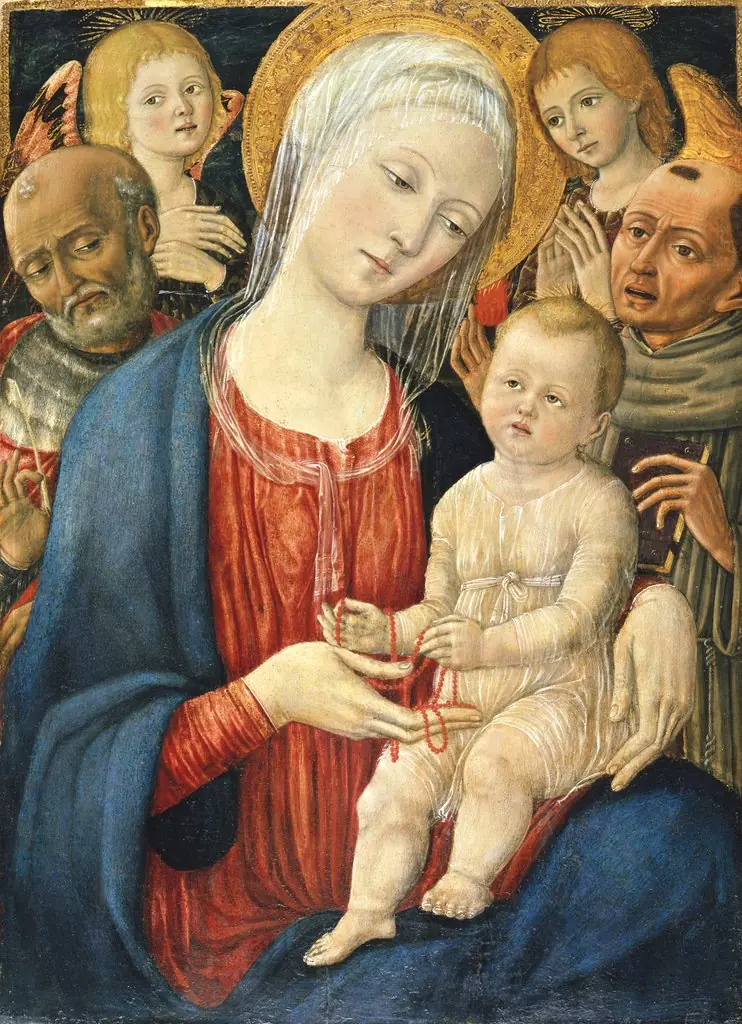 Mary with the child, Saint Jerome, Anthony of Padua and two angels
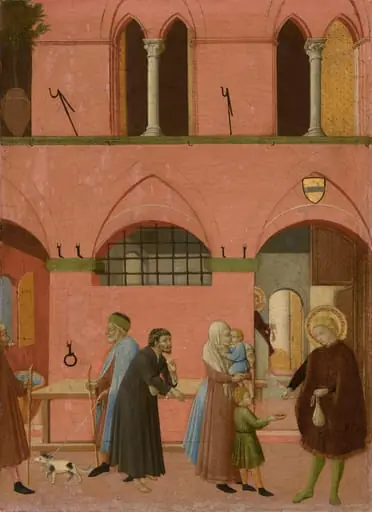 Saint Anthony Distributing His Wealth to the Poor
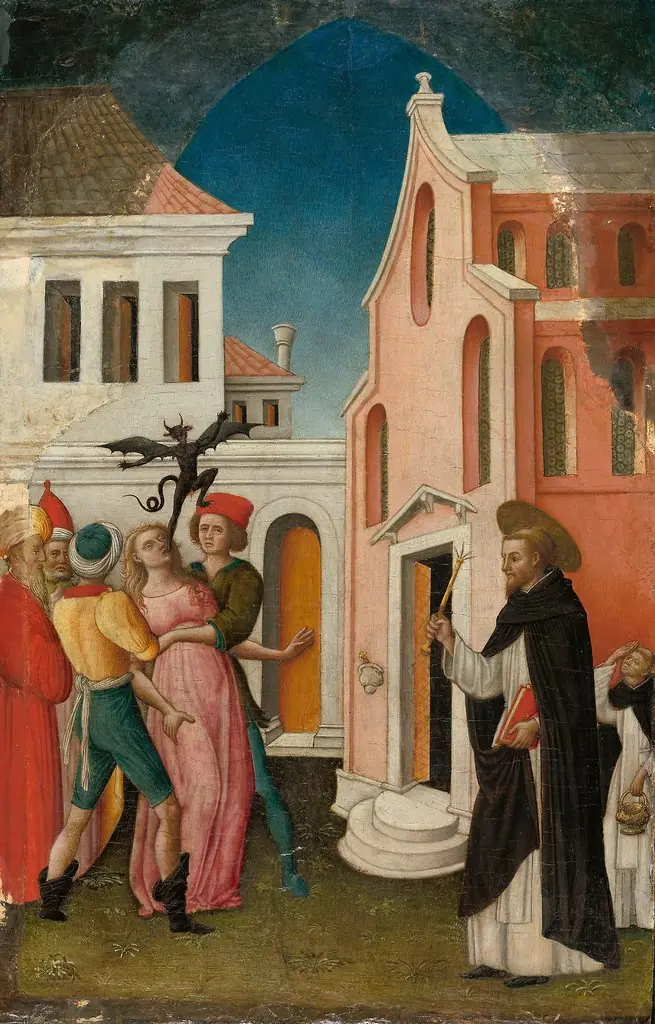 Saint Peter Martyr Exorcizing a Woman Possessed by a Devil
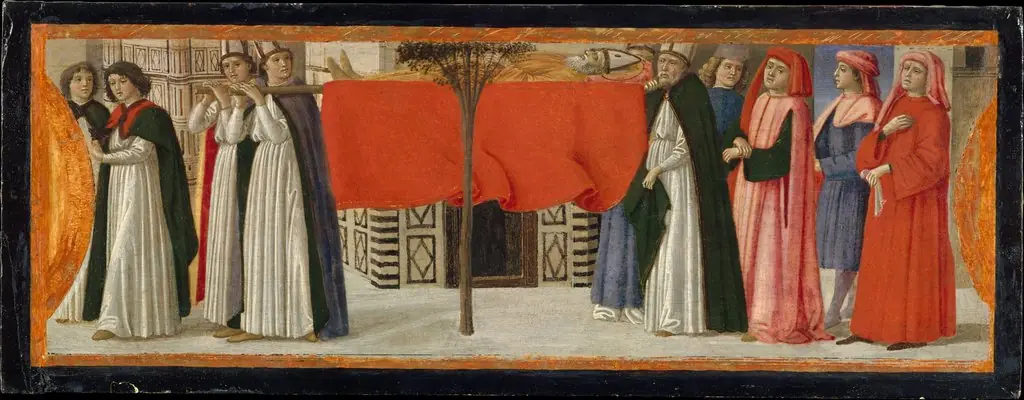 The Burial of Saint Zenobius
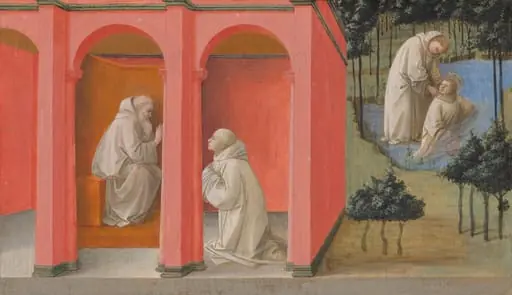 Saint Benedict Orders Saint Maurus to the Rescue of Saint Placidus
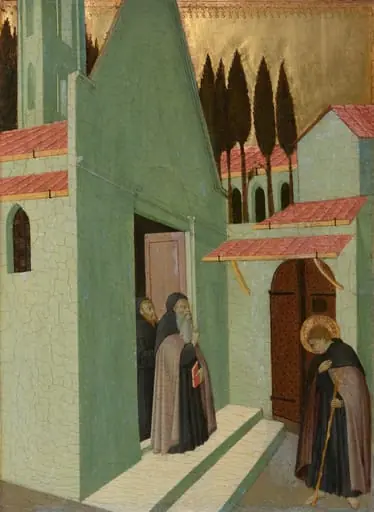 Saint Anthony Leaving His Monastery
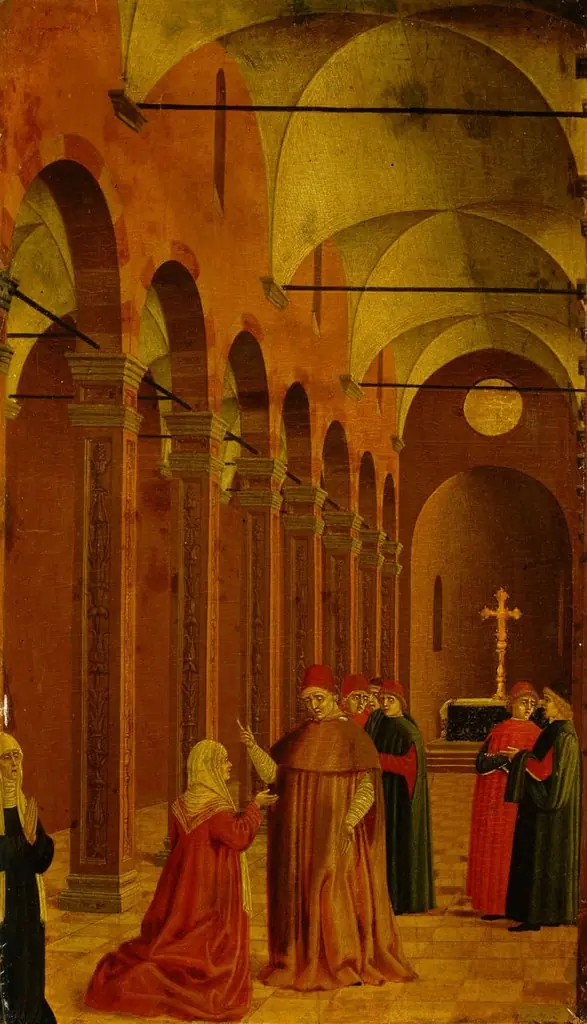 Szene aus dem Leben des Hl. Vinzenz Ferrer: Die Mutter des Heiligen fragt den Bischof von Valencia nach dem Sinn der wunderbaren Zeichen, die die Geburt ihres Kindes ankündigen
![The Papacy Offered to Saint Gregory the Great [?], by Fra Angelico](https://artifactworldgallery.com/img/fra-angelico--the-papacy-offered-to-saint-gregory-the-great--6c28505dc47c9093-w320.webp) The Papacy Offered to Saint Gregory the Great [?]
The Papacy Offered to Saint Gregory the Great [?]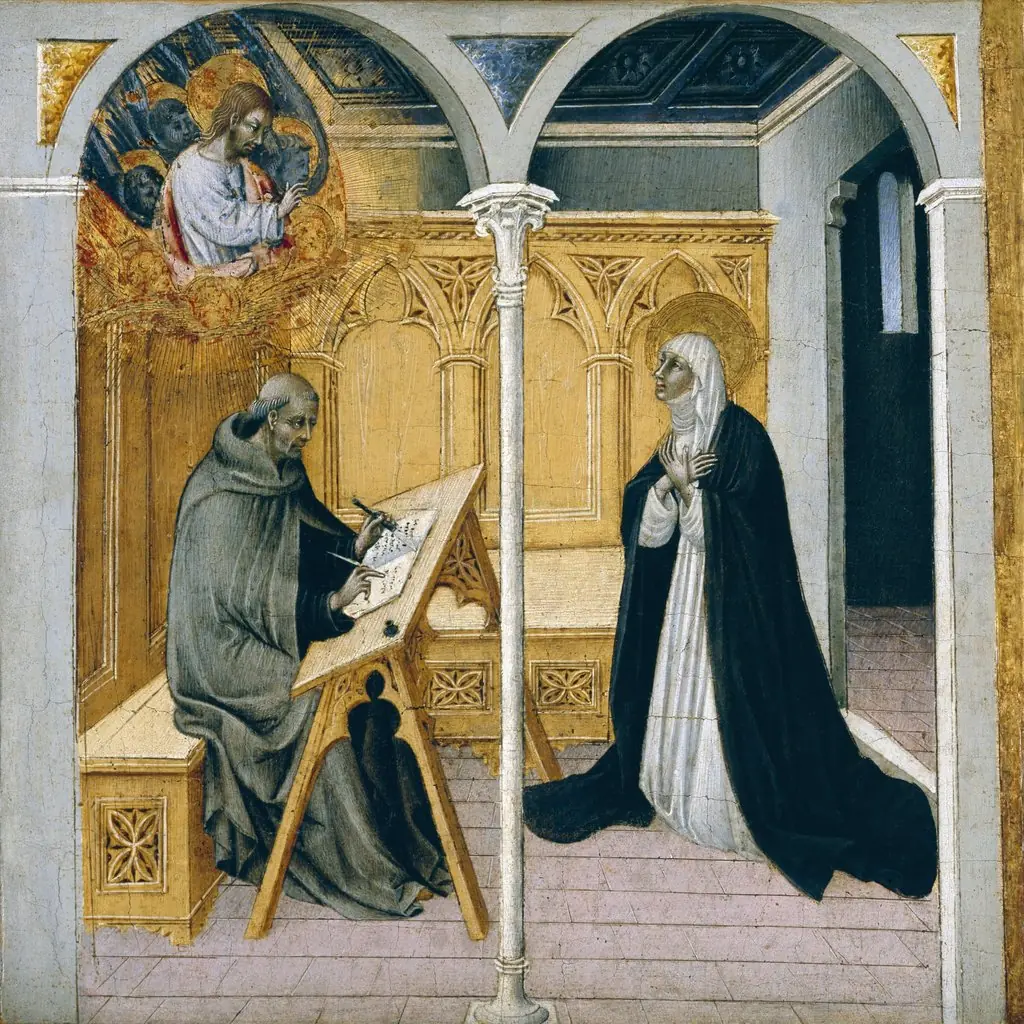 Saint Catherine of Siena Dictating Her Dialogues
 St. Stephen and St. Bruno
 Der zwölfjährige Jesus im Tempel