Artwork
Landscapes after Various Styles of Old Masters
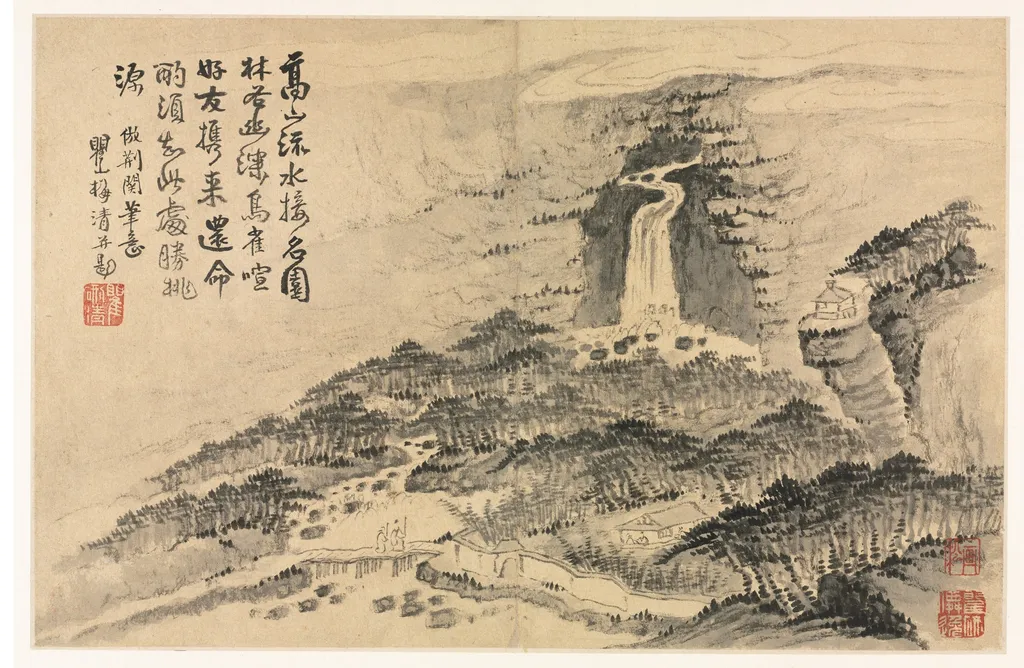
Landscapes after Various Styles of Old Masters is an unspecified painting by the Qing dynasty painting artist Mei Qing. It dates from 1696 and is held in the collection of the Cleveland Museum of Art.
About this work
Technique & Style
The painting remains part of the collection at the Cleveland Museum of Art, where it is cataloged under the accession number 1962.
Created in 1696, this work is a landscape painting executed by Mei Qing. The piece is classified as a painting, consistent with the traditional medium of Chinese landscape art. While the specific materials, support, and handling techniques are not detailed in the provided records, the work represents a stylistic engagement with the styles of Old Masters within the landscape genre.
The painting remains part of the collection at the Cleveland Museum of Art, where it is cataloged under the accession number 1962.157.9.
History & Provenance
The painting Landscapes after Various Styles of Old Masters by Mei Qing is held in the collection of the Cleveland Museum of Art. The work, created in 1696, is identified within the museum's records by the accession number 1962.157.9. While the artwork's creation date and institutional location are documented, the provided sources do not contain specific details regarding its exhibition history or further provenance milestones.
Overview
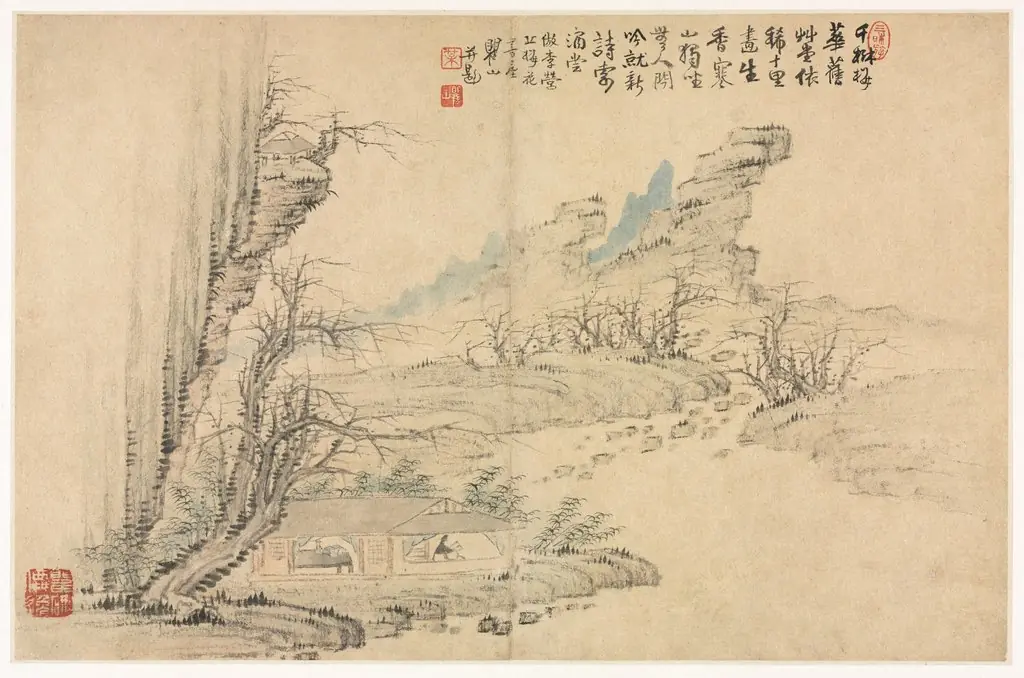
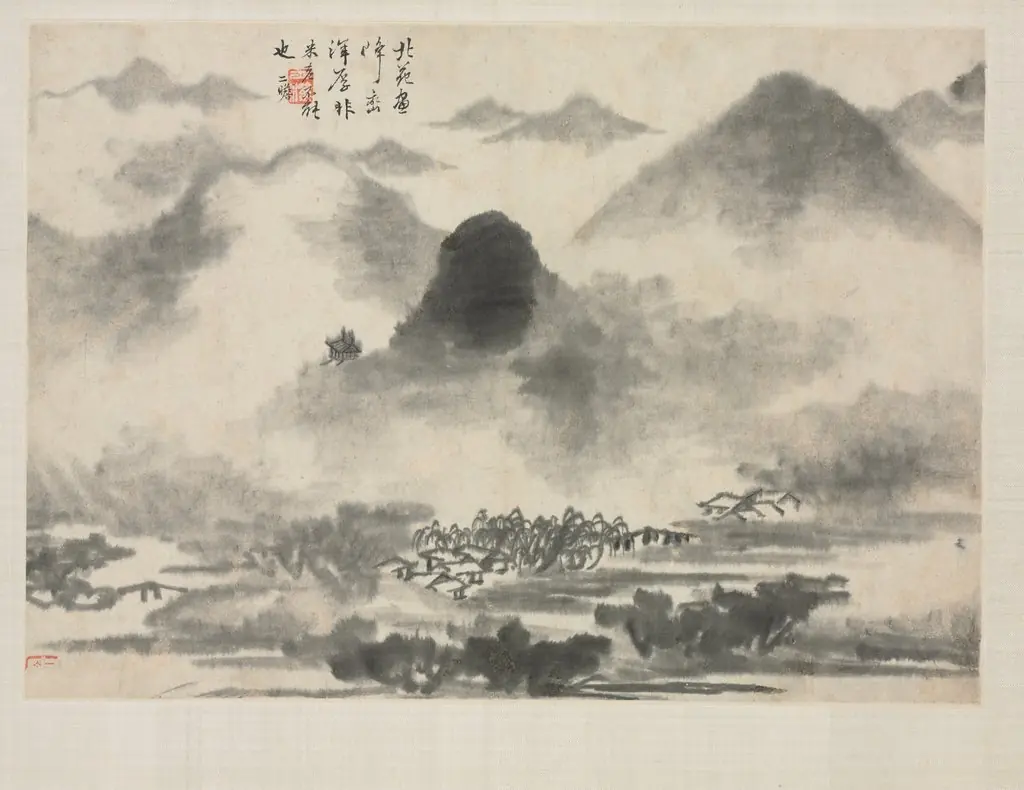
Mei Qing's Landscapes after Various Styles of Old Masters, created in 1696, exemplifies the artist's approach to traditional Chinese landscape painting. This ink-on-paper work depicts a mountainous terrain with trees and a winding path, rendered predominantly in a monochromatic palette. The painting is part of the Qing dynasty artistic tradition and is housed in The Cleveland Museum of Art.
Subject & Meaning
The painting presents a serene landscape characterized by towering mountains, dense foliage, and a meandering path that draws the viewer's eye into the composition. The title suggests an engagement with historical precedents, as Mei Qing interpreted and integrated the aesthetics of earlier masters into his own vision. This approach allowed him to explore established artistic conventions while infusing them with his personal observations, particularly from his travels.
Context
Born in Xuancheng, Anhui Province, Mei Qing was a prominent figure in the Qing Dynasty, recognized for his painting, calligraphy, and poetry. He received training from Wang Meng, a significant influence, and later became a friend and mentor to the renowned painter Shitao. Mei Qing frequently incorporated elements from his journeys to the Yellow Mountain into his art, merging established stylistic traditions with his direct experiences of nature.
Own this work as a print
Artist & collection

Artist
Mei Qing (Chinese: 梅清; pinyin: Méi Qīng; Wade–Giles: Mei Ch'ing; ca. 1623–1697) was a Chinese landscape painter, calligrapher and poet active during the Qing Dynasty. Mei was born in Xuancheng, Anhui Province. His…

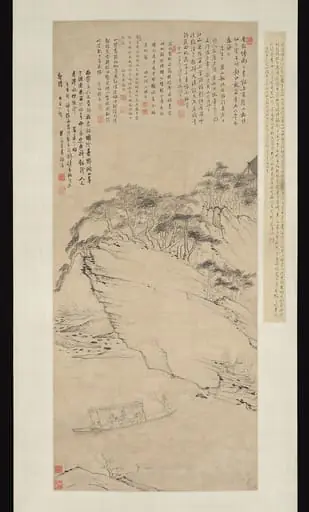 清 倣梅清 響山泛舟圖 軸|Boating beneath Echo Hill
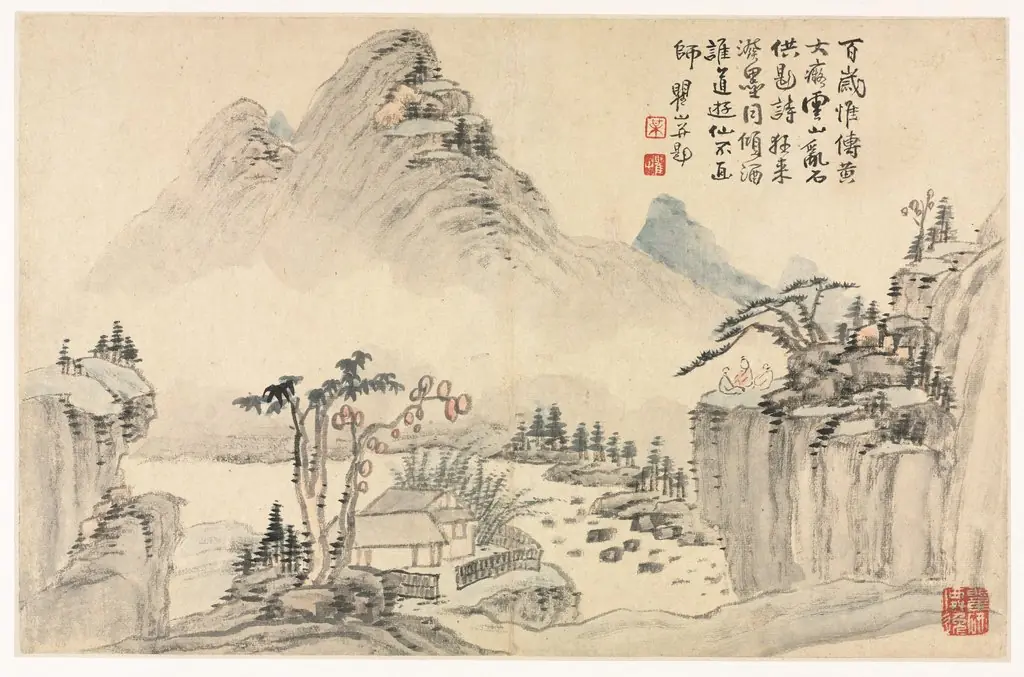 Landscapes in Various Styles after Old Masters
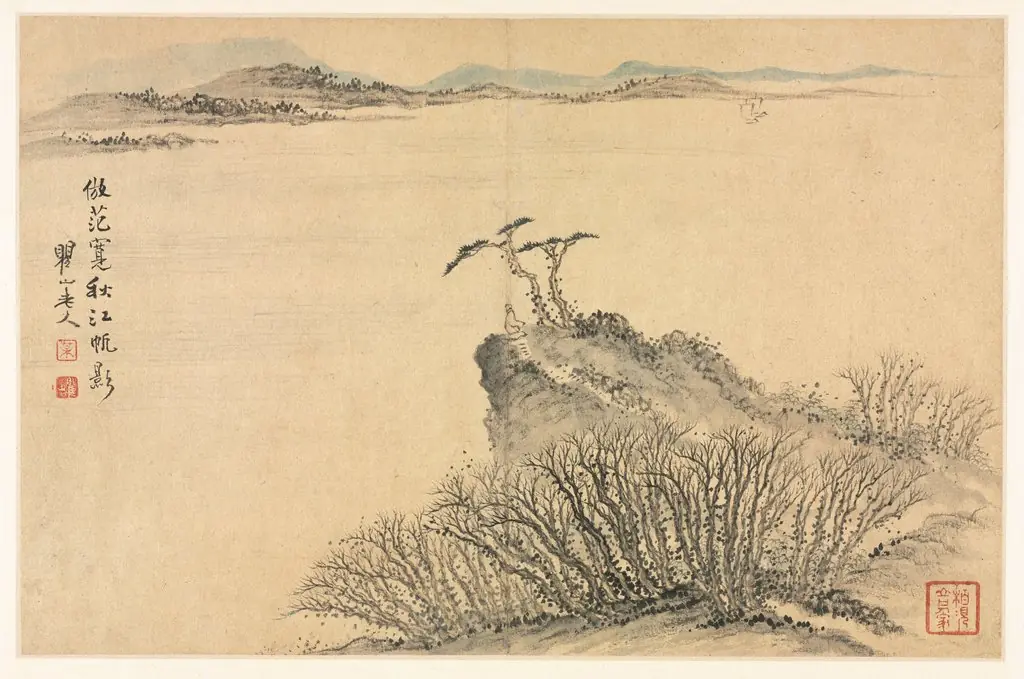 Landscapes in Various Styles after Old Masters
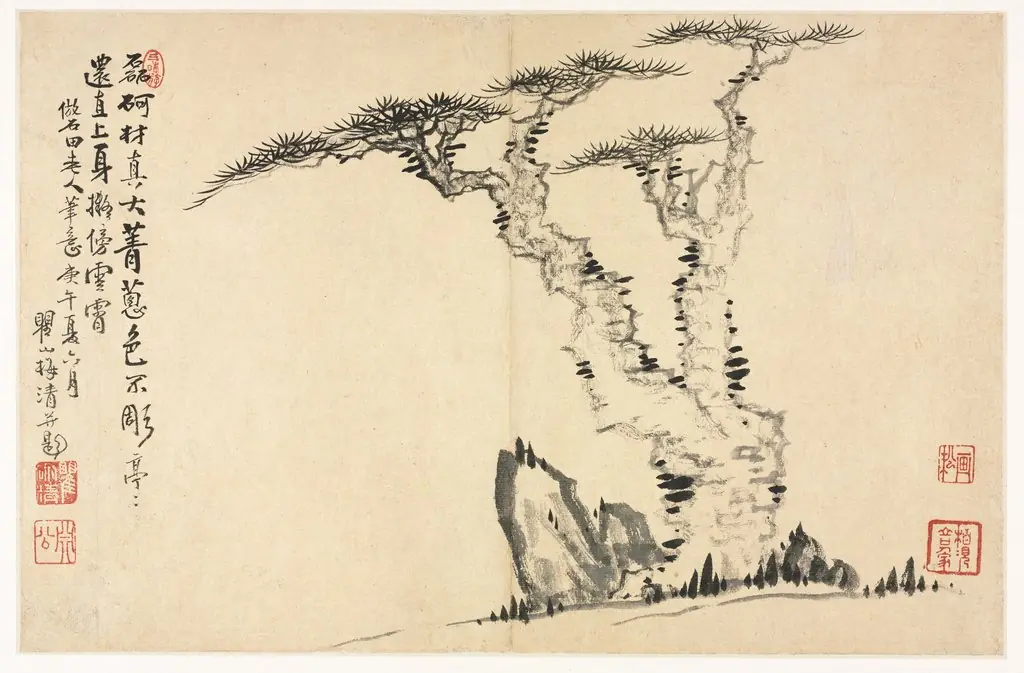 Landscapes in Various Styles after Old Masters
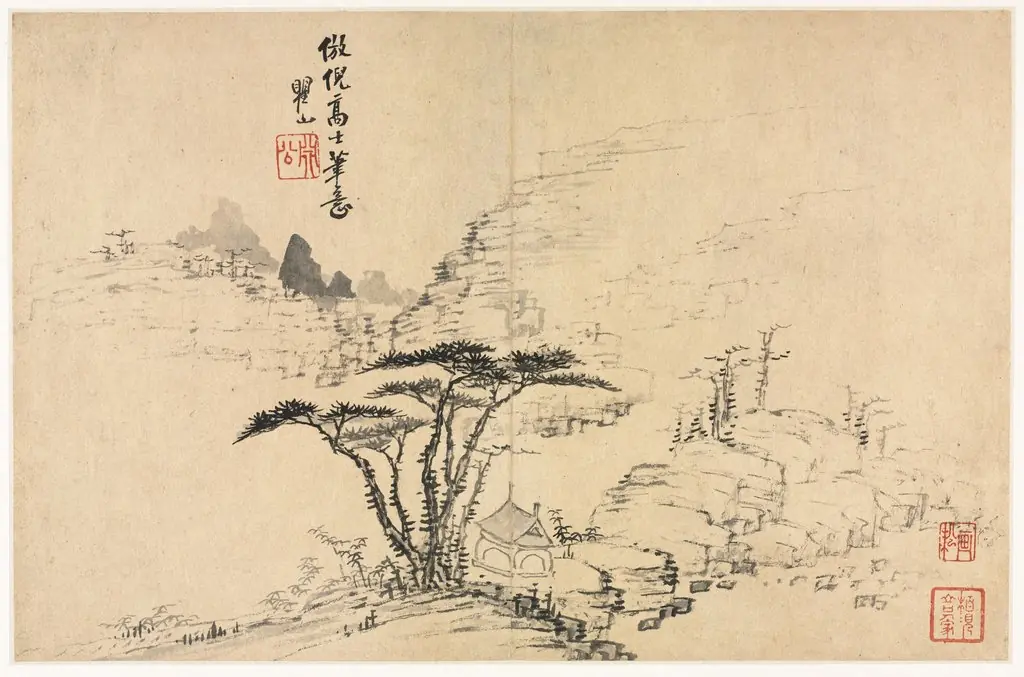 Landscapes in Various Styles after Old Masters
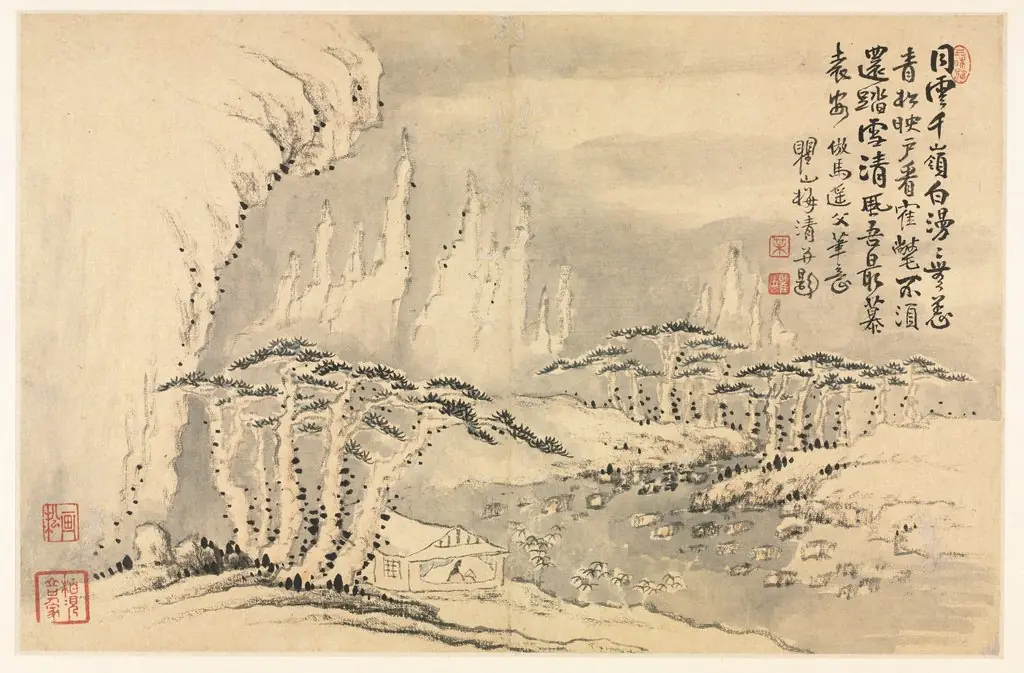 Landscapes in Various Styles after Old Masters
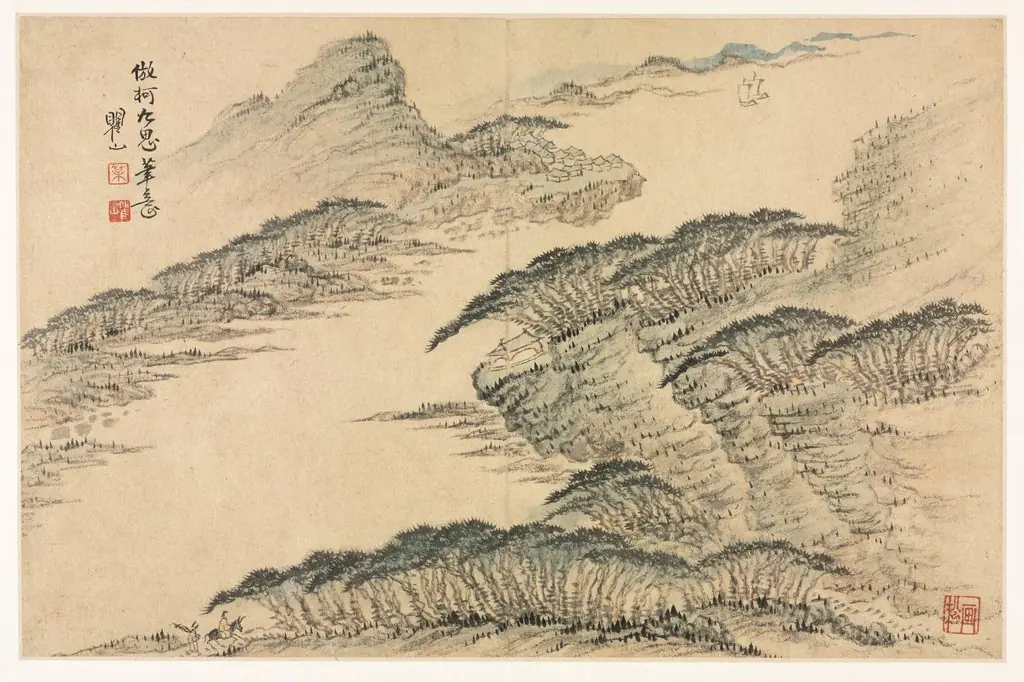 Landscapes in Various Styles after Old Masters
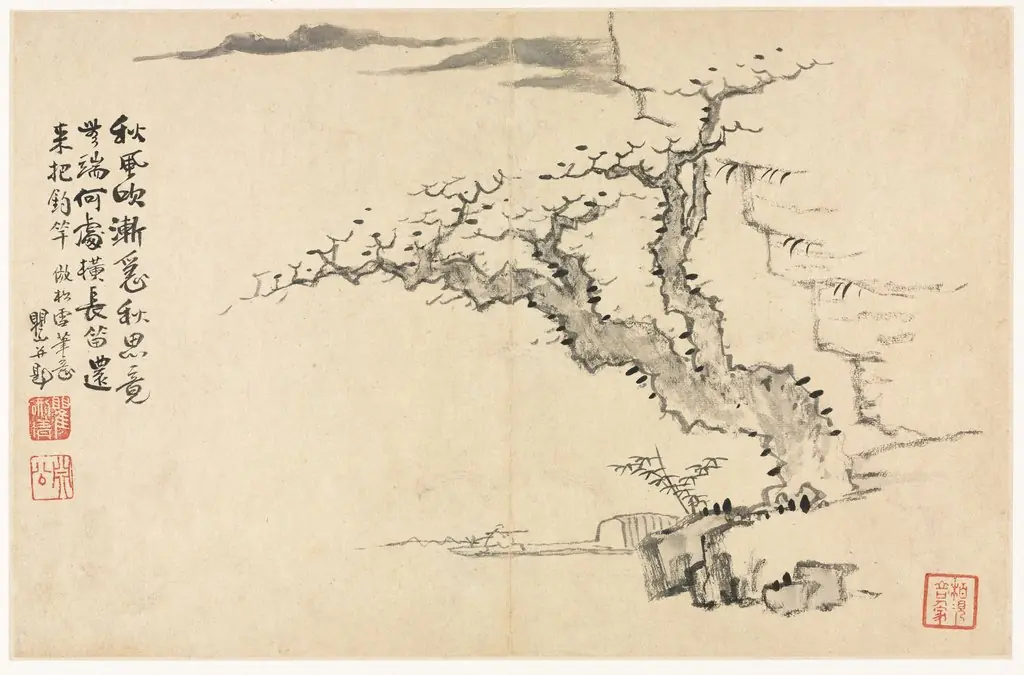 Landscapes in Various Styles after Old Masters