Artwork
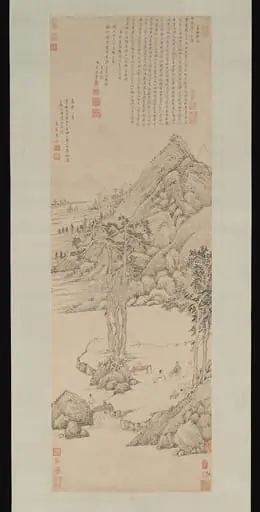
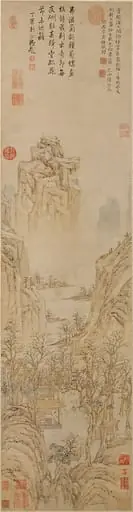
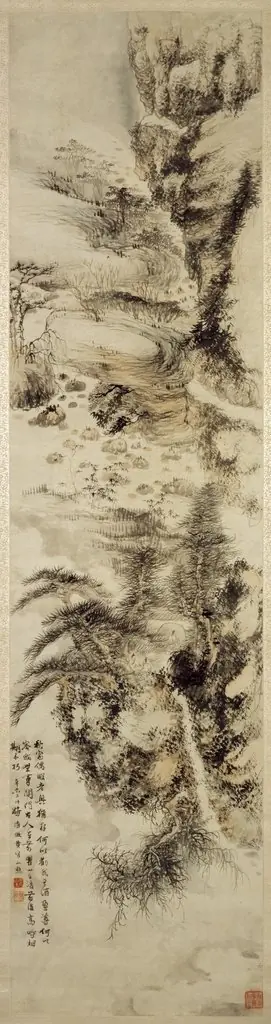
清 梅清 雲谷曳杖圖 軸|Strolling in a Misty Valley
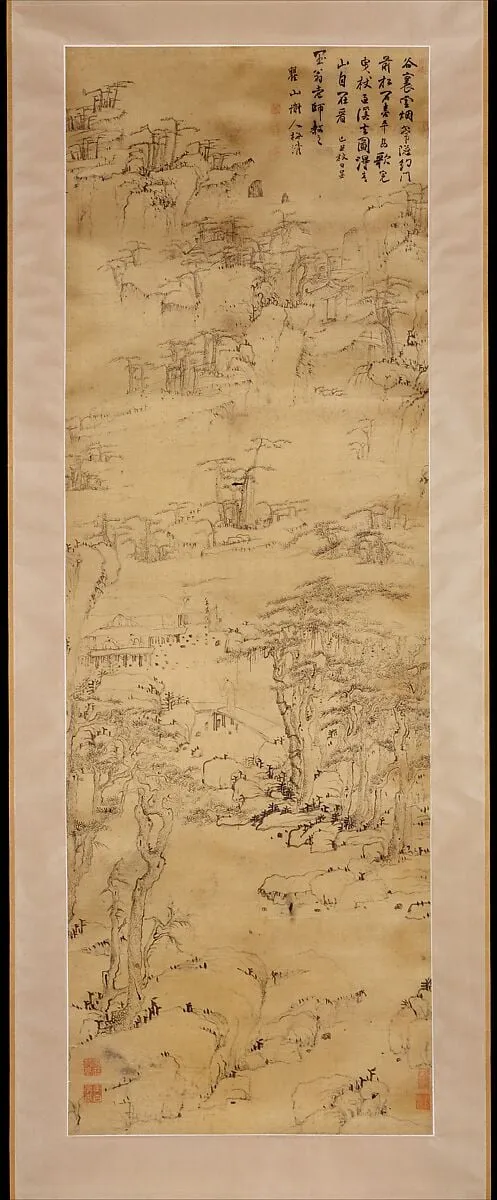
清 梅清 雲谷曳杖圖 軸|Strolling in a Misty Valley is an ink painting by the Baroque artist Mei Qing. It dates from 1649 and is held in the collection of the Metropolitan Museum of Art.
- Accession no.
- 1994.284
- Credit line
- Purchase, Soong Family Gift, in memory of Dr. T.V. Soong, 1994
About this work
Here, the empty space is part of the scene, the mist hides what’s ahead, so the walk feels quiet and endless.
You see a man with a walking stick strolling up a steep, misty valley. Rocks and pine trees rise around him, painted in soft black ink on shimmering satin.
Mei Qing painted this in 1649, when most Chinese artists filled every inch. Here, the empty space is part of the scene, the mist hides what’s ahead, so the walk feels quiet and endless.
Look up other works in the subject landscape painting to see how artists use space like this.
Overview
Mei Qing's 1649 ink-on-satin hanging scroll, "Strolling in a Misty Valley," depicts a solitary figure navigating a rugged, fog-shrouded landscape. This work exemplifies the artist's engagement with natural scenery, rendered through subtle brushwork and the evocative use of negative space. As a painter, calligrapher, and poet from Anhui, Mei Qing was a notable figure within the Qing dynasty's artistic circles.
Subject & Meaning
The painting portrays a lone individual with a staff ascending a steep, rock-strewn valley, surrounded by pine trees. A pervasive mist envelops the scene, obscuring the path ahead and contributing to a sense of profound quietude and boundless space. This deliberate emptiness invites contemplation, suggesting an ongoing journey through an environment where the future remains veiled.
Technique & Style
Executed in ink on shimmering satin, the artwork features soft black washes and precise brushwork to delineate the mountainous forms and vegetation. Mei Qing's innovative use of expansive, unpainted areas, representing mist, was distinctive for its time. While many Chinese artists of 1649 typically filled compositions entirely, this piece embraces negative space to convey atmosphere and depth, a hallmark of his approach.
Context
Mei Qing, hailing from Xuancheng in Anhui Province, was a prominent Qing Dynasty artist known for his landscapes, poetry, and calligraphy. His artistic development was influenced by masters such as Wang Meng, and he maintained connections with figures like Shitao. Frequent travels to the Yellow Mountain profoundly shaped his artistic vision, informing his practice within the broader Qing tradition of rendering natural scenes.
Artist & collection

Artist
Mei Qing (Chinese: 梅清; pinyin: Méi Qīng; Wade–Giles: Mei Ch'ing; ca. 1623–1697) was a Chinese landscape painter, calligrapher and poet active during the Qing Dynasty. Mei was born in Xuancheng, Anhui Province. His…

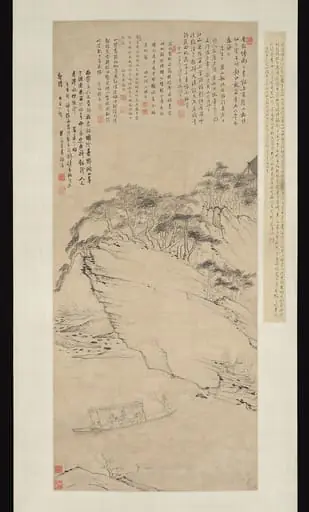 清 倣梅清 響山泛舟圖 軸|Boating beneath Echo Hill
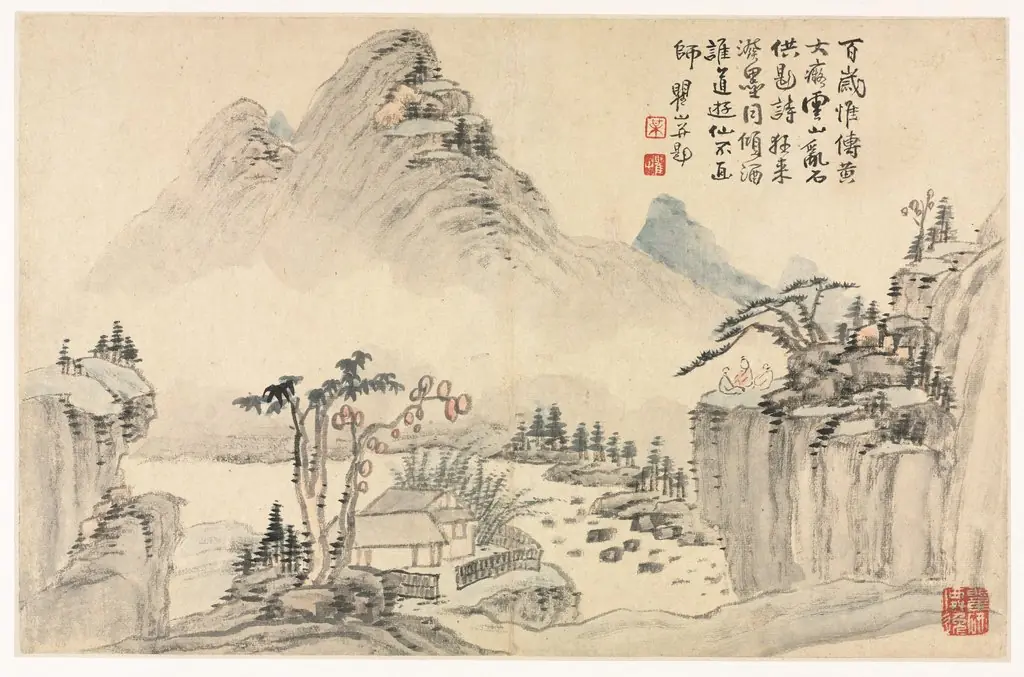 Landscapes in Various Styles after Old Masters
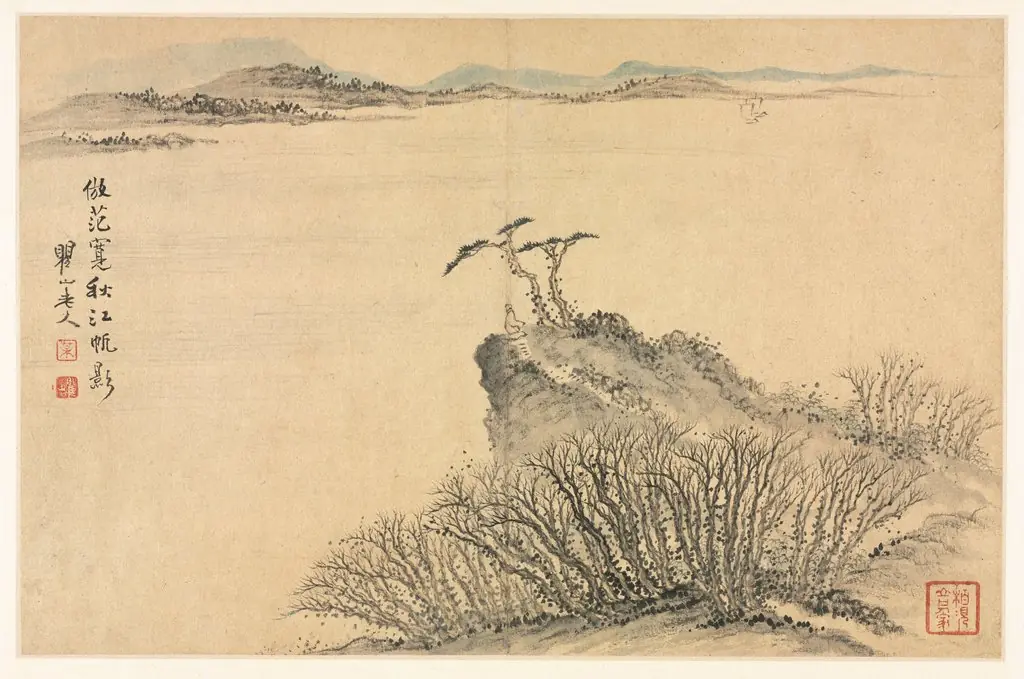 Landscapes in Various Styles after Old Masters
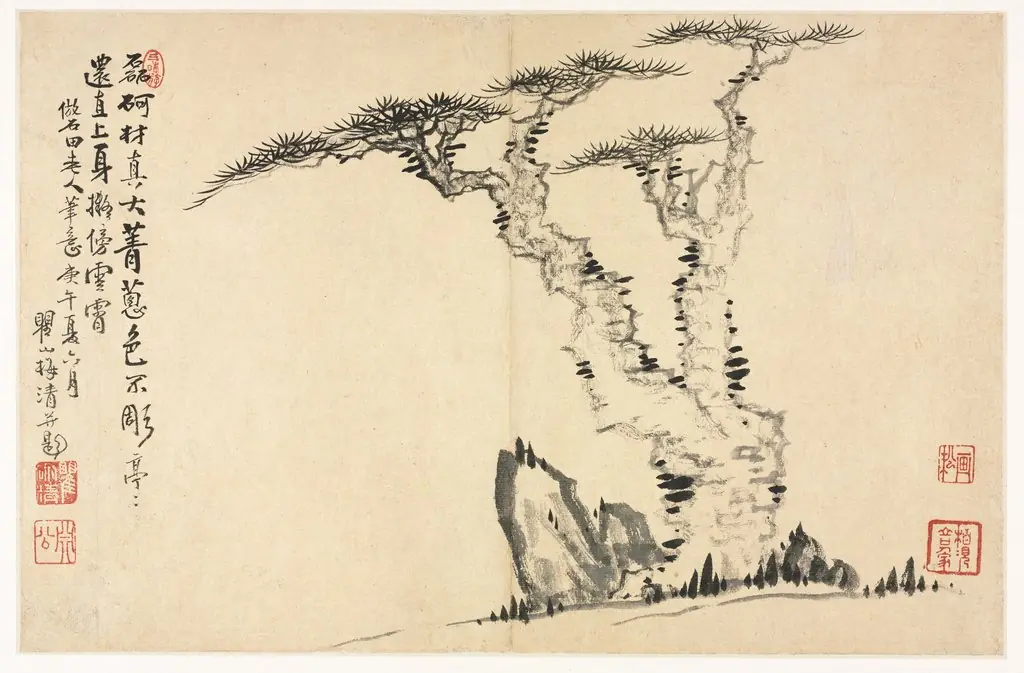 Landscapes in Various Styles after Old Masters
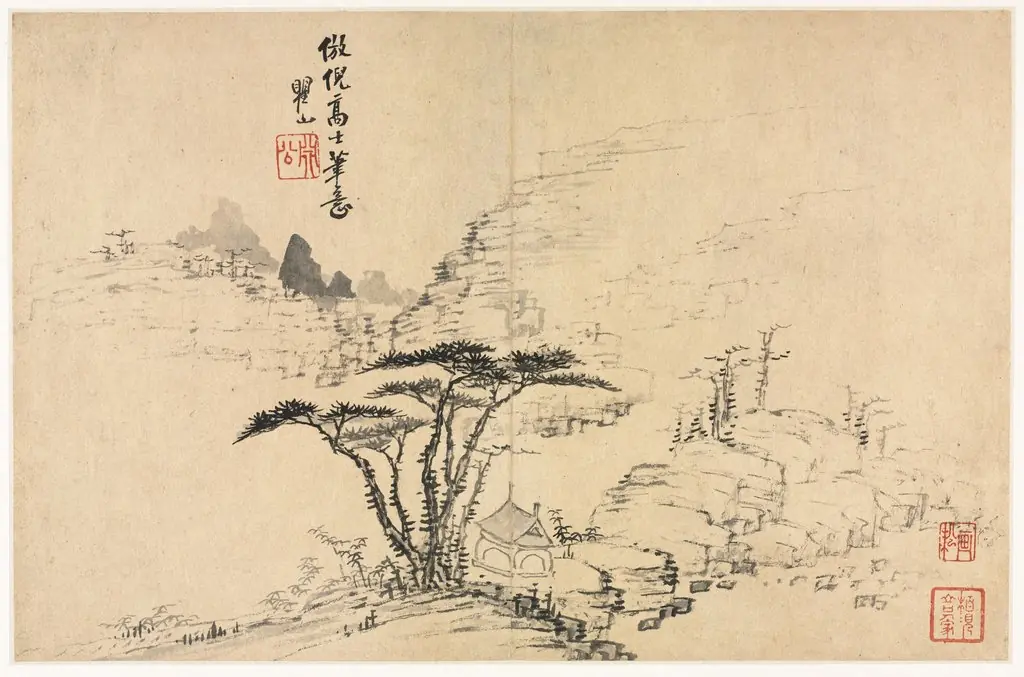 Landscapes in Various Styles after Old Masters
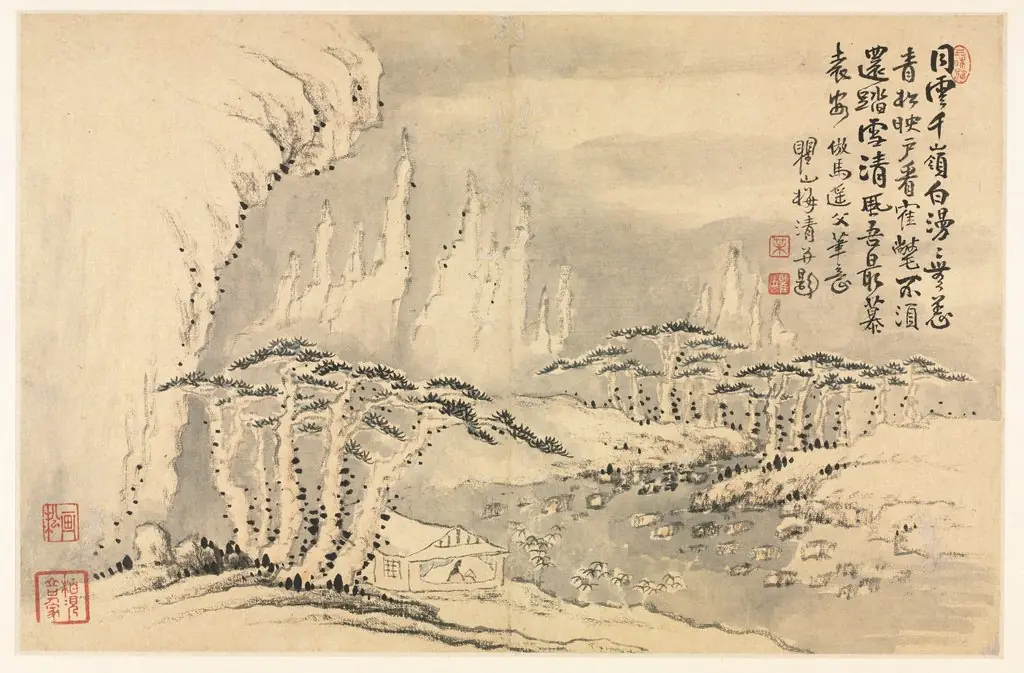 Landscapes in Various Styles after Old Masters
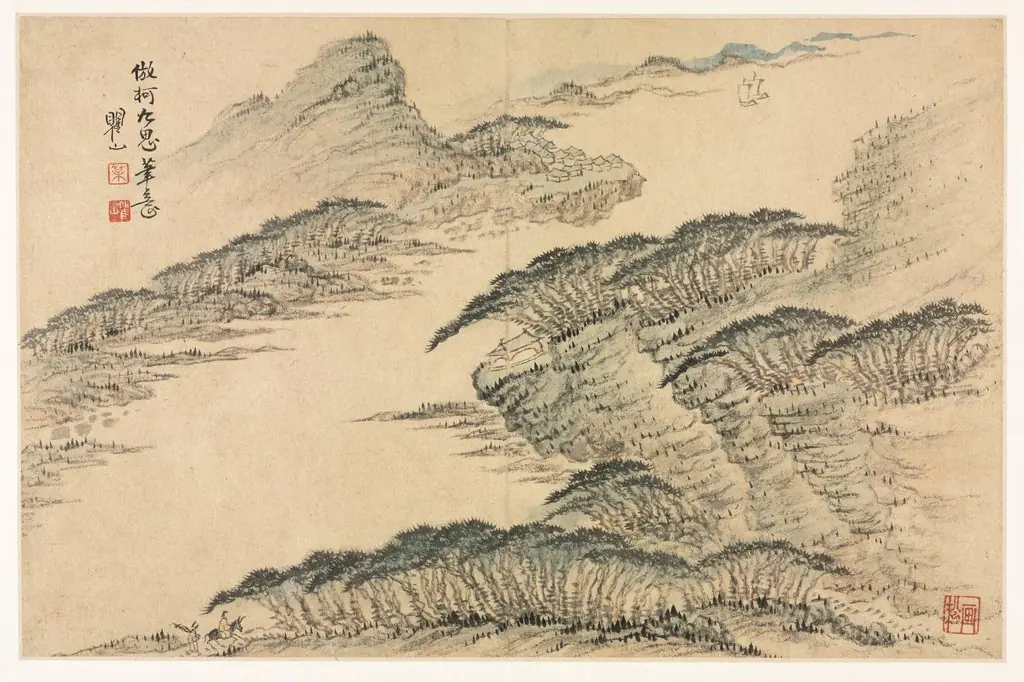 Landscapes in Various Styles after Old Masters
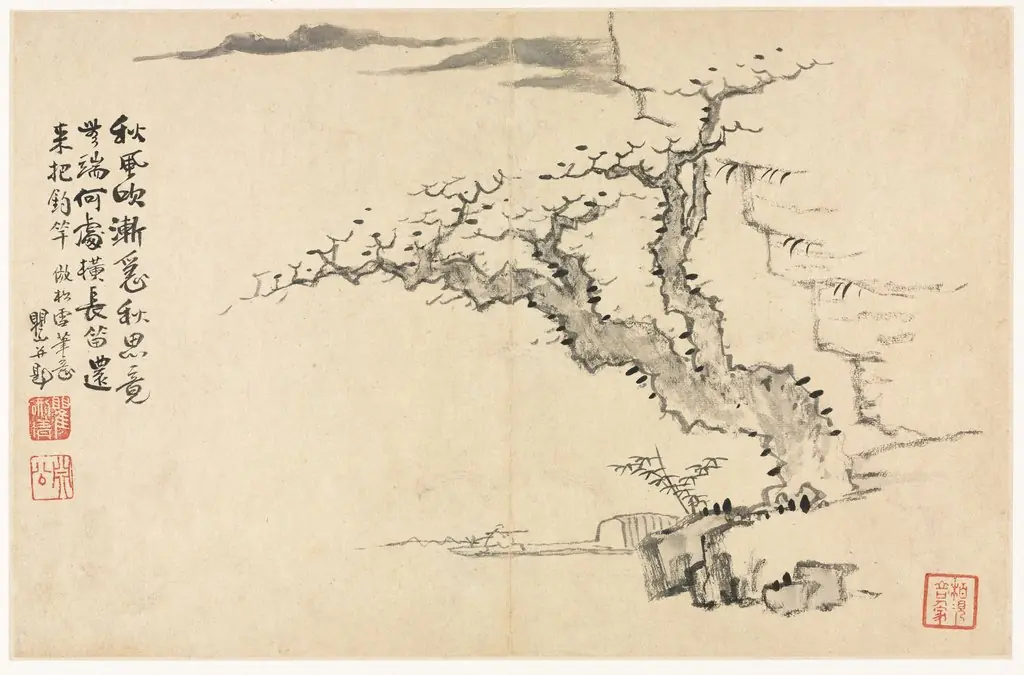 Landscapes in Various Styles after Old Masters
![Daoist Retreat in Mountain and Stream (Landscape after Ni Zan [1301–1374]), by Lu Zhi](https://artifactworldgallery.com/img/lu-zhi--daoist-retreat-in-mountain-and-stream-landscape-after-ni-zan--a798050b065ab200-w320.webp)