Artwork
Mercury by the Seashore
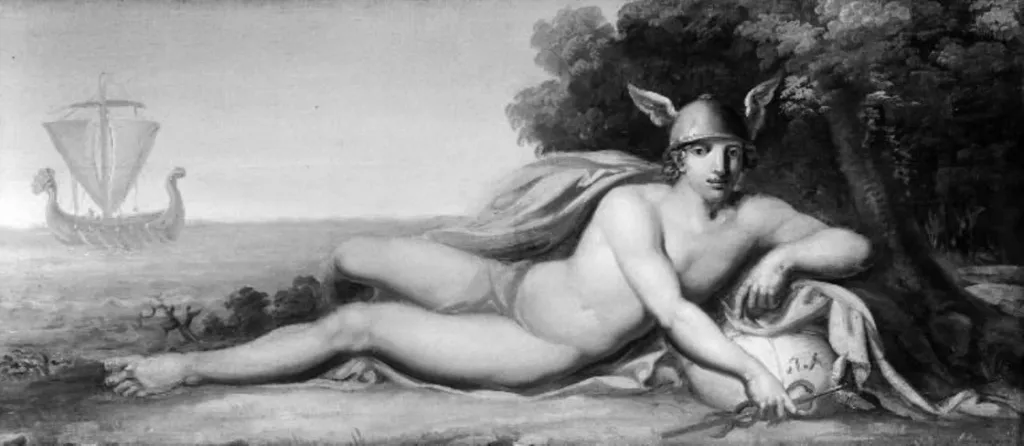
Mercury by the Seashore is an oil painting by the Neoclassicist artist Nicolai Abildgaard. It dates from 1798 and is held in the collection of the Statens Museum for Kunst.
About this work
Subject & Meaning
Nicolai Abildgaard's 1794 oil painting, Mercury by the Seashore, belongs to the genre of mythological art and centers on the Roman god Mercury.
Nicolai Abildgaard's 1794 oil painting, Mercury by the Seashore, belongs to the genre of mythological art and centers on the Roman god Mercury. The work depicts the deity situated within a coastal landscape, aligning with the title's specific setting. As a mythological subject, the painting utilizes classical iconography to represent Mercury, the messenger of the gods, though the provided sources do not elaborate on specific symbolic attributes or deeper allegorical meanings beyond the depiction of the figure in this seaside context.
Technique & Style
Nicolai Abildgaard's Mercury by the Seashore, created in 1794, is executed in oil paint on a canvas support. The work measures 52 cm in height and 115 cm in width, classifying it as a mythological painting. As an oil-on-canvas piece from the late 18th century, the medium allows for the detailed rendering required for its mythological subject matter, depicting the figure of Mercury.
History & Provenance
Painted in 1794, Mercury by the Seashore is an oil on canvas by Nicolai Abildgaard.
It entered the collection of the Statens Museum for Kunst, Copenhagen, where it remains held. The work is dated to 1794 by the museum and by internal records, aligning with the artist’s documented output in the mid-1790s.
Mercury by the Seashore is held at the Statens Museum for Kunst, where it is listed under the museum's collection and inventory. The work was created in 1794 by Nicolai Abildgaard and is classified as an oil paint painting on canvas depicting the mythological figure Mercury. It has been part of the museum's exhibition history, appearing in displays focused on mythological paintings and 18th-century Danish art.
Overview
Mercury by the Seashore is an 1798 oil painting by Danish neoclassical artist Nicolai Abildgaard, depicting the Roman messenger god Mercury in a serene coastal setting.
Context
Part of the broader neoclassical movement, the painting reflects the era's fascination with ancient Roman mythology and classical ideals, popular among European artists and patrons of the late 18th century.
Legacy
As a work by a prominent Danish neoclassical figure, it contributes to the understanding of Nordic artistic contributions to the neoclassical movement, though its specific impact or renown beyond this context is not broadly highlighted in available information.
Artist & collection
Artist
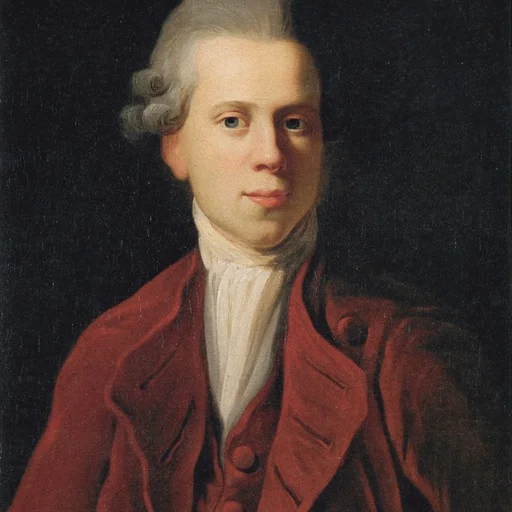
Nicolai Abraham Abildgaard (11 September 1743 – 4 June 1809) was a Danish neoclassical and royal history painter, sculptor, architect, and professor of painting, mythology, and anatomy at the New Royal Danish Academy of Art in Copenhagen…

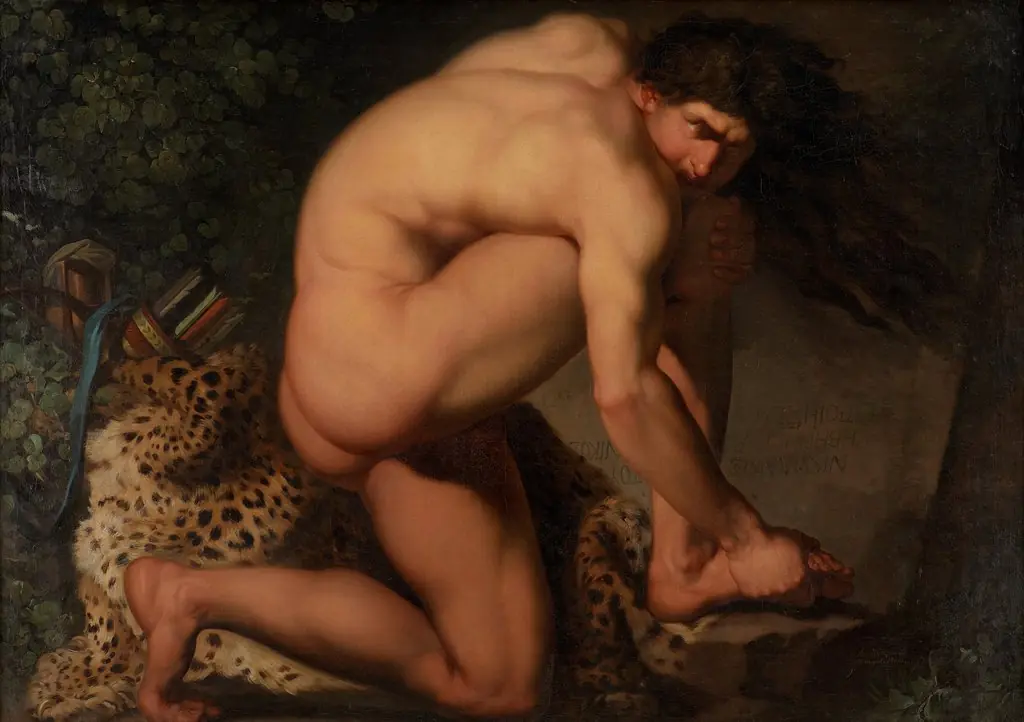 The Wounded Philoctetes
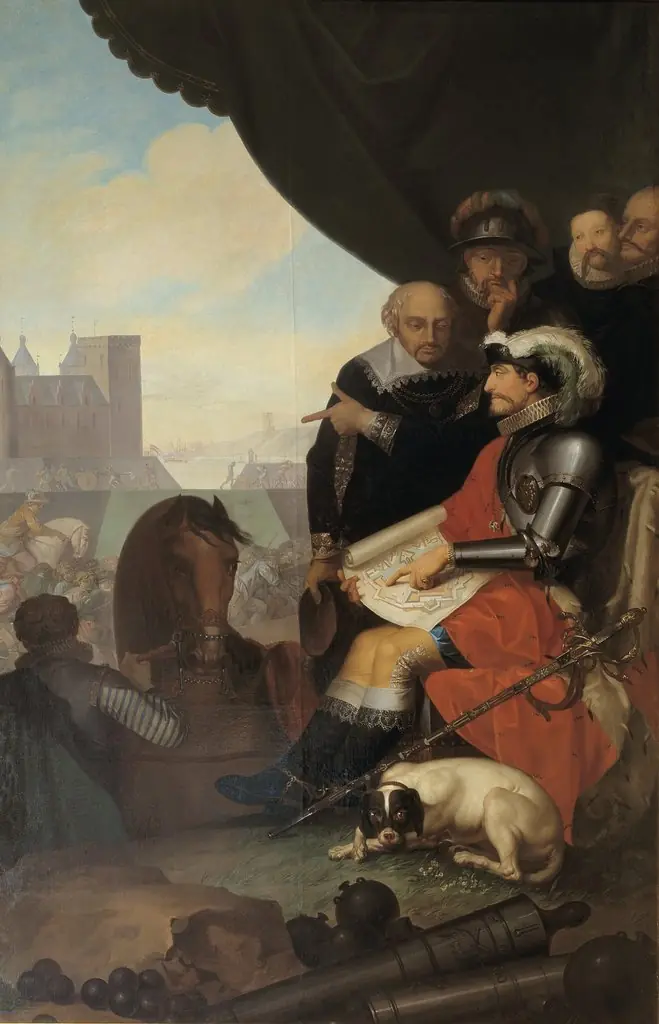 Frederik II Builds Kronborg Castle at Elsinore
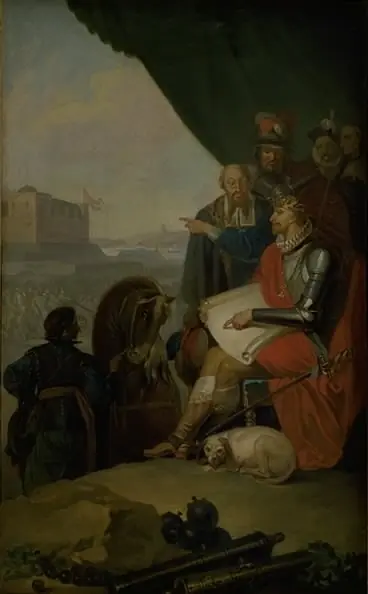 Frederik II Builds Kronborg Castle at Elsinore
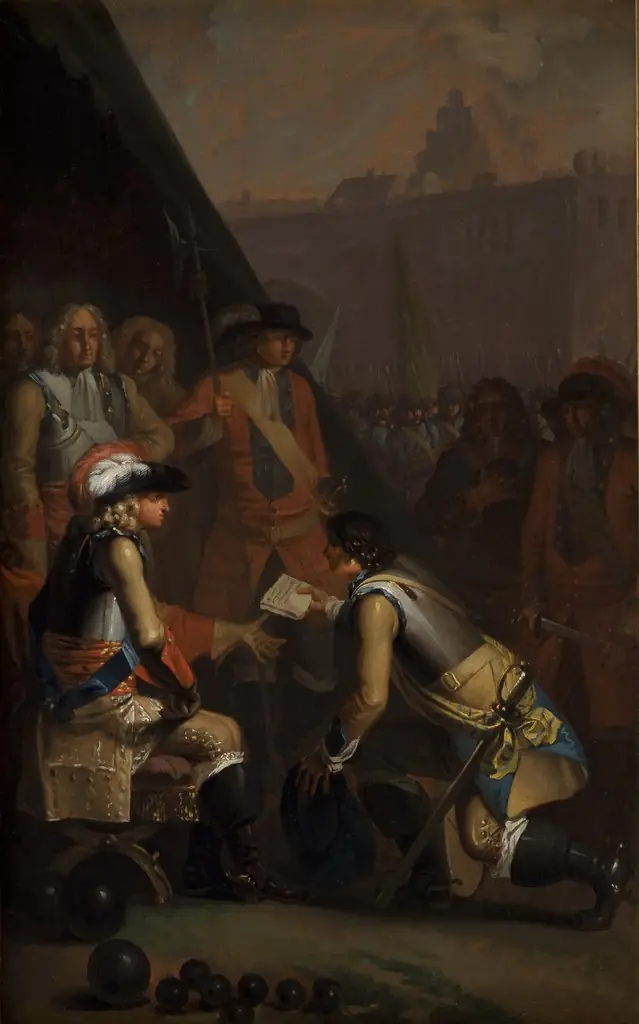 Magnus Stenbock Surrenders the Fortress of Tønningen to Frederik IV in 1714
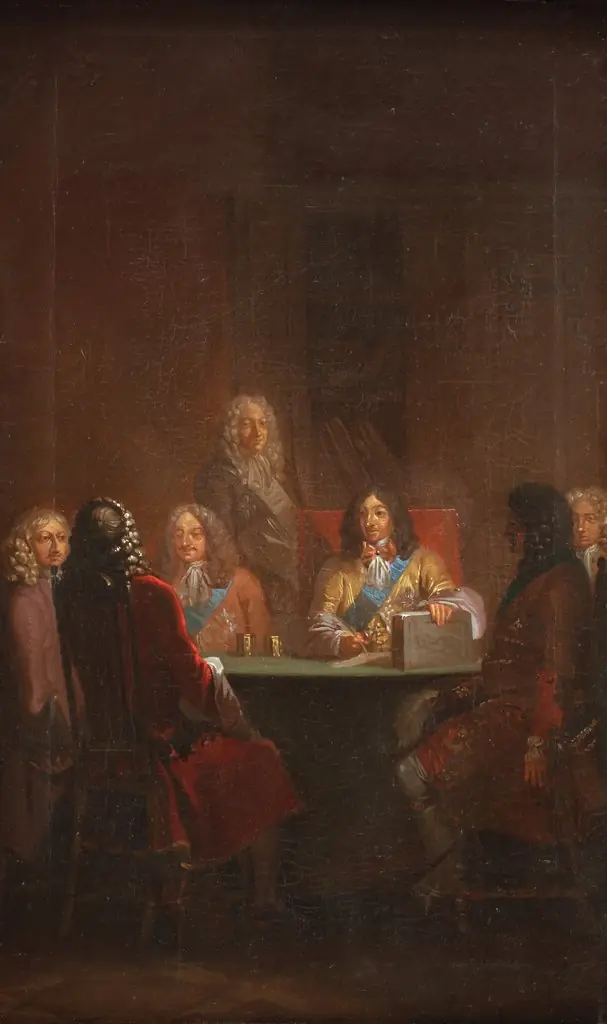 Christian V Presents Danish Law 1683
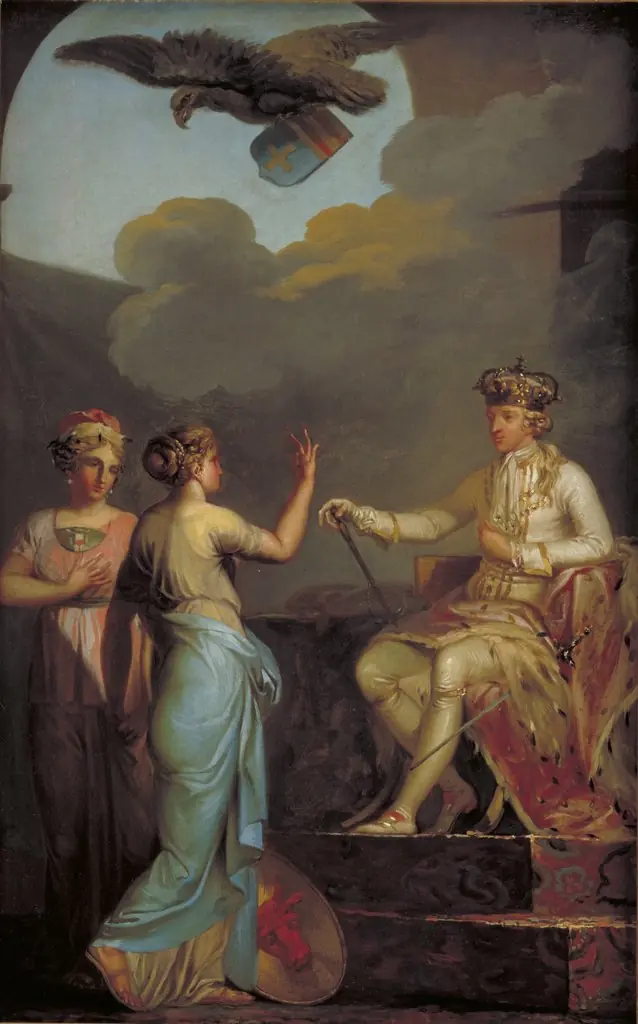 Christian VII Uniting the Ducal with the Royal Part of Holstein in 1767
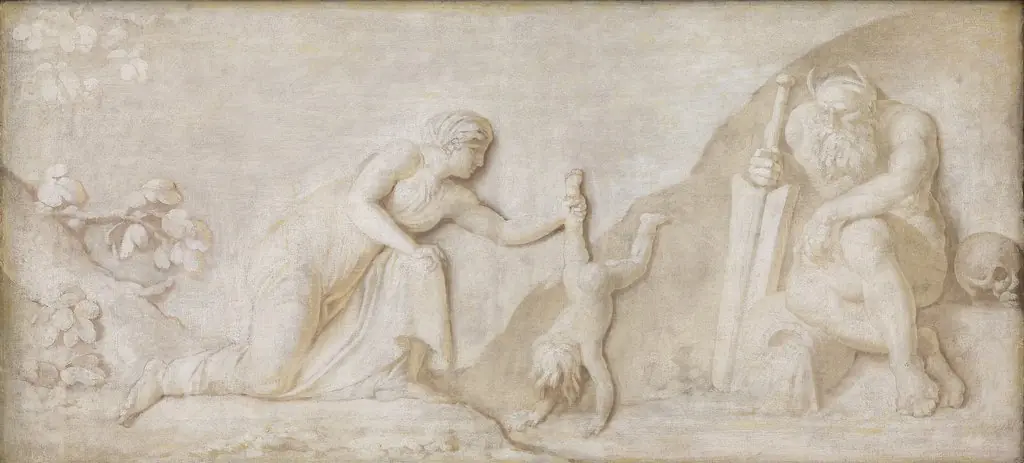 Thetis Immersing her Infant Son Achilles in the River Styx to Make him Invulnerable
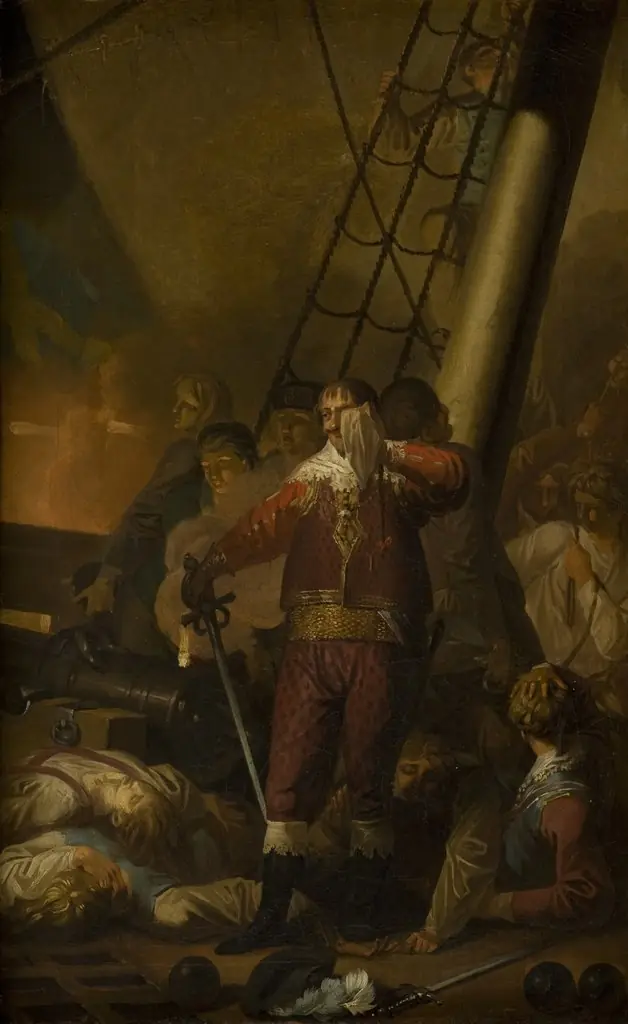 Christian IV Aboard his Flagship "The Trinity"
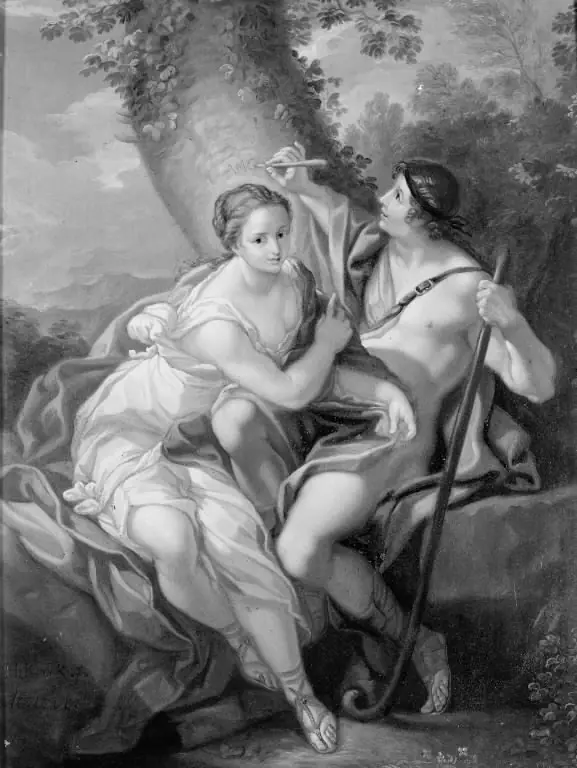 Medos og Angelica
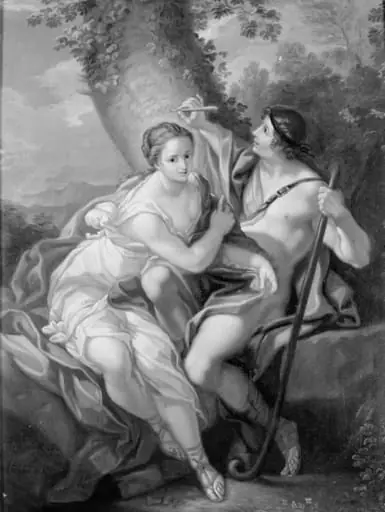 Medos og Angelica
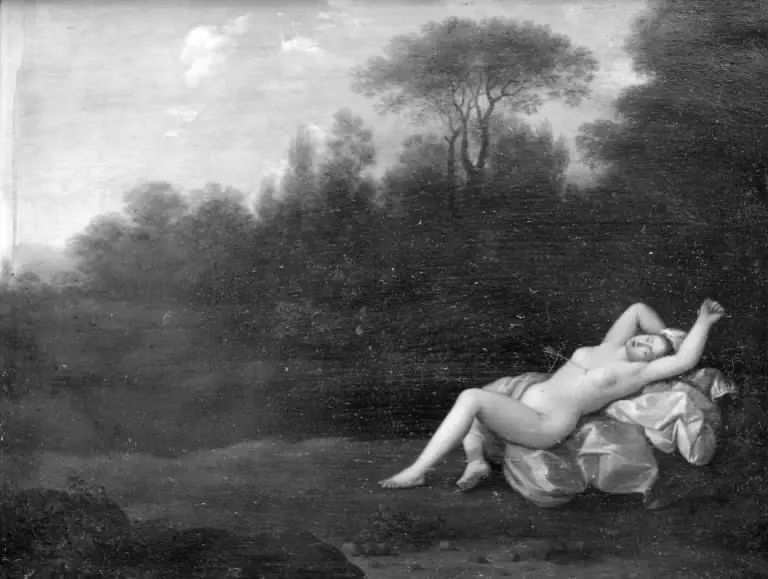 The Dying Procris
 The Dying Procris
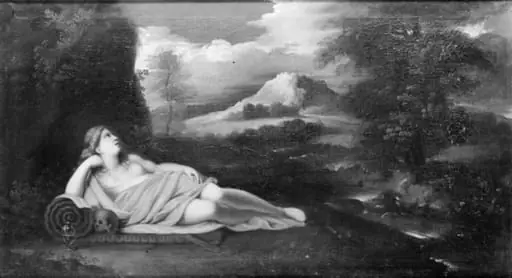 The Penitent Saint Mary Magdalene
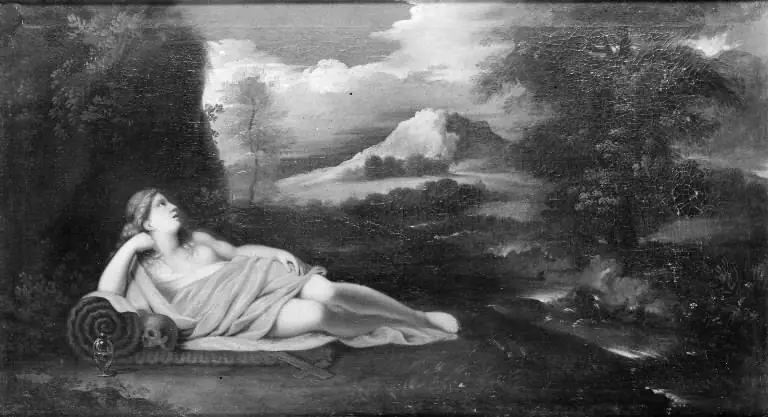 The Penitent Saint Mary Magdalene
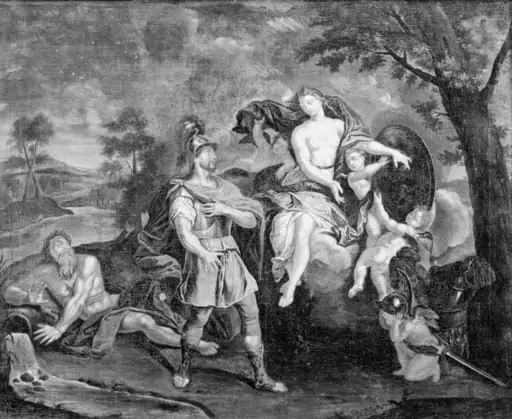 Mars synes at forsikre den i skyer siddende Venus om sin kærlighed. Imidlertid leger amoriner med hans våben
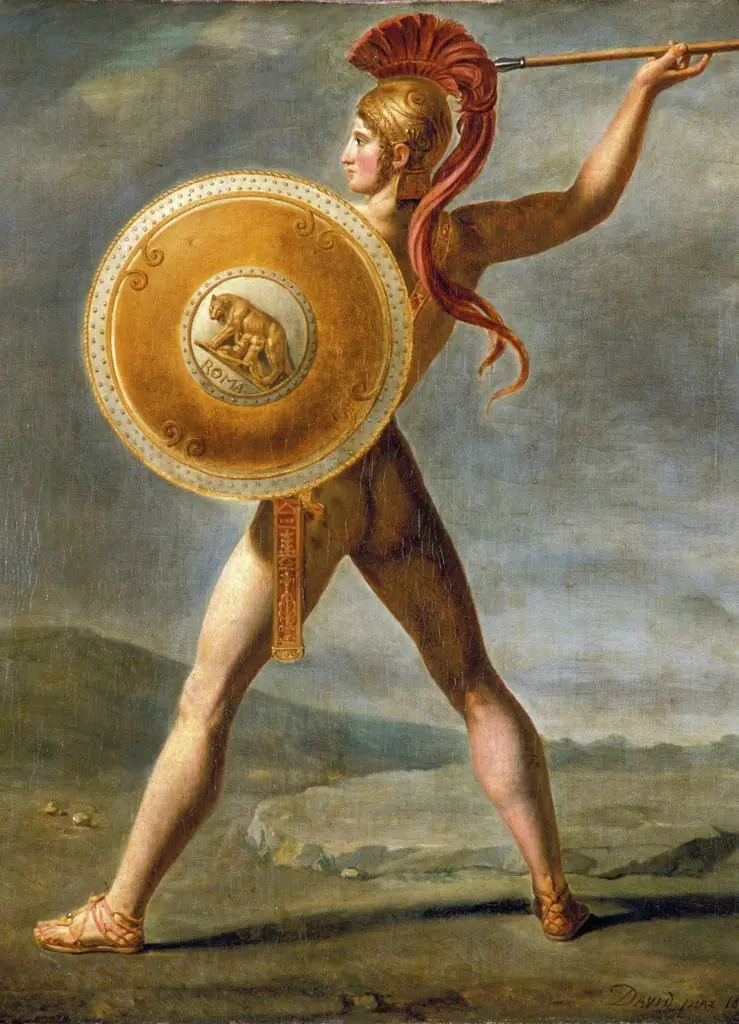 Roman Warrior
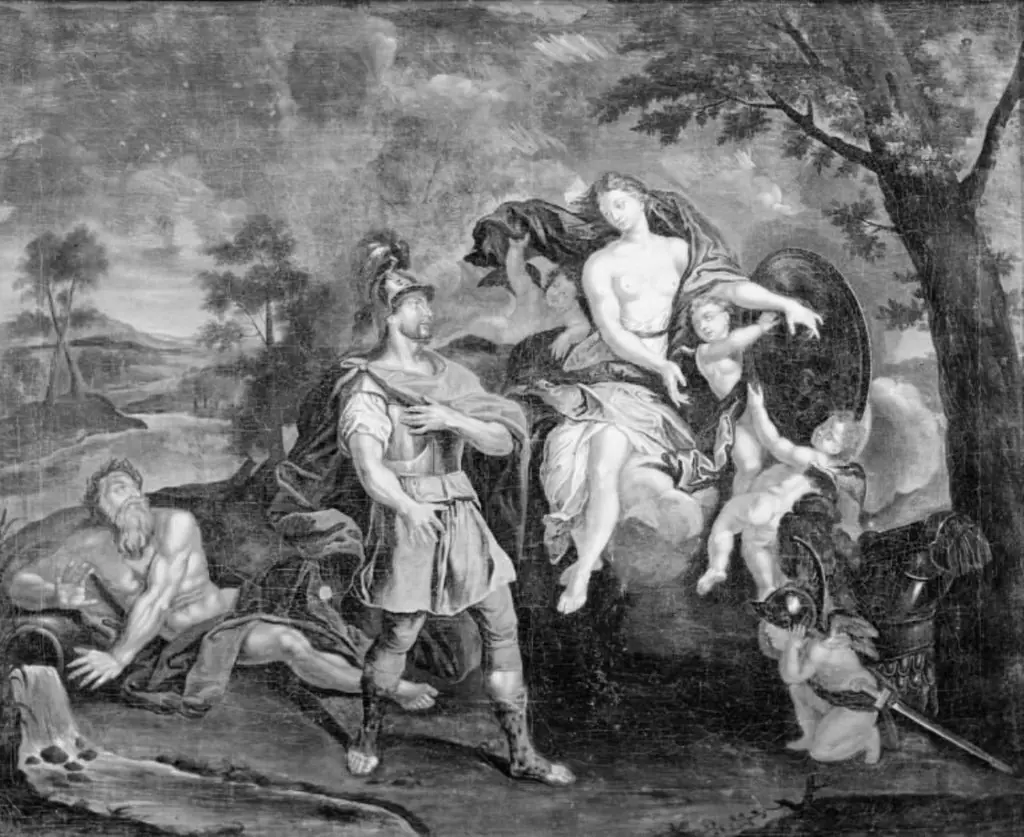 Mars synes at forsikre den i skyer siddende Venus om sin kærlighed. Imidlertid leger amoriner med hans våben
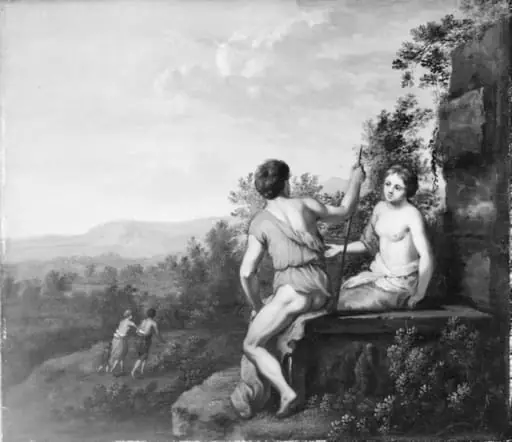 Landscape with Shepherd and Shepherdess
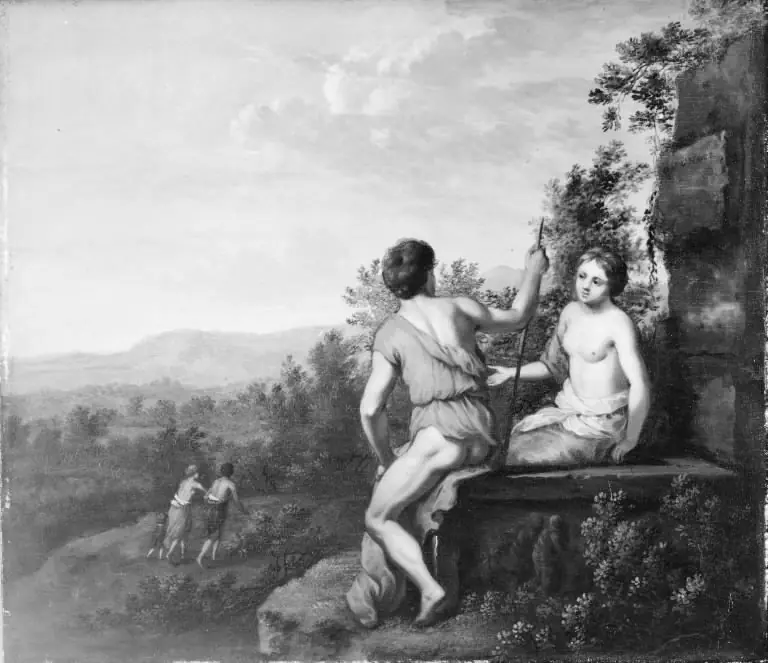 Landscape with Shepherd and Shepherdess
- Mercury by the Seashore