Artwork
Self-portrait (?)
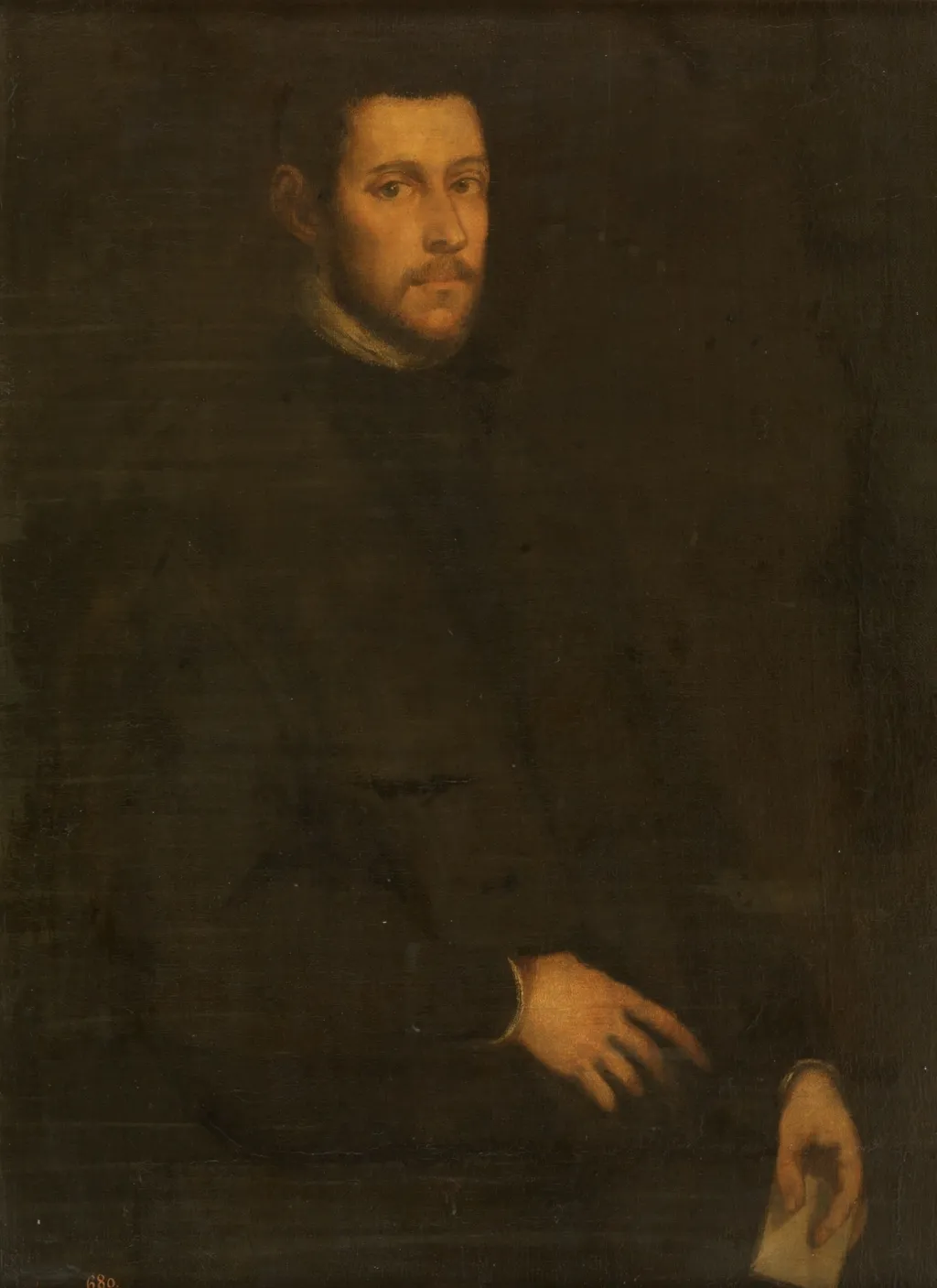
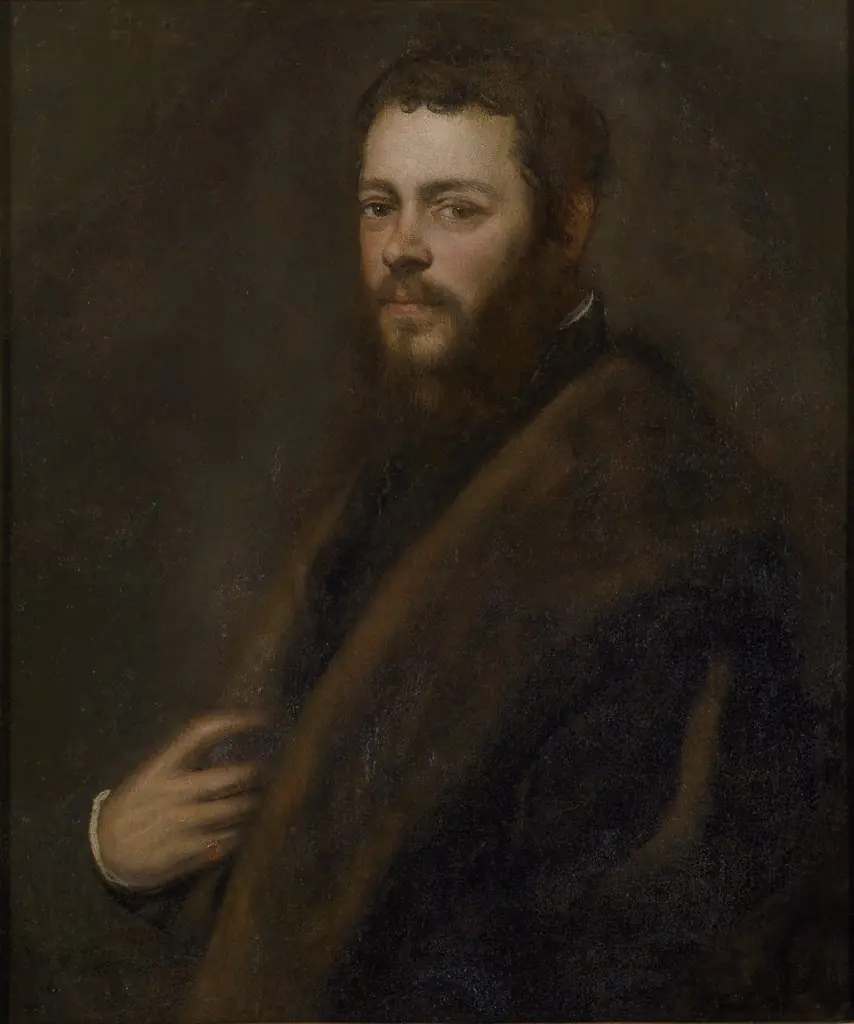
Self-portrait (?) is an oil painting by the Early Baroque Italian artist Paris Bordone. It dates from 1550 and is held in the collection of the Museo del Prado.
About this work
Subject & Meaning
The self-referential presentation aligns with the conventional aims of sixteenth-century Venetian portraiture to assert the sitter’s presence and status.
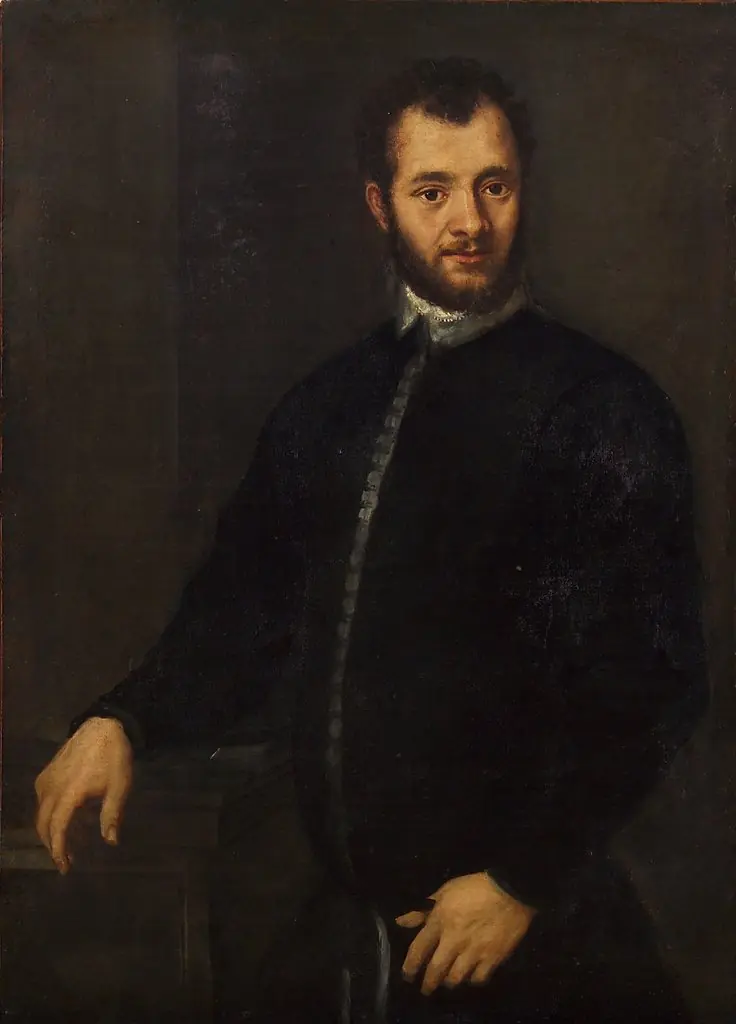
The work depicts the artist Paris Bordone, identified by the inscriptions and the subject’s direct gaze. Bordone is shown in three-quarter view, wearing contemporary attire that underscores his professional identity. The self-referential presentation aligns with the conventional aims of sixteenth-century Venetian portraiture to assert the sitter’s presence and status.
The painting’s classification as a self-portrait is supported by its inclusion in the Venetian school tradition and its depiction of the artist himself, a practice associated with self-fashioning and professional visibility in the period.
Technique & Style
Paris Bordone's Self-portrait, dated to 1550, is executed in oil paint on a canvas support. The work measures 104 cm in height and 76 cm in width, adhering to the dimensions recorded for the piece held by the Museo del Prado. Stylistically, the painting is associated with the Venetian school, a movement known for its emphasis on color and light.
The formal qualities depict the artist himself, consistent with the self-portrait genre classification. The handling of the medium reflects the techniques typical of mid-16th-century Venetian portraiture, utilizing the fluidity of oil to render the subject's features.
History & Provenance
The work was created in 1550 by Paris Bordone, an oil paint on canvas self-portrait held in the collection of the Museo del Prado in Madrid. Its dimensions are 104 cm in height and 76 cm in width, reflecting its status as a work of the Venetian school genre of portraiture.
The painting is held in the collection of the Museo del Prado, where it is catalogued under the inventory number P00968. It was first exhibited publicly in 1835 as part of the museum's inaugural display of its 16th-century Venetian holdings. The work has subsequently appeared in several Prado retrospectives of Bordone's oeuvre, most recently in the 2019 exhibition 'Paris Bordone: Master of the Venetian Portrait'.
Legacy
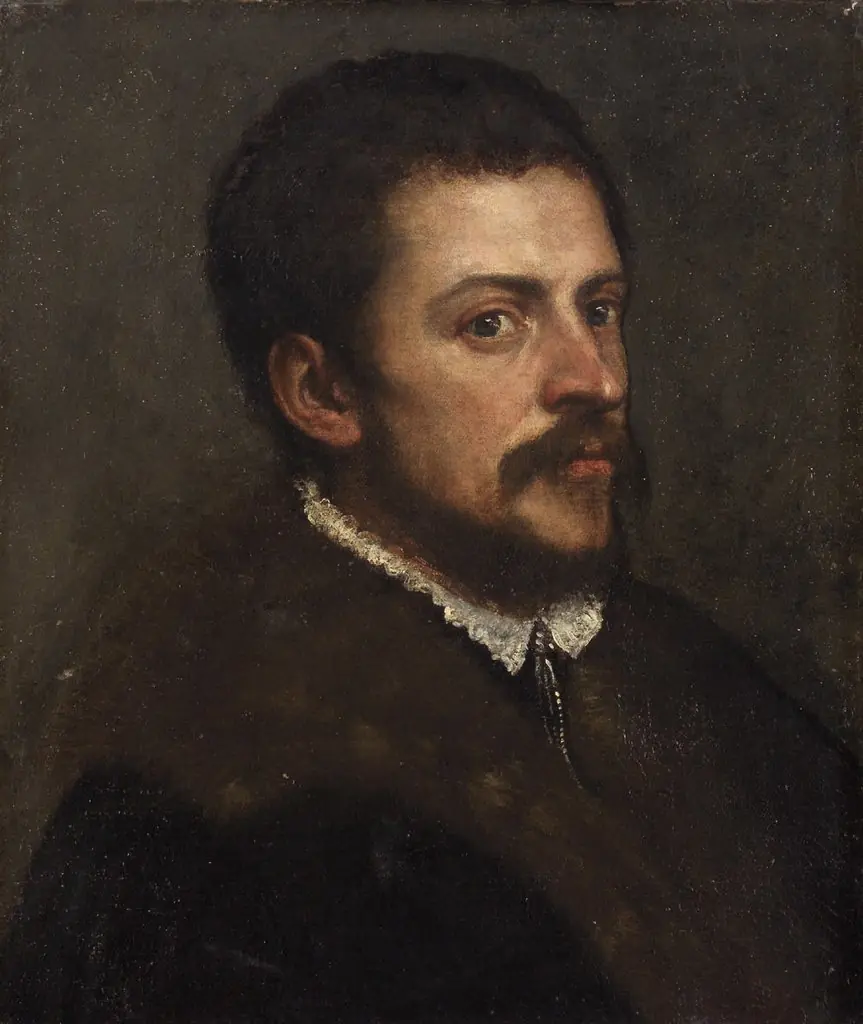
The self-portrait by Paris Bordone, painted around 1550 for the Venetian market, has been recognized for its psychological depth and technical mastery within the Venetian school of painting. Its inclusion in the collection of the Museo del Prado since the 19th century has reinforced Bordone’s reputation as a significant portraitist of the Cinquecento, influencing later artists who emulated his naturalistic rendering of facial expression and subtle use of light. Art historians cite the work as emblematic of the transition from High Renaissance ideals to more personal, introspective portraiture in Venetian art.
Overview
Created circa 1550, this oil painting is a self‑portrait by the Venetian artist Paris Bordone. Executed during the early Baroque period in Italy, the work is part of the collection of the Museo del Prado. It presents the artist in a restrained pose, emphasizing his facial features against a dark backdrop.
Own this work as a print
Artist & collection

Artist
Paris Bordone (Paris Paschalinus Bordone; 5 July 1500 – 19 January 1571) was an Italian painter of the Venetian Renaissance who, despite training with Titian, maintained a strand of Mannerist complexity and provincial vigor.

- Portrait of a Bearded Man
 Bildnis eines jungen Mannes in Schwarz
 Portrait of a Man
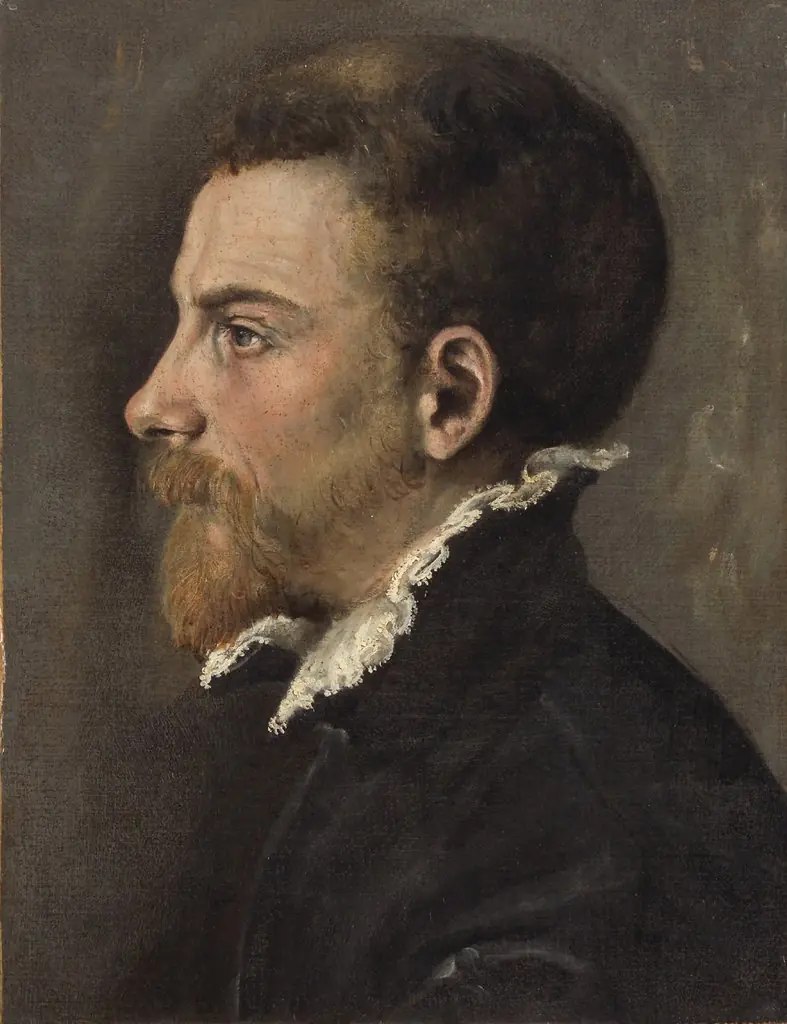 Portrait of a bearded man in profile
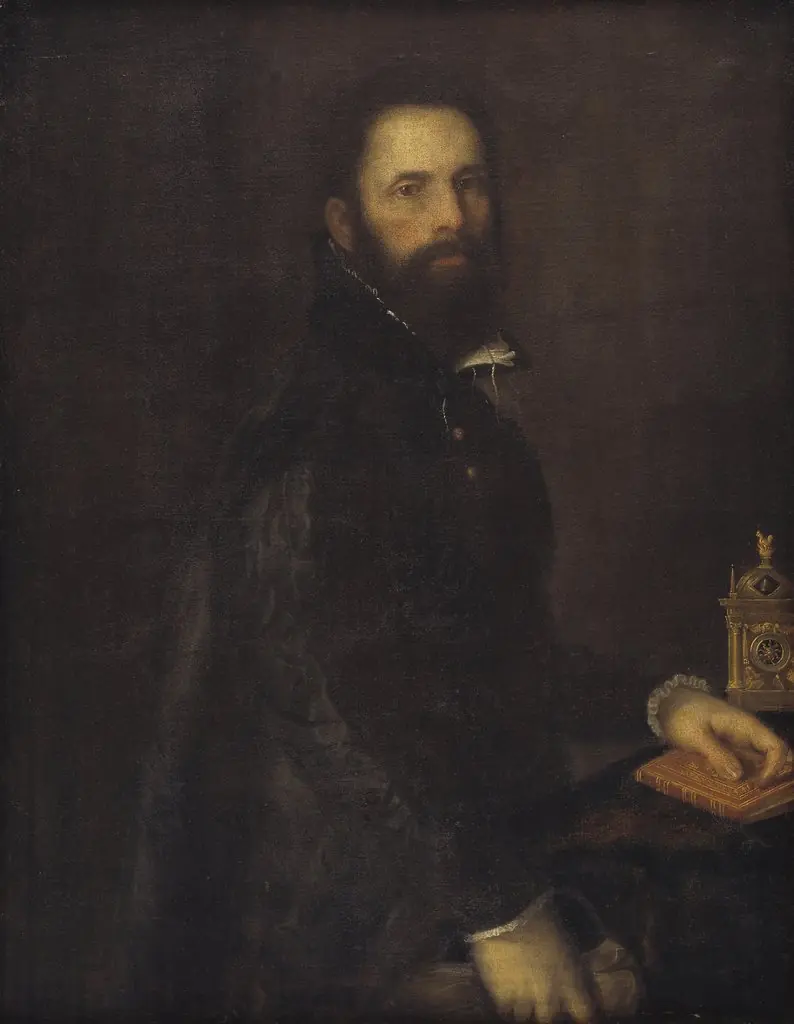 Portrait of Antonio Galli
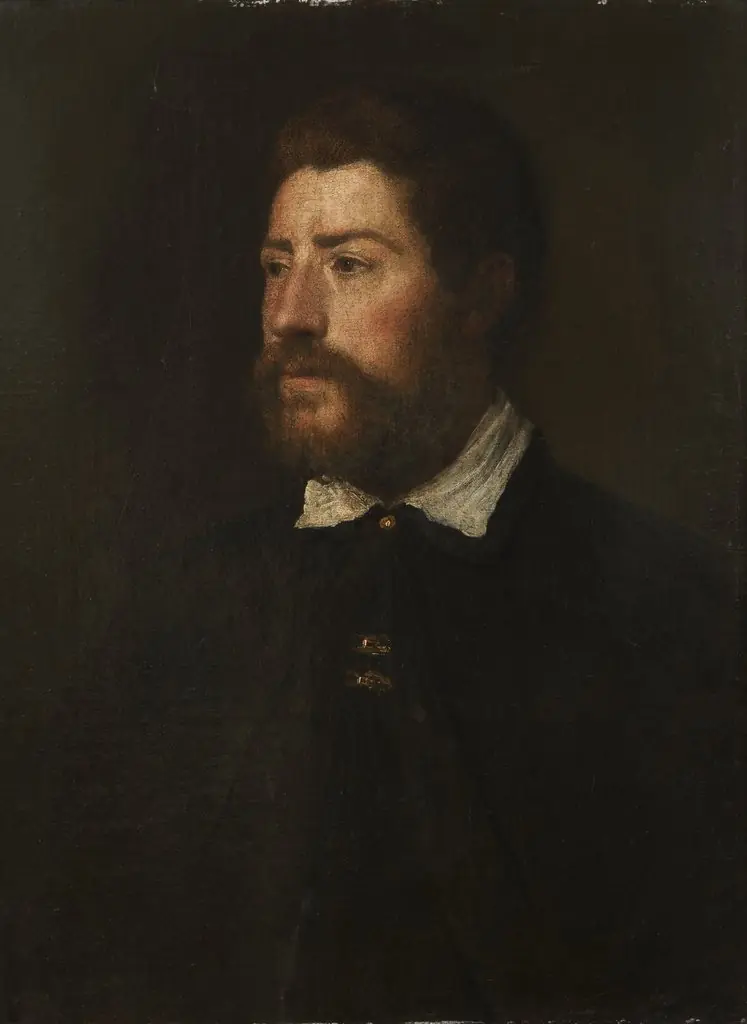 Portrait of a Man
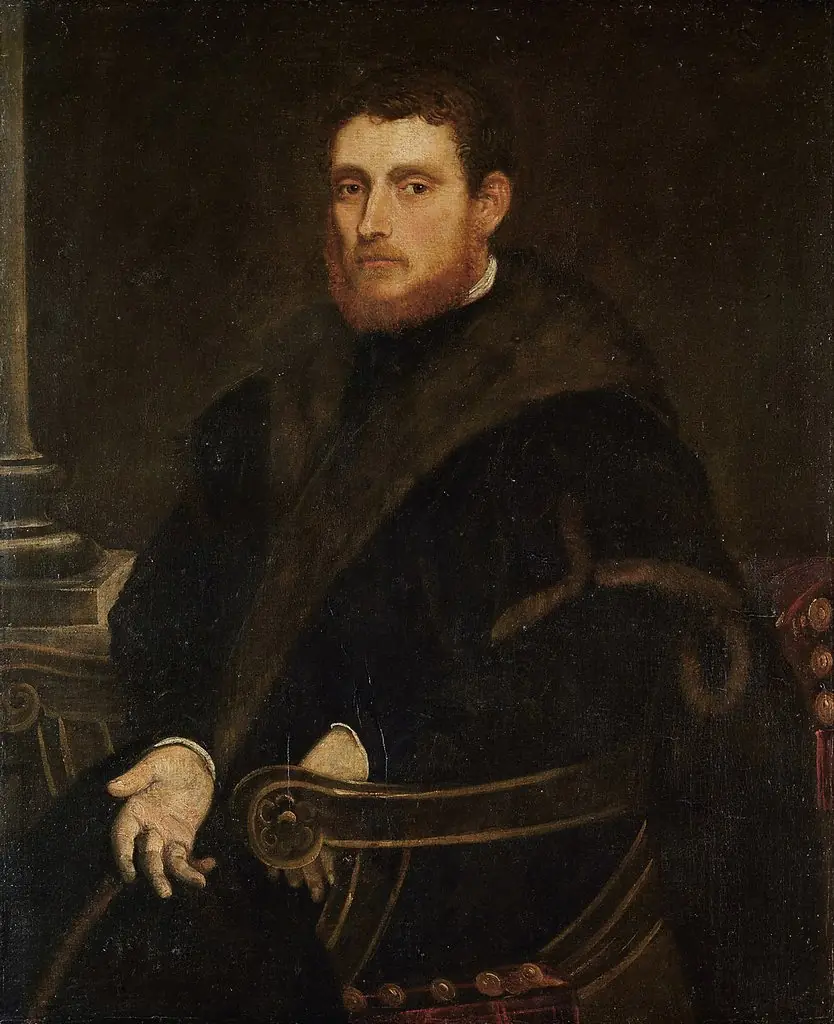 Bildnis eines jungen rotbärtigen Mannes im Lehnstuhl
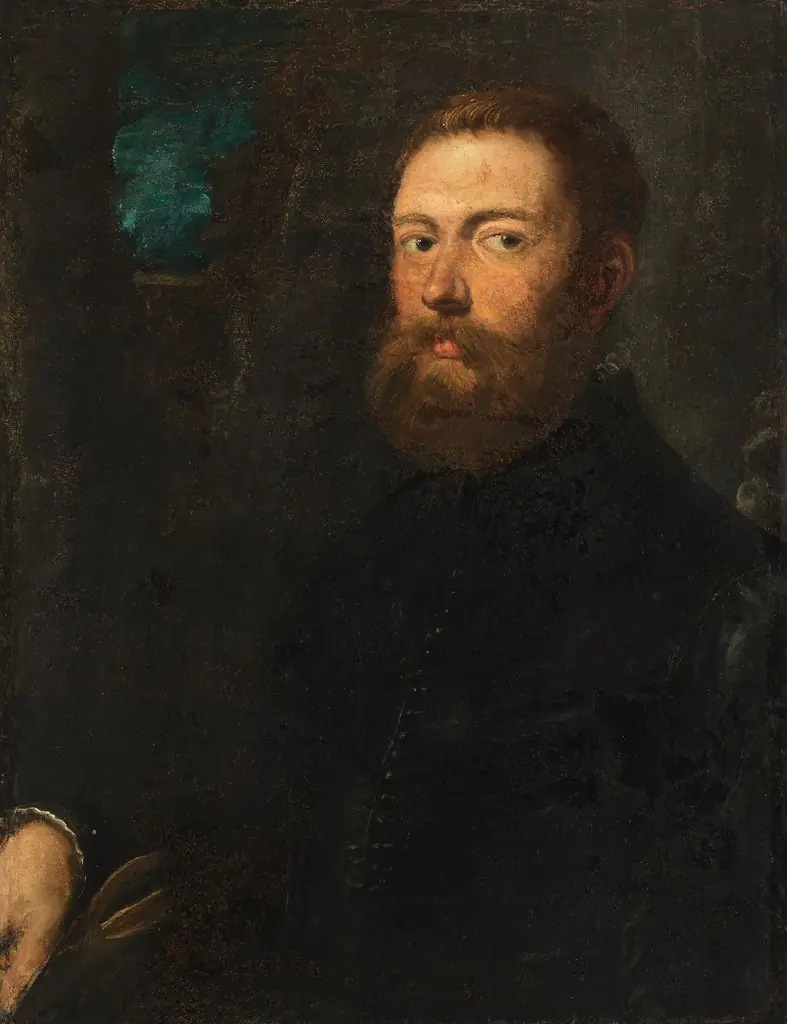 Bildnis eines Mannes
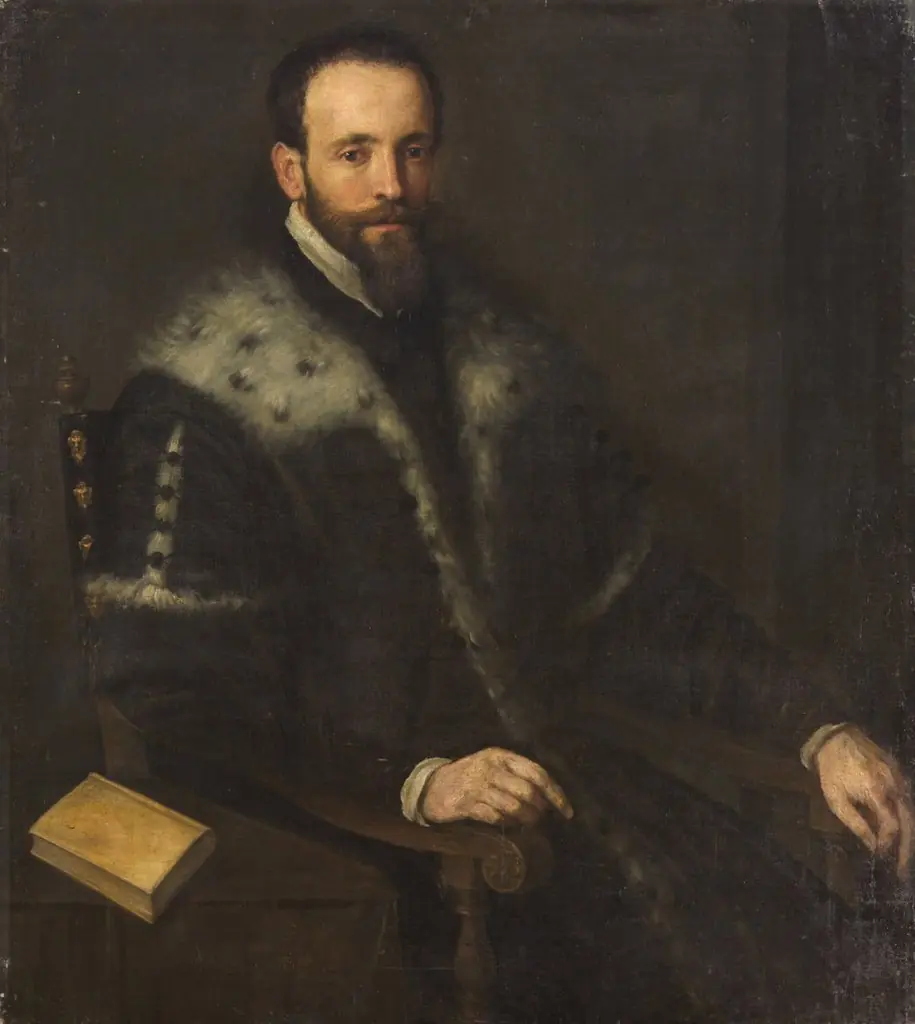 Bildnis eines Mannes im Lehnstuhl
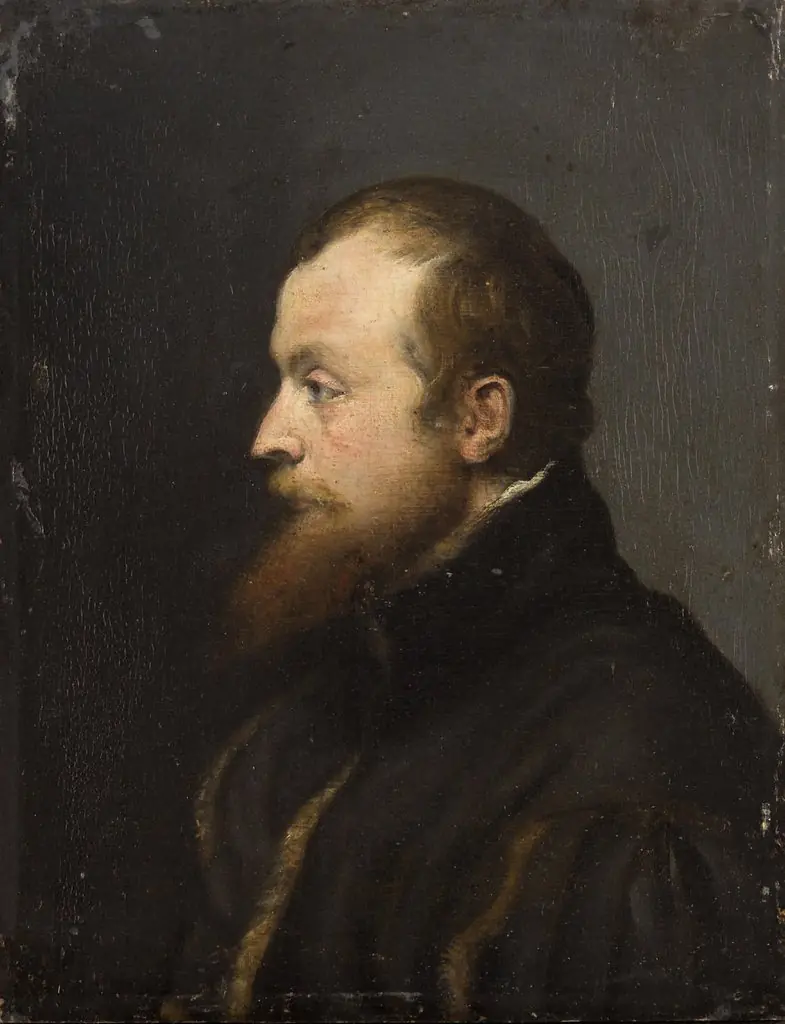 Portrait of a bearded man in profile
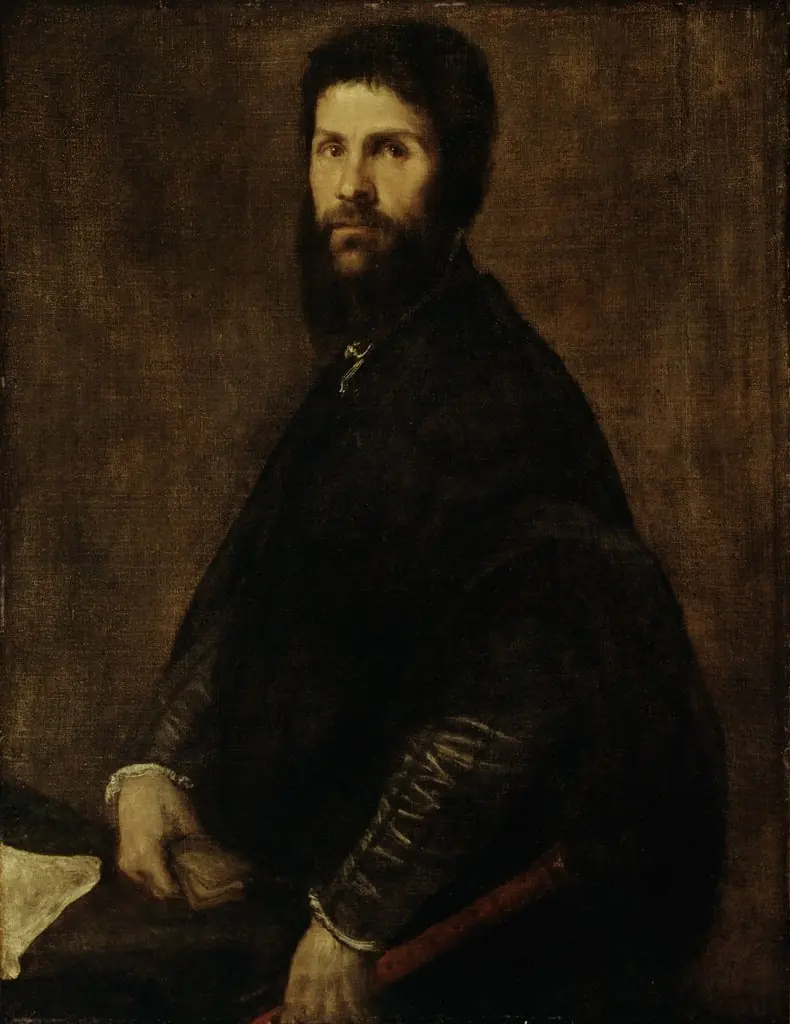 Man Holding a Flute
 A Venetian Patrician