Artwork
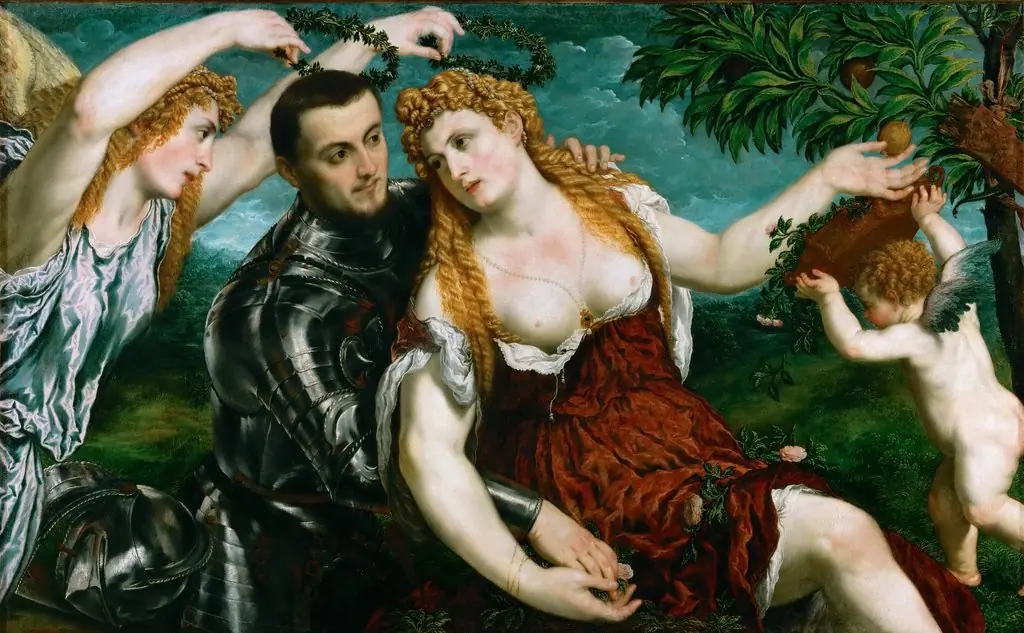
Mars, Venus and Cupid
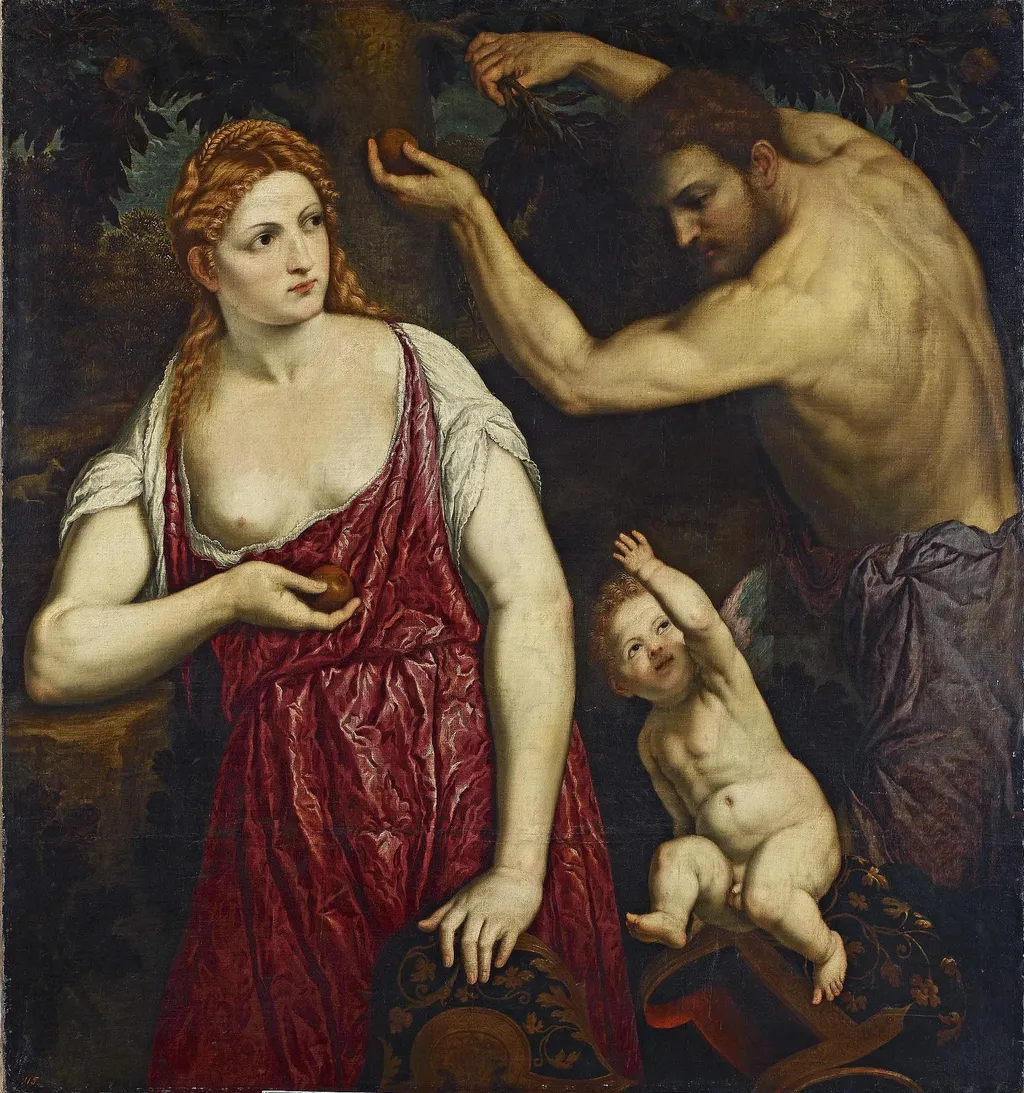
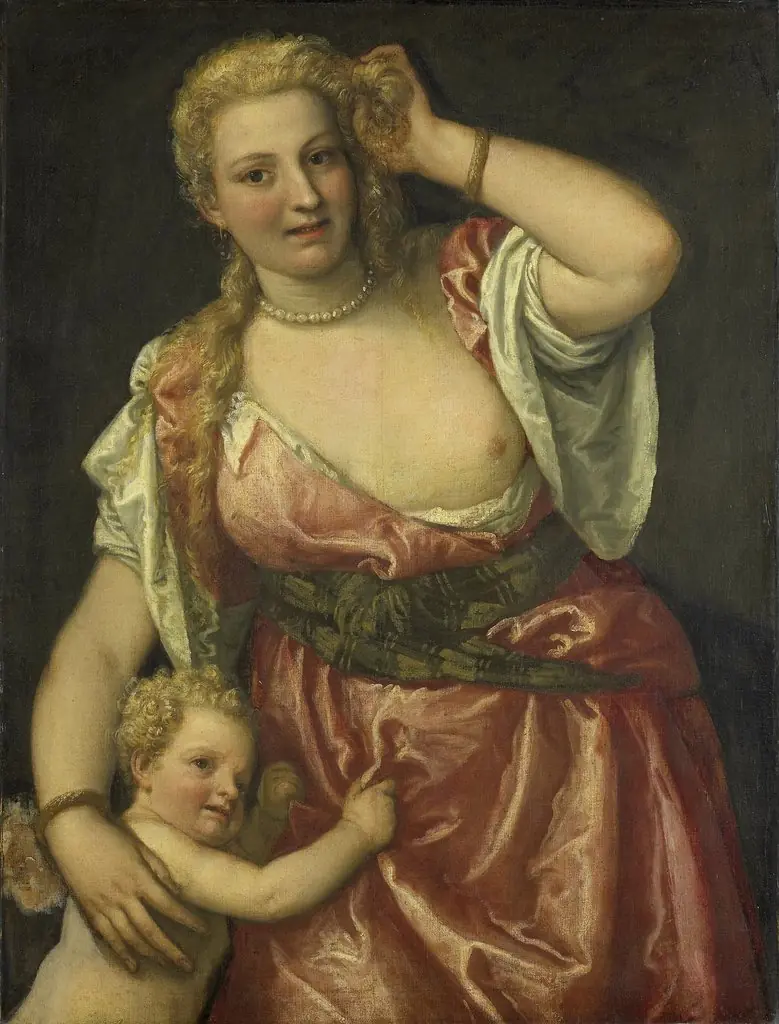
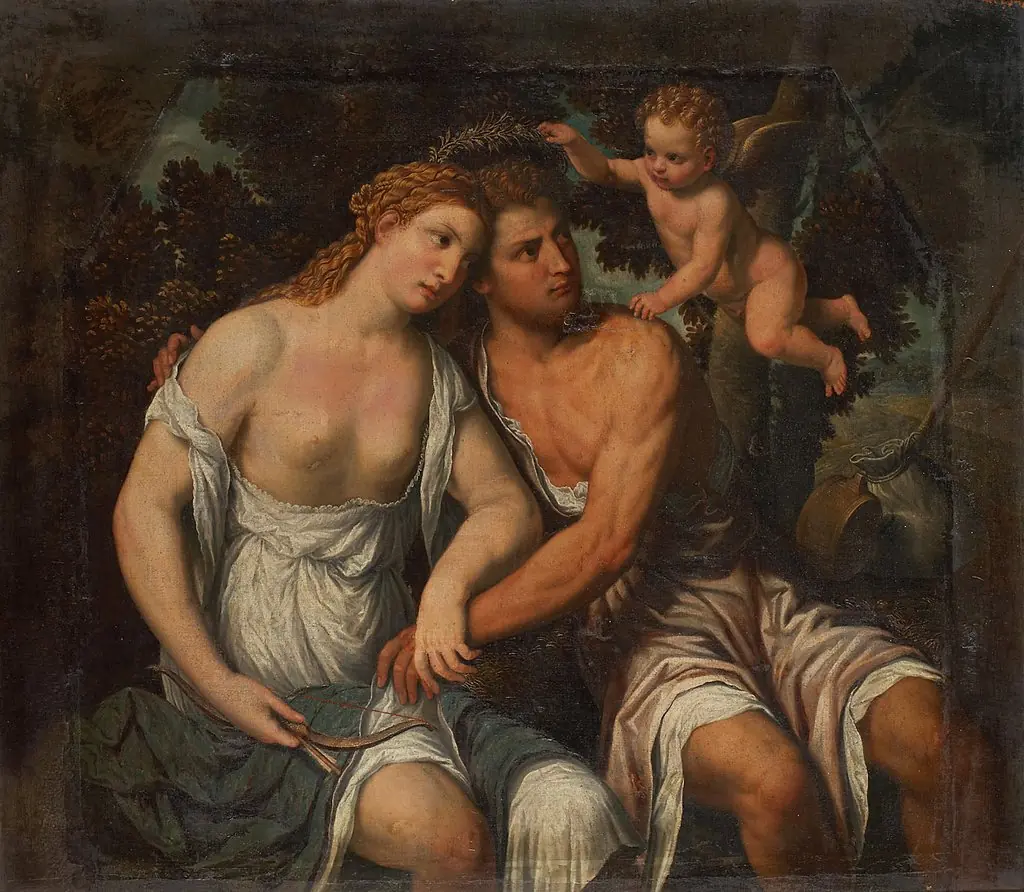
Mars, Venus and Cupid is an oil painting by the Mannerist artist Paris Bordone. It dates from 1550 and is held in the collection of the Hermitage Museum. Created around 1550, this oil-on-panel painting presents the Roman deities Mars and Venus together with their son Cupid.
About this work
Subject & Meaning
The painting's iconography follows established mythological conventions of the period, using these attributes to convey the interplay of desire and valor.
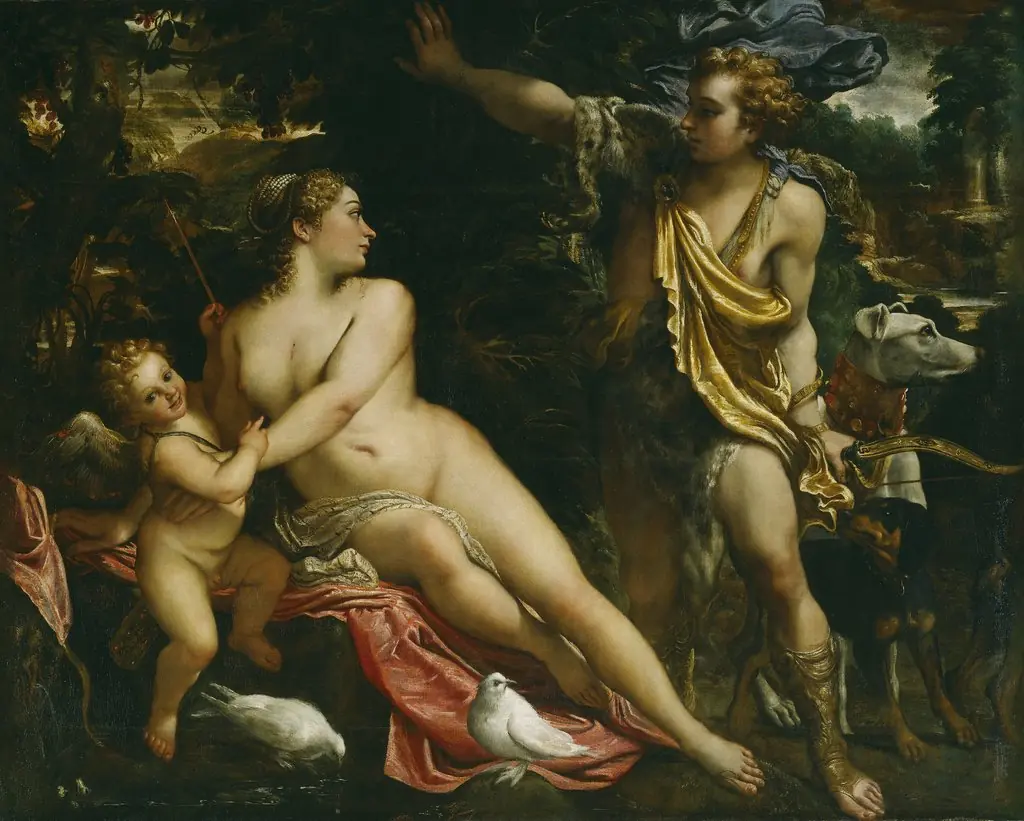
The composition portrays the Roman god of war embracing the goddess of love while a cherubic Cupid hovers nearby, a conventional allegory of martial passion intertwined with erotic desire in Renaissance mythology.
Visual symbols reinforce this meaning: Mars' armor and weaponry contrast with Venus' unarmed, sensuous nudity, while the boy's bow and arrow underscore the playful yet potent influence of love over even the mightiest warriors. The painting's iconography follows established mythological conventions of the period, using these attributes to convey the interplay of desire and valor.
The work belongs to the mythological painting genre popular in 16th-century Italy, reflecting contemporary humanist interest in classical narratives rendered in oil on canvas for elite domestic spaces.
Technique & Style
Mars, Venus and Cupid is an oil painting executed on canvas by Paris Bordone around 1550. The work measures 127.5 cm in height and 119 cm in width. As a mythological painting, it depicts the figures of Venus, Mars, and Cupid within a narrative scene characteristic of the artist's approach to classical themes.
The medium of oil paint on canvas allows for the rich coloration and detail typical of Venetian painting from this period.
History & Provenance
The painting Mars, Venus and Cupid was executed in 1550 in Italy and is an oil on canvas mythological work depicting the gods Venus, Mars and Cupid. It entered the collection of the Hermitage Museum, where it remains on display, and was previously owned by other collectors before its acquisition by the museum. The composition follows the tradition of Renaissance mythological painting and reflects Bordone's mature style during the mid-sixteenth century.
The painting Mars, Venus and Cupid by Paris Bordone is held in the Hermitage Museum collection under its inventory number. It was created in 1550 in Italy and is classified as a mythological oil painting on canvas. The work has been part of exhibitions at the Hermitage Museum, including displays of mythological paintings.
Overview
Created around 1550, this oil-on-panel painting presents the Roman deities Mars and Venus together with their son Cupid. Executed by Paris Bordone, a pupil of Titian, the work exemplifies his mature period, marked by intricate, decorative groupings. The composition is now part of the collection of the State Hermitage Museum in St. Petersburg.
Own this work as a print
Artist & collection

Artist
Paris Bordone (Paris Paschalinus Bordone; 5 July 1500 – 19 January 1571) was an Italian painter of the Venetian Renaissance who, despite training with Titian, maintained a strand of Mannerist complexity and provincial vigor.