Artwork
Portrait of a Bearded Man
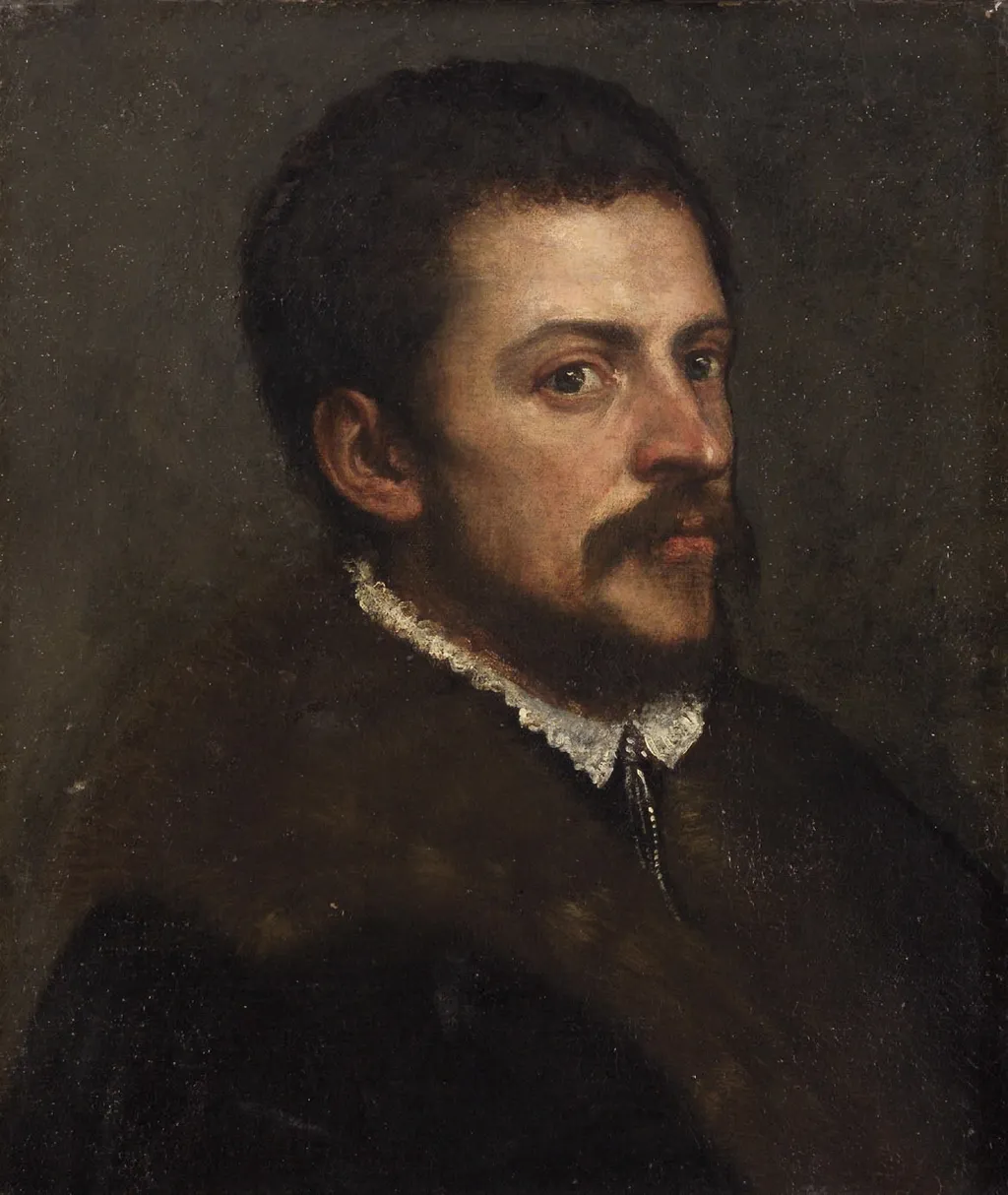
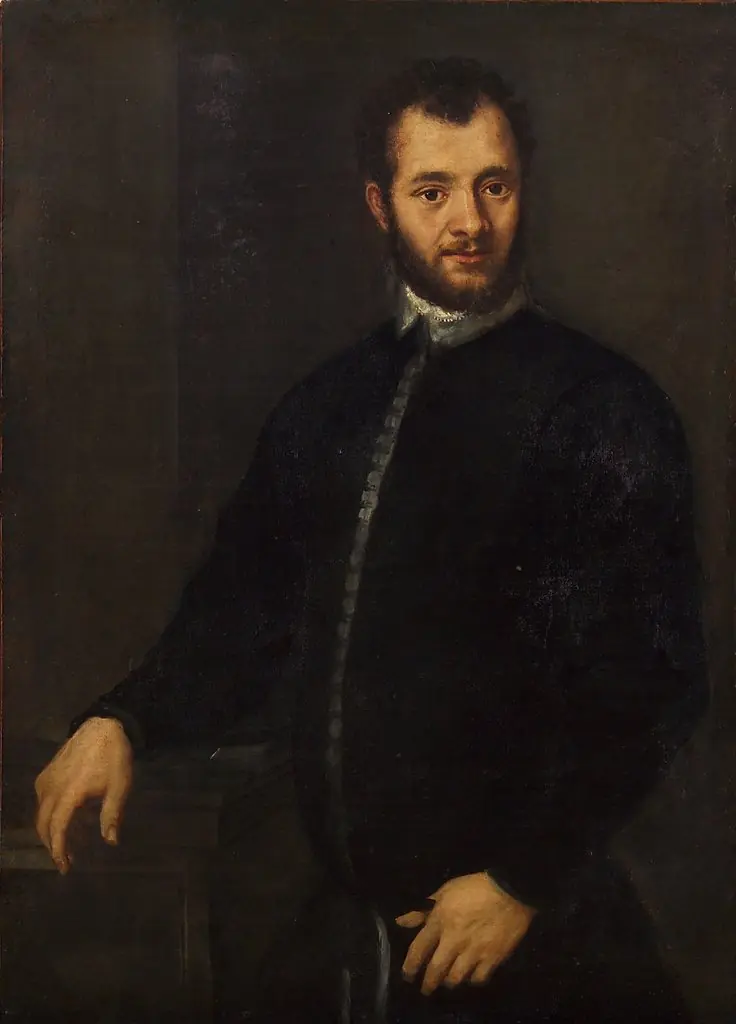
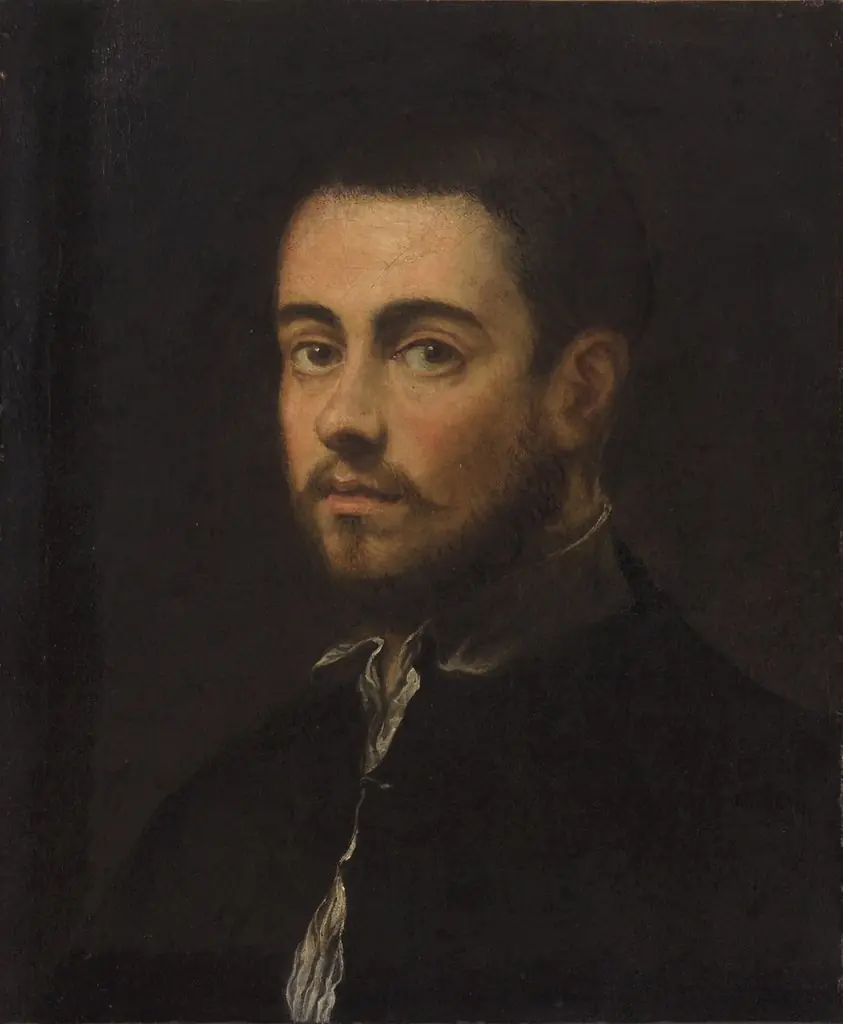
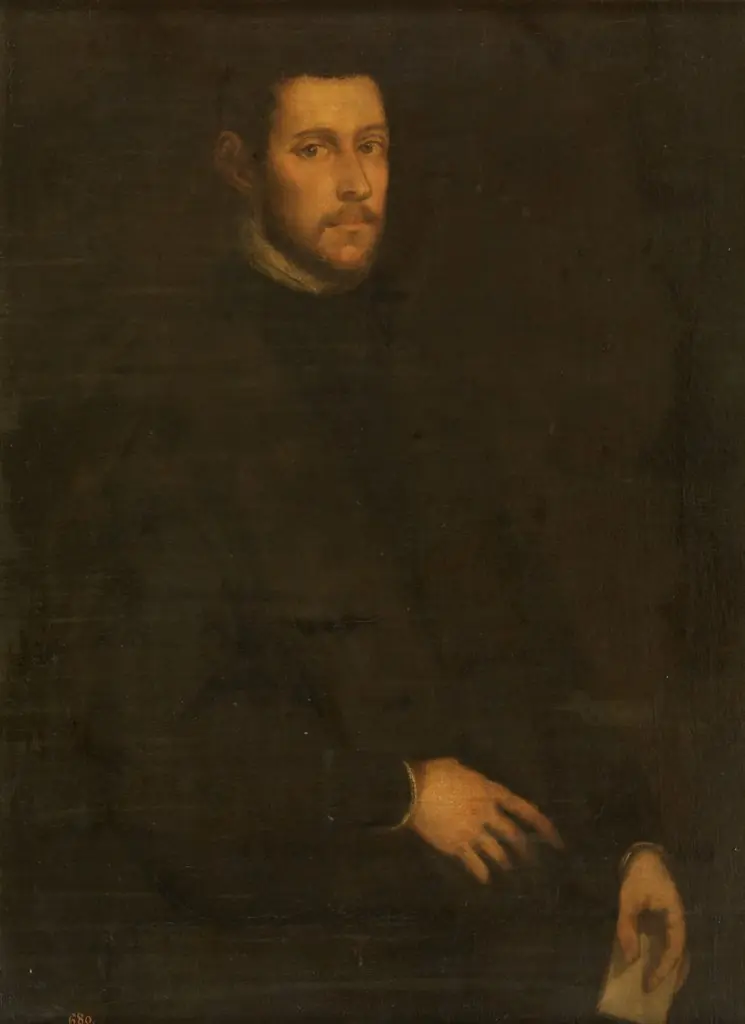
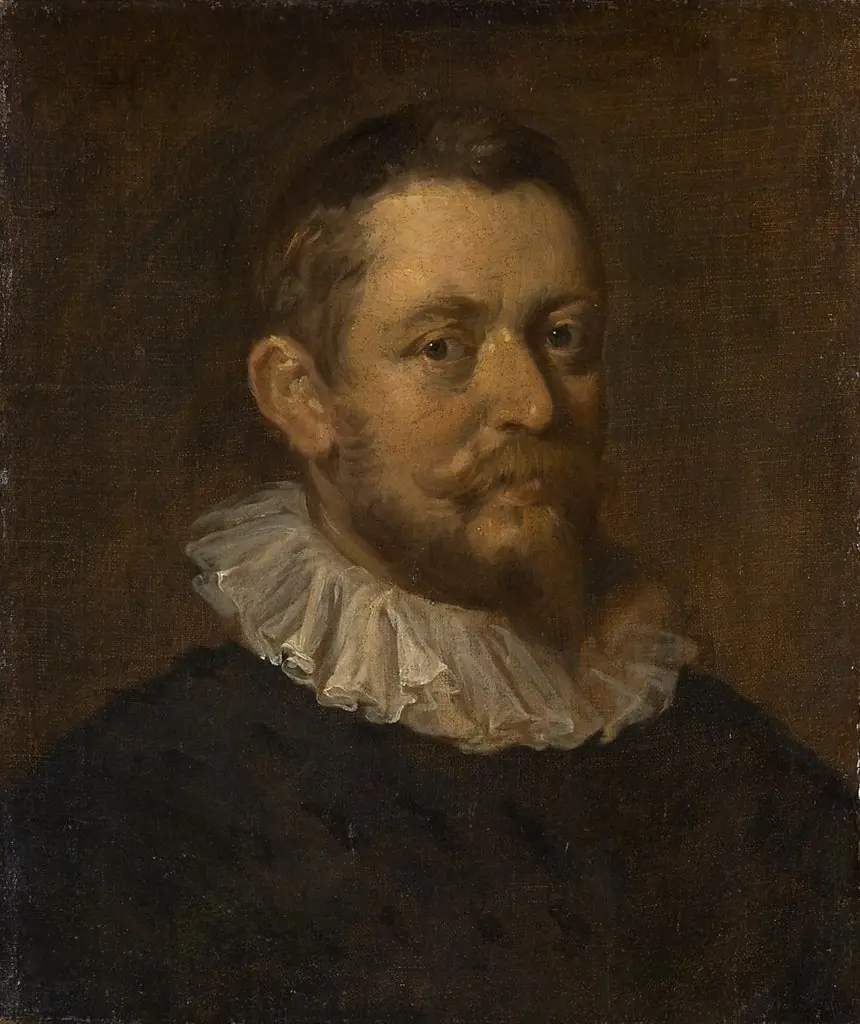
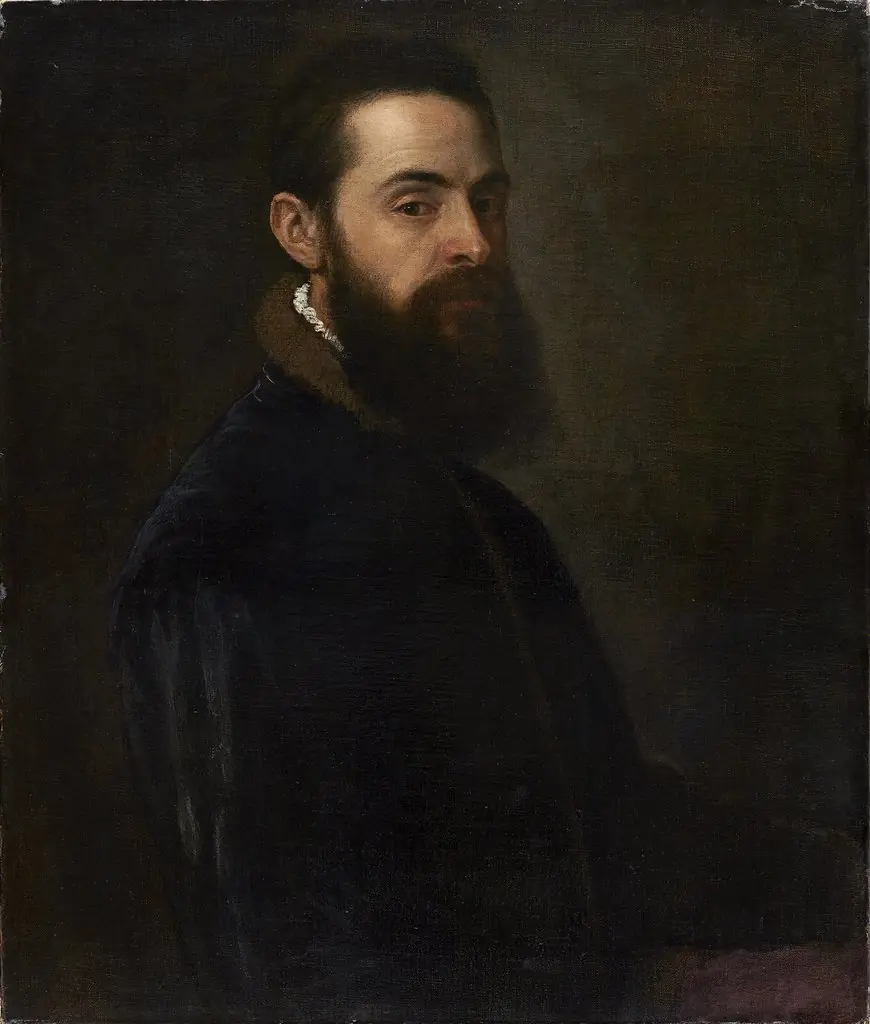
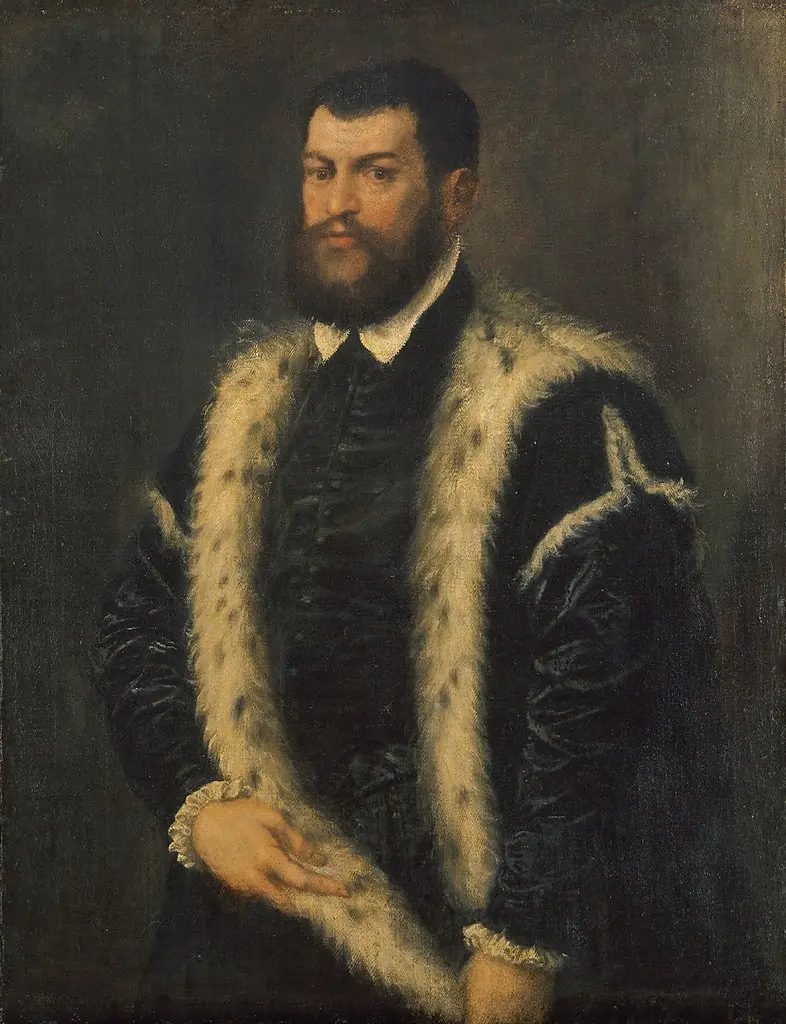
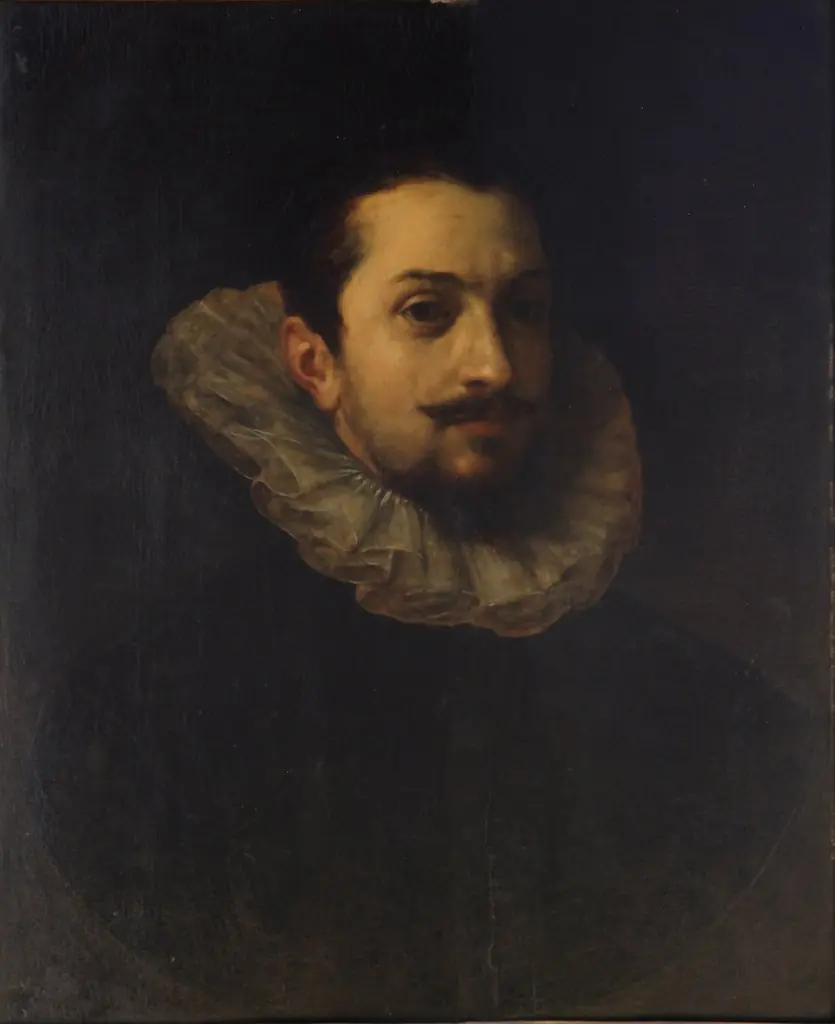
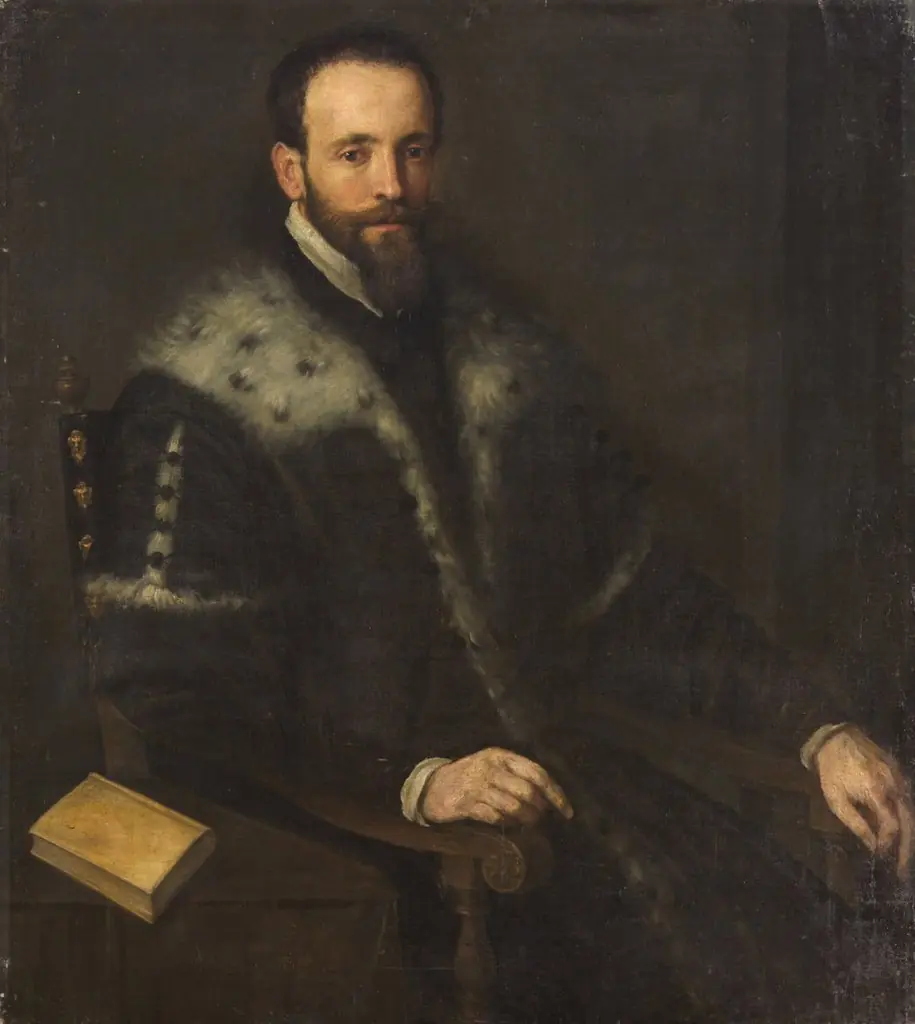
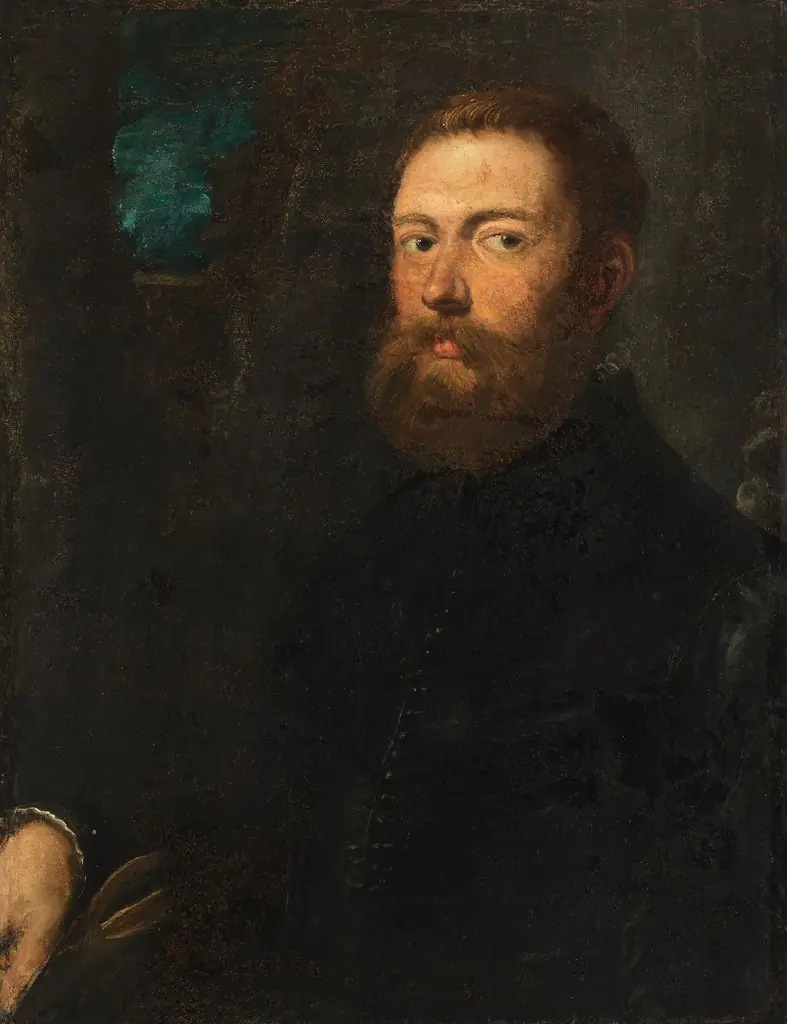
Portrait of a Bearded Man is an oil painting by the Mannerist artist Titian. It dates from 1560 and is held in the collection of the Kunsthistorisches Museum.
About this work
Subject & Meaning
The work functions as a straightforward likeness that reflects status and individual identity within the Venetian portrait tradition.
The painting shows a middle-aged man with a full beard, rendered in oil on canvas. Titian’s portrait conveys a dignified presence through careful modeling of facial features and clothing, emphasizing authority without overt allegorical symbols. The work functions as a straightforward likeness that reflects status and individual identity within the Venetian portrait tradition.
The sitter’s beard and direct gaze serve as visual markers of maturity and self‑assurance, reinforcing the portrait’s focus on personal presence rather than narrative allegory. This representation aligns with the conventions of 16th‑century Venetian portraiture, where the sitter’s identity is communicated through realistic detail and subtle psychological nuance.
The artwork originates from the collection of Archduke Leopold Wilhelm of Austria and is presently housed in the Kunsthistorisches Museum, underscoring its provenance within European noble collections.
Technique & Style
The Portrait of a Bearded Man (1560) is executed in oil paint on canvas, a characteristic medium and support for Venetian portraiture of the period. Titian’s handling is marked by fluid, layered brushwork, allowing subtle transitions in tone and texture, particularly evident in the rendering of the sitter’s beard and flesh. The palette relies on muted earth tones punctuated by deep shadows, creating a volumetric effect through chiaroscuro.
The composition is tightly cropped, focusing on the sitter’s head and shoulders, a format that emphasizes psychological presence over decorative elaboration.
Condition reports from the Kunsthistorisches Museum indicate the painting has undergone conservation, though specific details of restoration remain undocumented in the sources. Stylistically, the work aligns with Titian’s late portraiture, where loose, expressive strokes convey both physical likeness and introspective character.
History & Provenance
Created in 1560, this oil painting on canvas is attributed to Titian and depicts a bearded man. The work entered the collection of Archduke Leopold Wilhelm of Austria, establishing its early provenance within the Habsburg holdings. It subsequently became part of the Kunsthistorisches Museum in Vienna, where it remains today.
While some internal records simply list Titian as the artist, other descriptions note the piece as being attributed to an unknown Venetian painter, reflecting scholarly discussion regarding its specific authorship.
The Portrait of a Bearded Man is held in the collection of the Kunsthistorisches Museum in Vienna. The work is cataloged under the inventory number GG_315 and is attributed to an unknown Venetian painter, though it is also associated with Titian. The painting was previously owned by Archduke Leopold Wilhelm of Austria before entering the museum's holdings. No specific exhibition history is recorded in the available sources.
Context
Titian painted Portrait of a Bearded Man in 1560, an oil on canvas work now housed in the Kunsthistorisches Museum in Vienna. The attribution to the Venetian master remained largely uncontested in scholarly literature, though early catalogues occasionally noted uncertainty regarding the sitter’s identity. The painting entered the collection of Archduke Leopold Wilhelm of Austria, later becoming part of the museum’s permanent holdings, which helped cement its status within the corpus of Titian’s late portraiture.
Its compositional emphasis on texture and psychological depth contributed to ongoing discussions about the evolution of Venetian portraiture in the sixteenth century.
Legacy
Portrait of a Bearded Man, painted by Titian around 1560, exemplifies the mature Venetian portrait style with its psychological depth and masterful handling of light on fabric and flesh. The work entered the collection of Archduke Leopold Wilhelm of Austria and remains in the Kunsthistorisches Museum, influencing later portraitists through its understated realism and compositional balance. Its attribution to Titian, confirmed by museum holdings and scholarly catalogues, solidified his reputation as a pioneer of aristocratic portraiture in the late Renaissance.
Overview
Created around 1560, the oil painting known as Portrait of a Bearded Man is attributed to the Venetian artist Titian. It is part of the collection of the Kunsthistorisches Museum in Vienna and exemplifies the mannerist tendencies that marked the later phase of the Italian Renaissance. The work presents a solitary male sitter rendered with careful attention to colour and form.
Artist & collection
Artist
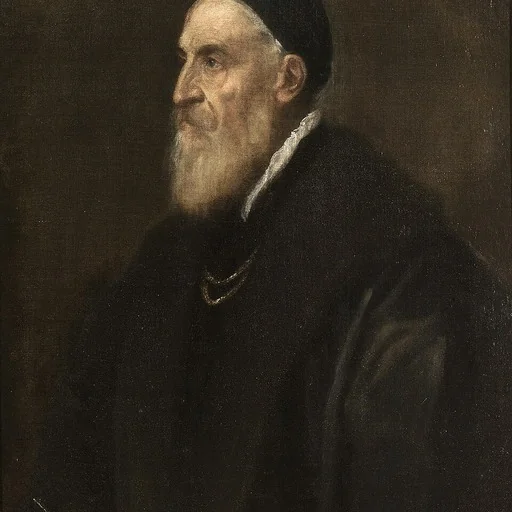
Tiziano Vecellio (Italian:; c. 1488/1490 – 27 August 1576), Latinized as Titianus, hence known in English as Titian ( TISH-ən), was an Italian Renaissance painter. The most important artist of Renaissance Venetian…