Artwork
The Vase of Tulips
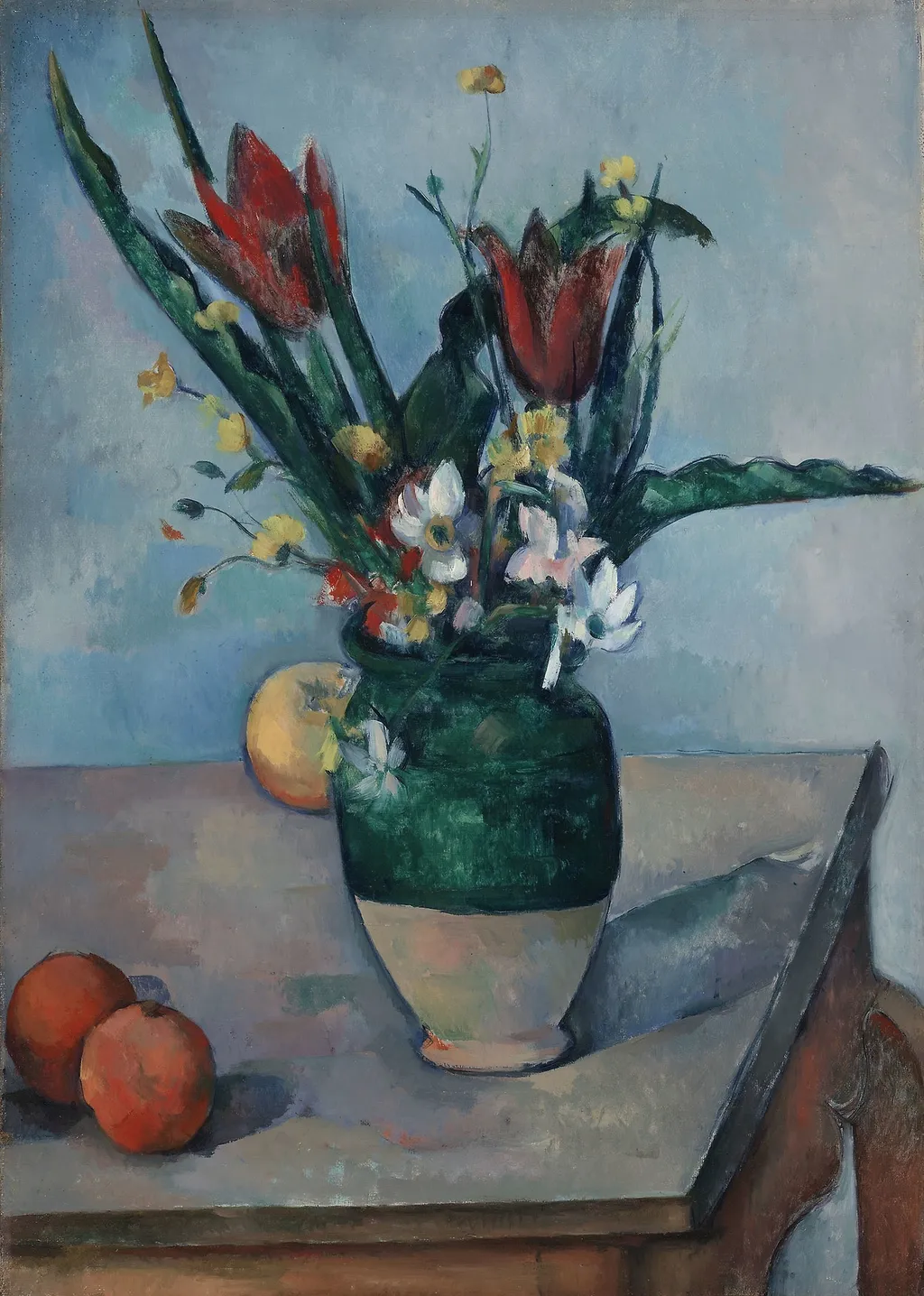
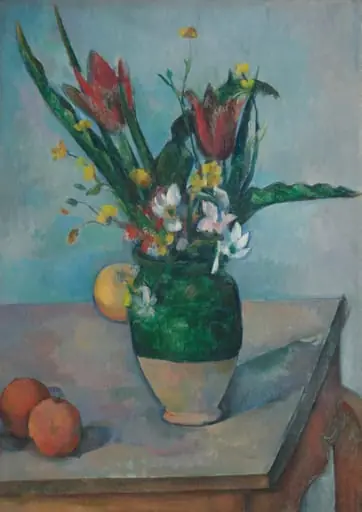
The Vase of Tulips is an oil painting by the Post-Impressionist artist Paul Cézanne. It dates from 1896 and is held in the collection of the Art Institute of Chicago.
About this work
Overview
Unlike the transient light effects of Impressionism, Cézanne sought to convey enduring spatial relationships through deliberate brushwork and color modulation.
Painted in 1896, The Vase of Tulips is a still life by Paul Cézanne that reflects his evolving approach to form and structure. Unlike the transient light effects of Impressionism, Cézanne sought to convey enduring spatial relationships through deliberate brushwork and color modulation. The composition centers on a vase of tulips flanked by two apples, arranged with quiet symmetry on a tabletop, suggesting a contemplative engagement with ordinary objects.
Subject & Meaning
The painting presents a modest arrangement of flowers and fruit, devoid of narrative or symbolism. The tulips, some with fallen petals, and the apples suggest the quiet passage of time and the fragility of natural forms. Cézanne’s focus on these humble elements reflects his interest in the intrinsic presence of objects, treating them as vessels for structural inquiry rather than decorative subjects.
Technique & Style
Cézanne applied oil paint with distinct, directional brushstrokes that build form through color planes rather than linear definition. The vase, rendered in dark green with a white base, anchors the composition, while the tulips and apples are modeled in layered hues of red and green. The background’s muted blue-gray recedes softly, enhancing the sense of depth without perspective tricks, emphasizing the painting’s tactile, architectural quality.
History & Provenance
Created during Cézanne’s mature period, the painting remained in private hands until it entered the Art Institute of Chicago’s collection. Its documented history aligns with other late still lifes from the 1890s, when Cézanne increasingly turned to repetitive subjects to refine his structural investigations. The work has been consistently exhibited as part of his pivotal contributions to modern painting.
Context
In the 1890s, Cézanne distanced himself from Impressionist spontaneity, seeking to reconcile observation with geometric order. The Vase of Tulips emerged alongside other still lifes that challenged traditional representation, influencing later movements like Cubism. His method, building form through color relationships rather than chiaroscuro, offered a new visual language for modern artists seeking permanence over fleeting impressions.
Legacy
The painting exemplifies Cézanne’s role in shifting modern art from sensory immediacy to structural analysis. His treatment of everyday objects as compositional elements paved the way for Picasso and Braque’s explorations of form. The Vase of Tulips remains a quiet but significant testament to his belief that painting could reveal the underlying architecture of the visible world.
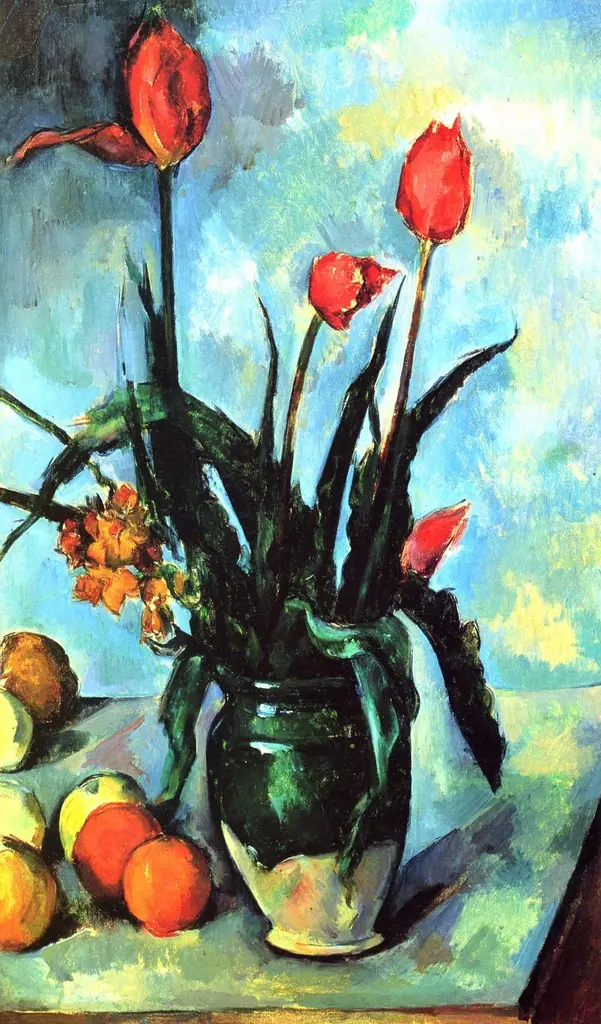
Own this work as a print
Artist & collection

Artist
Paul Cézanne ( say-ZAN, UK also siz-AN, US also say-ZAHN; French: ; Occitan: Pau Cesana; 19 January 1839 – 22 October 1906) was a French Post-Impressionist painter whose work introduced new modes of representation,…

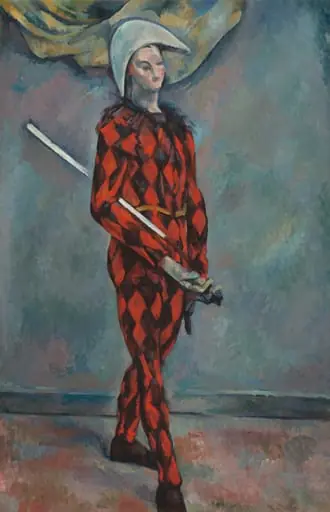 Harlequin
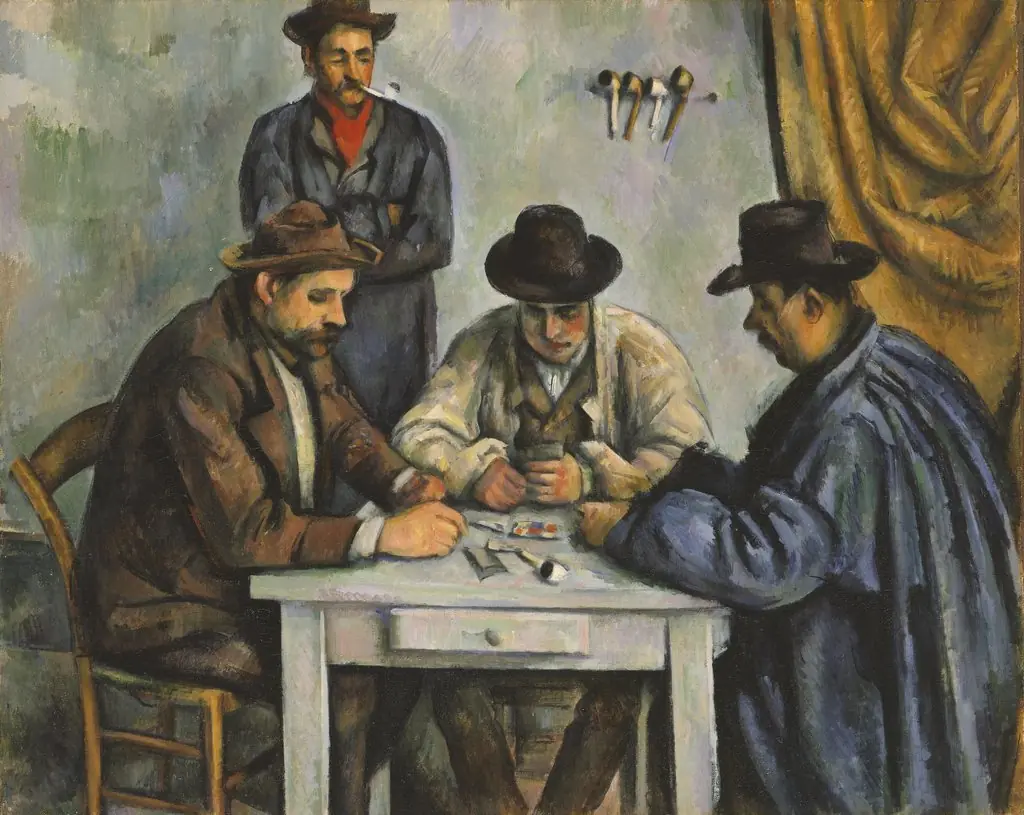 The Card Players
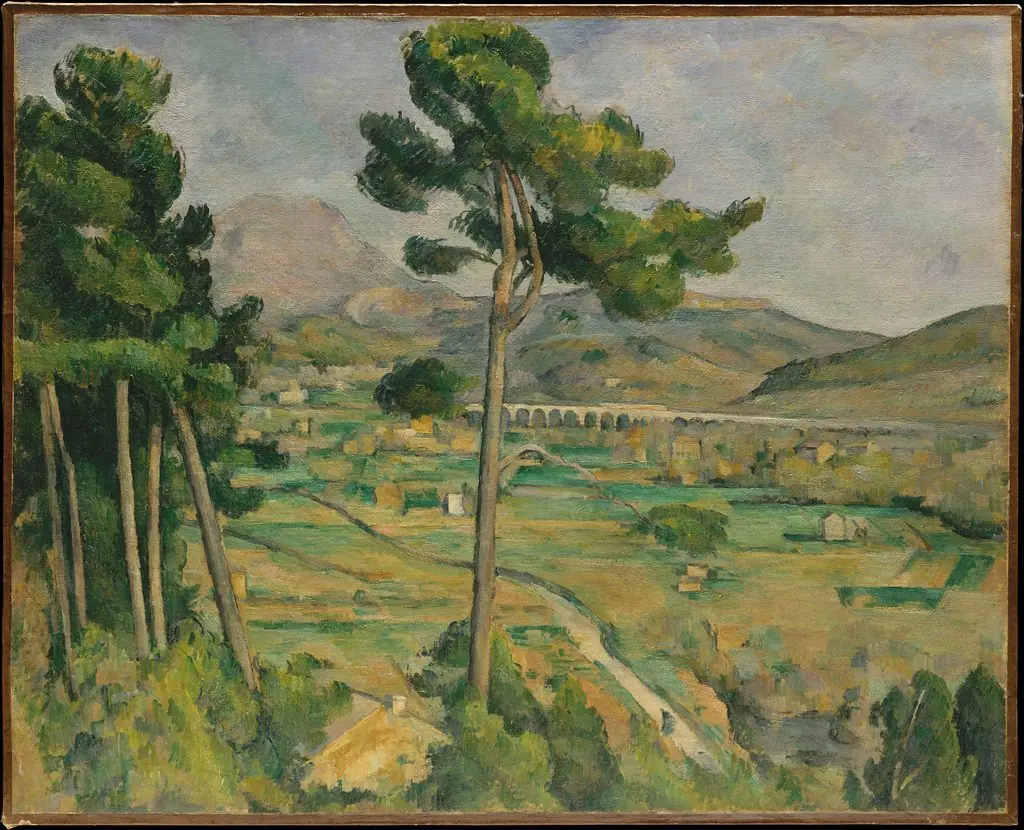 Mont Sainte-Victoire and the Viaduct of the Arc River Valley
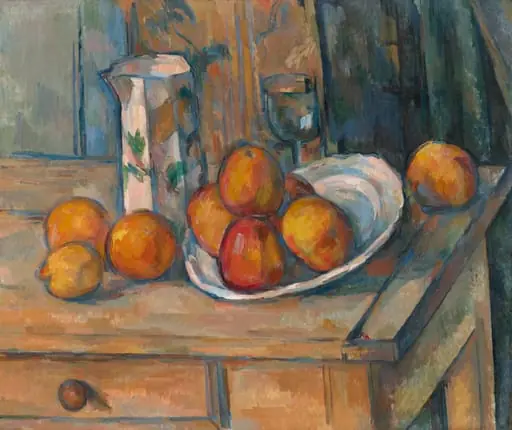 Still Life with Milk Jug and Fruit
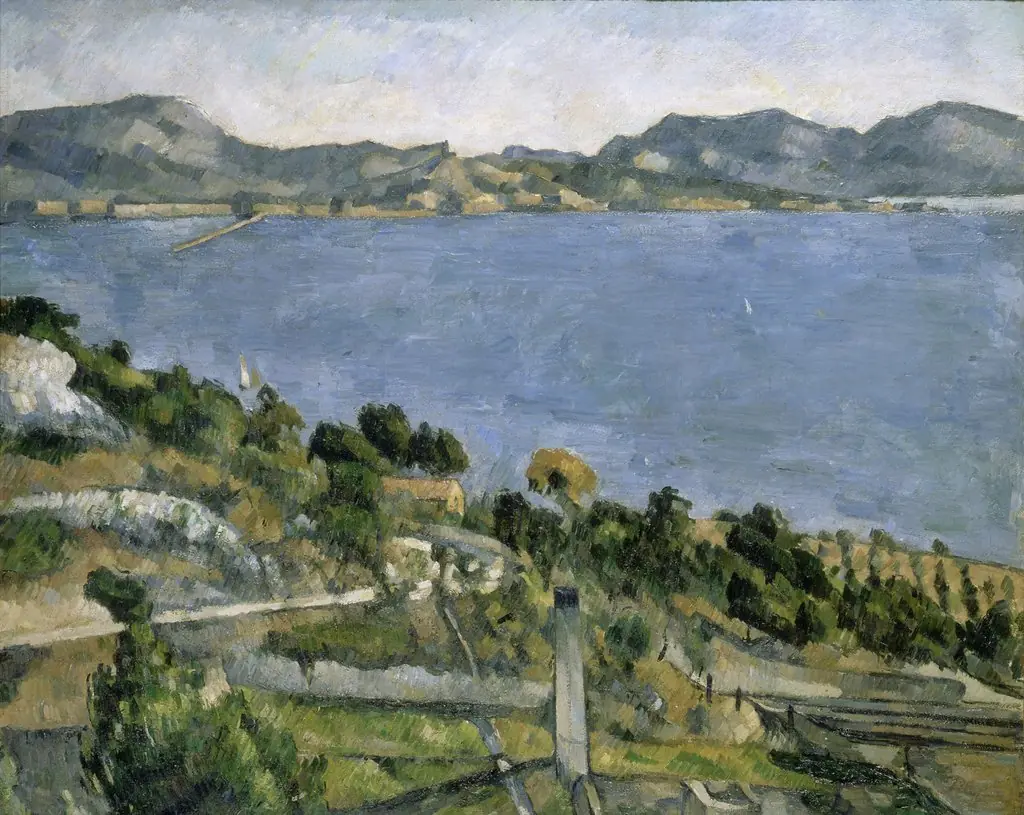 Le Golfe de Marseille vu de l'Estaque (The Gulf of Marseille Seen from L'Estaque)
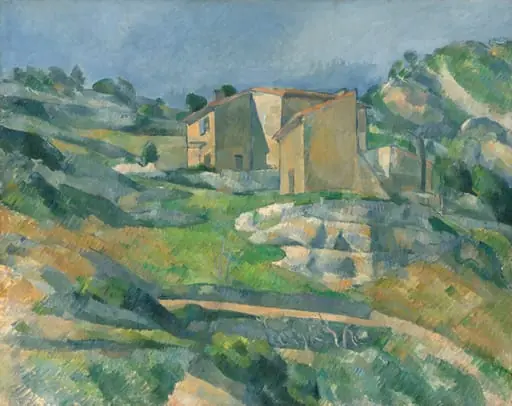 Houses in Provence: The Riaux Valley near L'Estaque
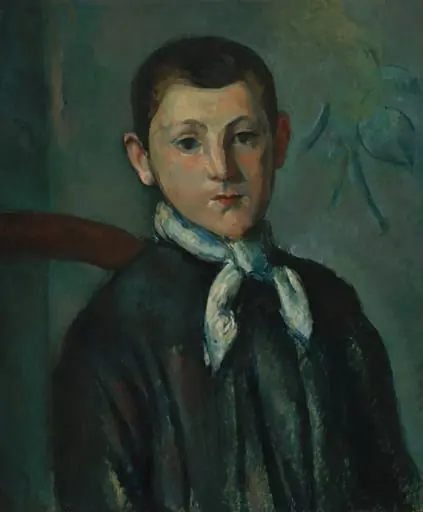 Louis Guillaume
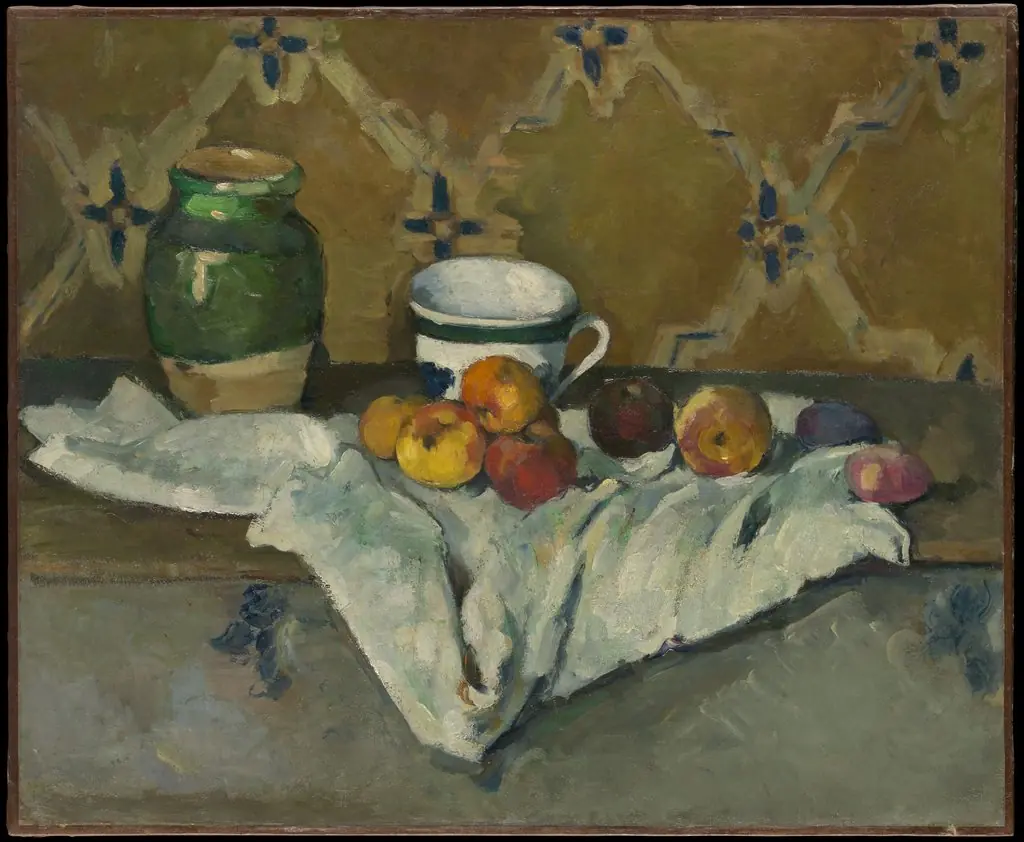 Still Life with Jar, Cup, and Apples
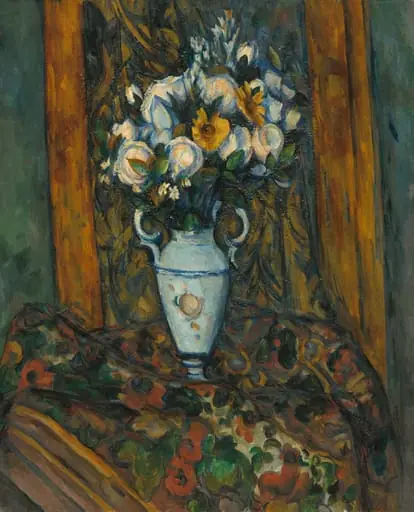 Vase of Flowers
 The Vase of Tulips
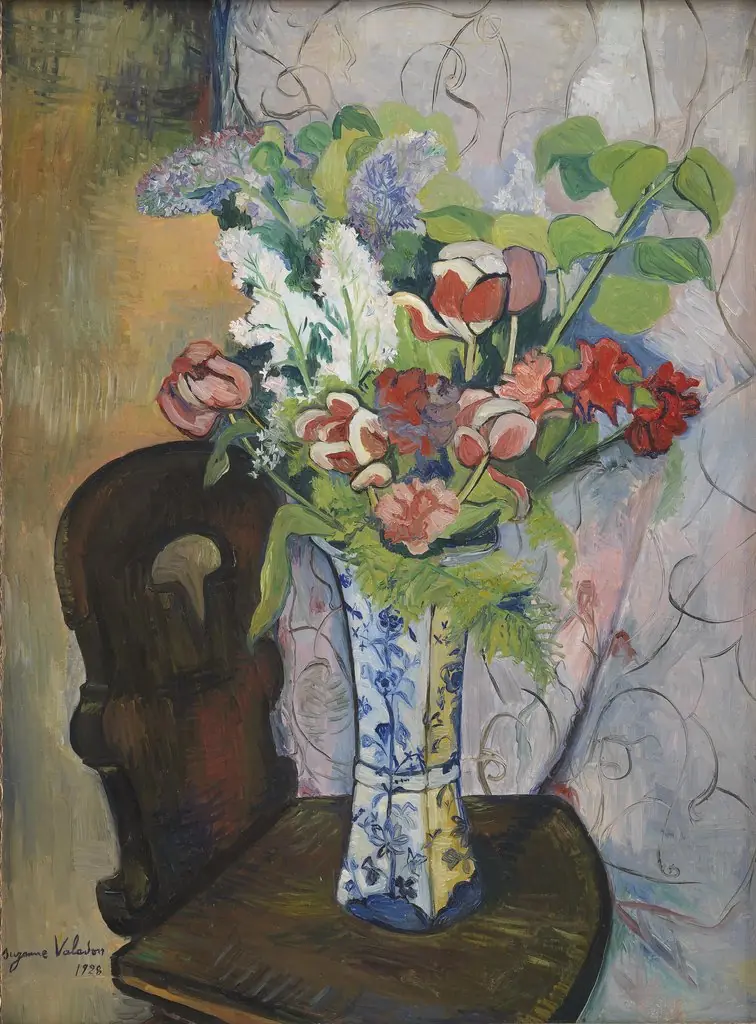 Spring Flowers
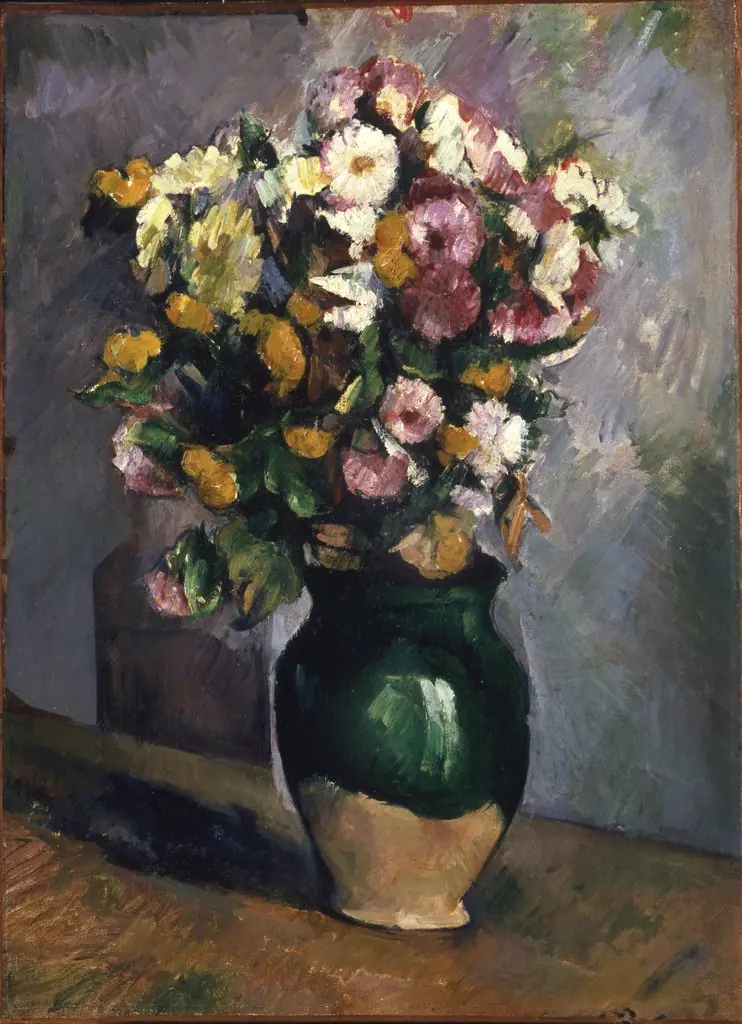 Still Life with Flowers in an Olive Jar
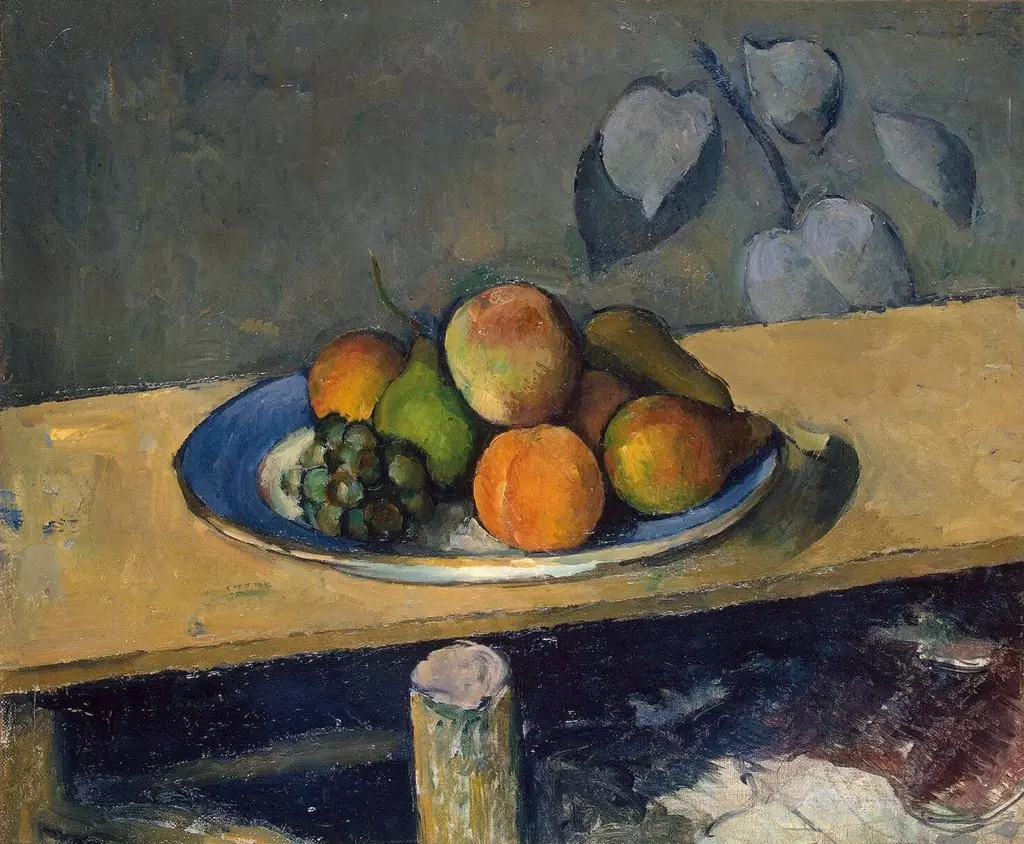 Apples, Peaches, Pears and Grapes
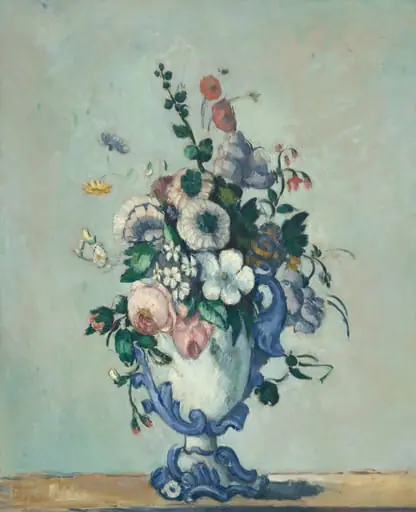 Flowers in a Rococo Vase
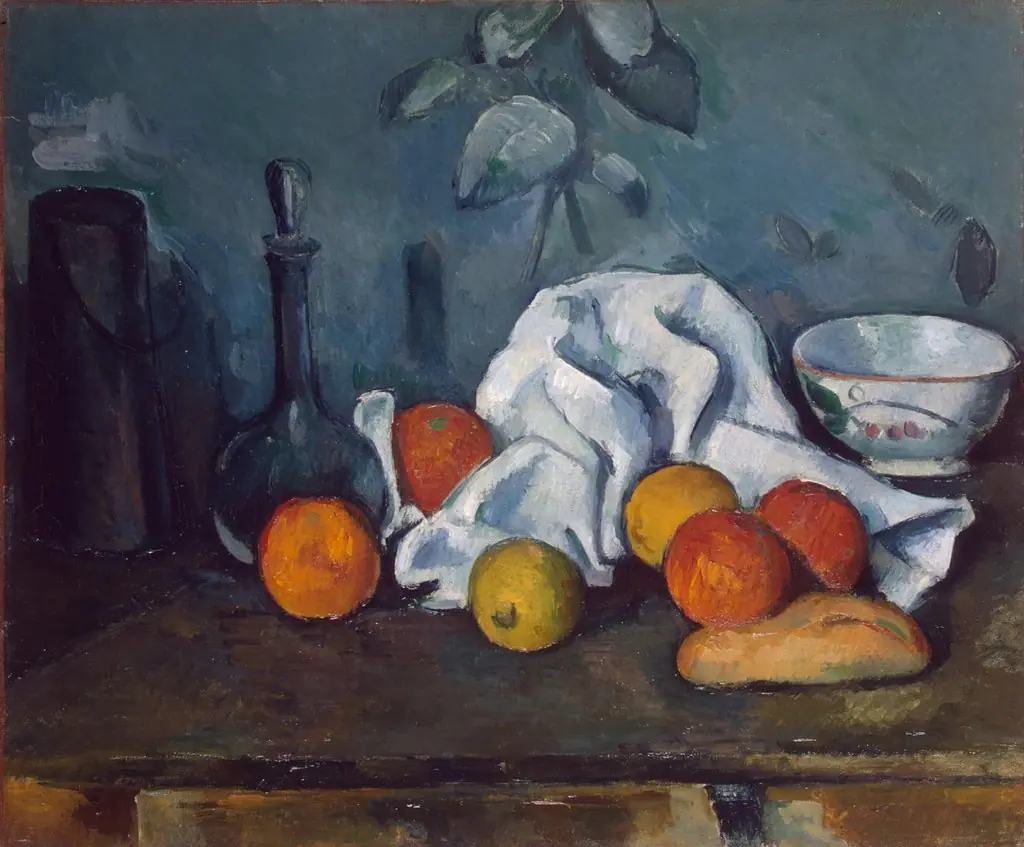 Boîte à lait, carafe et bol
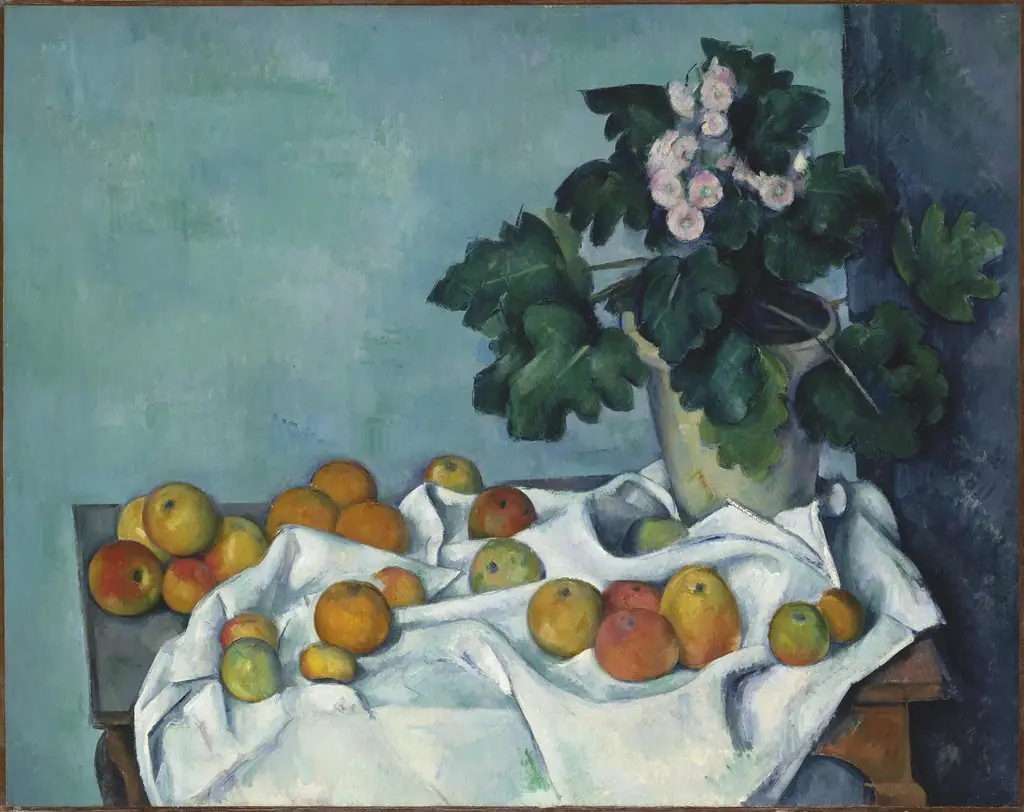 Still Life with Apples and a Pot of Primroses
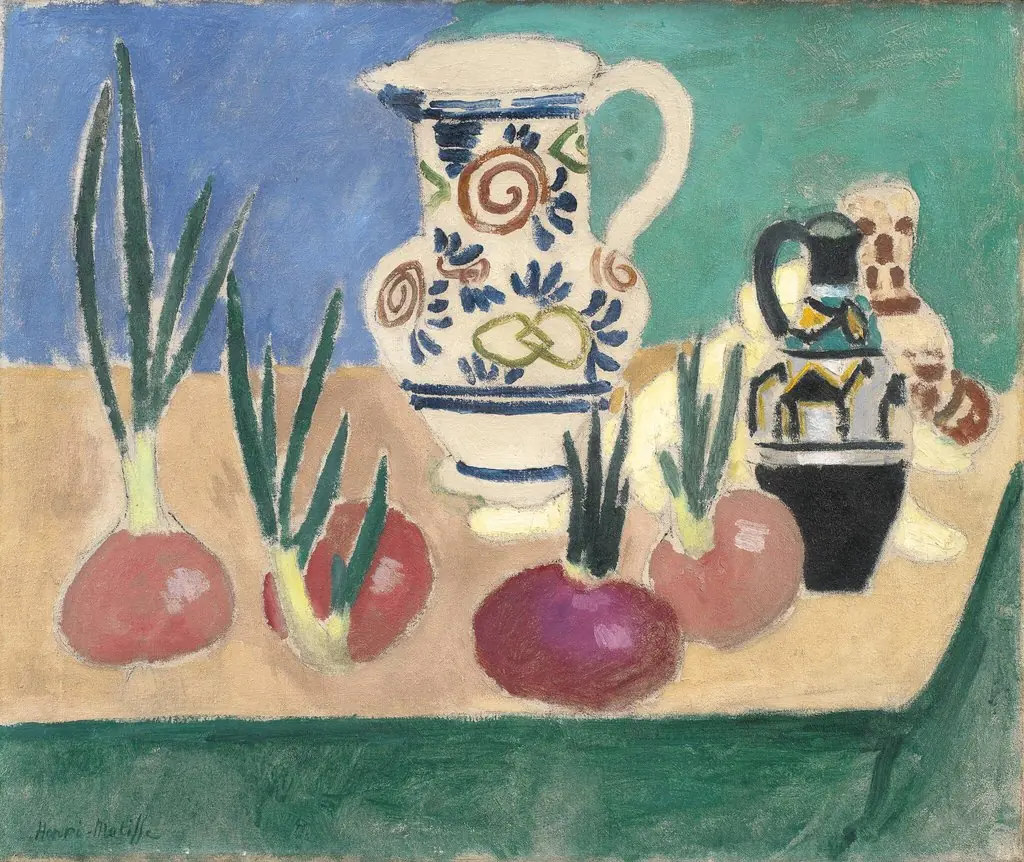 Pink Onions
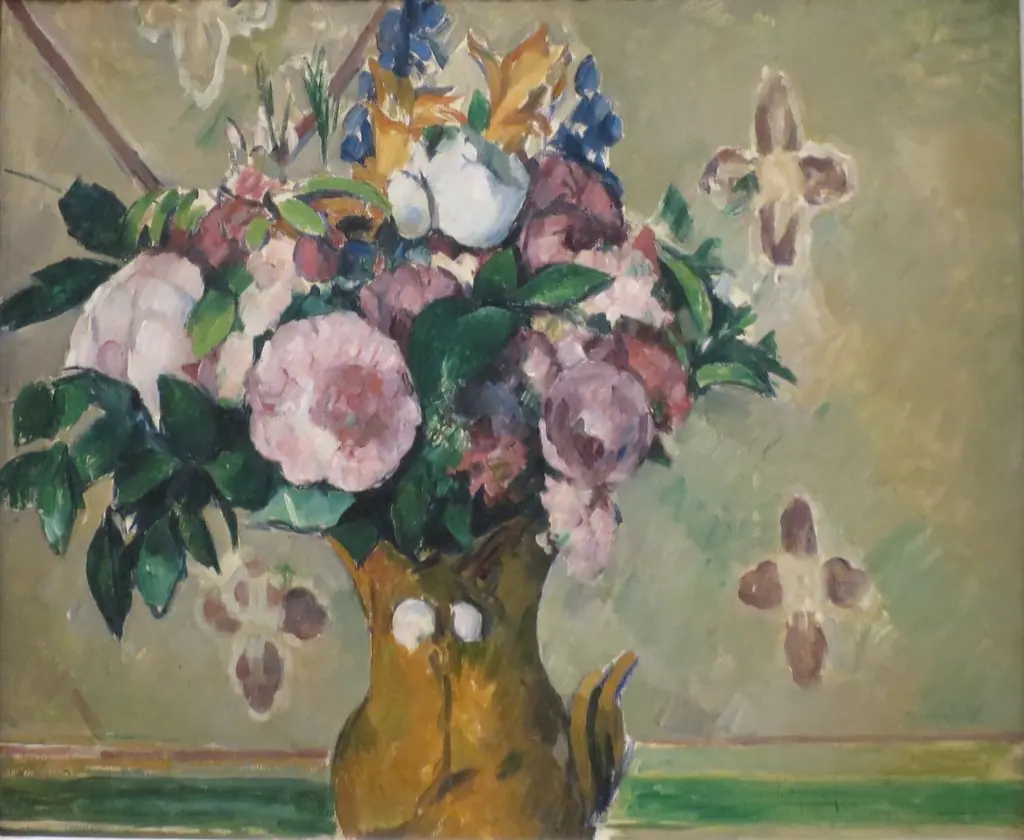 Fleurs dans un vase rouge
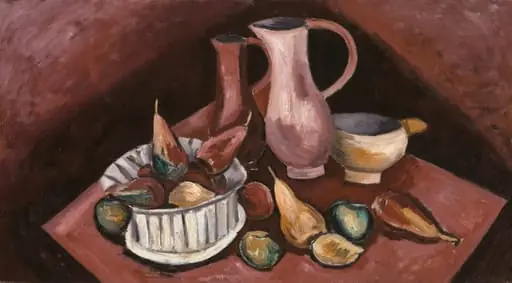 Still Life No. 3
- Le Vase de tulipes (Tulipes in a Vase)