Artwork
Pharao's daughter discovers Moses in the rush basket
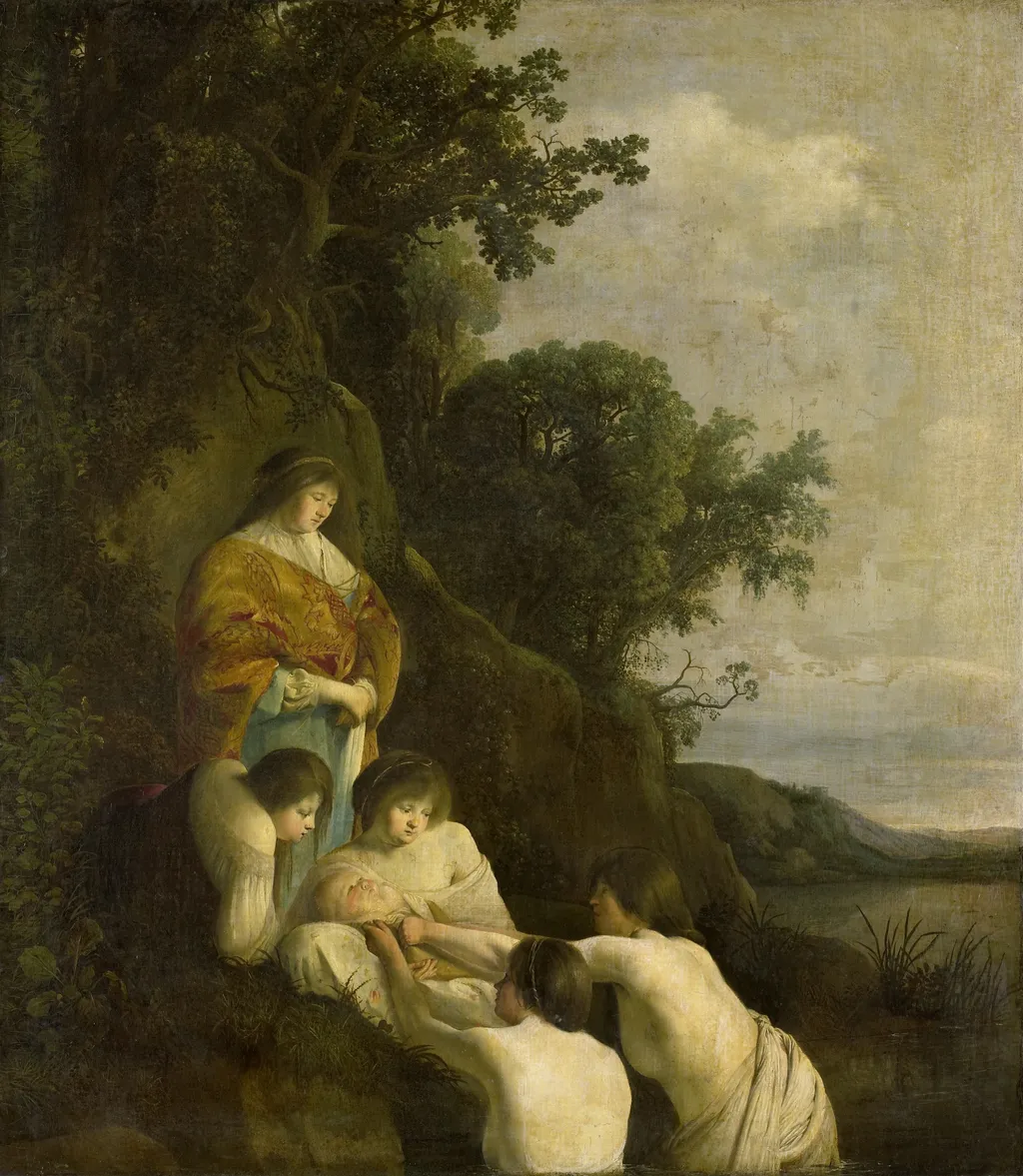
Pharao's daughter discovers Moses in the rush basket is an oil painting by the Early Baroque Italian artist Paulus Bor. It dates from 1635 and is held in the collection of the Rijksmuseum.
About this work
Subject & Meaning
The presence of attendants emphasizes the social hierarchy, yet their shared gaze upon Moses foreshadows the future subversion of Pharaonic authority.
The painting depicts the biblical episode in which Pharaoh’s daughter discovers the infant Moses hidden in a basket among the reeds of the Nile, a moment drawn from Exodus 2:5–6. Bor’s composition centers on the princess and her attendants gathered at the riverbank, with one servant pointing to the basket while another retrieves the child. The rush basket itself is rendered in modest detail, floating amid aquatic plants that signal both danger and providence, underscoring the narrative’s tension between mortal power and divine intervention.
Symbolically, the scene conveys themes of salvation, destiny, and the reversal of power structures: the future liberator of Israel is rescued by those who represent the very regime that will later oppress his people. The presence of attendants emphasizes the social hierarchy, yet their shared gaze upon Moses foreshadows the future subversion of Pharaonic authority.
Technique & Style
Paulus Bor’s 1635 canvas employs oil paint on a linen support, with the paint handled in smooth, blended layers typical of Dutch classicism of the period. The composition is organized around a central grouping of Pharaoh’s daughter and her attendants, rendered with restrained modeling and clear, even lighting to emphasize the scene’s narrative clarity. The figures occupy a shallow stage-like space, while the surrounding landscape, limited to a narrow strip, serves as a backdrop rather than a deep spatial environment, reinforcing the work’s emphasis on human action over naturalistic setting.
History & Provenance
The painting Pharao's daughter discovers Moses in the rush basket was created by Paulus Bor in 1635. Executed in oil on canvas, the work measures 131.5 cm in height and 114.5 cm in width. It depicts the religious subject of the Finding of Moses. The artwork is currently held in the collection of the Rijksmuseum.
The painting Pharao's daughter discovers Moses in the rush basket by Paulus Bor is held in the collection of the Rijksmuseum. The work was created in 1635 and is executed in oil paint on canvas. While the specific inventory or accession number is not provided in the available records, the museum lists the piece within its holdings of religious art.
The artwork measures 131.5 cm in height and 114.5 cm in width. No specific exhibition history is documented in the provided sources.
Overview
The painting 'Pharao's daughter discovers Moses in the rush basket' is an oil on canvas work created by Paulus Bor in 1635. It is a representation of a biblical scene and is now part of the Rijksmuseum's collection.
Own this work as a print
Artist & collection
Artist
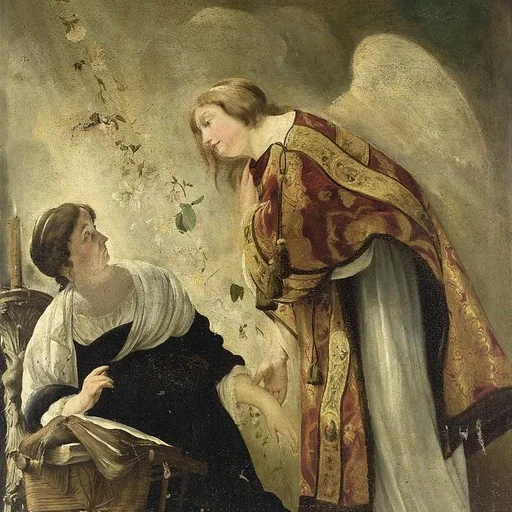
Paulus Bor (Dutch:; c. 1601 – 10 August 1669) was a Dutch artist, representative of the "Golden Age", member of the art society "Bentvueghels".

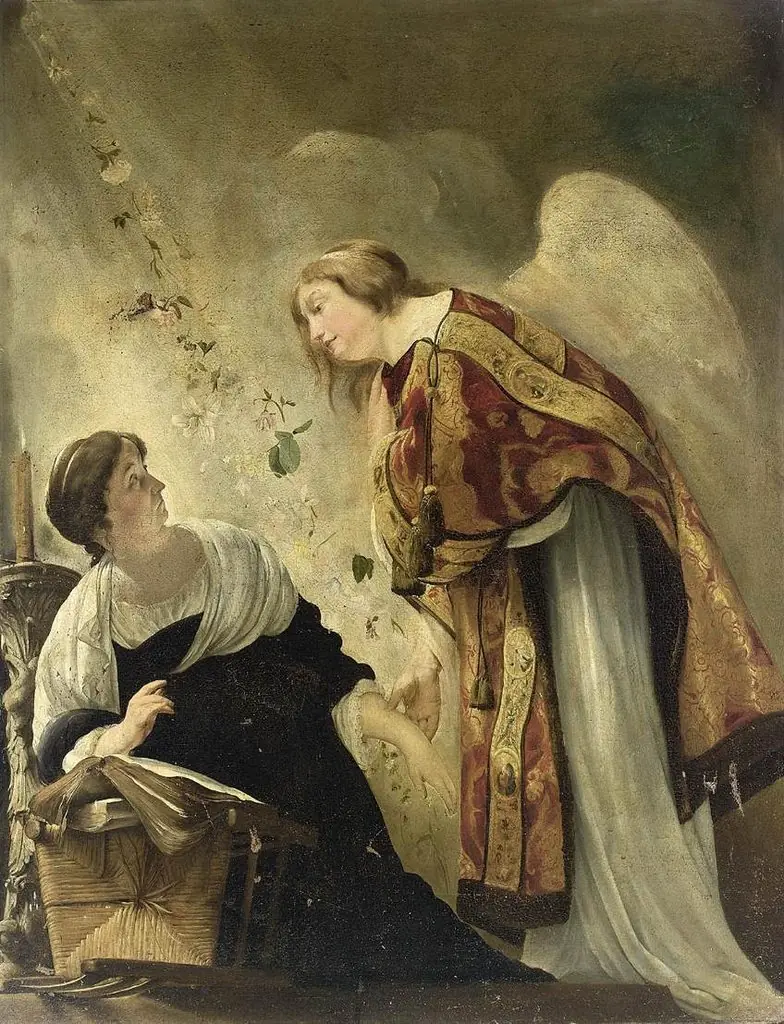
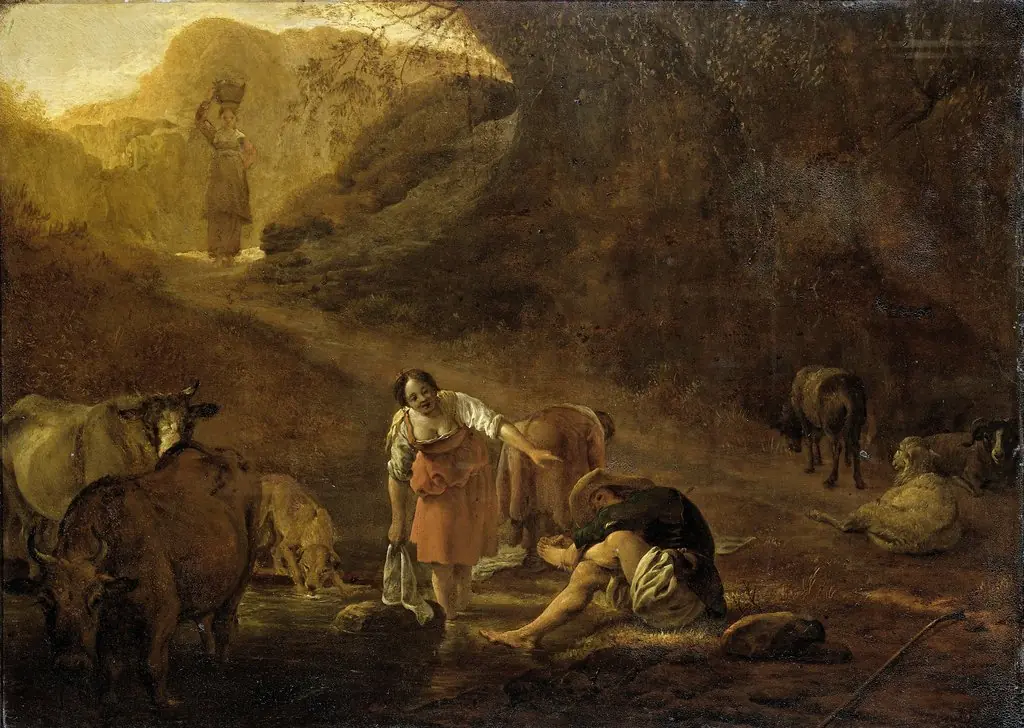 A shepherd and washerwomen at a spring
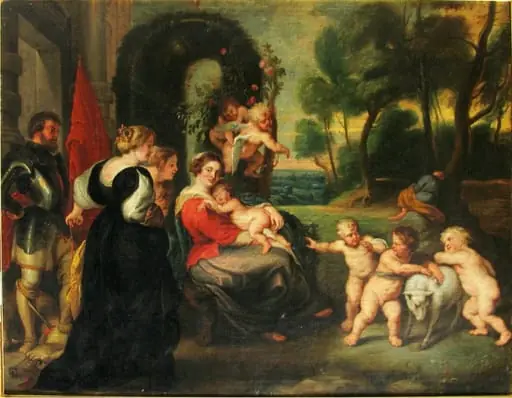 Sfânta Familie; în registrul inventar: Familia Sfântă
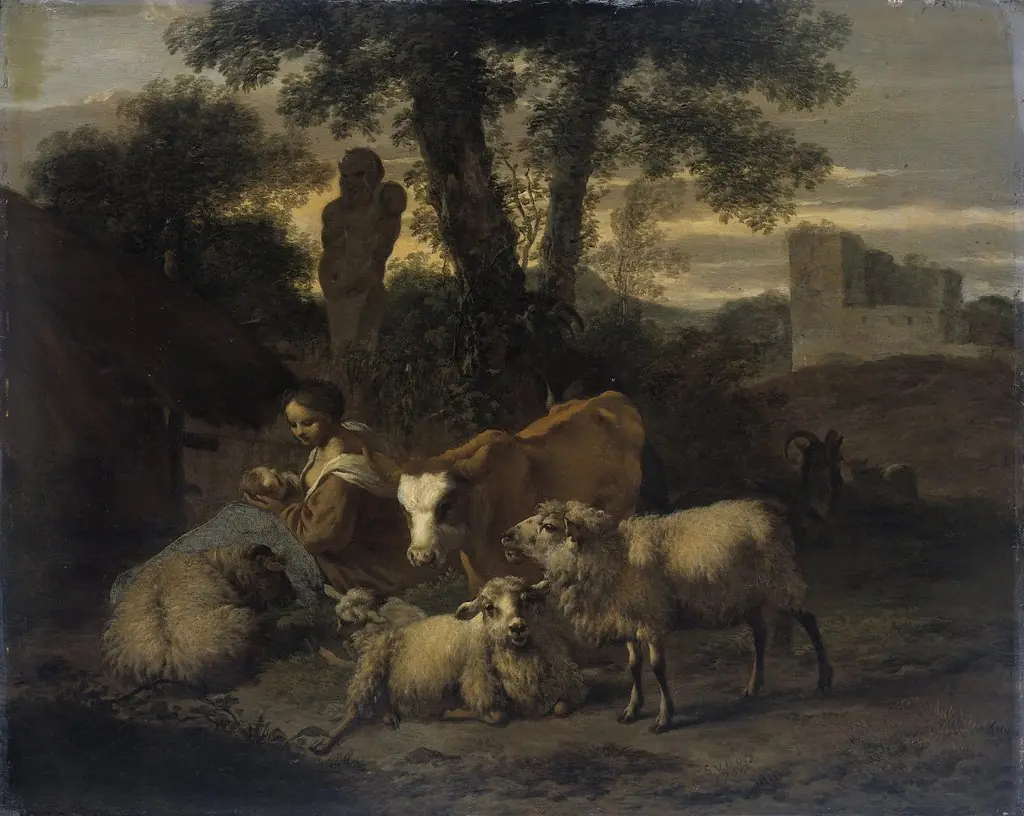 Italian landscape with sheperdess and flocks
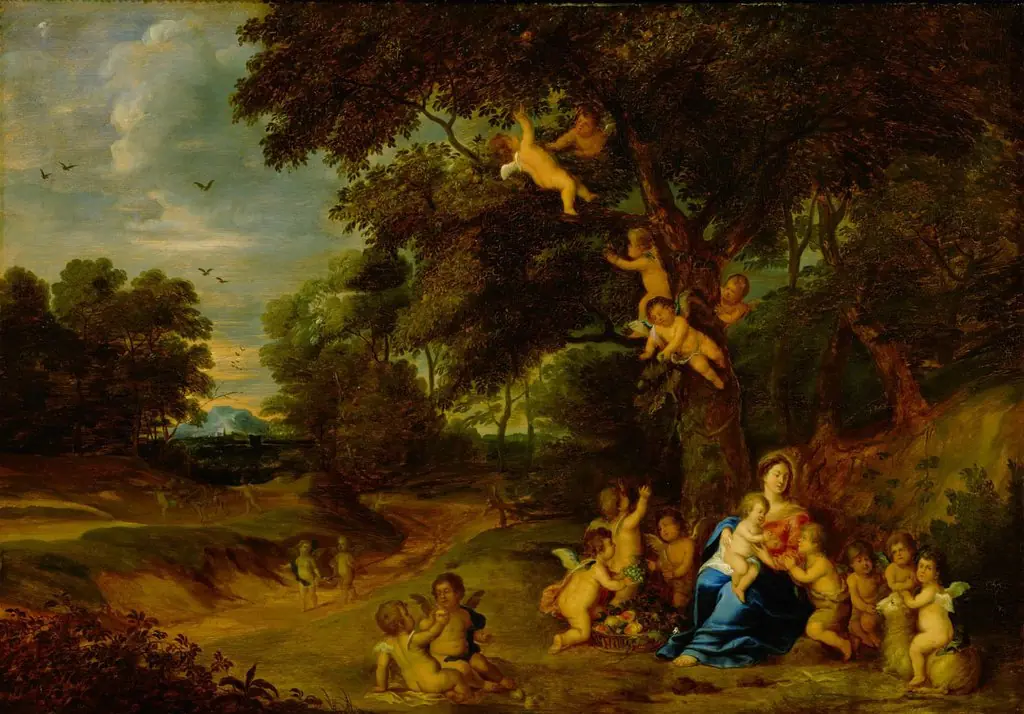 Madonna and Child, St John the Baptist as a Boy and Angels in a Woodland Landscape
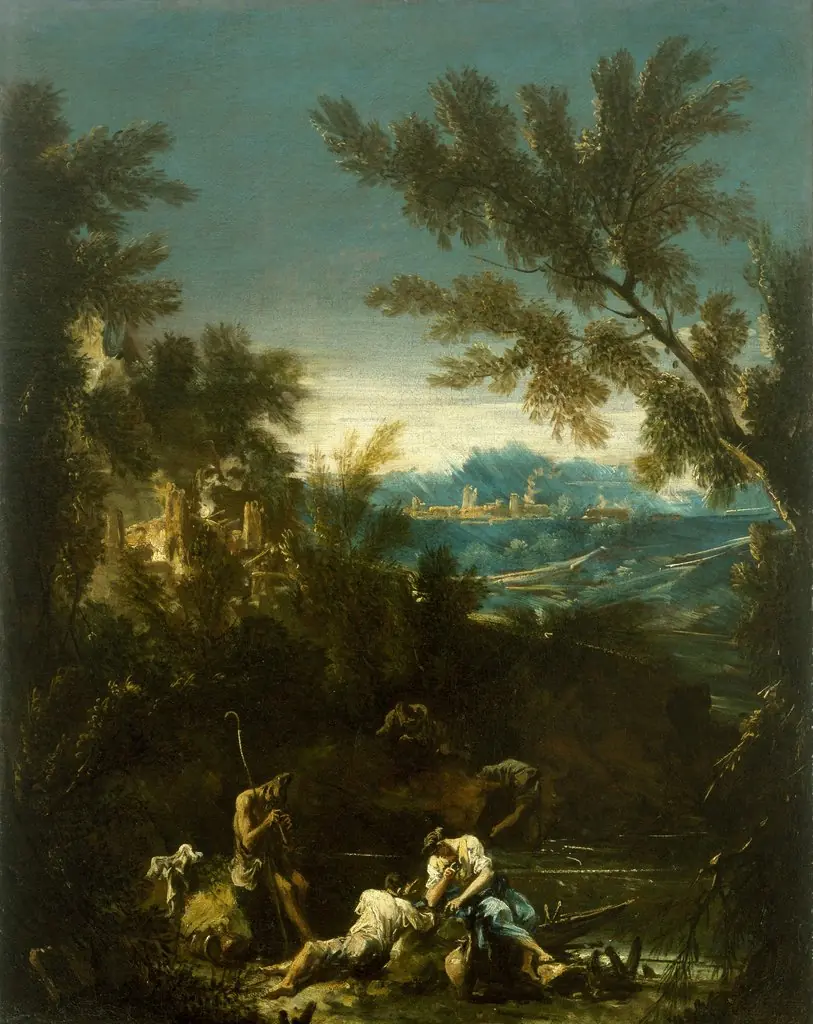 Landscape with Figures
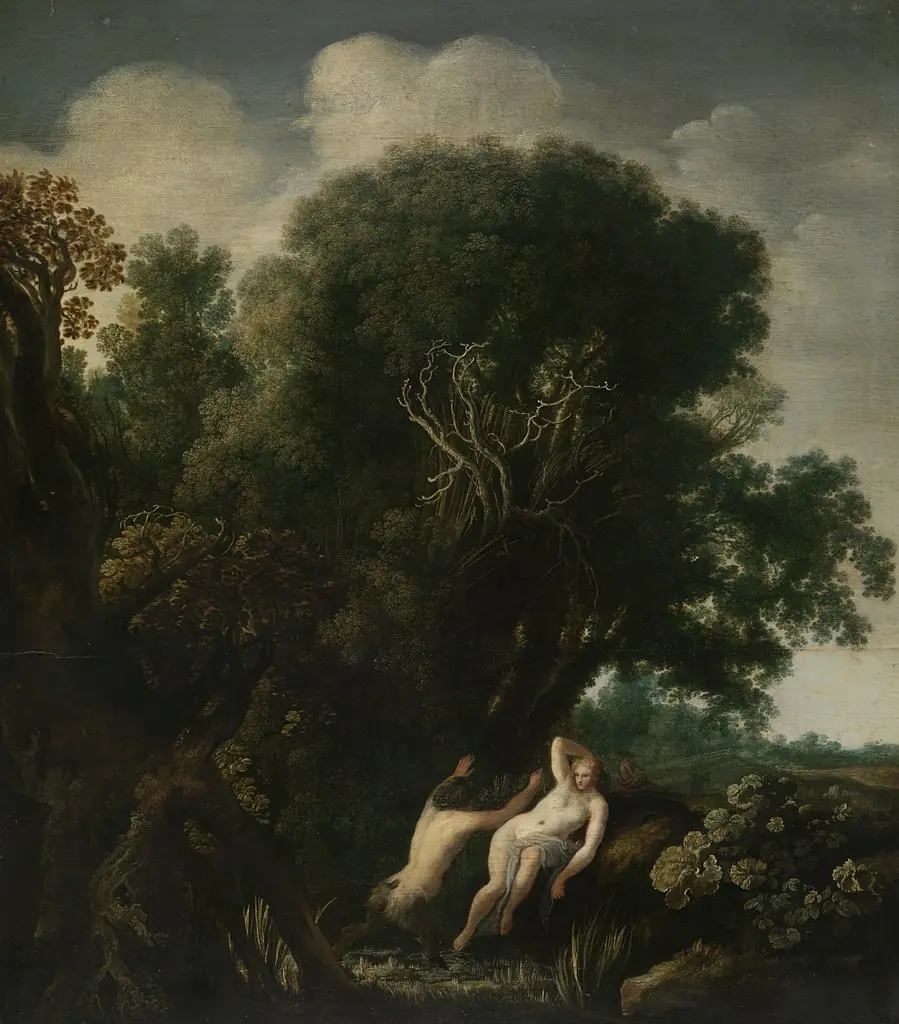 A Bathing Nymph Taken by Surprise by a Satyr
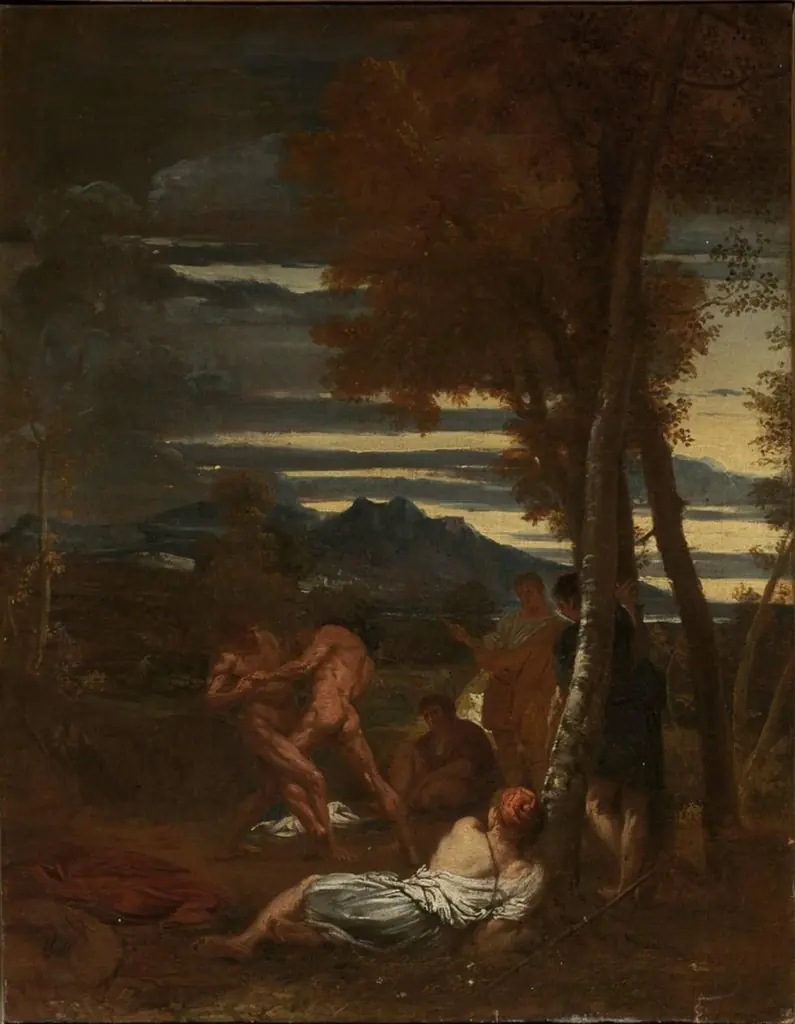 Wrestlers in a Landscape
 Nymphs Feeding the Child Jupiter
 The daughters of Cecrops find Erechthonius
 Virgin and Child with St John