Artwork
Flight of Lot and his Daughters
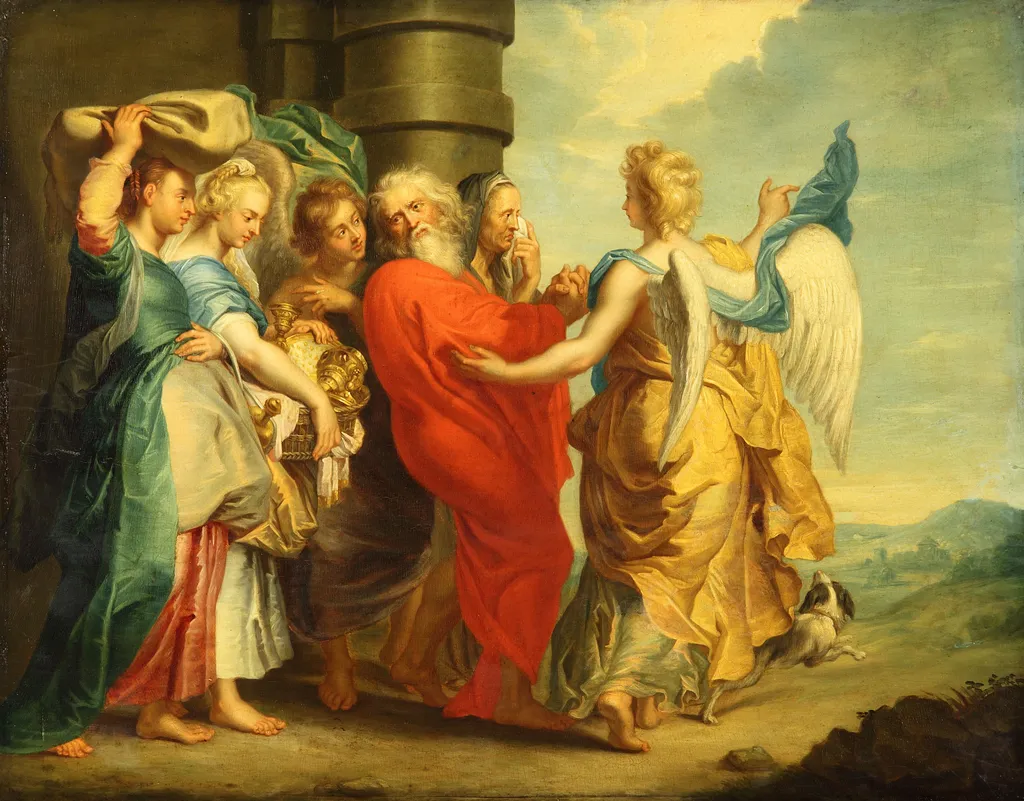
Flight of Lot and his Daughters is a paint painting by the Flemish Baroque painting artist Peter Paul Rubens. It is held in the collection of the Gemäldegalerie Berlin.
About this work
Overview
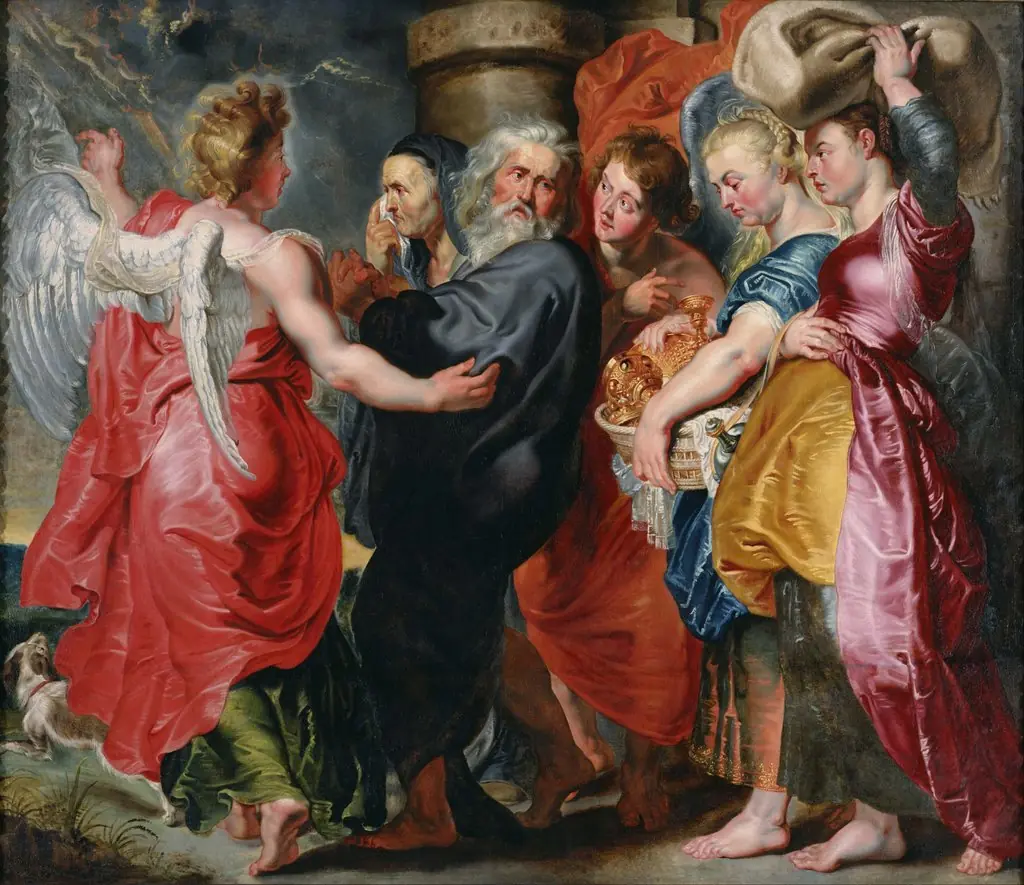
The work depicts the biblical flight of Lot and his family from the destruction of Sodom, capturing the moment an angel guides the group.
Flight of Lot and his Daughters is a religious painting by Peter Paul Rubens, executed in paint on a wooden panel. The work depicts the biblical flight of Lot and his family from the destruction of Sodom, capturing the moment an angel guides the group. Measuring 37 by 47.5, the composition features six figures gathered near a large stone column, set against an open landscape with a cloudy sky. The painting is held in the Gemaldegalerie Berlin. Rubens also explored this biblical narrative in other versions, including a canvas circa 1613 to 1614 depicting the later cave seduction, and another oil on canvas from circa 1610 housed at the Staatliches Museum Schwerin.
Subject & Meaning
The painting illustrates the Old Testament story from Genesis 19, in which an angel warns Lot to flee Sodom before its divine destruction. In this specific depiction, an elderly Lot clasps hands with a winged angel who gestures upward, while three younger female figures carry belongings and an older woman wipes her eye, referencing the grief of the exodus and the fate of Lot's wife, who was turned into a pillar of salt for looking back. The subject contrasts with Rubens's other treatments of the theme, such as the Schwerin and Metropolitan Museum versions, which focus on the later cave seduction where Lot's daughters intoxicate him to perpetuate their lineage. While those later scenes emphasize moral ambiguity and forbidden desire, this work focuses on the solemnity of divine rescue and exile, a theme that resonated with Rubens's own family history of displacement during the Spanish occupation of the Low Countries.
Technique & Style
Executed in paint on a panel support, the artwork employs a saturated palette of reds, golds, and blues set against muted greens and warm earth tones. Soft, diffused light illuminates the figures from the upper right, casting gentle shadows. The brushwork is smooth and polished, allowing for fine detail in the faces, fabrics, and the layered feathers of the angel. The composition forms a tight diagonal cluster of figures that opens toward a distant horizon. This stylistic approach differs from Rubens's cave seduction versions, which utilize intense chiaroscuro, dynamic S-curves, and tightly braided bodies to convey psychological tension and physical intimacy. In those later works, Rubens modeled Lot's hulking musculature on classical antiquity, specifically a statue of a drunken Silenus and river gods, combining Venetian color harmonies with Caravaggesque details like dirty soles to ground the biblical drama in human realism.
History & Provenance
According to corpus records, the Flight of Lot and his Daughters held by the Gemaldegalerie Berlin carries a date of 1707, though this posthumous date likely reflects a studio copy or later inscription rather than Rubens's own hand. A specific studio copy on panel was sold at Sotheby's, described as a work after Rubens's original of 1625 now in the Musee du Louvre. That panel was cradled on the reverse, with a secure paint surface under a dirty varnish, and showed two restored horizontal cracks. Another version of the subject, an oil on canvas circa 1613 to 1614, was acquired by a charitable foundation after being sold from a private collection in 2016, where it had resided for over a century. That canvas, measuring 188 by 224.8 centimeters, was placed on long-term loan to the Metropolitan Museum of Art. The circa 1610 Schwerin version remains in Germany.
Context
Rubens engaged with the complex narrative of Lot repeatedly throughout his career, returning to the theme of exile and downfall with deep psychological insight. The disturbing biblical episode enjoyed widespread popularity in Northern European art of the sixteenth and seventeenth centuries, allowing artists to explore eroticism under the guise of religious narrative. Rubens transformed the grim subject into a profound human drama by drawing upon his own family's history of exile and sexual disgrace, as his father, Jan Rubens, was imprisoned after an affair with the Princess of Orange. By synthesizing Northern European traditions with classical antiquity and Italianate light, Rubens elevated the genre, creating monumental interpretations that scholars consider among the greatest depictions of the subject.
Legacy
Rubens's various depictions of Lot and his daughters established a formidable standard for the biblical theme, generating numerous studio copies and later reproductions that circulated his compositional innovations. The existence of documented studio variants, such as the panel recorded in the Corpus Rubenianum and the work offered at Sotheby's, attests to the demand for his interpretations among collectors. The long-term loan of his monumental cave seduction canvas to the Metropolitan Museum of Art marked the first time that specific version was ever displayed in a museum, allowing modern audiences to experience the work's intense psychological and physical drama. The continued commercial and scholarly interest in these compositions underscores their enduring significance in the study of Baroque religious painting.
Own this work as a print
Artist & collection
Artist
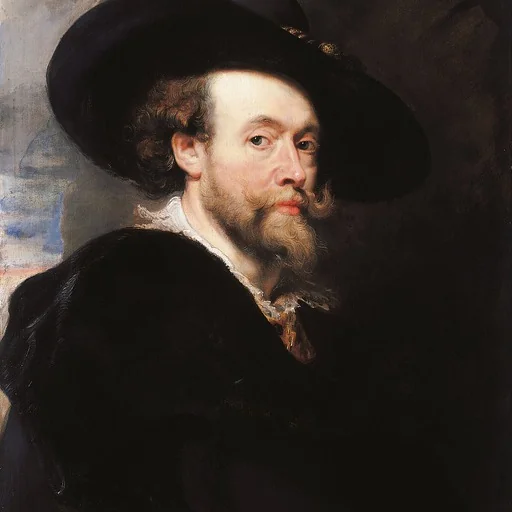
Sir Peter Paul Rubens ( ROO-bənz; Dutch:; 28 June 1577 – 30 May 1640) was a Flemish artist and diplomat.

 Expulsion of Hagar by Abraham
 Abraham and the Angels
 Erminia ja paimenet
 Alexander the Great Founding Alexandria
 Historical Scene
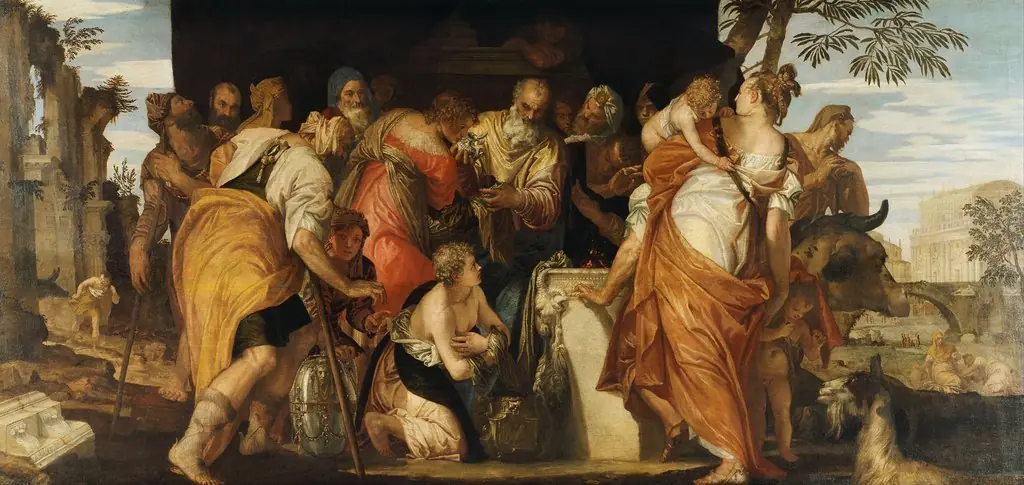 The Anointing of David
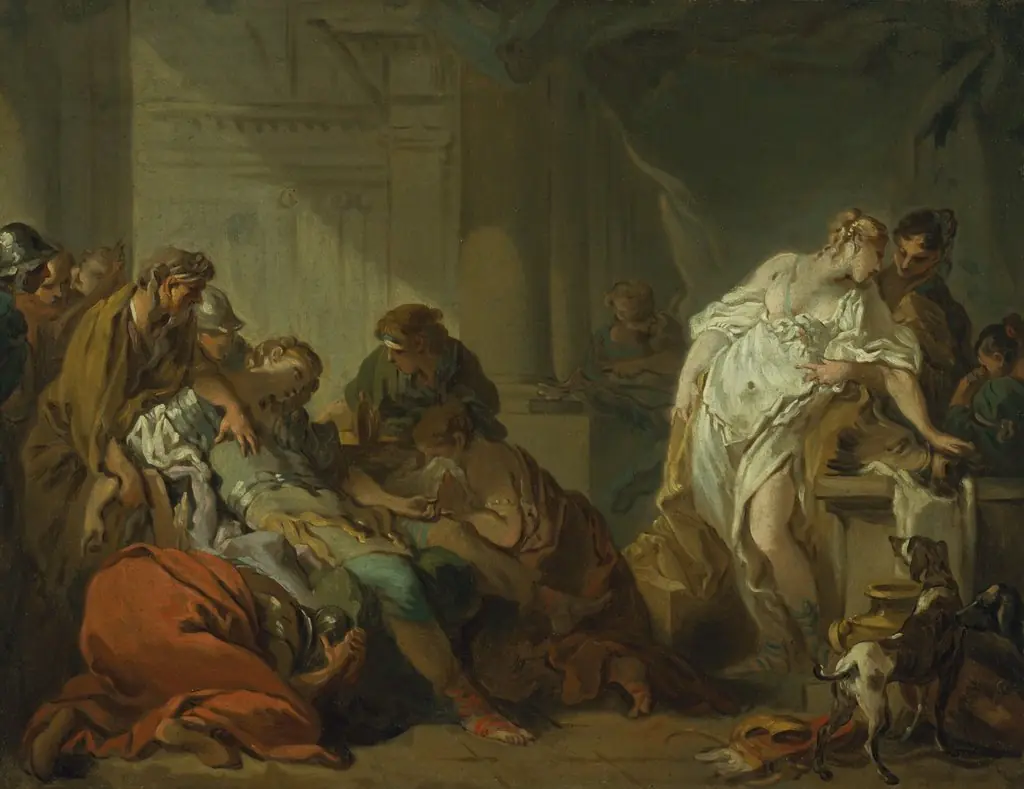 Death of Meleager
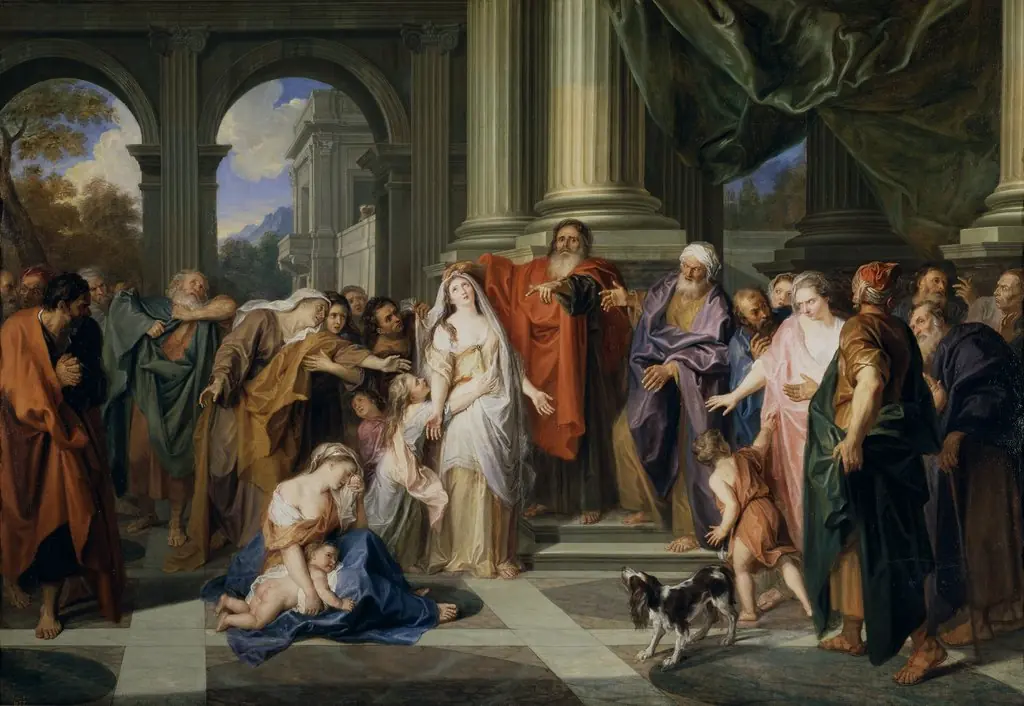 Susannah accused of adultery
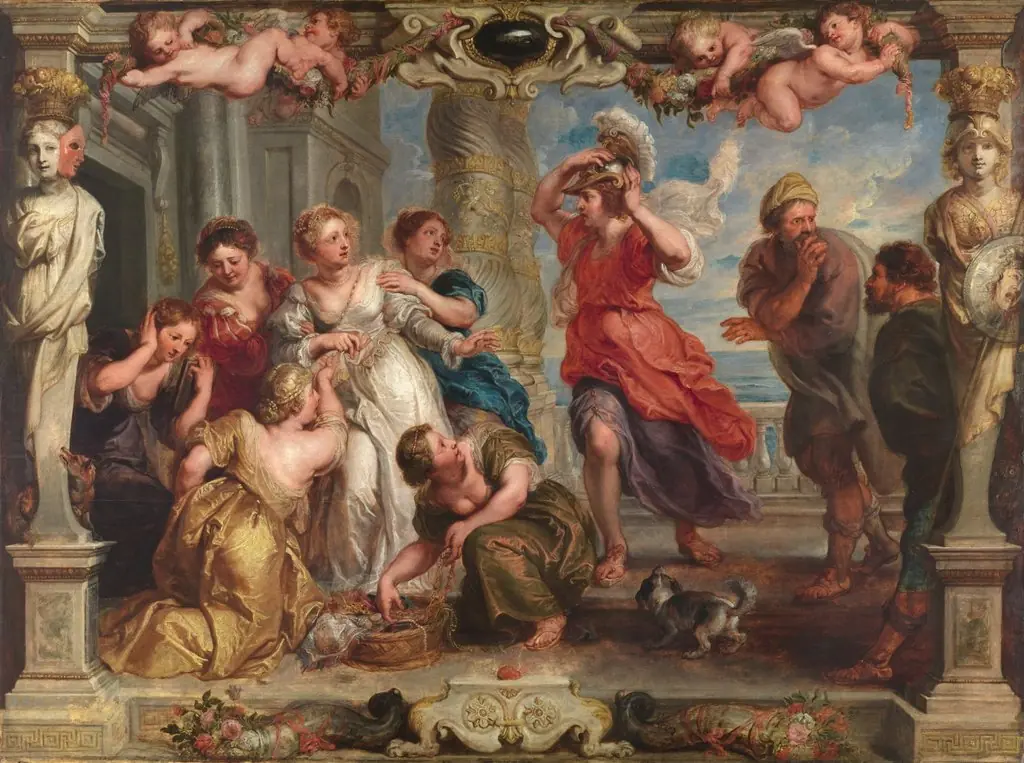 Achilles discovered Among the Daughters of Lycomedes
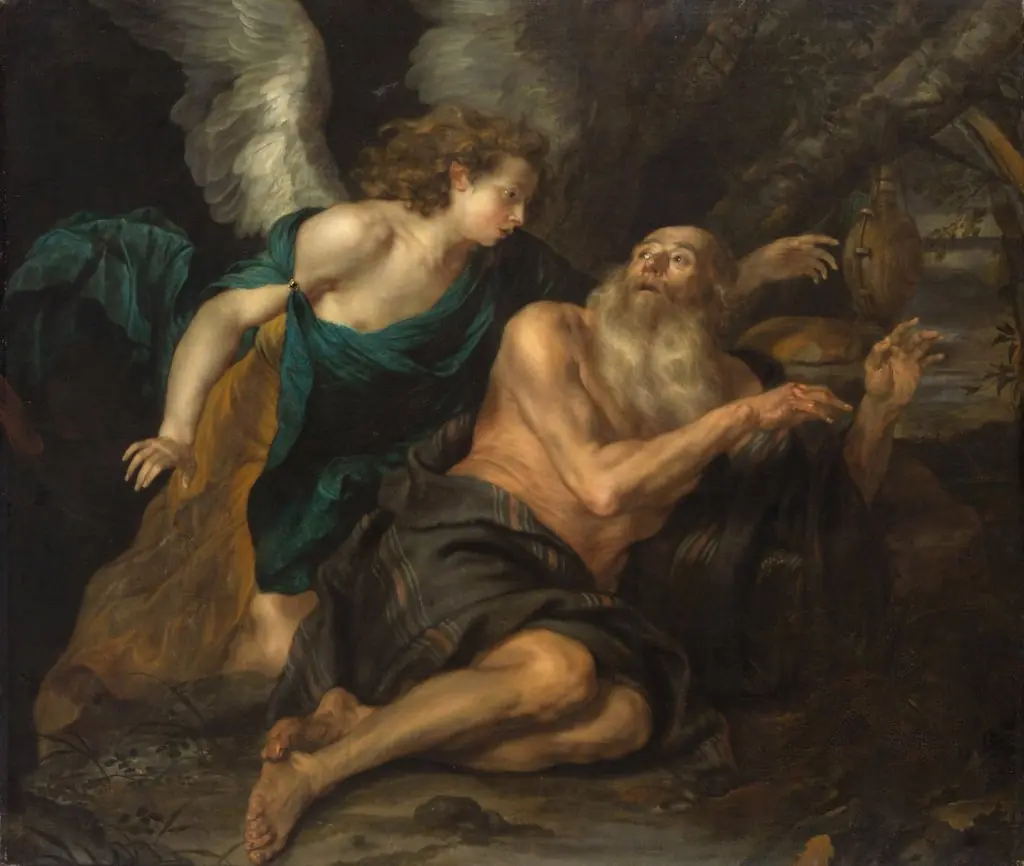 The prophet Elijah awakened by the angel on Mount Horeb (I Kings 19:5-6)
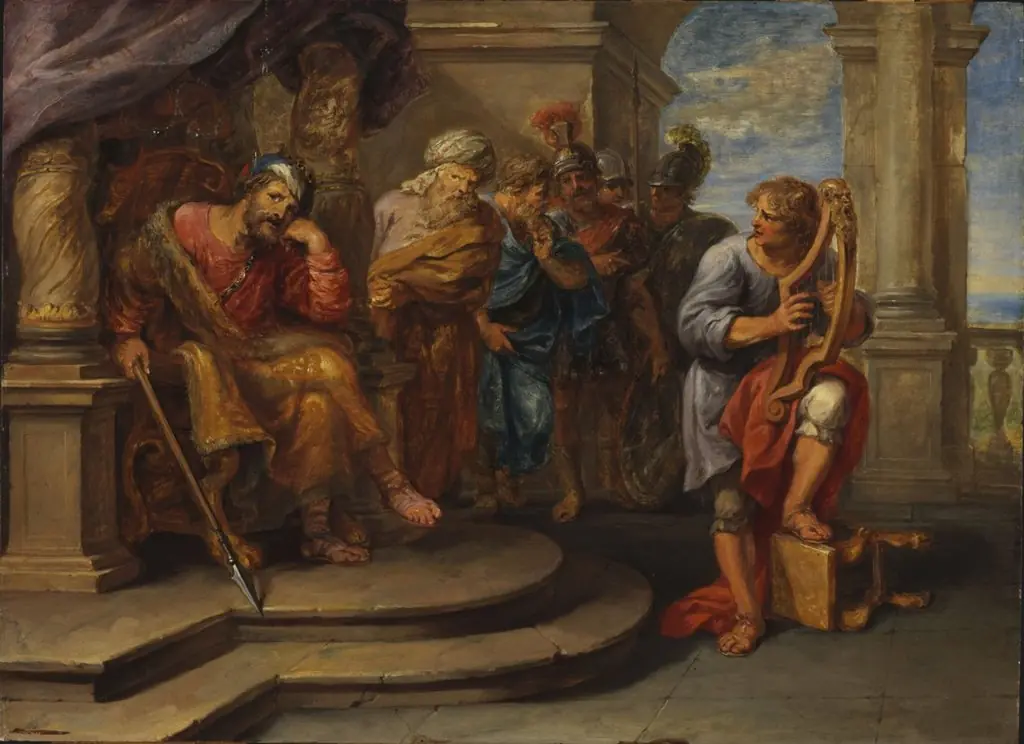 David Playing the Harp for King Saul
- The Flight of Lot and His Family from Sodom (after Rubens)