Artwork
Mercury and Argus
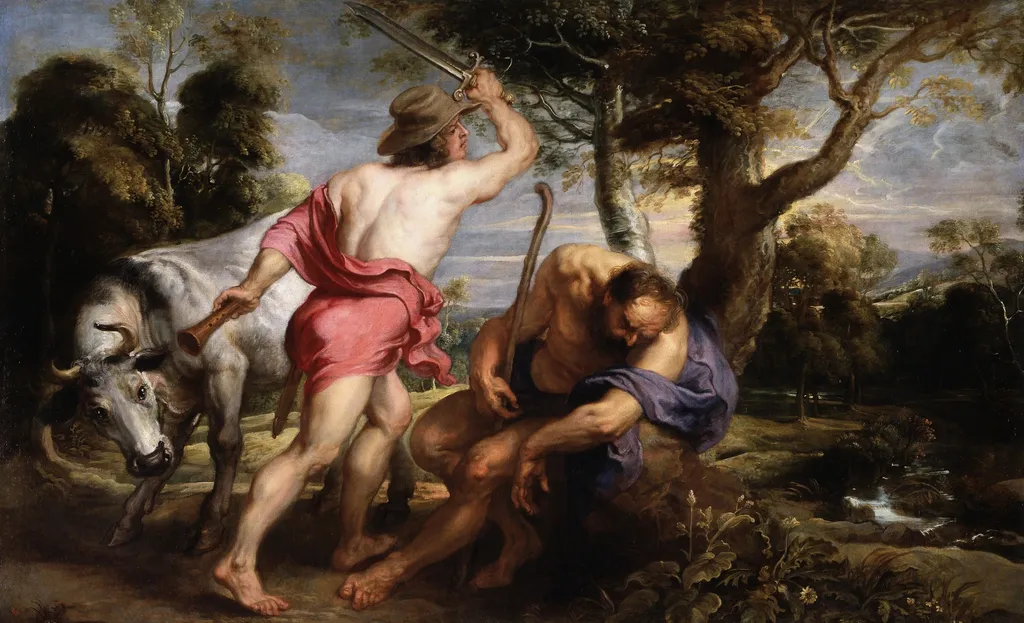
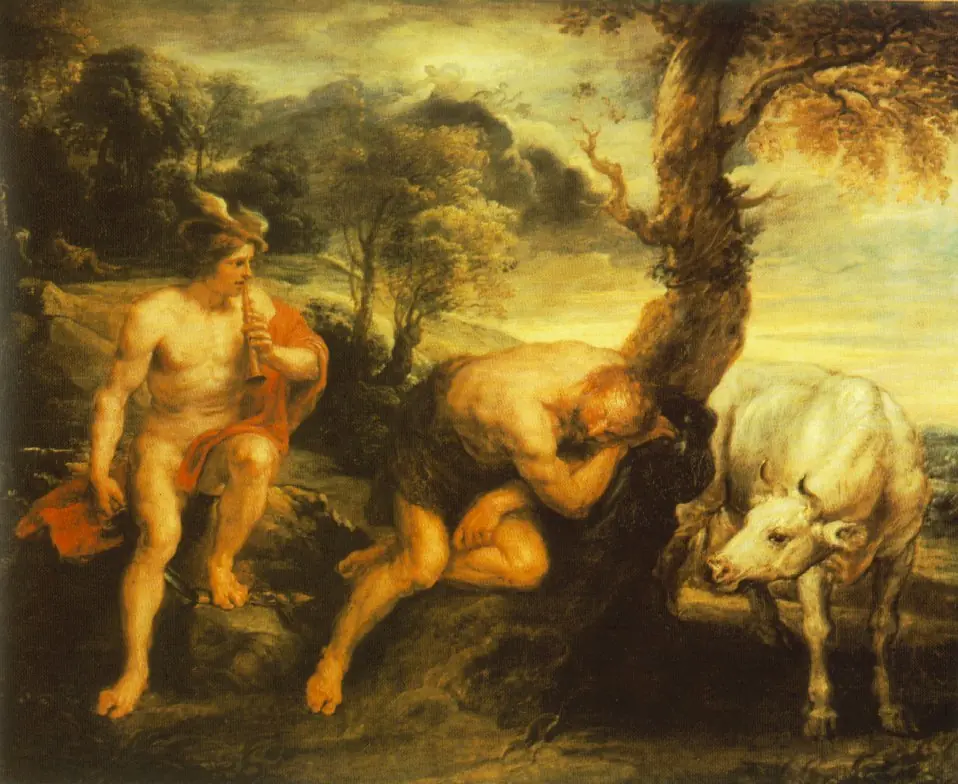
Mercury and Argus is an oil painting by the Flemish Baroque painting artist Peter Paul Rubens. It dates from 1637 and is held in the collection of the Museo del Prado.
About this work
Subject & Meaning
The painting shows Mercury in the act of slaying the many‑eyed giant Argus, a mythological scene drawn from classical narratives of divine retribution.
The painting shows Mercury in the act of slaying the many‑eyed giant Argus, a mythological scene drawn from classical narratives of divine retribution. Mercury, identifiable by his winged sandals and sword, confronts Argus whose body is covered with numerous eyes, emphasizing his role as the all‑seeing guardian. The work embodies themes of justice and the triumph of reason over deception, reflecting Baroque interpretations of myth as moral allegory.
The composition was originally conceived as a sketch for the Torre de la Parada series and later entered the collection of Ferdinand VII, eventually finding its home in the Museo del Prado where it remains on display.
Technique & Style
Mercury and Argus is an oil painting executed on canvas by Peter Paul Rubens in 1637. The work measures 180 cm in height and 298 cm in width. Classified as a mythological painting, the piece depicts the figures of Mercury and Argus, along with a sword.
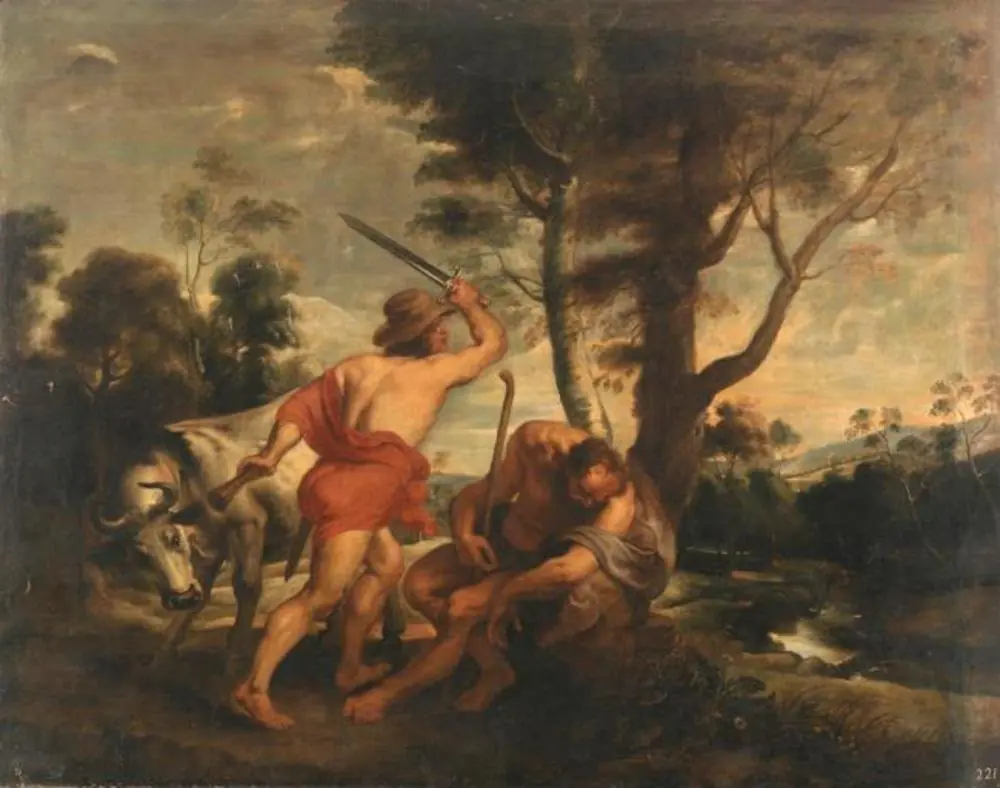
It was created as a full-scale version based on a sketch originally intended for the Torre de la Parada.
History & Provenance
Mercury and Argus was painted by Peter Paul Rubens in 1637 as an oil on canvas work intended for the Royal Palace of Madrid. It entered the collection of Ferdinand VII of Spain shortly after its creation and now resides in the Museo del Prado, where it remains on display. The composition derives from a preparatory sketch for the Torre de la Parada series and exemplifies Rubens’s mythological painting style.
The painting measures 298 cm in width and 180 cm in height and is executed in oil paint on canvas. It depicts Mercury poised to slay the hundred‑eyed Argus, a scene drawn from classical mythology.
The painting is held in the collection of the Museo del Prado in Madrid, specifically located within the Royal Palace of Madrid. The work dates to 1637 and was originally owned by Ferdinand VII of Spain. It serves as a large-scale version based on a sketch created for the Torre de la Parada.
Context
Created in 1637 by Peter Paul Rubens, Mercury and Argus stands as a significant example of mythological painting within the artist's late career. The work serves as a full-scale oil painting based on an earlier sketch produced for the Torre de la Parada, a major decorative commission for the Spanish monarchy. Held in the collection of the Museo del Prado, the canvas measures 180 by 298 cm and depicts the classical scene of Mercury and Argus.
Its creation for the royal palace of Madrid highlights Rubens' continued prominence in supplying grand narrative cycles for European courts during the 17th century.
Overview
Created in 1637 by the Flemish painter and diplomat Peter Paul Rubens, Mercury and Argus is an oil on canvas that forms part of his series of mythological history paintings. The work is presently housed in the Museo del Prado and exemplifies the dramatic, colour‑rich approach typical of the Flemish Baroque period.
Own this work as a print
Artist & collection
Artist
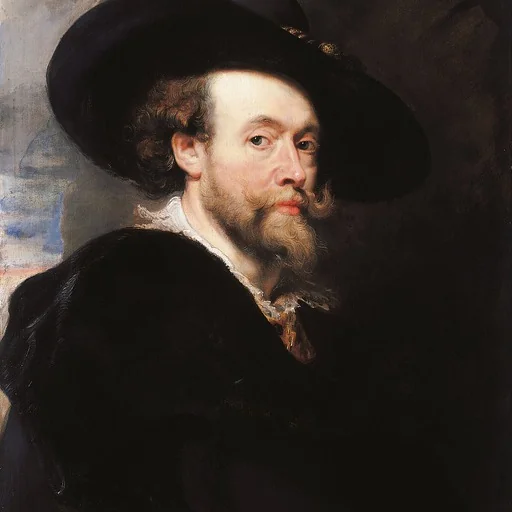
Sir Peter Paul Rubens ( ROO-bənz; Dutch:; 28 June 1577 – 30 May 1640) was a Flemish artist and diplomat.