Artwork
Portrait of Clara Serena Rubens, the artist's daughter
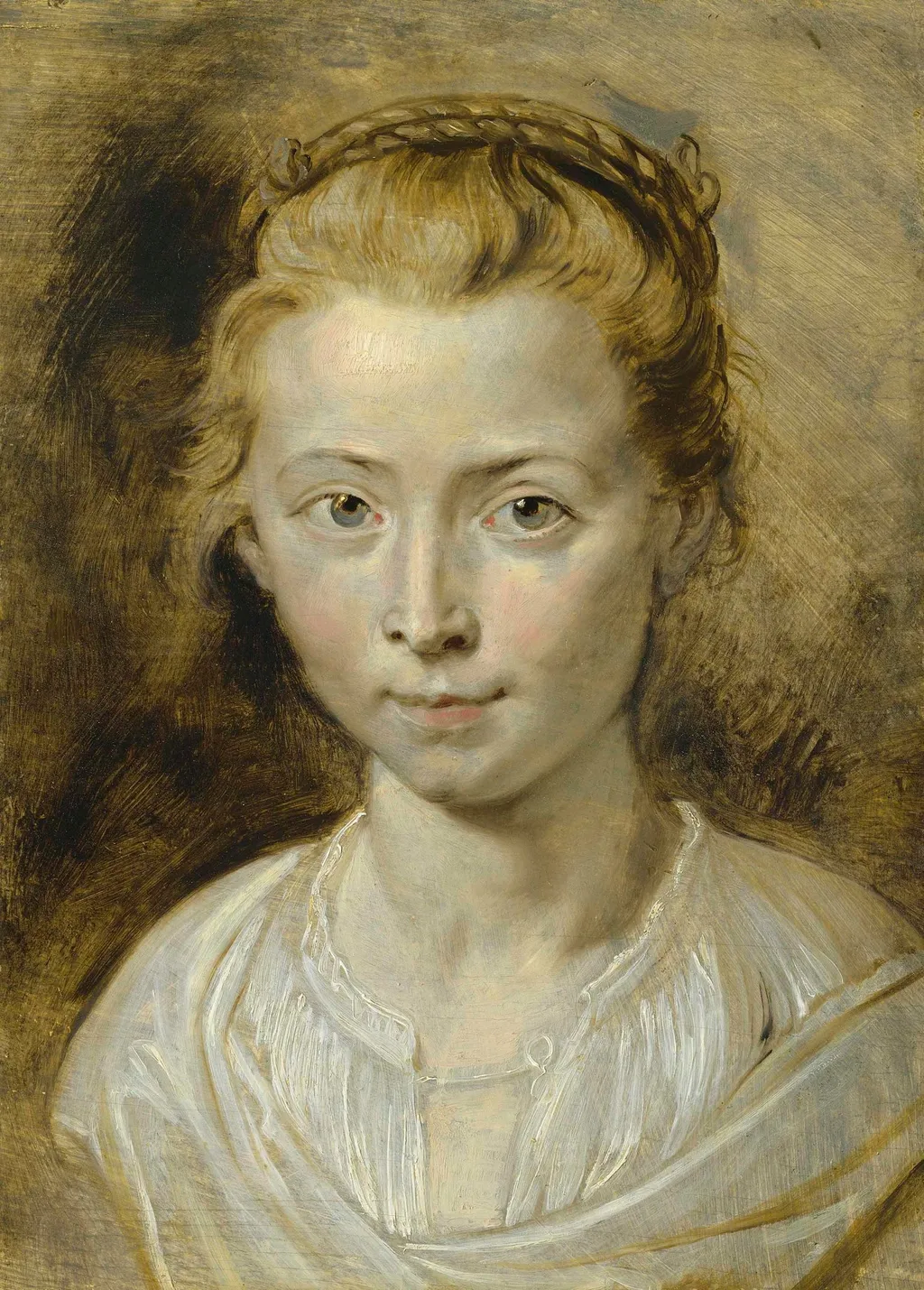
Portrait of Clara Serena Rubens, the artist's daughter is an oil painting by the Flemish Baroque painting artist Peter Paul Rubens. It dates from 1618 and is held in the collection of the Metropolitan Museum of Art.
About this work
Subject & Meaning
The painting belongs to the genre of family portraiture, a category in which Rubens occasionally depicted his own household.
The portrait depicts Clara Serena Rubens, the daughter of the artist Peter Paul Rubens, painted in oil on panel around 1618 (with an alternative inception date of circa 1620 recorded). Housed in the Metropolitan Museum of Art, the work is classified as a portrait and shows a young woman identified as Clara Serena, who was one of Rubens's children. The painting belongs to the genre of family portraiture, a category in which Rubens occasionally depicted his own household.
As a private family likeness rather than a commissioned state or allegorical work, its meaning centers on personal commemoration of the artist's daughter rather than on iconographic program or symbolic attributes.
Technique & Style
Peter Paul Rubens executed the Portrait of Clara Serena Rubens using oil paint applied to a panel support. The work measures 35.6 cm in height and 26 cm in width, creating an intimate scale appropriate for a portrait of the artist's young daughter. Dating to approximately 1618 or 1620, the painting exemplifies Rubens' mastery of the oil medium on wood, a traditional choice for his portraits that ensures durability and rich color saturation.
While specific details regarding the handling of the brushwork or the current conservation condition are not detailed in the provided records, the classification as a portrait confirms its formal intent to depict Clara Serena. The physical dimensions and material composition align with Rubens' practice of producing small-scale, high-quality portraits on panel during this period.
History & Provenance
Painted circa 1618–1620, the portrait depicts the artist’s daughter Clara Serena Rubens at about four to six years of age. The work remained in the artist’s possession at his Antwerp residence through 1640, after which it descended within the Rubens family to his son Albert Rubens. By 1820 it had entered the collection of the Duke of Buckingham at Stowe House, England.
It was later acquired by the Metropolitan Museum of Art in New York in 1968 through the Rogers Fund.
The painting is held by the Metropolitan Museum of Art in New York, where it is catalogued as part of the collection. Its accession number is 56.116.1, assigned upon acquisition. The work has been exhibited at the museum in 1984 as part of the exhibition "The Drawings of Peter Paul Rubens."
Overview
Peter Paul Rubens, a leading figure of the Flemish Baroque, created this oil portrait of his daughter, Clara Serena Rubens, in 1618. The painting captures the likeness of the young girl, presenting her with a gentle demeanor. This work exemplifies Rubens's characteristic approach to portraiture, blending personal intimacy with the expressive qualities of the Baroque era. It remains a significant example of his early family portraits.
Context
As a pivotal figure in the Flemish Baroque tradition, Peter Paul Rubens was instrumental in shaping the artistic landscape of his time. This portrait aligns with the broader Baroque movement, which emerged partly in response to the Counter-Reformation's call for art that could emotionally engage viewers. Rubens's work, including this intimate family portrait, often combined a sense of grandeur with a human touch, reflecting the era's dynamic artistic and religious currents.
Own this work as a print
Artist & collection
Artist
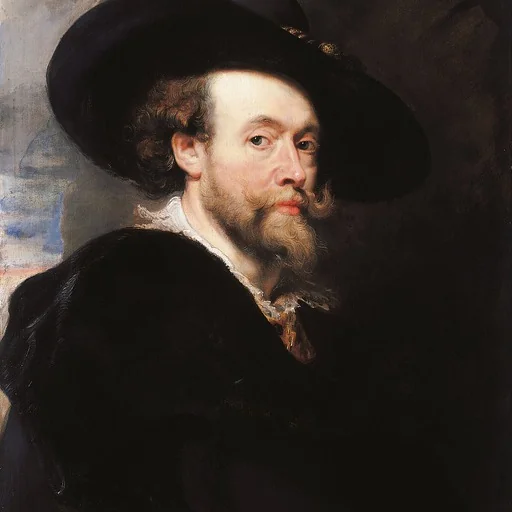
Sir Peter Paul Rubens ( ROO-bənz; Dutch:; 28 June 1577 – 30 May 1640) was a Flemish artist and diplomat.

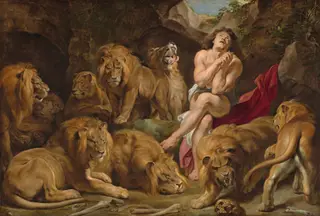
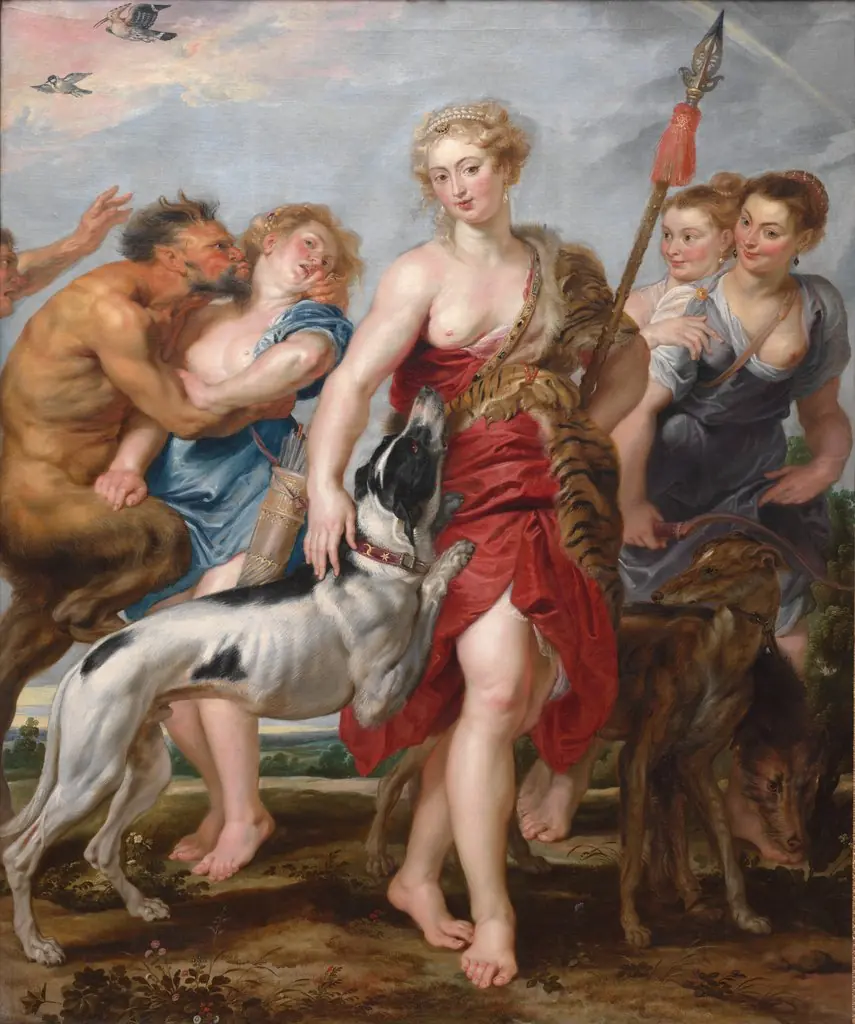
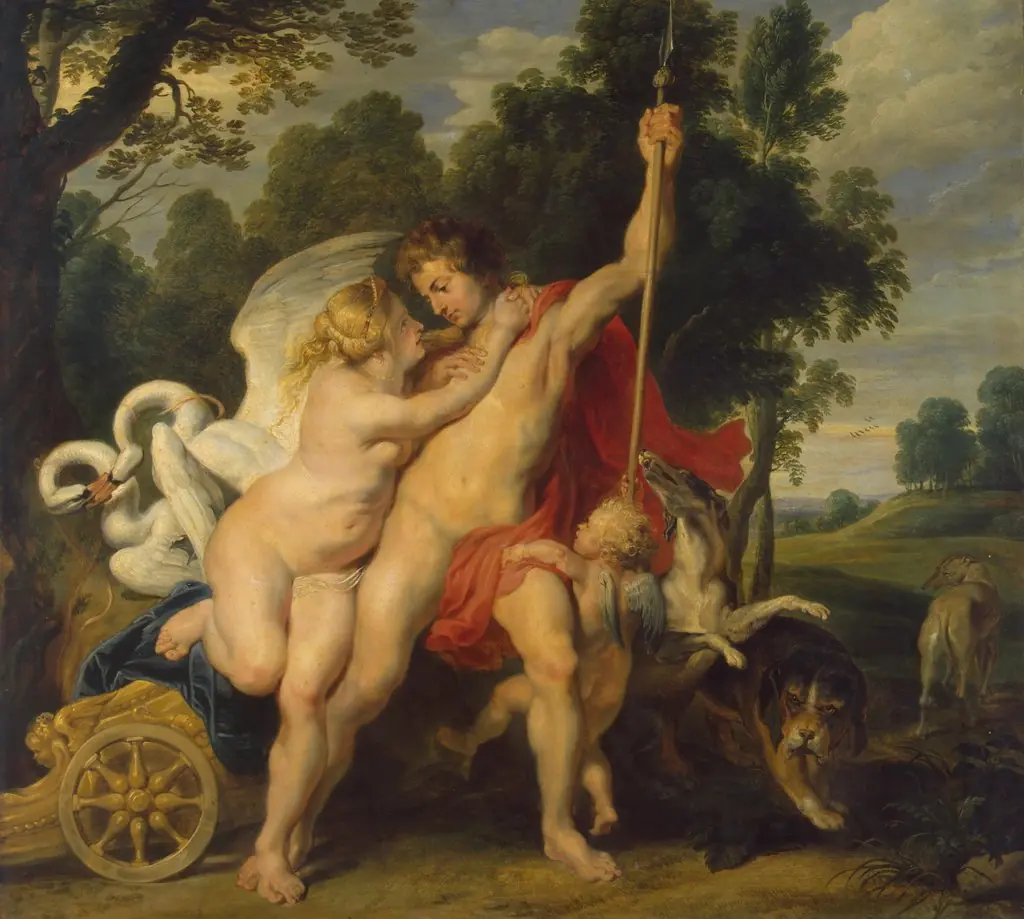
- Portrait of a Woman
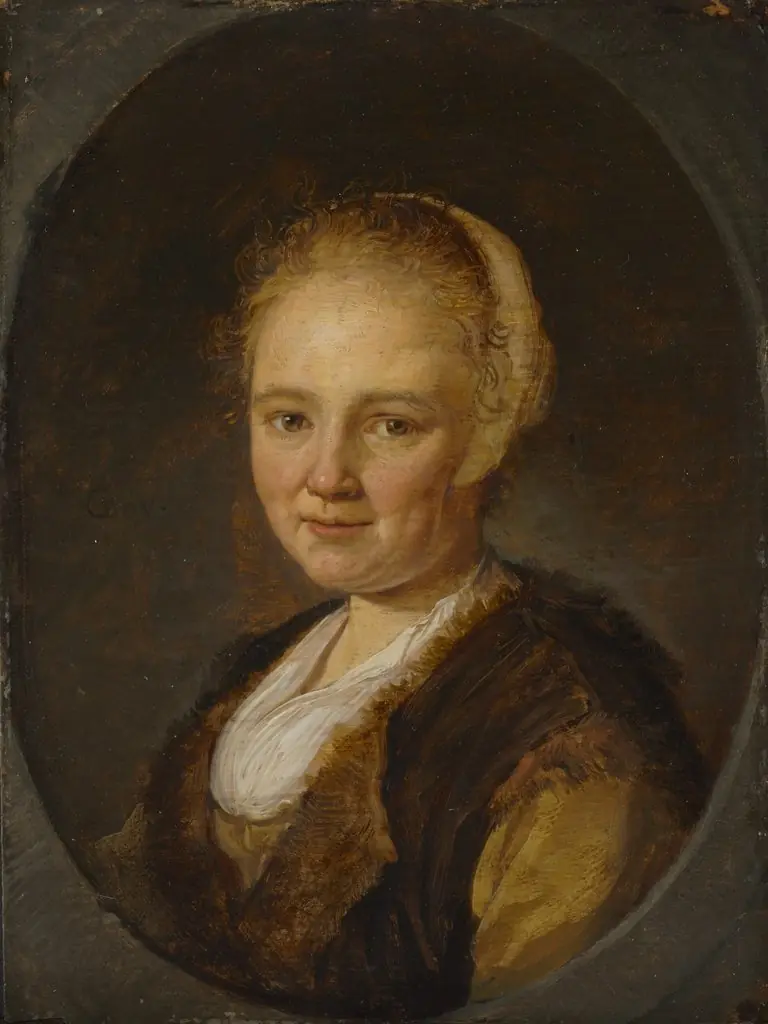 A Young Woman
 Die Parze Lachesis
 Head of a Young Girl Turning toward the Right
 Head of a woman looking down to the right
 Head of a Woman (Mme. Deshayes?)
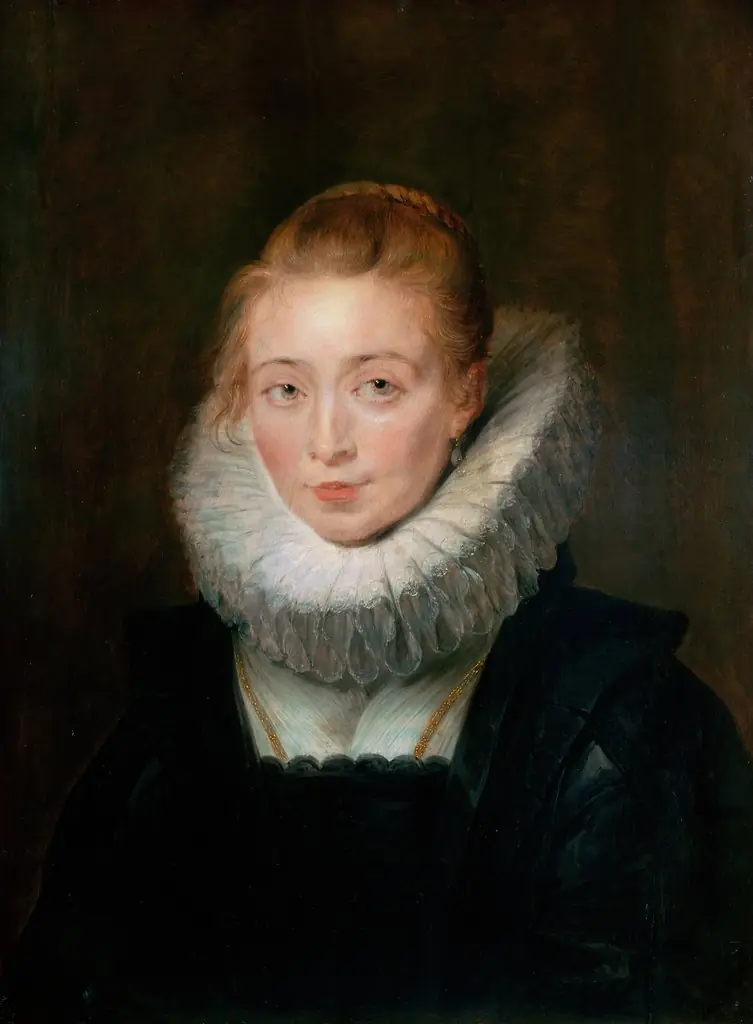 Portrait of Lady-in-Waiting to the Infanta Isabella
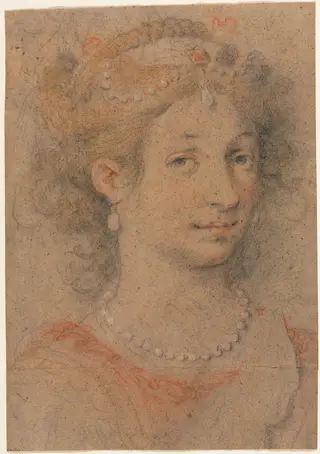 Head of a Woman
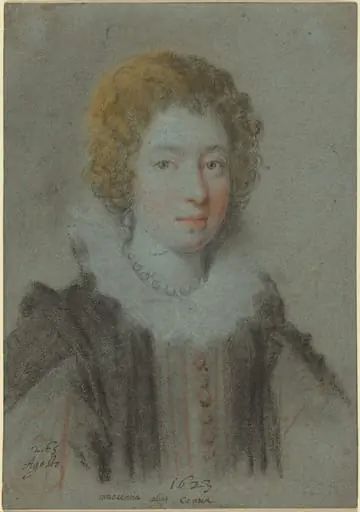 Portrait of a Lady
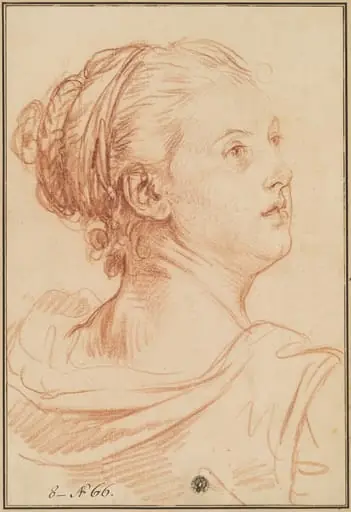 Head of a Woman Looking Back Over Her Shoulder
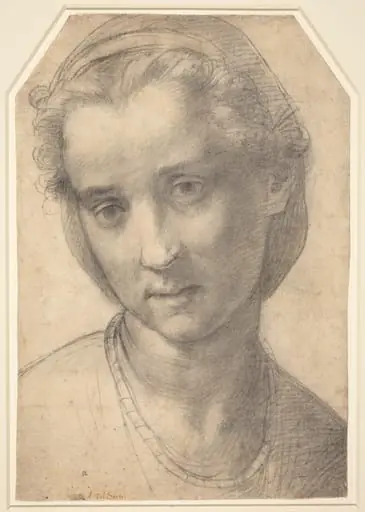 Head of a Woman
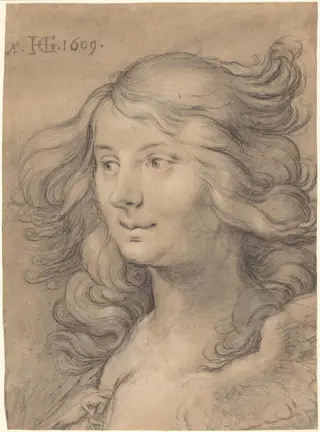 Head of a Siren