Artwork
The Conquest of Tunis by Charles V (1535)
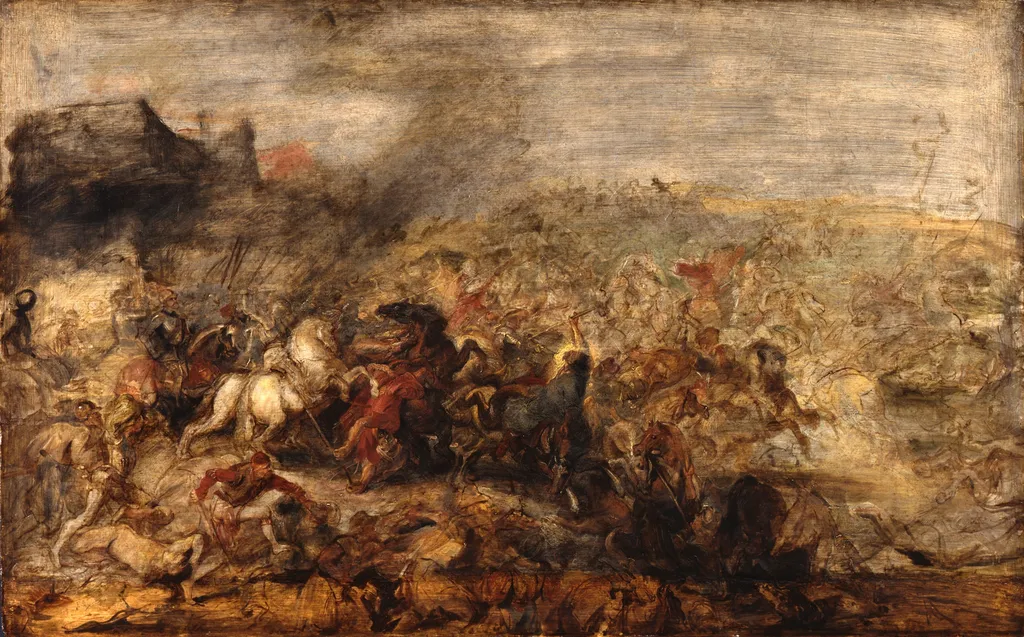
The Conquest of Tunis by Charles V (1535) is an oil painting by the Flemish Baroque painting artist Peter Paul Rubens. It dates from 1639 and is held in the collection of the Gemäldegalerie Berlin.
About this work
Subject & Meaning
The composition explicitly portrays the emperor alongside the city of Tunis and male figures, visualizing the military campaign.
The work functions as a history painting that depicts the historical event of the Conquest of Tunis involving Charles V. The composition explicitly portrays the emperor alongside the city of Tunis and male figures, visualizing the military campaign. By presenting these specific elements, the painting serves as a commemorative record of the 1535 victory, celebrating the imperial authority of Charles V through the lens of Rubens' 1639 interpretation.
Technique & Style
Peter Paul Rubens executed The Conquest of Tunis in 1639 using oil paint applied to an oak panel support. This history painting measures 76.5 cm in height and 120 cm in width. The work is currently held in the collection of the Gemäldegalerie Berlin.
As a large-scale history painting, the piece depicts the historical event of the capture of Tunis by Charles V, rendered in the artist's characteristic oil technique on a rigid wooden ground.
History & Provenance
The painting titled The Conquest of Tunis by Charles V was created by Peter Paul Rubens in 1639. Executed in oil paint on an oak panel, the work depicts the historical figure Charles V and the city of Tunis. Currently, the artwork is held in the collection of the Gemäldegalerie Berlin.
The sources confirm the specific date of inception as 1639 and identify the medium and support materials used by the artist.
Overview
The Conquest of Tunis by Charles V is a 1639 oil painting by Peter Paul Rubens, depicting a pivotal historical event in a Flemish Baroque style.
Context
Part of Rubens' broader oeuvre including altarpieces, portraits, landscapes, and mythological subjects, this painting showcases his mastery of capturing historical drama.
Legacy
As a work by the most influential Flemish Baroque artist, it contributes to Rubens' enduring impact on the development of European Baroque painting.
Artist & collection
Artist
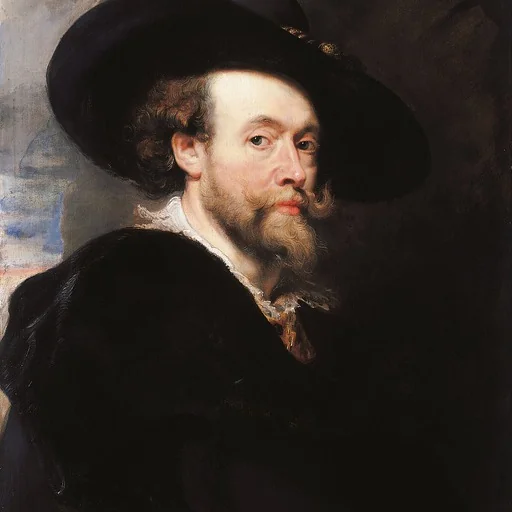
Sir Peter Paul Rubens ( ROO-bənz; Dutch:; 28 June 1577 – 30 May 1640) was a Flemish artist and diplomat.

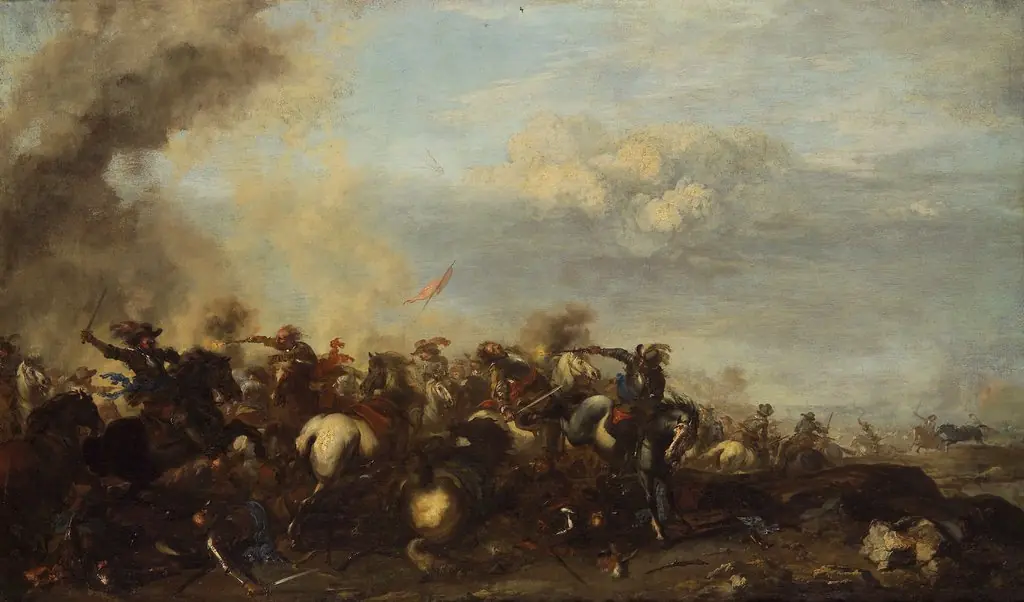 Reitertreffen
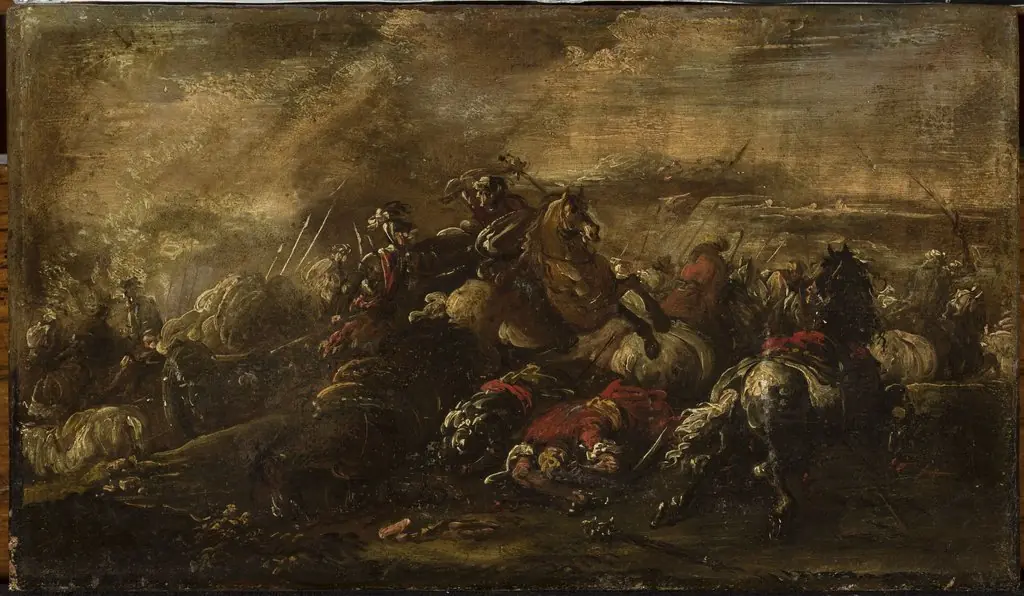 A battle scene
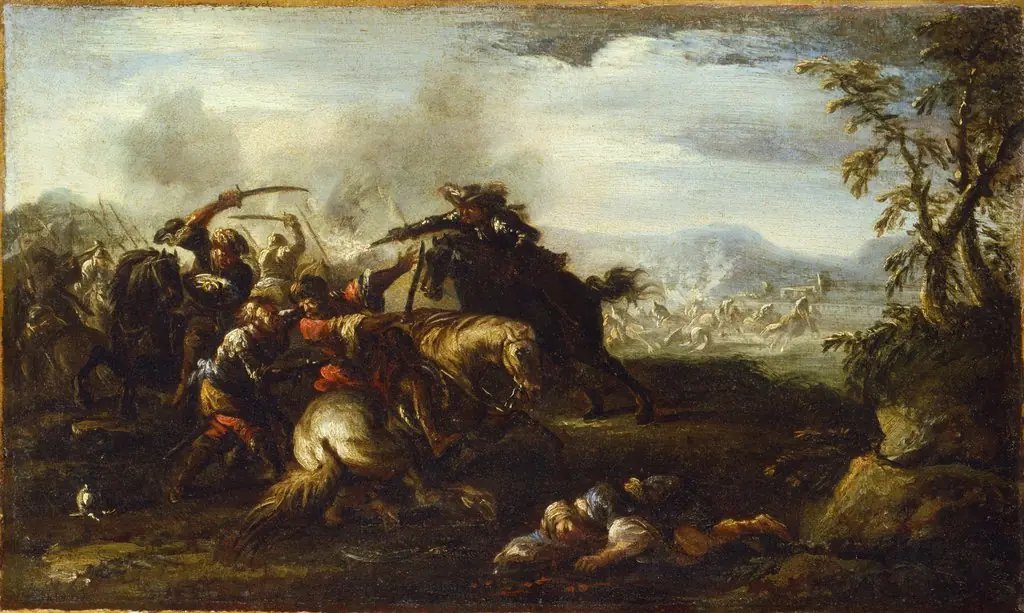 A Battle Scene
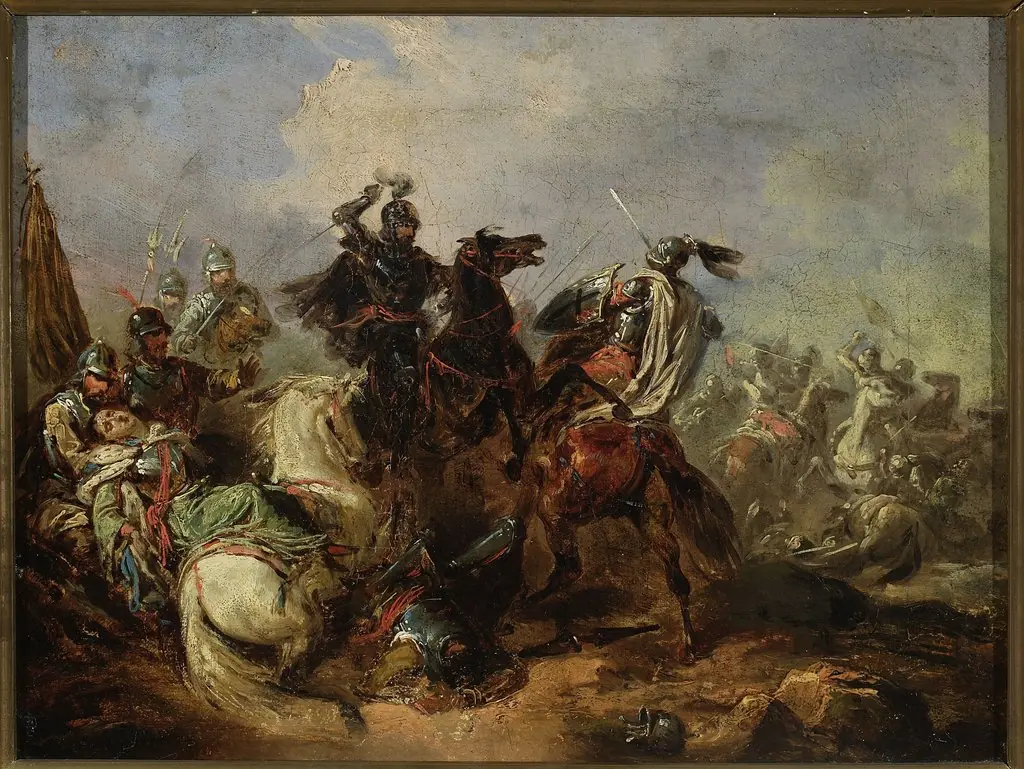 Battle of Lithuanians with the Teutonic knights
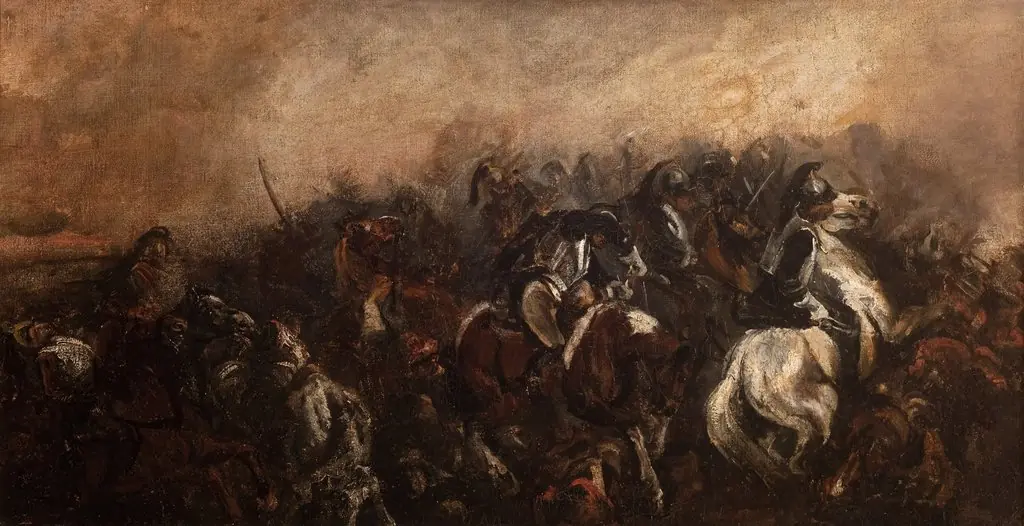 The Battle of Mozhaisk
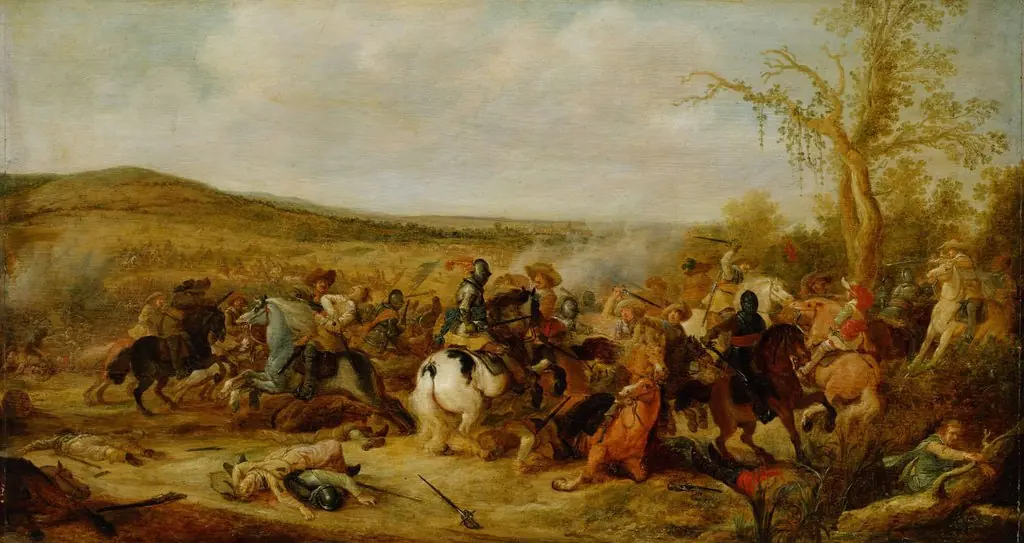 Reitergefecht
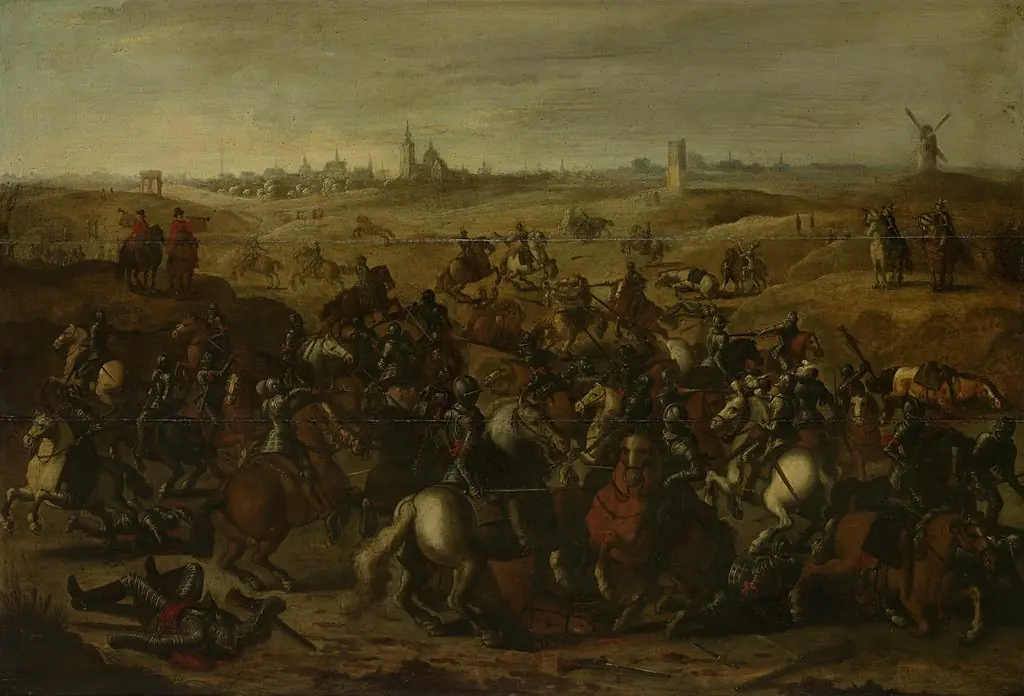 The battle between Bréauté and Leckerbeetje on the heath outside Vught, 5 Februari 1600
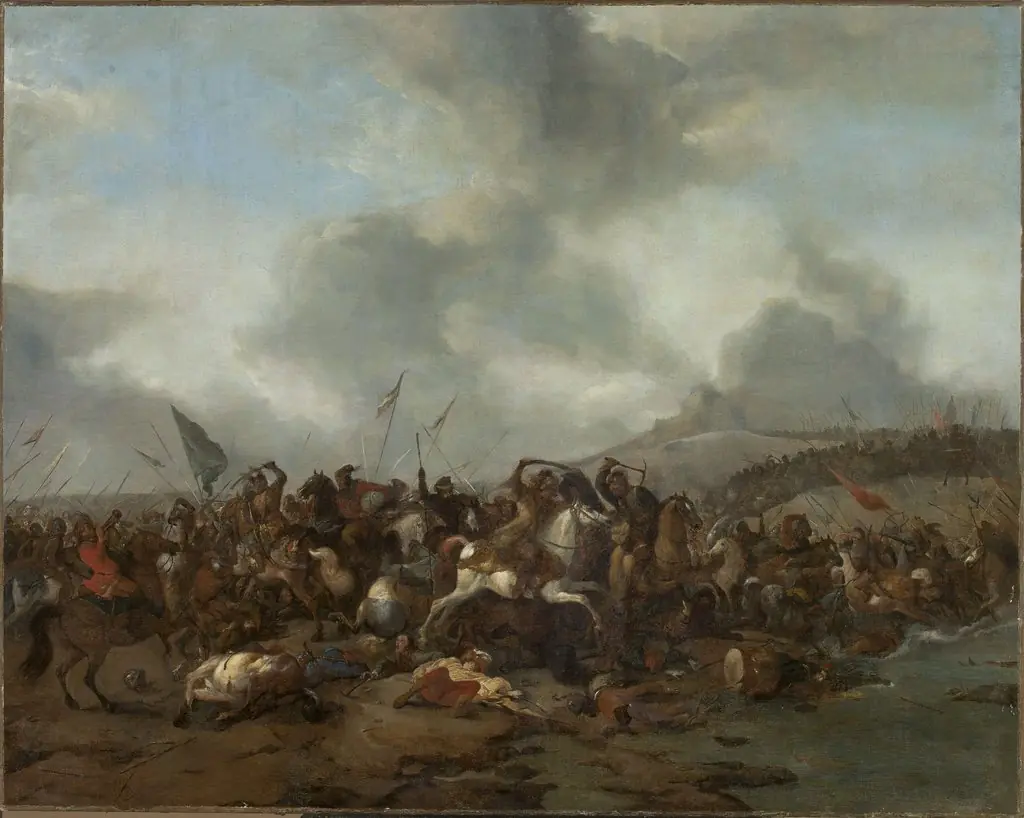 Battle
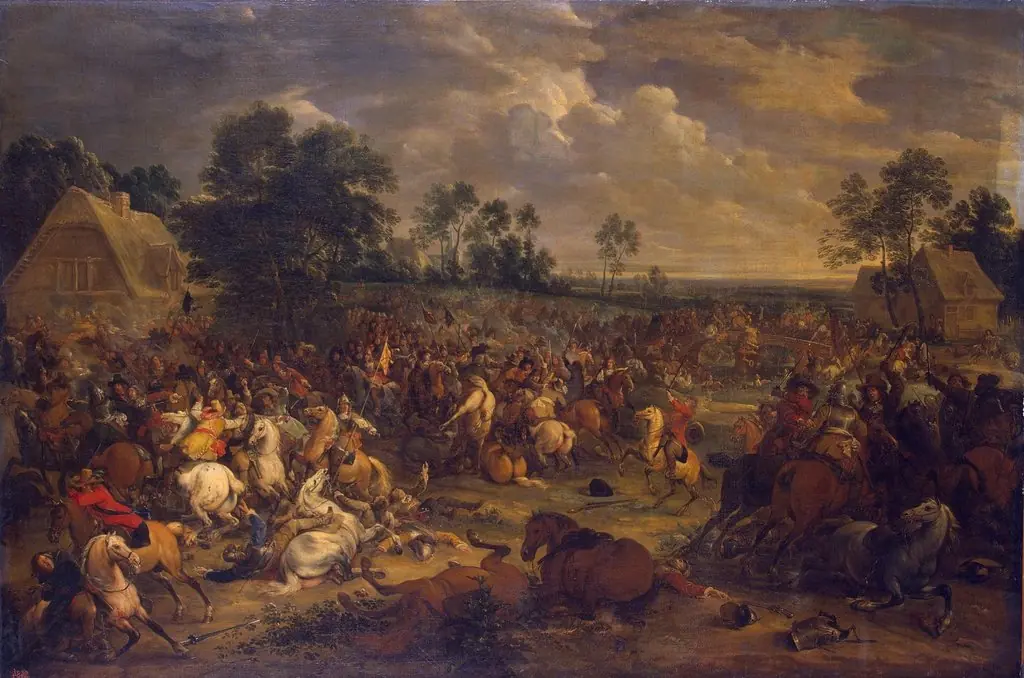 Battle
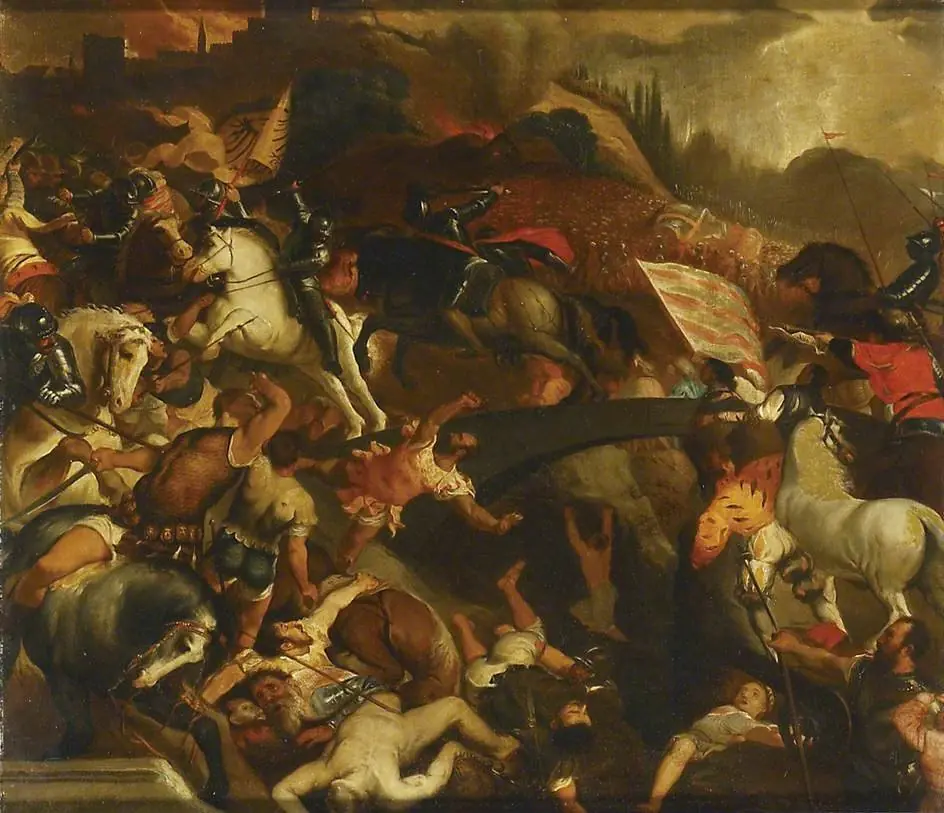 The Battle of Cadore
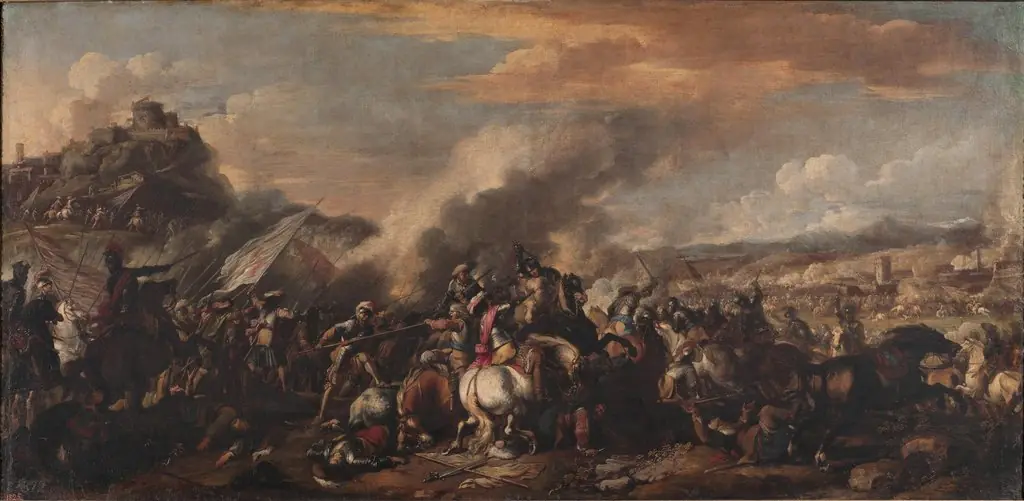 Lucha por la posesión de una fortaleza
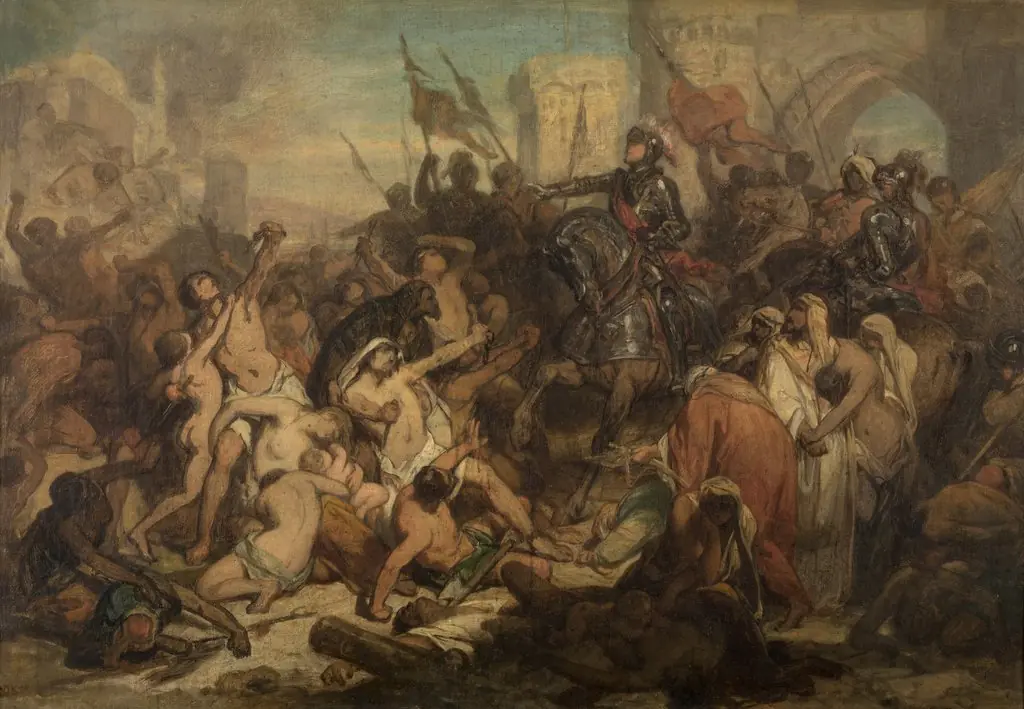
- Charles V Frees the Slaves in Tunis