Artwork
The Holy Family under the Apple Tree
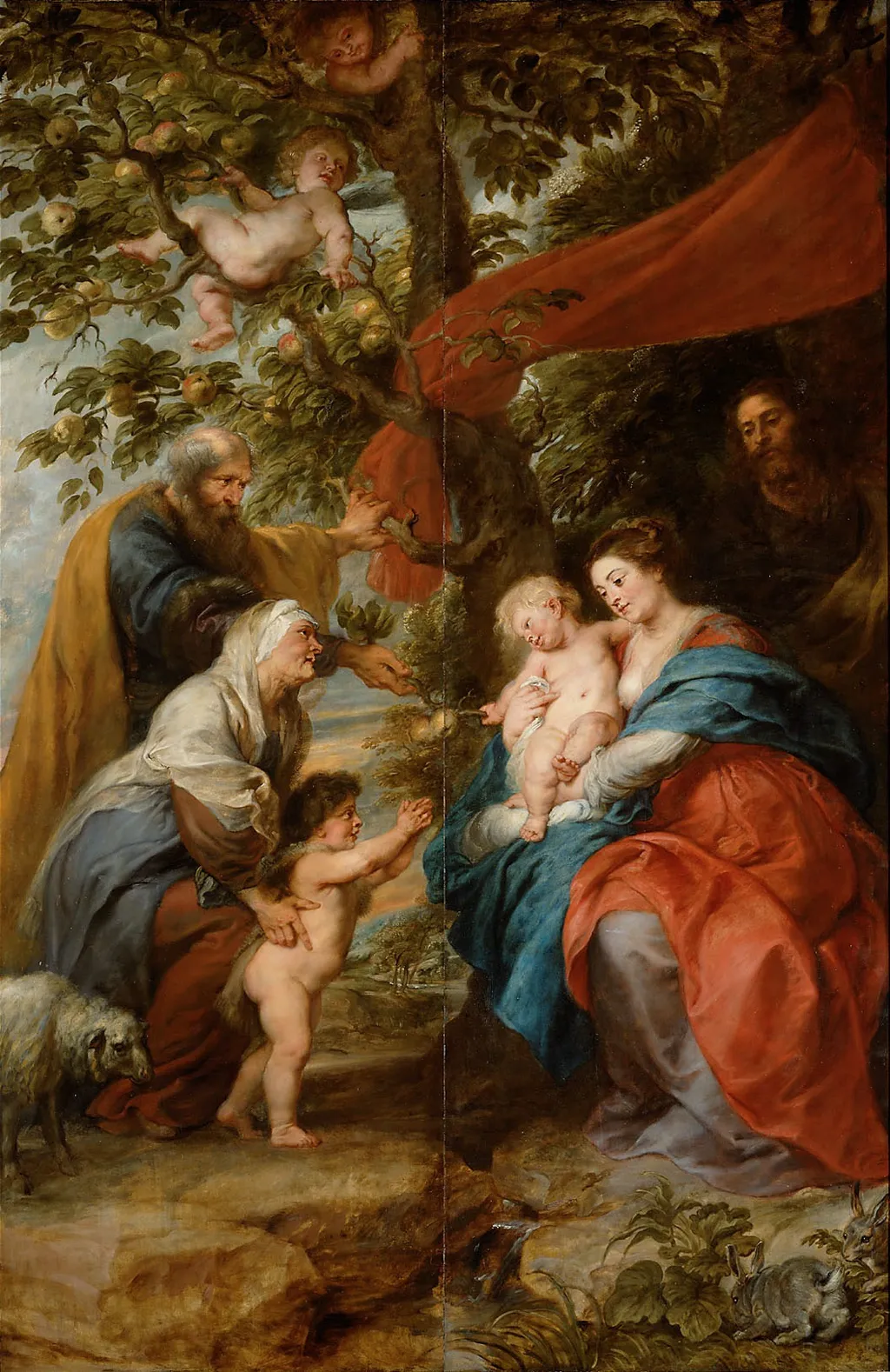
The Holy Family under the Apple Tree is an oil painting by the Flemish Baroque painting artist Peter Paul Rubens. It dates from 1630 and is held in the collection of the Kunsthistorisches Museum.
About this work
Technique & Style
As a painting by Peter Paul Rubens, it depicts the Holy Family, specifically Mary, the Christ Child, and Joseph, within a genre classified as religious art.
Created in 1630, The Holy Family under the Apple Tree is executed in oil paint on a panel support. The work measures 352 cm in height and 233 cm in width, presenting a substantial religious composition. As a painting by Peter Paul Rubens, it depicts the Holy Family, specifically Mary, the Christ Child, and Joseph, within a genre classified as religious art. The piece is currently held in the collection of the Kunsthistorisches Museum.
History & Provenance
Created by Peter Paul Rubens in 1630, the painting was executed in oil on panel. The work is based on a composition titled The Holy Family under the Apple-tree with Saint John the Baptist, Elizabeth and Zacharias, which dates to approximately 1631. The piece measures 352 cm in height and 233 cm in width. It is currently held in the collection of the Kunsthistorisches Museum.
The Holy Family under the Apple Tree is held in the collection of the Kunsthistorisches Museum in Vienna. The work, created by Peter Paul Rubens in 1630, is executed in oil paint on panel. While the piece is confirmed as part of the museum's holdings, the provided records do not list a specific inventory or accession number. Furthermore, no details regarding the painting's exhibition history or loan record are available in the current sources.
Legacy
The painting influenced later religious compositions through its intimate domestic portrayal of the Holy Family, a motif Rubens frequently revisited. Its compositional balance and use of color informed Baroque artists across Northern Europe, particularly in works emphasizing familial tenderness. The work remains part of the Kunsthistorisches Museum's collection, preserving its legacy within institutional holdings.
Overview
Peter Paul Rubens created The Holy Family under the Apple Tree in 1630, employing oil on canvas. The composition places the infant Christ, Mary, and Joseph within a shaded woodland setting, surrounded by figures that suggest a domestic tableau. The work exemplifies Rubens’s mature Baroque style, merging vigorous movement with a warm, luminous palette, and is presently part of the Kunsthistorisches Museum’s holdings.
Subject & Meaning
The painting presents a tender scene of the Holy Family: Mary cradles the infant Jesus, while Joseph and a young child observe nearby. Their placement among trees and foliage evokes a sense of protection and natural abundance, echoing the theological notion of divine providence. The inclusion of additional figures, rendered in contemporary dress, underscores Rubens’s intent to relate sacred narrative to everyday life.
Context
Created during the Counter-Reformation, the work reflects the Catholic Church’s call for emotionally resonant religious imagery. Rubens, both a painter and diplomat, infused the composition with dynamic movement and rich coloration typical of the Flemish Baroque, while also drawing on classical motifs to reinforce the spiritual narrative.
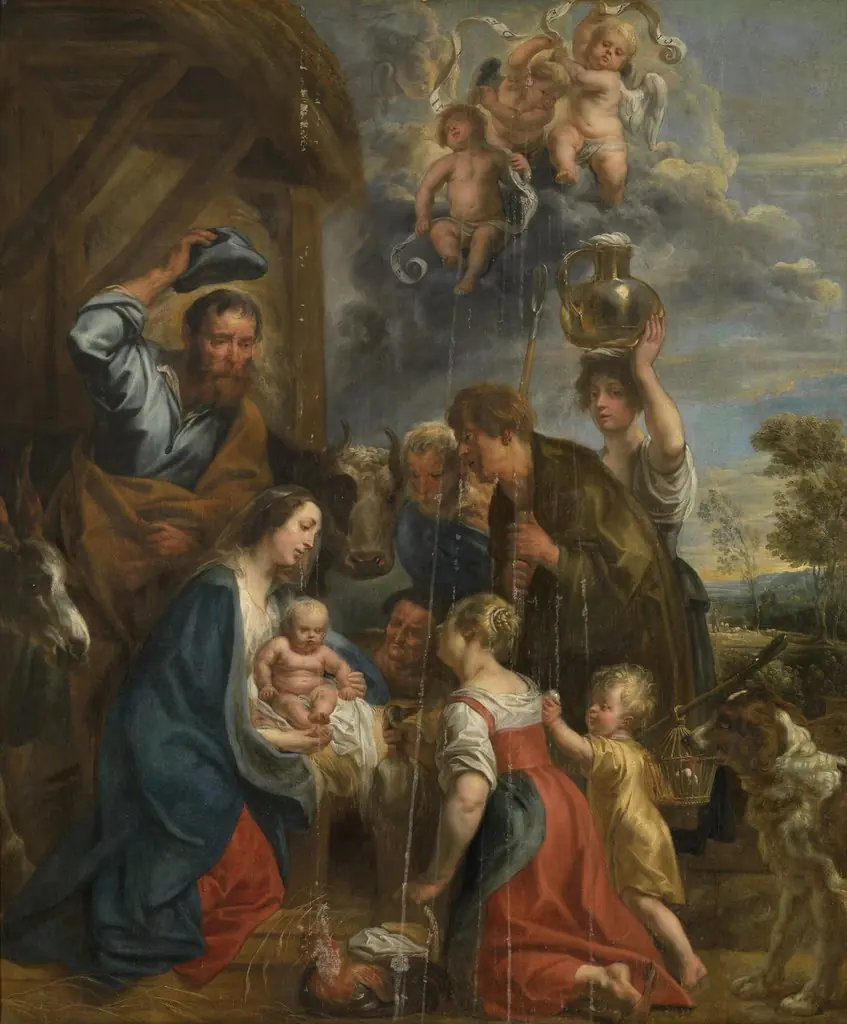
Artist & collection
Artist
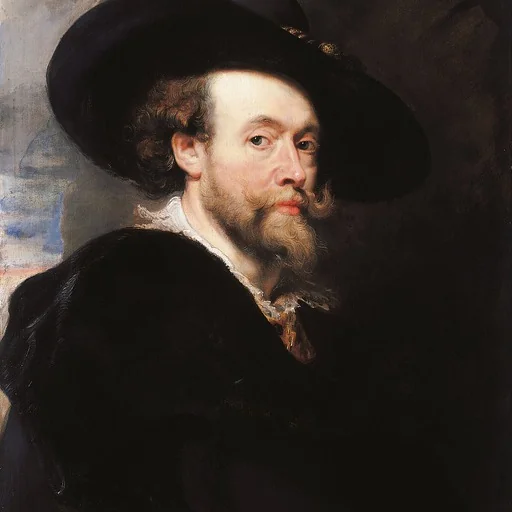
Sir Peter Paul Rubens ( ROO-bənz; Dutch:; 28 June 1577 – 30 May 1640) was a Flemish artist and diplomat.

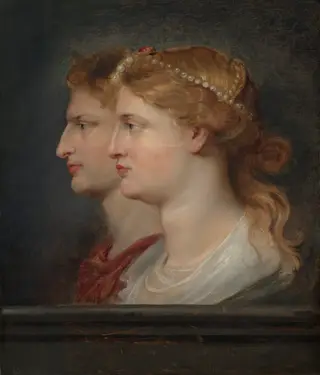
- The Adoration of the Shepherds
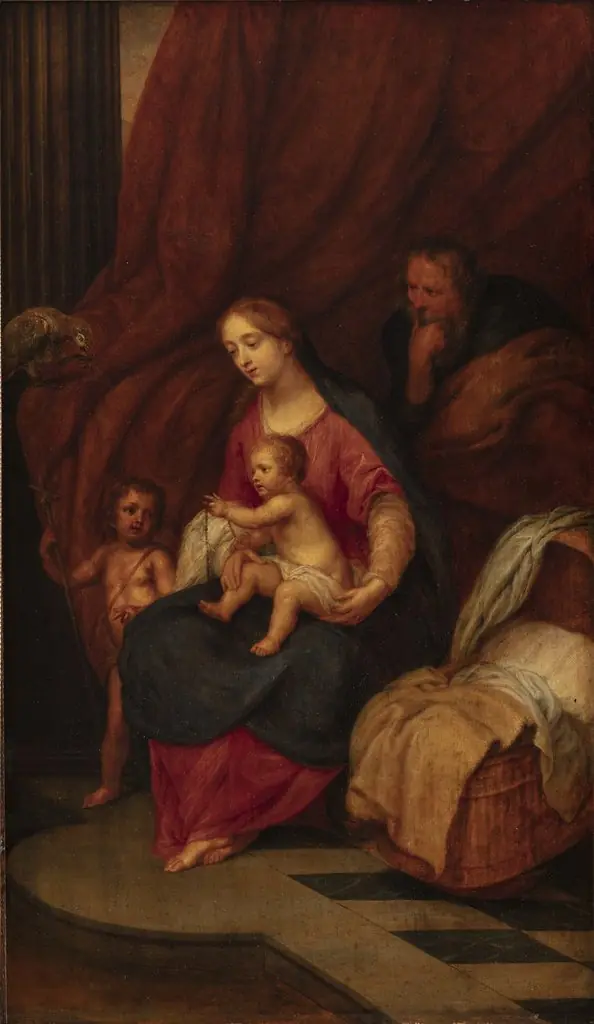 The Holy Family
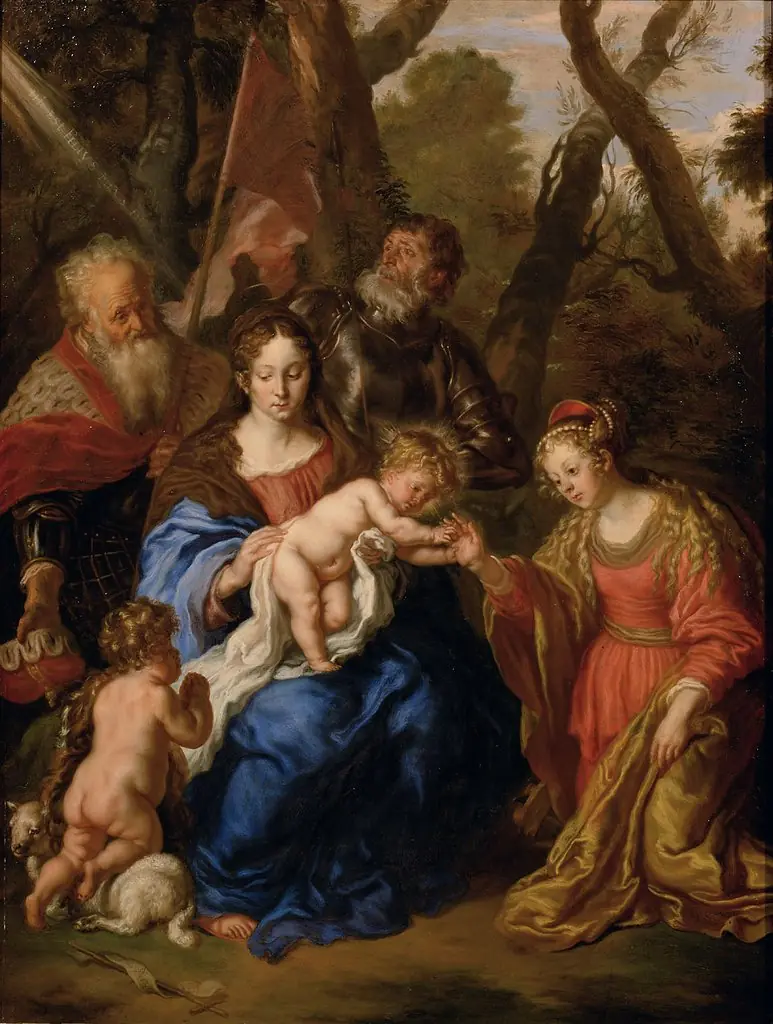 The Mystic Marriage of Saint Catherine of Alexandria with Saints Leopold and William
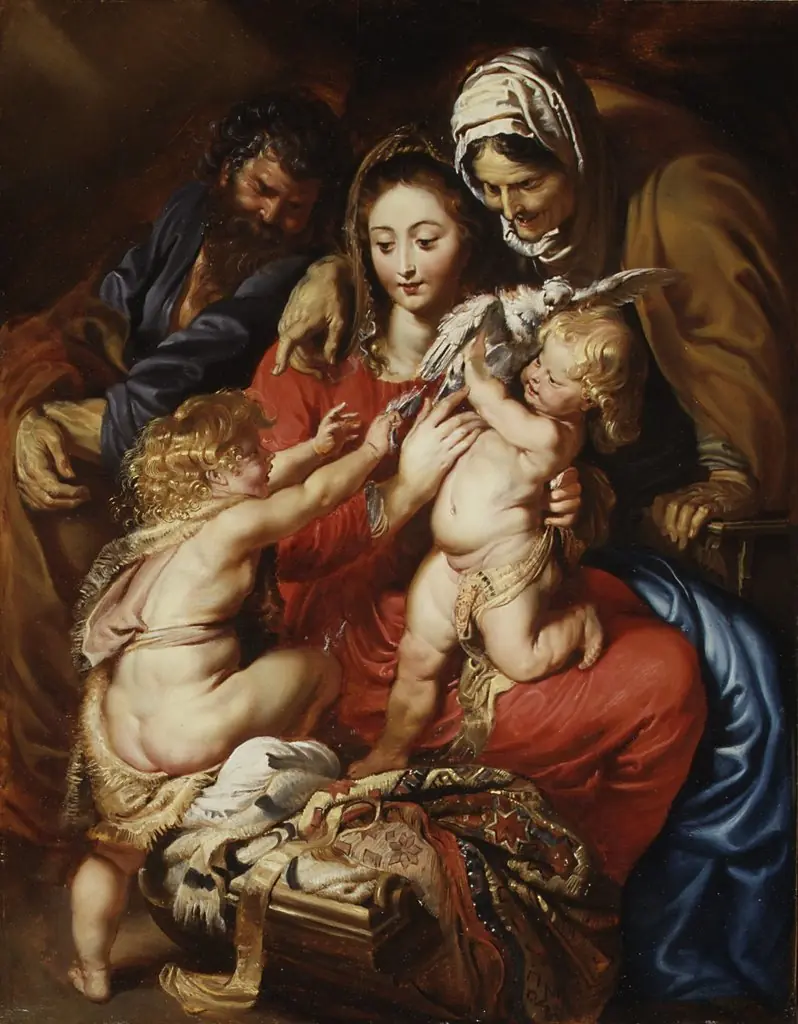 The Holy Family with Saint Elizabeth, Saint John, and a Dove
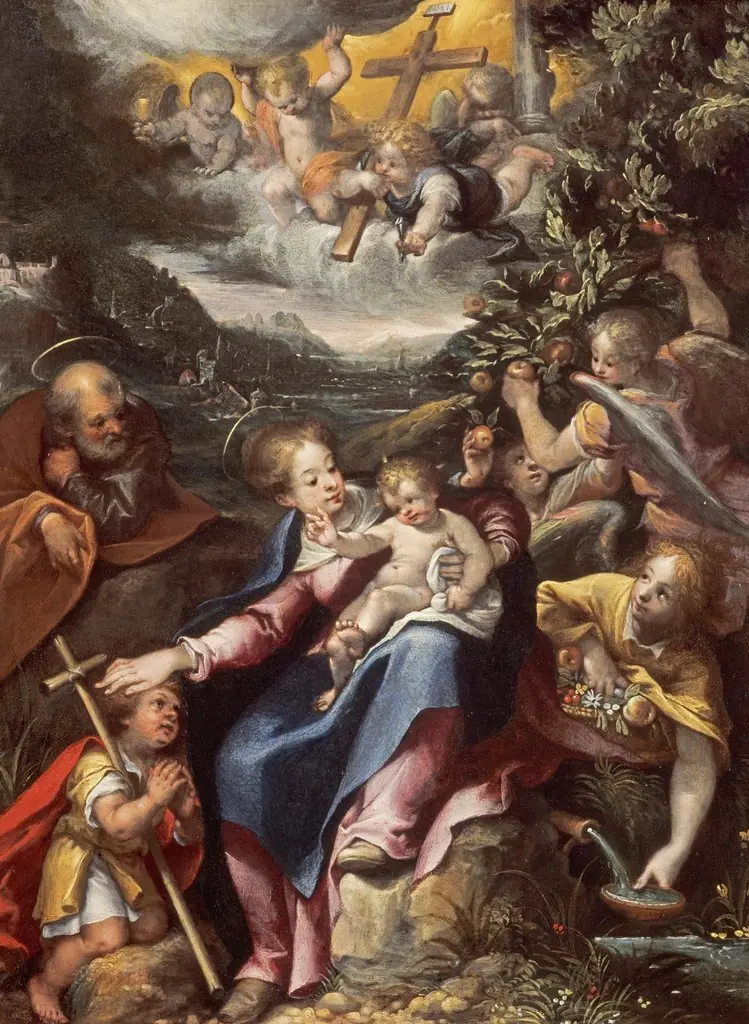 The Holy Family with the Infant Saint John the Baptist in a Landscape
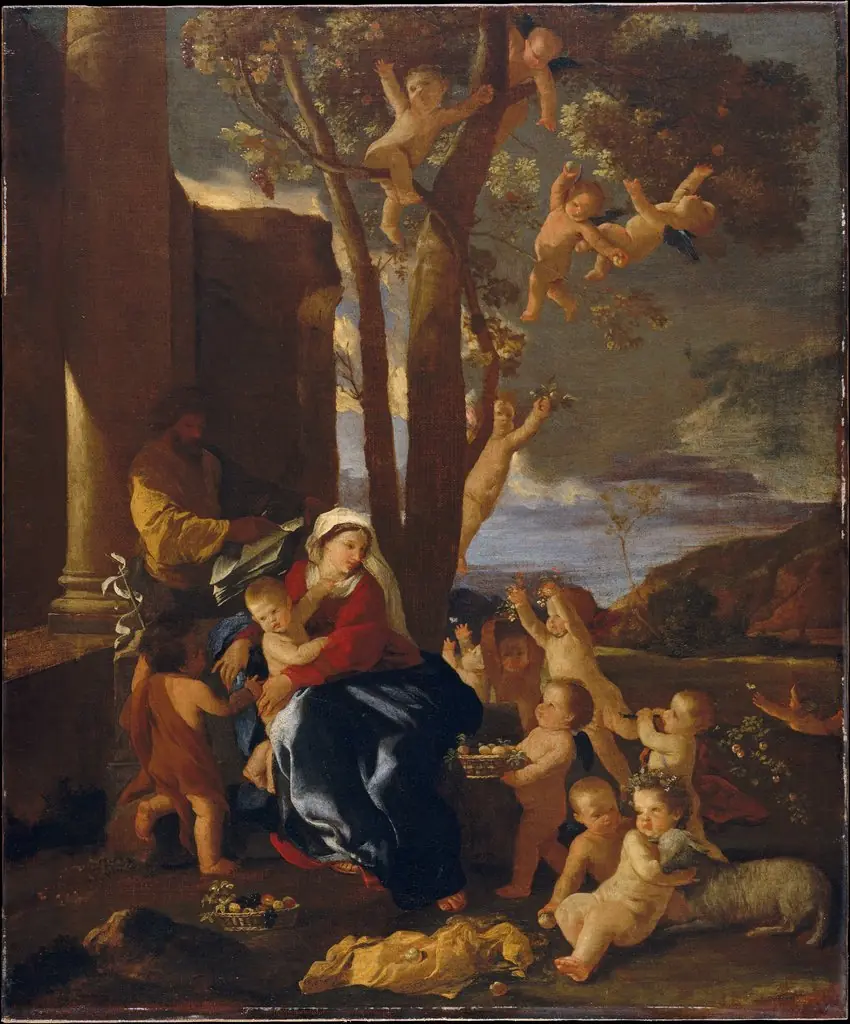 The Rest on the Flight into Egypt
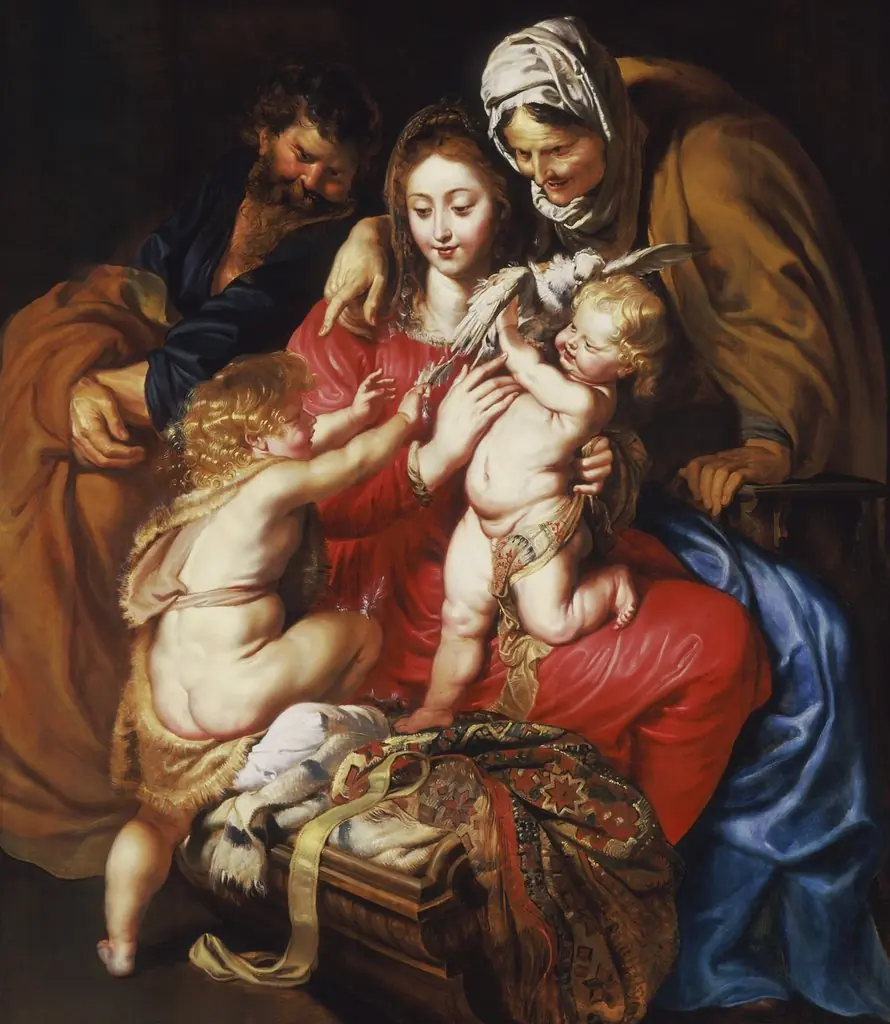 The Holy Family with St. Elizabeth, St. John, and a Dove
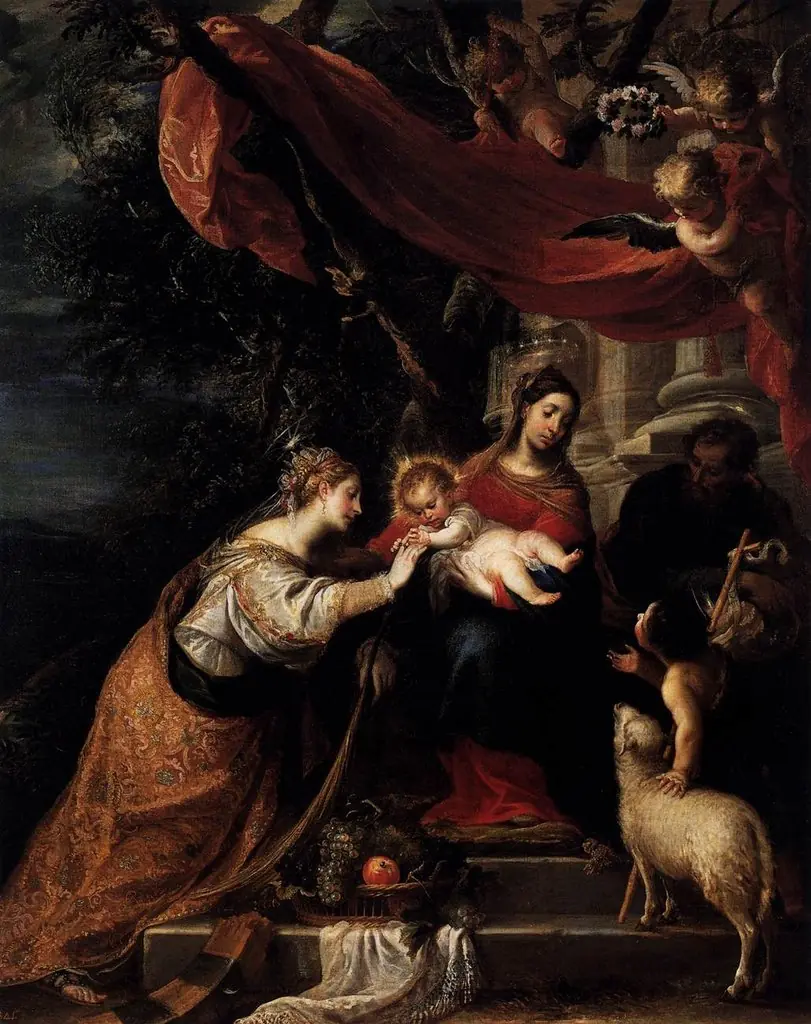 The Mystic Marriage of Saint Catherine
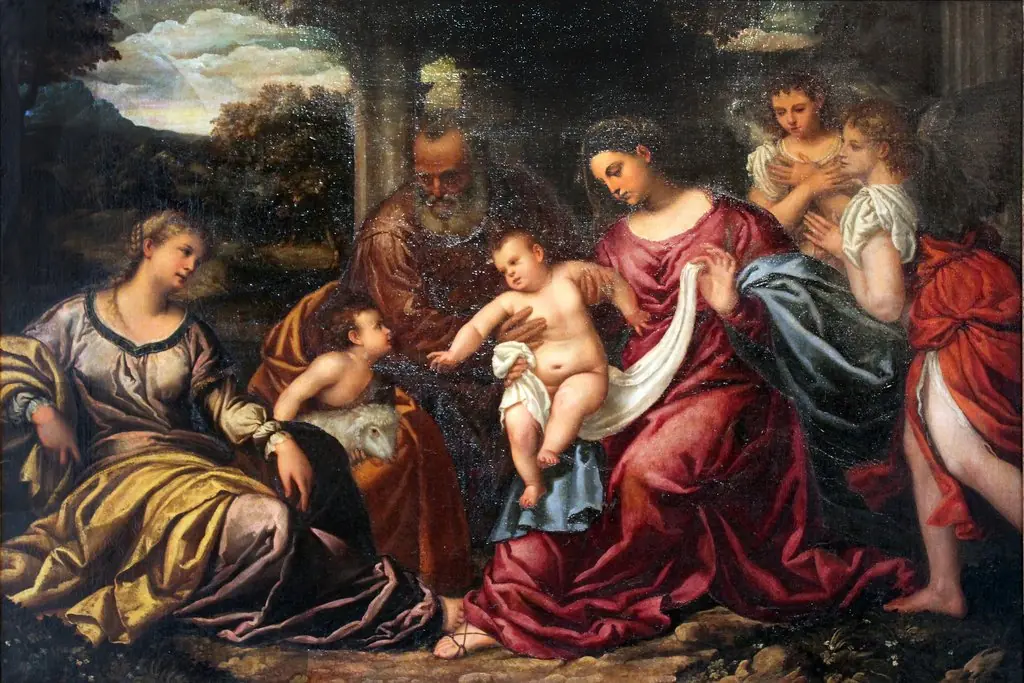 The Holy Family
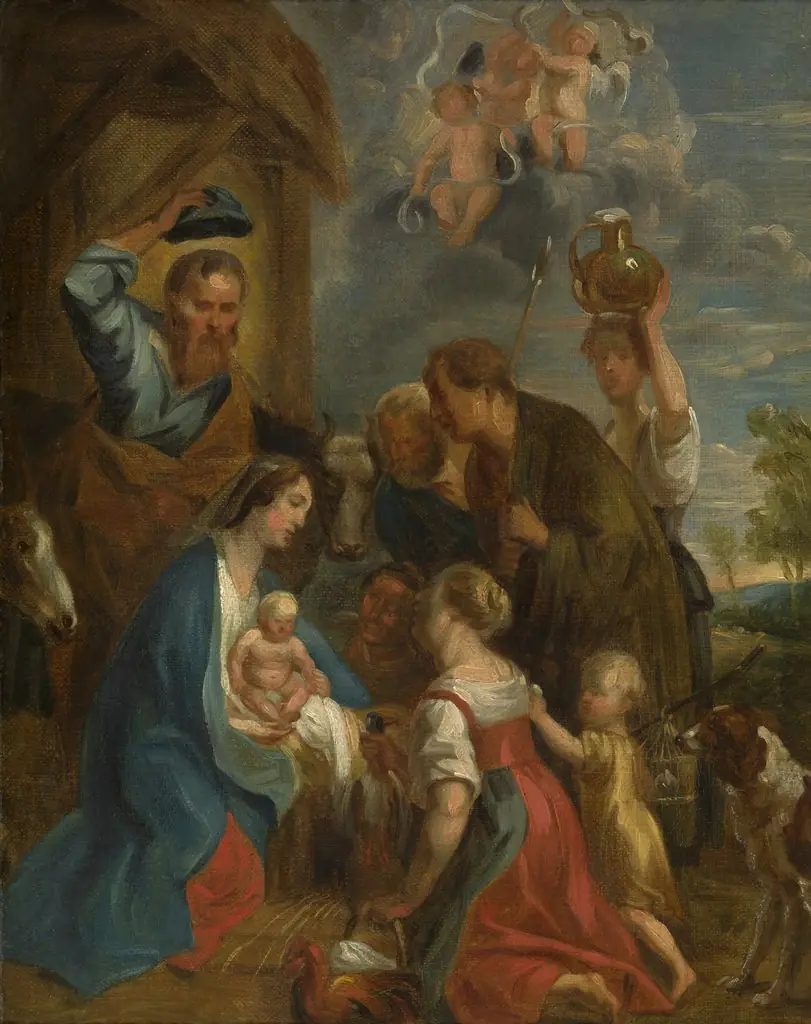 The Adoration of the Shepherds
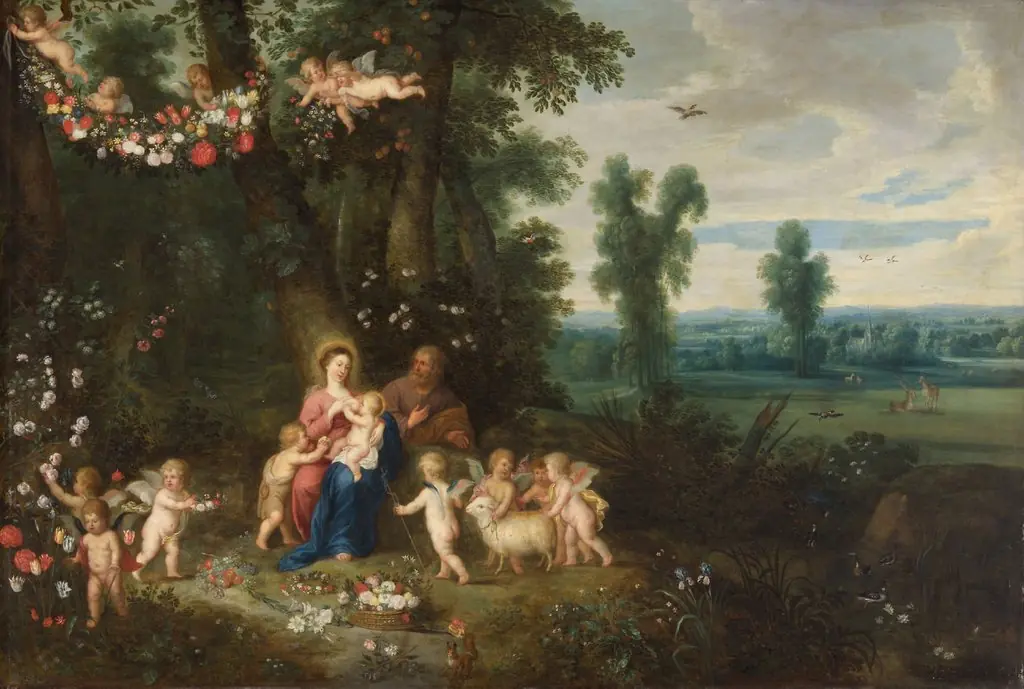 Madonna and Child, St John the Baptist and Angels
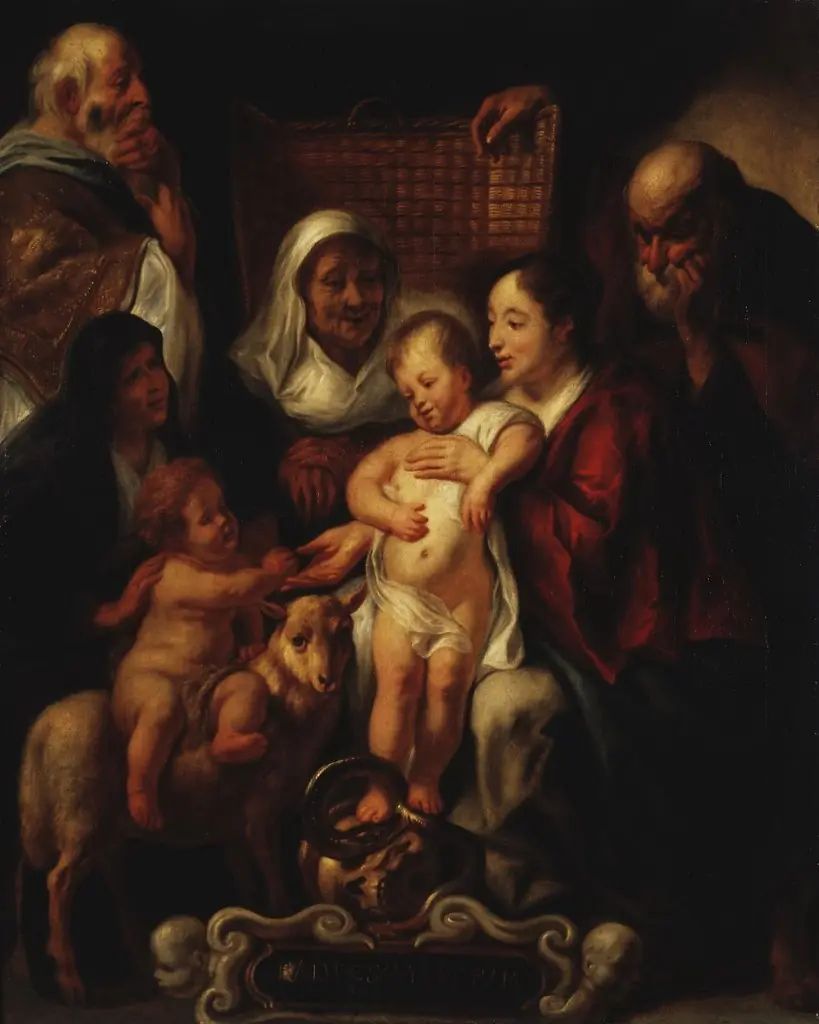 The Holy Family (Hermitage)