Artwork
The Allegory of the Sorbonne

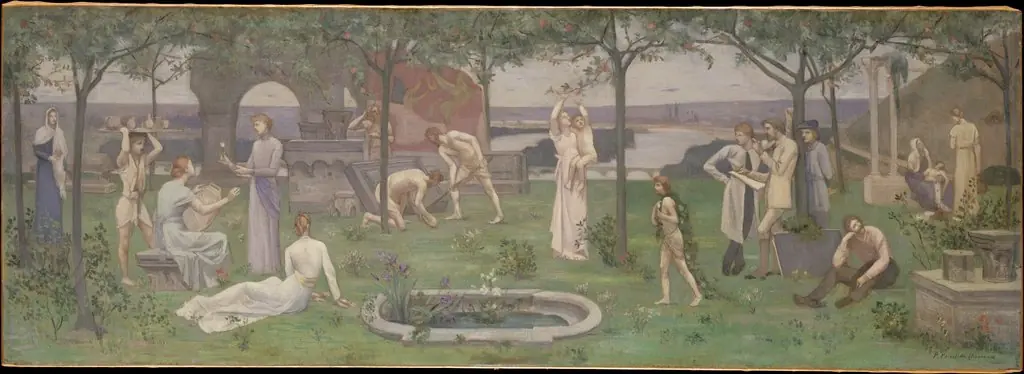
The Allegory of the Sorbonne is an oil painting by the Post-Impressionist artist Pierre Puvis de Chavannes. It dates from 1895 and is held in the collection of the Metropolitan Museum of Art.
About this work
Subject & Meaning
As an allegorical work, the painting uses these figures not merely as portraits but as representations of abstract concepts related to learning and academia.
Created in 1889, Pierre Puvis de Chavannes's The Allegory of the Sorbonne is an oil-on-canvas painting that functions as a complex allegory. The composition depicts human figures, specifically men and women, arranged to symbolize the intellectual and educational mission of the Sorbonne. As an allegorical work, the painting uses these figures not merely as portraits but as representations of abstract concepts related to learning and academia.
The genre classification confirms that the visual narrative is intended to convey deeper meaning beyond a literal scene, utilizing the human form to embody the ideals of the institution. The work stands as a visual statement on the role of the university, translating its scholarly purpose into a static, symbolic image where the presence of both genders suggests a broad scope of intellectual pursuit.
Technique & Style
The Allegory of the Sorbonne is executed in oil paint on canvas, a medium and support well suited to Puvis de Chavannes's mural-like ambitions. The work is a horizontal composition of considerable width, measuring 82.9 by 457.8 centimeters, an exceptionally elongated format that encourages the procession of allegorical figures across the picture plane. This panoramic proportion, combined with the matte, fresco-like handling for which Puvis de Chavannes is known, lends the painting its characteristic mural quality, with simplified forms, muted tonalities, and a flattened treatment of space that recalls classical wall painting rather than conventional easel oil painting.
History & Provenance
Pierre Puvis de Chavannes executed The Allegory of the Sorbonne in 1889 as an oil painting on canvas. Created during the late nineteenth century, the work measures approximately 82.9 centimeters in height and 457.8 centimeters in width. Following its completion, the large-scale allegorical panel entered the collection of Louisine Havemeyer, a prominent American art collector.
The painting eventually became part of the holdings at the Metropolitan Museum of Art in New York, where it remains preserved. While specific details regarding the initial commission or the exact chain of custody between the artist's studio and Havemeyer are not fully elaborated in the available records, the work's inception is firmly dated to the beginning of 1889.
The Allegory of the Sorbonne is held by the Metropolitan Museum of Art. The painting was owned by Louisine Havemeyer before entering the museum's collection. No inventory or accession number is provided in the available sources. The sources do not record any exhibition history for this work.
Overview
Pierre Puvis de Chavannes completed The Allegory of the Sorbonne in 1895, an oil painting now housed at The Metropolitan Museum of Art. This large-scale work exemplifies the artist's characteristic approach to allegorical subjects, a style that positioned him as a prominent figure within the late 19th-century French art scene. The piece reflects elements of the Post-Impressionist movement while drawing on classical traditions in its composition and theme.
Context
Pierre Puvis de Chavannes was a significant French muralist during the early Third Republic, celebrated for his large-scale allegorical compositions. His distinctive style and thematic choices exerted considerable influence on his contemporaries. As a co-founder of the Société Nationale des Beaux-Arts, he played a pivotal role in shaping the artistic discourse and direction of late 19th-century French art, establishing himself as a defining figure of the era.
Artist & collection
Artist
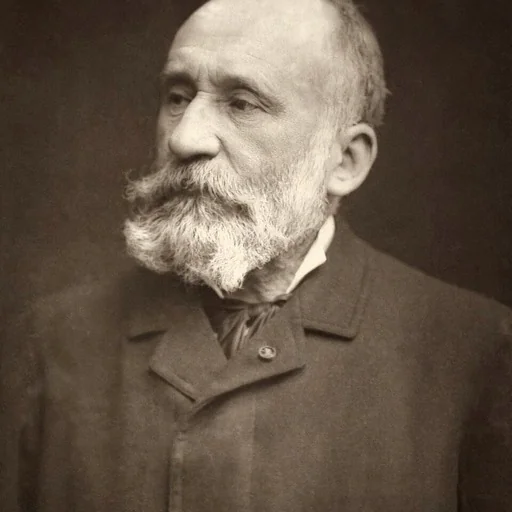
Pierre Puvis de Chavannes (French pronunciation:; 14 December 1824 – 24 October 1898) was a French painter known for his mural painting, who came to be known as "the painter for France".

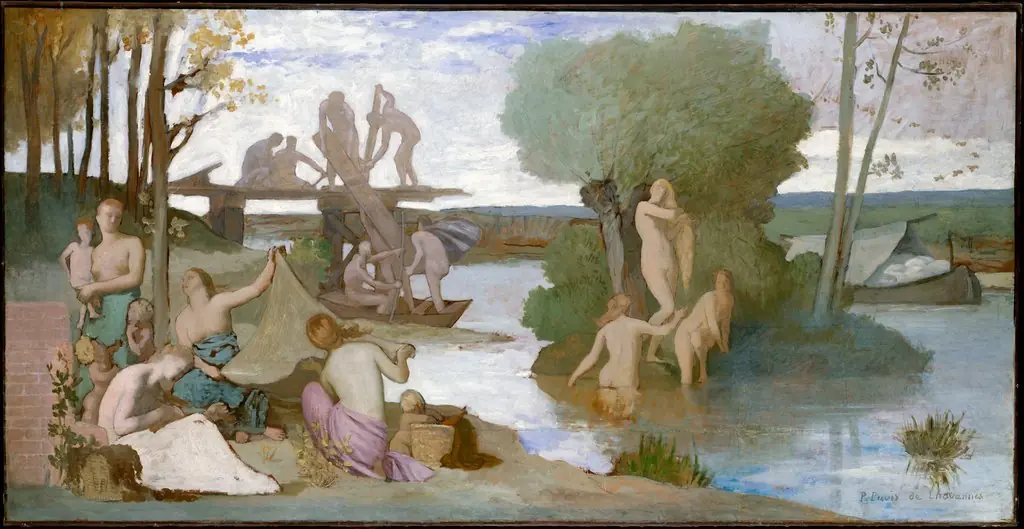
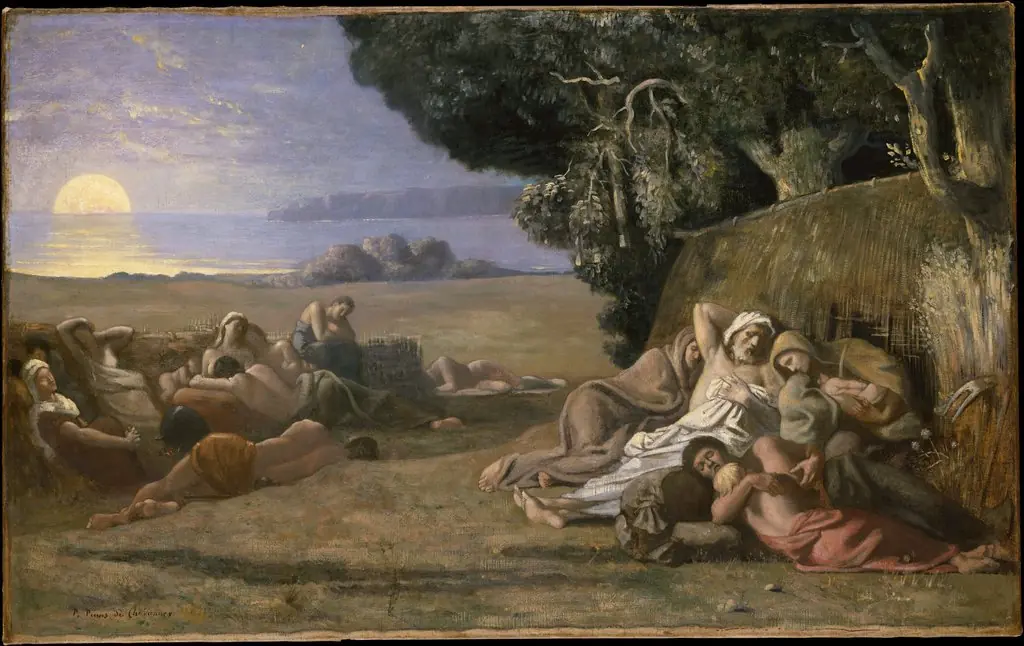
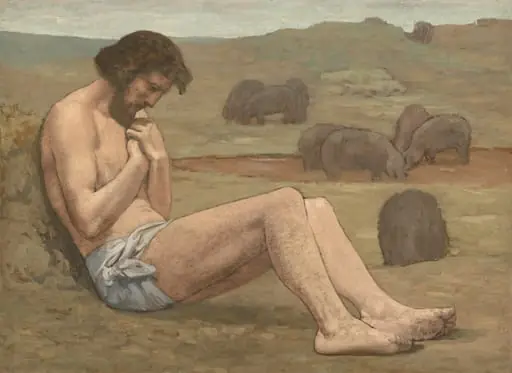
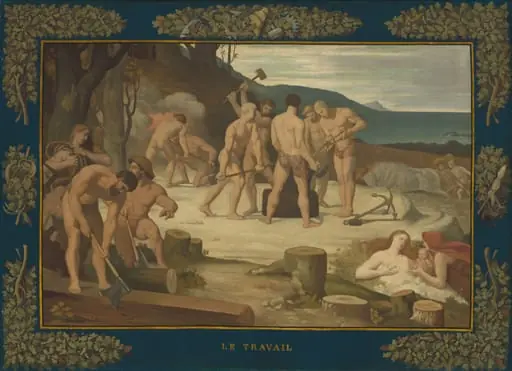
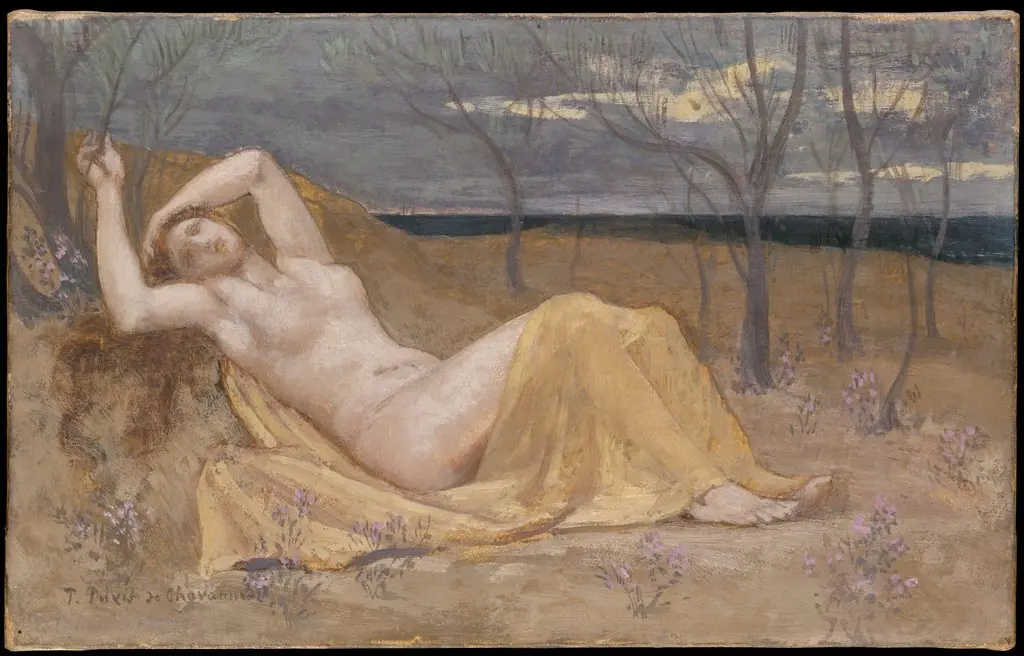
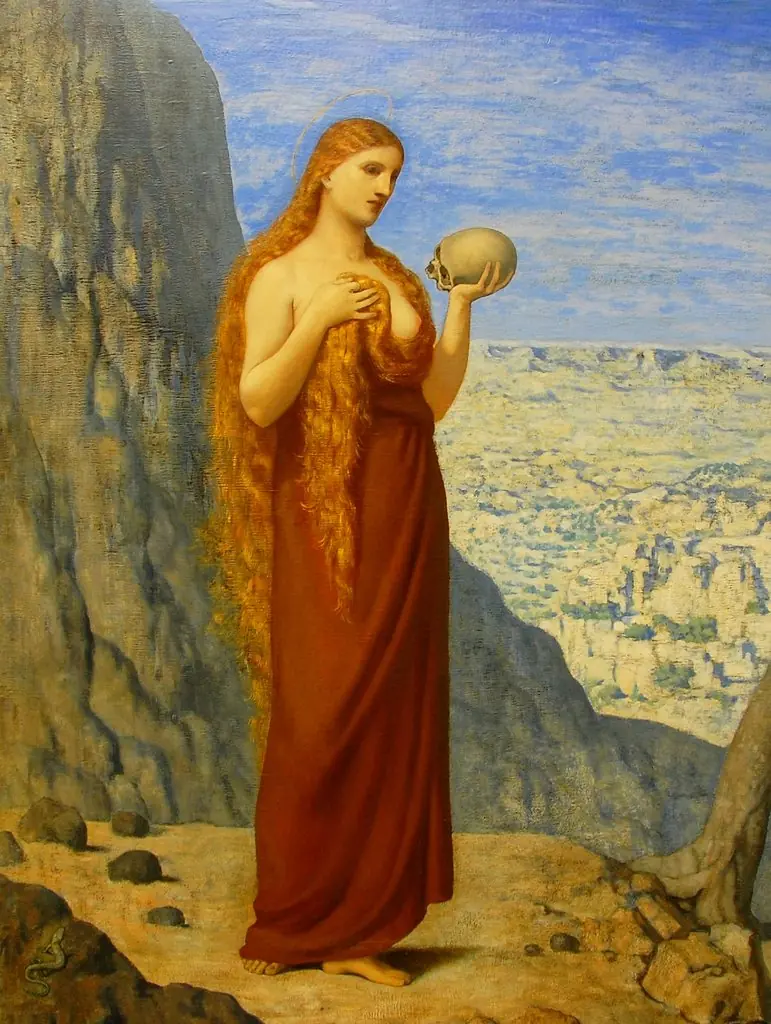
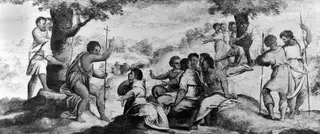
- John the Baptist preaches in the wilderness
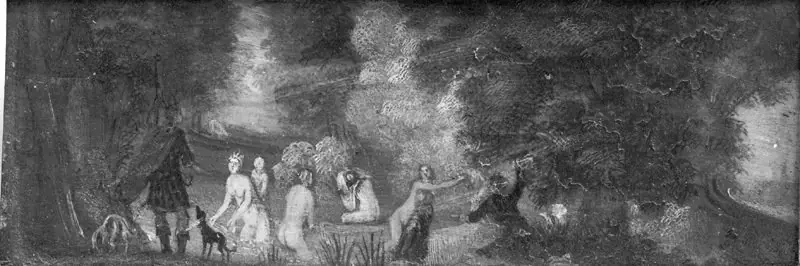 Landscape with Actaeon and Diana
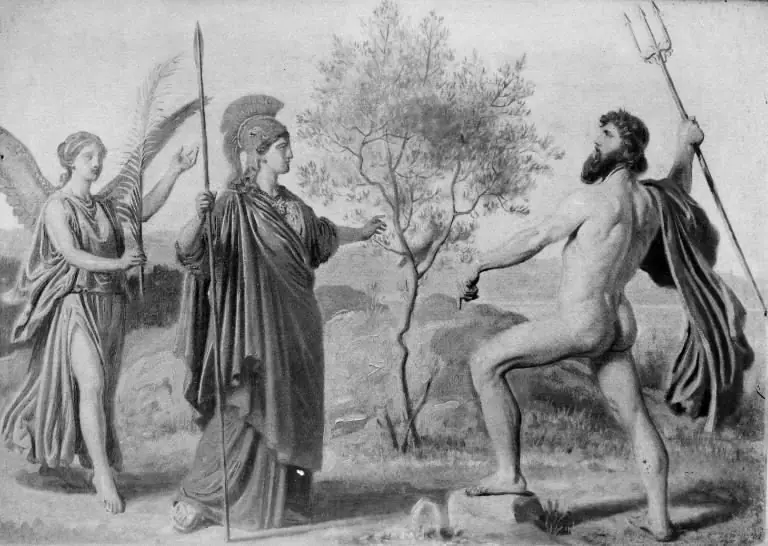 Athene followed by Nike Disputing with Poseidon for Possession of Attica
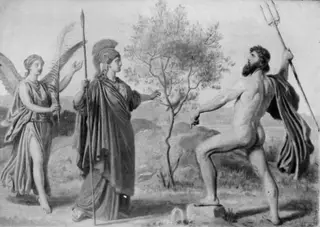 Athene followed by Nike Disputing with Poseidon for Possession of Attica
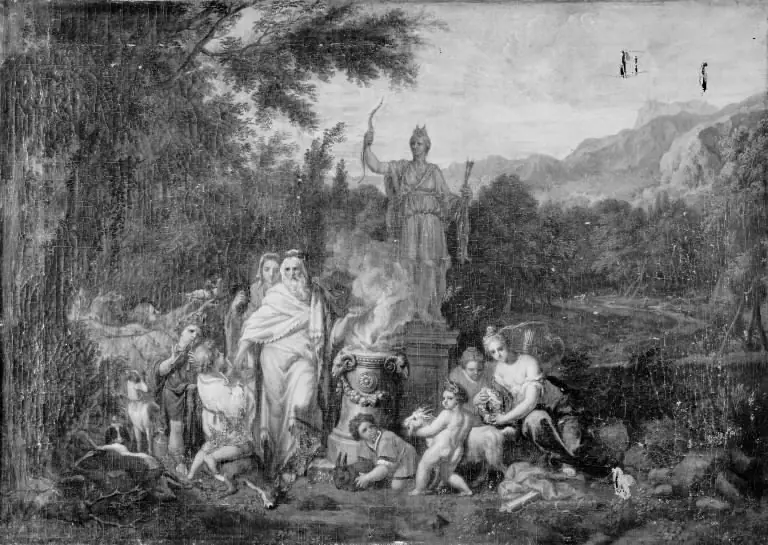 Landscape with Sacrifice to Diana
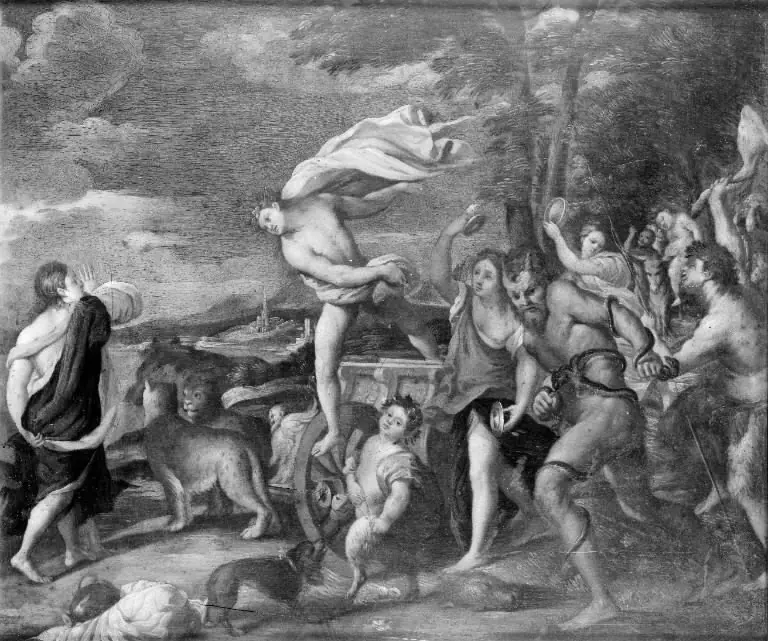 Bacchus and Ariadne
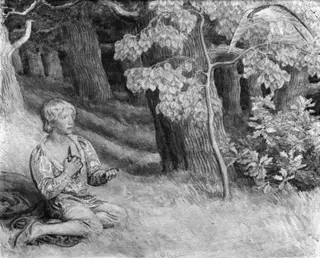 Jomfru i fugleham
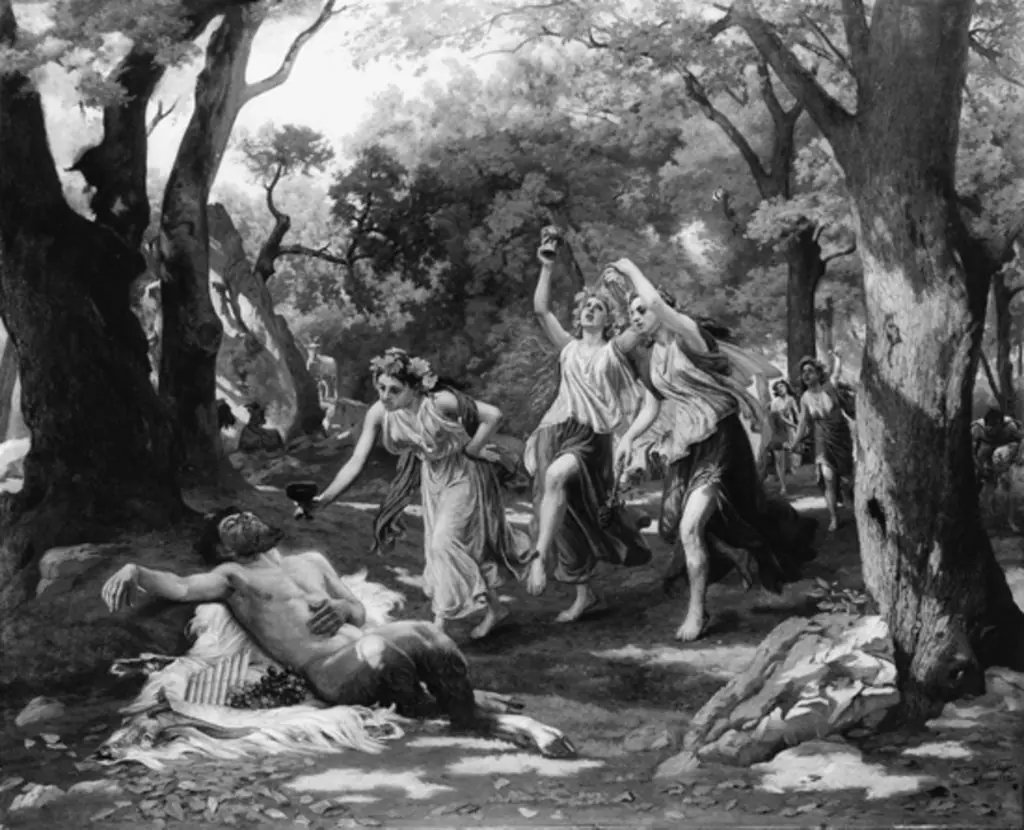 Pan und Bacchantinnen
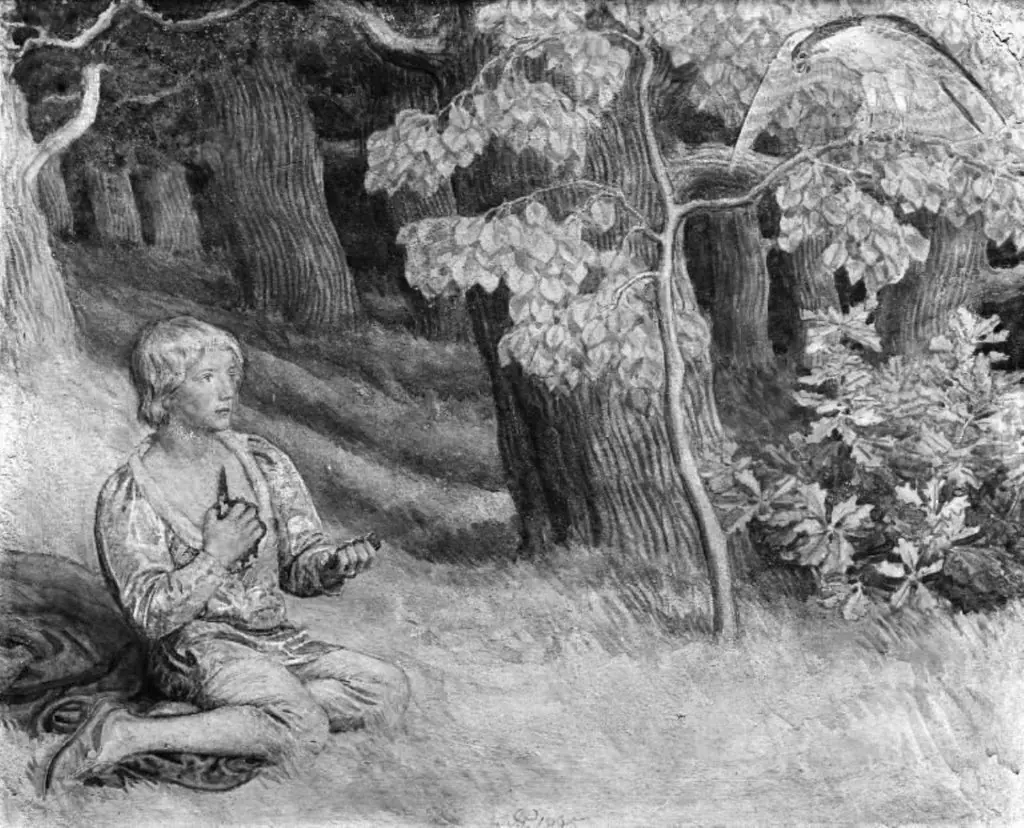 Jomfru i fugleham
 Landscape with Sacrifice to Diana
 Bacchus and Ariadne
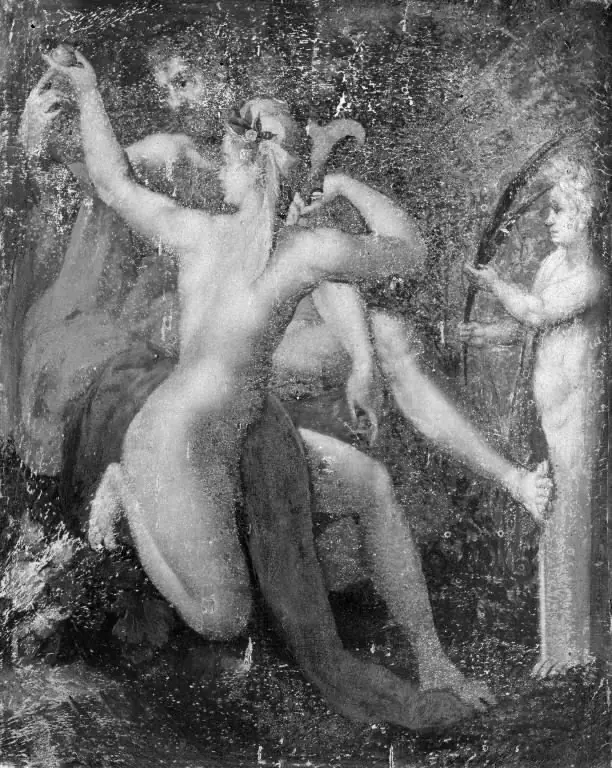 Vertumnus and Pomona