Artwork
The Prodigal Son
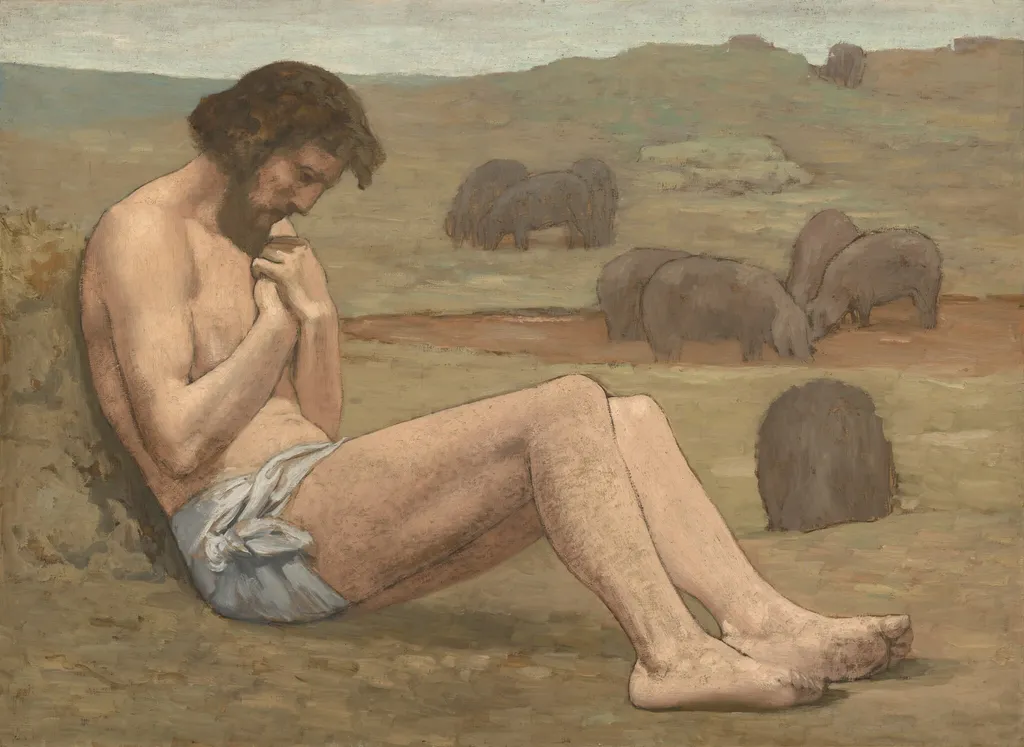
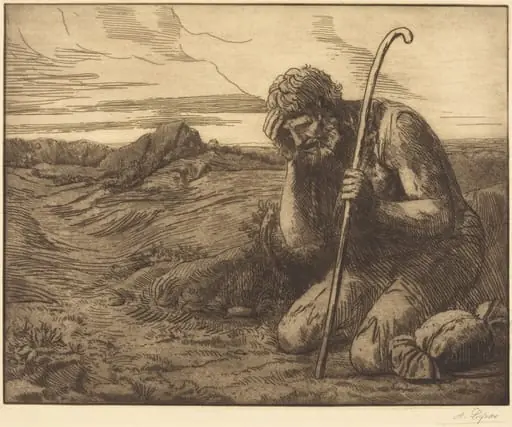
The Prodigal Son is an oil painting by the Impressionist artist Pierre Puvis de Chavannes. It dates from 1879 and is held in the collection of the National Gallery of Art.
About this work
Subject & Meaning
As a work explicitly categorized within the religious genre, the image serves as a visual interpretation of this specific scriptural story.
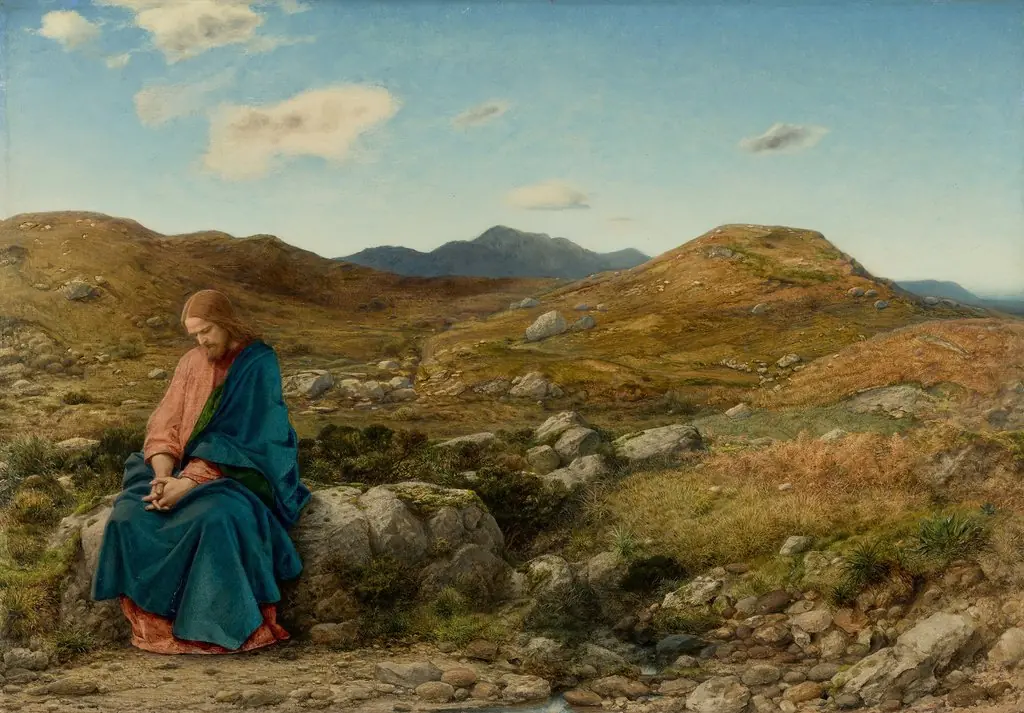
Pierre Puvis de Chavannes's painting illustrates the biblical Parable of the Prodigal Son, a narrative central to Christian religious art. As a work explicitly categorized within the religious genre, the image serves as a visual interpretation of this specific scriptural story. The composition focuses on the thematic elements of the parable, representing the moral and spiritual lessons associated with the son's departure and eventual return.
By depicting this well-known subject, the artwork functions as an iconographic representation of repentance and forgiveness within the tradition of religious painting.
Technique & Style
The Prodigal Son is executed in oil on a linen support. The work measures 106.5 cm in height and 146.7 cm in width. Created around 1879, the painting belongs to the religious genre and depicts the Parable of the Prodigal Son.
A red wax seal bearing the artist's name is affixed to the reverse of the canvas, a type of atelier seal typically applied after the artist's death.
History & Provenance
Pierre Puvis de Chavannes likely executed this oil on linen around 1879. Following the artist's death in 1898, his estate retained the work until it was sold to the dealers Durand-Ruel in Paris and New York on June 14, 1899. The painting subsequently entered the collection of Jerome Stonborough in New York.
After Stonborough's death, the work was offered at an estate sale conducted by Parke-Bernet Galleries in New York on October 17, 1940, as lot 75, where it was purchased by Chester Dale. Dale bequeathed the painting to the National Gallery of Art in Washington, D.C., in 1963.
The painting is documented in Aimee Brown Price's catalogue of Puvis de Chavannes's painted works as no. 244 (later no. 299), and was included in the 1994 exhibition Pierre Puvis de Chavannes held at the Van Gogh Museum in Amsterdam.
Context
Puvis de Chavannes's The Prodigal Son has been situated within the artist's late-career synthesis of classical restraint and modern allegory. The painting's muted palette and rhythmic figuration reflect his mature style, which distanced him from the more dramatic naturalism of contemporaries like Courbet or Manet. Scholarship highlights its alignment with the Symbolist turn toward introspective religious narrative, emphasizing the allegorical rather than narrative treatment of the biblical parable.
The work entered the National Gallery of Art, Washington, through Chester Dale's bequest in 1963, anchoring its reception within mid-twentieth-century American collecting practices focused on French academic and Symbolist traditions. Its placement in the museum's holdings underscores the ongoing reassessment of Puvis's influence on later modernists, particularly in the deployment of simplified forms and spatial ambiguity.
Overview
Pierre Puvis de Chavannes created The Prodigal Son around 1879, an oil on linen painting that interprets a well-known biblical narrative. This work exemplifies his characteristic approach to figural subjects, blending a sense of classical order with a contemplative mood. It reflects his broader artistic practice as a prominent French artist of his era, known for his distinctive style and public commissions.
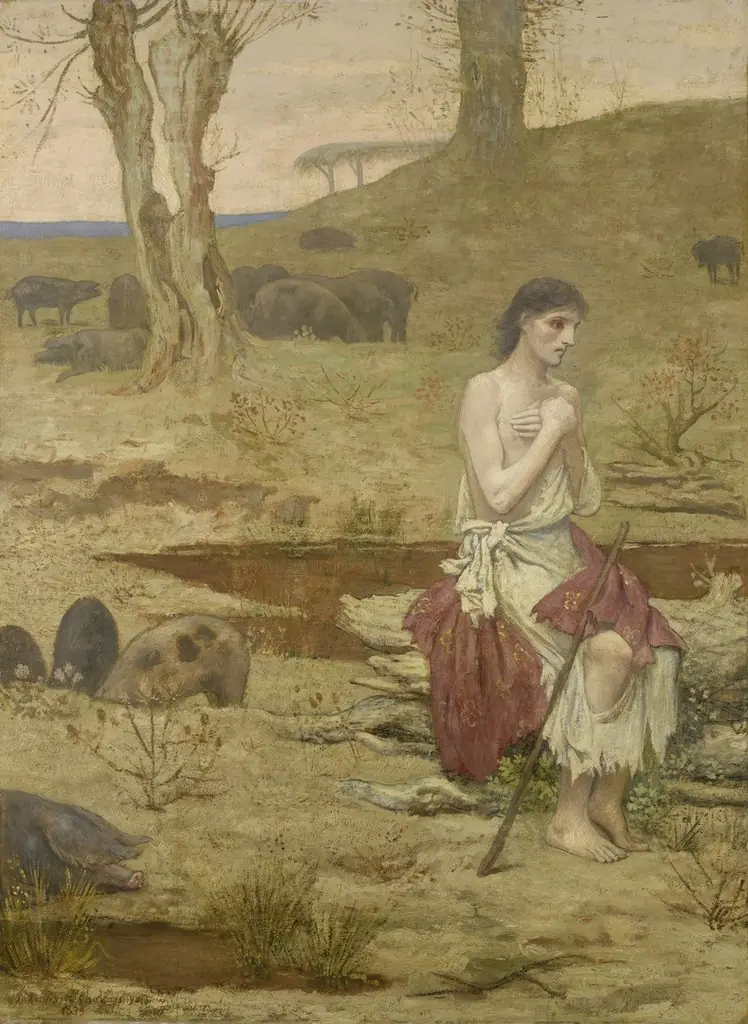
Own this work as a print
Artist & collection
Artist
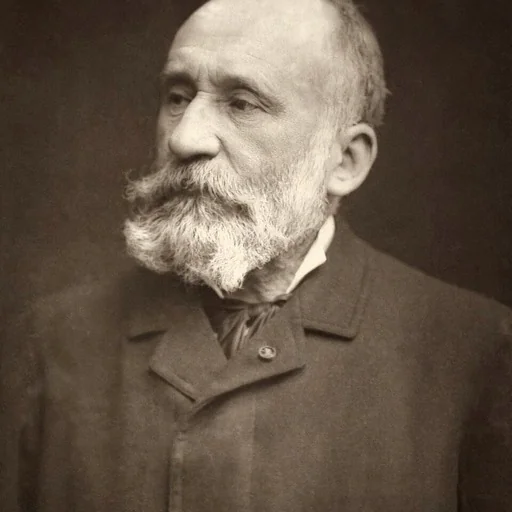
Pierre Puvis de Chavannes (French pronunciation:; 14 December 1824 – 24 October 1898) was a French painter known for his mural painting, who came to be known as "the painter for France".