Artwork
Five regents of the Tuchthuis (house of correction) in Middelburg
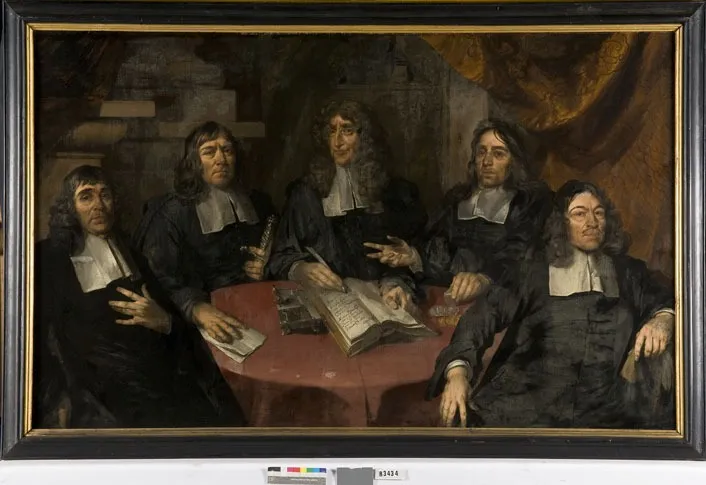
Five regents of the Tuchthuis (house of correction) in Middelburg is an oil painting by the Dutch Golden Age artist Pieter Borsseler. It is held in the collection of the Rijksmuseum.
About this work
Subject & Meaning
By depicting these officials together, the work underscores the social control exercised by the correctional administration in late 17th‑century Netherlands.
The painting portrays five regents of the Tuchthuis, the house of correction in Middelburg, rendered as a formal group portrait that emphasizes their civic authority and collective responsibility within the penal institution. The composition conveys the institutional hierarchy through the seated arrangement and the sober attire of the figures, symbolizing the moral governance and order imposed by the regents upon inmates. By depicting these officials together, the work underscores the social control exercised by the correctional administration in late 17th‑century Netherlands.
Technique & Style
Executed in 1683, this group portrait is an oil painting on canvas. The work measures 147 cm in height and 132 cm in width. Created in Middelburg, the piece functions as a formal regents group portrait, depicting the five administrators of the local house of correction.
The composition adheres to the conventions of Dutch corporate portraiture from the late seventeenth century, utilizing oil paint to render the figures and their attire on a standard canvas support.
History & Provenance
The work titled Five regents of the Tuchthuis (house of correction) in Middelburg was painted in 1683 by Pieter Borsseler, a Dutch artist active in Middelburg. It was created as a group portrait for the local correctional facility and later entered the collection of the Rijksmuseum through the Cultural Heritage Agency of the Netherlands Art Collection. The painting measures 147 cm by 132 cm and is executed in oil on canvas.
Its provenance traces from its original commissioning in Middelburg to its current custodianship at the Rijksmuseum depot RCE.
The artwork’s genre aligns with Regents group portraiture, reflecting its function as a civic and institutional record. It remains part of the Rijksmuseum’s institutional holdings, preserving its historical and artistic significance within Dutch portraiture.
The portrait is held in the Rijksmuseum, Amsterdam, as part of the national collection managed by the Cultural Heritage Agency of the Netherlands.
Its inventory number is SK-C-1909. The painting entered the museum’s holdings as part of the national art collection under the stewardship of the Rijksmuseum and the Cultural Heritage Agency of the Netherlands.
The work has been exhibited at the Rijksmuseum, where it remains part of the institution’s holdings.
Context
Created by Pieter Borsseler in 1683, this group portrait depicts the five regents of the Tuchthuis in Middelburg. The work exemplifies the Dutch tradition of regent portraiture, a genre dedicated to representing civic officials and institutional leaders. Executed in oil on canvas, the painting reflects the formal style characteristic of late seventeenth-century Dutch group portraiture.
It is currently held within the cultural heritage collection of the Netherlands, managed by the Cultural Heritage Agency and stored in the Rijksmuseum depot.
Overview
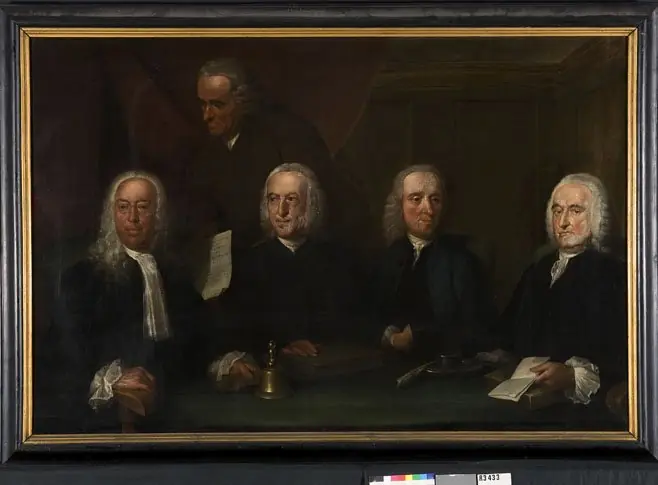
Executed in 1692, this oil painting presents a formal group portrait of five men who served as regents of the Middelburg house of correction. The work belongs to the later phase of the Dutch Golden Age and reflects the civic duty of its subjects, who are shown seated around a table in a restrained, dignified setting.
Artist & collection
Artist
Pieter Borsseler or Pieter Borselaer (1633/1634 Middelburg - in or after 1687, Middelburg) was a Dutch portrait painter who was prominent in England during the second half of the 17th century.

- Four regents and the pater of the House of Corrections in Middelburg, 1764
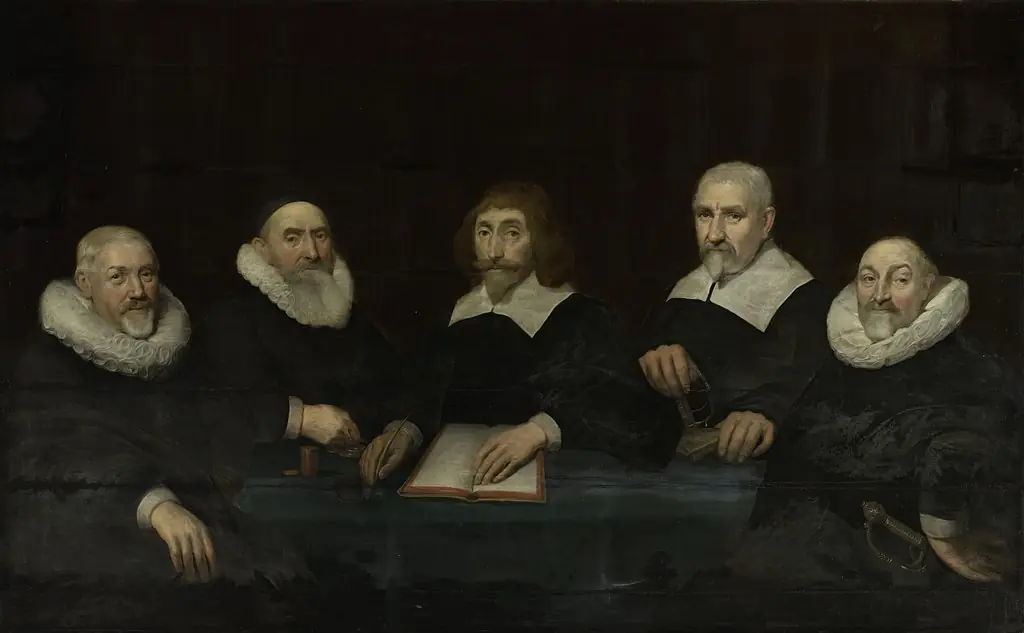 The regents of the Tuchthuis (house of correction) in Middelburg, 1643
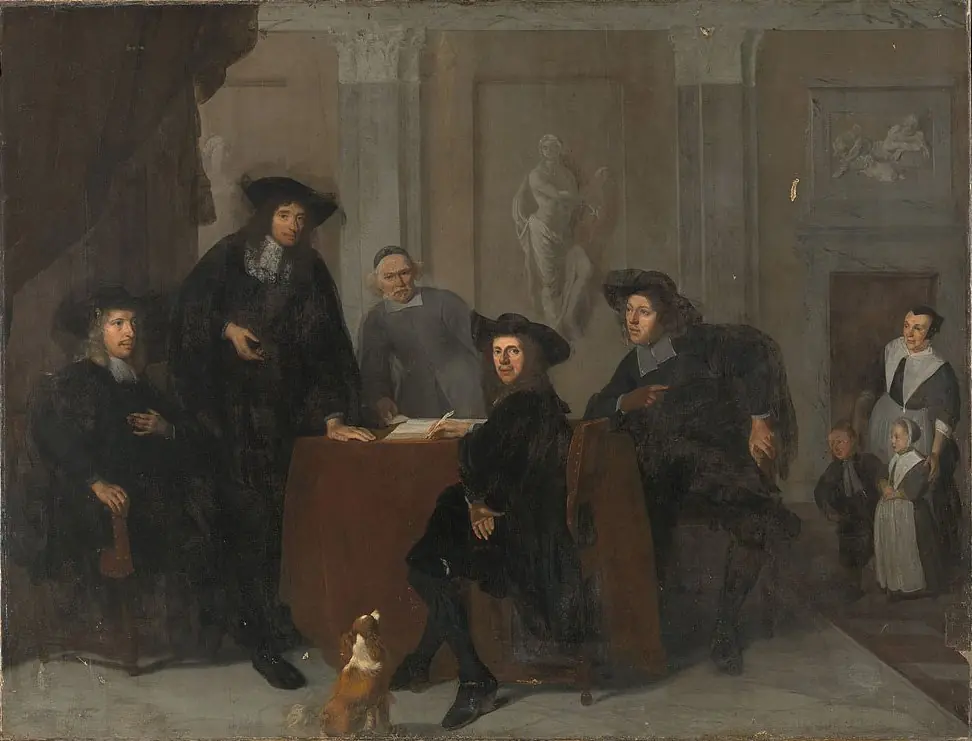 Regents of the Leper's house in Amsterdam
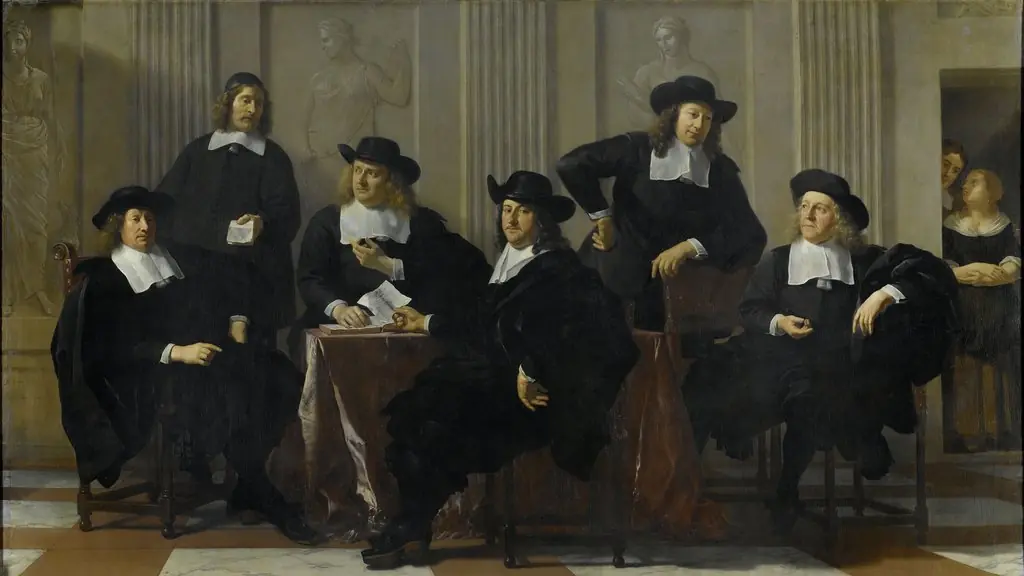 The Regents of the Spinhuis and Nieuwe Werkhuis, Amsterdam
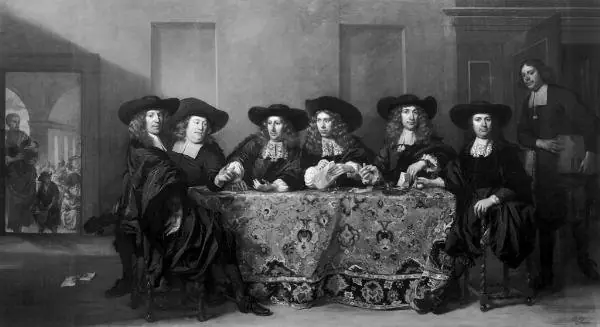 Six regents and the housemaster of the Oude Zijds Almshouse for the outdoor relief of the poor, Amsterdam, 1675
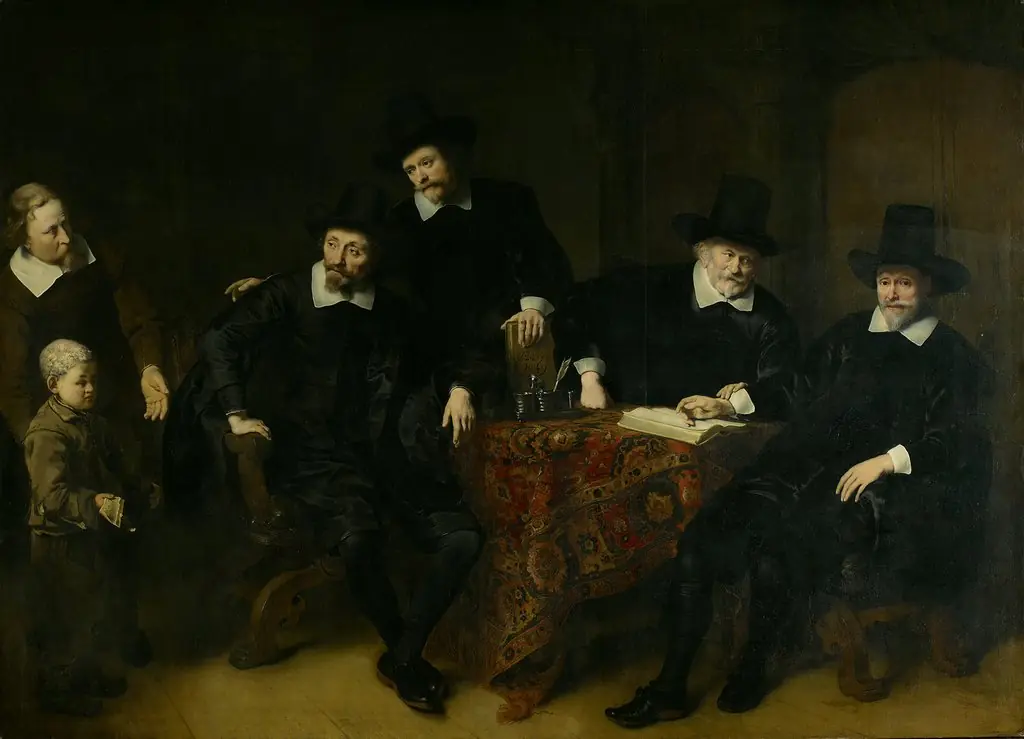 The Regents of the Leper's house in Amsterdam in 1649
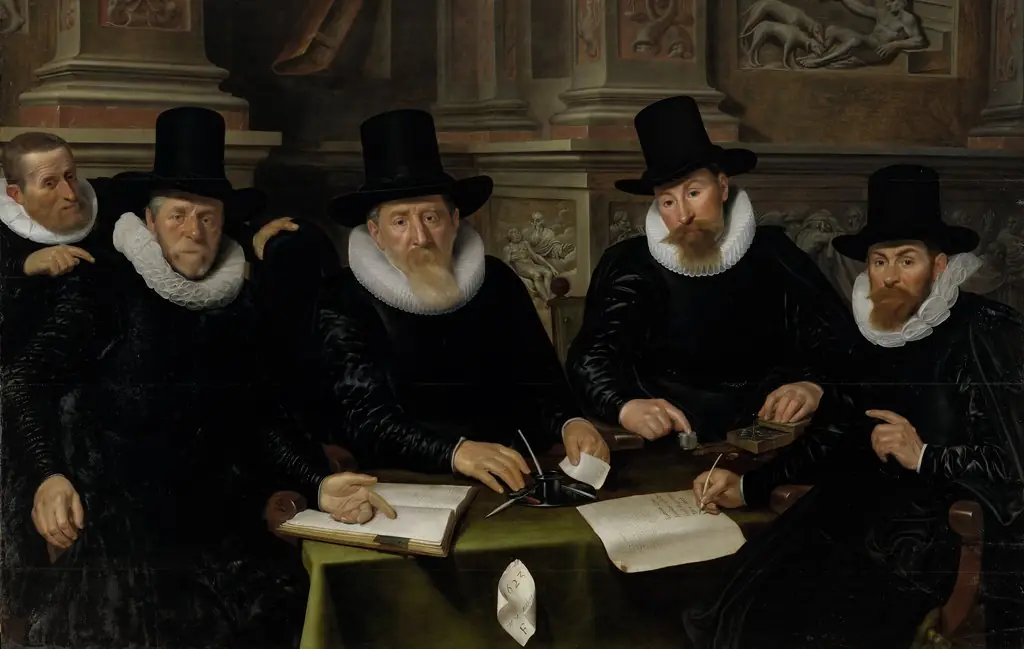 Four Regents and the ‘House Father’ of the Amsterdam Lepers’ Asylum
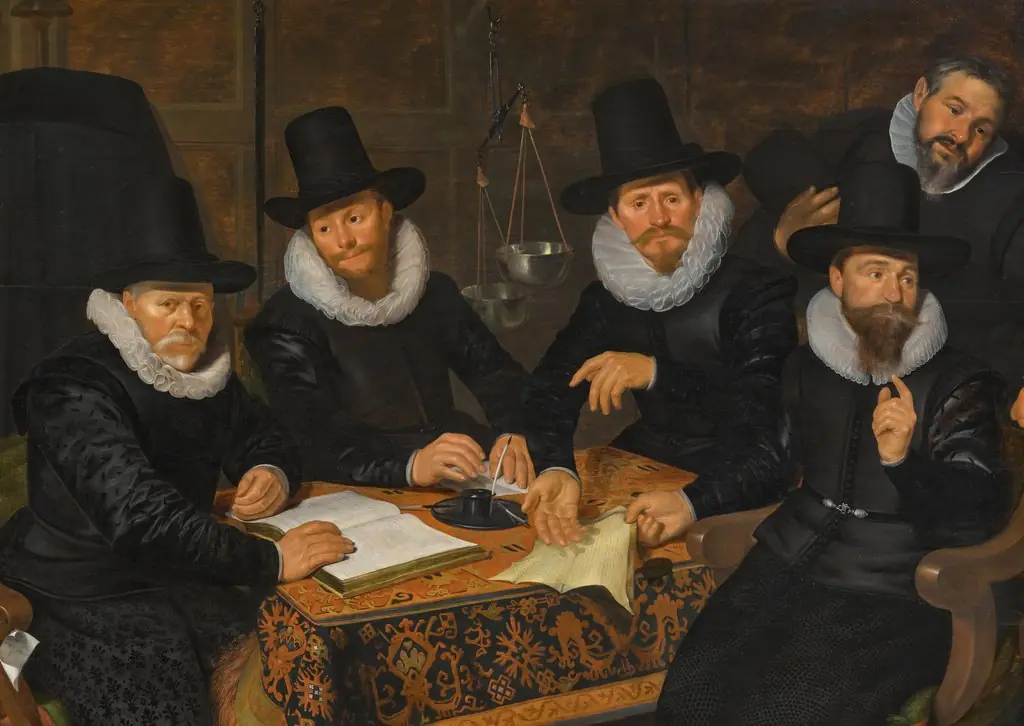 Four Regents of the Groot-Kramergild
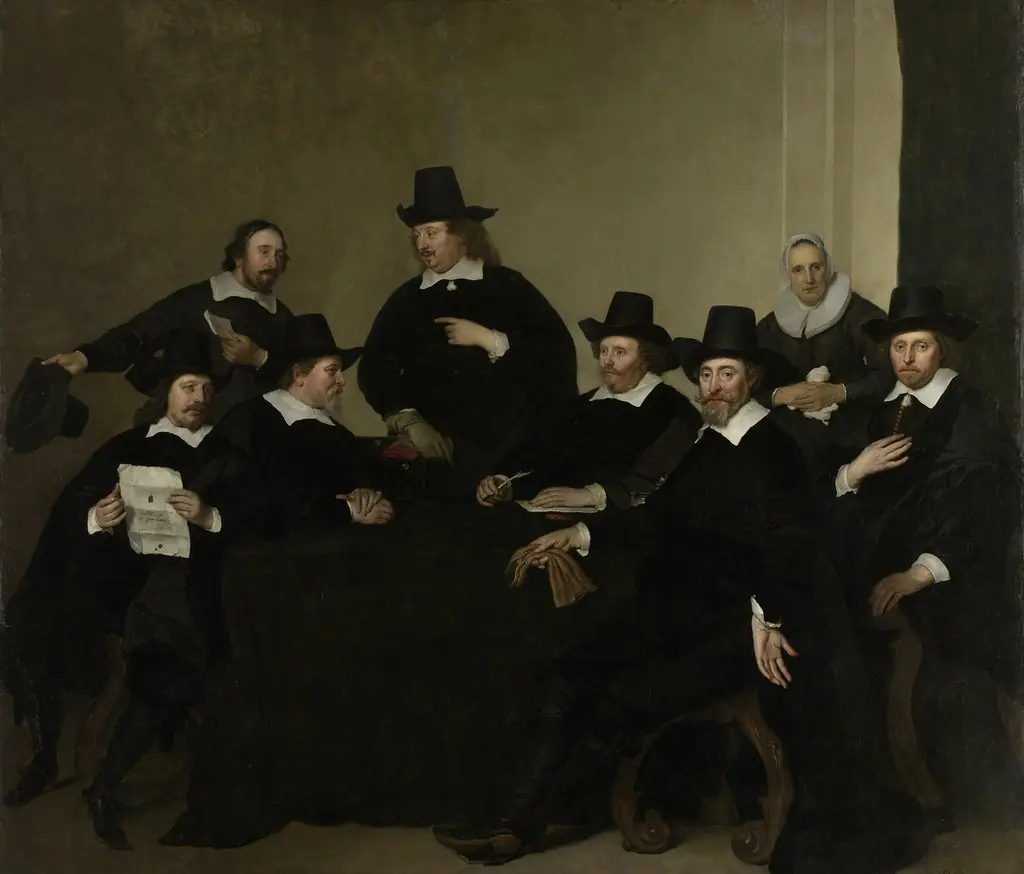 The regents of the Nieuwe Zijds institute for the outdoor relief of the poor, Amsterdam, ca 1650
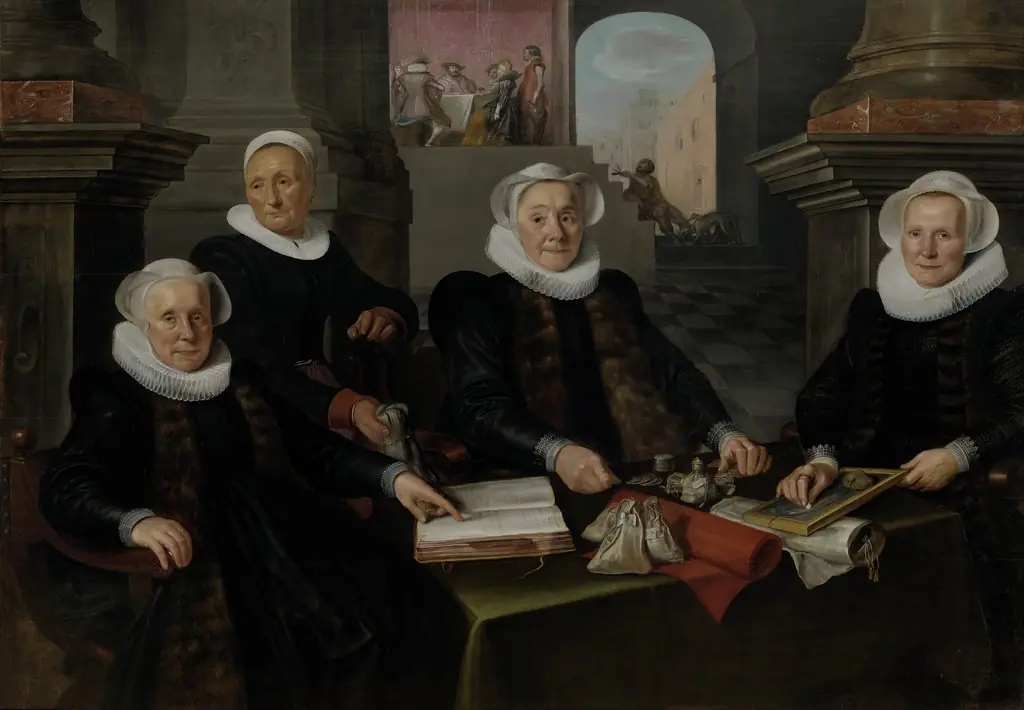 Three Regentesses and the ‘House Mother’ of the Amsterdam Lepers’ Asylum
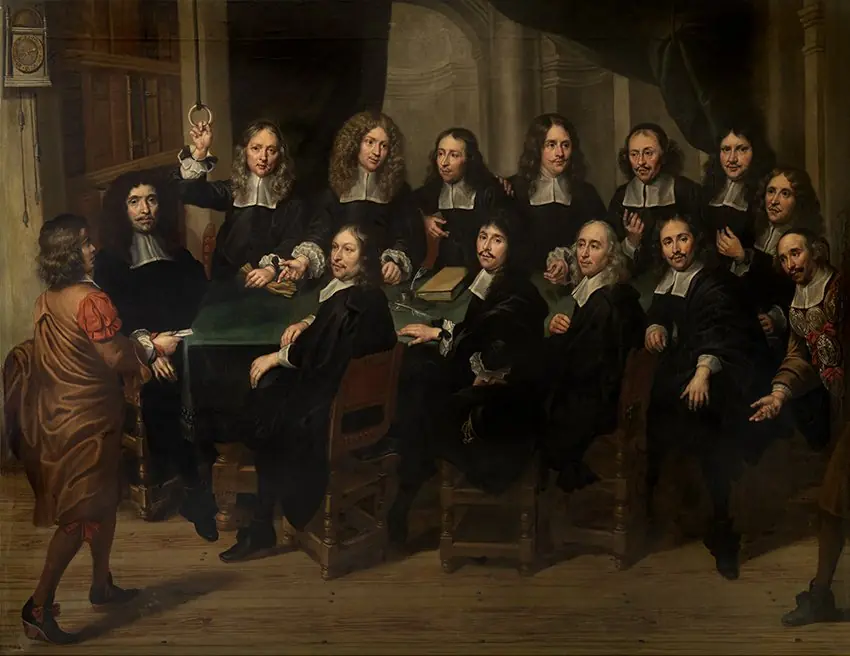 Het bestuur van het Brugse chirurgijnsambacht
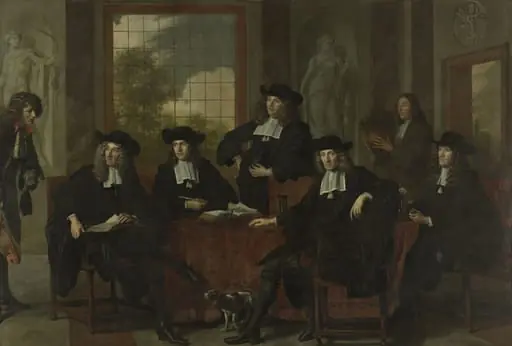 The Superintendents of the Collegium Medicum in Amsterdam, 1683
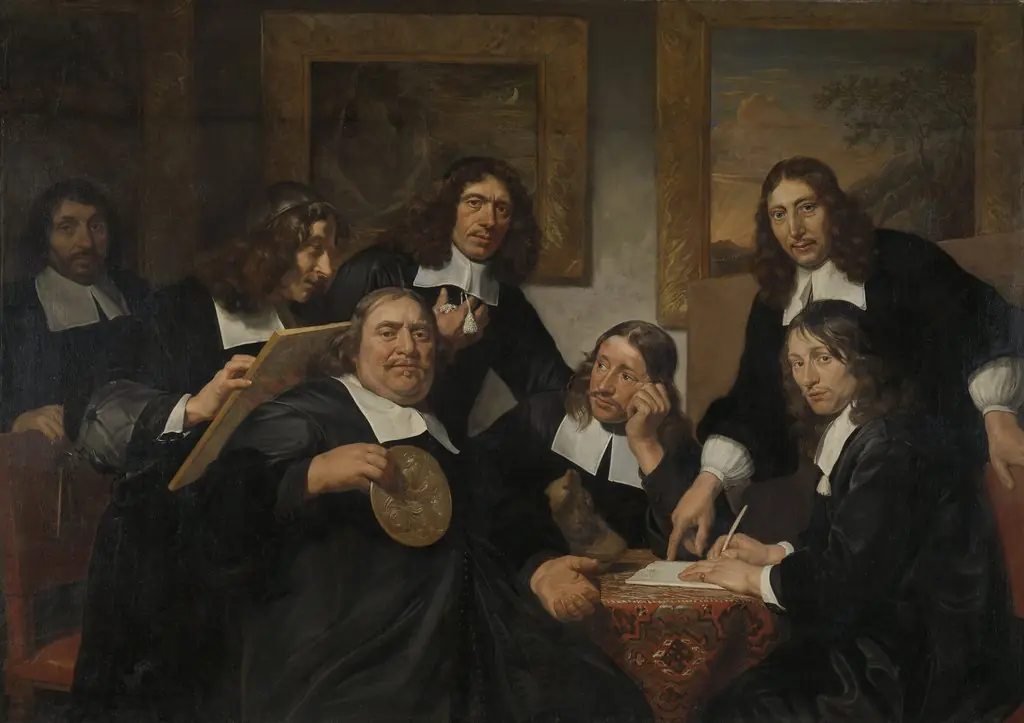 The governors of the guild of St. Luke, Haarlem, 1675
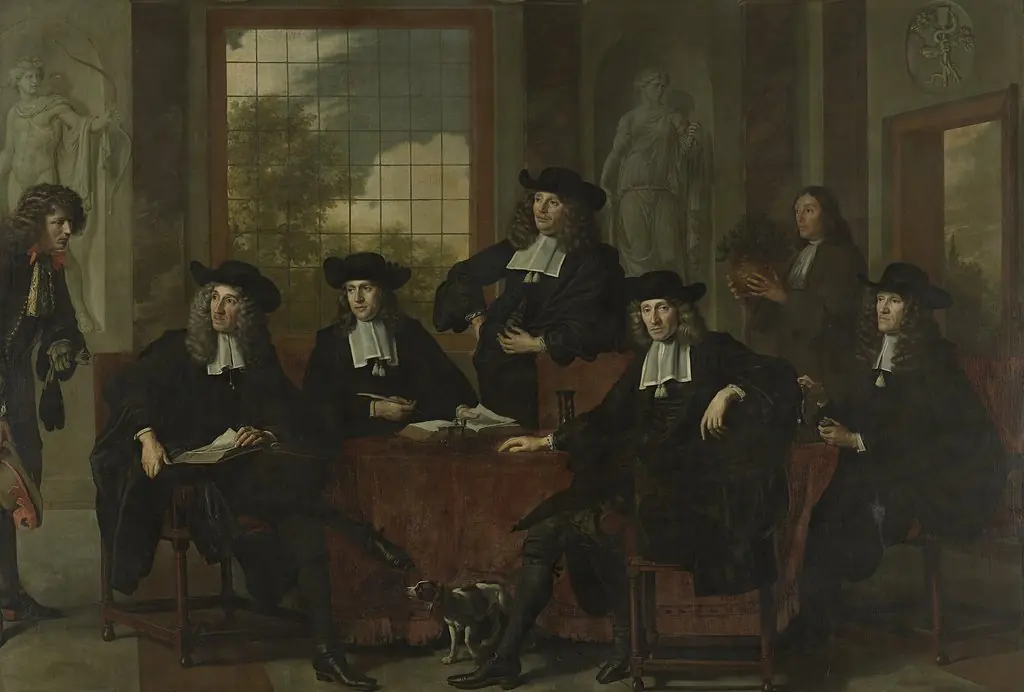 The superintendents of the Collegium Medicum in Amsterdam
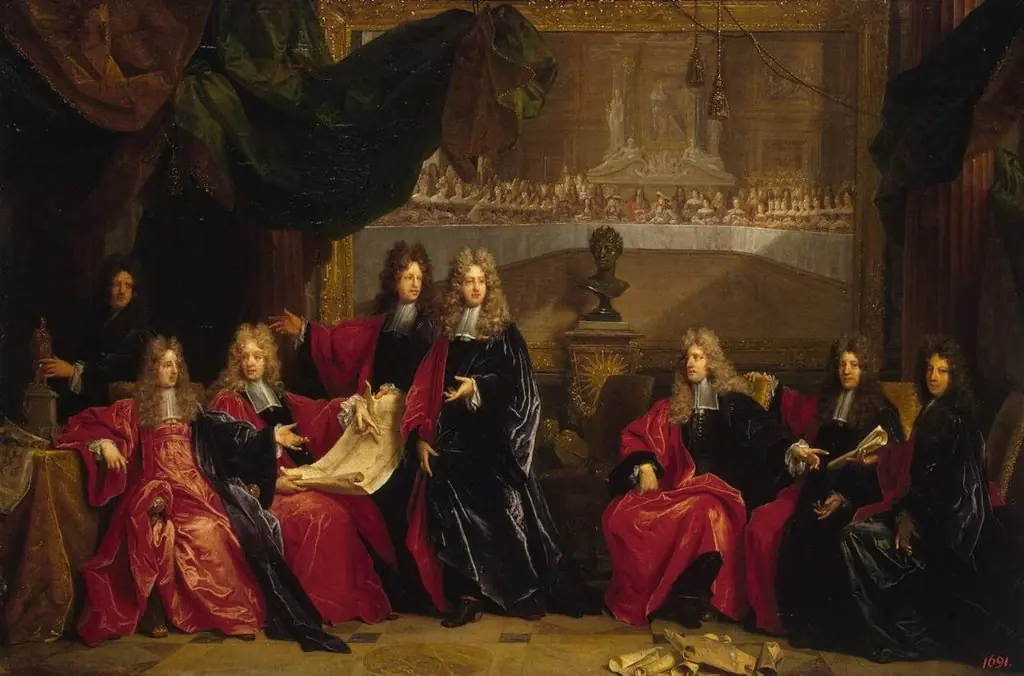 Provost and Municipal Magistrates of Paris Discussing the Celebration of Louis XIV's Dinner at the Hotel de Ville after his Recovery in 1687
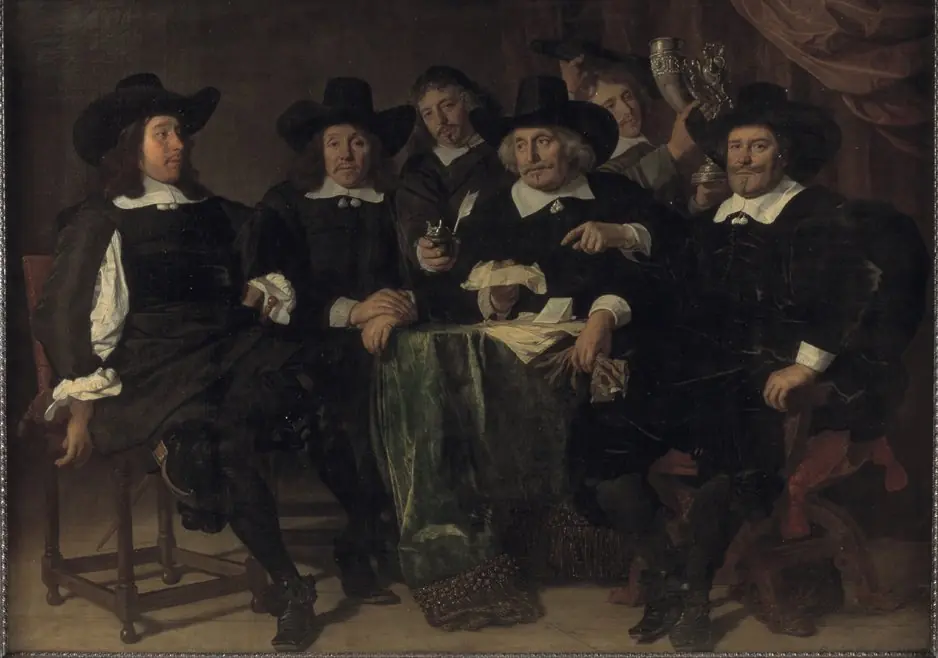 The directors of the Amsterdam civic guard of St. George in 1656
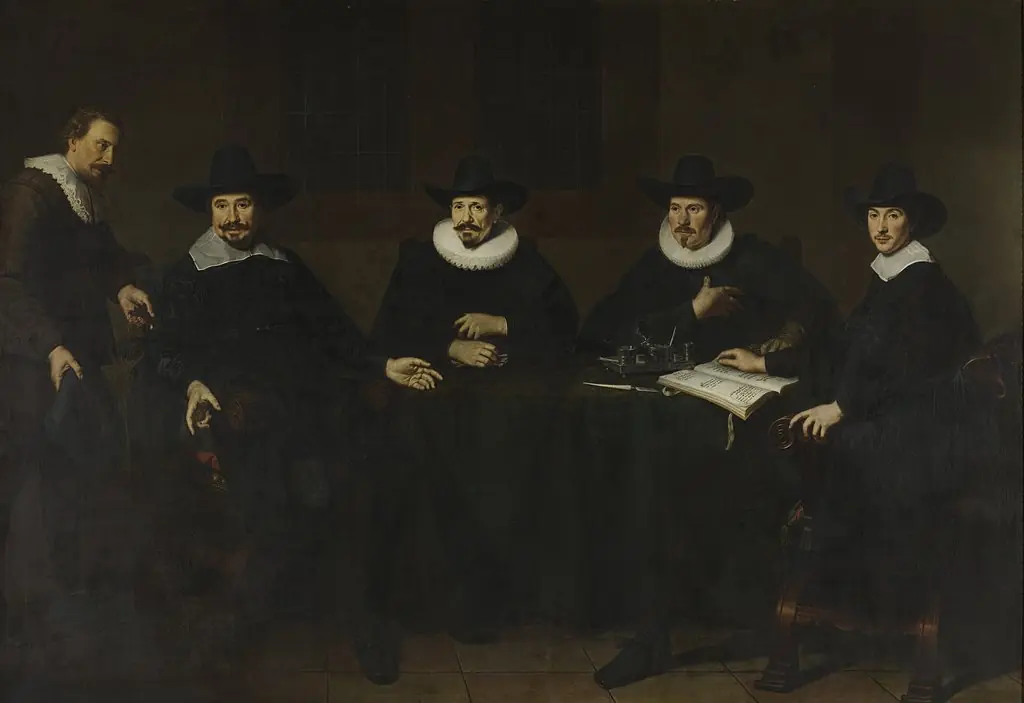 The directors of the serge cloth industry, Amsterdam, 1643
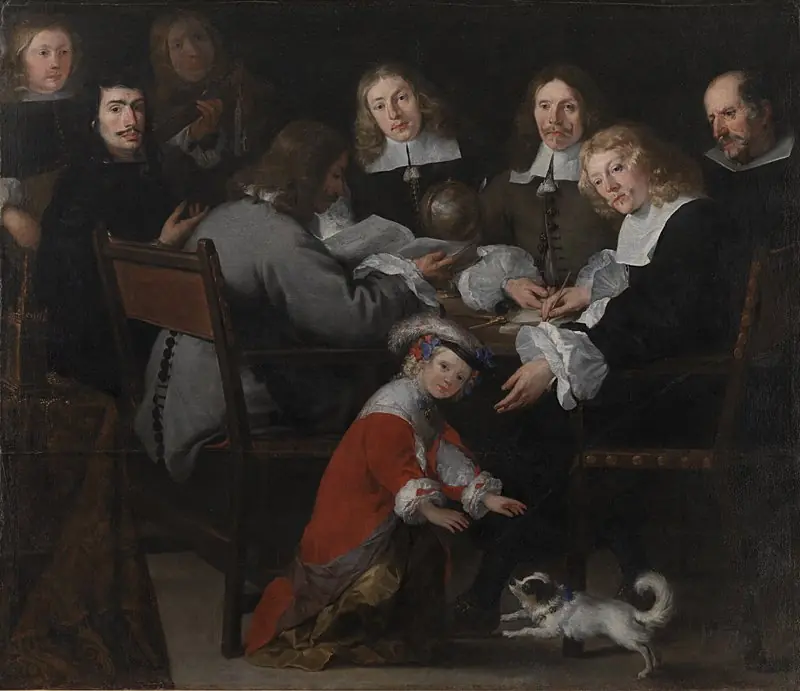 Ambassador C. Pedersen Lerche with his Staff