Artwork
Self-portrait
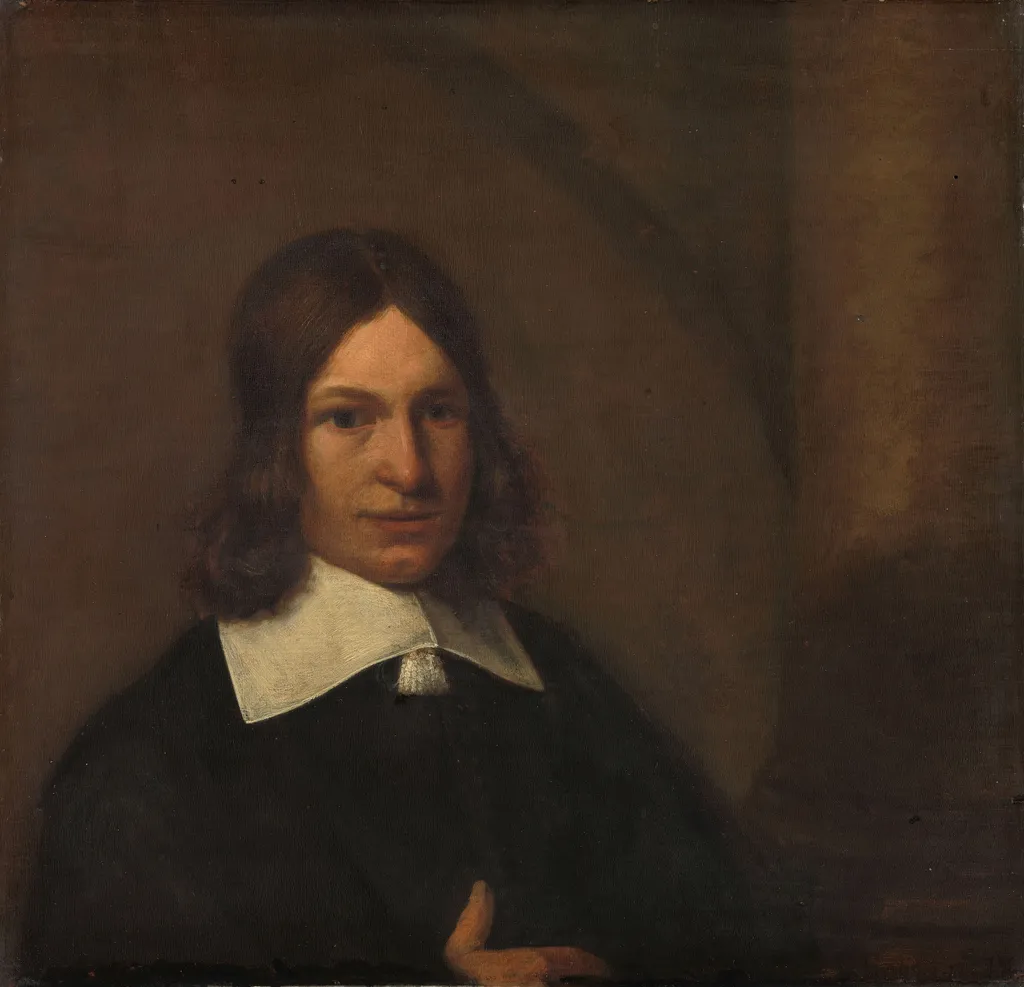
Self-portrait is an oil painting by the Dutch Golden Age artist Pieter de Hooch. It dates from 1648 and is held in the collection of the Rijksmuseum.
About this work
Technique & Style
The painting is executed in oil on a poplar panel support, as indicated by the material record and panel dimensions of 32.
The painting is executed in oil on a poplar panel support, as indicated by the material record and panel dimensions of 32.5 cm in height and 34 cm in width.
Stylistically, the handling aligns with mid-seventeenth-century Dutch portraiture, characterized by smooth, evenly applied paint layers and restrained brushwork that emphasizes clarity over textural impasto. The composition centers on a frontal, closely cropped bust, employing a restricted palette dominated by earth tones and subdued lighting to convey a restrained, introspective presence.
No conservation notes or condition reports are provided by the cited sources.
History & Provenance
Pieter de Hooch created the oil-on-panel self-portrait in 1648. The work measures 32.5 cm in height and 34 cm in width. It currently resides in the collection of the Rijksmuseum in Amsterdam. The painting depicts the artist himself and is classified within the genre of self-portraiture.
The Self-portrait by Pieter de Hooch is housed in the Rijksmuseum and is recorded under the inventory number SK-A-2060. It was first exhibited in 1885 as part of the museum's inaugural display of Dutch Golden Age works, later featured in the 1955 retrospective "Pieter de Hooch: A Rediscovered Master" and most recently included in the 2015 exhibition "Dutch Masters: The Golden Age Revisited".
Overview
In 1648 Pieter de Hooch painted an oil self‑portrait that stands apart from his usual genre scenes. The work presents the artist alone, set against a dark, unadorned backdrop that isolates his face and emphasizes his thoughtful expression. Though modest in scale, the portrait offers a rare glimpse of the painter’s own likeness during the height of the Dutch Golden Age.
Subject & Meaning
The sitter is depicted with short, dark hair, a sober gaze, and attire typical of the period, a dark collar complemented by a light, starched ruff. The plain background directs attention to his features, suggesting a contemplative self‑representation rather than a narrative scene. The serious demeanor may reflect de Hooch’s personal identification with the quiet dignity found in his domestic interiors.
Own this work as a print
Artist & collection
Artist
Pieter Hendricksz. de Hooch (Dutch:; also spelled Hoogh or Hooghe; bapt. 20 December 1629 – after 1683), was a Dutch Golden Age painter famous for his genre works of quiet domestic scenes with an open doorway. He was a…

- François Leydecker (1626-88). Burgomaster of Tholen
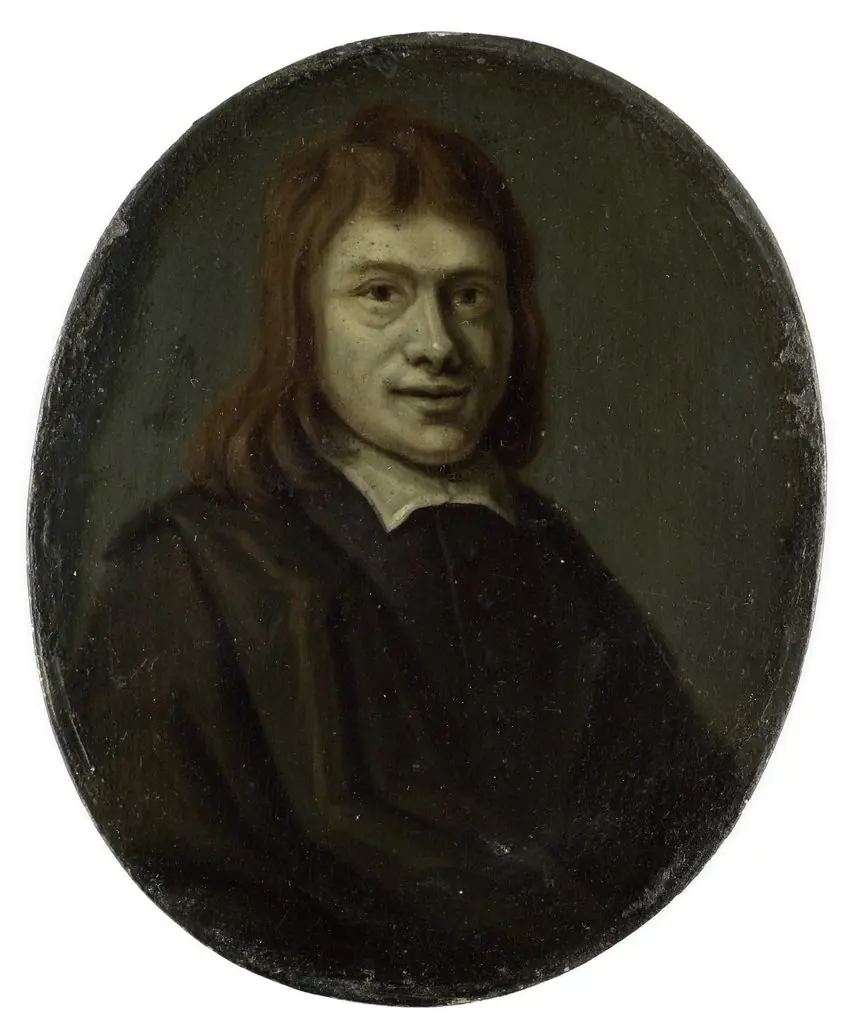 Portrait of Frans van Hoogstraten, Poet and Bookseller in Rotterdam and Dordrecht
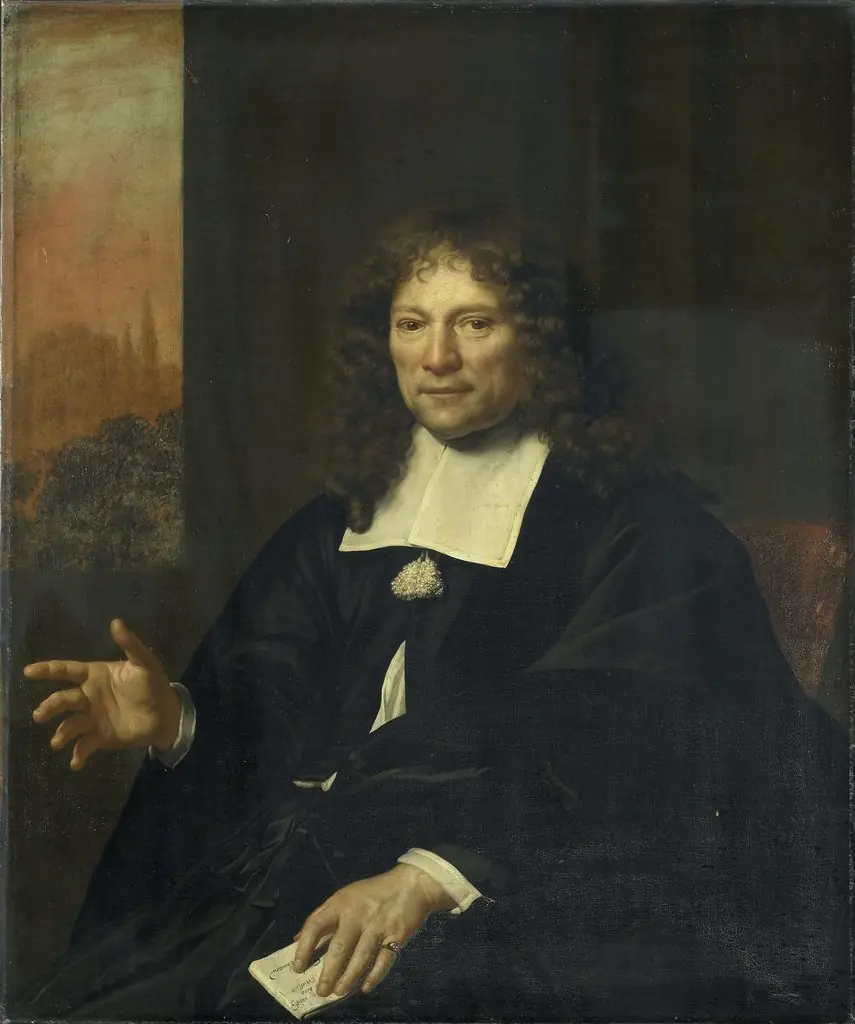 Portrait of Daniel Nellius, elder of the Remonstrant church and sampling official of Alkmaar
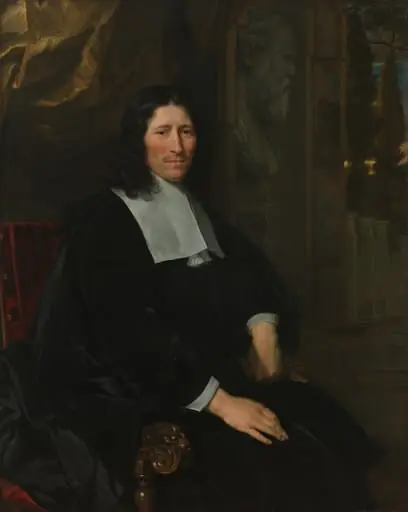 Portrait of Pieter de la Court
 Portrait of Daniel Niellius. Elder of the Remonstrant Church and Sampling Official of Alkmaar
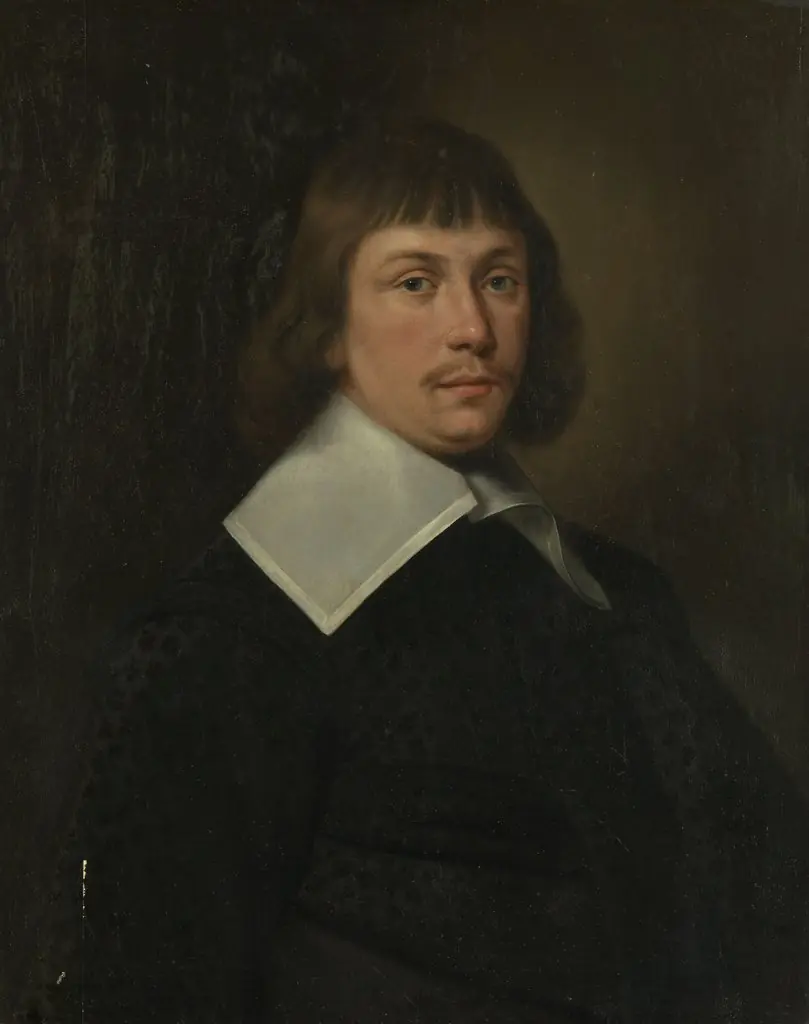 Portrait of a man
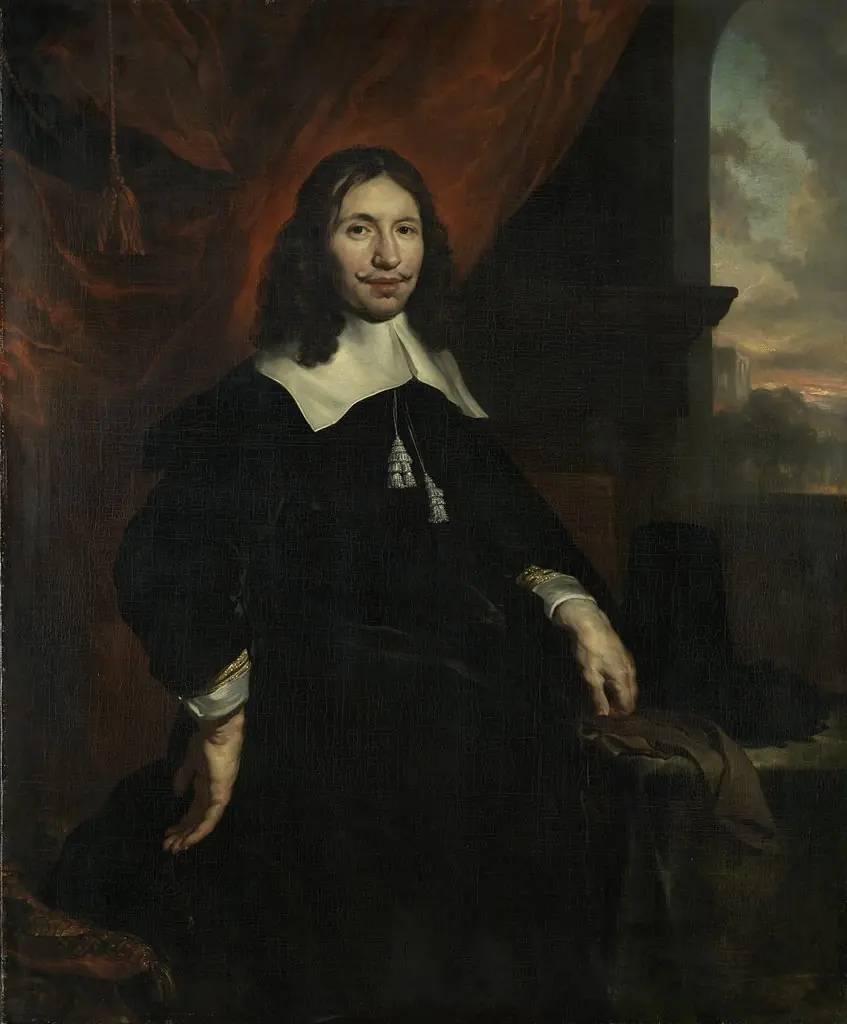 Dionijs Wijnands (1628-73). Amsterdam merchant, son of Hendrick Wijnands and Aeltje Denijs
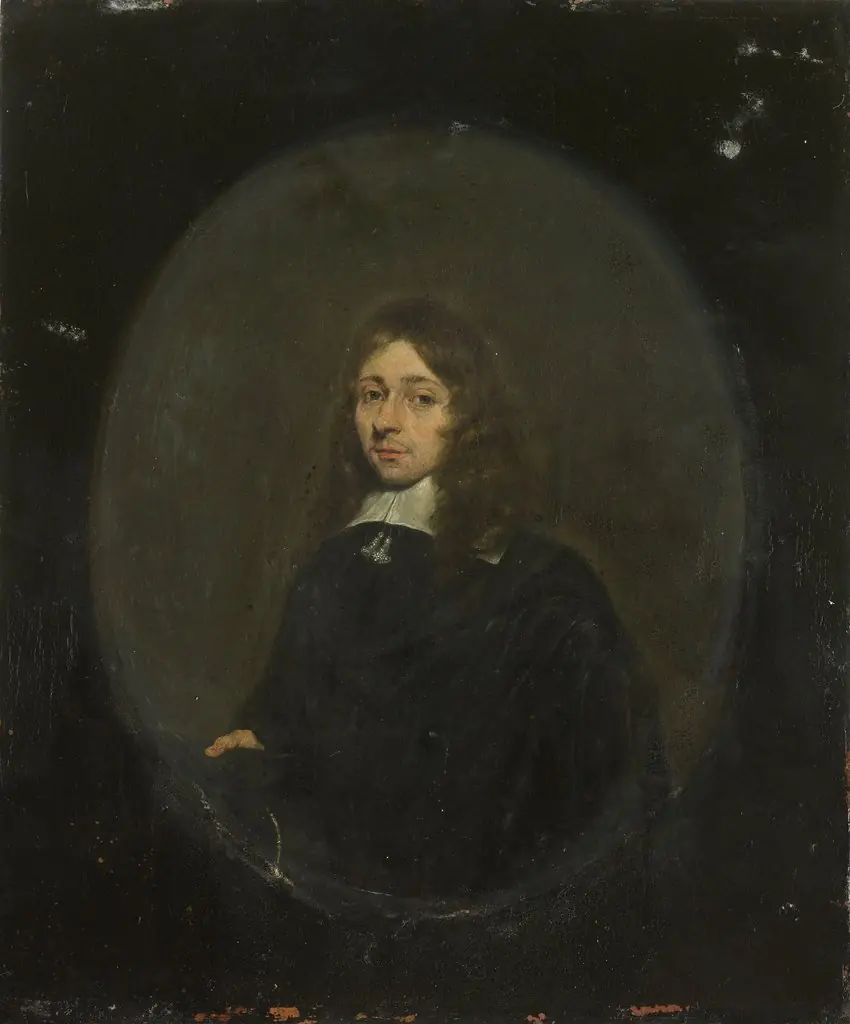 Portrait of a man
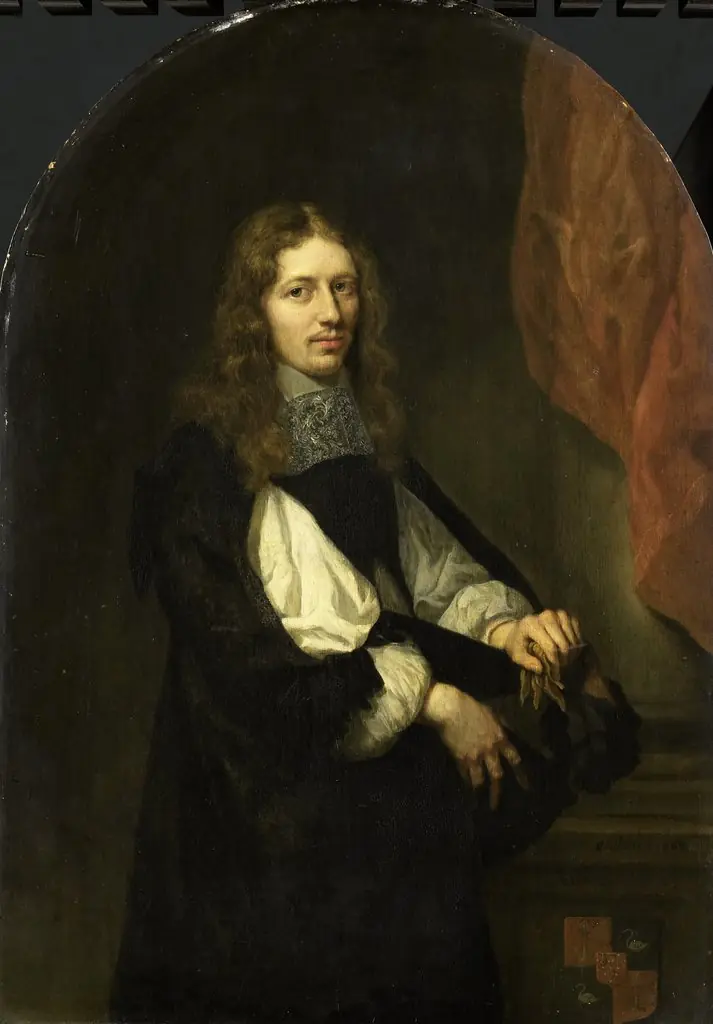 Portrait of Pieter de Graeff (1638-1707), lord of Zuid-Polsbroek, Purmerland, and Ilpendam. Alderman of Amsterdam
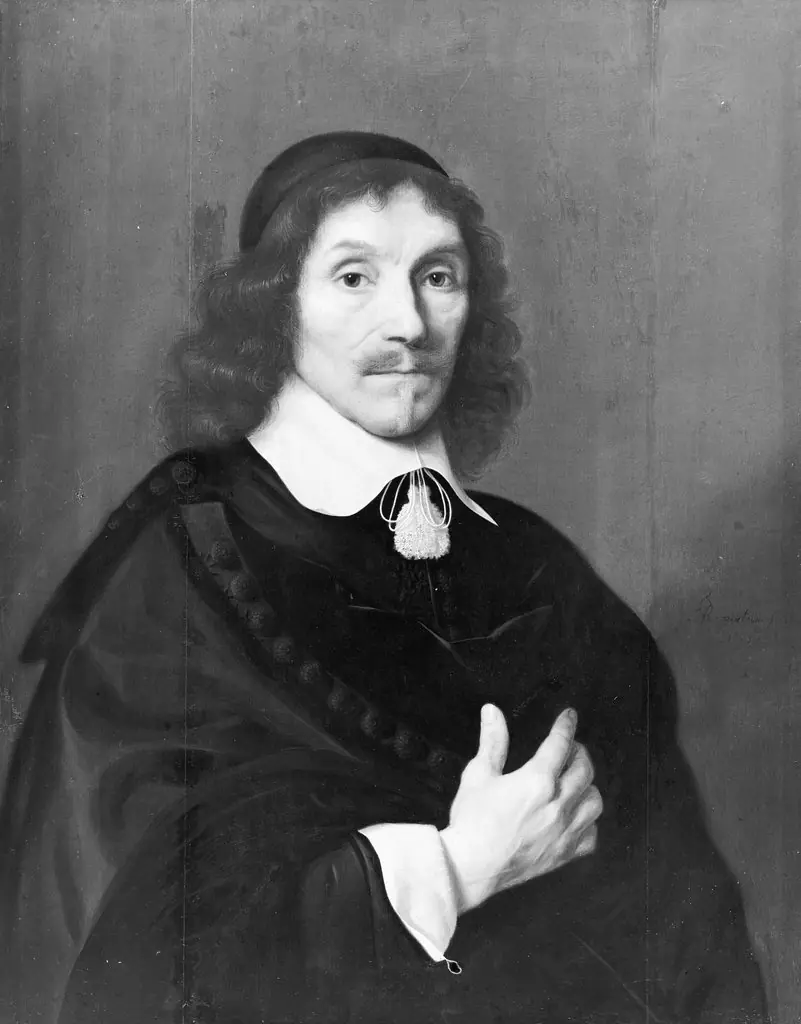 Man's portrait
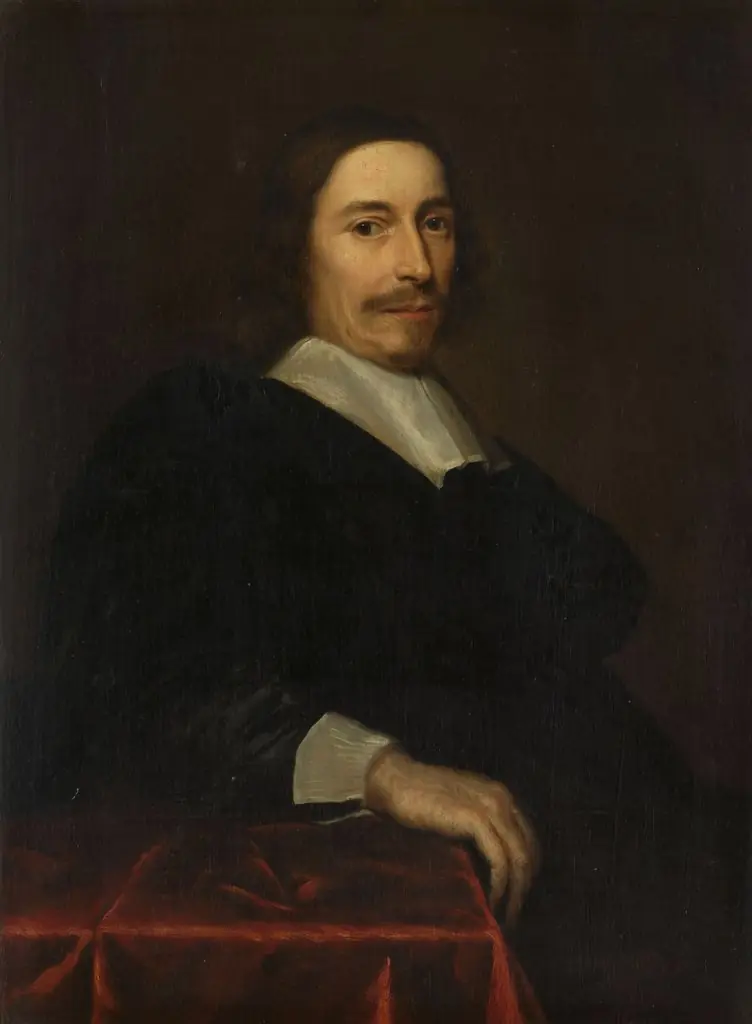 Jacob de Witt (1589-1674)
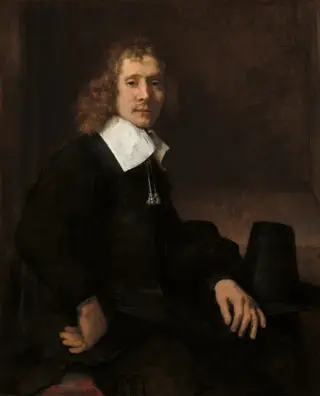 A Young Man Seated at a Table (possibly Govaert Flinck)