Artwork
Mars, Venus and Amor
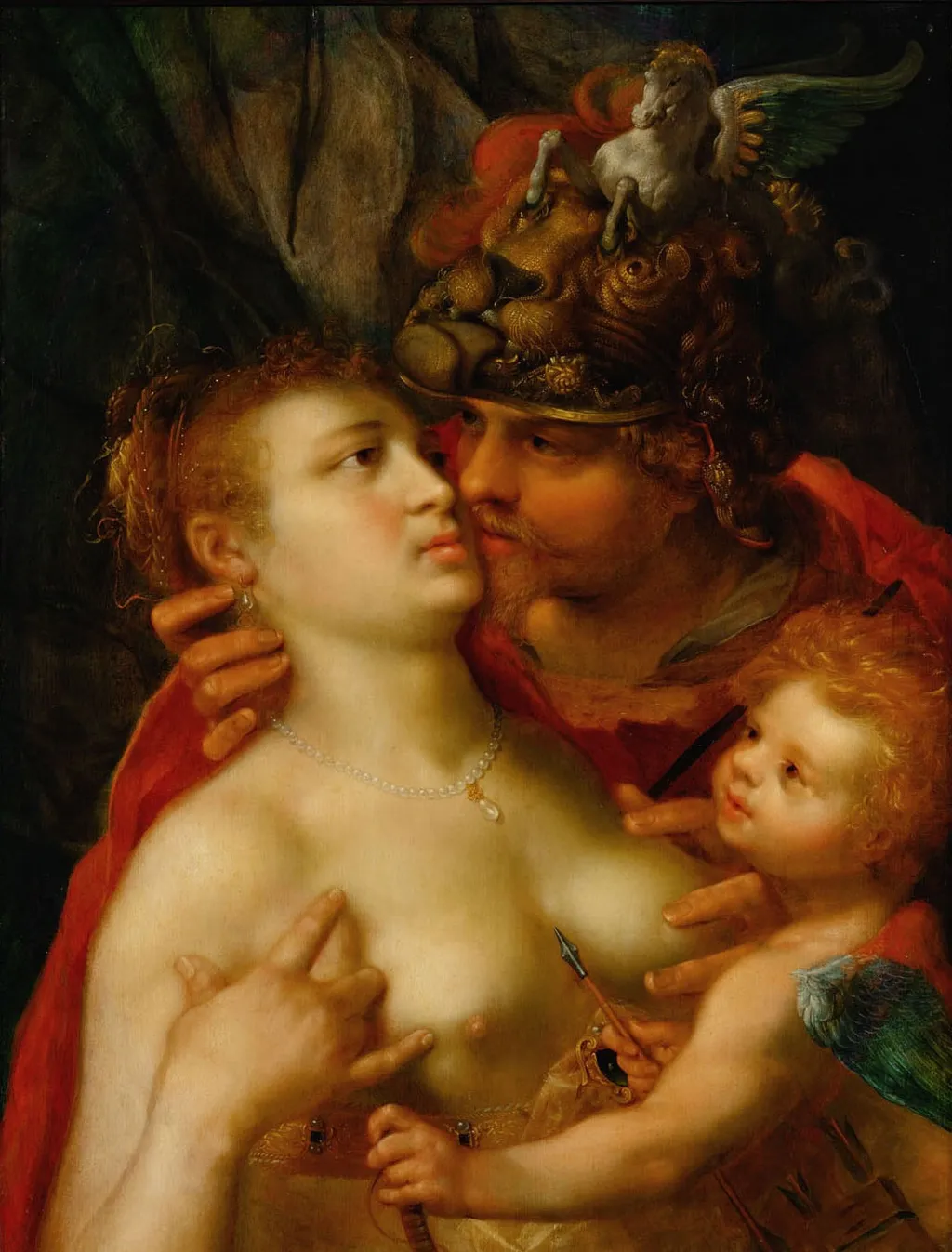
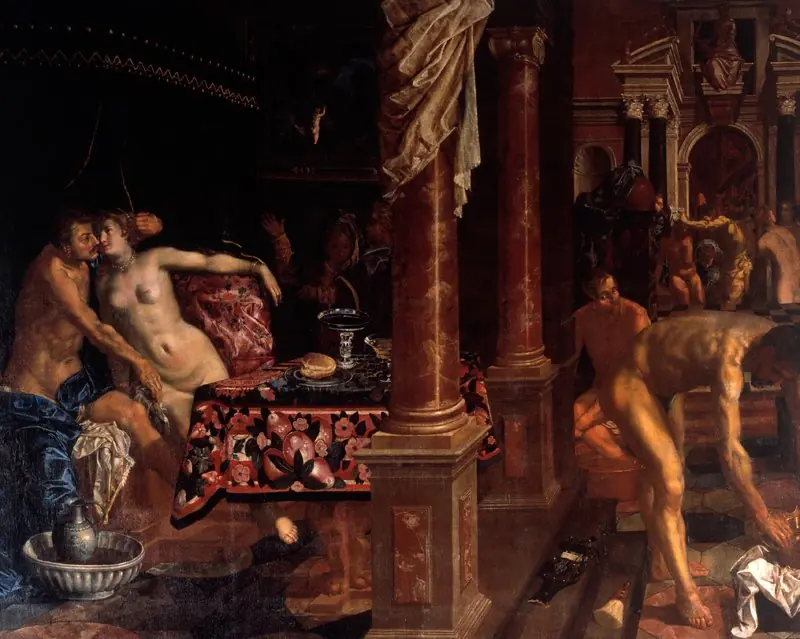
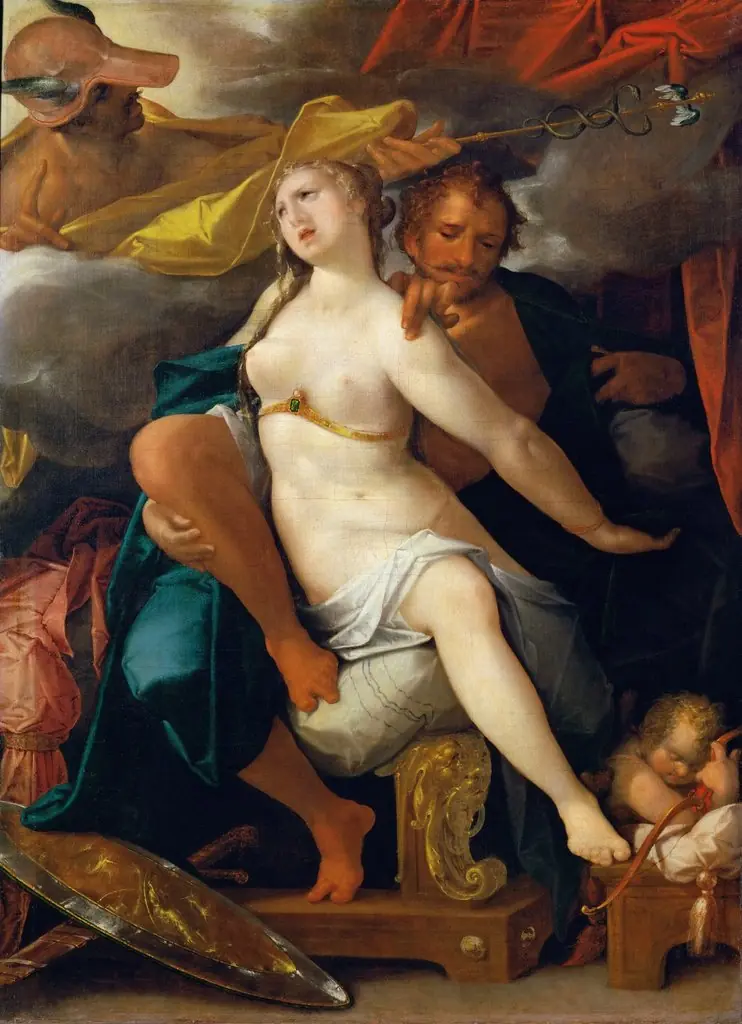
Mars, Venus and Amor is an unspecified painting by the Early Baroque Italian artist Pieter Isaacsz. It dates from 1600 and is held in the collection of the Kunsthistorisches Museum.
About this work
Subject & Meaning
Amor’s presence underscores the theme of desire and its consequences, reinforcing the allegorical meaning of love’s power over even martial strength.
The painting depicts the Roman gods Mars and Venus with their son Amor (Cupid), a motif drawn from classical mythology.
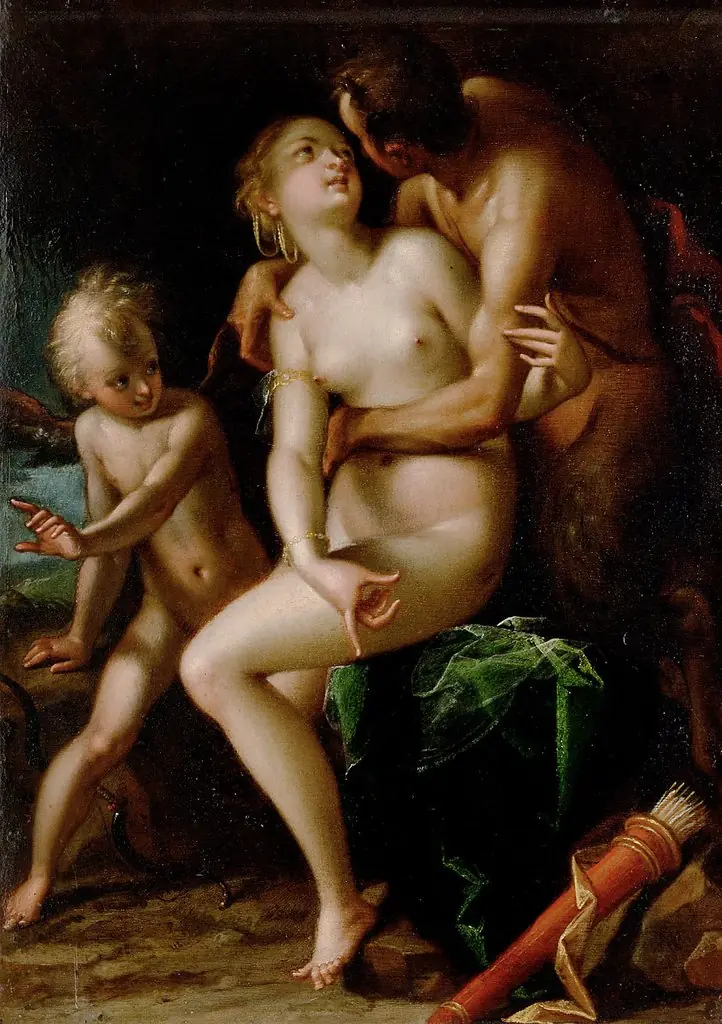
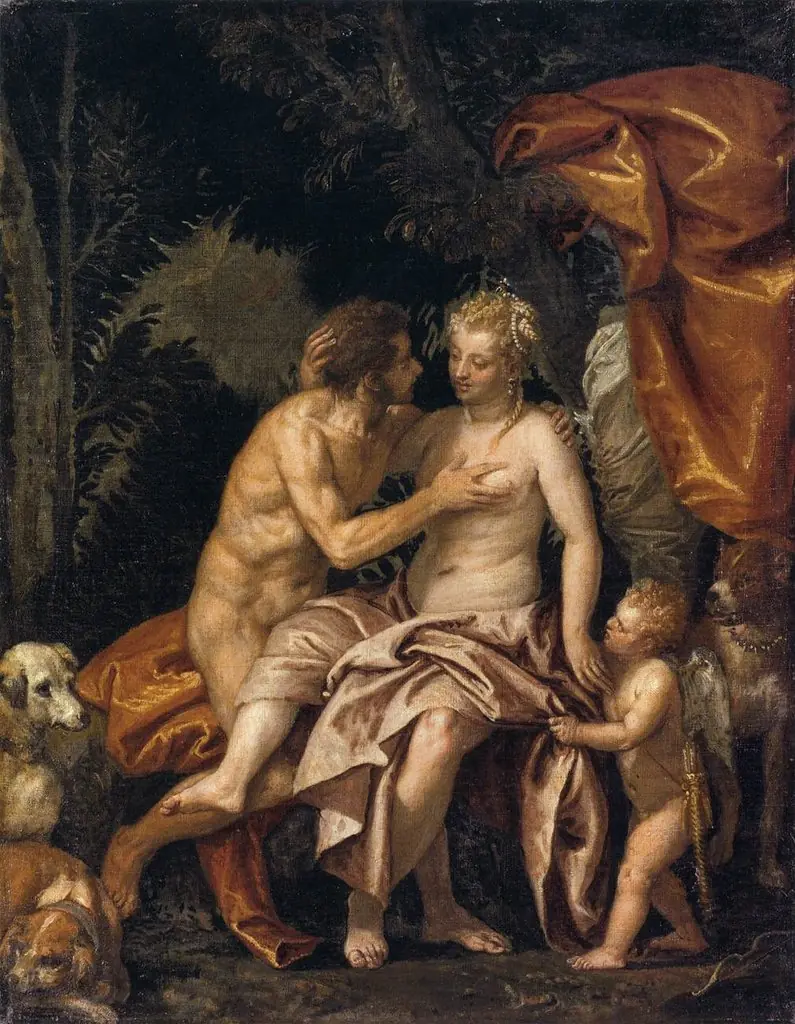
In the scene, Venus is shown seated at the left, Mars standing beside her, and the winged Amor figure positioned between them. The composition emphasizes the union of love and war symbolized by the pairing of Venus, goddess of love, and Mars, god of war. Amor’s presence underscores the theme of desire and its consequences, reinforcing the allegorical meaning of love’s power over even martial strength.
History & Provenance
The painting Mars, Venus and Amor is attributed to the artist Pieter Isaacsz and is dated to the year 1600. Created as a mythological work depicting the figures of Mars and Venus, the piece originated in the early 17th century. It is currently held within the collection of the Kunsthistorisches Museum, where it remains part of the institution's holdings of mythological paintings.
The work is held at the Kunsthistorisches Museum. Its inventory number is KH-1682. It has been exhibited in the museum's European Paintings gallery as part of the permanent collection and featured in the 2015 exhibition "Mythological Masterpieces of the Dutch Golden Age."
Overview
Created in 1600, the canvas presents a trio of mythic figures: a pale-skinned woman adorned with a pearl necklace, a bearded male figure clutching her, and a youthful child reaching toward the pair. The composition is set against a dark backdrop, allowing the vivid reds of the drapery and the warm flesh tones to dominate the visual field.
Technique & Style
Executed in an early Baroque mannerist idiom, the artist employs pronounced chiaroscuro to model the figures, using a focused light source that sculpts the faces and highlights the textures of skin and fabric. The male figure’s headgear, a hybrid crown featuring a miniature horse and wings, adds a fantastical element, while the soft transitions of shadow reveal a careful study of three‑dimensional form.
Context
Isaacsz worked during a period when Northern European artists were absorbing Italian Baroque influences, integrating dramatic lighting and dynamic composition into their own traditions. His dual role as an artist and a cultural intermediary, serving as an art dealer and occasional spy for various courts, situates the painting within a broader network of artistic exchange and political intrigue across Europe.
Artist & collection
Artist
Pieter Isaacsz (ca 1569, Helsingør – 14 September 1625) was a Danish court and portrait painter from Dutch origin who worked in a mannerist style on historical, biblical and mythological subjects.