Subject
Musician
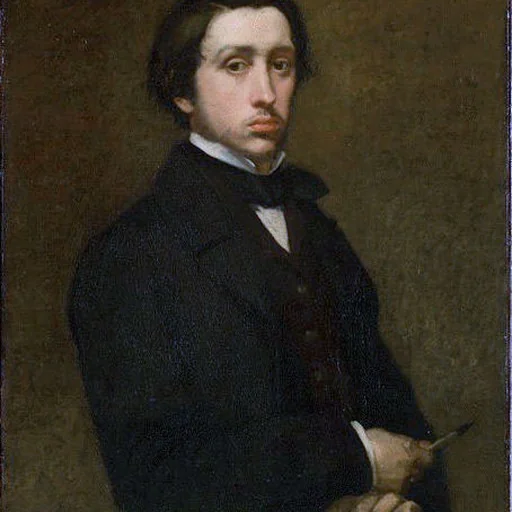
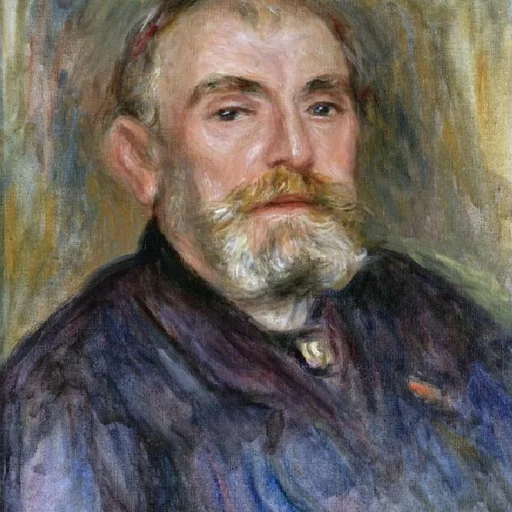
Musician is a subject in art. The gallery holds 102 works in this subject in art, including works by Gustave Courbet, Henry Bone and Edgar Degas.
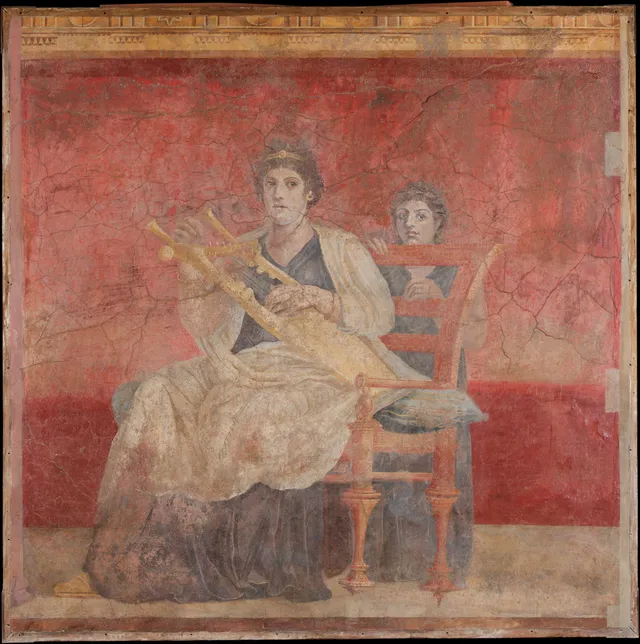
Few human activities have been depicted as continuously as music-making, and the musician is among the oldest recurring figures in the visual arts. Ancient Egyptian tomb reliefs show harpists, lyre- and lute-players accompanying songs whose words were inscribed beside them, while Greek vase painting and sculpture preserve detailed images of performers on the kithara, lyre, and double-reed aulos in the context of banquets and religious cult. The Roman world carried the theme into domestic decoration, as in the illusionistic First-Style frescoes from the Villa of P. Fannius Synistor at Boscoreale, near Pompeii (c. 50–40 BCE). Across these traditions the musician signified festivity, ritual, and the ordering power of harmony.
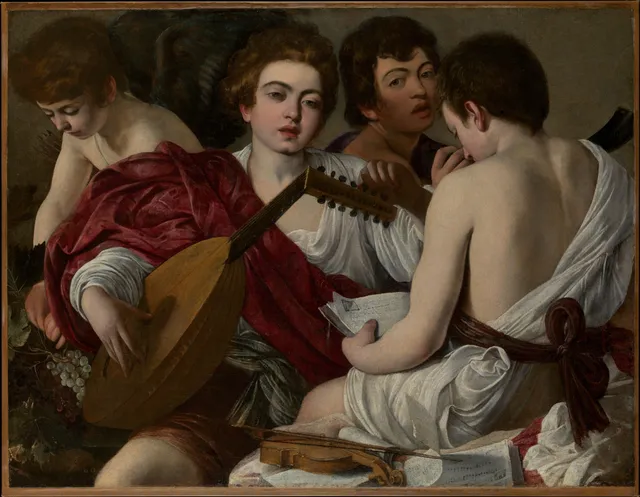
In the Middle Ages the figure was largely sacralized as the angel musician—tuning vielle, lute, or portative organ in adoration—before the Renaissance returned music to a worldly, sensual key. Venice originated the secular "concert" picture, exemplified by Titian's Concert Champêtre, in which music became a metaphor for love and the concord of the senses. It is to this lineage that Caravaggio's The Musicians (1597, Metropolitan Museum of Art) belongs: commissioned by the music-loving Cardinal Francesco Maria del Monte, it shows four boys in quasi-antique dress, one tuning a lute and another costumed as Cupid, as an allegory of Music and Love rather than a real concert.
Caravaggio's dramatic chiaroscuro and his half-length, life-sized music-makers proved enormously influential. The Utrecht Caravaggisti—Hendrick ter Brugghen, Dirck van Baburen, and Gerrit van Honthorst—brought the motif north around 1620, and through them it shaped Frans Hals's loosely brushed lute players and Johannes Vermeer's quiet, harmony-laden interiors such as The Concert. In Dutch genre painting the musician carried connotations of love, seduction, and moral temperance.
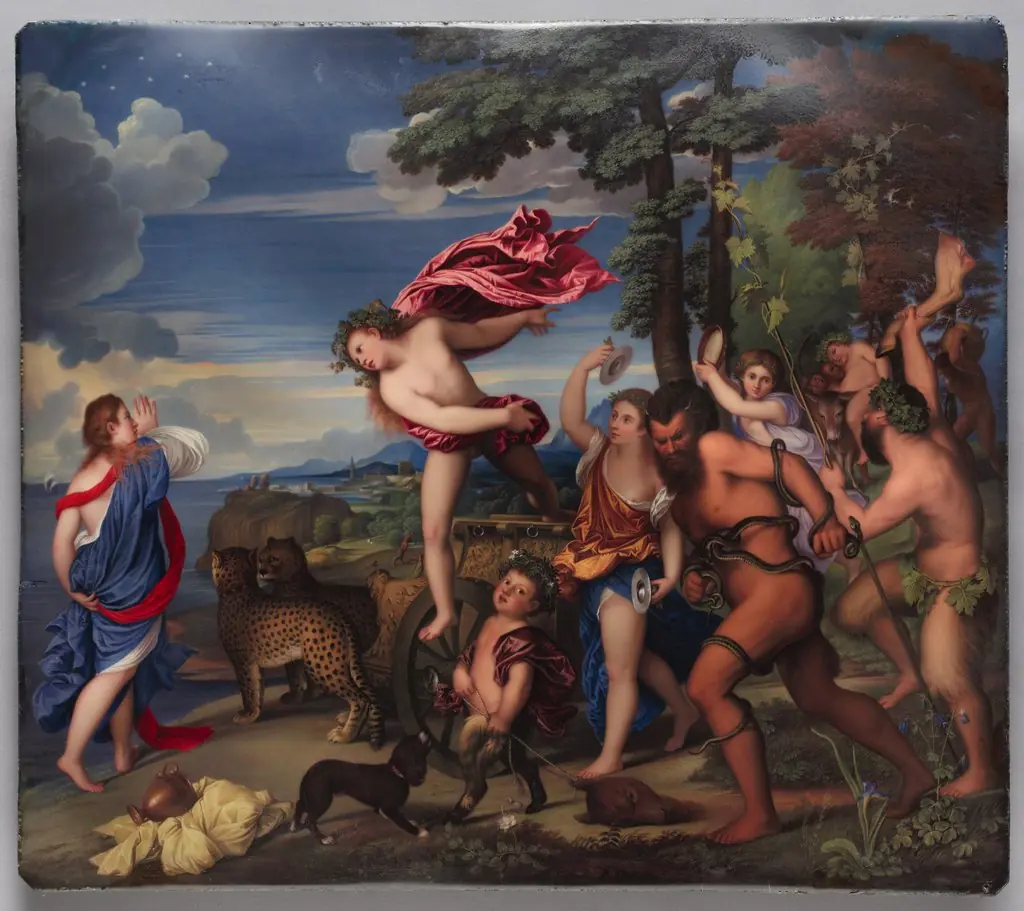
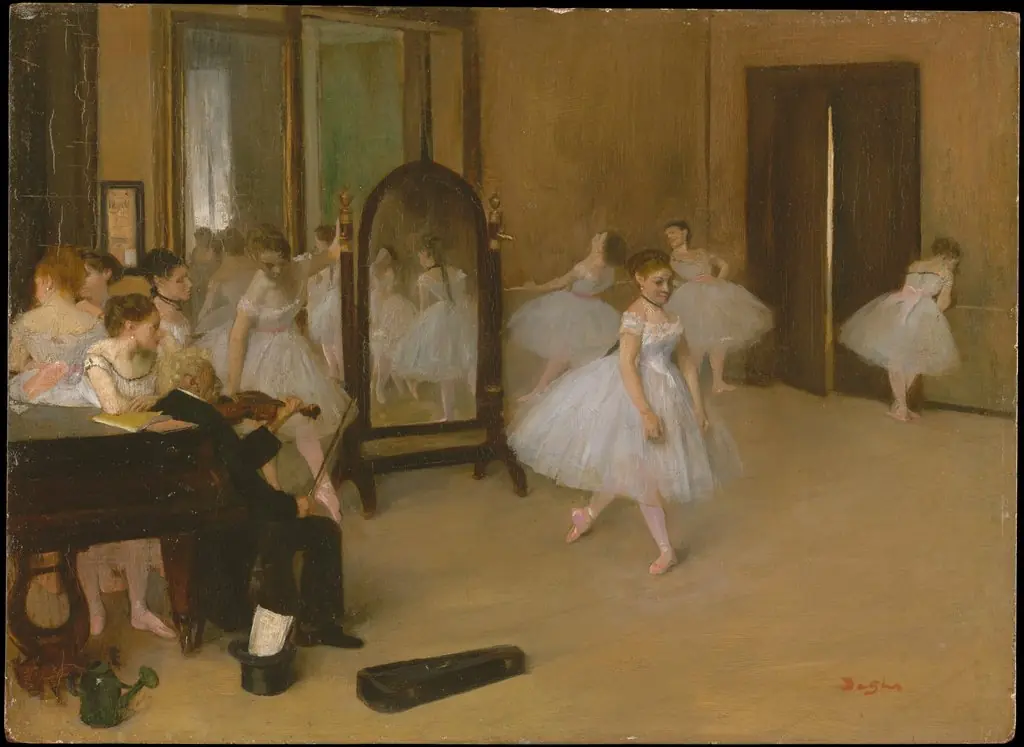
The subject persisted across later centuries: in 18th-century portraiture and enamels like Henry Bone's Bacchus and Ariadne, in Edgar Degas's studies of rehearsal and performance such as The Dancing Class, and in Henry Lerolle's monumental The Organ Rehearsal (c. 1885), set in a Paris choir loft with the composer Ernest Chausson at the keyboard. From cult ritual to bourgeois drawing room, the musician remained art's enduring emblem of harmony, sensuality, and shared feeling.
Key artists
Overview
A musician is a person who composes, conducts, or performs music. The term broadly encompasses songwriters, conductors, and performers, including both vocalists and instrumentalists. According to the United States Employment Service, the word designates a person who follows music as a profession, though the category also includes amateurs. Etymologically, the word derives from the Latin adjective musicus, itself rooted in the Greek mousikos, meaning belonging to the Muses. In art, the musician recurs as a subject because the act of making music visually encapsulates human creativity, emotional expression, and the sensory bridge between auditory experience and visual form.
Across movements & periods
The treatment of the musician in art has shifted considerably across periods, mirroring broader social and conceptual changes. In the Middle Ages, a strict social and conceptual hierarchy separated the performing musician, such as cantors and minstrels, from the musicus, or music theorist. Over time, these roles merged, with figures often serving simultaneously as composers, performers, and teachers. By the eighteenth century, the rise of virtuosity prompted a growing separation between composition and interpretation. This evolution is reflected visually: Renaissance and Baroque artists often grouped musicians in allegorical or dramatic arrangements, while nineteenth-century Impressionists focused on the physical effort and ephemeral atmosphere of the rehearsal room. By the twentieth century, modernists fragmented the musician's form to emphasize rhythm and abstract structure.
Notable depictions
Canonical depictions of musicians highlight the subject's versatility across art history. Caravaggio's The Musicians, painted around 1595 as his first commission for Cardinal Francesco Maria Del Monte, uses chiaroscuro to dramatize the intimate connection among young performers. Johannes Vermeer's The Music Lesson focuses on the pedagogical and emotional bond between a virginal player and her instructor. Edgar Degas explored the kinetic energy of the orchestra pit in Orchestra Musicians, a work he modified in 1874 to shift emphasis toward the performers. Pablo Picasso's Three Musicians, painted in 1921, employs Synthetic Cubism to flatten space and reduce the figures to geometric shapes, while Amedeo Modigliani's 1919 painting The Cellist uses elongated forms to mirror the fluidity and emotional resonance of musical notes.
Legacy
The cultural afterlife of the musician as a subject extends beyond traditional painting into modern visual culture and institutional preservation. The historical and artistic significance of musicians is actively preserved in specialized institutions, such as the Metropolitan Museum of Art's musical instrument department, which holds approximately five thousand instruments across six continents, and the online Museum of Music History, which maintains over 70,000 artifacts spanning four centuries of British music history. Furthermore, the intersection of visual art and music persists as contemporary musicians increasingly engage in visual practices. Figures such as John Lennon, Bob Dylan, Miles Davis, and David Bowie created recognized visual artworks, demonstrating that the creative impulse to interpret the world visually and sonically remains deeply intertwined.
Works
 Bacchus and Ariadne
 The Dancing Class
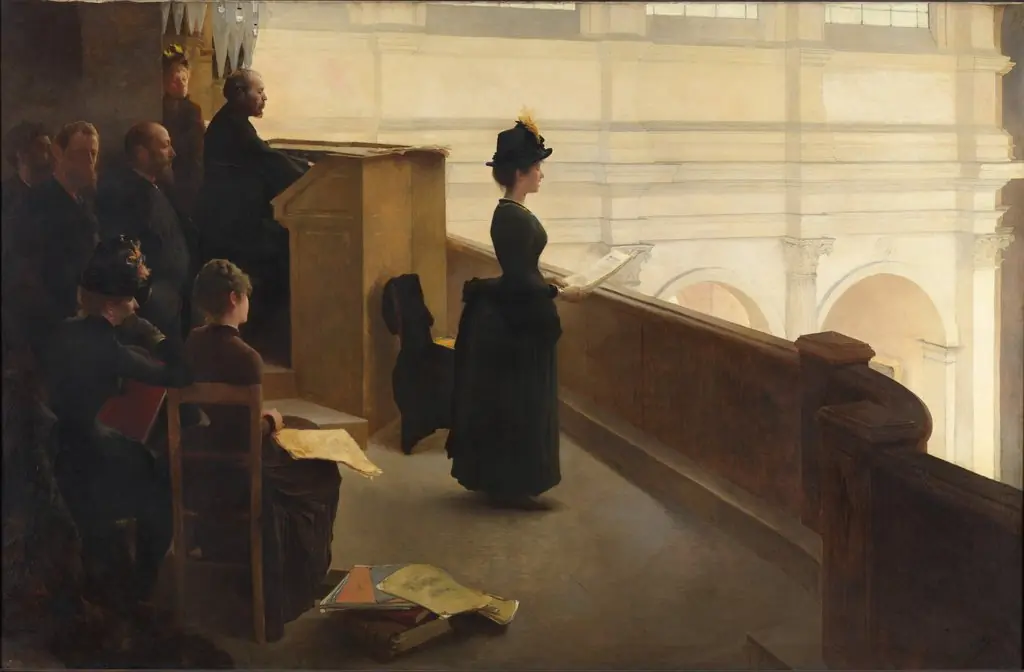 The Organ Rehearsal
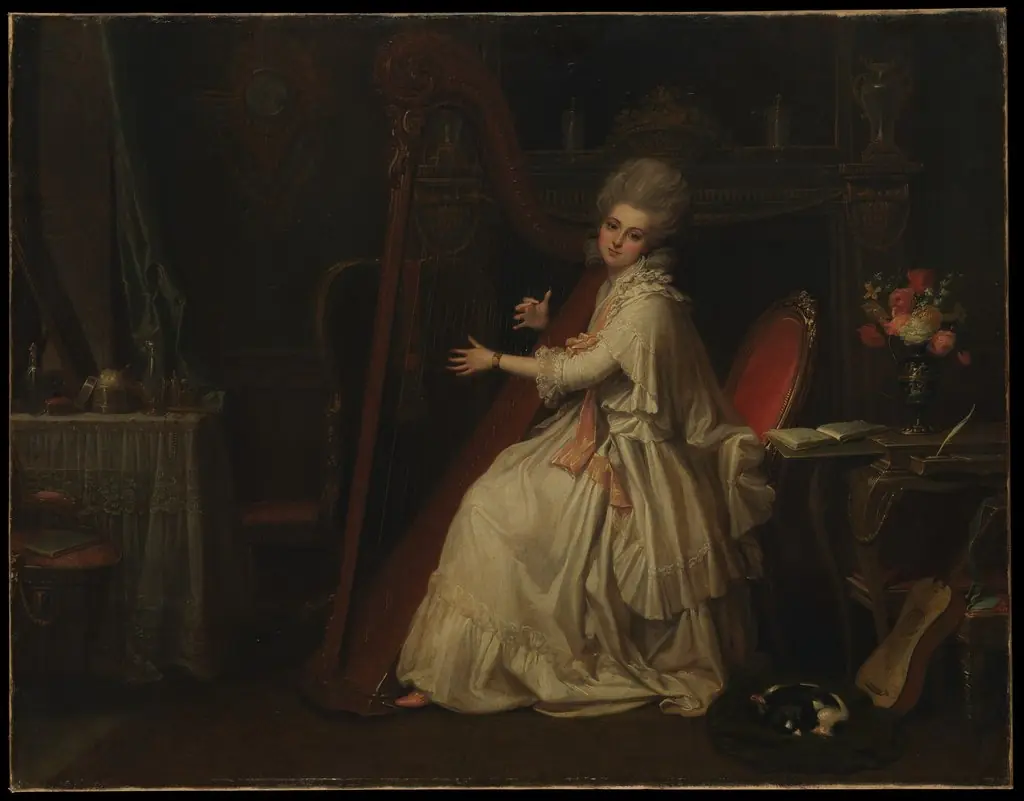 Portrait of Marianne Dorothy Harland (1759–1785), Later Mrs. William Dalrymple
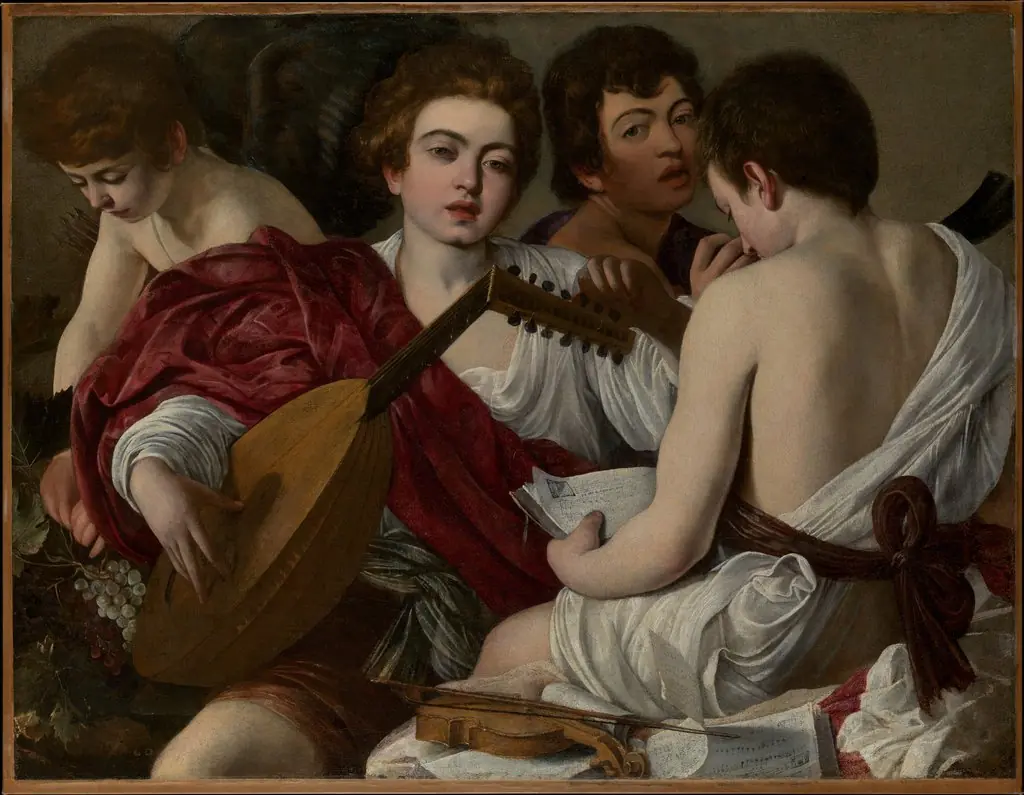 The Musicians
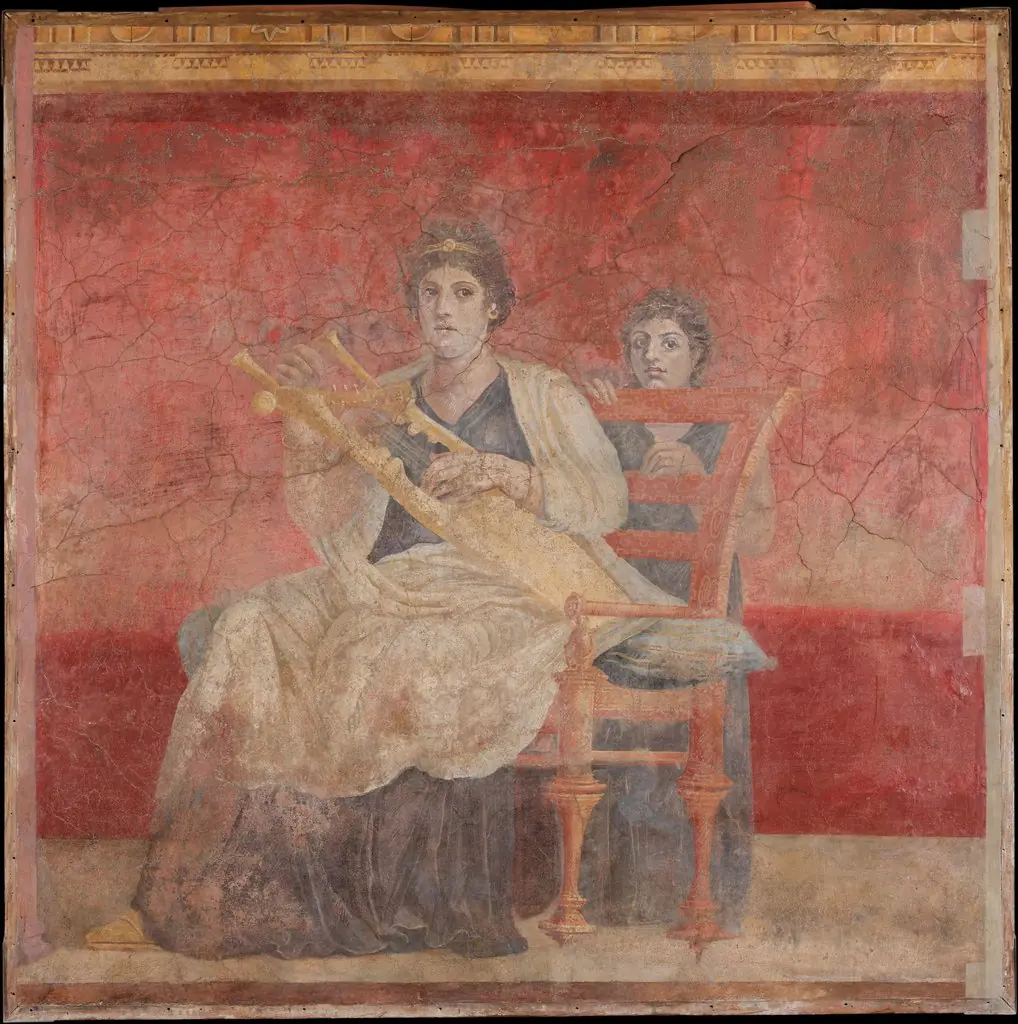 Wall painting from Room H of the Villa of P. Fannius Synistor at Boscoreale
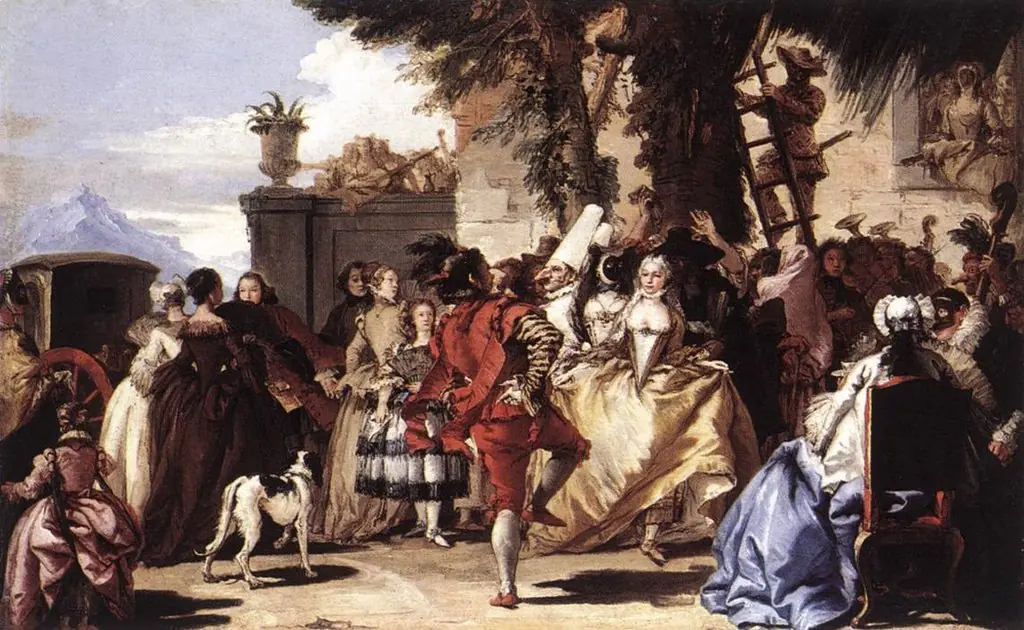 A Dance in the Country
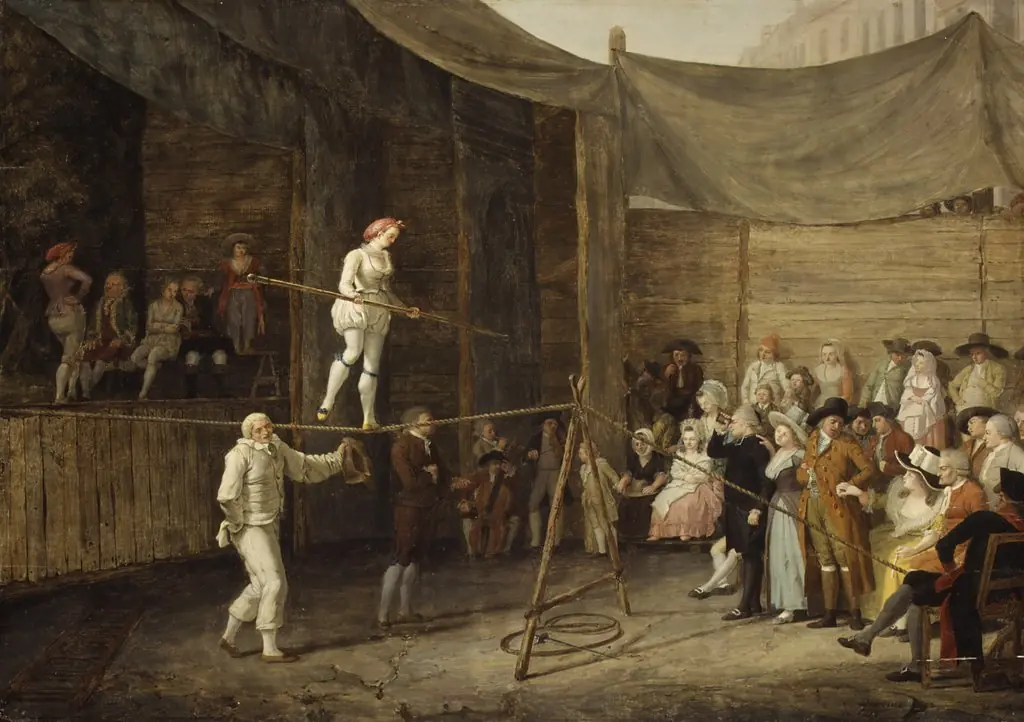 The Rope Dance
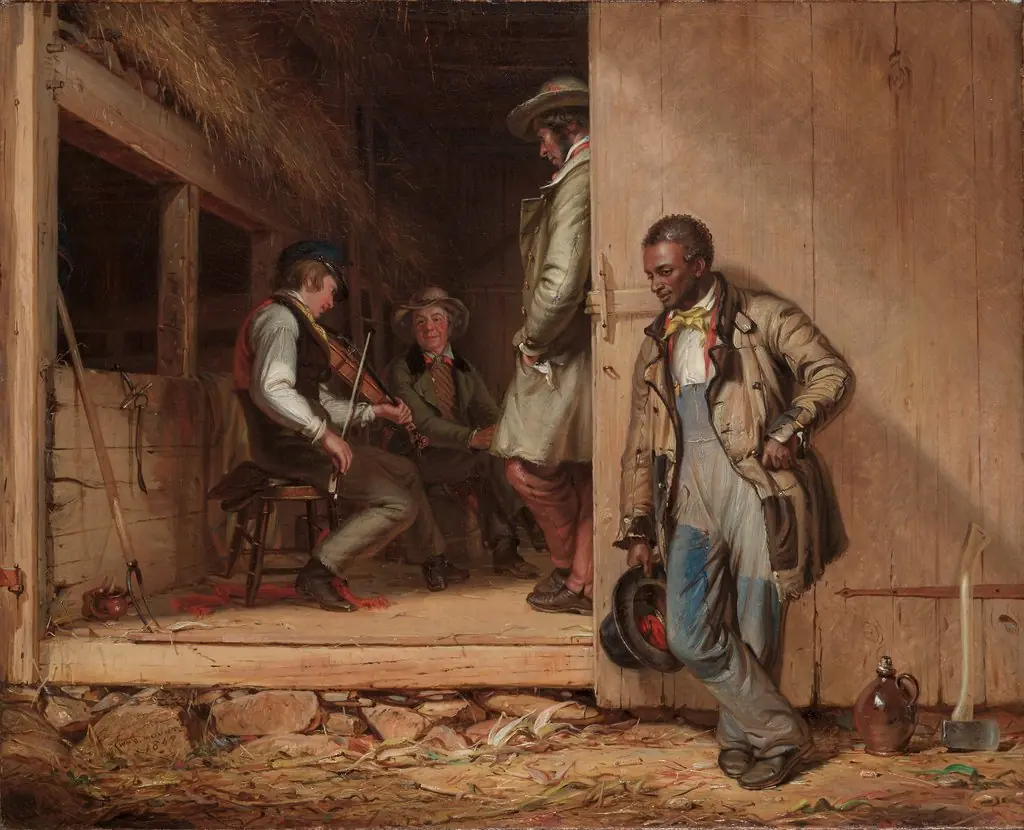 The Power of Music
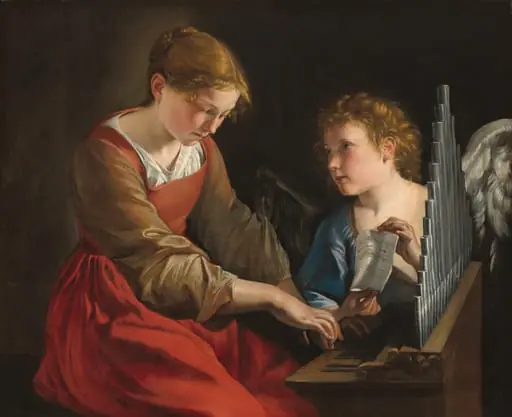 Saint Cecilia and an Angel
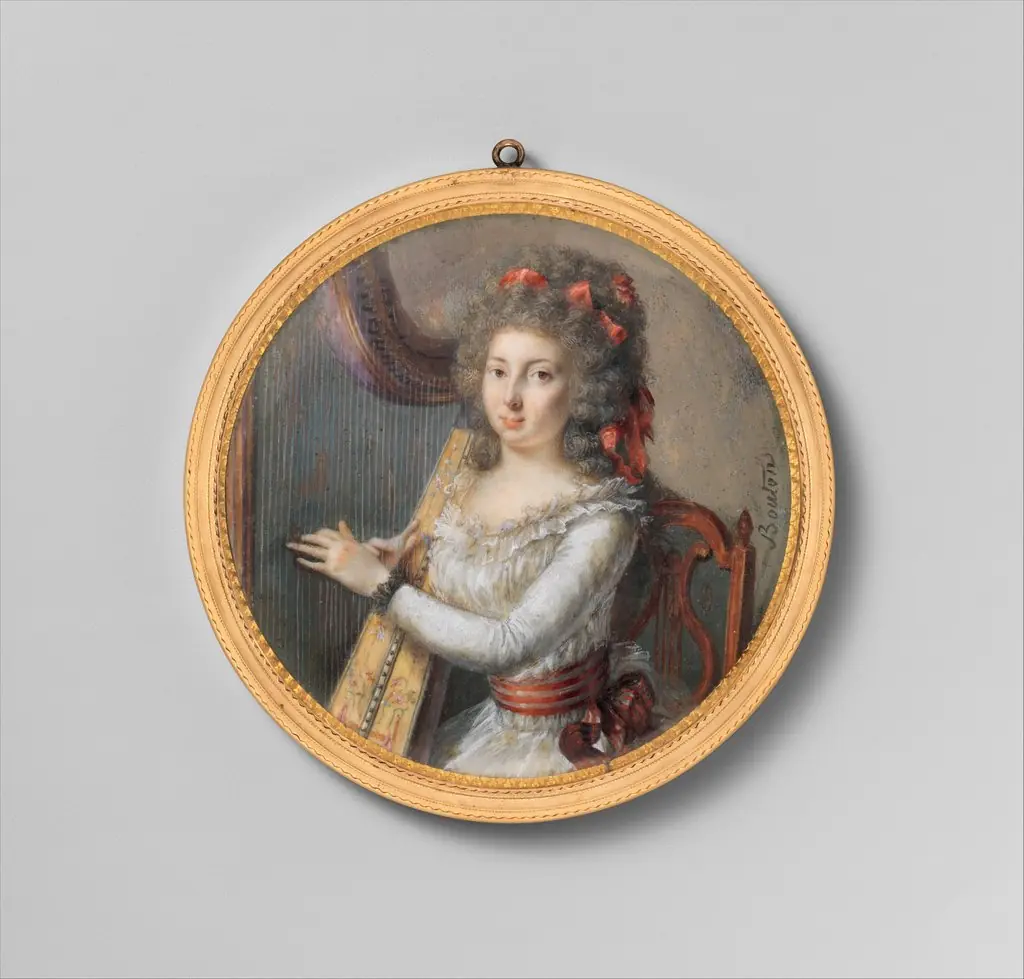 A Woman Playing a Harp
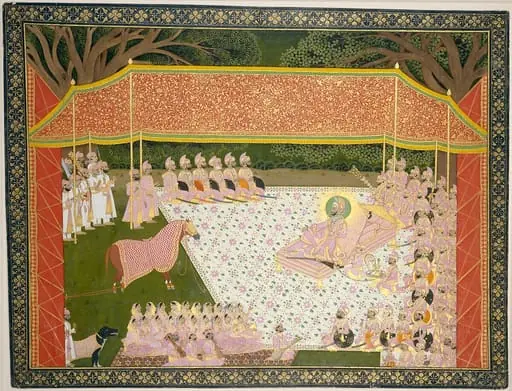 Untitled
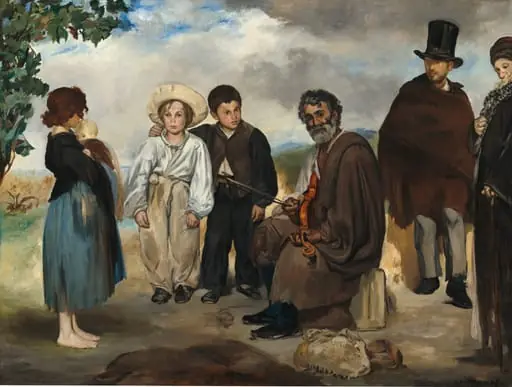 The Old Musician
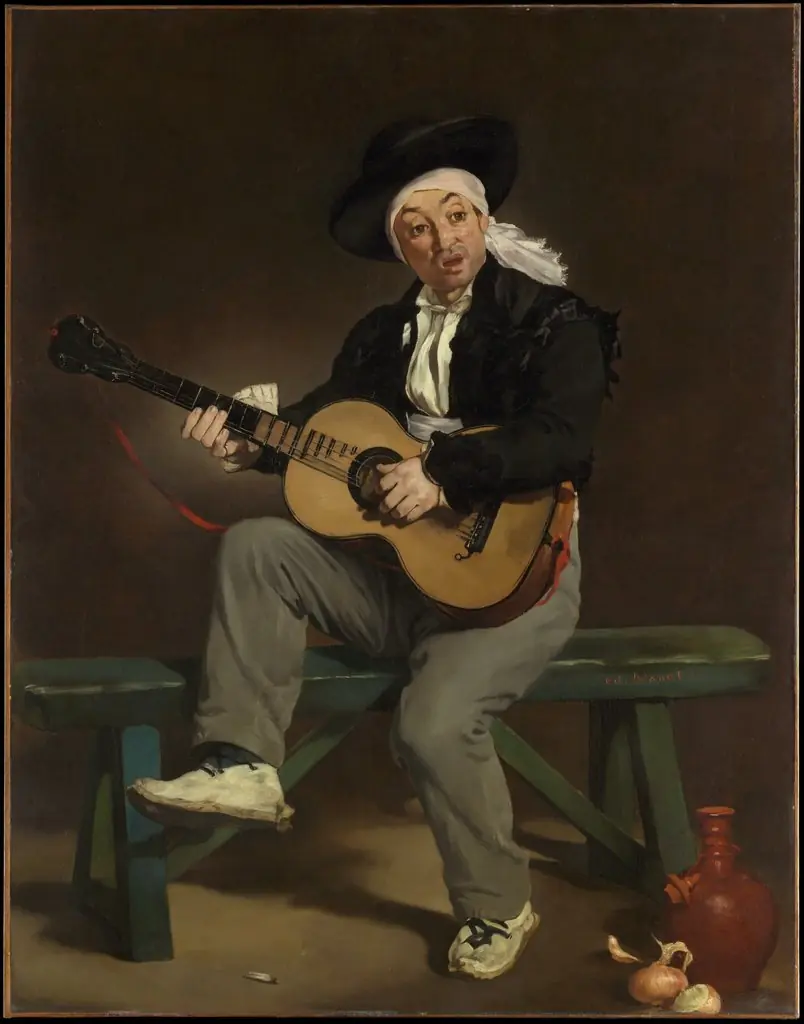 The Spanish Singer
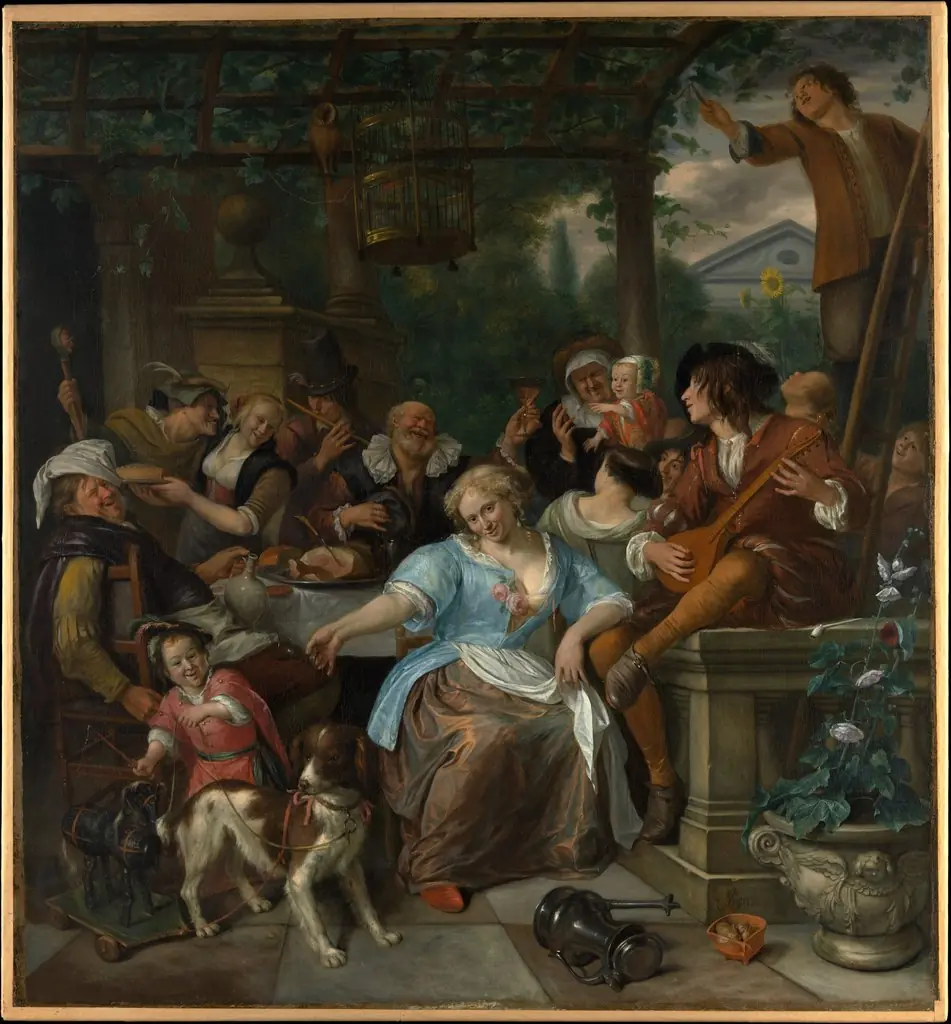 Merry Company on a Terrace
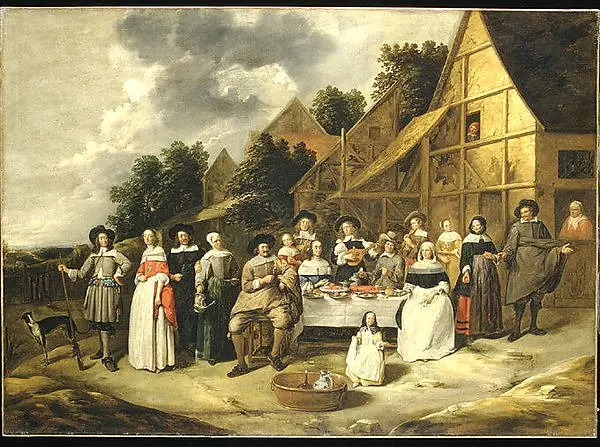 Group Portrait: A Wedding Celebration
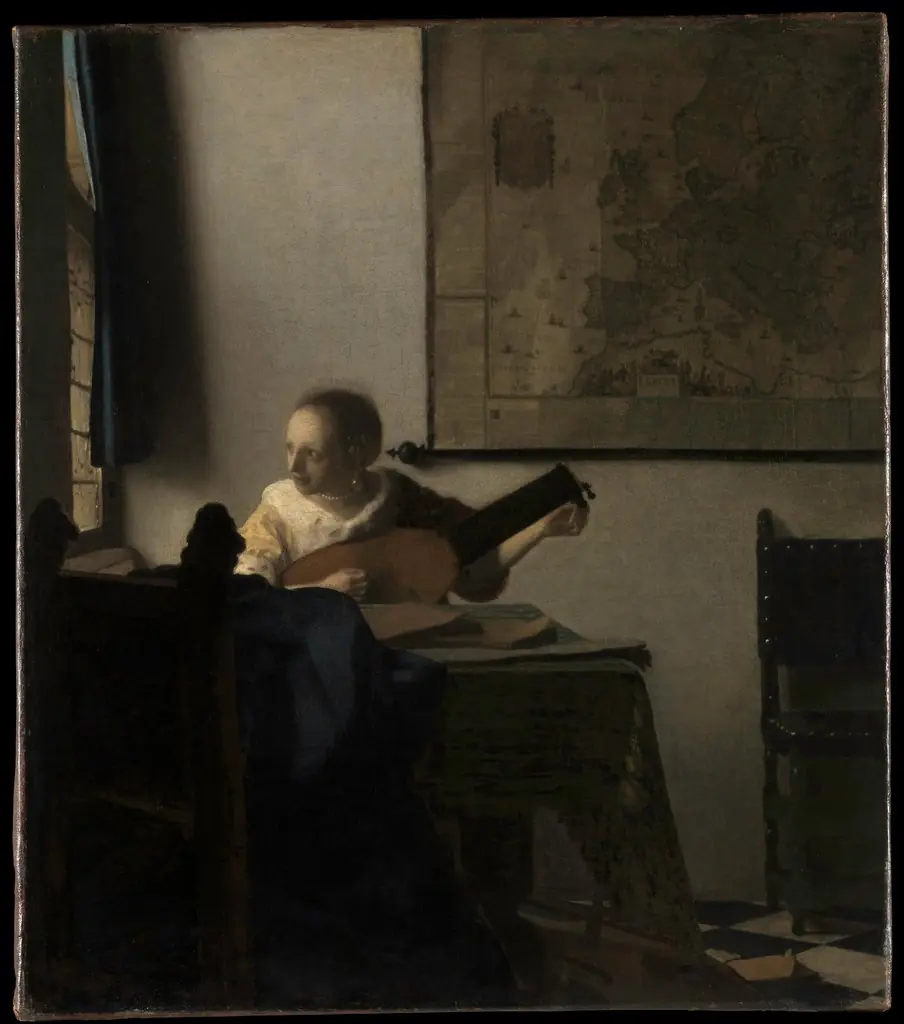 Woman with a Lute
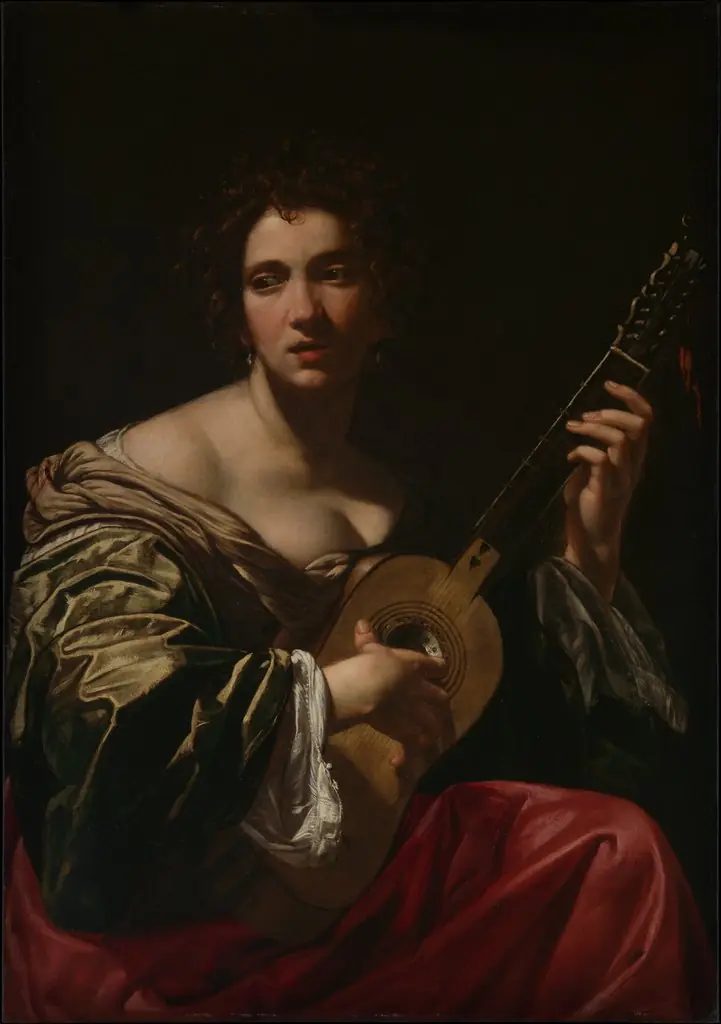 Woman Playing a Guitar
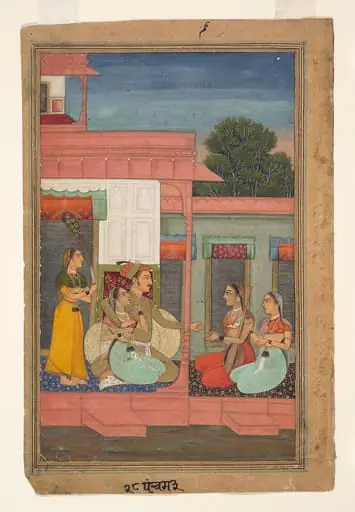 Untitled
 当麻曼荼羅図|Taima Mandala
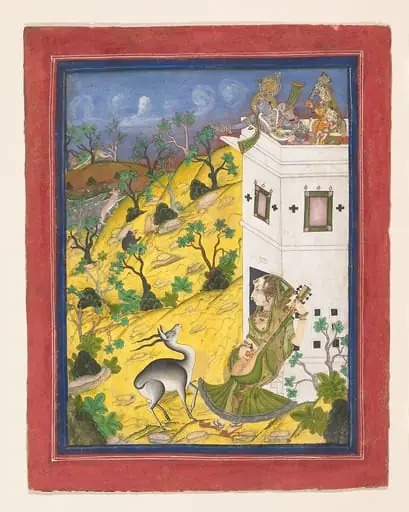 Untitled
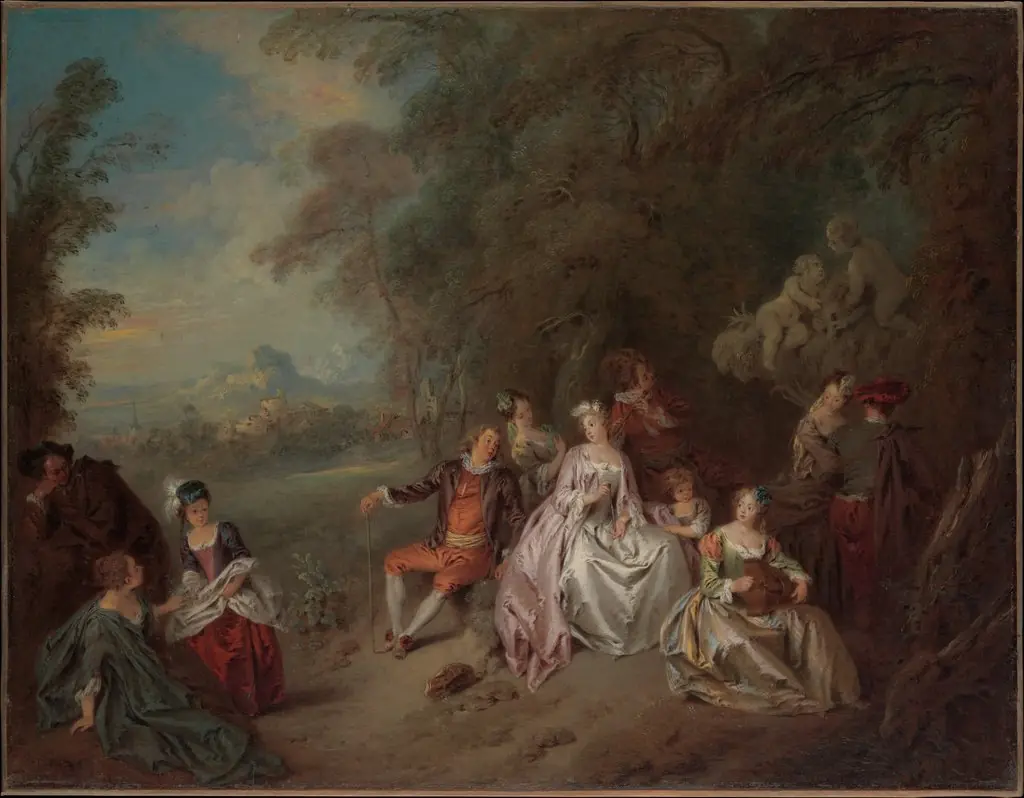 Concert Champêtre
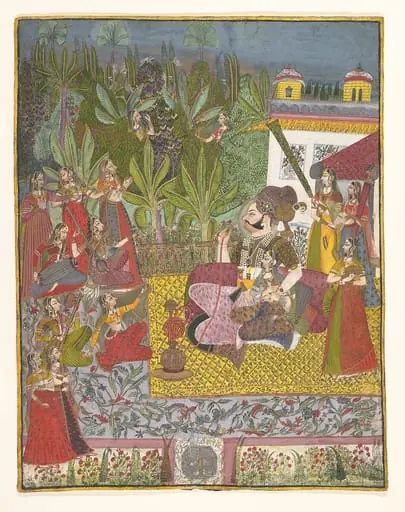 Untitled
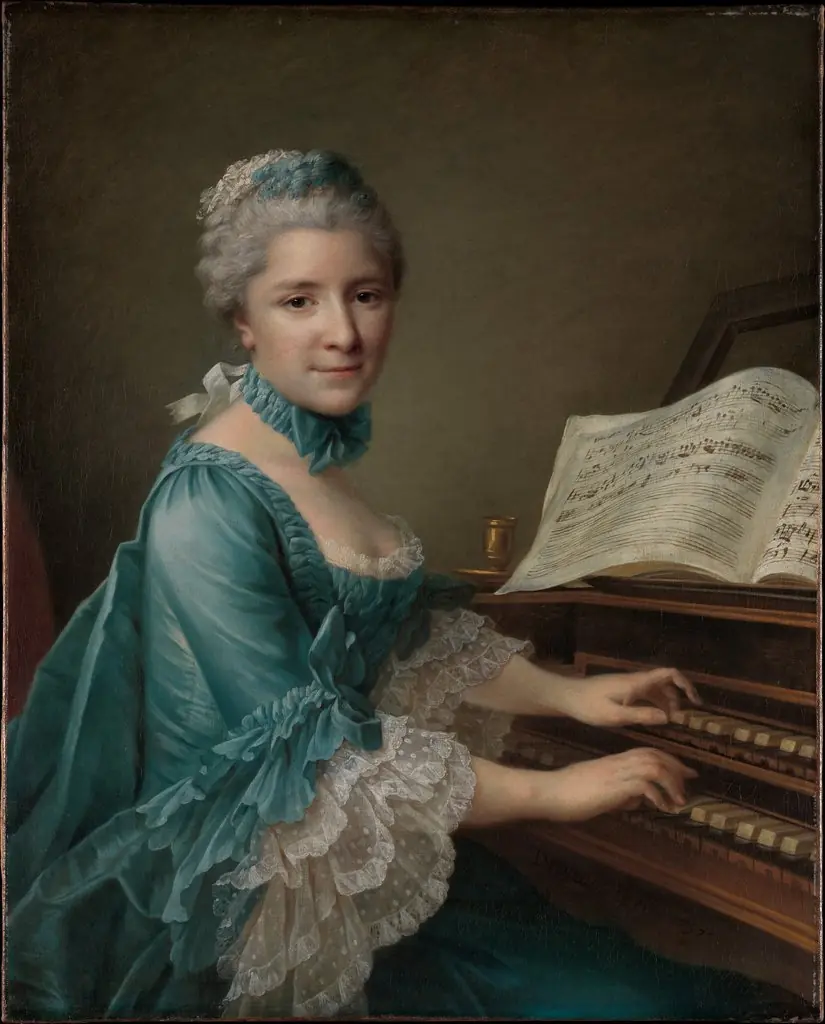 Portrait of a Woman, Said to be Madame Charles Simon Favart (Marie Justine Benoîte Duronceray, 1727–1772)
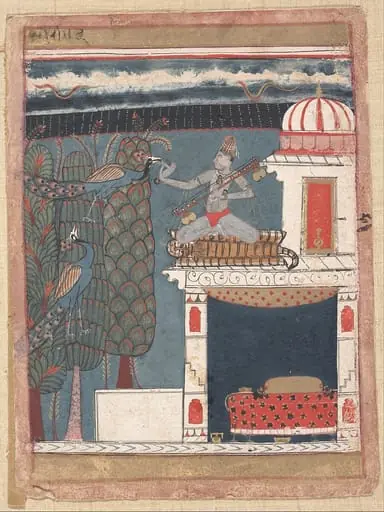 Untitled
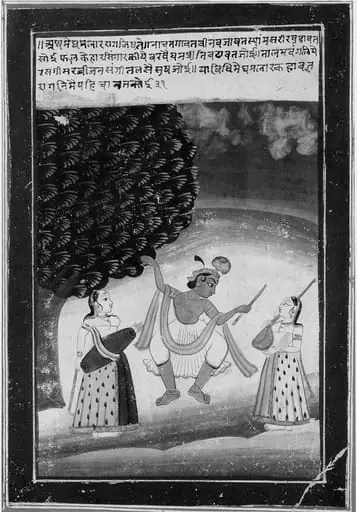 Untitled
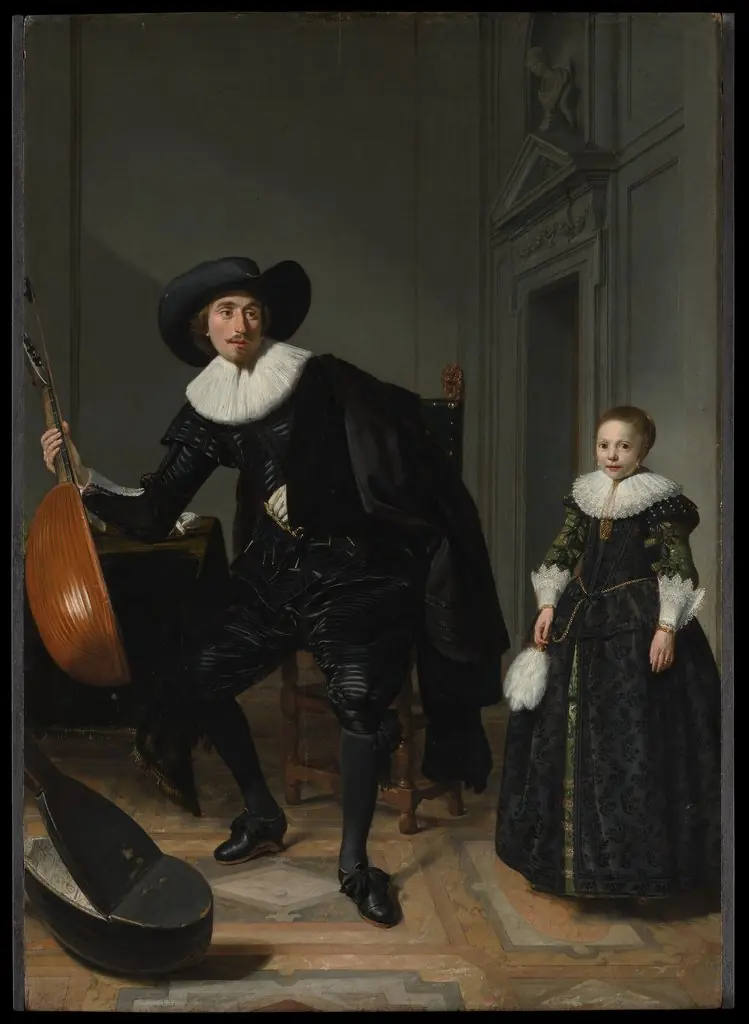 A Musician and His Daughter
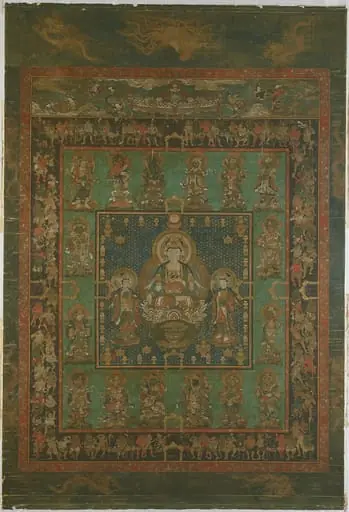 般若菩薩曼荼羅図|Mandala of the Bodhisattva Hannya (Prajnaparamita)
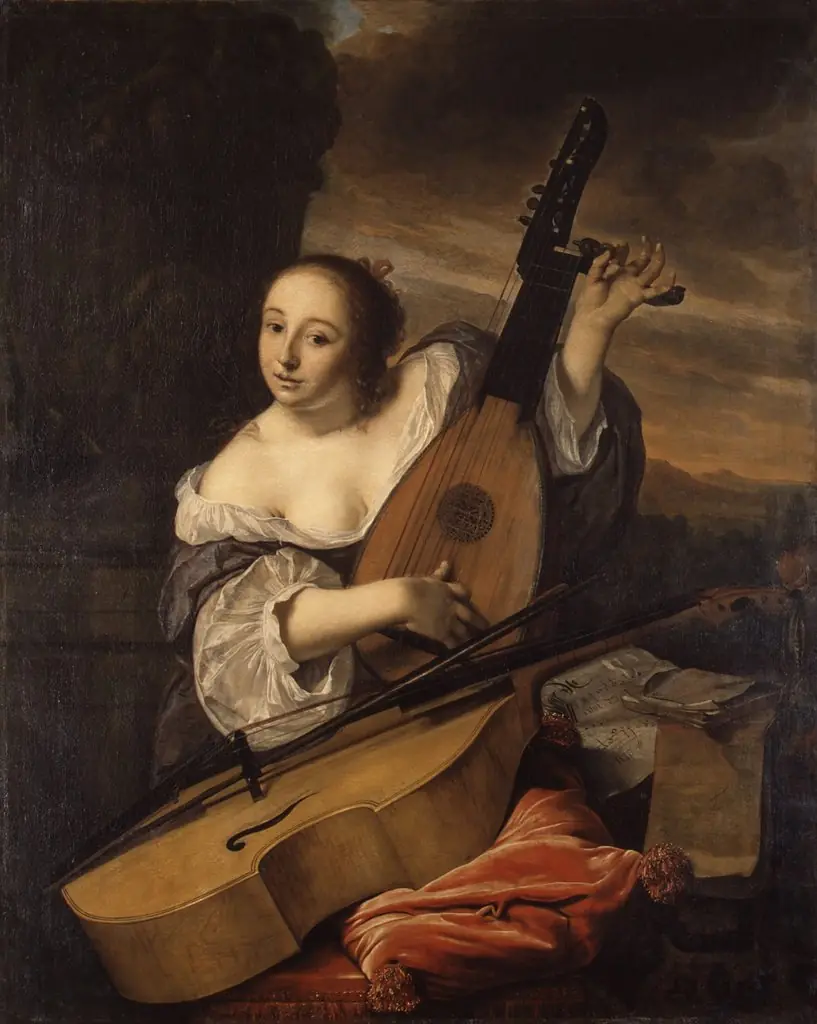 The Musician
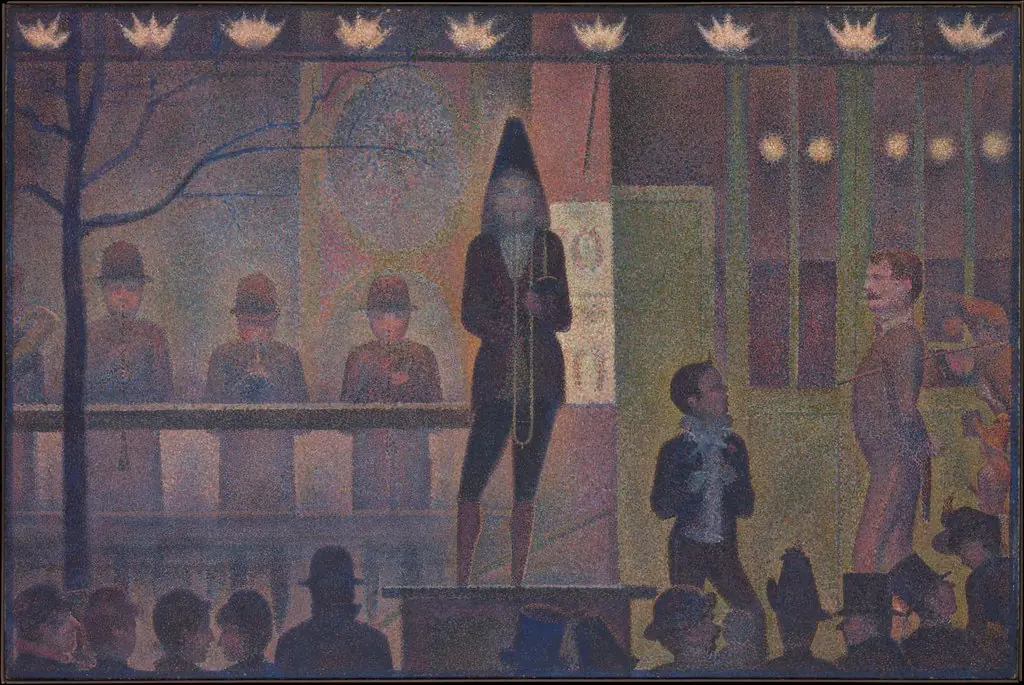 The Circus Parade
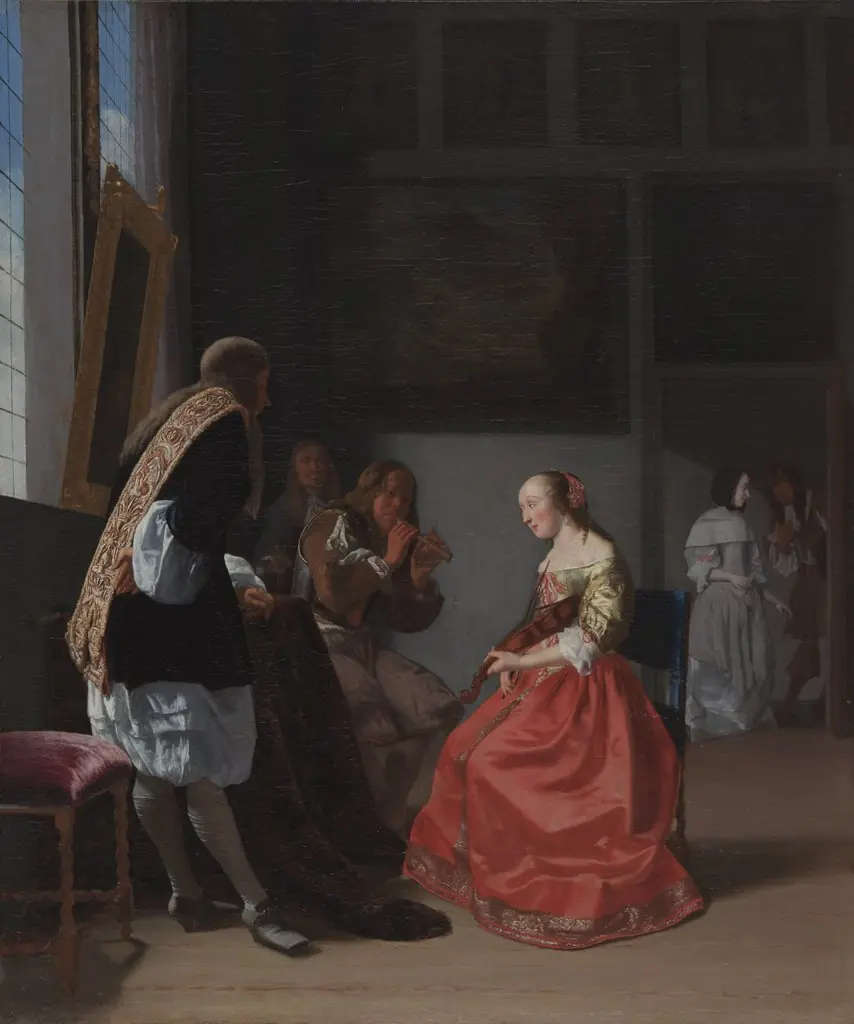 A Musical Company
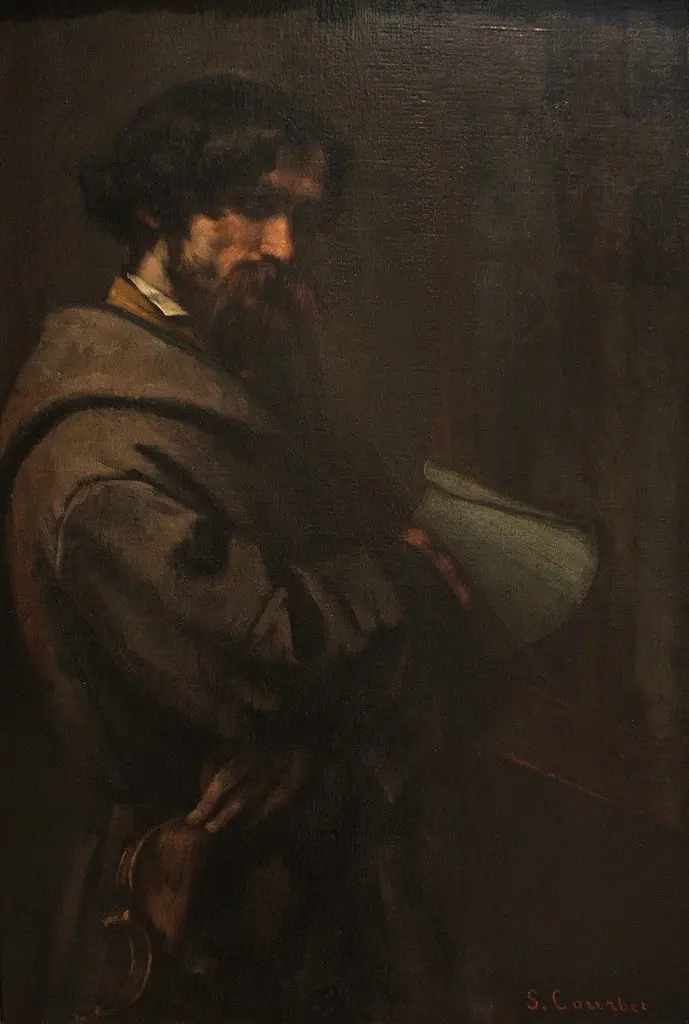 Alphonse Promayet (1822–1872)
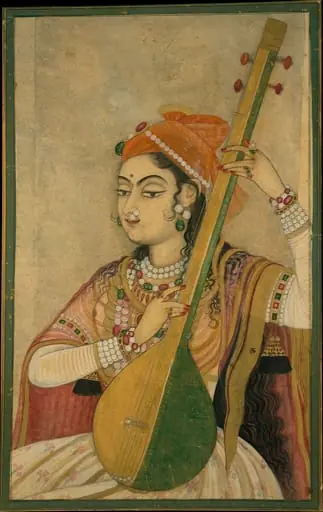 Untitled
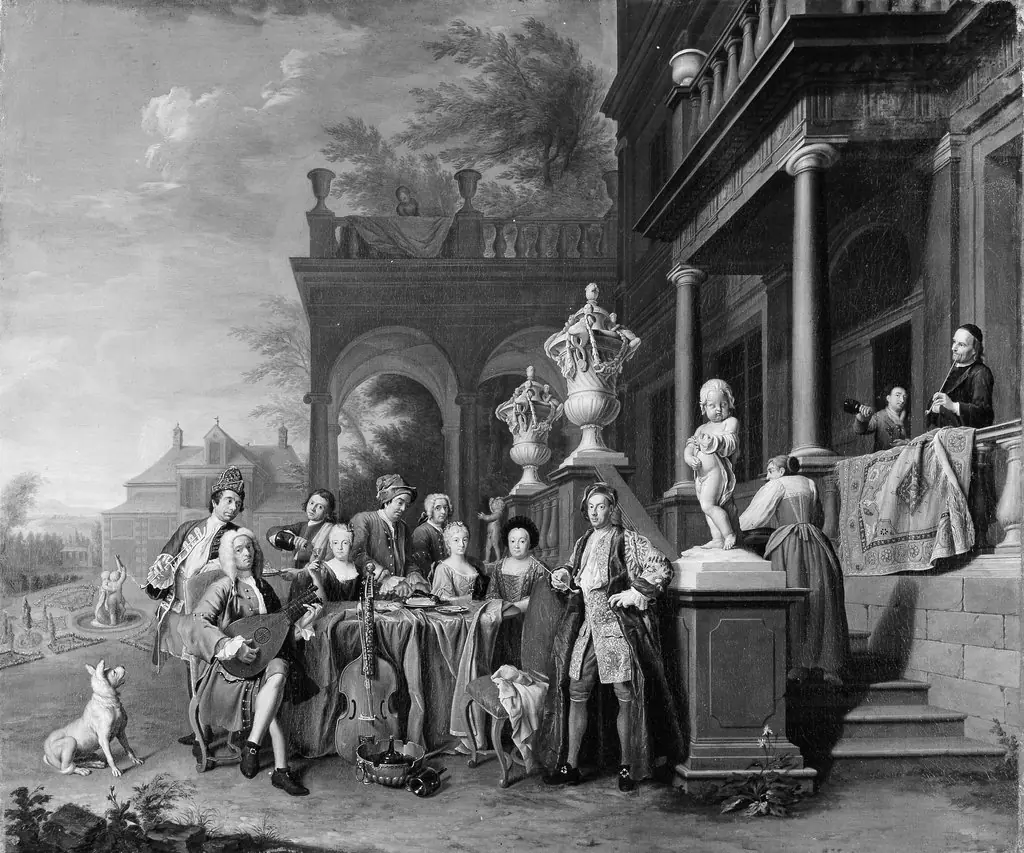 A Musical Gathering at the Court of the Elector Karl Albrecht of Bavaria
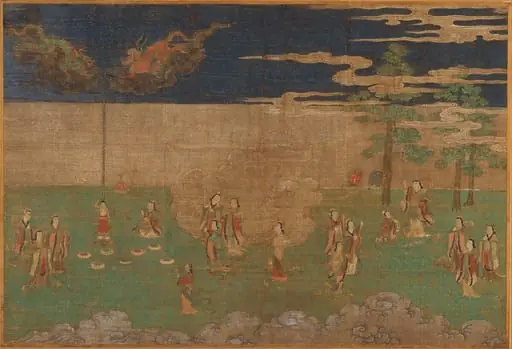 仏伝図|Scene from the Life of the Buddha
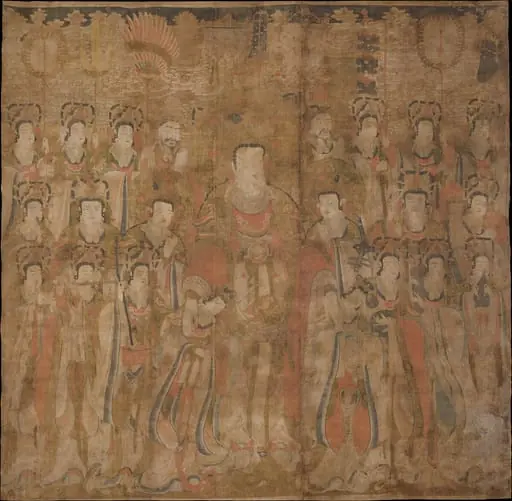 작자미상 범천왕을 중심으로 한 신중도 조선|作者未詳 神衆圖 朝鮮|Brahma with Attendants and Musicians
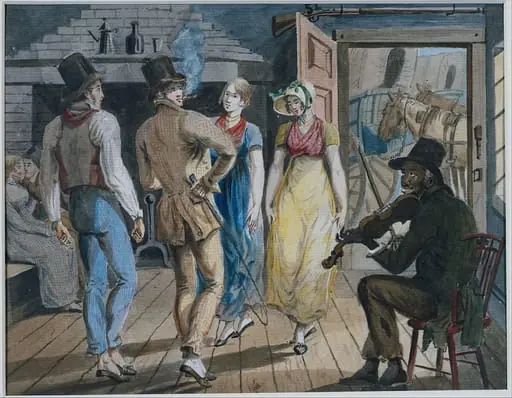 Merrymaking at a Wayside Inn
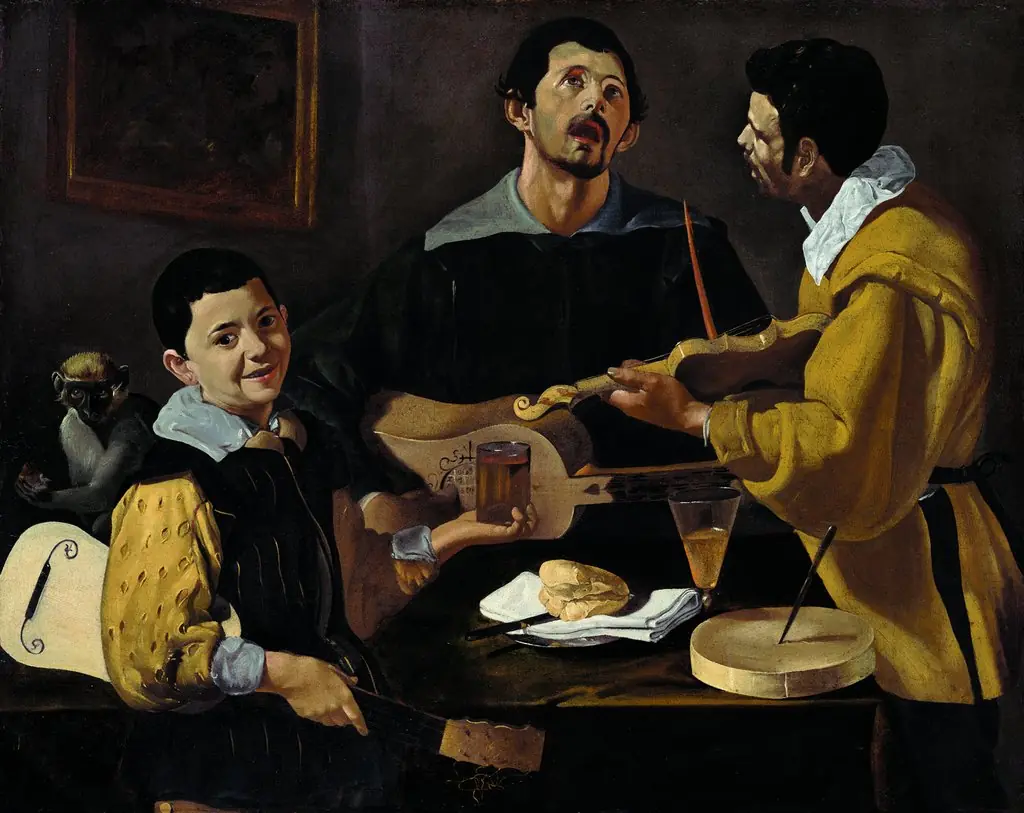 Three Musicians
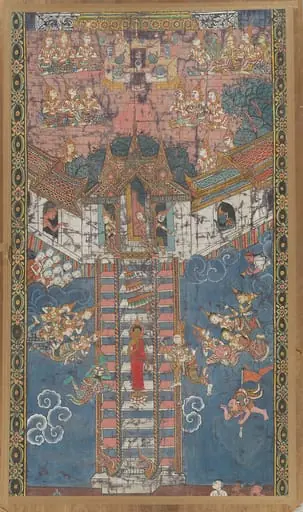 Untitled
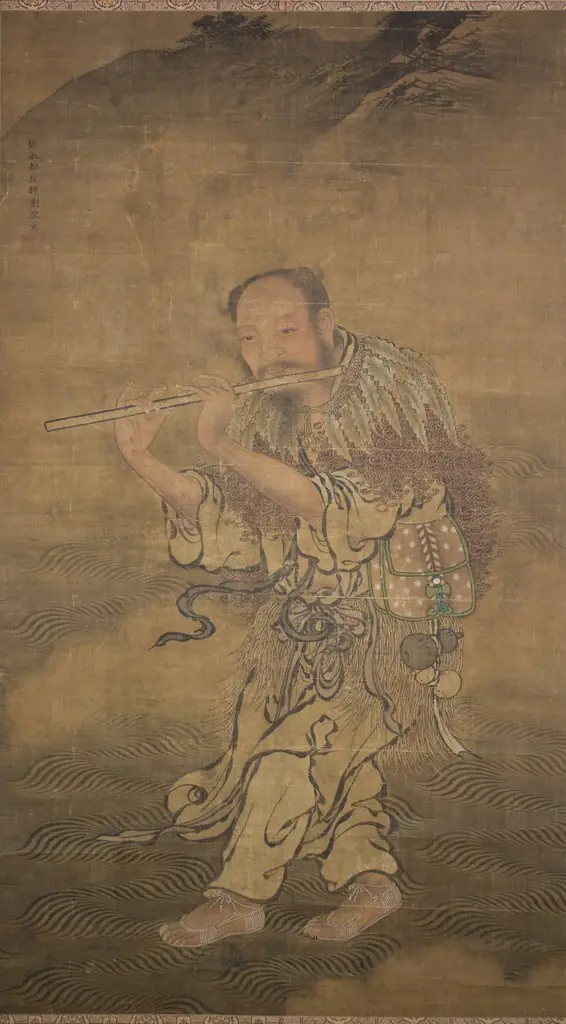 The Daoist Immortal Han Xiangzi
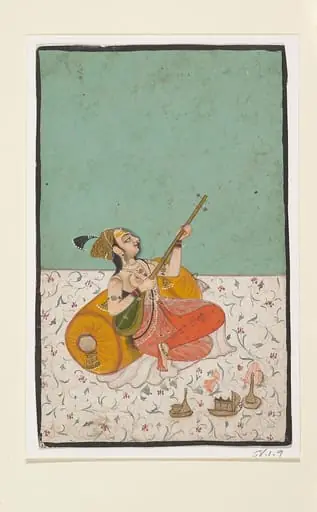 Untitled
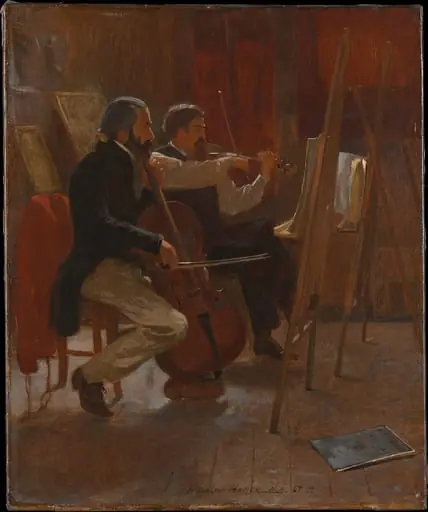 The Studio
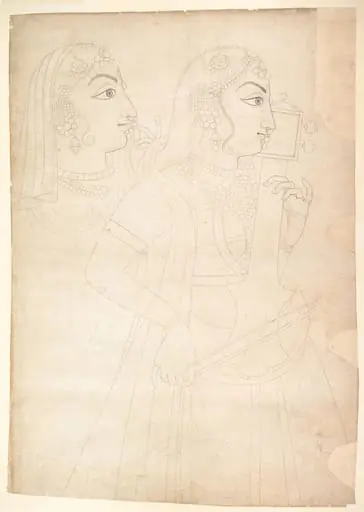 Untitled
 Untitled
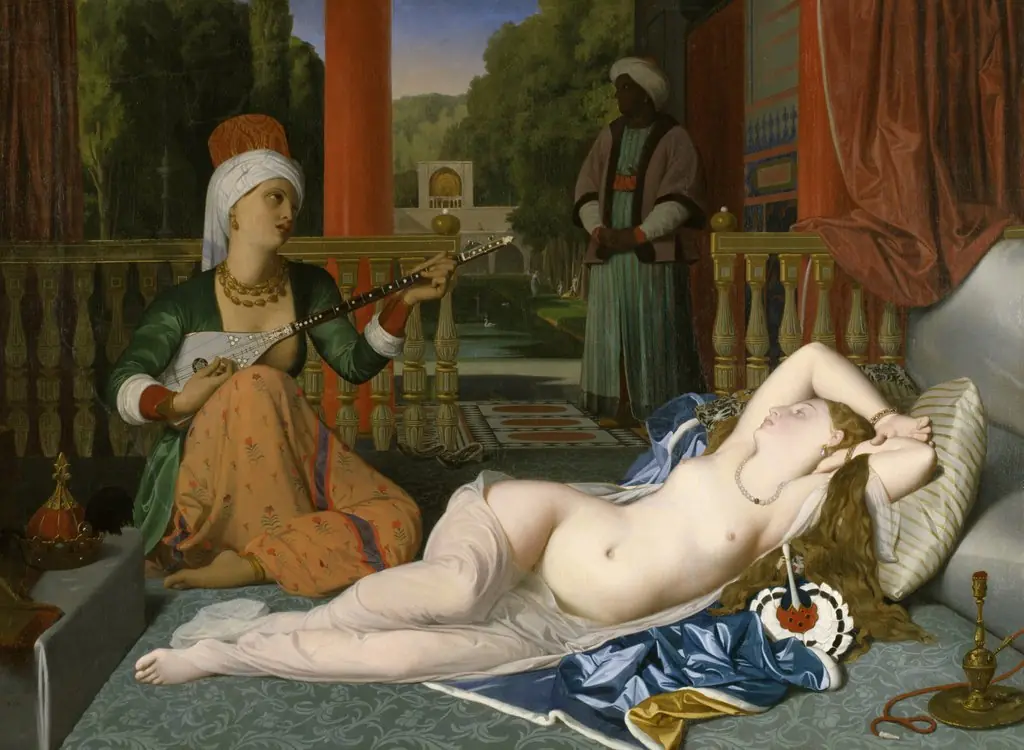 Odalisque with Slave
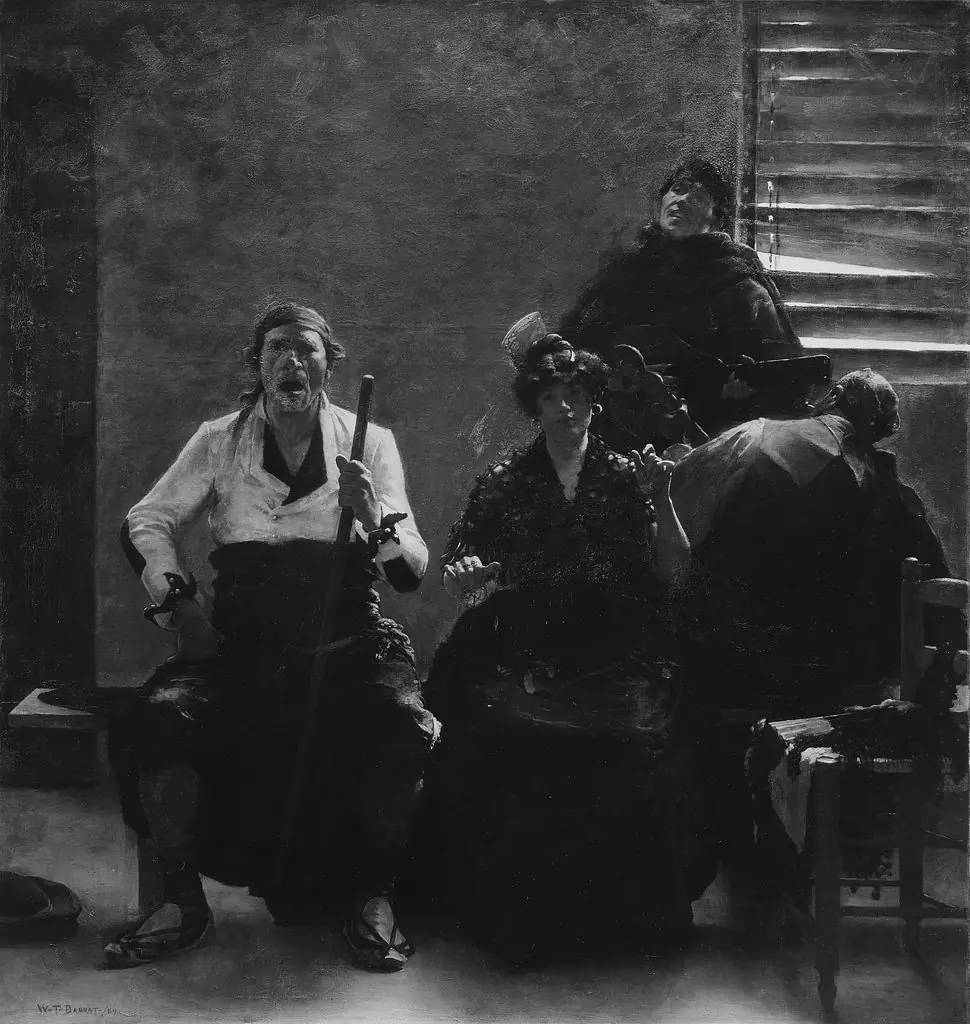 The Quartette (Un quatuor)
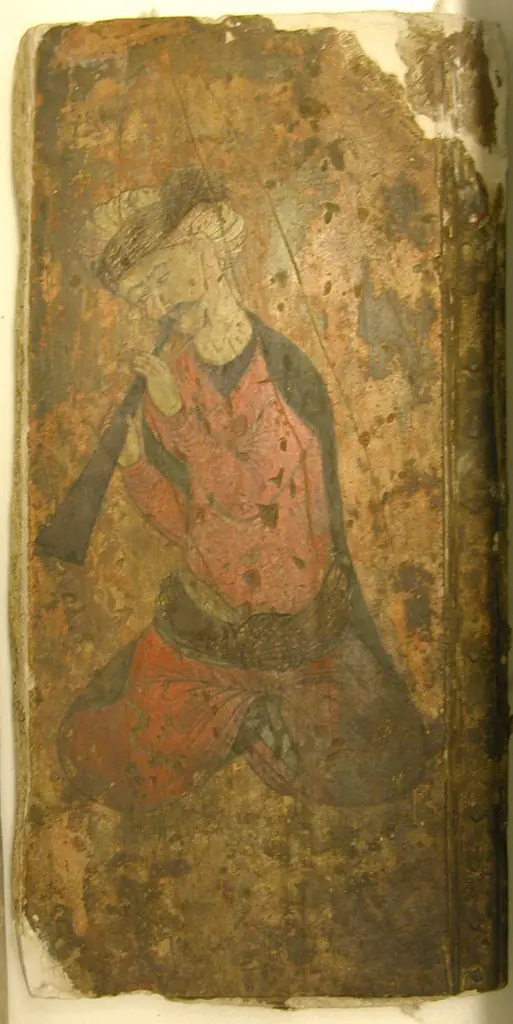 Seated Musician
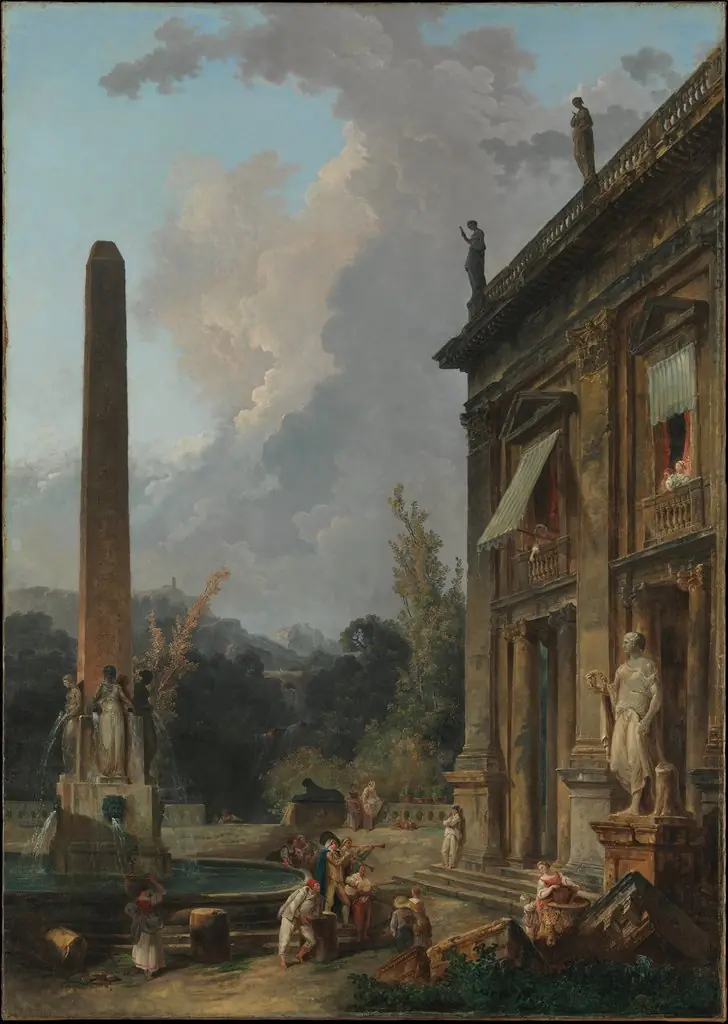 Wandering Minstrels
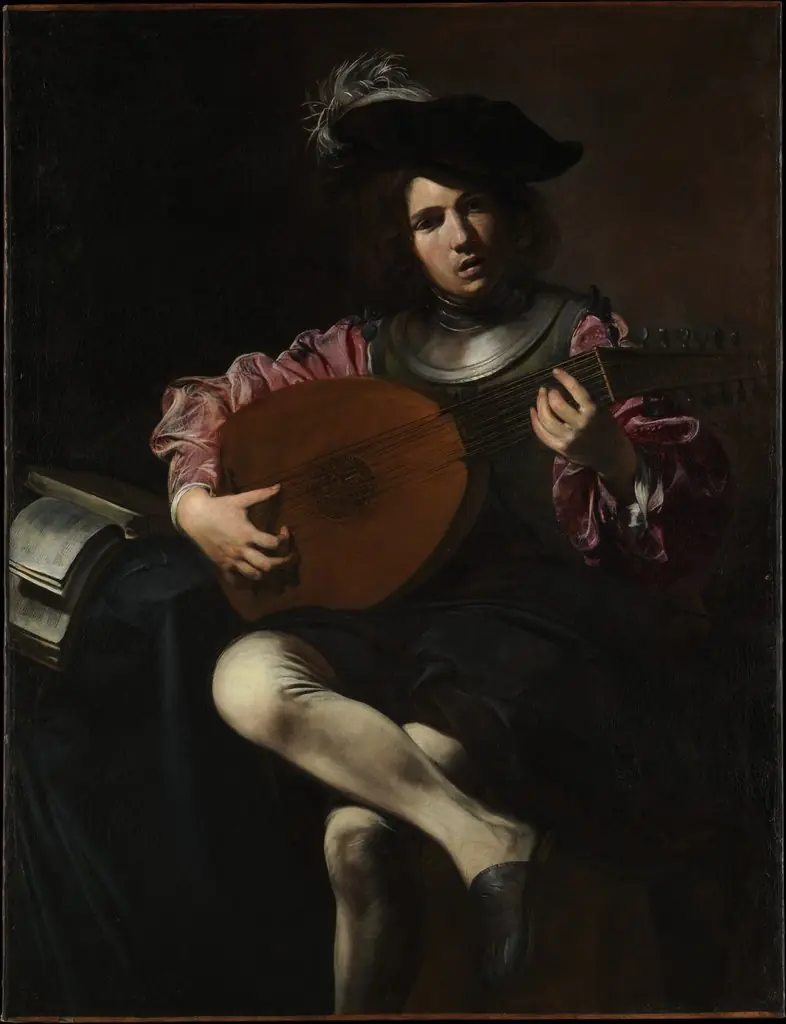 The Lute Player
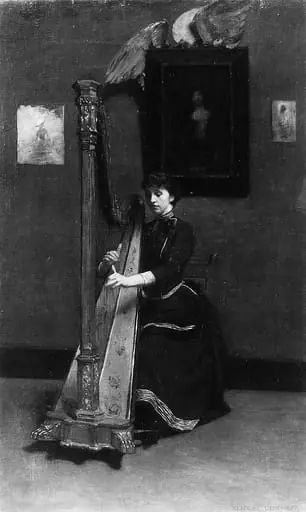 The Harp Player (A Solo)
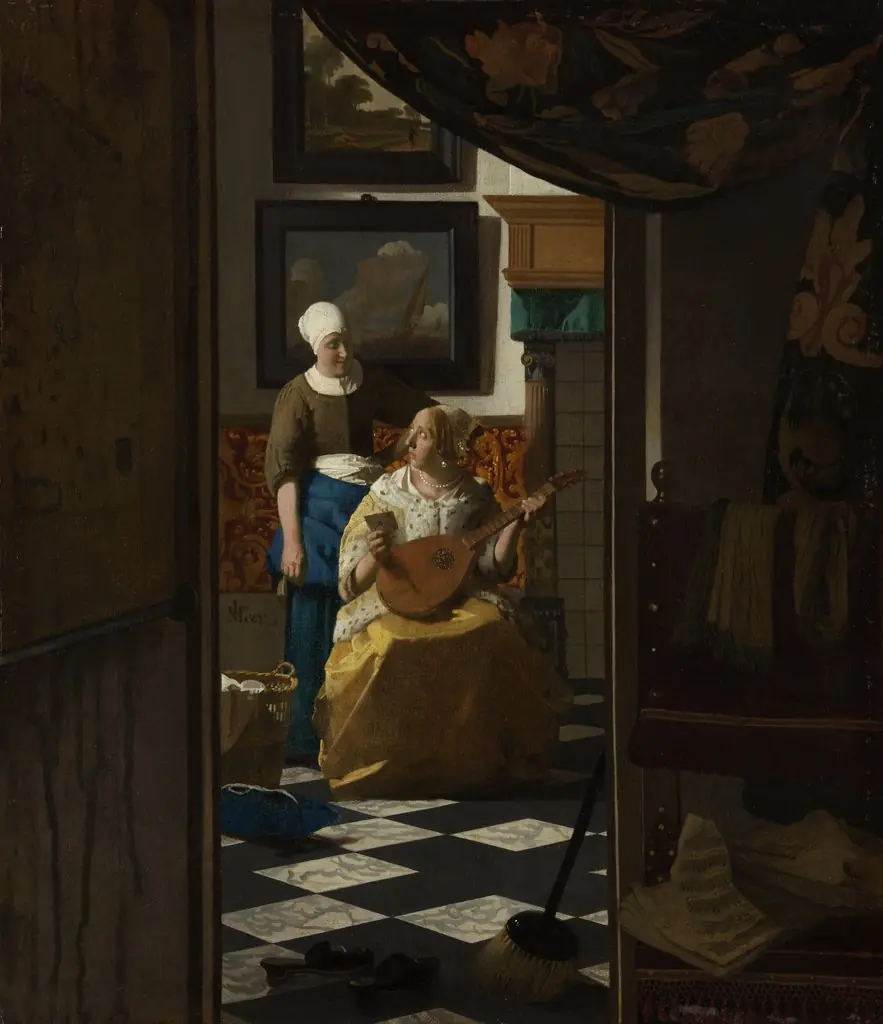 The Love Letter
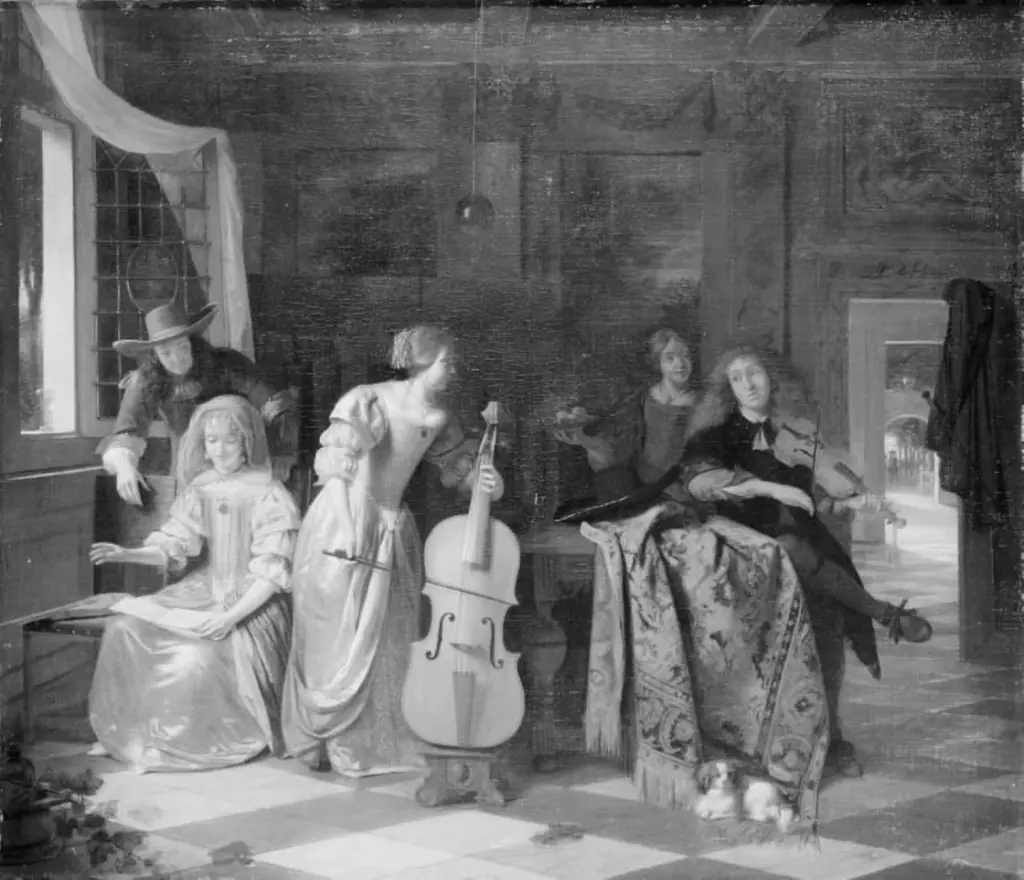 Merry Company with five figures
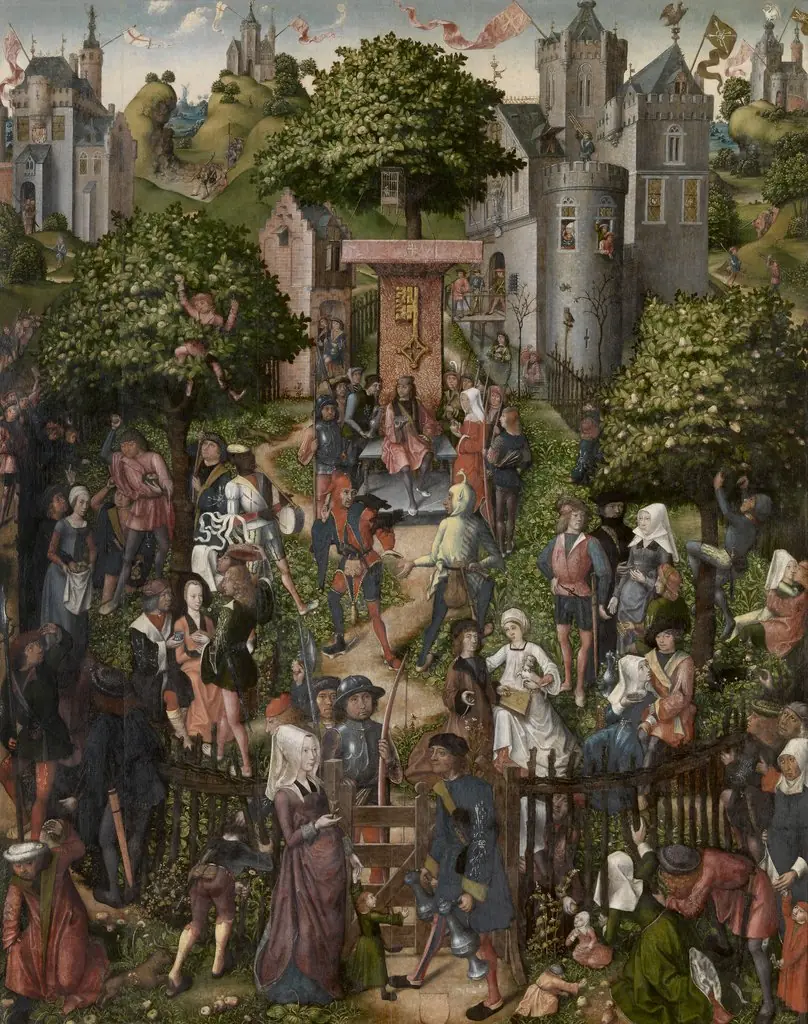 Festival of the Archers
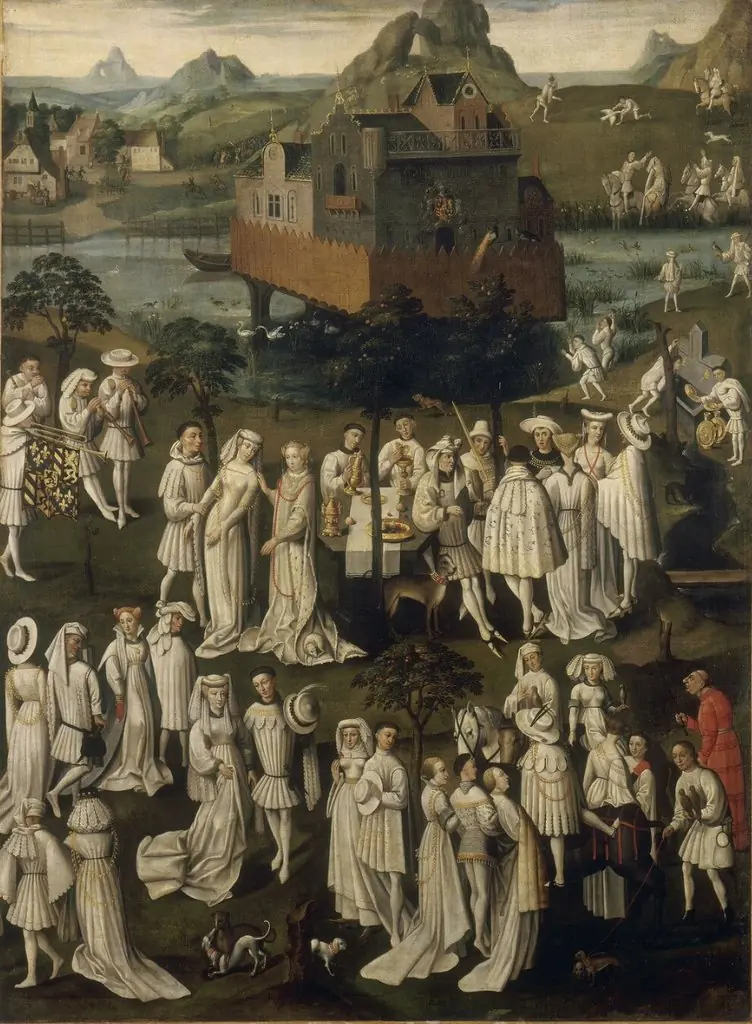 Garden of love at the court of Philippe the Good, Duke of Burgundy
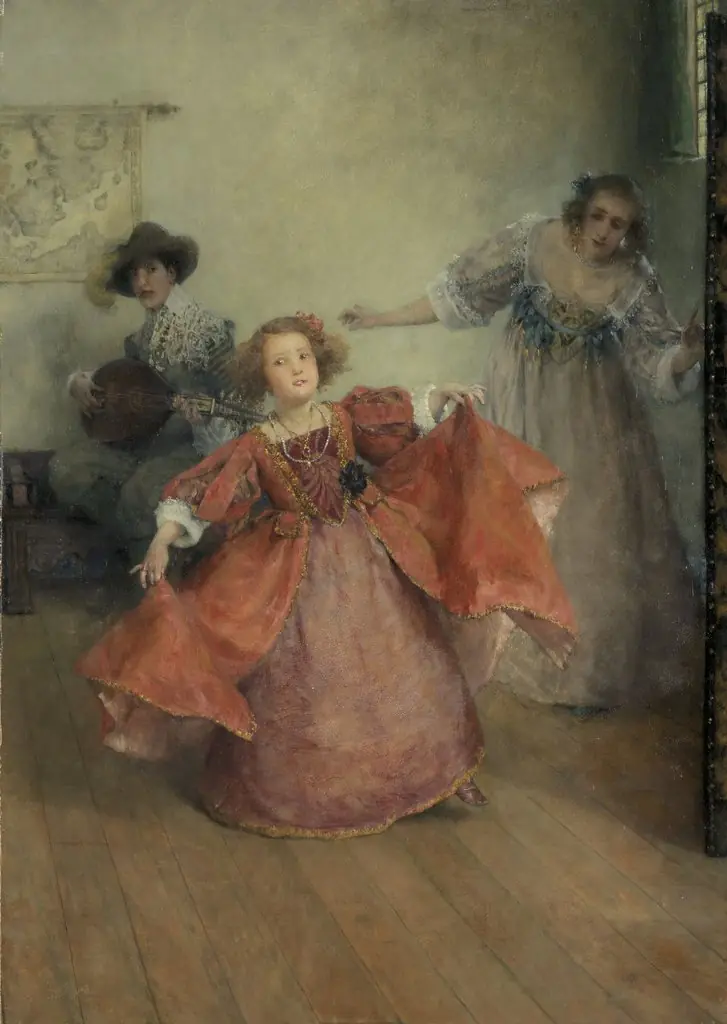 Airs and graces
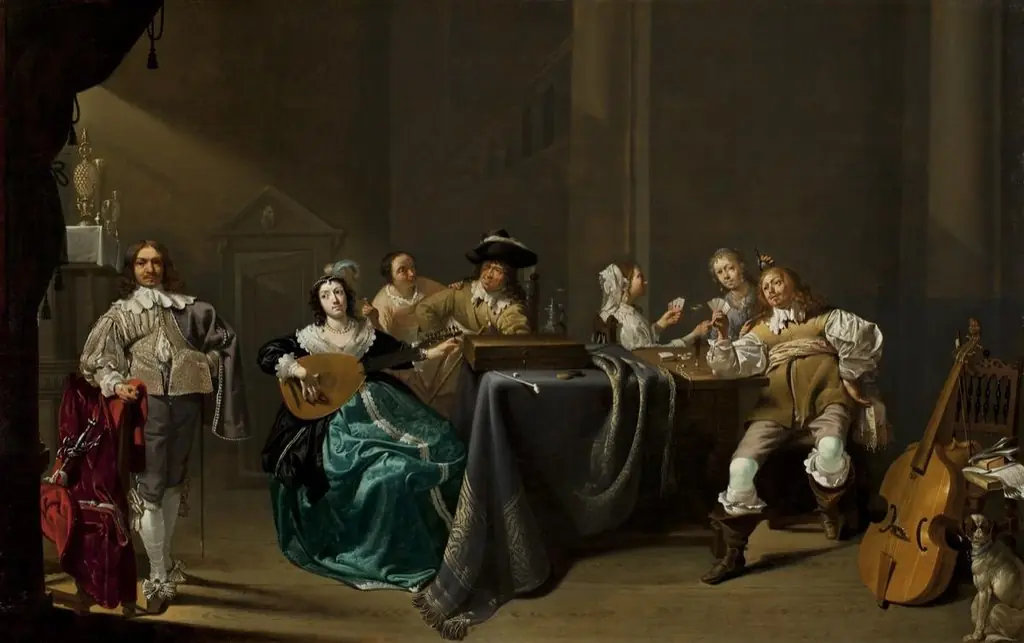 Card Players and Merrymakers
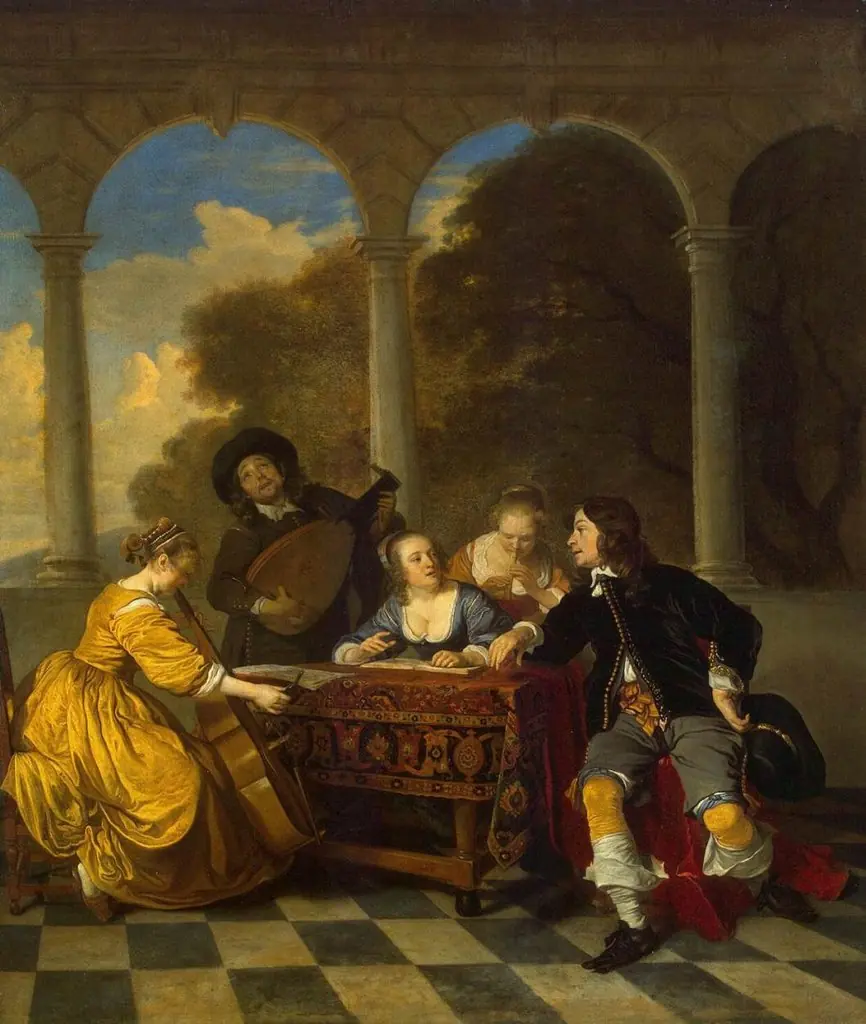 Concert
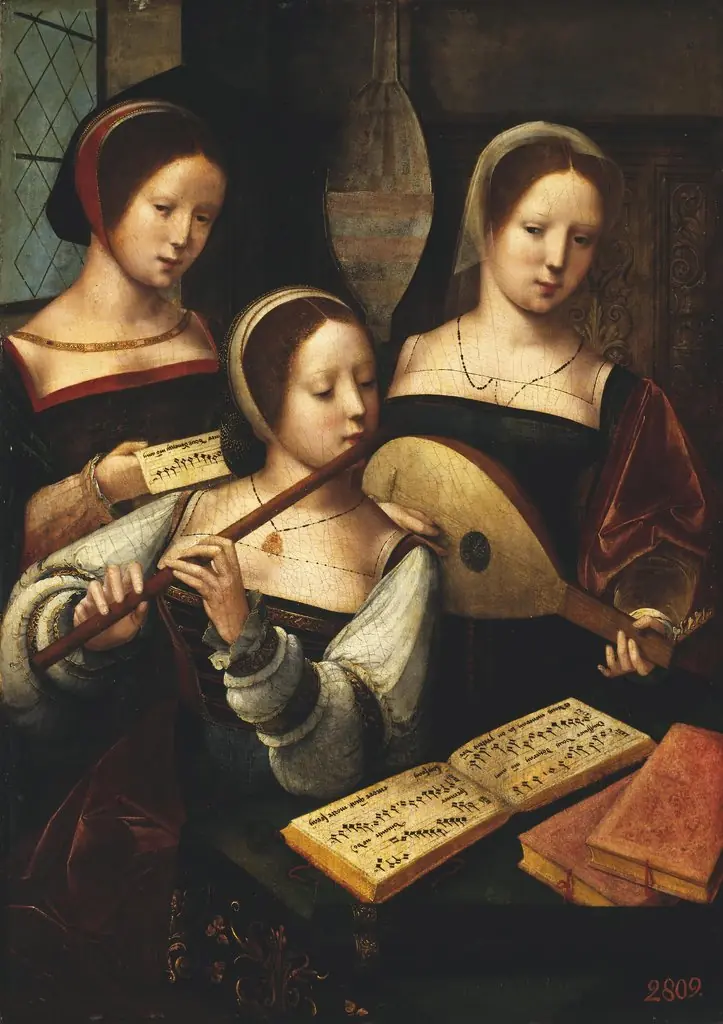 Female Musicians
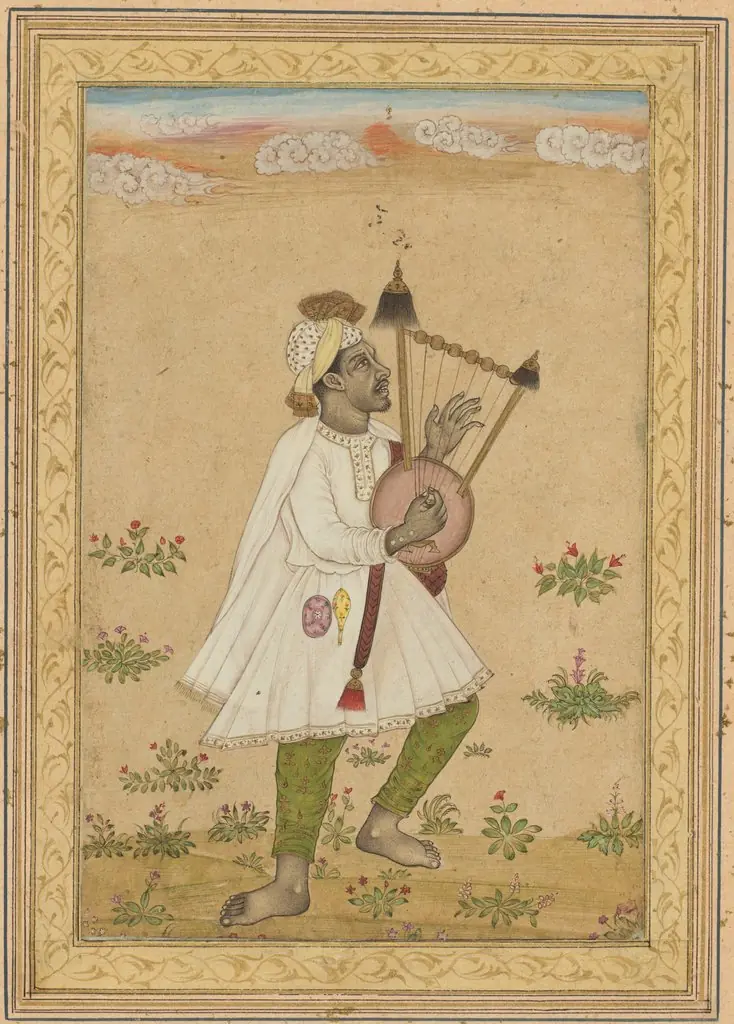 An African Lyre Player (recto); Calligraphy (verso)
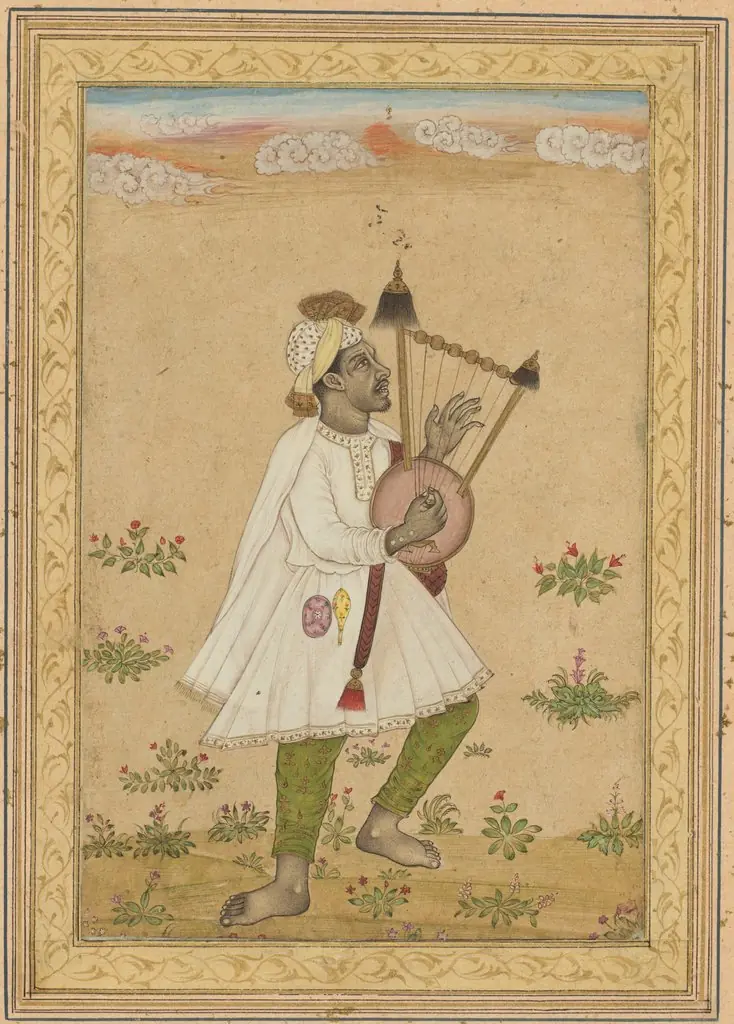 An African Lyre Player (recto)
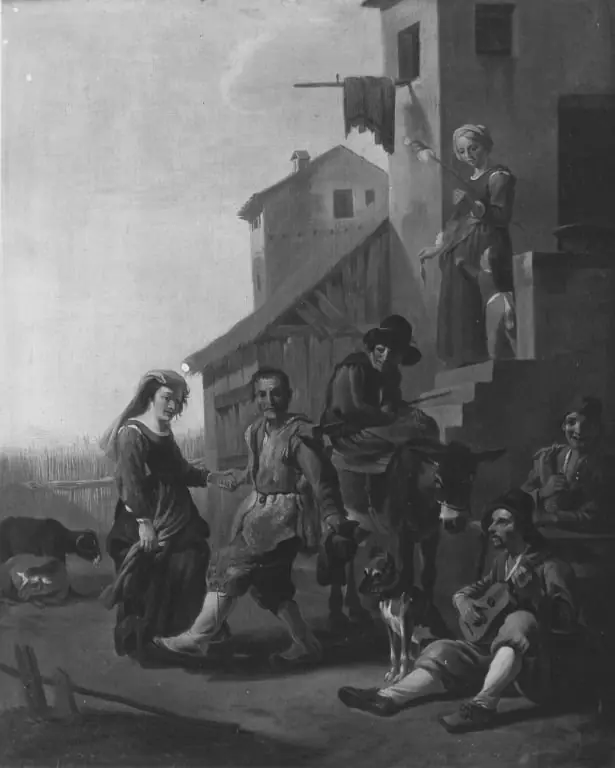 Tanz in der Campagna
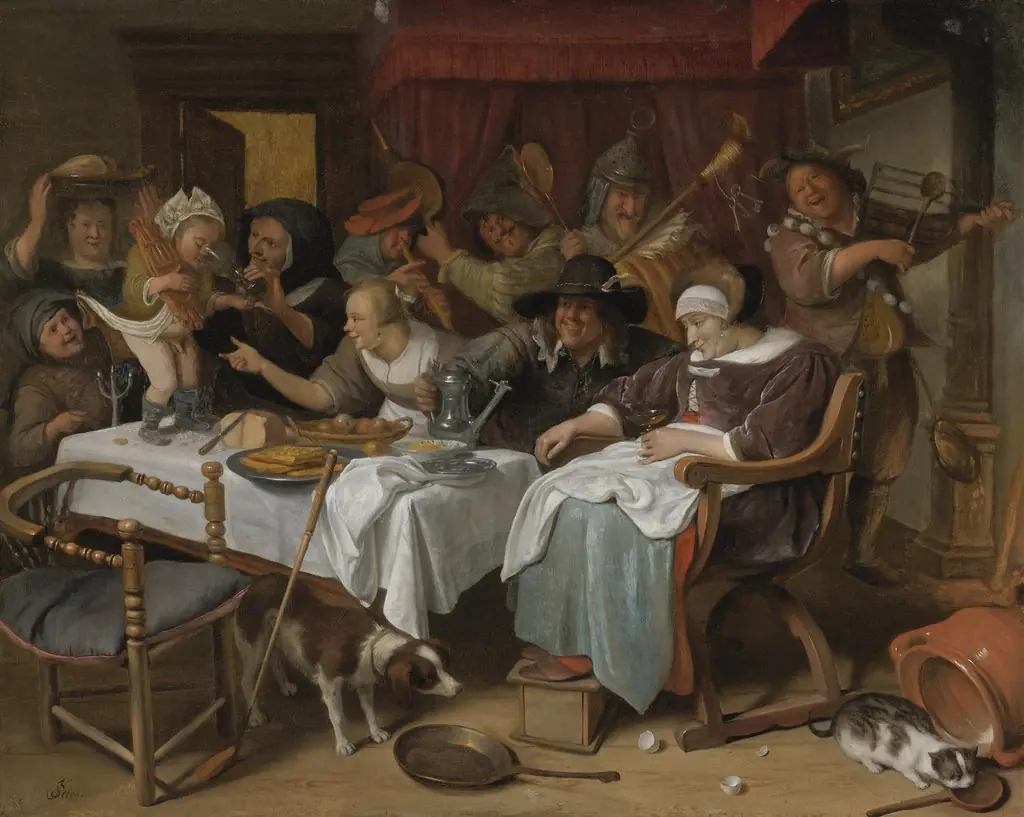 Twelfth Night
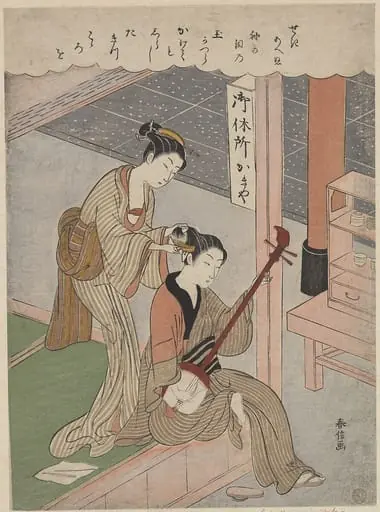 Untitled
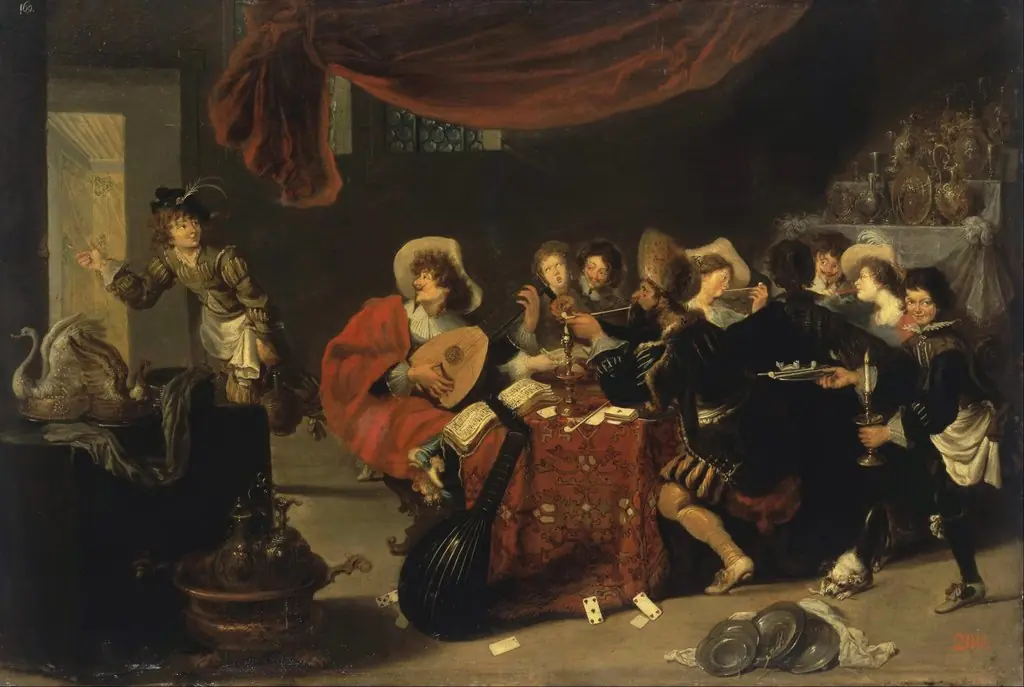 Merry Company
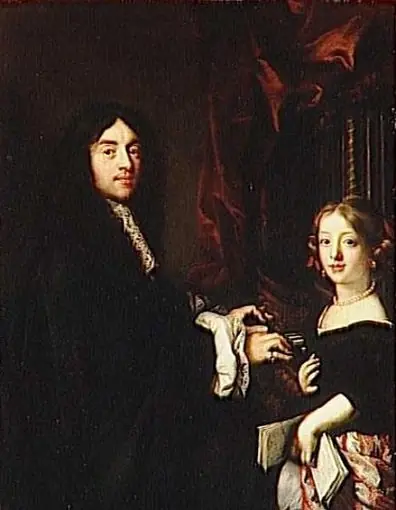 Charles Couperin and the second daughter of Claude Lefebvre
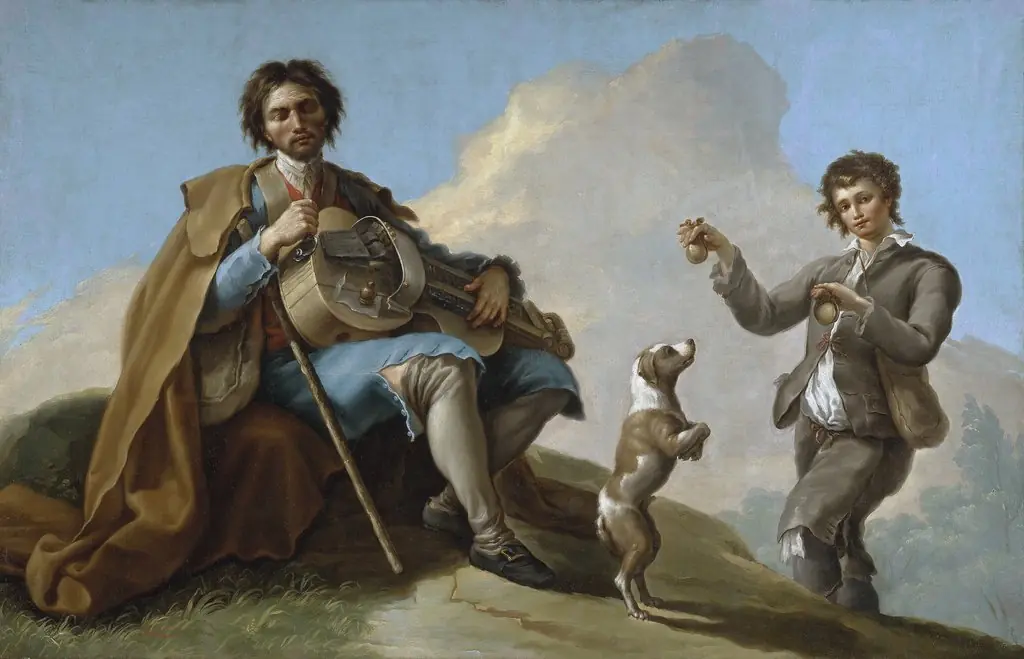 The blind Musician
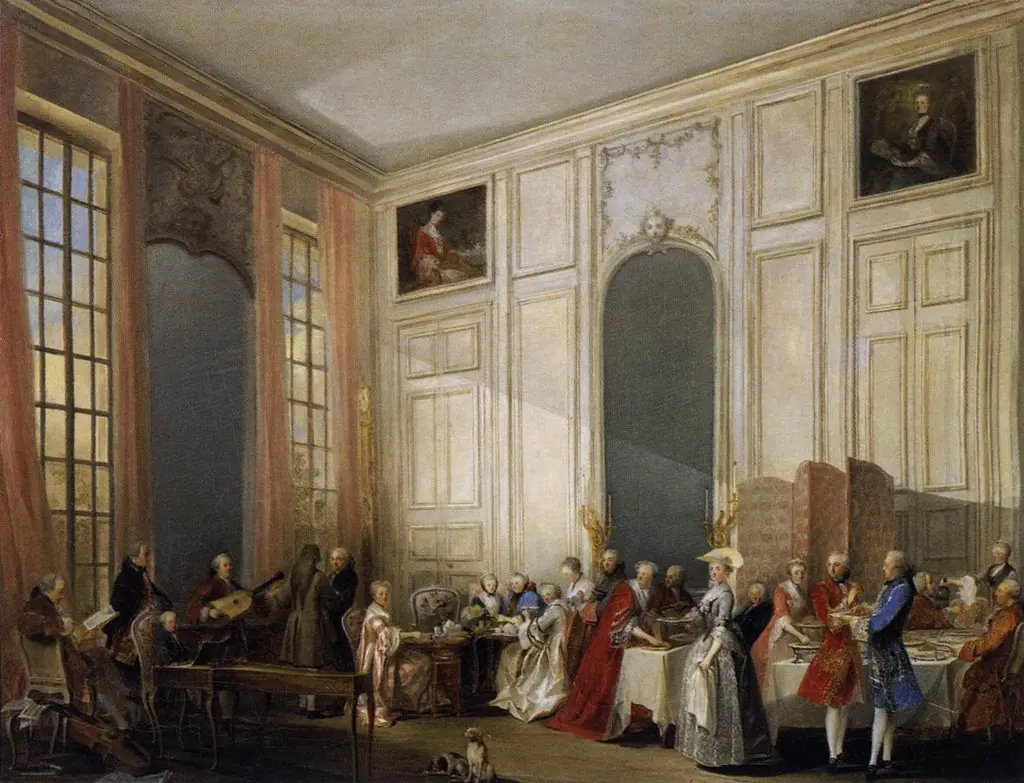 Afternoon Tea at the Temple
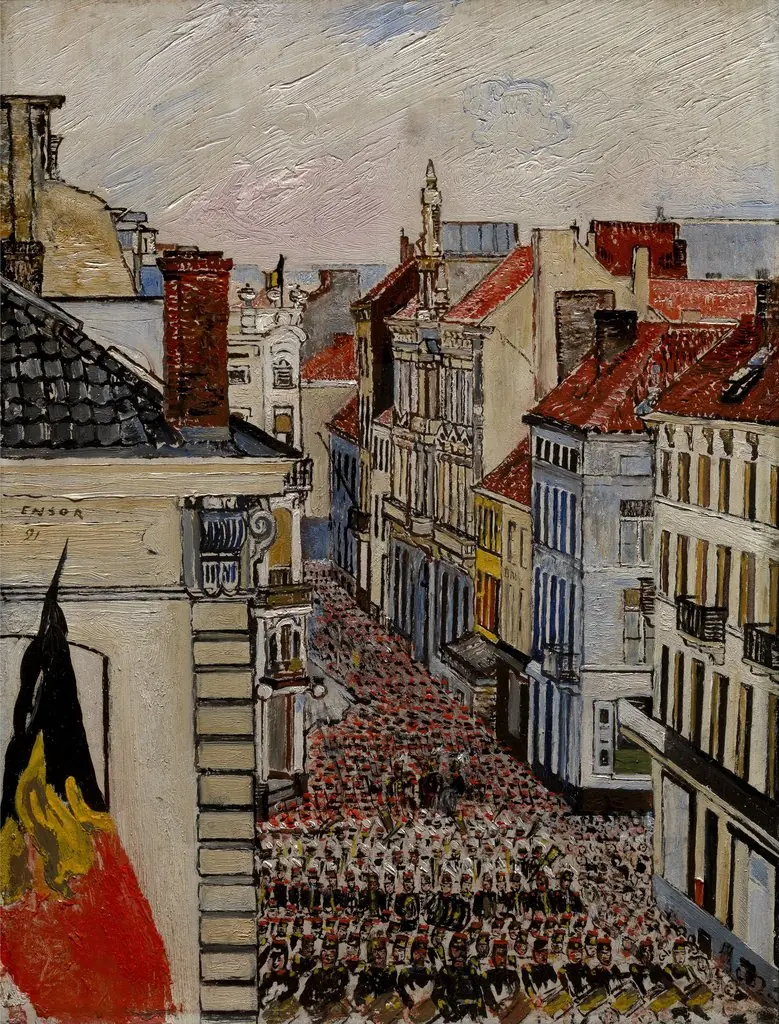 Music in the Vlaanderenstraat
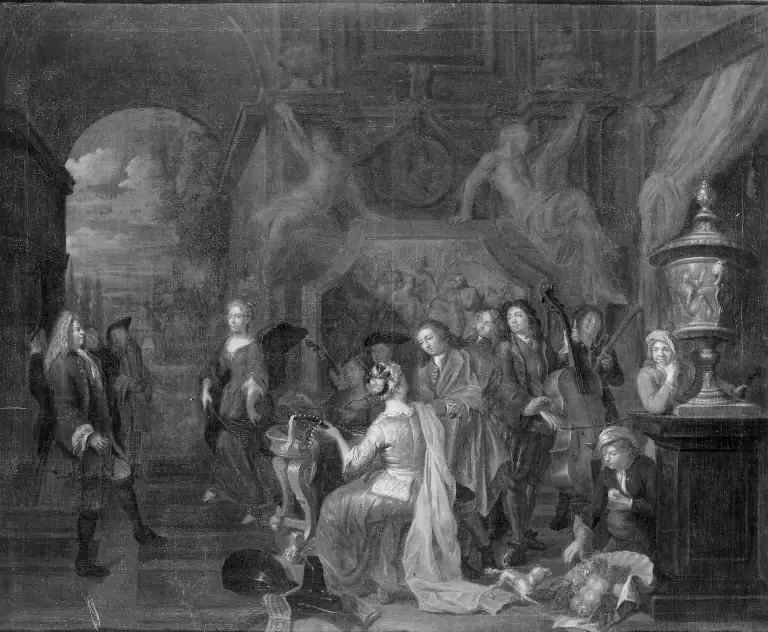 Company Making Music and Dancing on a Terrace
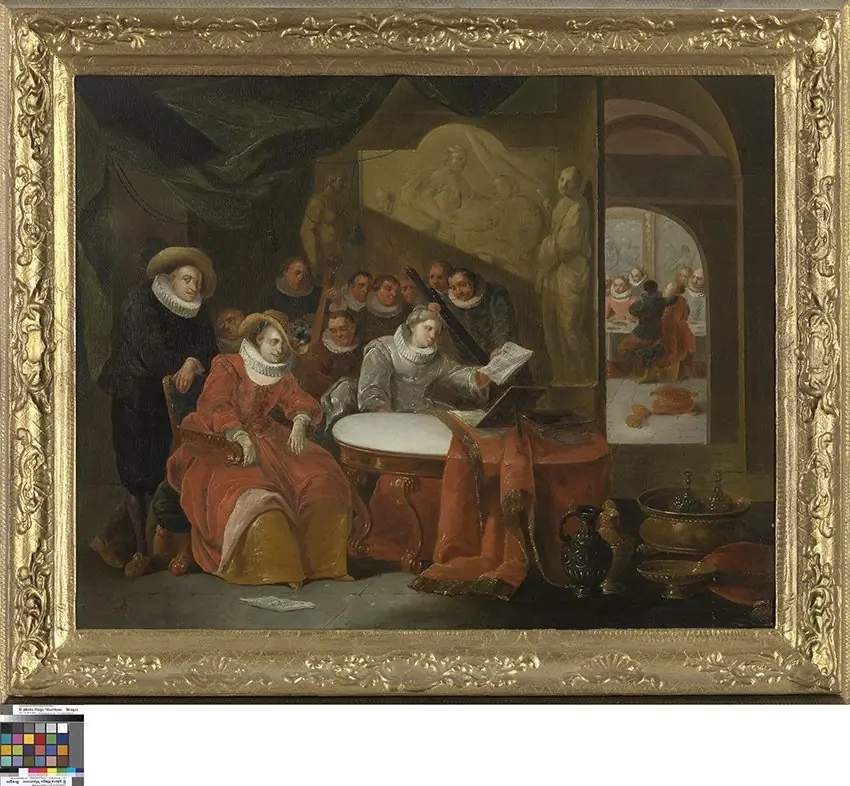 Galant gezelschap
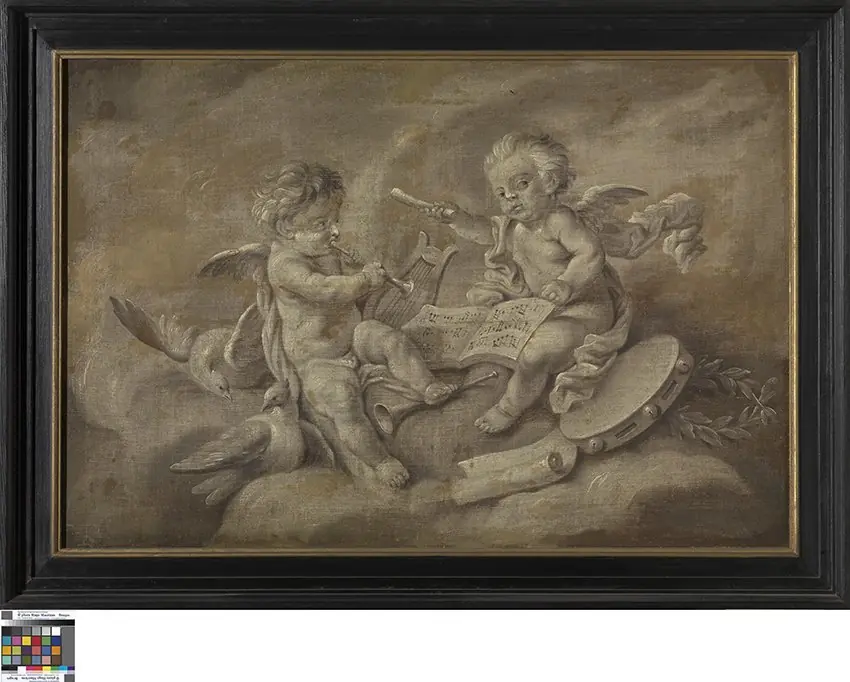 Musicerende engeltjes
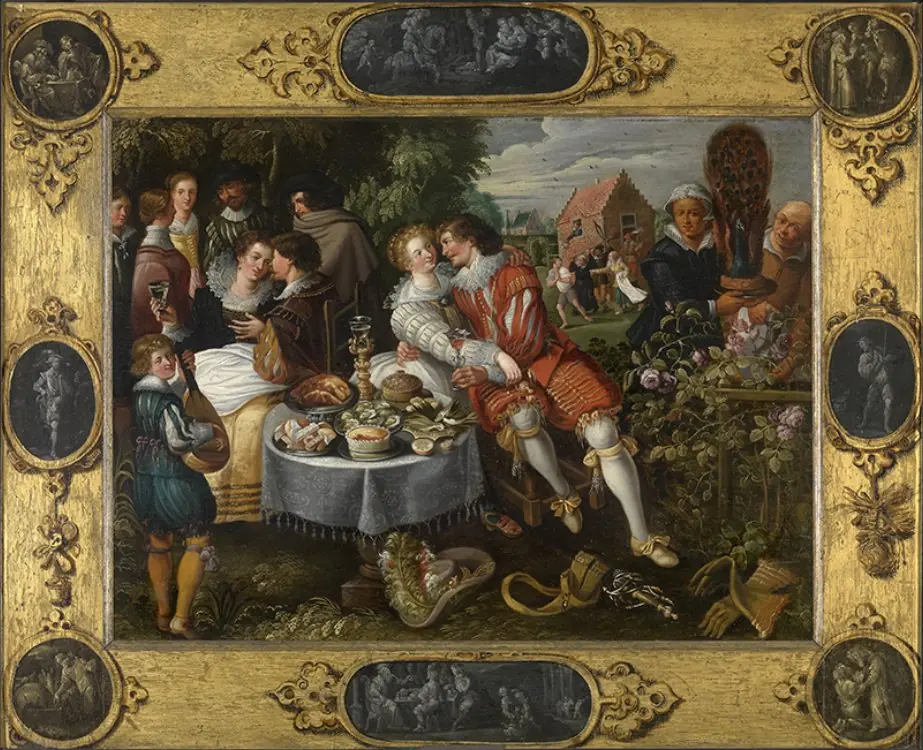 Verloren zoon
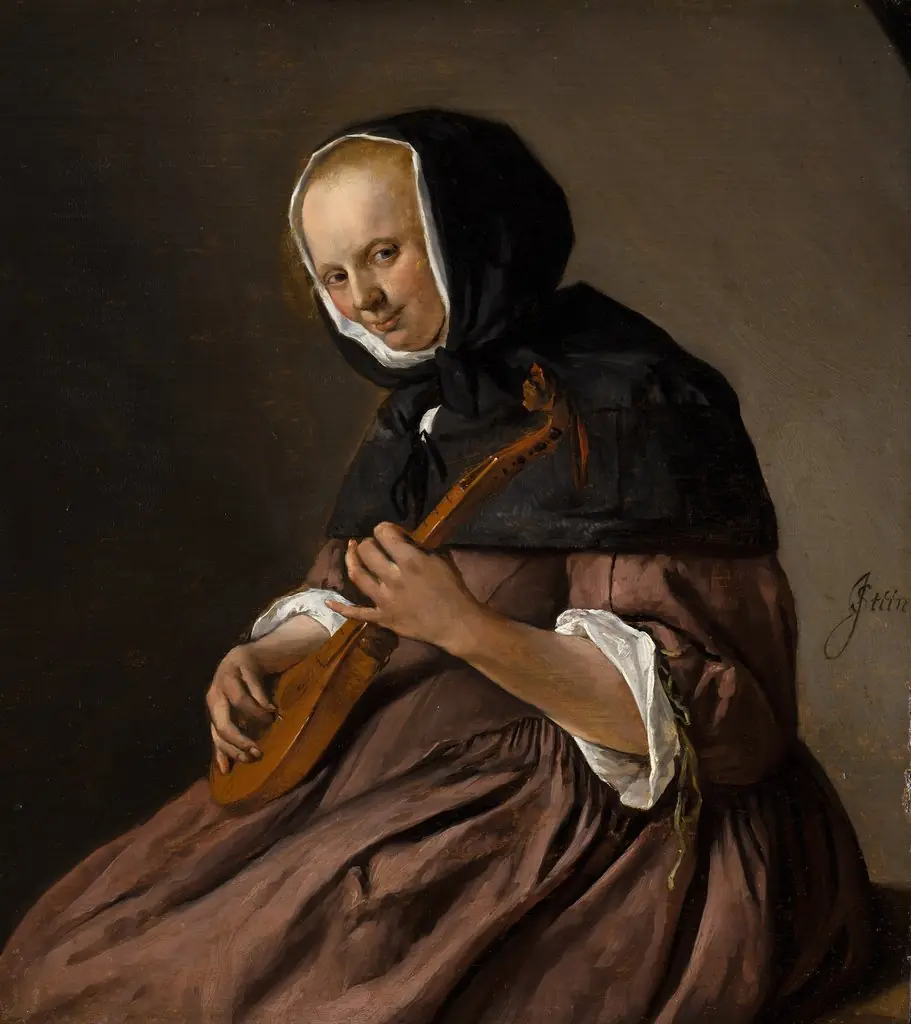 Woman Playing the Sistrum
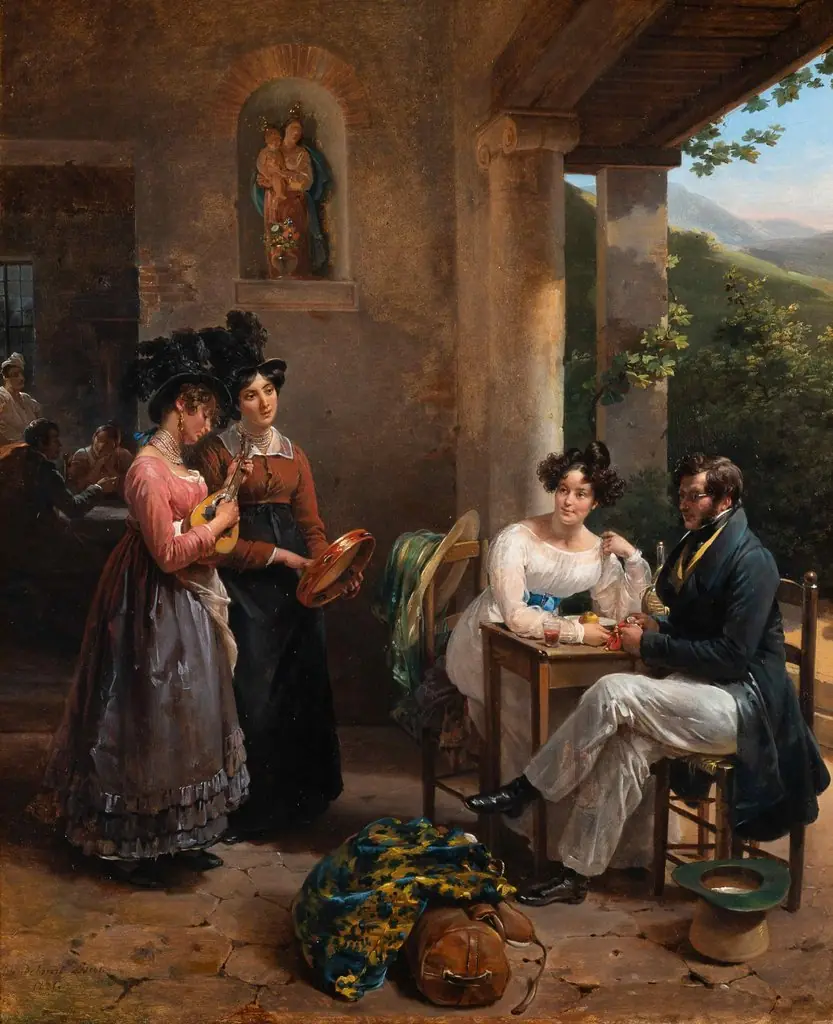 Self-Portrait of the Artist and Her Husband on Their Wedding Trip
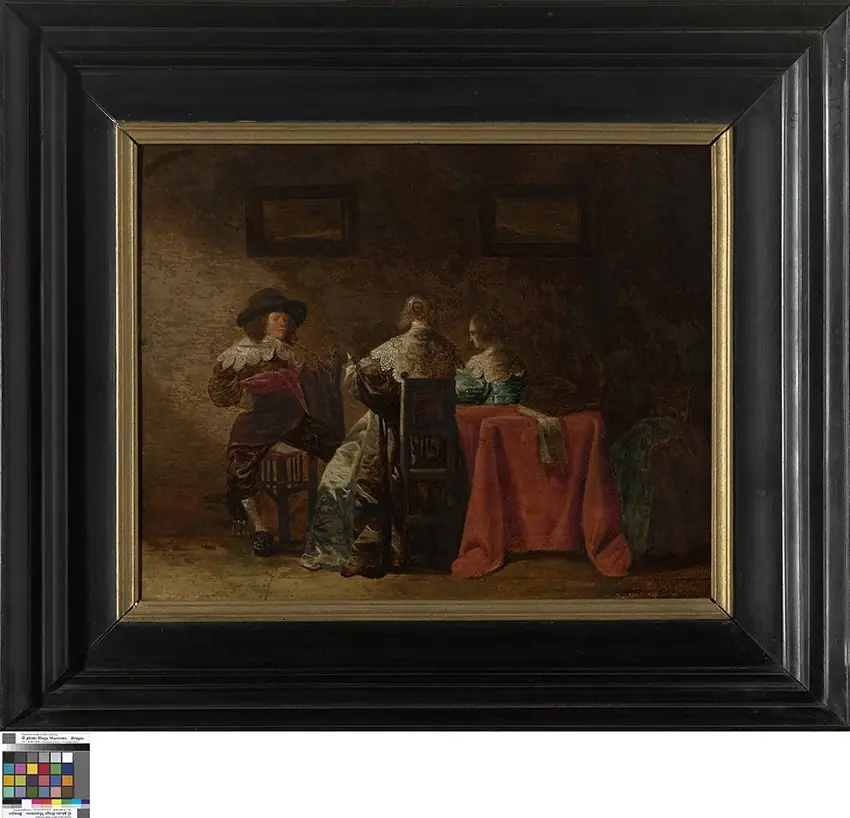 Musicerend gezelschap
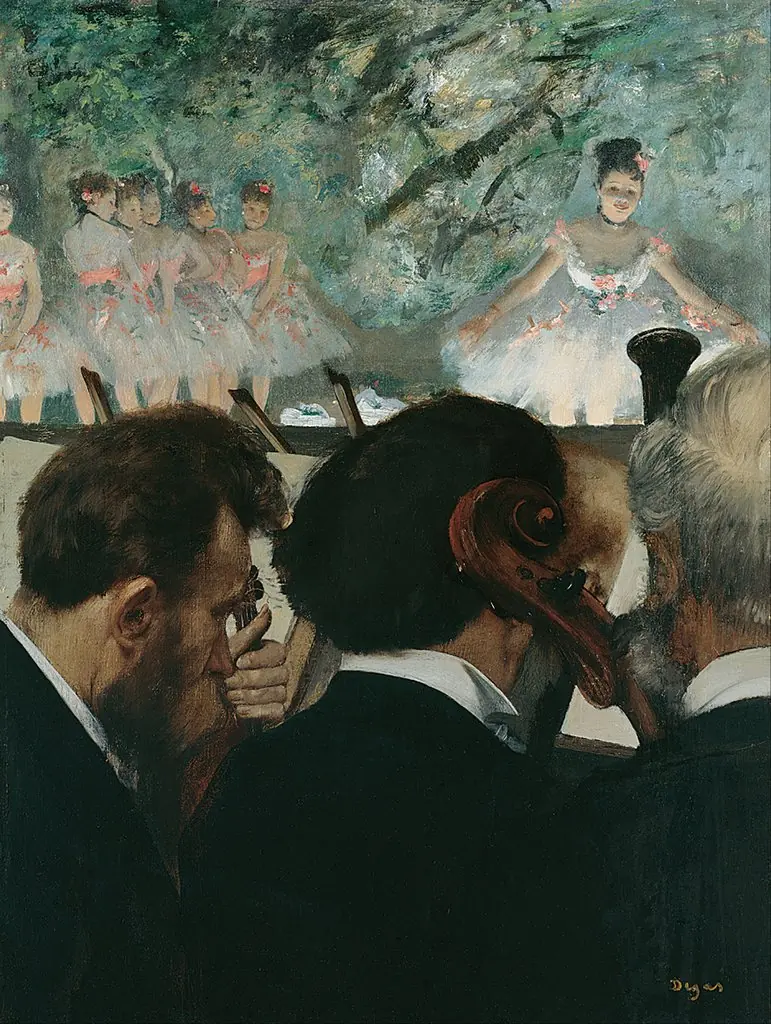 Orchestra Musicians
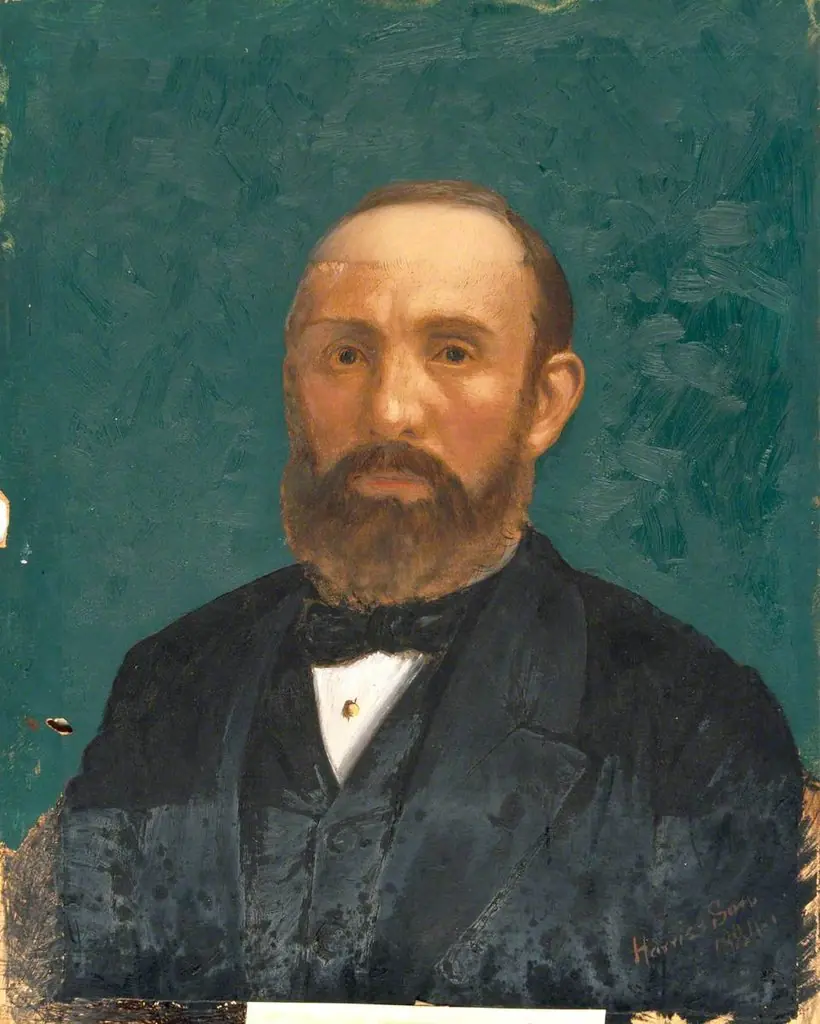 David William Jones
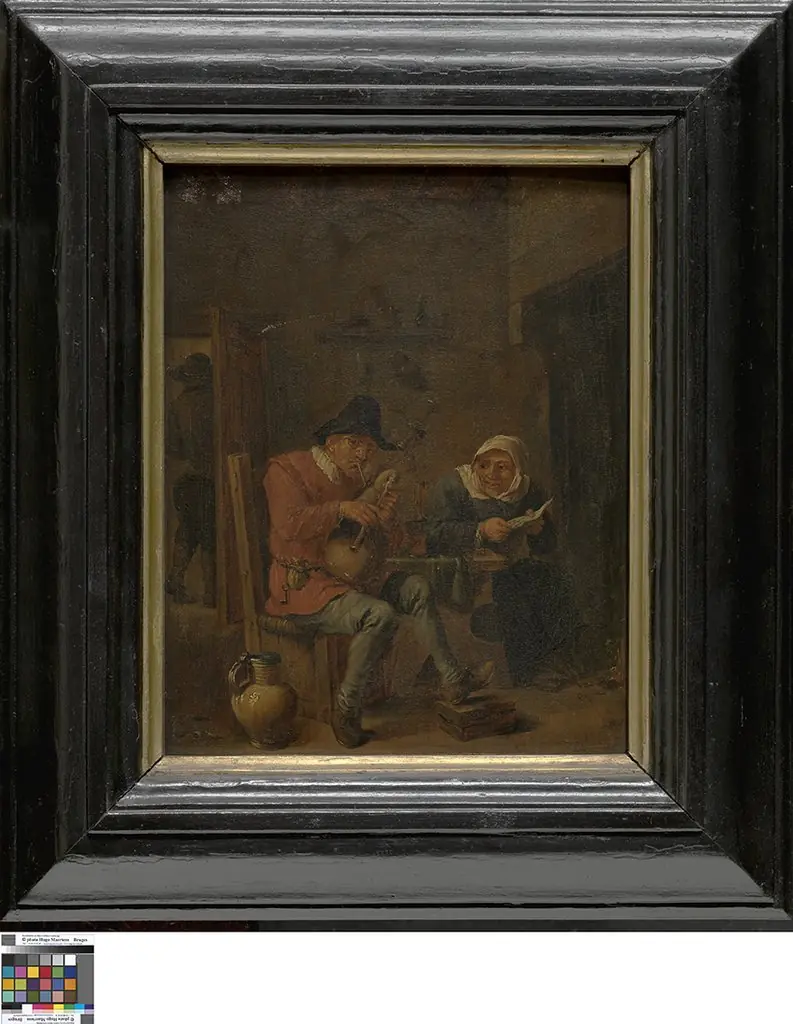 Musicerend paar
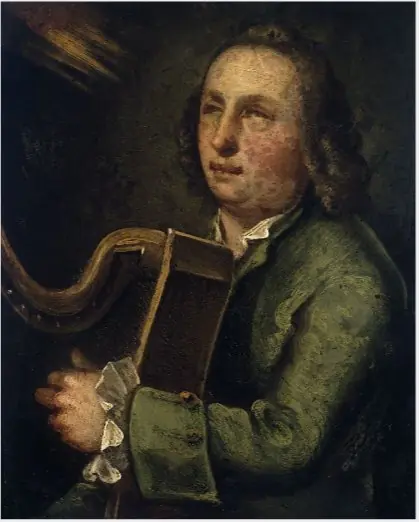 Portrait of Turlough O'Carolan
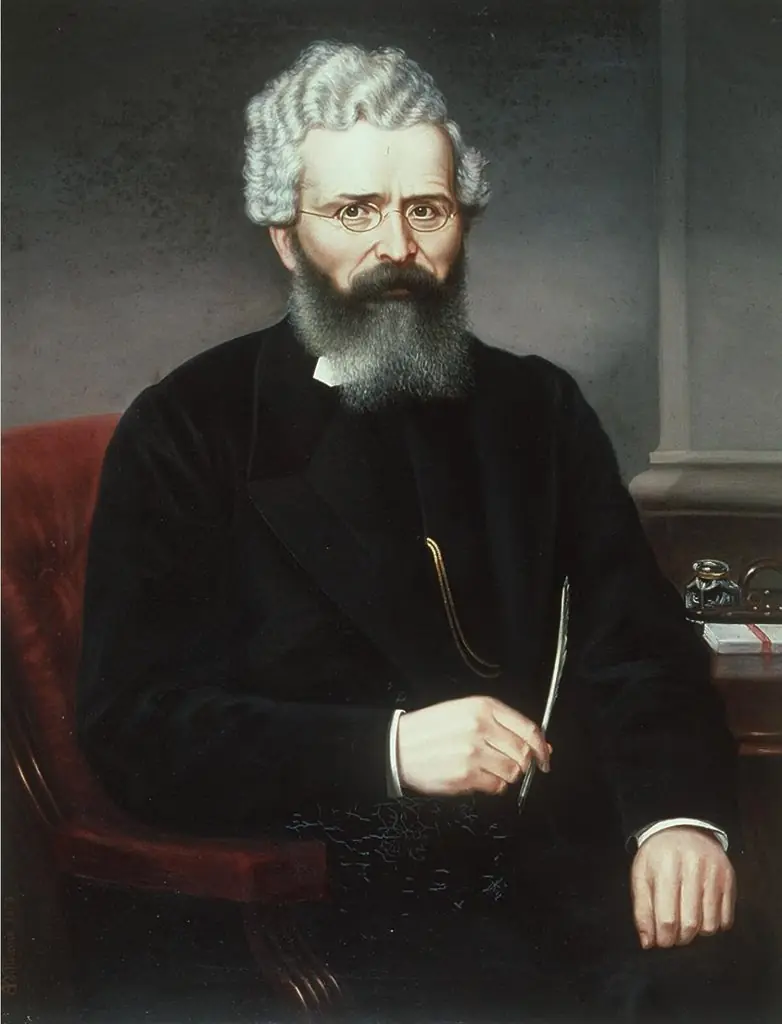 Ieuan Gwyllt
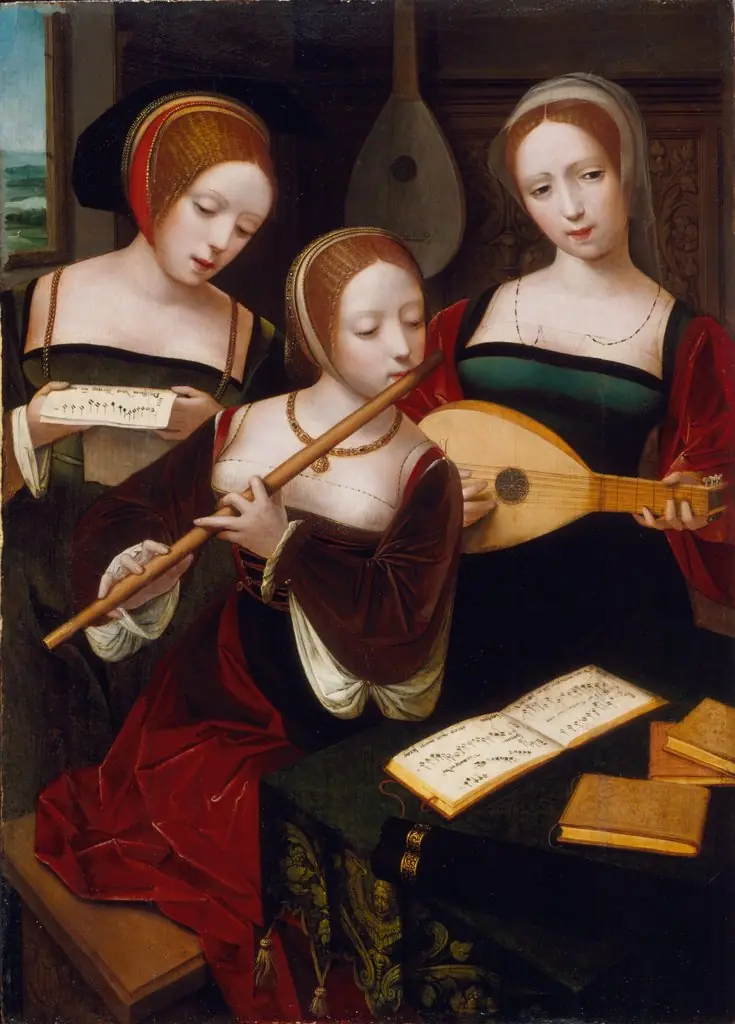 Three Musicians
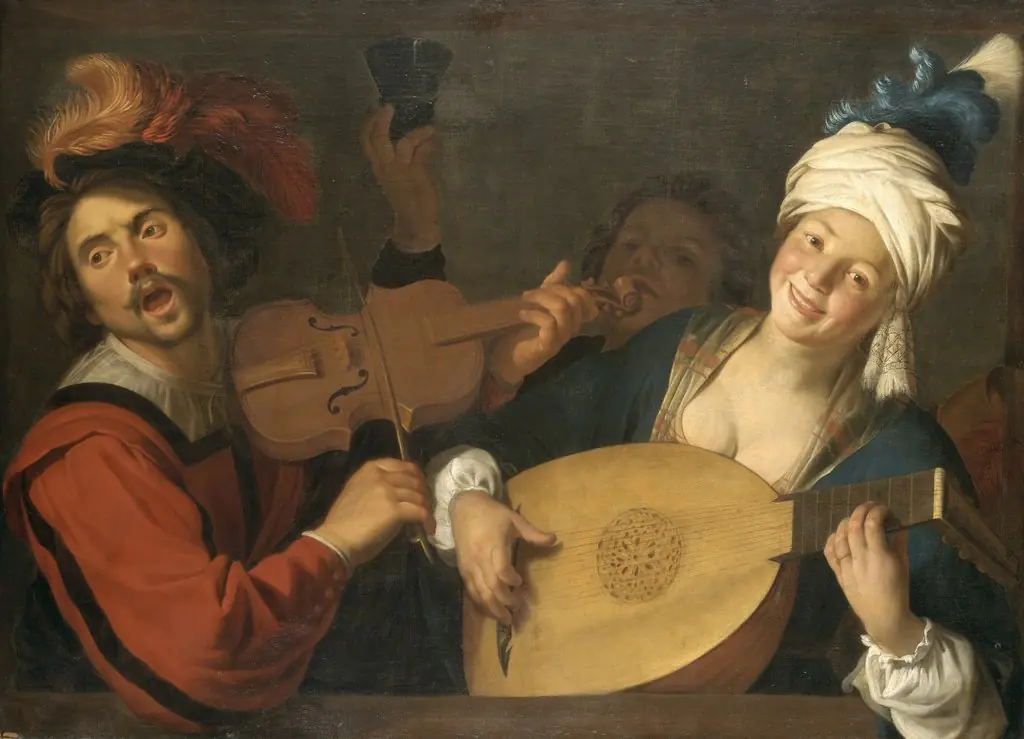 Couple making music behind a balustrade
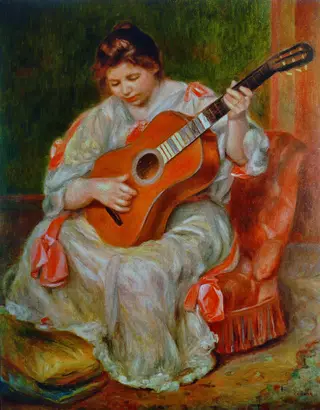 Woman Playing a Guitar
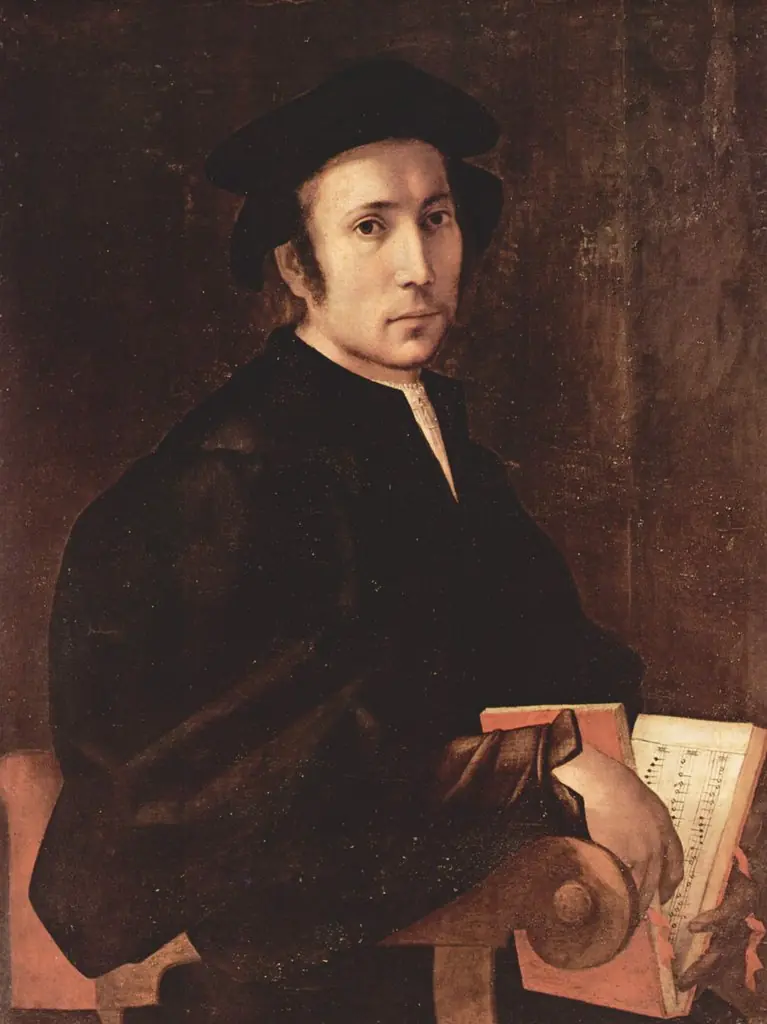 Portrait of a Musician
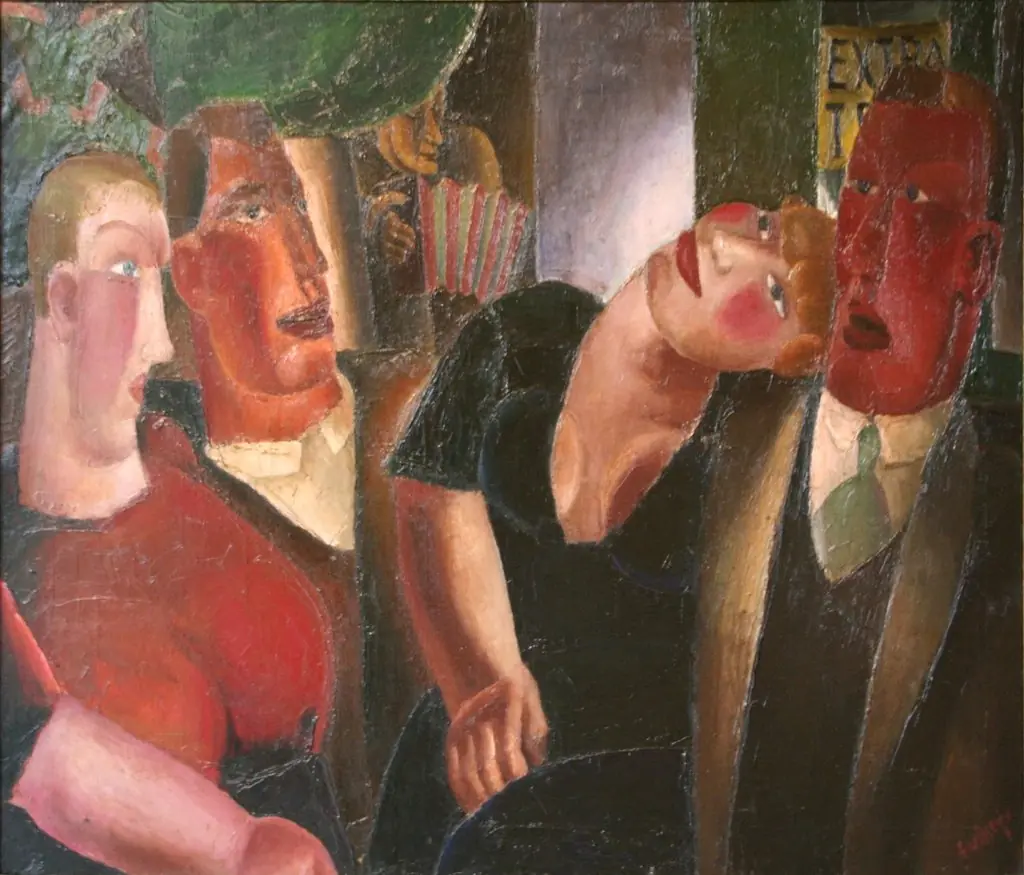 Lovers in the village
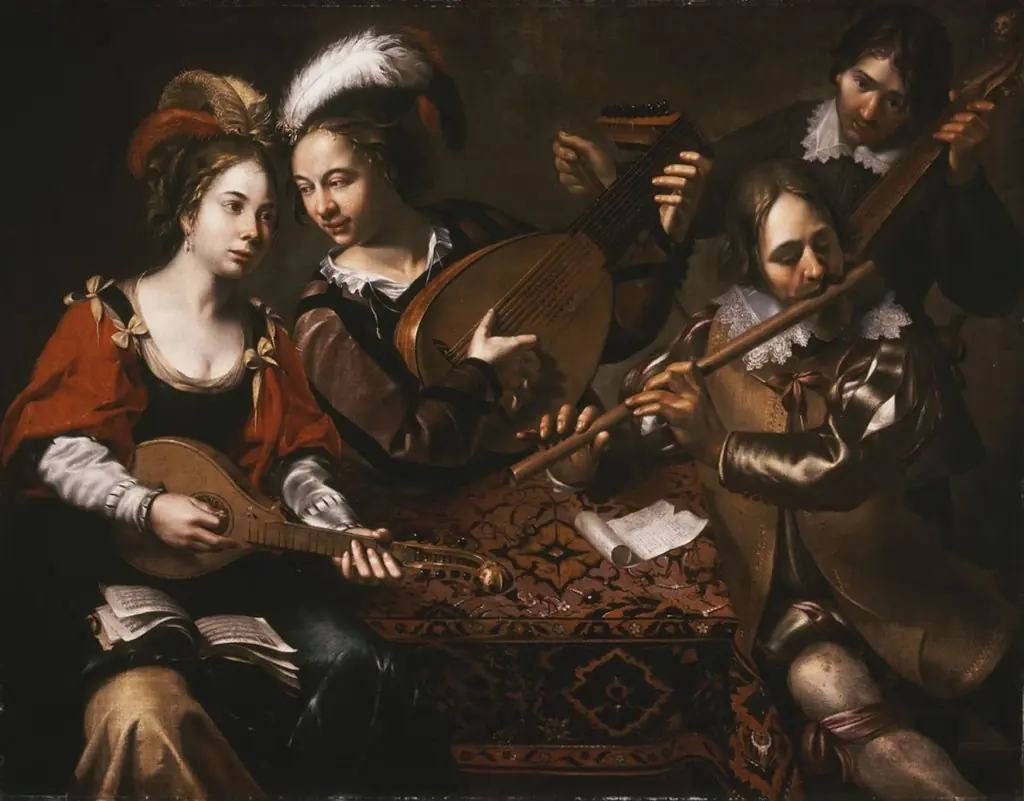 Company Making Music
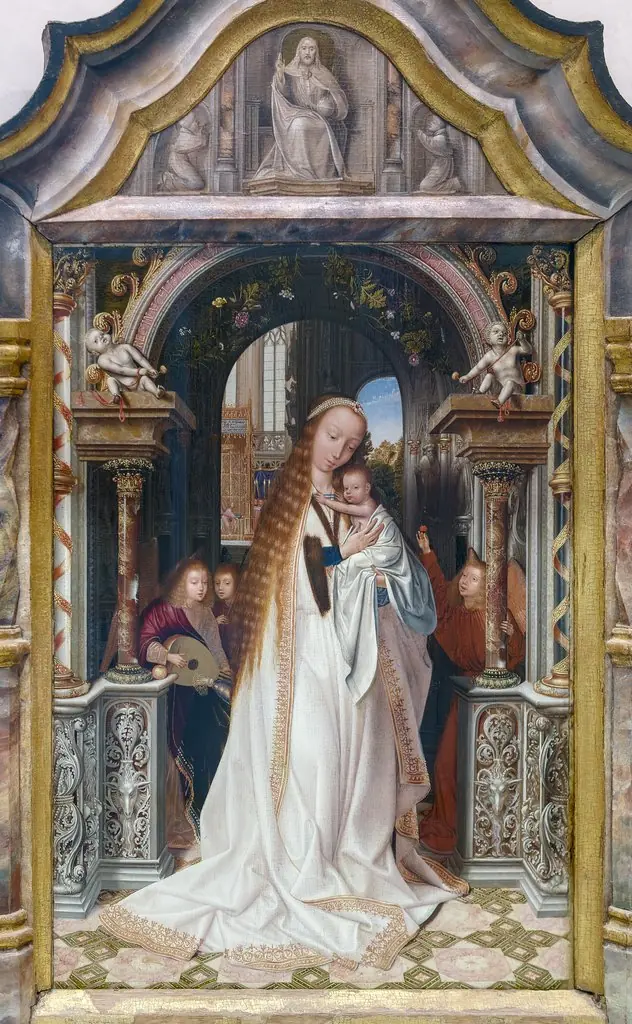 Madonna and Child with Angels
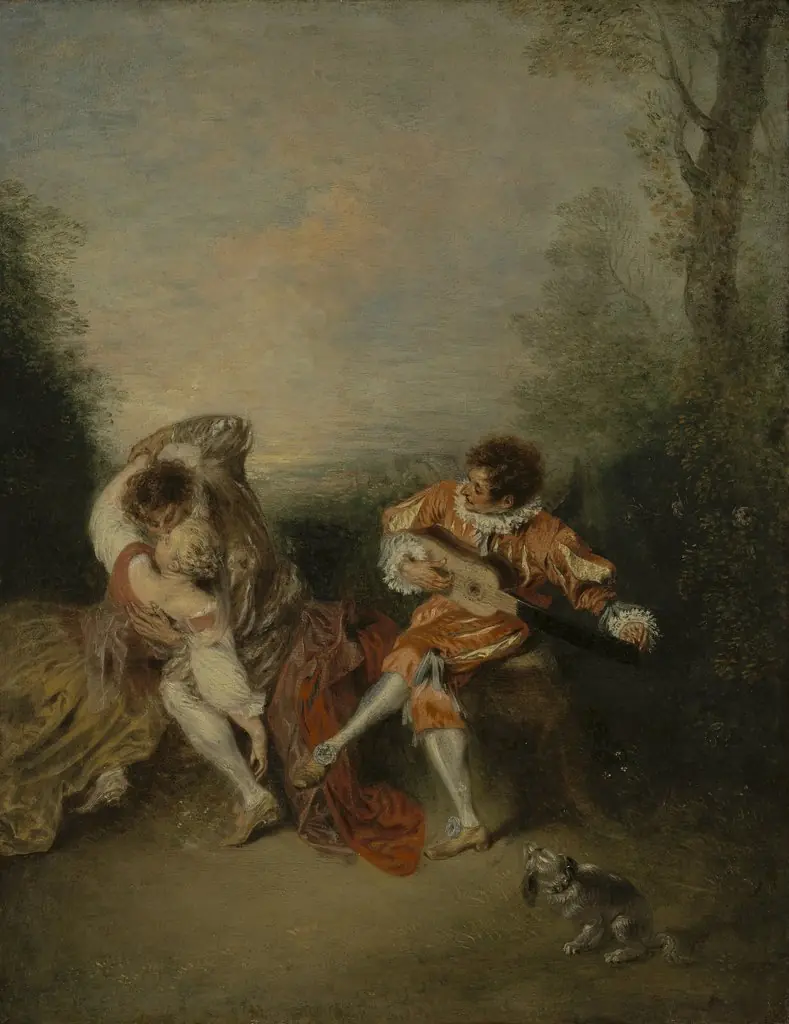 The Surprise
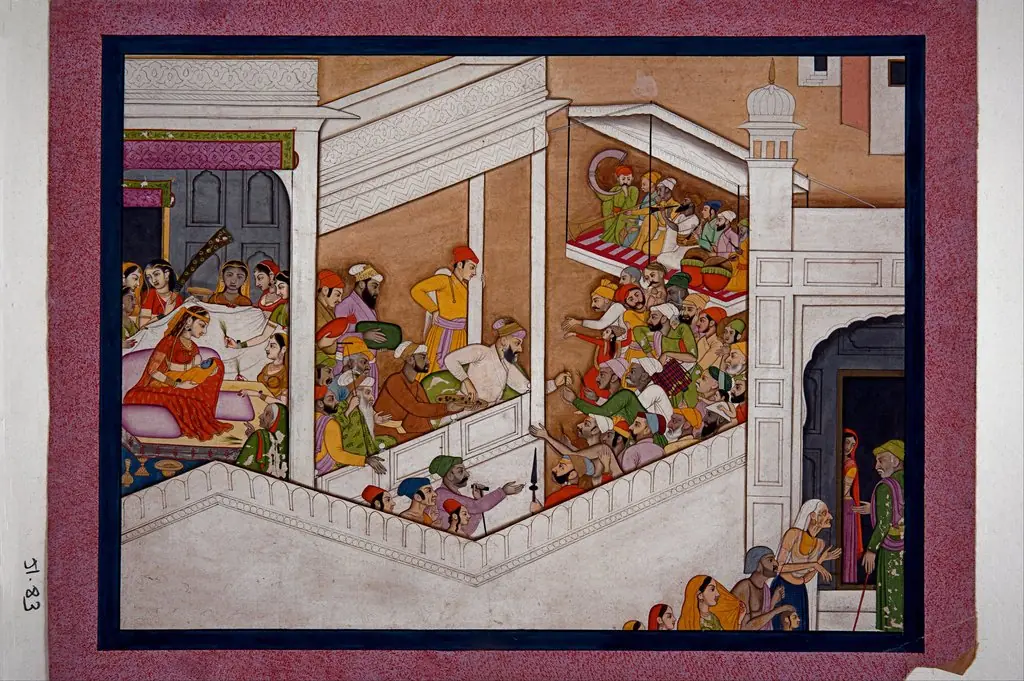 Celebrations of Krishna’s birth
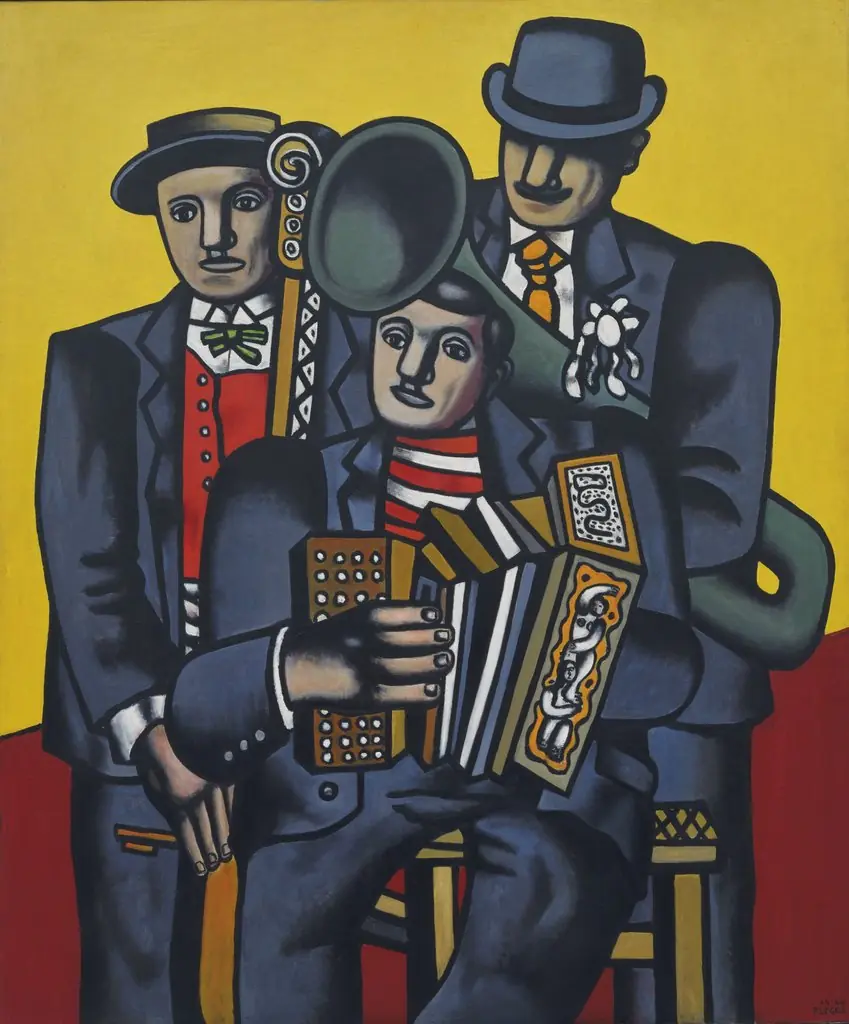 The Three Musicians
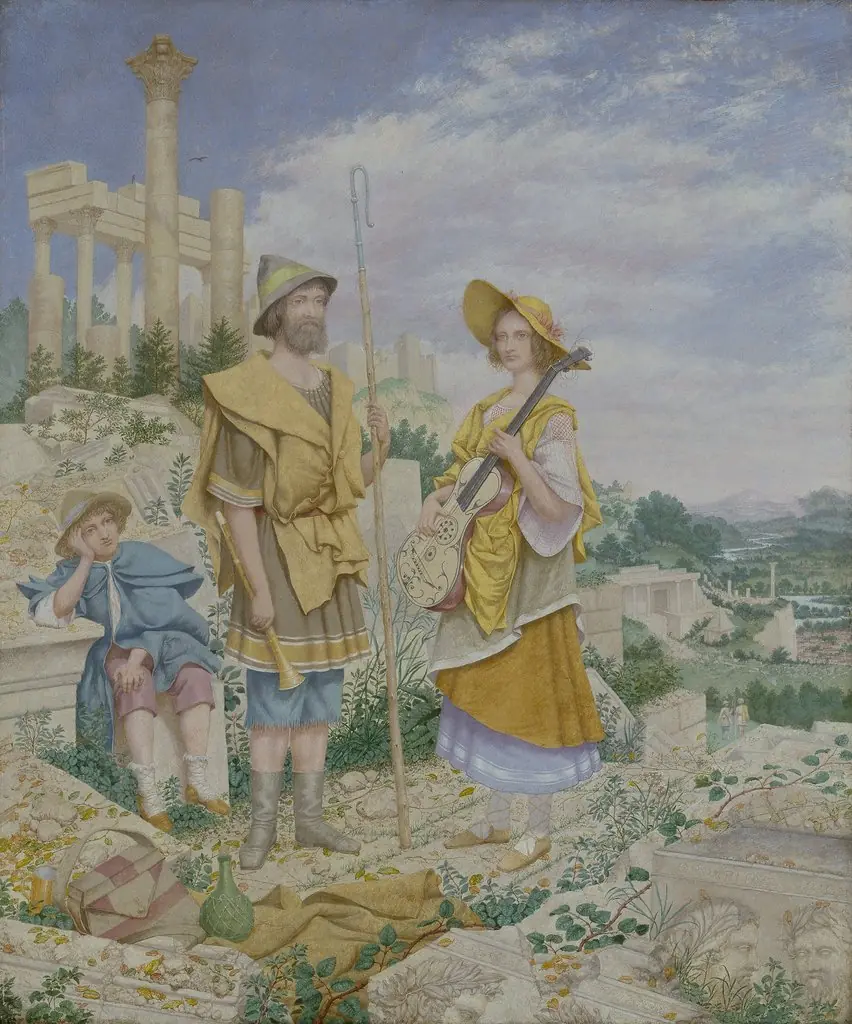 Wandering Musicians
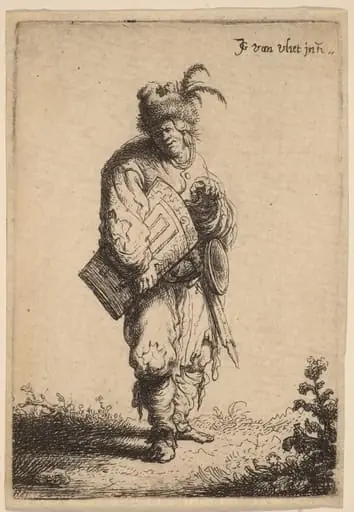 The Hurdy-Gurdy Player
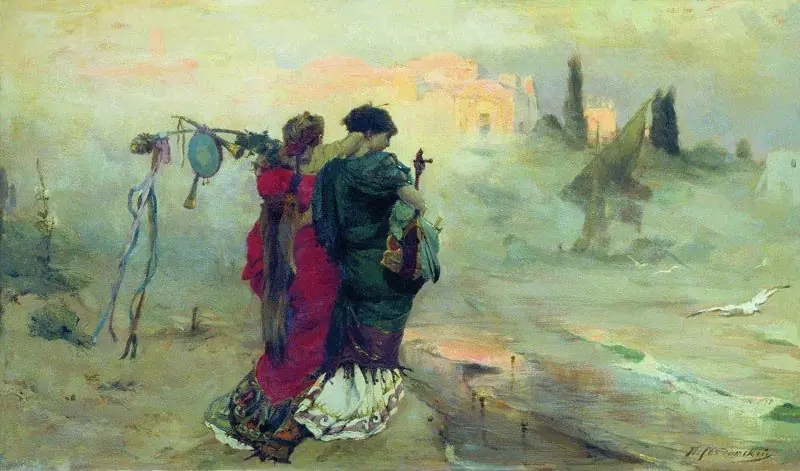 Itinerant Musicians
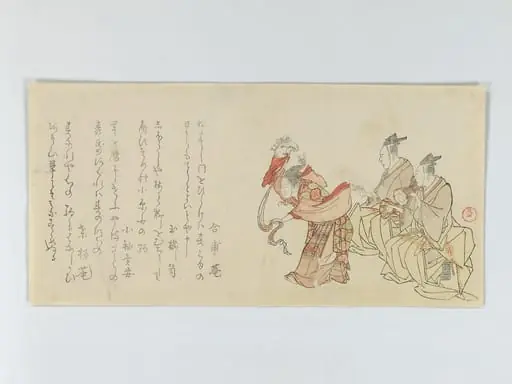 Untitled
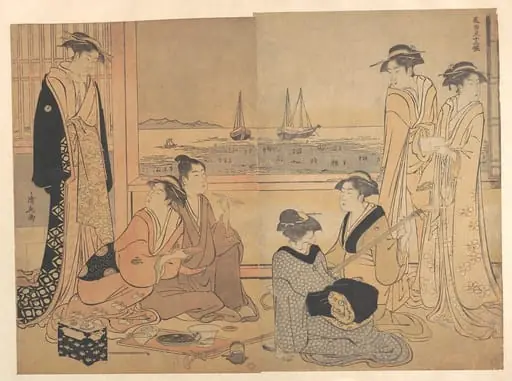 Untitled
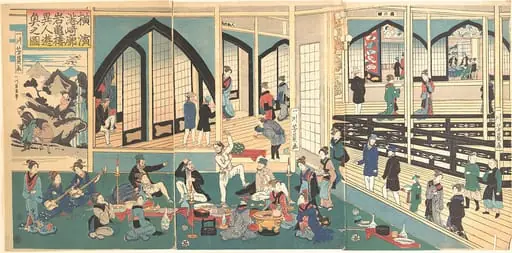 Yokohama Miyozaki-kaku Gankirō ijin yūkyō no zu|Foreigners Enjoying a Party at the Gankirō Tea House
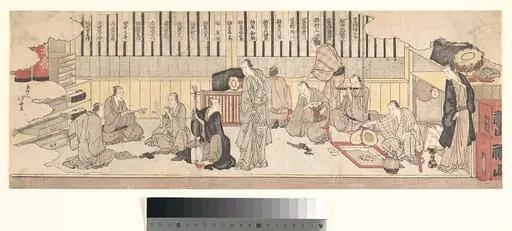 Untitled
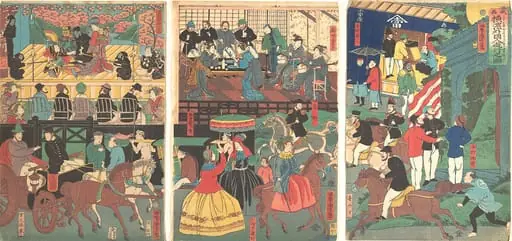 Bushu Yokohama gaikokujin yūkyō no zu|A View of the Amusements of the Foreigners in Yokohama, Bushu
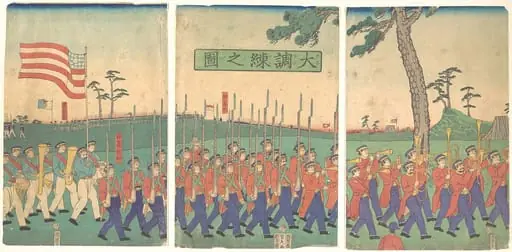 Uchoren no zu|Great Military Drill
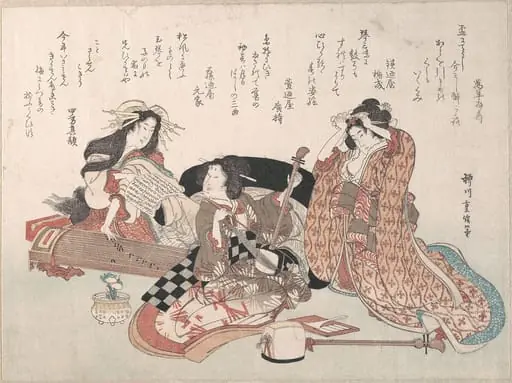 Untitled
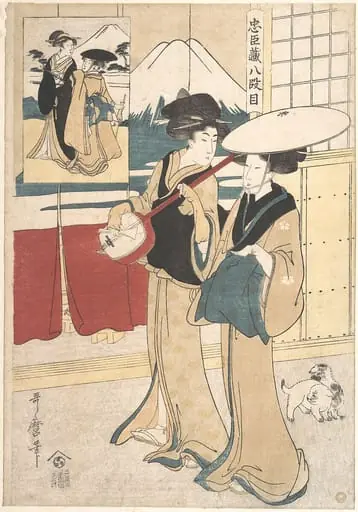 忠臣蔵八段目|Two Tori-oi, or Itinerant Women Musicians of the Eta Class
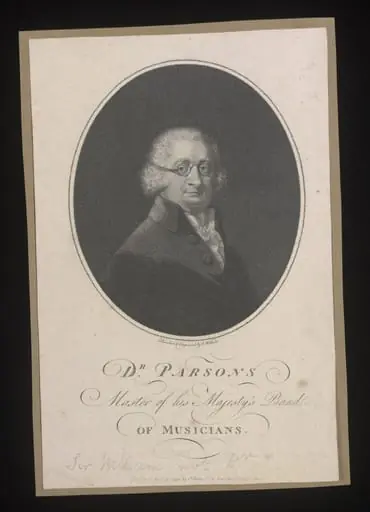 Dr. Parsons, Master of his Majesty's Band of Musicians
Frequently asked questions
What is Musician?
Musician is a subject in art. A musician is someone who composes, conducts, or performs music.
How many Musician works does Artifact World Gallery have?
Artifact World Gallery holds 102 public-domain Musician works, all free to view and download.
Who are the key Musician artists?
Key Musician artists in the collection include Gustave Courbet, Henry Bone and Edgar Degas.
Where can I see Musician works?
Musician works in the collection are held by Metropolitan Museum of Art, Groeningemuseum and Cleveland Museum of Art.