Artwork
霊彩筆 豊干寒山拾得図|Fenggan, Hanshan, and Shide
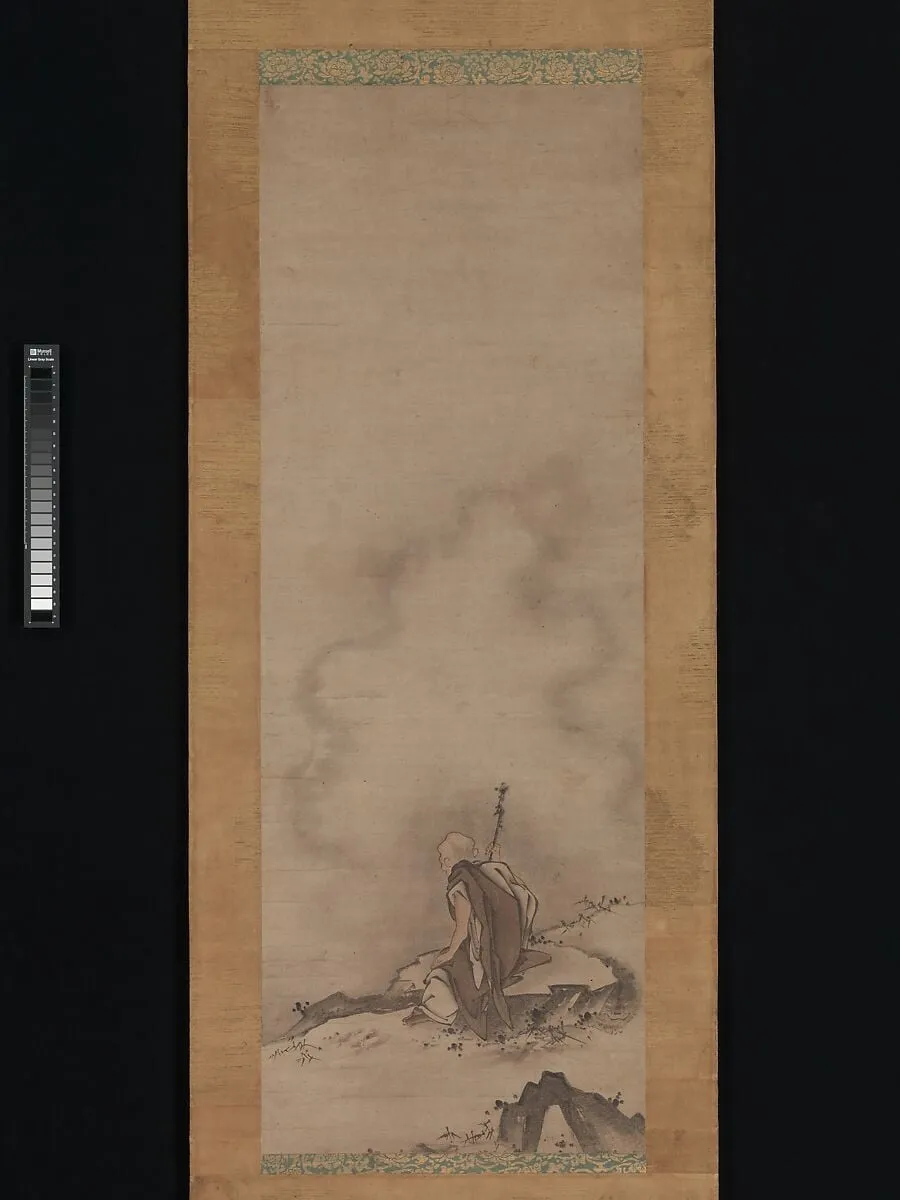
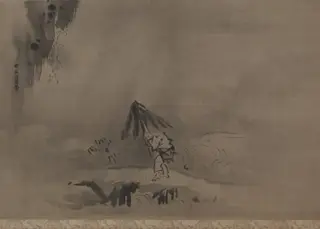
霊彩筆 豊干寒山拾得図|Fenggan, Hanshan, and Shide is an ink painting by the Renaissance artist Shibata Zeshin. It dates from 1424 and is held in the collection of the Metropolitan Museum of Art. Created in 1424 by the Japanese painter Reisai, this work consists of a pair of hanging scrolls executed in ink and color on paper.
About this work
Technique & Style
Classified within the religious genre, the piece reflects the stylistic conventions of early 15th-century Japanese art.
Created in 1424 by Reisai, the work is executed as a pair of hanging scrolls. The artist employed ink and color applied directly onto paper, a traditional support for Japanese religious painting. The composition depicts three male figures, identified as the Zen Buddhist monks Fenggan, Hanshan, and Shide.
Classified within the religious genre, the piece reflects the stylistic conventions of early 15th-century Japanese art. The medium of ink and color on paper allows for the nuanced rendering typical of the period's scroll formats.
Legacy
The pair of hanging scrolls by Reisai depicting Fenggan, Hanshan, and Shide exerted quiet influence on later Zen-inspired compositions, particularly in Japanese religious painting circles where the figures' ascetic presence remained referenced in scholarly discussions of mid-20th century ink works. Its legacy is noted in museum catalogues as a touchstone for monochrome figure studies, though specific contemporary artists citing it directly are not documented in the cited sources.
Overview
Created in 1424 by the Japanese painter Reisai, this work consists of a pair of hanging scrolls executed in ink and color on paper. The composition presents three figures, Fenggan, Hanshan, and Shide, traditionally associated with Chinese Chan (Zen) lore. Their lively postures and expressive faces convey a moment of informal camaraderie beneath a stylized pine tree.
Subject & Meaning
The three men are legendary hermits celebrated for their poetry, eccentric behavior, and playful interaction with monastic communities. Rather than solemn saints, they embody a spirit of irreverent wisdom, symbolizing the Zen ideal that enlightenment can arise from everyday humor and simple, unpretentious living.
History & Provenance
The scrolls belong to a tradition of Japanese interest in Chinese Chan figures that flourished during the Muromachi period. Although the original patron is unknown, the work has been preserved in a temple collection and later entered a museum holding of Japanese religious paintings.
Context
In the early 15th century, Japanese artists frequently adapted Chinese Buddhist and Zen iconography, integrating it with native aesthetic sensibilities. Reisai’s depiction reflects this cross‑cultural exchange, presenting the Chinese hermits in a setting and style familiar to Japanese viewers of the time.
Artist & collection


 墨林愚庵筆 葡萄蝉図|Cicada on a Grapevine
 Daoist immortal Li Tieguai receiving a visitor
 Untitled
 Priest Xianzi
 牧松周省筆 破墨山水図|Splashed-Ink Landscape
 The Chinese Poet Pan Lang on a Donkey
 明 周文靖 漁隱圖 軸|Rustic retreat among fishermen
 明 董其昌 春山暖翠圖 軸|Spring Mountains over Warm Greenery
 Spring View from a Thatched Pavilion on the Lakeshore
 Untitled
 Evening Shower
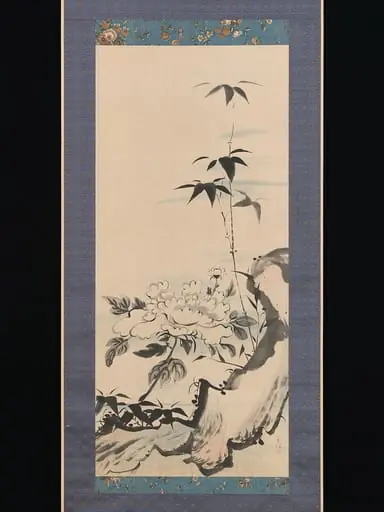
- 徳山玉瀾筆 牡丹に竹図|Peony and Bamboo