Artwork
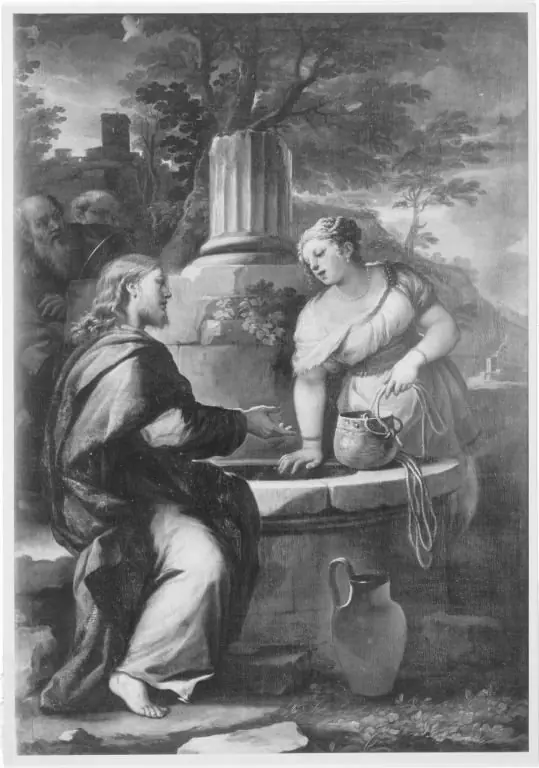
Christ and the Woman of Samaria
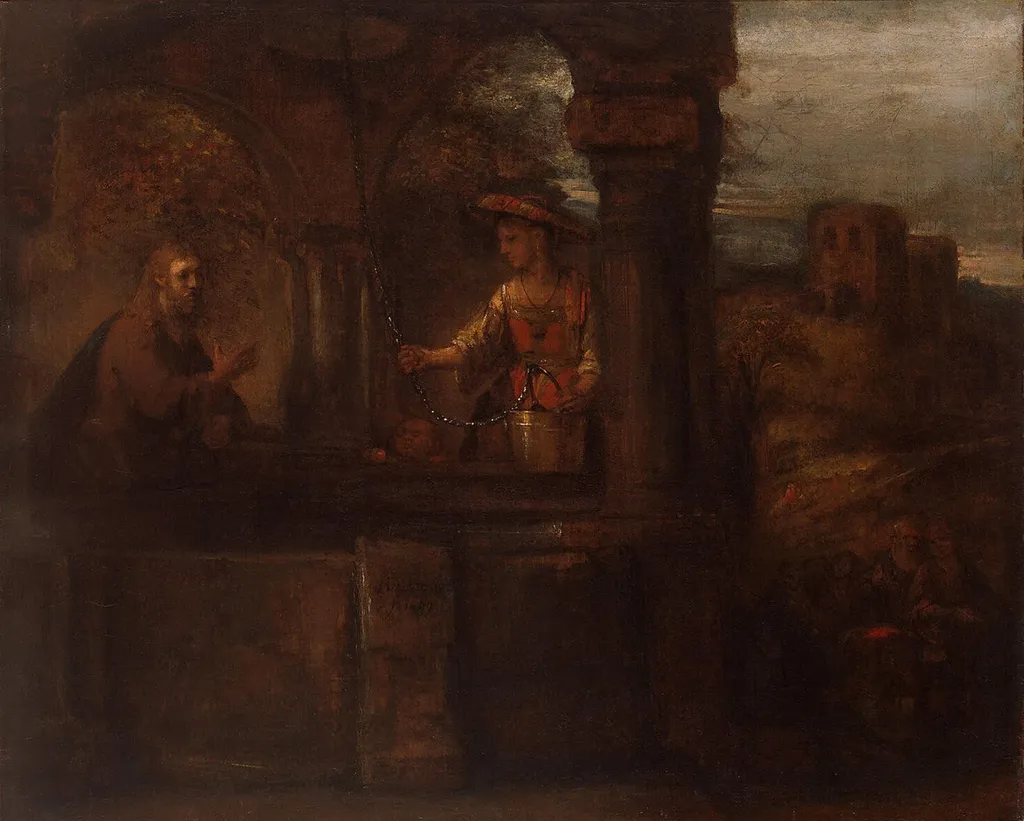
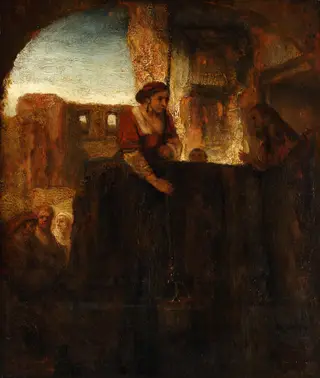
Christ and the Woman of Samaria is an oil painting by the Dutch Golden Age artist Rembrandt van Rijn. It dates from 1659 and is held in the collection of the Hermitage Museum.
About this work
Subject & Meaning
The painting depicts the biblical encounter between Jesus Christ and the Samaritan woman at Jacob's well, a subject drawn from the Gospel of John (4:1–42).
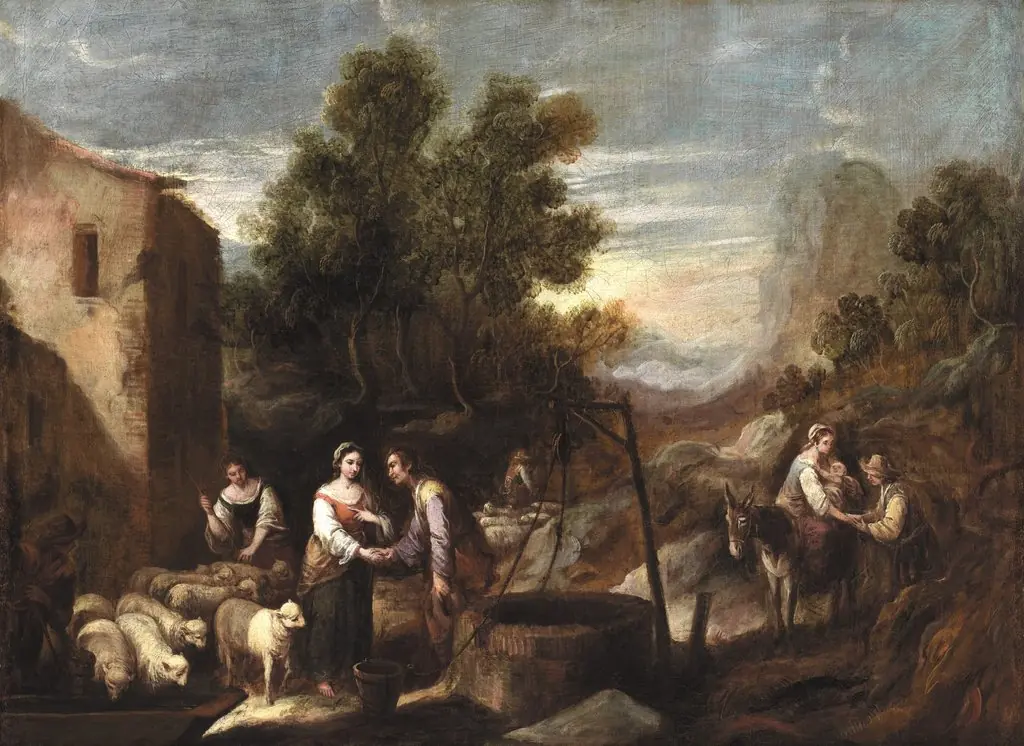
The painting depicts the biblical encounter between Jesus Christ and the Samaritan woman at Jacob's well, a subject drawn from the Gospel of John (4:1–42). Rembrandt renders the two figures at the well, with the spring included among the depicted elements. The scene captures a moment of theological dialogue in which Christ offers the woman "living water," a passage long interpreted as a symbol of spiritual salvation and the transition from ignorance to faith.
Painted in 1659, the work belongs to the tradition of religious art, treating the New Testament narrative as a contemplative subject. The inclusion of the well and spring underscores the iconographic weight of water as a symbol of revelation and grace central to the episode's meaning.
Technique & Style
Christ and the Woman of Samaria, created in 1659, is a religious painting executed in oil on a canvas support. The artwork measures 60 by 75 centimeters. The composition depicts its main subjects, Jesus Christ and the Samaritan woman, situated at a well.
History & Provenance
Christ and the Woman of Samaria is an oil painting on canvas created in 1659 by Rembrandt. It measures 60 by 75 centimeters and depicts the biblical scene of Jesus meeting a Samaritan woman at a well. The work is held in the collection of the Hermitage Museum in Saint Petersburg.
It was produced during Rembrandt's mature period, reflecting his sustained engagement with religious subjects. Details of its original commission and early ownership are not documented in the available sources.
Context
The painting belongs to Rembrandt's late religious works, a period in which he repeatedly returned to New Testament narratives. It forms part of the Dutch Golden Age holdings of the Hermitage Museum, where it remains in the permanent collection.
Overview
Created in 1659, this oil painting by Rembrandt van Rijn illustrates the encounter between Jesus and the Samaritan woman at the well, a story from the Gospel of John. Executed during the Dutch Golden Age, the work is part of the Hermitage Museum’s collection and reflects the artist’s sustained interest in biblical subjects.
Artist & collection

Artist
Rembrandt Harmenszoon van Rijn, known mononymously as Rembrandt, was a Dutch Golden Age painter, printmaker, and draughtsman.