Artwork
Lieven Willemsz van Coppenol (born about 1599, died 1671 or later)
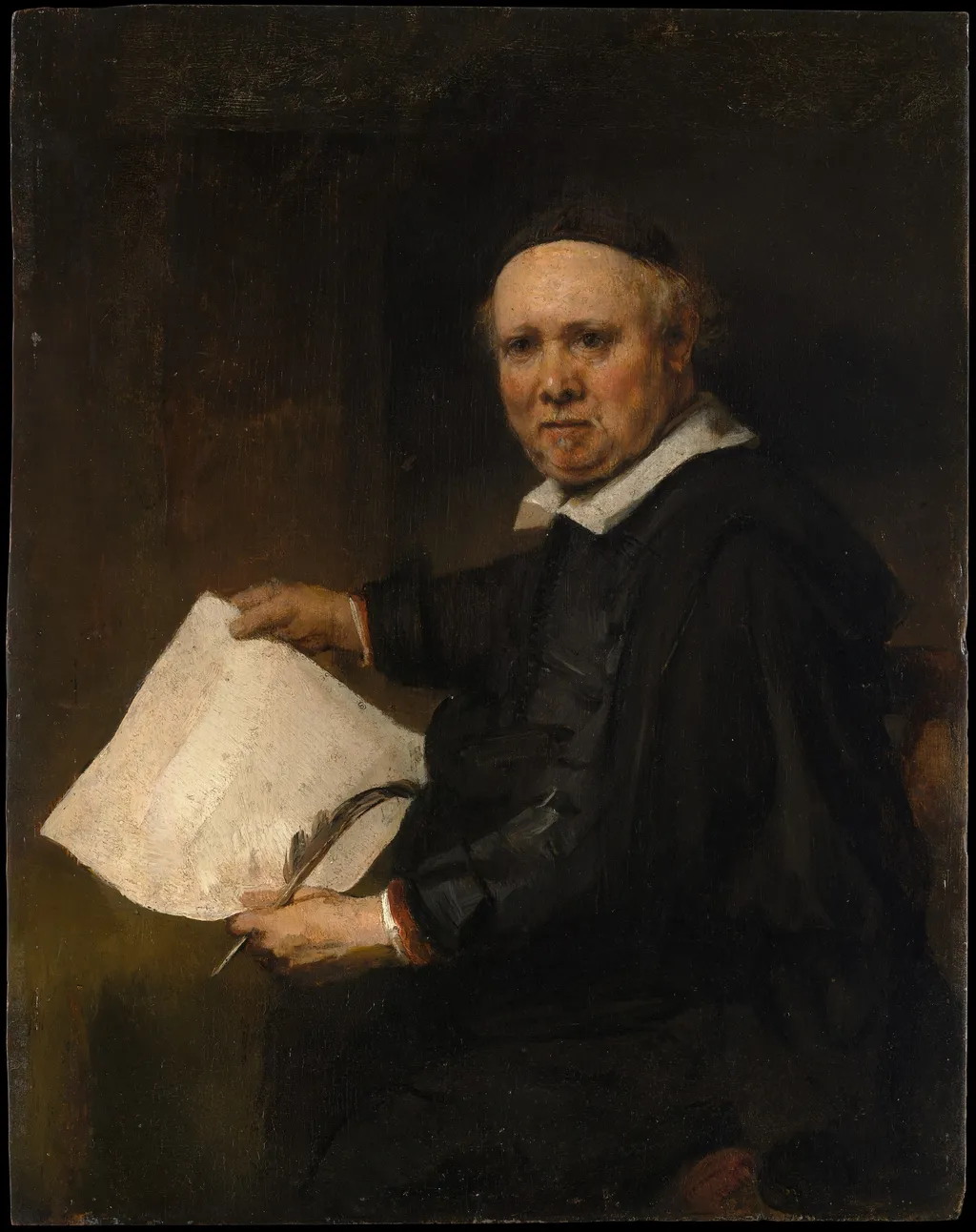
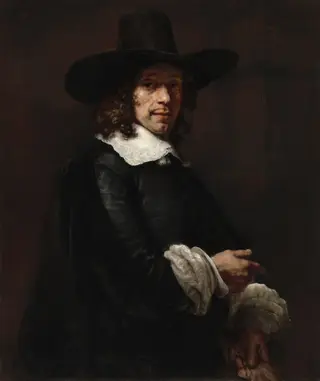
Lieven Willemsz van Coppenol (born about 1599, died 1671 or later) is an oil painting by the Dutch Golden Age artist Rembrandt van Rijn. It dates from 1658 and is held in the collection of the Metropolitan Museum of Art. This oil painting, created by Rembrandt Harmenszoon van Rijn in 1658, captures the likeness of Lieven Willemsz van Coppenol.
About this work
If you're interested in learning more about this style, you might want to look up the technique of chiaroscuro.
This painting shows a man in a dark robe and hat, holding a piece of paper and a quill pen. He is sitting in a chair, with his right arm resting on the armrest. The background is dark, with a subtle gradient of light and shadow.
The man's face is rendered in fine detail, with a subtle expression of concentration. His eyes are cast downward, as if he is studying the paper in his hand. The overall effect is one of quiet contemplation, as if the subject is lost in thought.
The painting is a portrait of Lieven Willemsz van Coppenol, created by Rembrandt in 1658. The artist's use of chiaroscuro and impasto techniques adds depth and texture to the image. If you're interested in learning more about this style, you might want to look up the technique of chiaroscuro.
Subject & Meaning
Rembrandt's 1658 painting depicts Lieven Willemsz van Coppenol, a man identified as the specific subject of the portrait. The work falls within the portrait genre, focusing on the representation of the male sitter. As a portrait, the painting's primary meaning and function lie in capturing the likeness and presence of van Coppenol, who was born around 1599 and died in 1671 or later.
The sources do not indicate additional iconographic attributes or complex allegorical symbolism beyond the straightforward depiction of the male subject.
Technique & Style
Created in 1658, the portrait of Lieven Willemsz van Coppenol is executed in oil paint on an oak panel support. The work measures 36.5 by 28.9 centimeters and is classified within the portrait genre. As a painting by Rembrandt, the piece depicts a male subject, adhering to the artist's established handling of portraiture during this period.
The physical medium consists specifically of oil applied to the wood panel, a durable support common for the era. The artwork is currently held in the collection of the Metropolitan Museum of Art, having been owned by Mary Emma Stillman Harkness. The formal presentation focuses entirely on the individual, capturing the sitter's likeness through the artist's characteristic technique.
History & Provenance
The portrait of Lieven Willemsz van Coppenol was painted by Rembrandt in 1658 as an oil work on oak panel, measuring roughly 36.5 × 28.9 cm. The painting remained in the artist’s circle until it was acquired by Mary Emma Stillman Harkness, later entering the collection of the Metropolitan Museum of Art where it is presently displayed. No contemporary documentation indicates a specific patron or commissioning context; the work is recorded simply as a portrait produced in the late 1650s. Its creation is documented through stylistic analysis and Rembrandt’s known practice of portraiture on panel during this period.
The portrait of Lieven Willemsz van Coppenol, executed in 1658, is held in the collection of the Metropolitan Museum of Art in New York. The work, an oil painting on an oak panel, is owned by Mary Emma Stillman Harkness. Specific accession numbers or detailed exhibition records are not provided in the available records, though the painting is cataloged within the museum's holdings. The artwork depicts the sitter as a man and is classified as a portrait genre piece.
Legacy
Lieven Willemsz van Coppenol’s sole securely attributed portrait, painted in 1658, entered the collection of the Metropolitan Museum of Art through the bequest of Mary Emma Stillman Harkness, ensuring its continual public display and scholarly examination. Its status as a Rembrandt studio work has been repeatedly referenced in art‑historical studies of 17th‑century Dutch portraiture, reinforcing the artist’s reputation beyond his famous subjects. The painting’s documented provenance and conservation history have contributed to a sustained interest in van Coppenol’s oeuvre, influencing subsequent assessments of his place within the Dutch Golden Age.
Overview
This oil painting, created by Rembrandt Harmenszoon van Rijn in 1658, captures the likeness of Lieven Willemsz van Coppenol. A prominent example of Dutch Golden Age portraiture, the work is currently housed in the collection of The Metropolitan Museum of Art. Coppenol, born around 1599, was alive at least until 1671, placing the portrait in the later phase of his life.
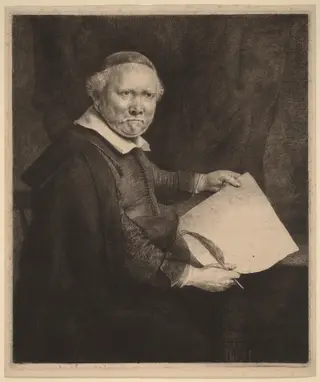
Own this work as a print
Artist & collection

Artist
Rembrandt Harmenszoon van Rijn, known mononymously as Rembrandt, was a Dutch Golden Age painter, printmaker, and draughtsman.


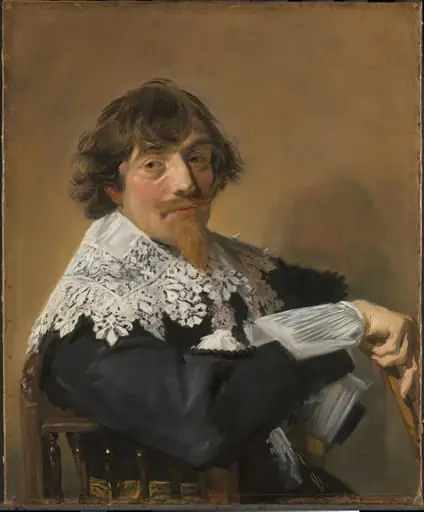 Portrait of Jan van de Poll (1597-1678)
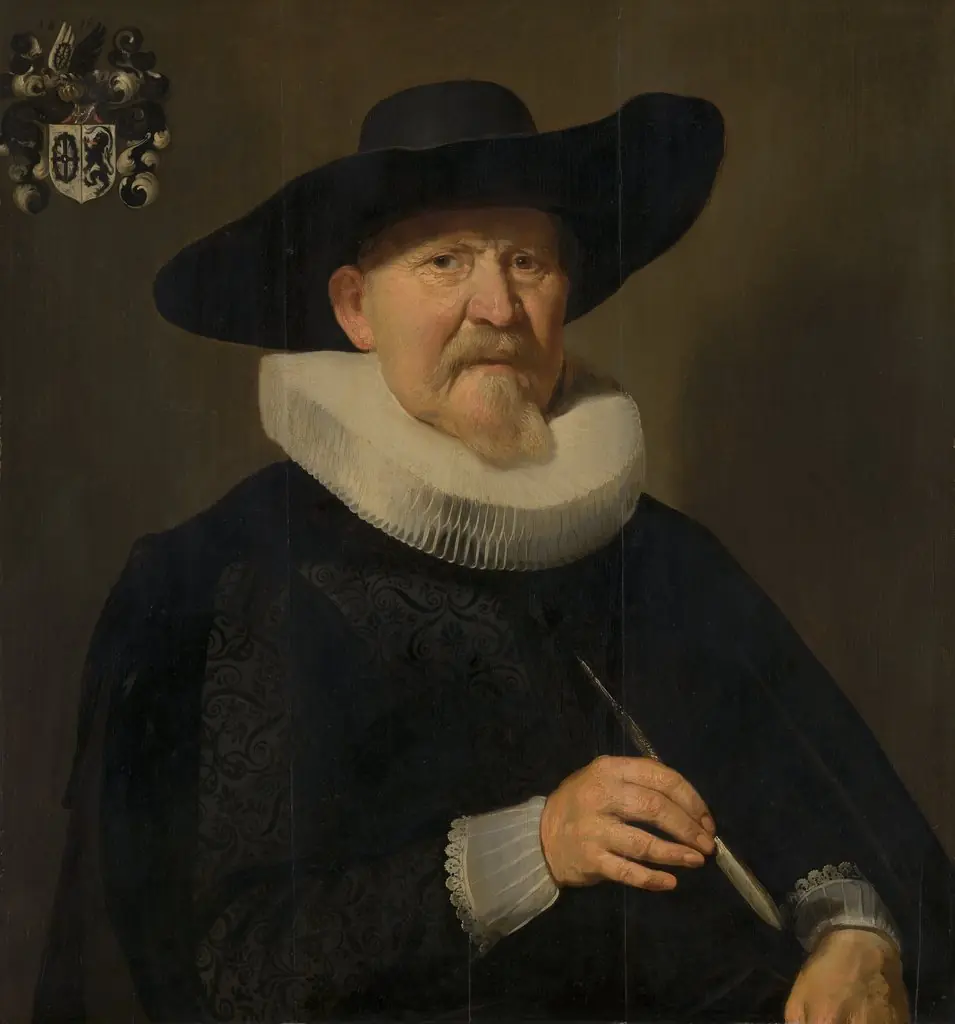 Portrait of a Man, probably Hans van Hogendorp
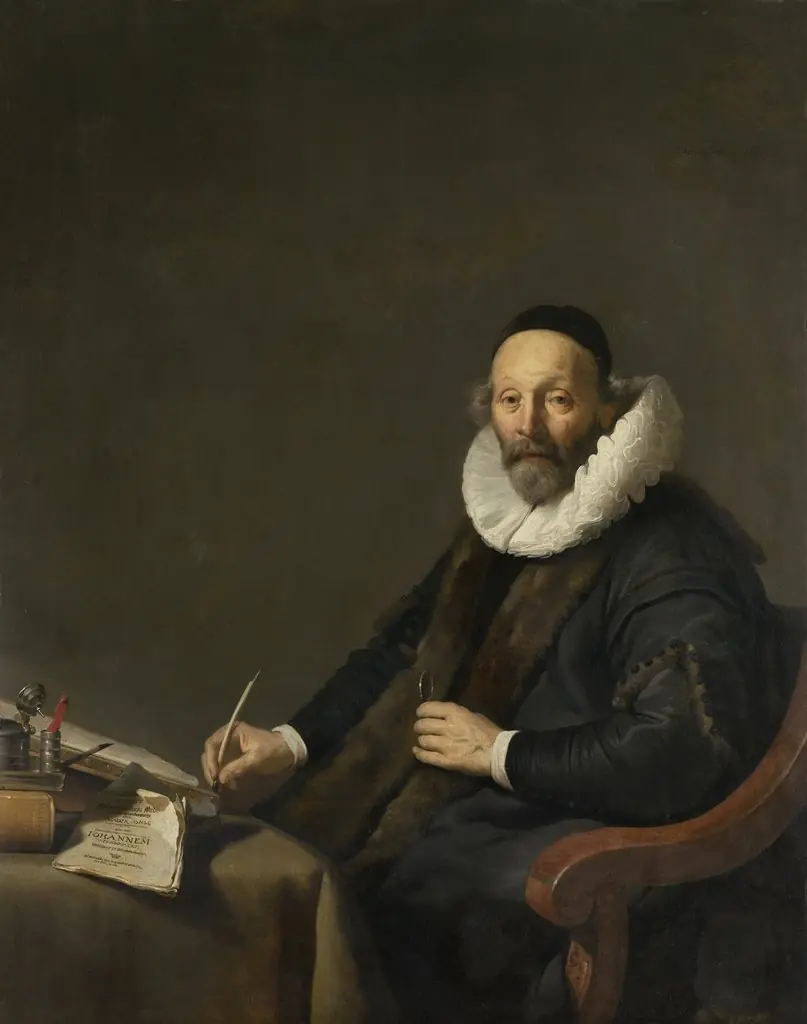 Johannes Uyttenbogaert (1557-1644). Remonstrant minister in The Hague
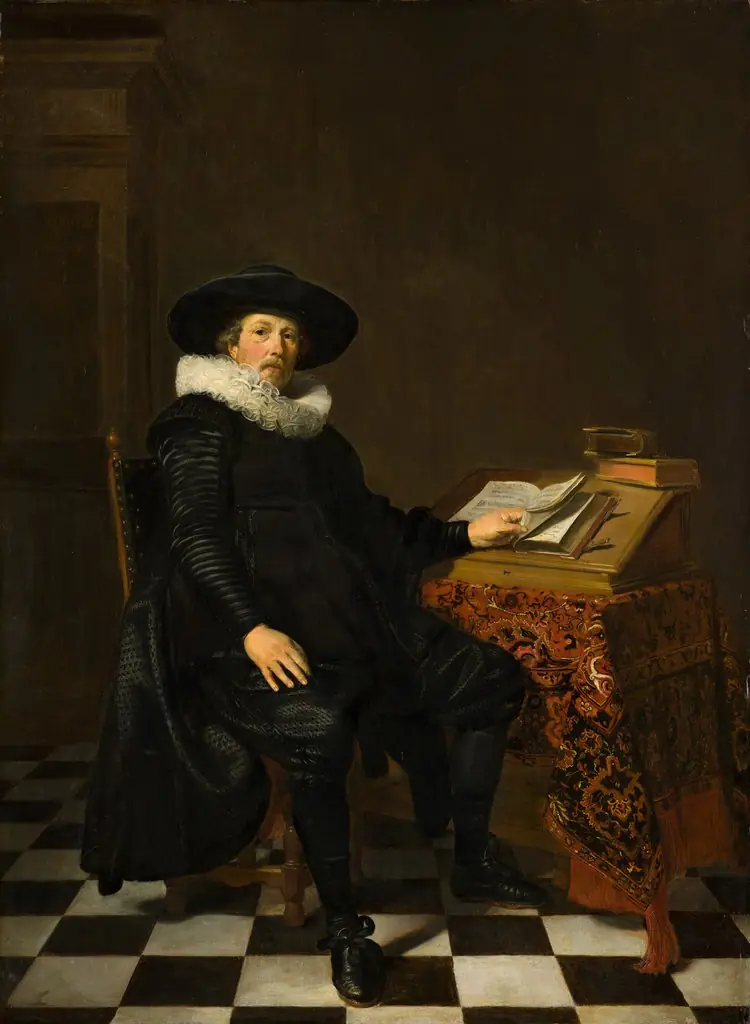 Portrait of a Scholar
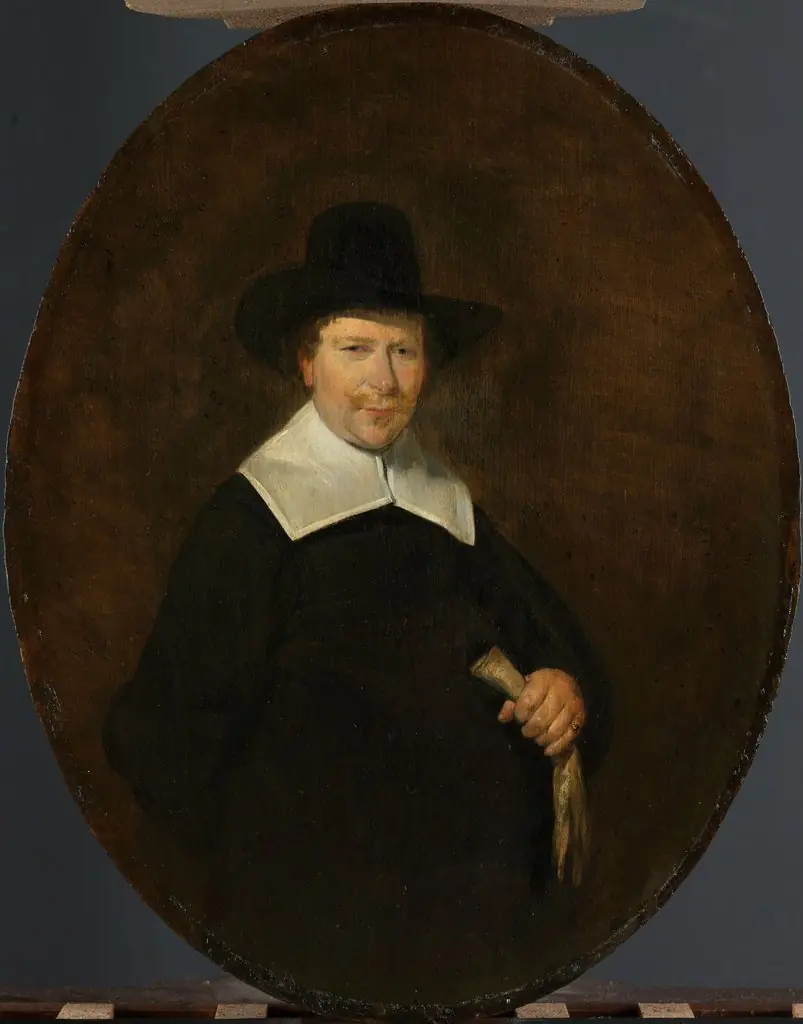 Portrait of Gerard Abrahamsz van der Schalcke (1609-67), Haarlem cloth merchant
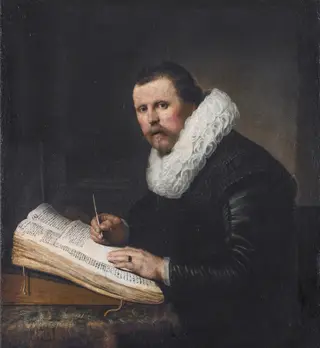 Portrait of a Man at a Writing Desk, possibly Jacob Bruyningh
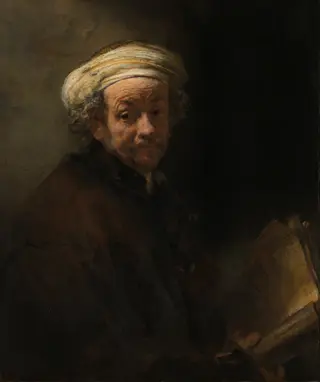 Self-portrait as the Apostle Paul
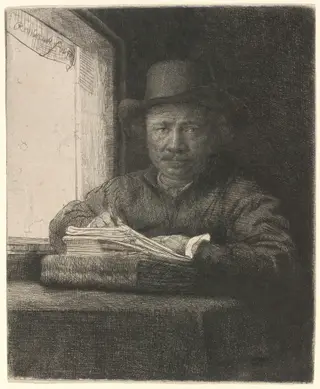 Self-Portrait Etching at a Window