Artwork
Portrait of Jan van de Poll (1597-1678)
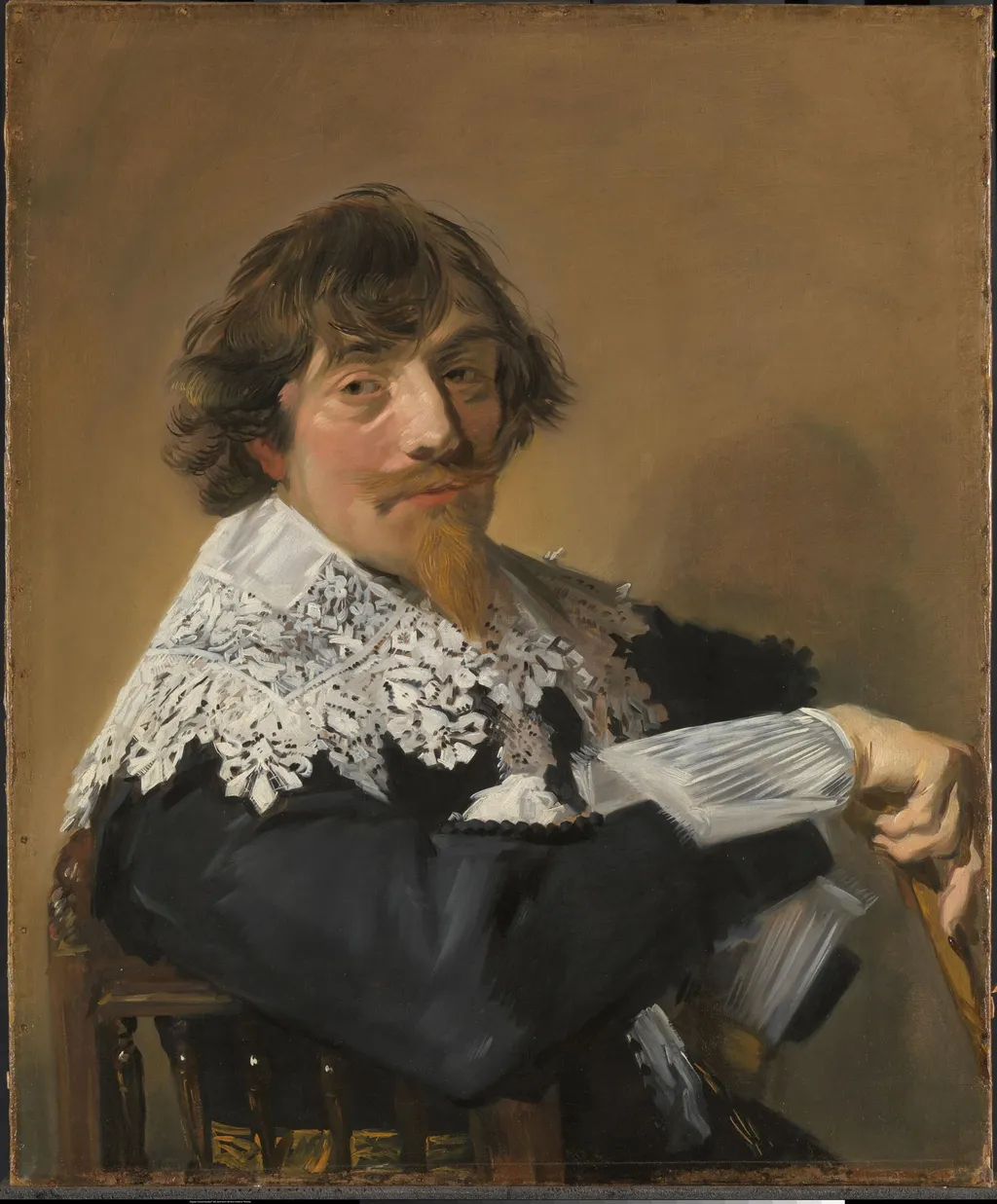
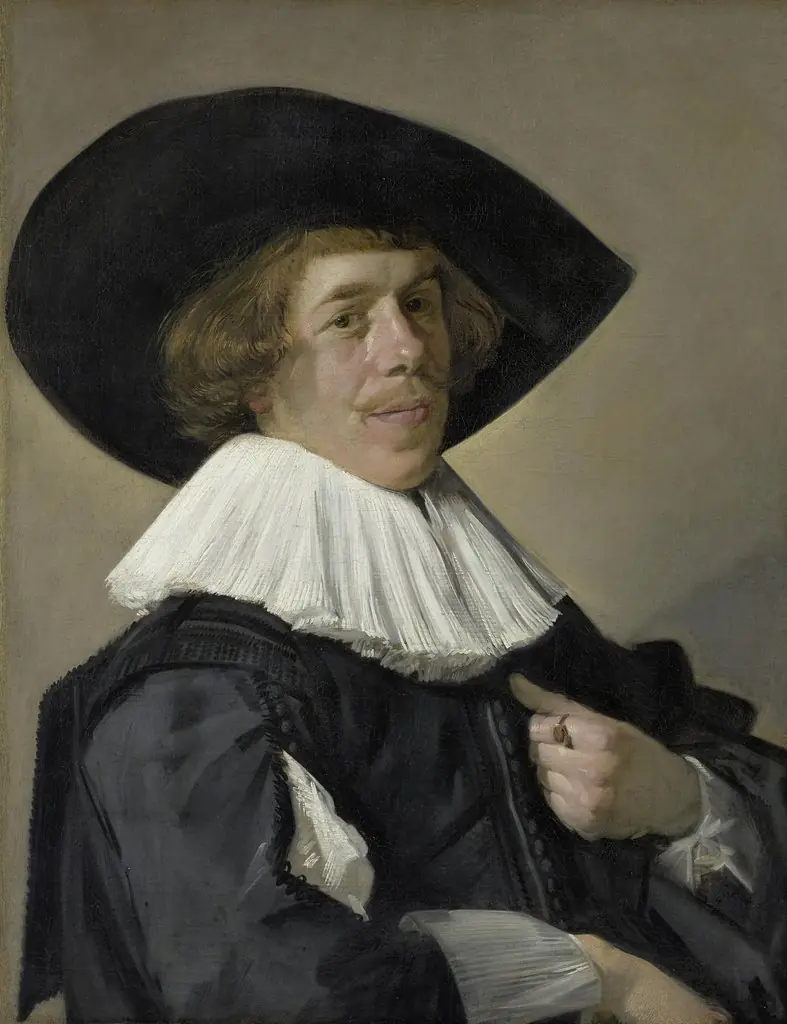
Portrait of Jan van de Poll (1597-1678) is an unspecified painting by the Baroque artist Frans Hals. It dates from 1637 and is held in the collection of the Rijksmuseum.
About this work
Subject & Meaning
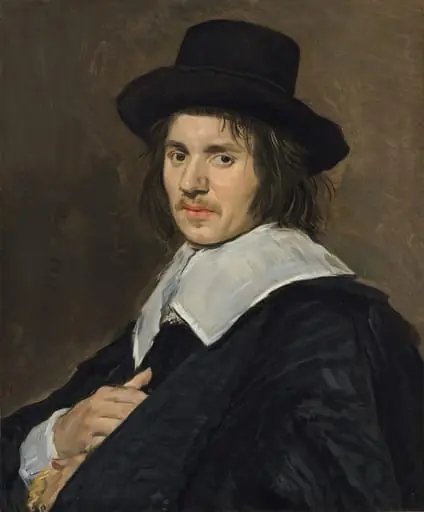
The painting Portrait of Jan van de Poll (c. 1637) is a Dutch Golden Age portrait by Frans Hals. It portrays a male sitter identified as Jan van de Poll, a member of the Haarlem community, rendered with Hals's characteristic loose brushwork that captures a lively expression and a subtle, engaging gaze. The work exemplifies the Baroque emphasis on individuality within portraiture and reflects the sitter’s status as a prominent citizen, a theme common among Hals's group and single portraits of the period.
Technique & Style
His brushwork consists of detached, vigorous strokes that suggest rather than delineate facial features, creating a lively glint in the sitter’s eye.
Frans Hals rendered the Portrait of Jan van de Poll in a loose, painterly manner that emphasizes immediacy of expression. His brushwork consists of detached, vigorous strokes that suggest rather than delineate facial features, creating a lively glint in the sitter’s eye. Hals often employed a subdued palette that mirrors the sober dress of his bourgeois sitters, while the handling of paint conveys a sketch‑like freshness characteristic of his portraiture.
The composition reflects the Baroque emphasis on naturalistic characterization, and the work’s formal qualities align with the Dutch Golden Age portrait tradition, as documented in contemporary assessments of his style.
History & Provenance
The portrait of Jan van de Poll (1597–1678) was created by Frans Hals around 1637. It depicts a sitter who lived during the Dutch Golden Age, a period when Hals was highly sought after by wealthy burghers for individual and group commissions. The artist, who resided in Haarlem, typically required patrons to travel to his studio for sittings rather than working on location.
This work falls within the later phase of Hals's career, following his famous civic guard group portraits which concluded in 1639. While the specific commission details for Jan van de Poll are not recorded in the provided texts, the painting reflects Hals's established practice of painting local citizens and visitors to Haarlem during this era.
Context
Frans Hals (c. 1582–1666) is regarded as one of the three foremost painters of the Dutch Golden Age alongside Rembrandt and Vermeer, and the Portrait of Jan van de Poll (c. 1637) belongs to the period in which he had become the leading portraitist in the Netherlands following the deaths of Rubens (1640) and Van Dyck (1641), though this work precedes those losses. Hals practiced a distinctly looser, more painterly manner of portraiture than his Haarlem contemporary Verspronck, combining subdued palettes suited to sober bourgeois sitters with animated expressions and lively eyes. The painting fits within his broader output of individual and pendant portraits commissioned by wealthy Dutch burghers, a market that expanded after 1637 when commissions for civic militia pieces collapsed.
His catalogue, established by Seymour Slive (1970–1974), lists 222 paintings, though Claus Grimm's 1989 monograph accepts only 145 as autograph. Hals's bold brushwork later inspired nineteenth-century realists such as Courbet and the Impressionists, including Van Gogh and Liebermann, who saw him as a forerunner of their own technique.
The work is housed at the Mauritshuis in The Hague, one of the principal collections holding Hals's portraits.
Overview
Created circa 1637 by the Haarlem painter Frans Hals, this oil portrait belongs to the Dutch Golden Age. It is part of the Rijksmuseum’s collection and presents Jan van de Poll, a native of the city born in 1597. The composition is straightforward, with the sitter occupying the central space against a muted, warm backdrop that draws the eye directly to his figure.
Own this work as a print
Artist & collection
Artist
Frans Hals the Elder (UK: US:; Dutch:; c. 1582 – 26 August 1666) was a Dutch Golden Age painter. He lived and worked in Haarlem, a city in which the local authority of the day frowned on religious painting in places of…

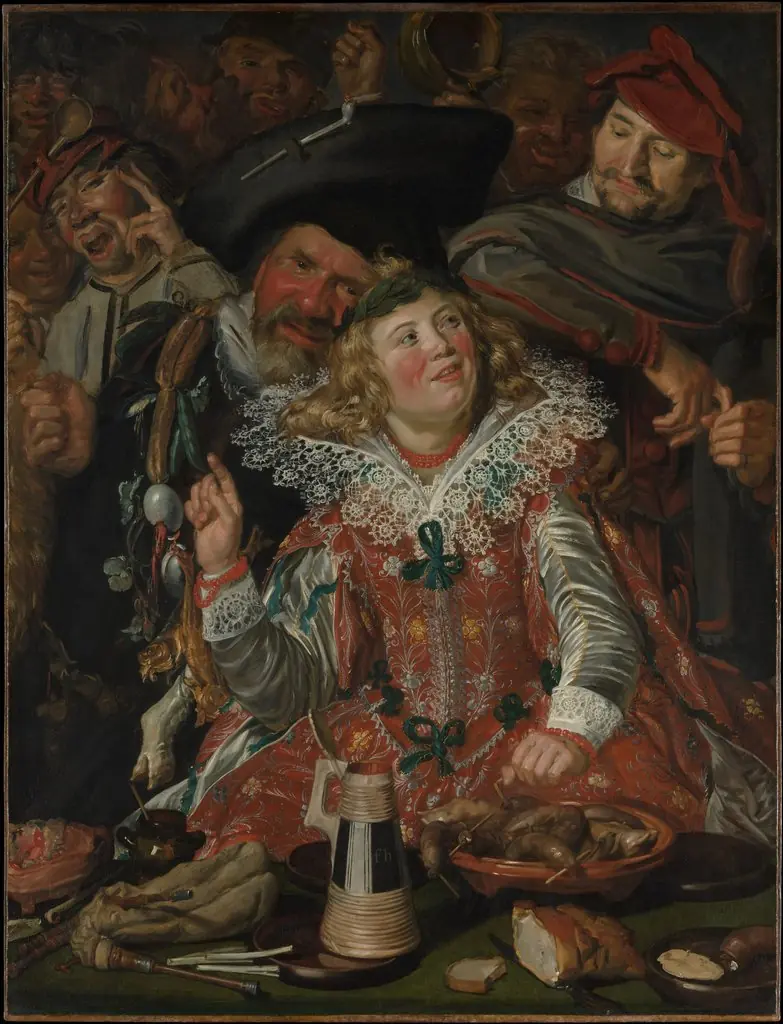
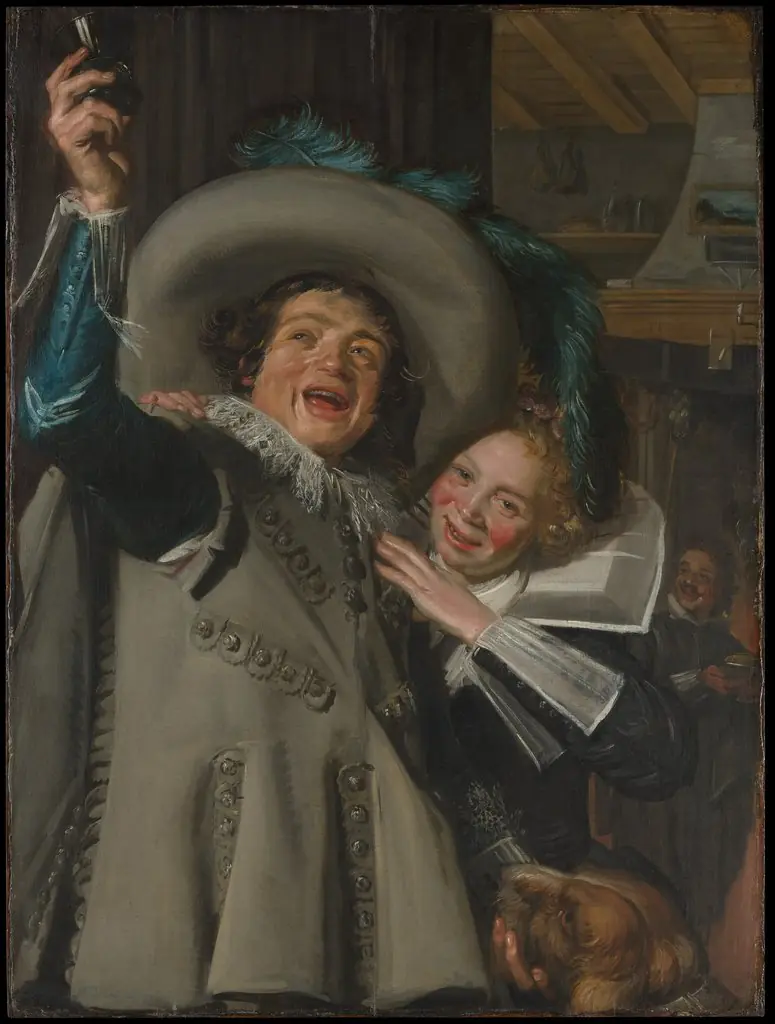
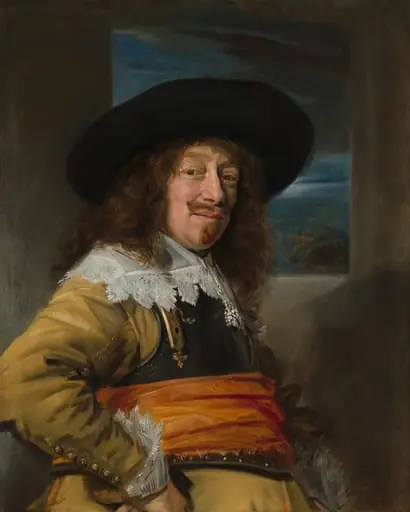
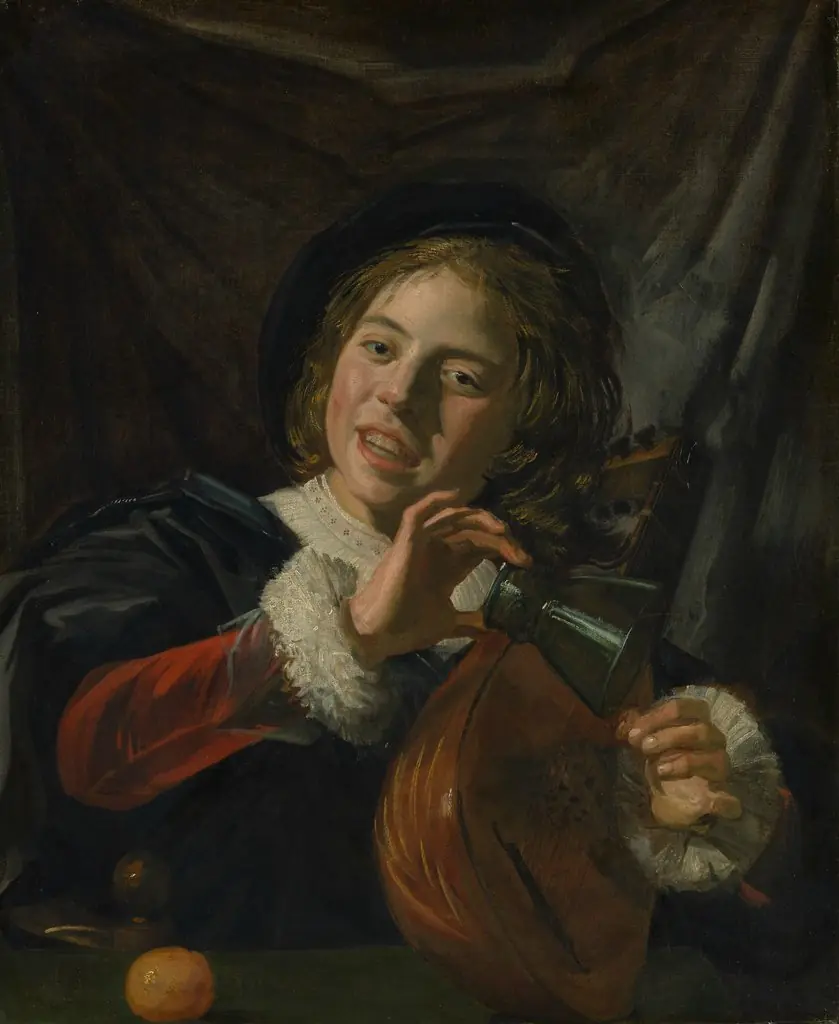
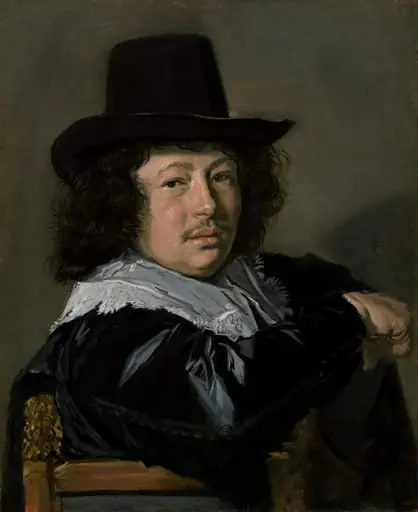
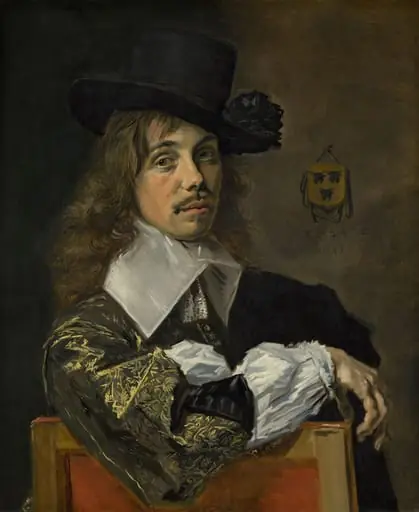
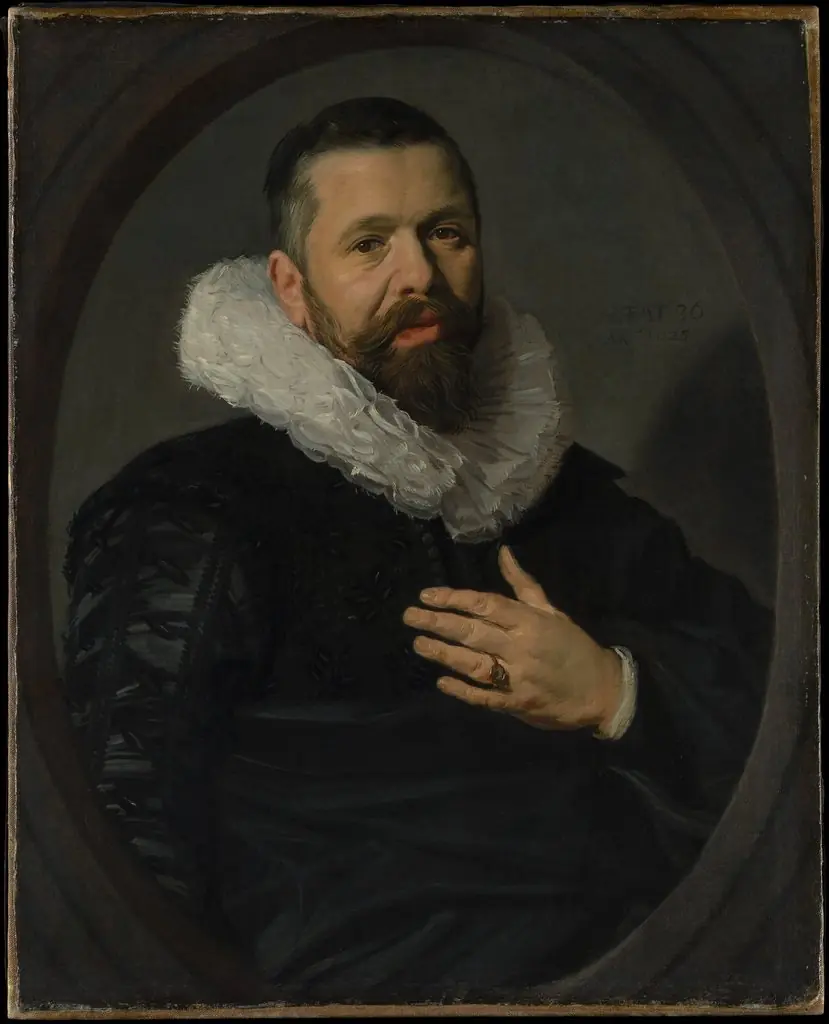
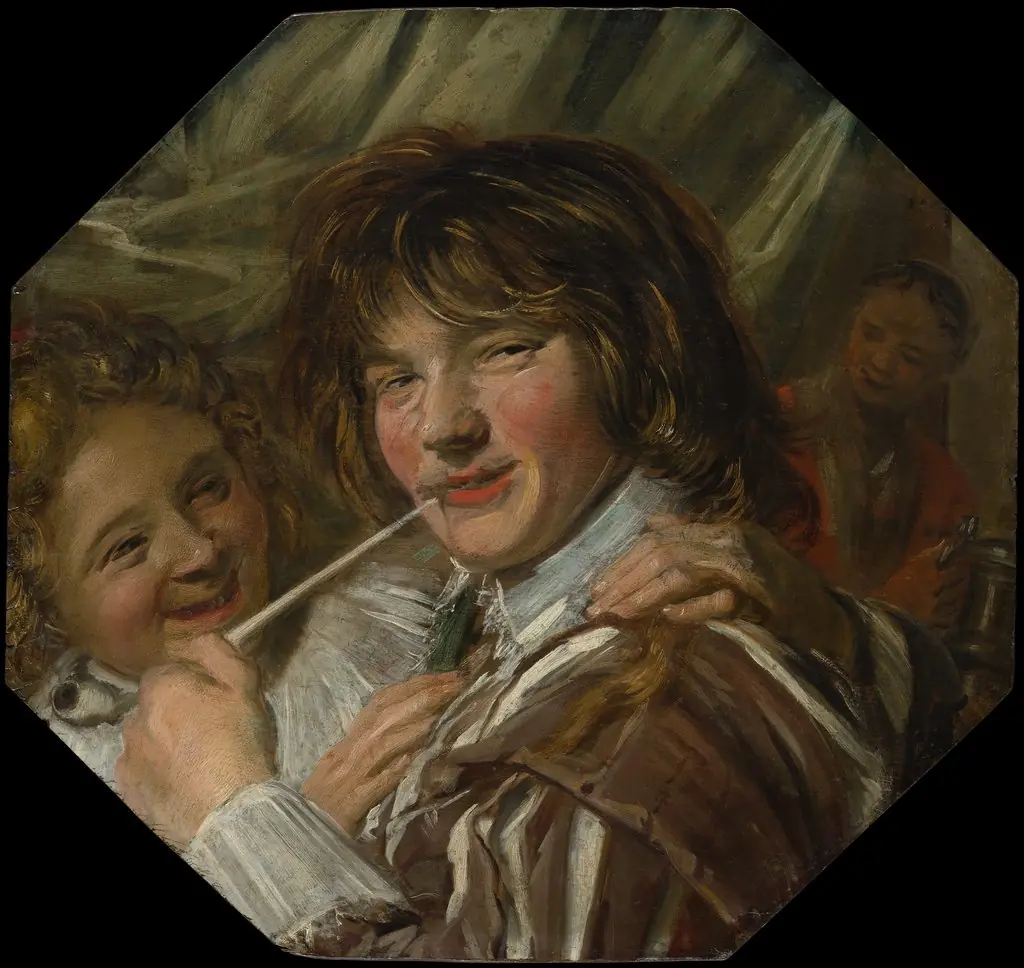
- Portrait of a man, probably Jan Miense Molenaer
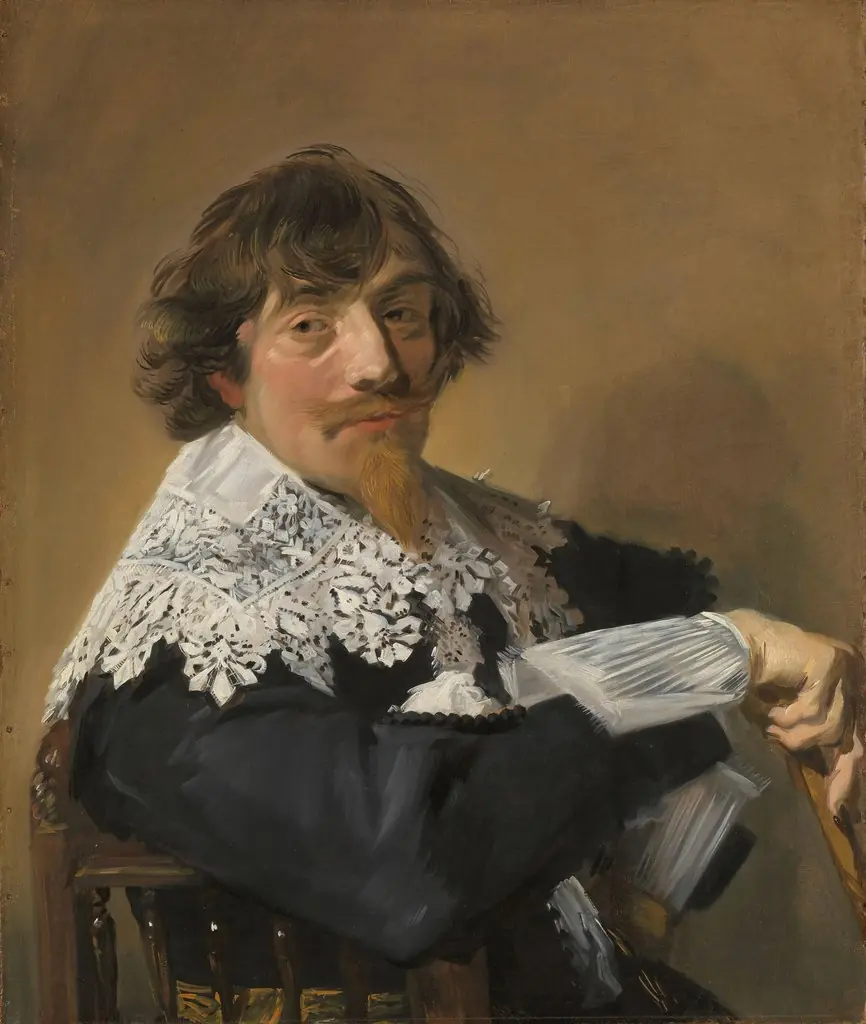 Portrait of Nicolaes Hasselaer (1593-1635)
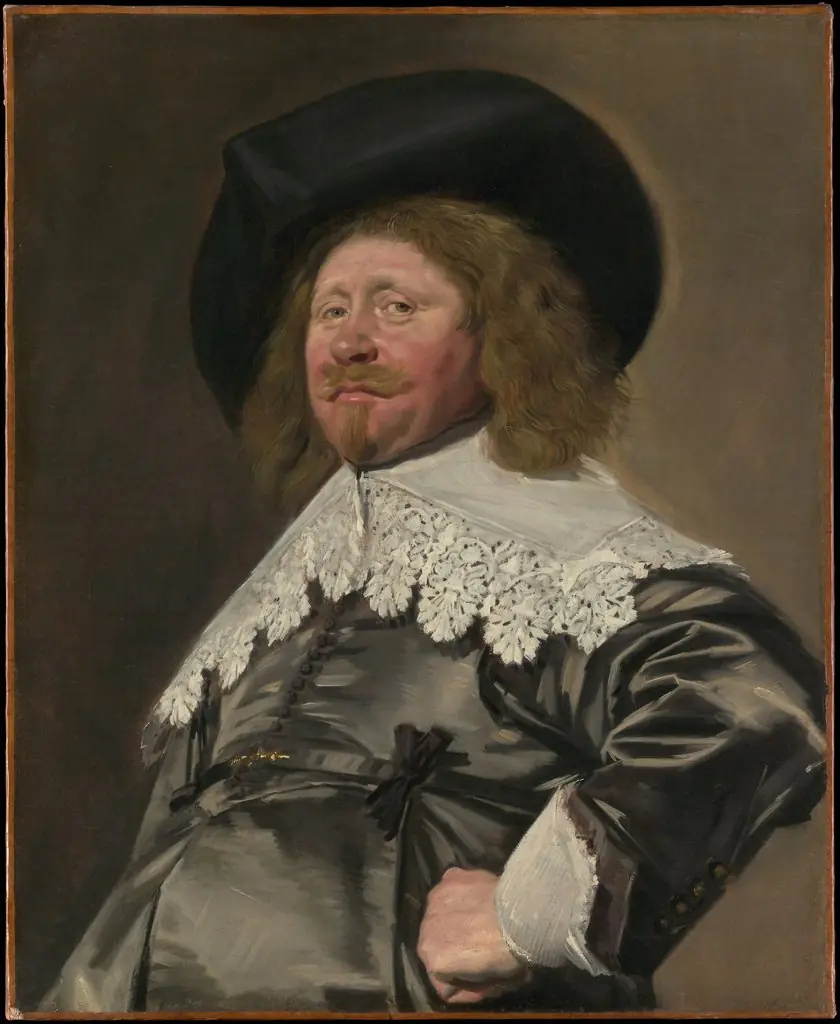 Portrait of Claes Duyst van Voorhout
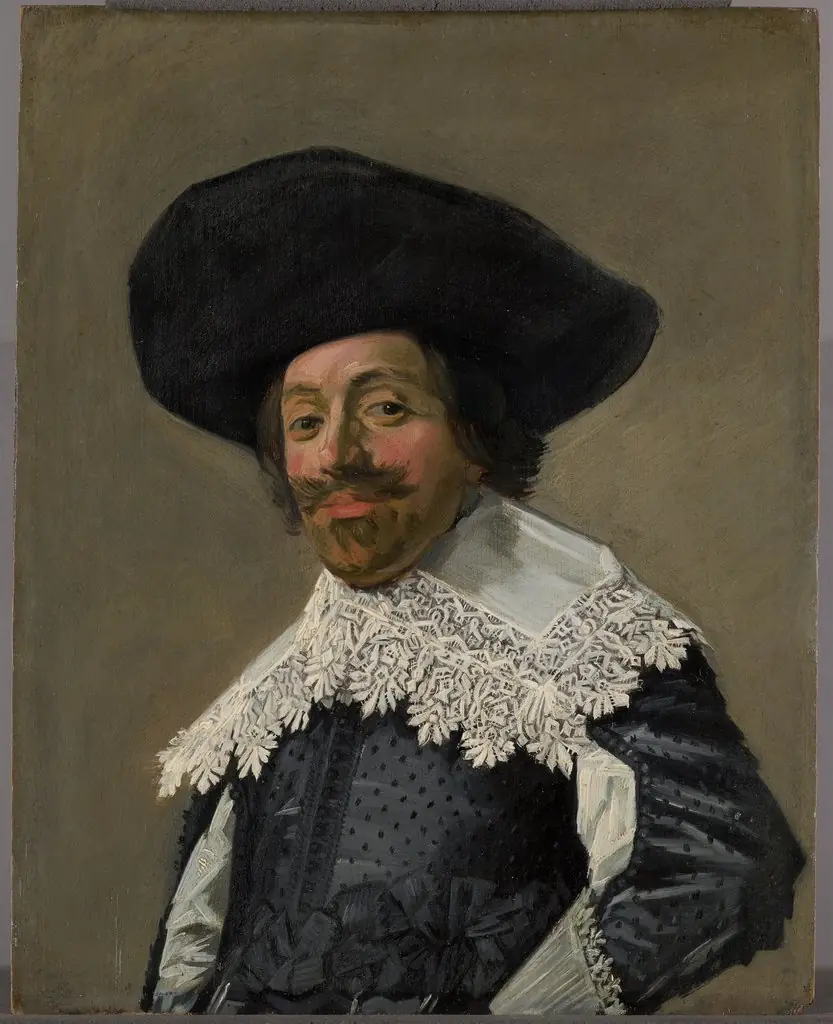 Portrait of a man with a hat
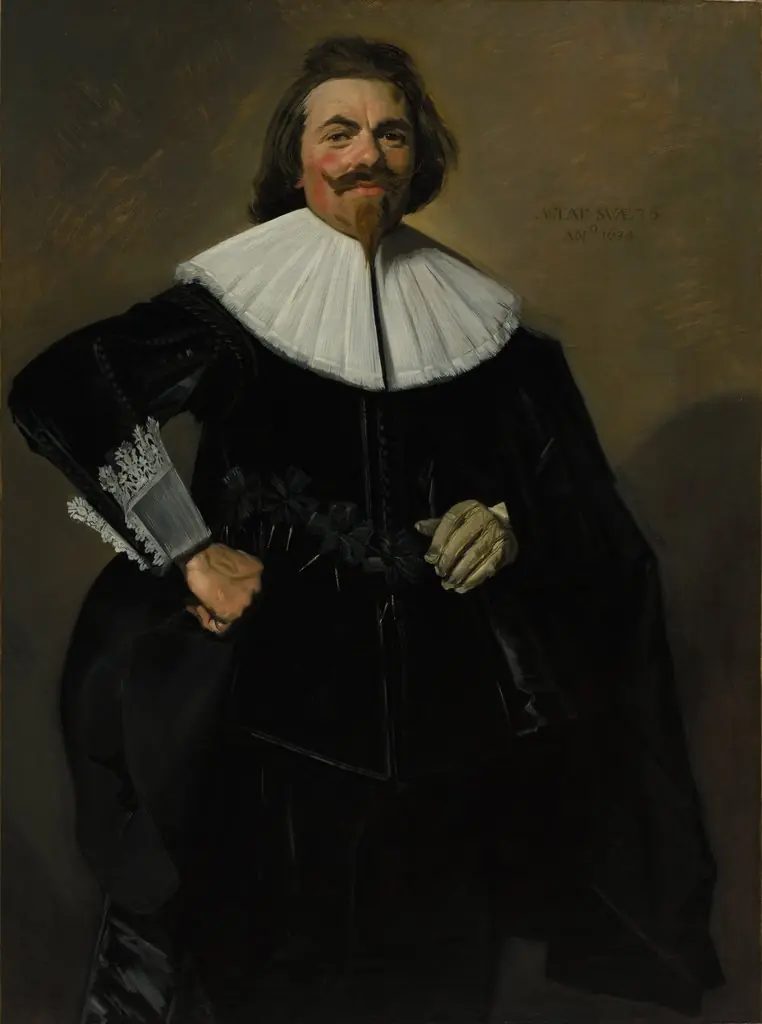 Portrait of Tieleman Roosterman
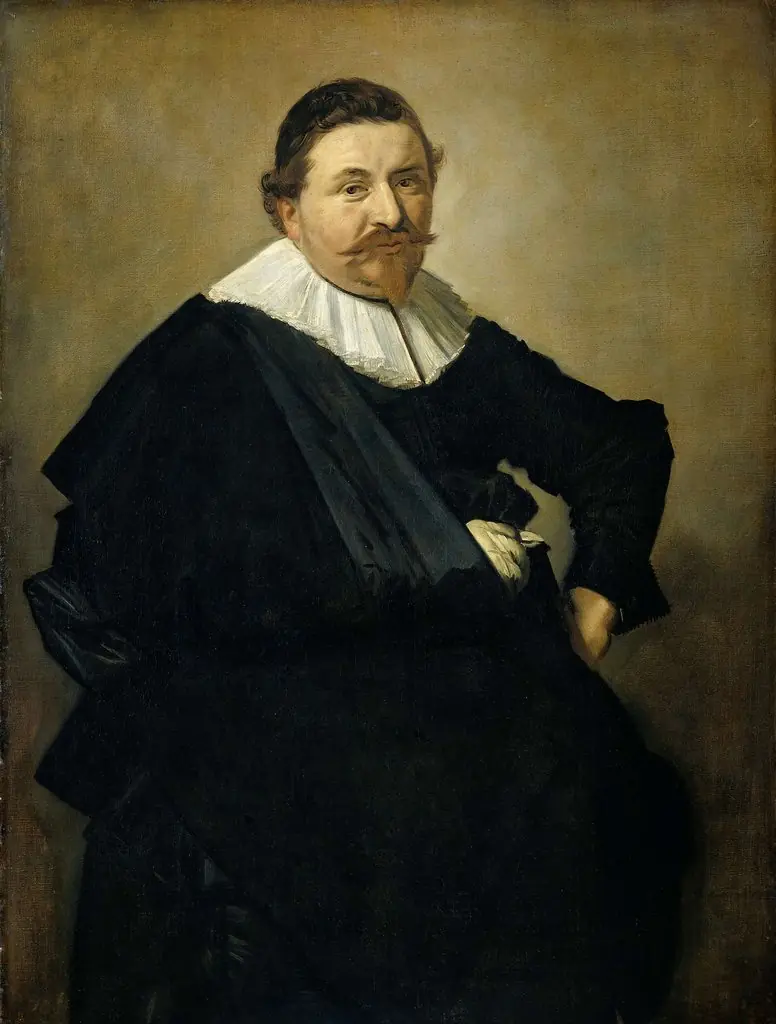 Portrait of Lucas de Clercq
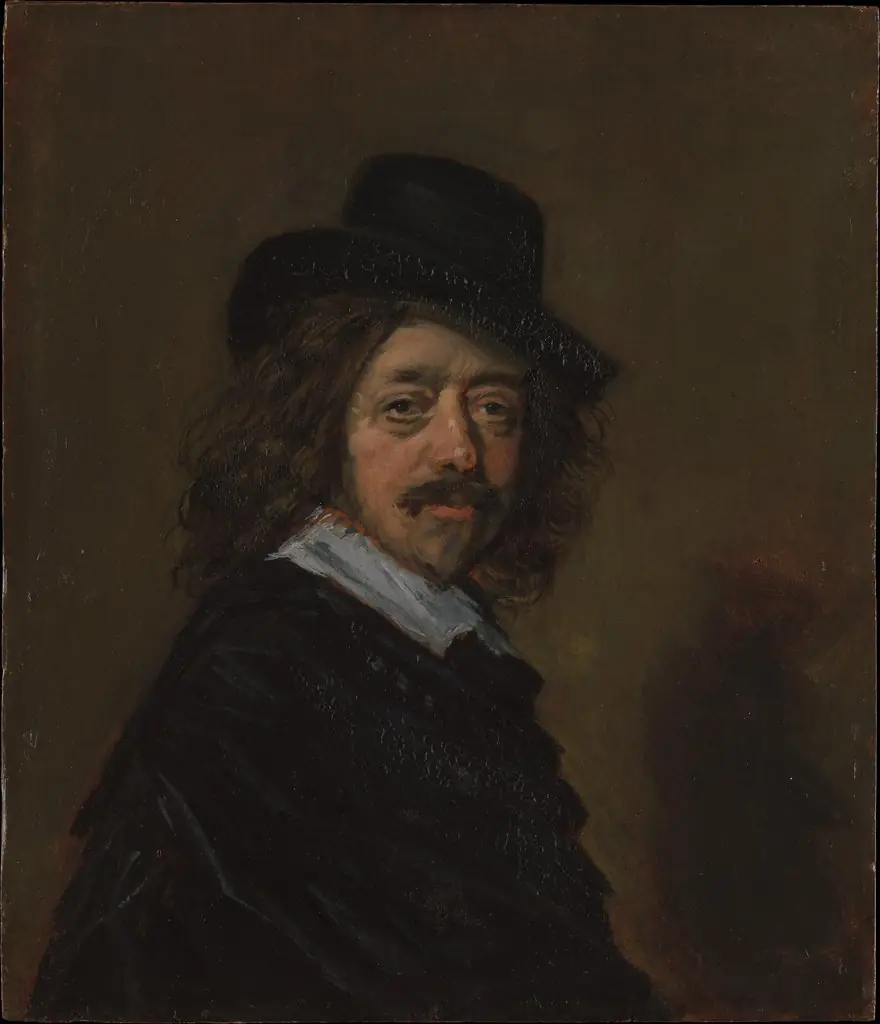 Frans Hals (1582/83–1666)
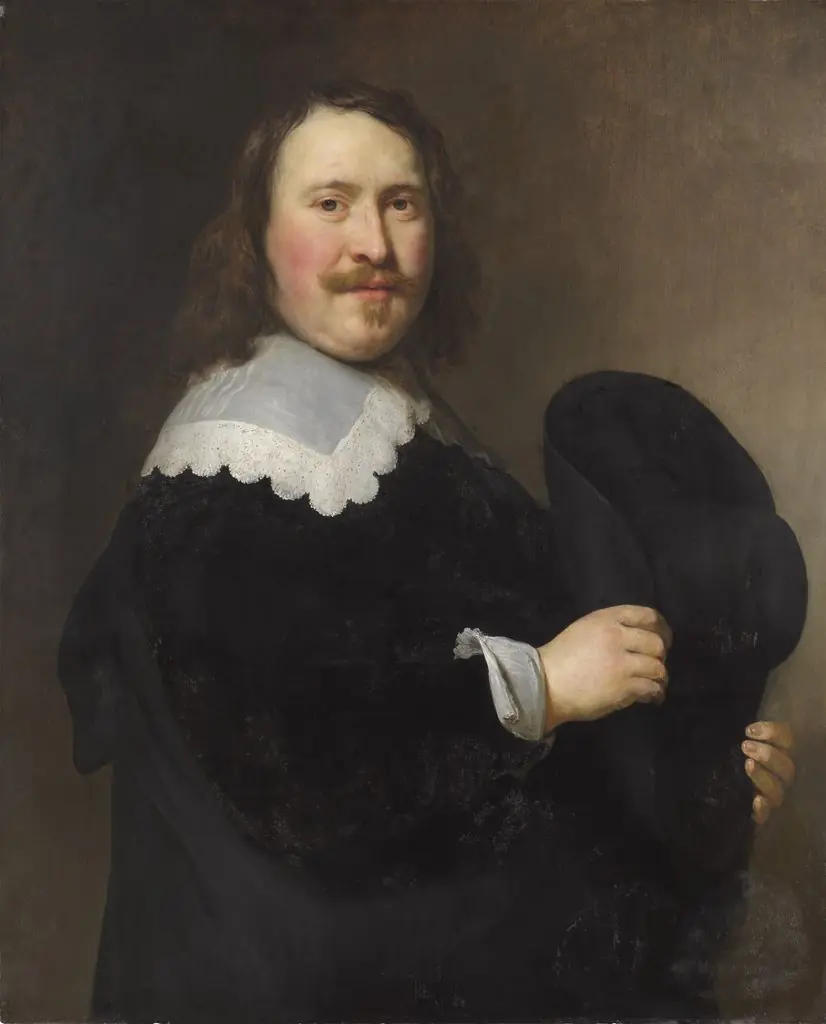 Portrait of a Man with a Hat
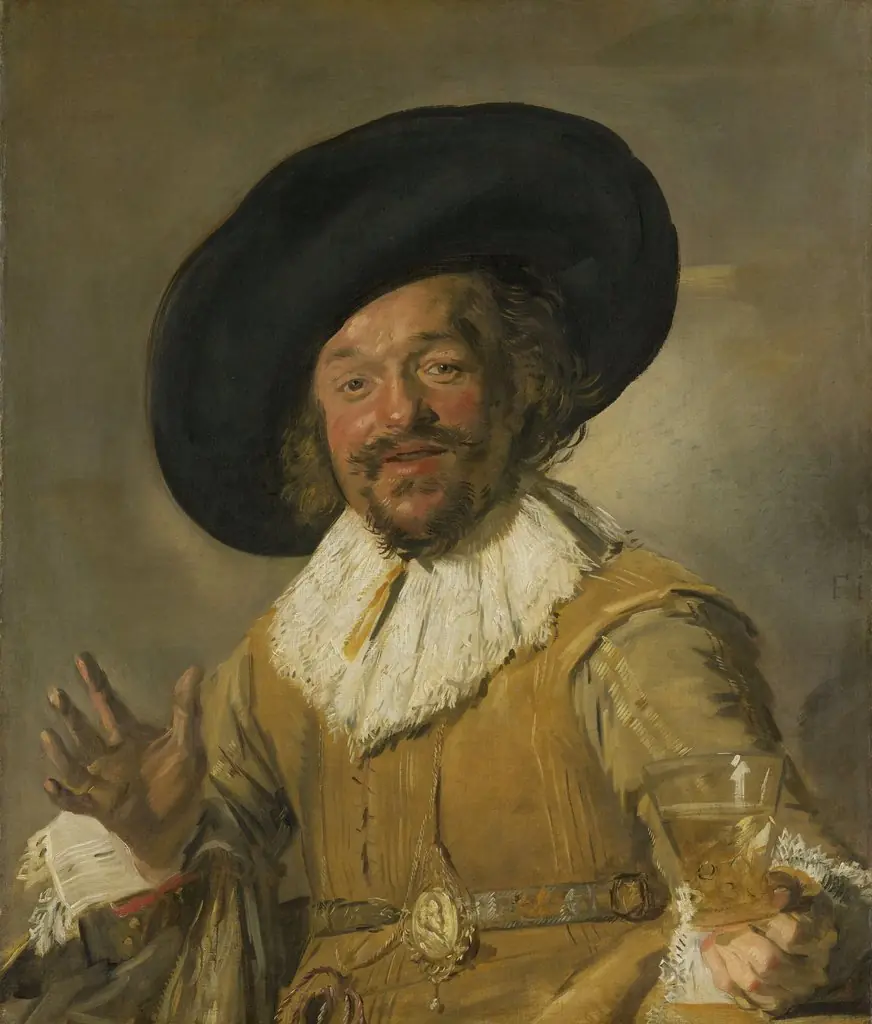 A Militiaman Holding a Berkemeyer, Known as the ‘Merry Drinker’
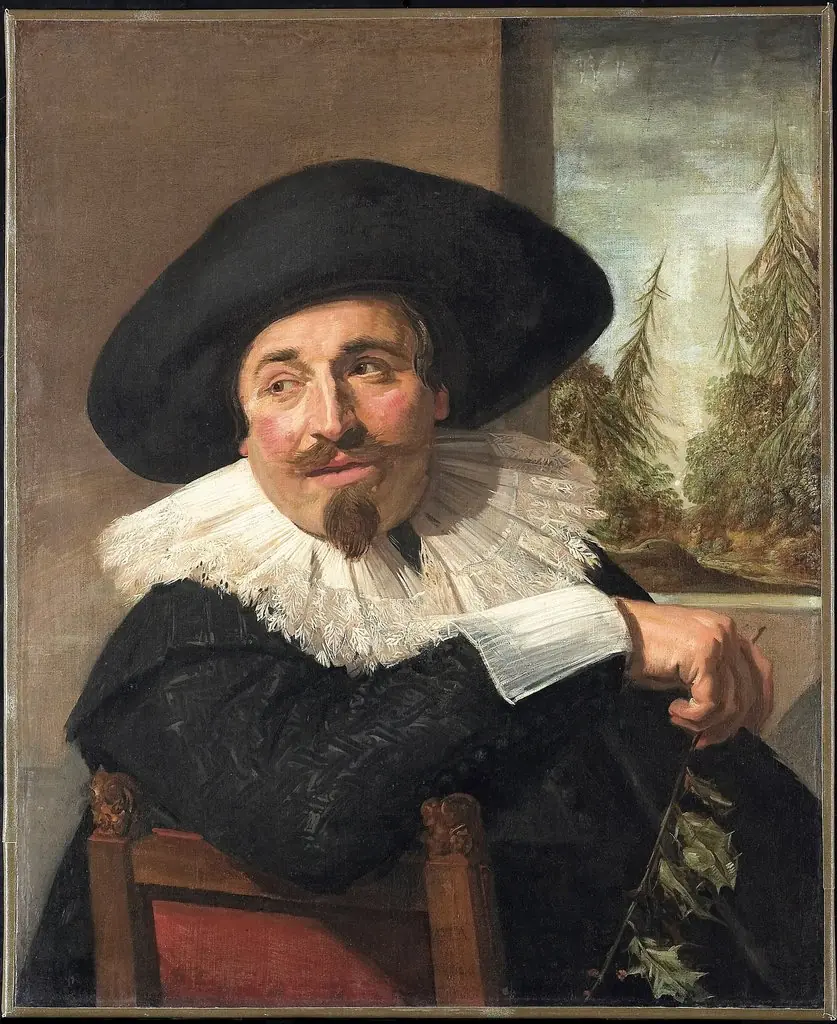 Portrait of Isaak Abrahamsz. Massa
 Portrait of a Man
 Portrait of Jan Willemsz van der Pluym