Artwork
The Jewish Bride
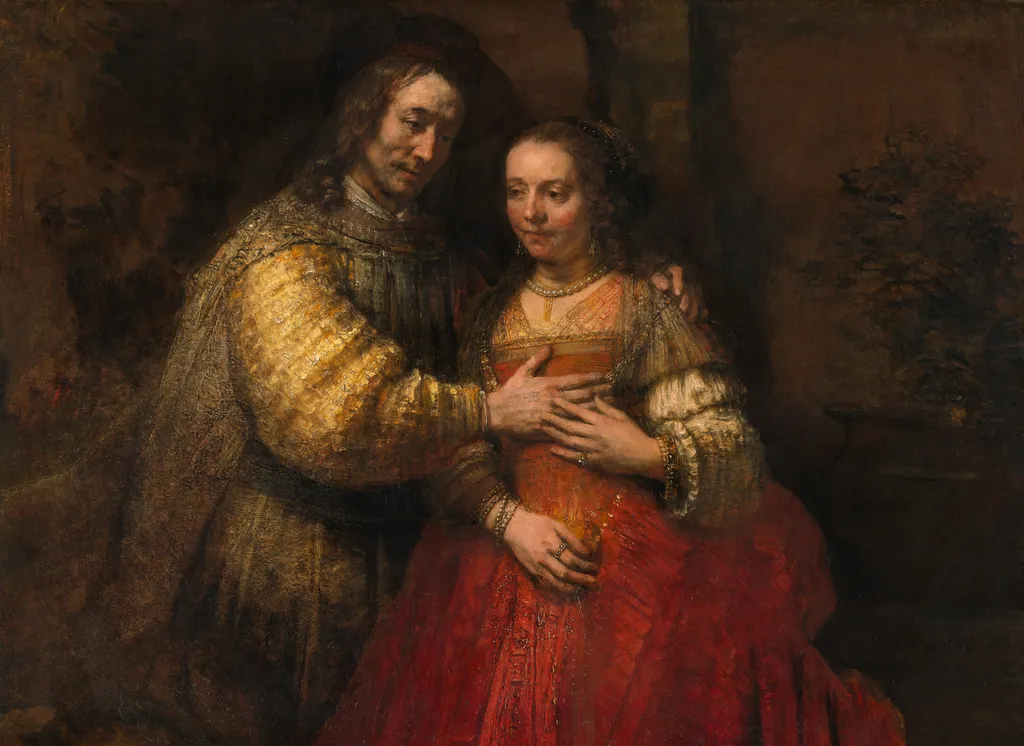
The Jewish Bride is an oil painting by the Baroque artist Rembrandt van Rijn. It dates from 1667 and is held in the collection of the Rijksmuseum.
About this work
The painting shows a couple in an intimate moment, reflecting themes of love and devotion.
The Jewish Bride is an oil painting by Rembrandt, dated around 1667. It belongs to the late period of his career.
The work was created sometime between 1665 and 1669, according to scholarship. It now hangs in the Rijksmuseum in Amsterdam. The painting shows a couple in an intimate moment, reflecting themes of love and devotion.
If you’re curious about Rembrandt’s use of light, check out the technique of chiaroscuro.
Subject & Meaning
The painting shows a man and a woman in an intimate embrace, their gestures conveying deep affection and unity. Rembrandt depicts them in a dimly lit interior where only the couple is brightly illuminated, emphasizing their emotional connection while the background remains vague and unpopulated. The work lacks narrative specifics, leaving the subjects unidentified, though scholars have linked them to biblical couples such as Isaac and Rebekah or to contemporary figures like Rembrandt's son Titus and his bride.
The ambiguity surrounding the couple's identity persists, but the universal theme of love remains central to the painting's meaning.
Technique & Style
The painting is executed in oil on canvas, measuring 121.5 by 166.5 centimeters, and belongs to the late period of Rembrandt's career, circa 1665–1669. The work depicts a man and woman in an intimate embrace, rendered with thick, relief-like brushwork applied using a palette knife, particularly evident in the detailed rendering of clothing and jewelry. The background is deliberately vague, lacking architectural or spatial detail, focusing attention on the tender interaction between the figures.
Rembrandt's technique diverges from contemporary conventions by preserving expressive, textured surfaces rather than smooth, uniform finishes. The use of synthetic orpiment in shadows and mixtures of lead-tin yellow, yellow ochre, and lead white in lighter areas supports the luminous quality of the figures. The composition shows signs of revision, including an earlier version in which the woman sat on the man's lap, later altered, suggesting a shift toward the final, more intimate arrangement.
The handling of paint emphasizes gesture and movement, with looser, more fluid brushwork observed toward the edges of the canvas.
History & Provenance
The painting was created by Rembrandt, dated 1667 and placed by scholars within his late period (circa 1665–1669). It belonged to the collection of Adriaan van der Hoop, having earlier passed through owners including John Smith and Christiaan Everhard Vaillant, from whose collection it was sold at auction in 1828. The work entered the Amsterdam municipal collection and has been on loan to the Rijksmuseum since 1885, where it remains on display in the Gallery of Honour.
The title "The Jewish Bride" was assigned in the early nineteenth century, though the subjects are not definitively Jewish; speculation links them to biblical figures such as Isaac and Rebekah, supported by a preparatory drawing, or to other couples including Rembrandt's son Titus. The painting measures 121.5 by 166.5 cm. It featured in the 1980 BBC series "100 Great Paintings" and in the Rijksmuseum's Late Rembrandt exhibition of 2014–2015, which presented it as dating from circa 1665–1669.
Context
Created during Rembrandt's late period circa 1665–1669, the work is widely regarded as a masterpiece of the Dutch Golden Age and a supreme expression of tender, fused spiritual and physical love. Although the title "The Jewish Bride" originated in the early 19th century from a misidentified scene of a father gifting a necklace, modern scholarship rejects this specific narrative in favor of broader interpretations. The most supported identification links the figures to the biblical couple Isaac and Rebekah, a theory bolstered by a preparatory drawing and the prevalence of such "portraits historiés" in 17th-century marriage culture.
Alternative theories have suggested the sitters might be Rembrandt's son Titus and his bride or other contemporary couples. The painting's historical significance was underscored in 1885 when Vincent van Gogh, deeply moved by its intimacy, famously declared he would sacrifice ten years of his life to sit before it for two weeks on a crust of dry bread.
Legacy
The painting has become one of Rembrandt's most celebrated works, widely regarded as a pinnacle of emotional intimacy in art history. Its enduring reputation stems from the universal theme of tender love between two figures, rendered with masterful technique that defies contemporary conventions. The work's influence is notable, inspiring Vincent van Gogh, who expressed deep admiration for it in 1885, calling it so moving that he would sacrifice years of his life to study it. This legacy of artistic reverence underscores its status as a benchmark for expressive power in portraiture.
Overview
The Jewish Bride is an oil painting by Rembrandt, created between 1665 and 1669 during the late period of his career. It is housed in the Rijksmuseum in Amsterdam.
Own this work as a print
Artist & collection

Artist
Rembrandt Harmenszoon van Rijn, known mononymously as Rembrandt, was a Dutch Golden Age painter, printmaker, and draughtsman.

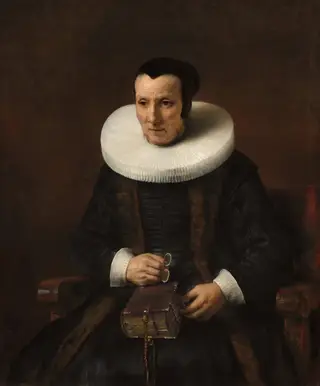
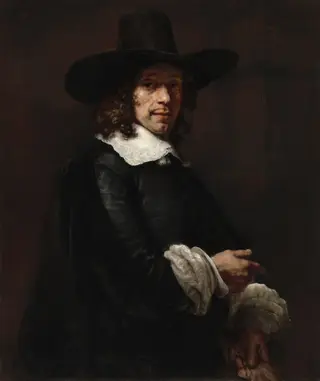
- Esther reading Haman's Decree of the Extermination of the Jews
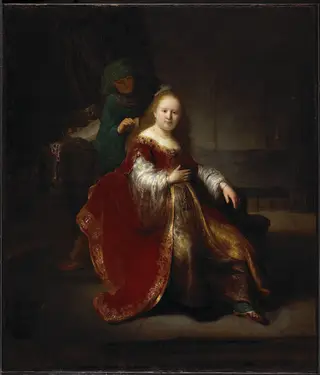 Heroine from the Old Testament
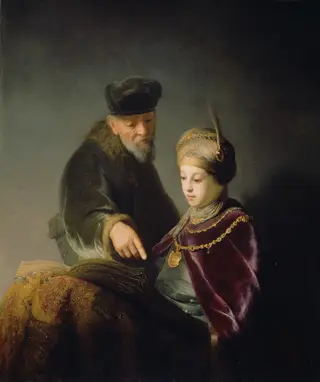 A Young Scholar and his Tutor
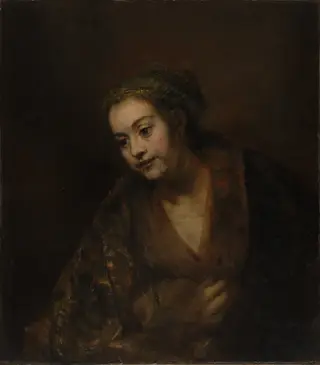 Hendrickje Stoffels (1626–1663)
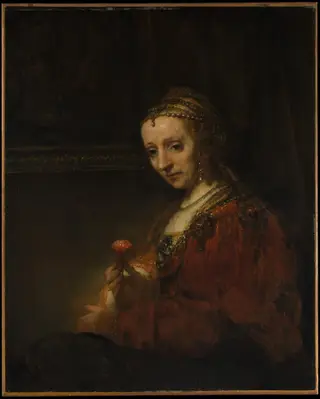 Woman with a Pink
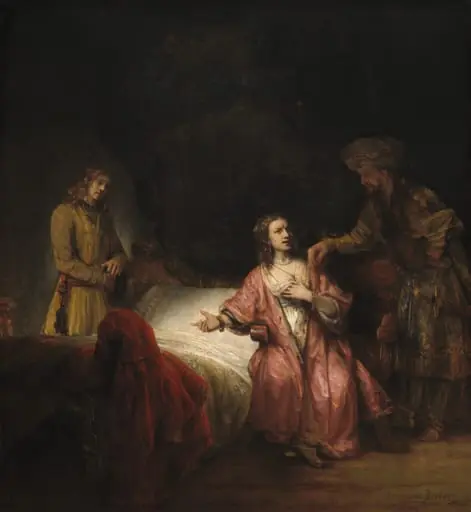 Joseph Accused by Potiphar's Wife
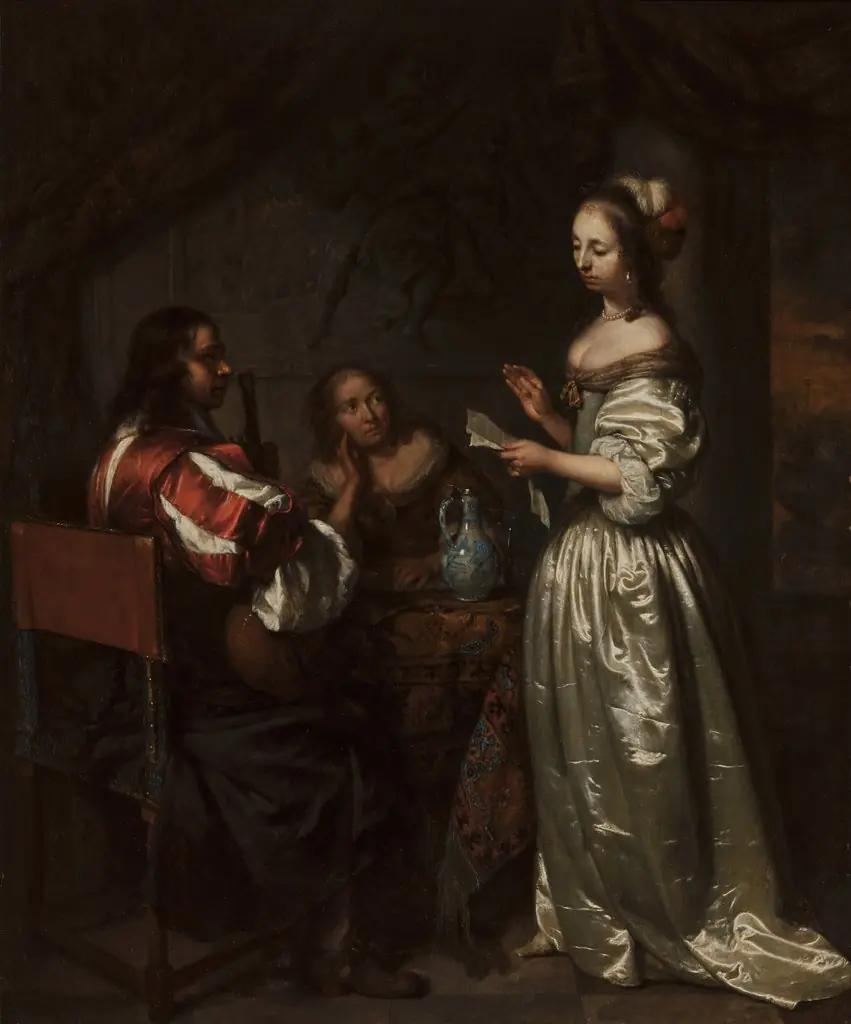 Music-making company
 Half-figure of a woman with a beret
 Musizierende Gesellschaft
 Christ with a Staff
 The Lace Maker
 Family Portrait