Artwork
Portrait of Maharaja Pratap Singh (1764–1803)
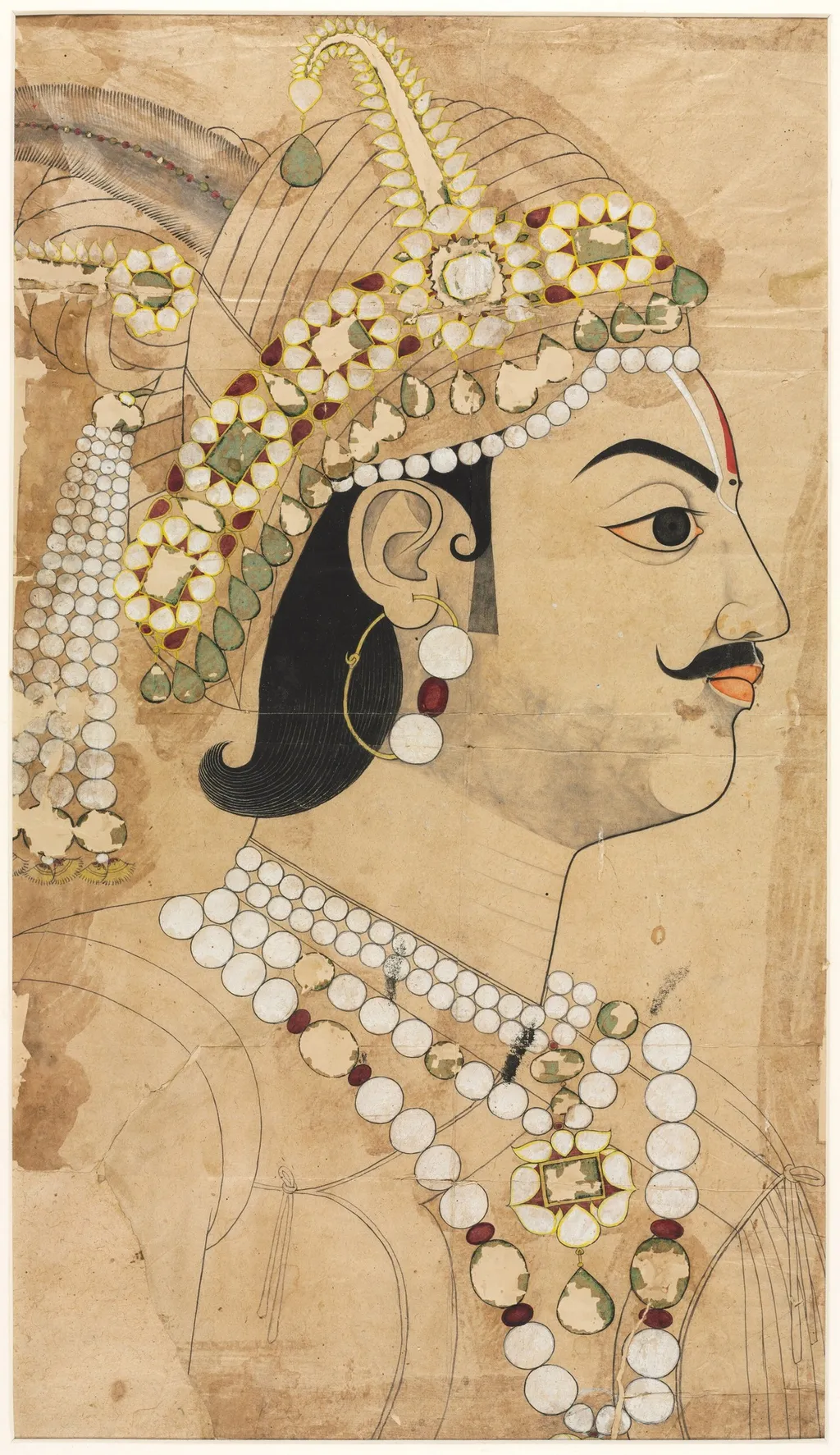
Portrait of Maharaja Pratap Singh (1764–1803) is an unspecified painting by the Patna School of Painting artist Sahib Ram. It dates from 1797 and is held in the collection of the Cleveland Museum of Art.
About this work
Subject & Meaning
As a portrait, it serves as a visual record of the subject's status and lineage, preserving his likeness for contemporary and future audiences.
The painting depicts Maharaja Pratap Singh (1764–1803), an Indian ruler. Created in 1797 by the Indian artist Sahib Ram, a court painter, the portrait records the monarch's formal dress, ceremonial ornaments, and composed posture, underscoring his sovereign authority. As a portrait, it serves as a visual record of the subject's status and lineage, preserving his likeness for contemporary and future audiences.
The work is housed in the Cleveland Museum of Art, where it forms part of the institution's collection of Indian miniature paintings.
History & Provenance
The portrait of Maharaja Pratap Singh was executed in 1797 by the Indian artist Sahib Ram, who was active in the later eighteenth century. According to the museum's records, the work is held by the Cleveland Museum of Art under accession number 2011.207. No earlier ownership or commission details are supplied in the available sources, so the documented provenance begins with its acquisition by the museum.
Overview
This painting, created by Sahib Ram in 1797, depicts Maharaja Pratap Singh, who reigned from 1764 to 1803. The work serves as a formal portrait of the ruler, capturing his likeness and conveying his regal presence. It is currently part of the collection at The Cleveland Museum of Art, offering insight into late 18th-century Indian court portraiture.
Technique & Style
Sahib Ram employed a realistic style, meticulously rendering the Maharaja's facial features and the intricate details of his clothing and adornments. The artist's careful application of color and thoughtful composition contribute to a sense of depth and three-dimensionality within the painting. The light brown background provides a neutral setting, allowing the viewer's focus to remain on the richly detailed figure.
Artist & collection

Artist
Sahib Ram was an Indian painter who led the royal atelier at the court of Jaipur in Rajasthan during the late eighteenth and early nineteenth centuries.

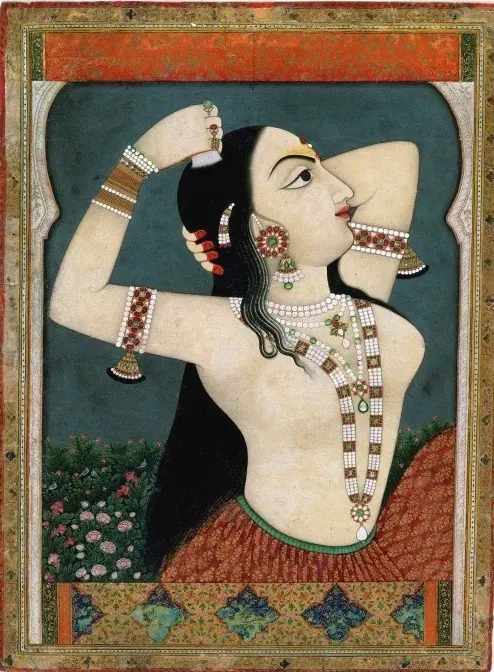
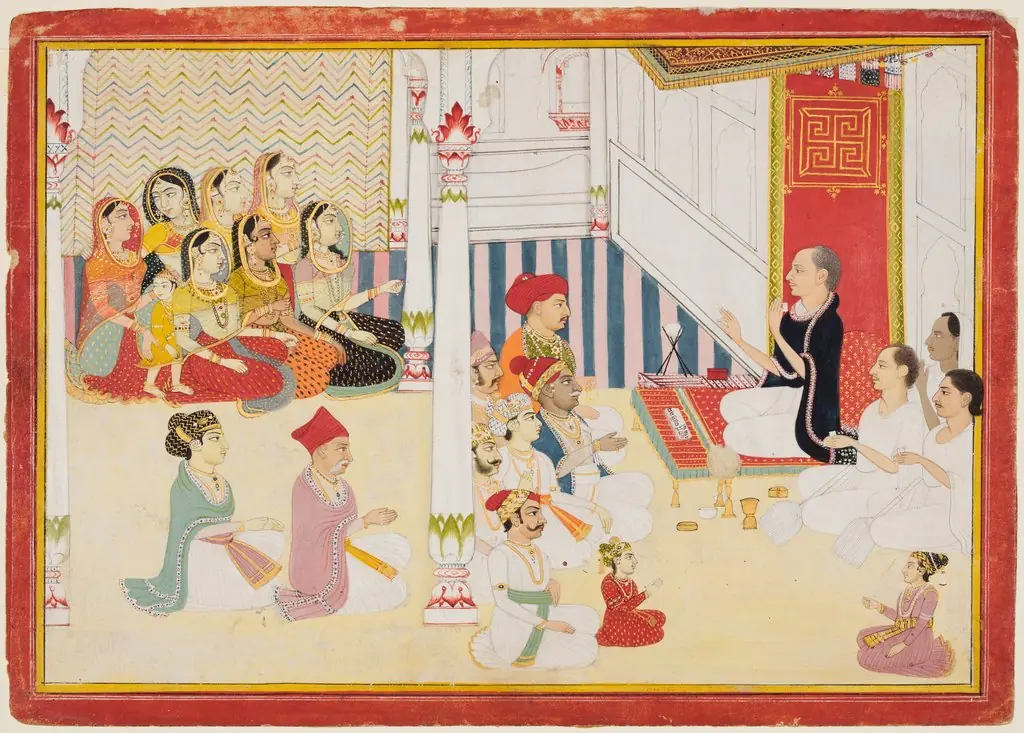
- Portrait of Maharaja Pratap Singh (1764–1803)
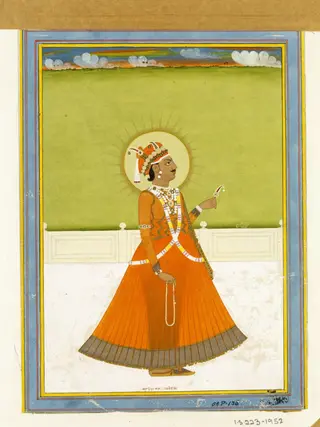 Raja Pratap Singh
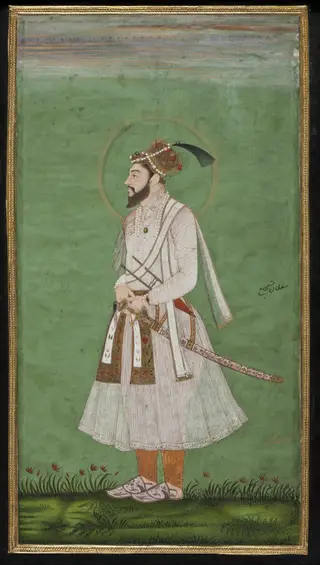 Portrait of a Mughal Prince, possibly a copy of a portrait of Sultan Shuja (1616-1659)
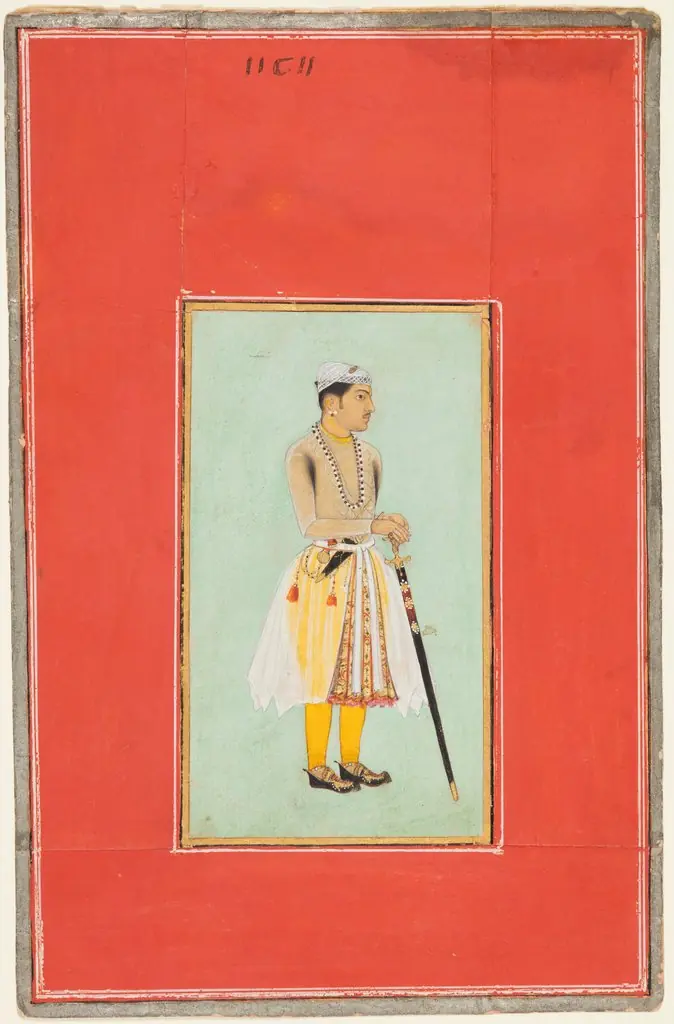 Portrait of Prince Sur Singh Rathor of Bikaner (1594–1631)
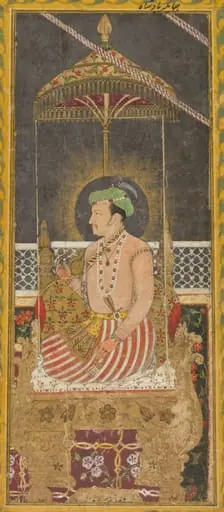 Posthumous portrait of Emperor Jahangir under a canopy (recto)
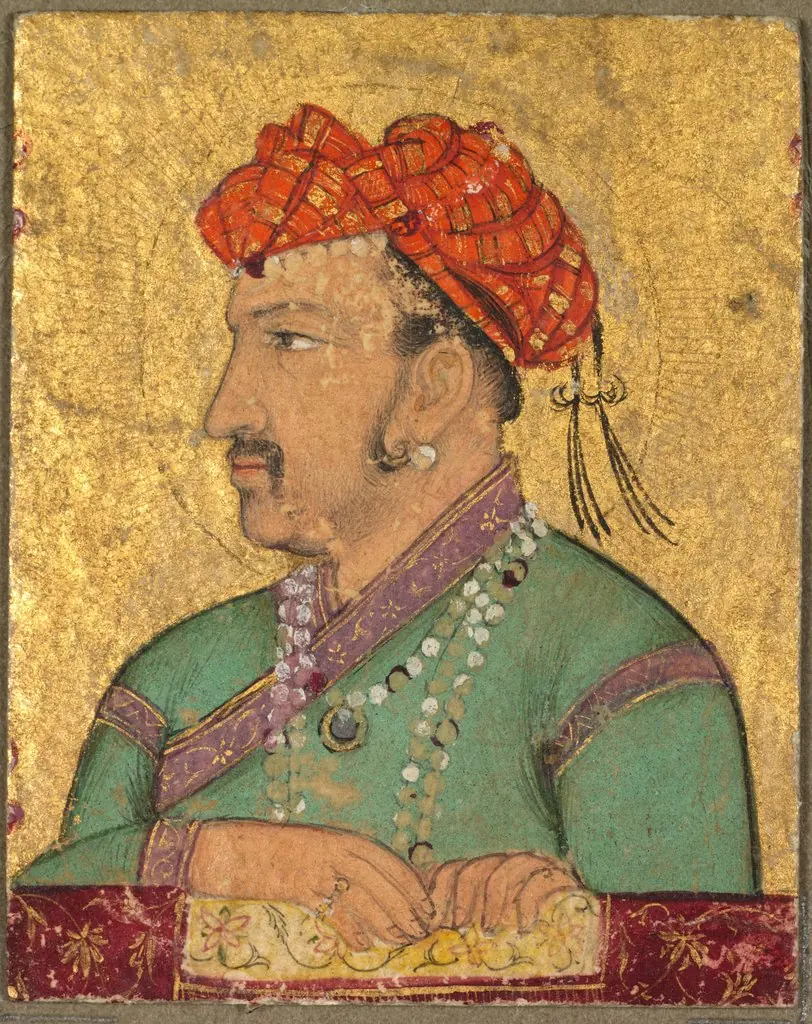 Portrait Jewel of Emperor Jahangir