Artwork
L'Umana Fragilità
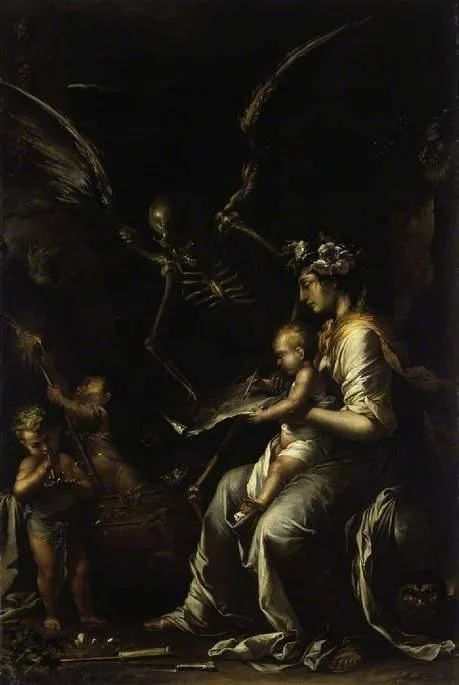
L'Umana Fragilità is an oil painting by the Early Baroque Italian artist Salvator Rosa. It dates from 1656 and is held in the collection of the Fitzwilliam Museum.
About this work
Overview
Created in 1656, L'Umana Fragilità is an oil painting on canvas by the Neapolitan artist Salvator Rosa. The work depicts a somber domestic scene illuminated by a narrow light source, set against a dark background that emphasizes the figures. Currently, the canvas is part of the collection at the Fitzwilliam Museum in Cambridge.
Subject & Meaning
At the centre, a woman in a flowing robe cradles a naked infant who clutches a slip of paper, while a small boy to the left toys with a bow and arrow. Behind them, a skeletal figure wields a scythe, suggesting mortality. The composition juxtaposes maternal care with symbols of death, reflecting the precariousness of human life.
Technique & Style
Rosa employs pronounced chiaroscuro, contrasting deep shadows with a focused beam of light that models the forms in three dimensions. The palette is restrained, dominated by muted earth tones, which heightens the dramatic tension. The brushwork combines soft modeling of the figures with sharper, more linear details in the background elements.
History & Provenance
The painting was executed during a severe plague outbreak in Naples that claimed many of Rosa’s close relatives, including his son, brother and sister. This personal tragedy likely informed its somber tone. After changing hands over the centuries, the canvas entered the Fitzwilliam Museum’s collection, where it remains on display.
Artist & collection
Artist
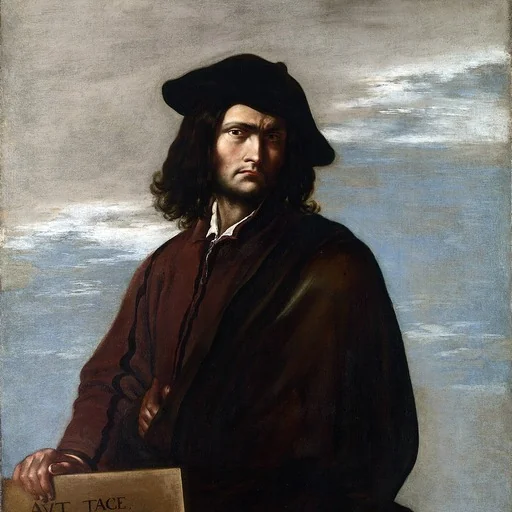
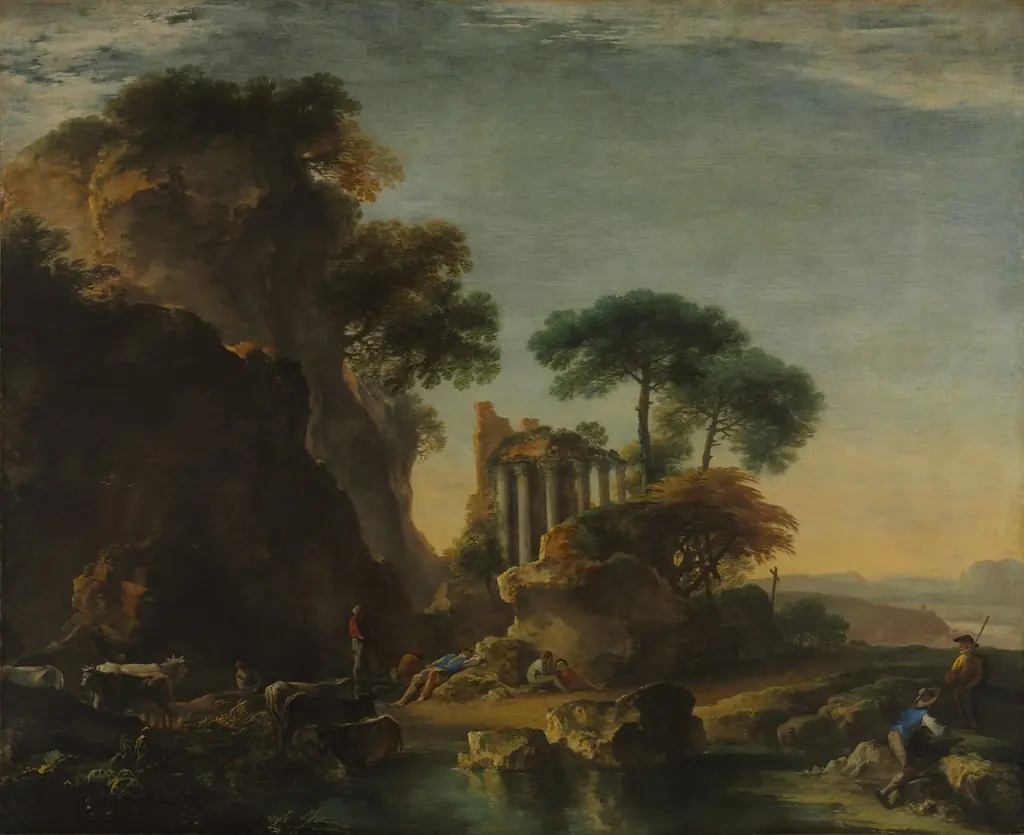
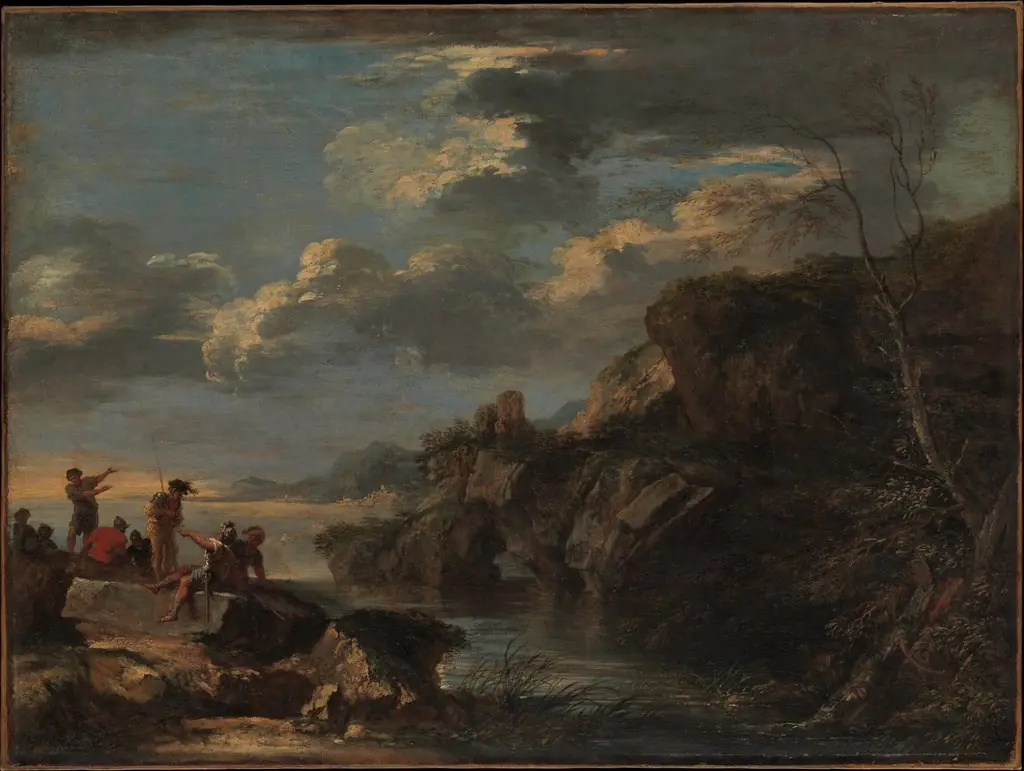
Salvator Rosa (1615 – 15 March 1673) is best known today as an Italian Baroque painter, whose romanticised landscapes and history paintings, often set in dark and untamed nature, exerted considerable influence from the 17th century into…

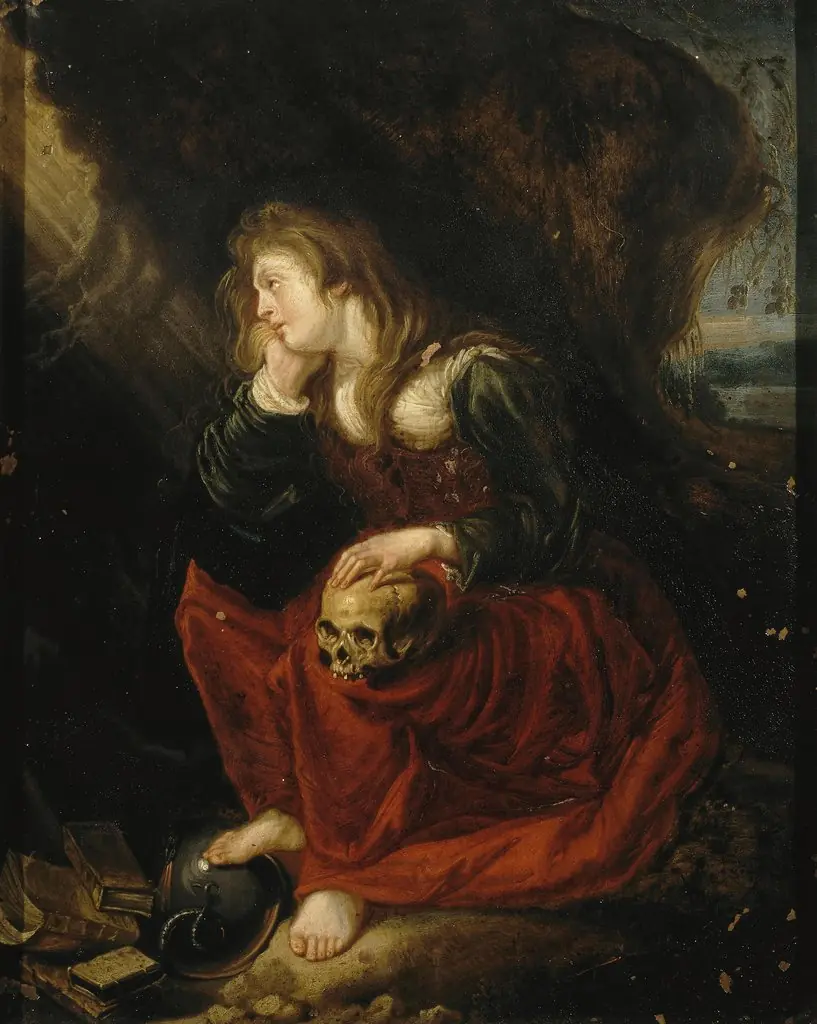
- Repentant Mary Magdalene
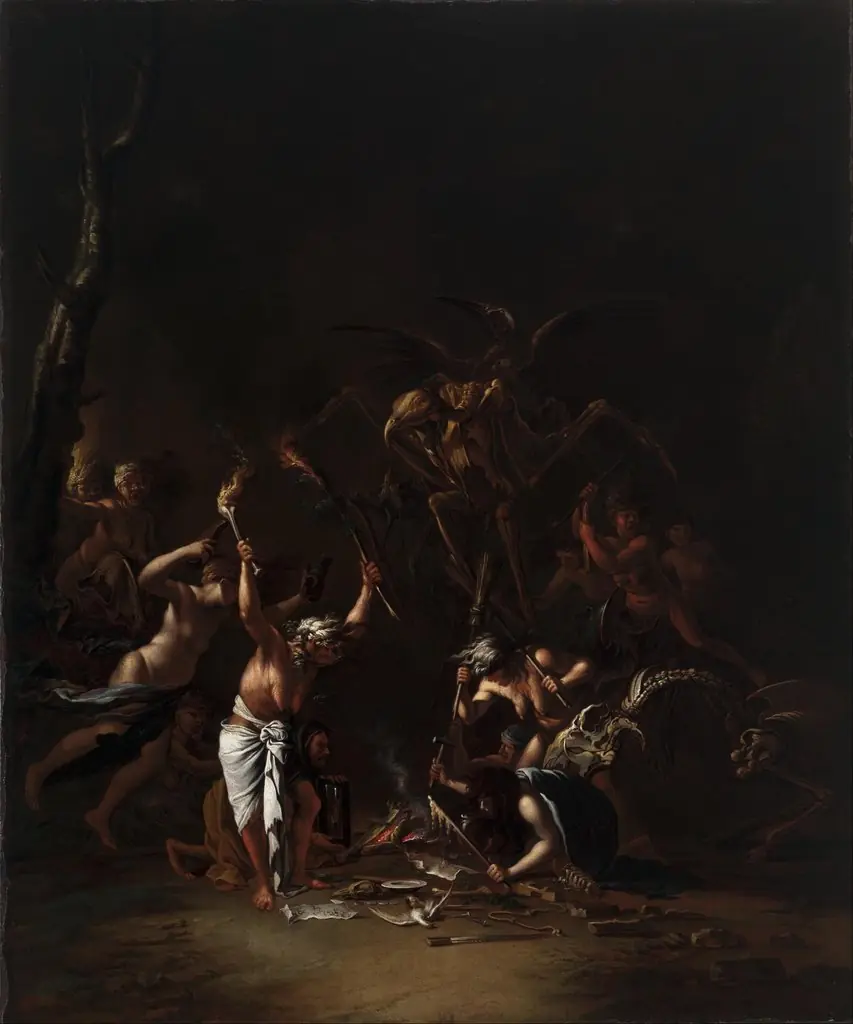 The Witches' Sabbath
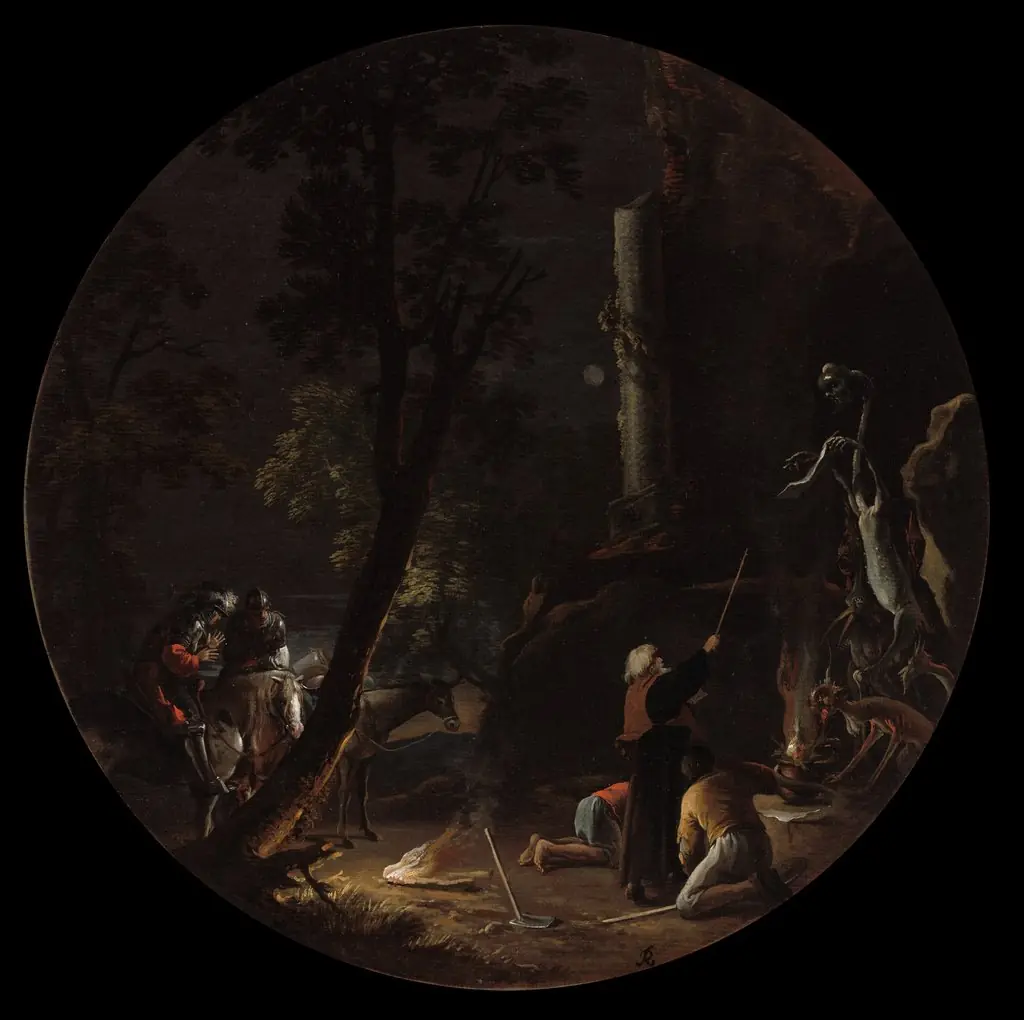
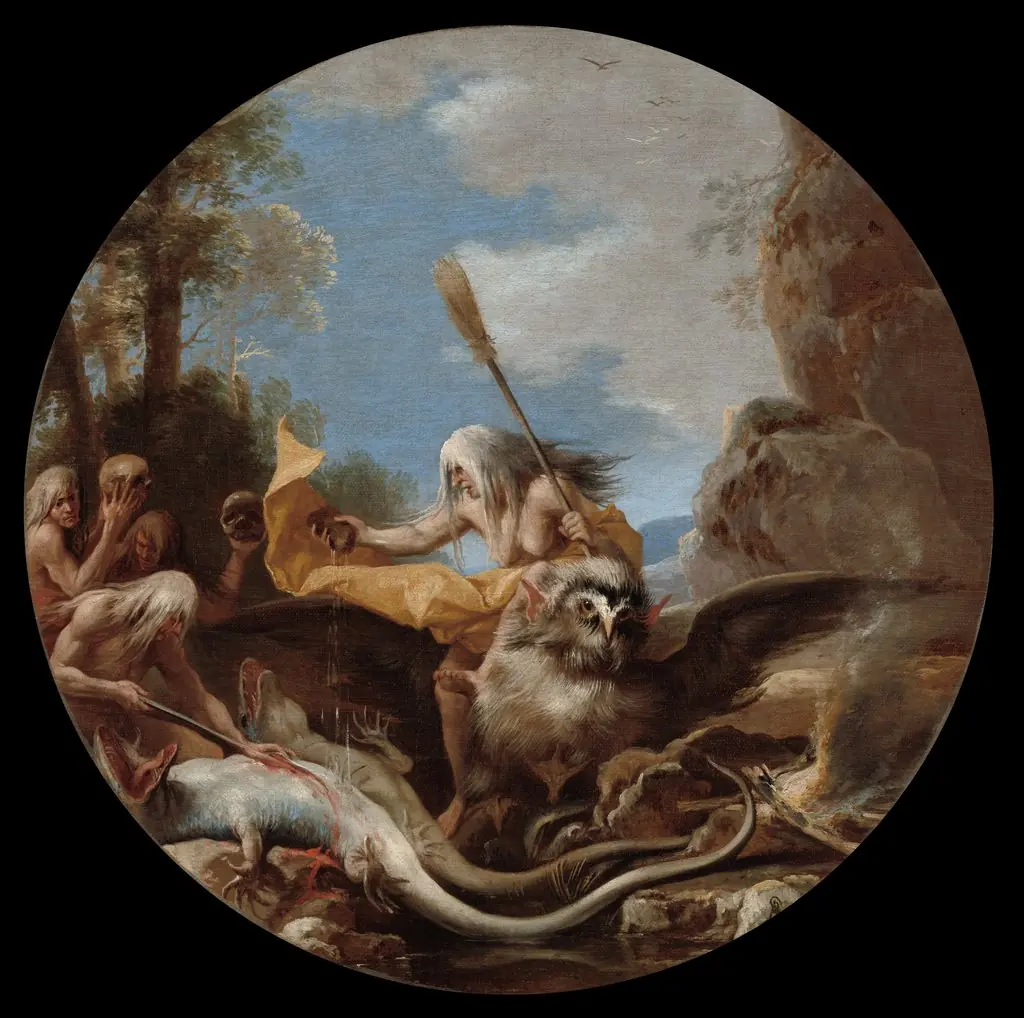
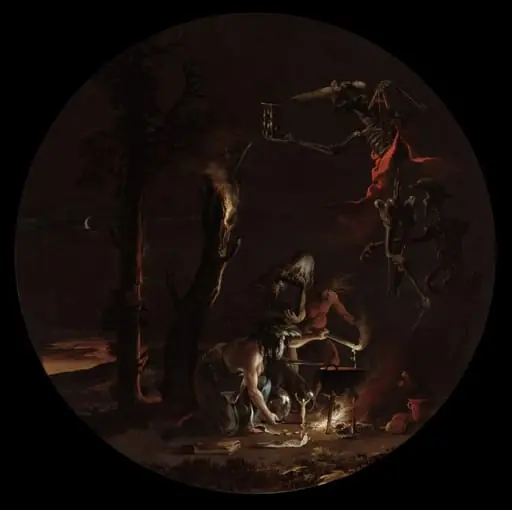 Scenes of Witchcraft: Evening
 Study for 'Minerva leading the Genius of the Arts into Immortality'
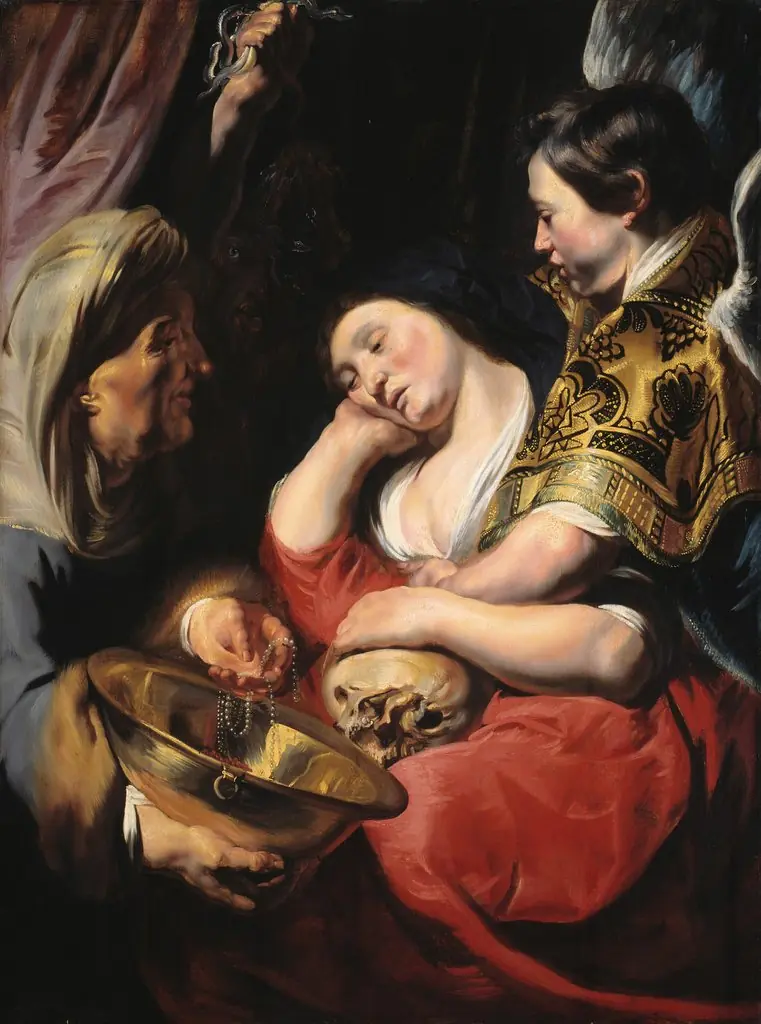 Temptation of Mary Magdalen
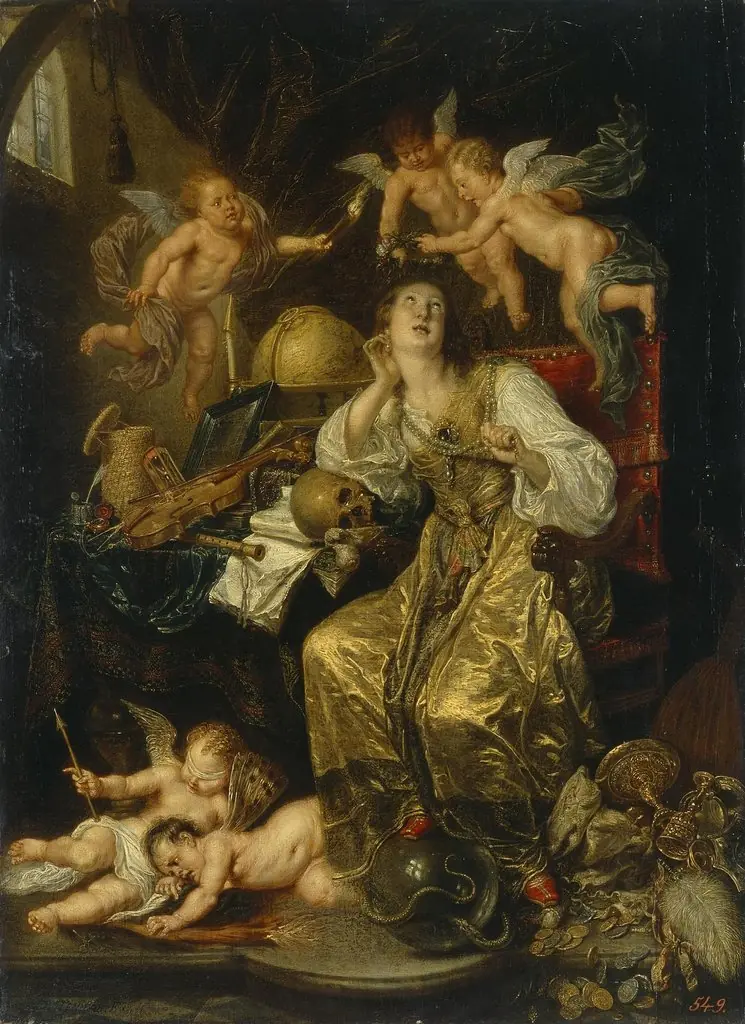 Allegory of Prudence Triumphing Over Vanity (Allegory of Faith)
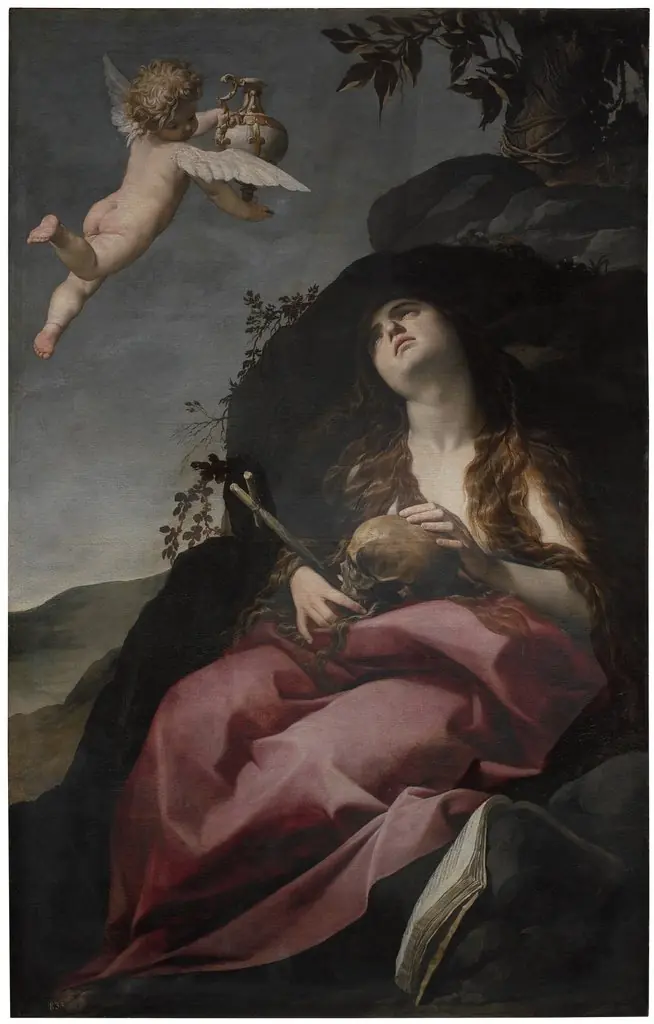 Penitent Magdalene
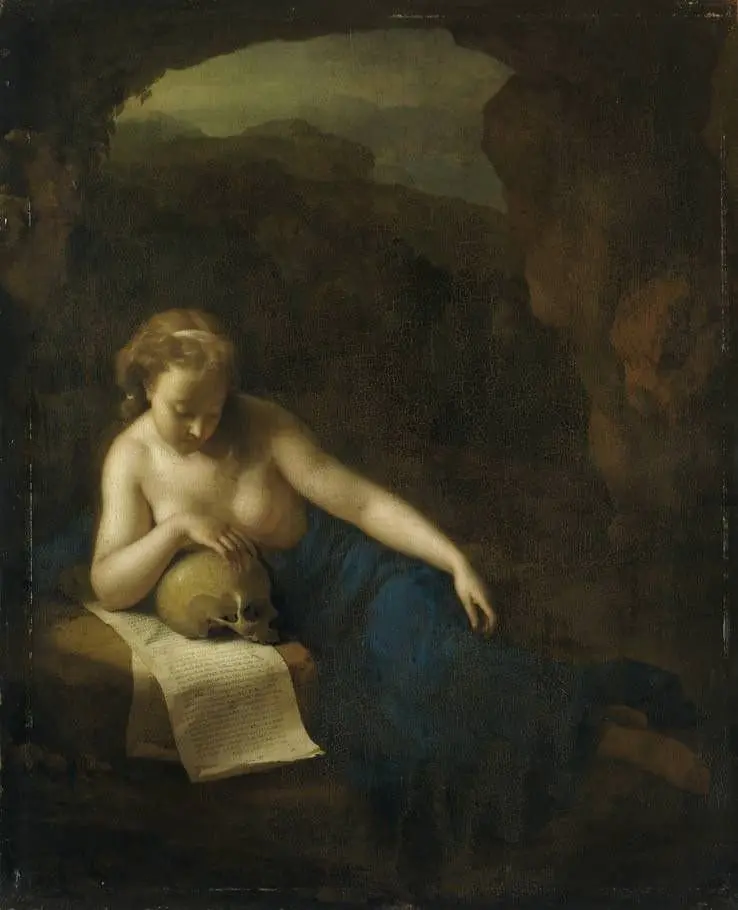 The penitent Mary Magdalene contemplating in the wilderniss
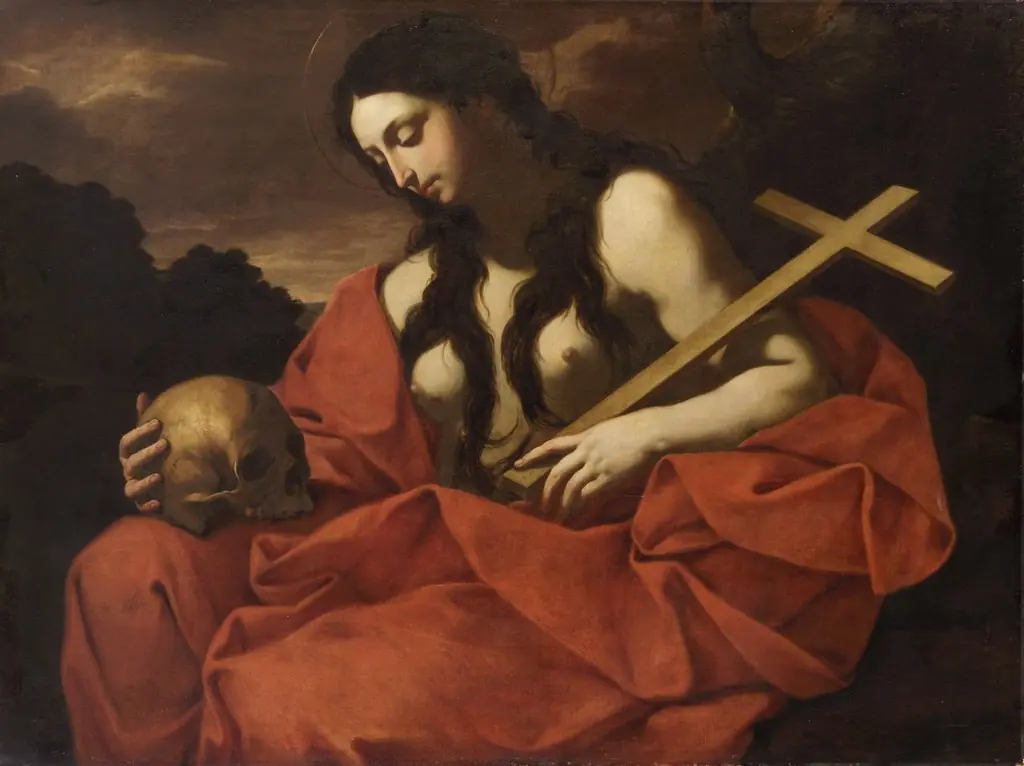 Penitent Mary Magdalene
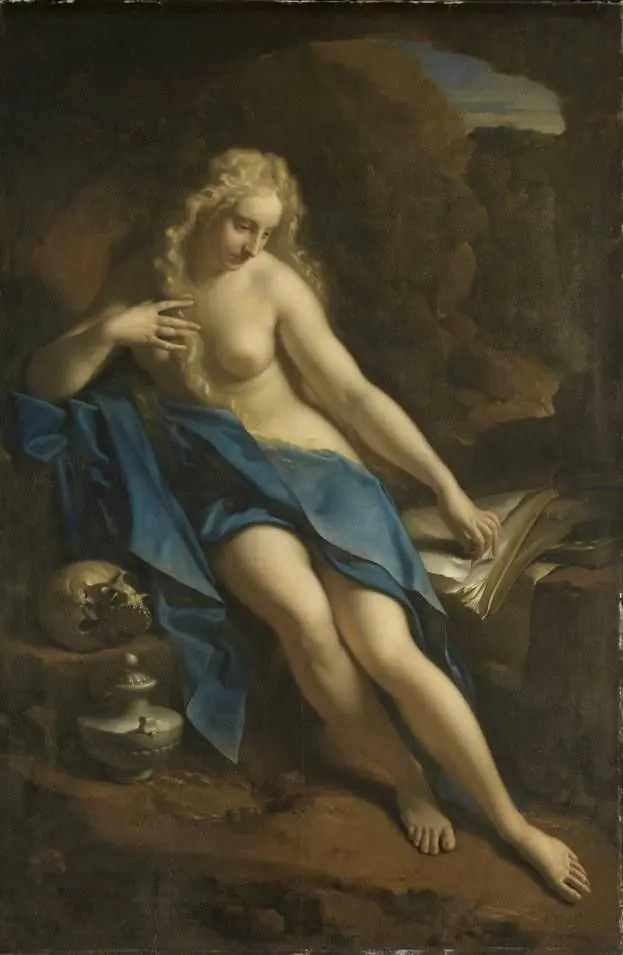 The penitent Mary magdalene in the wilderness
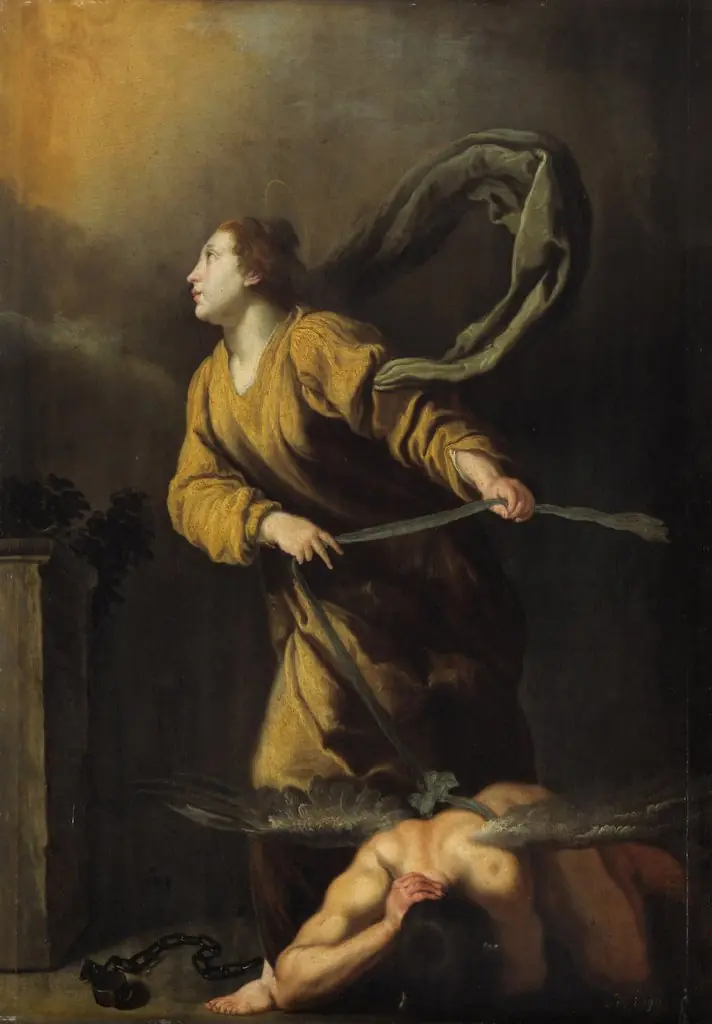 St. Juliana of Nicomedia defeats the devil
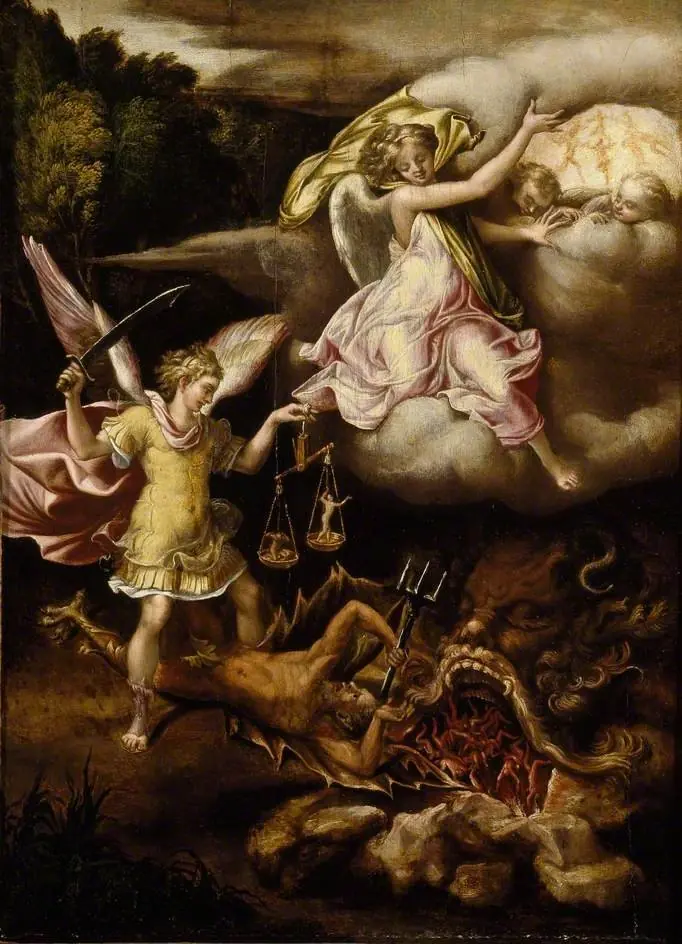 St Michael subduing Satan and weighing the Souls of the Dead