Artwork
Saint Matthew
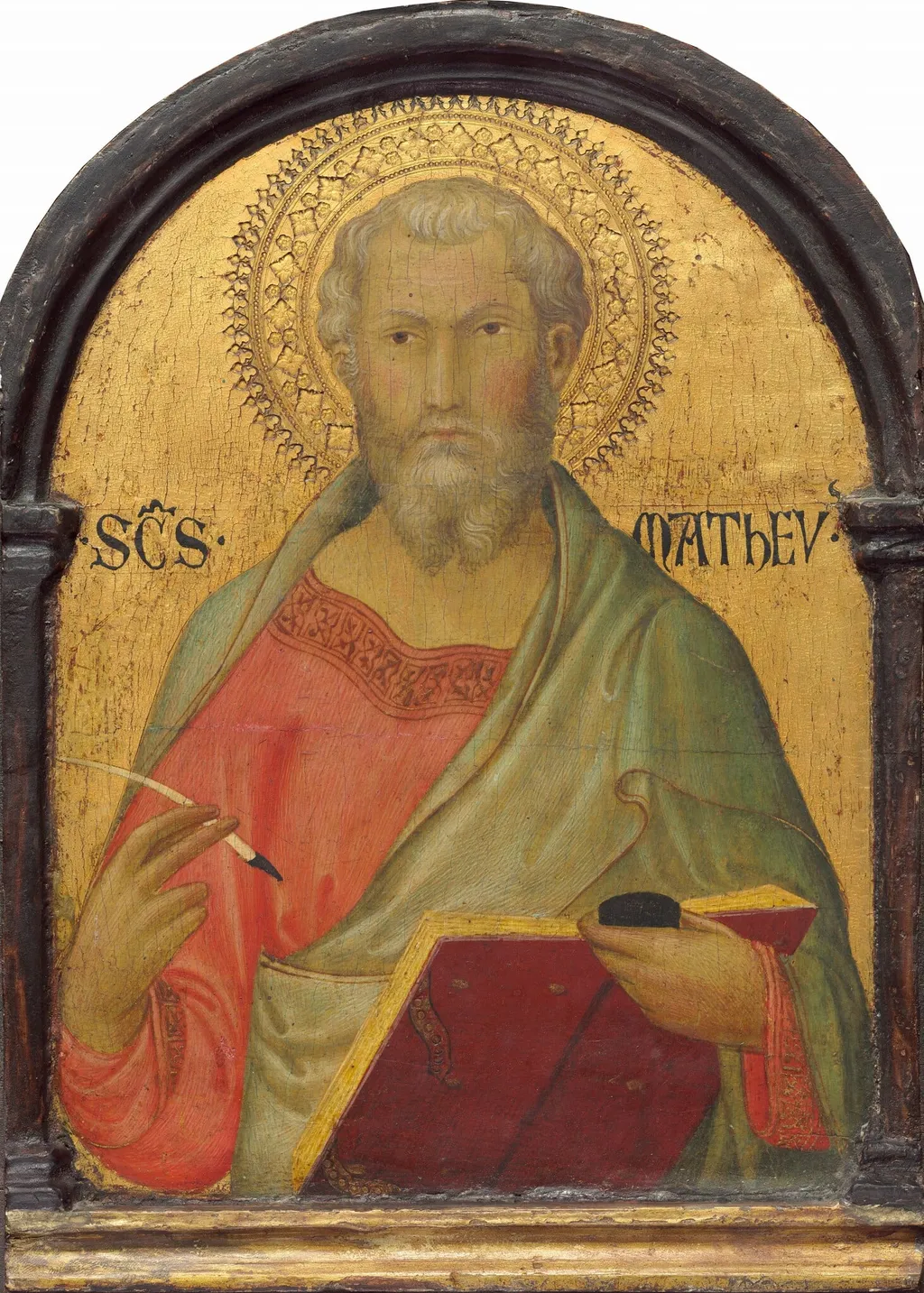
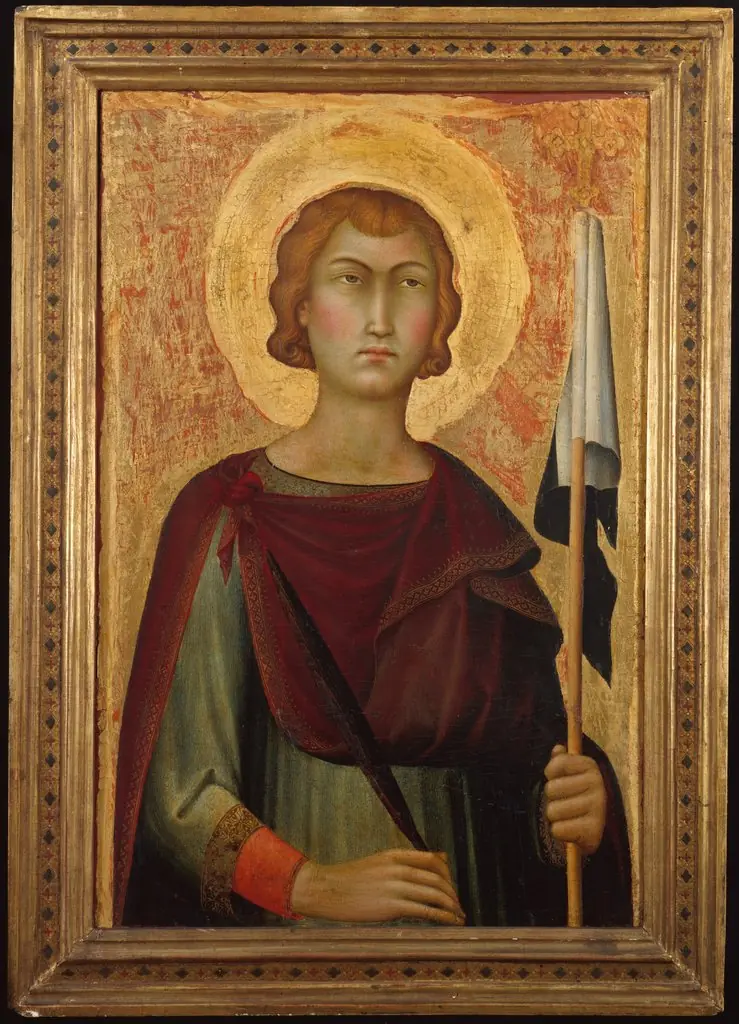
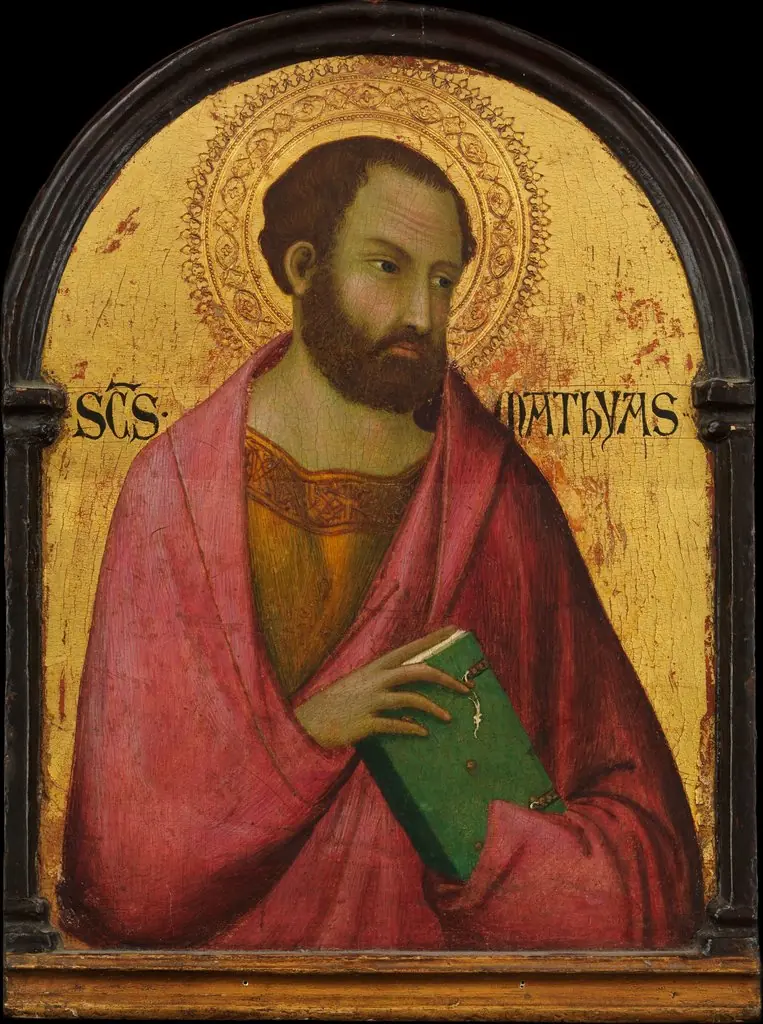
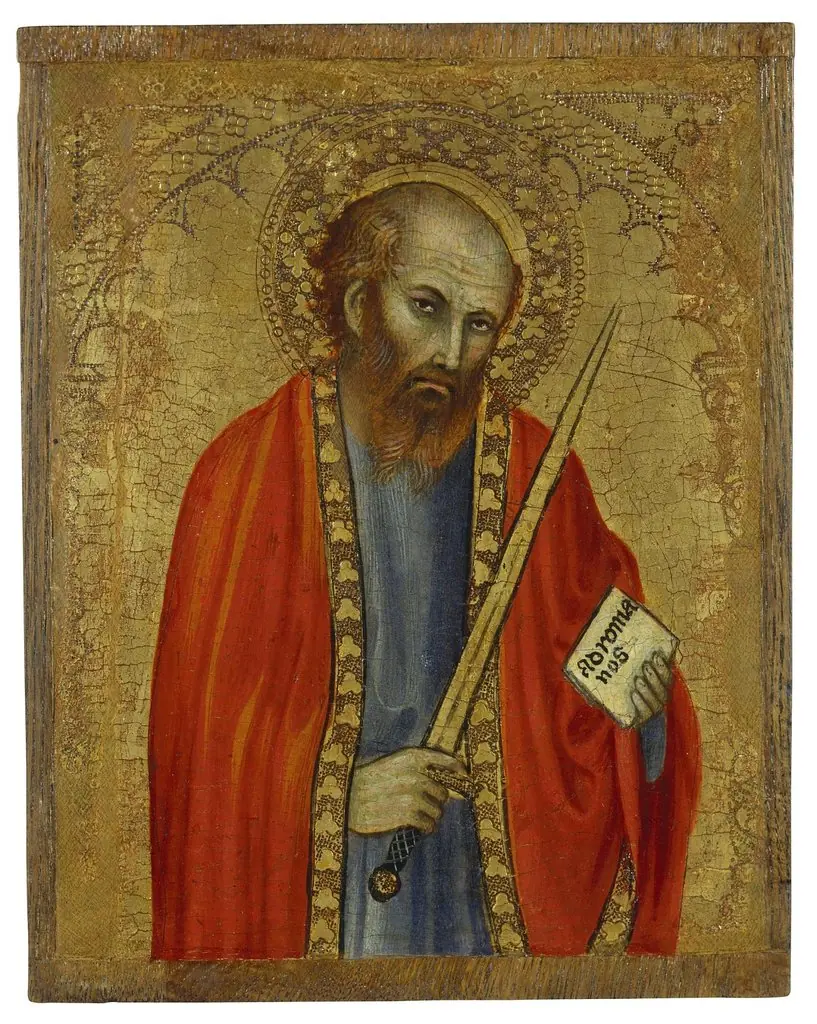
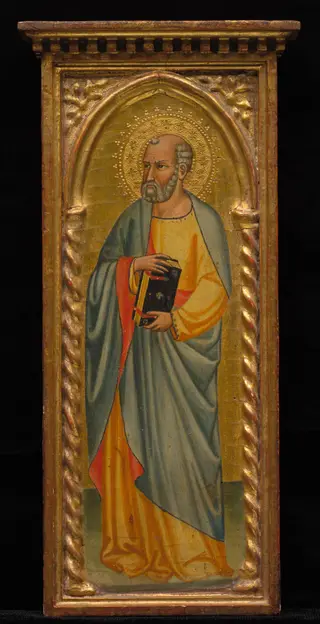
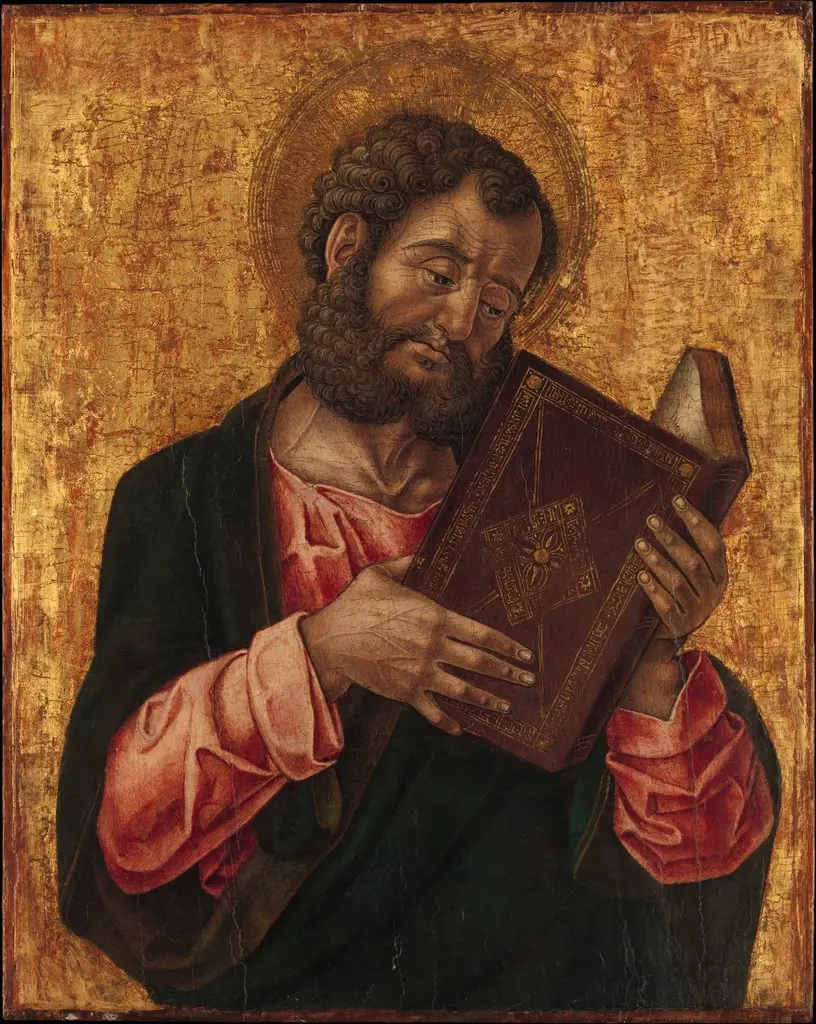
Saint Matthew is a tempera painting by the Sienese School artist Simone Martini. It dates from 1318 and is held in the collection of the National Gallery of Art.
- Inscription
- Inscribed:on the left side of the Saint: .SCS.; on the right side of the Saint: MAThEVs.
About this work
Subject & Meaning
As a panel painting created by Simone Martini in 1315, the work functions as a devotional image within the genre of religious art.
The artwork depicts Matthew the Apostle, a central figure in Christian religious art. As a panel painting created by Simone Martini in 1315, the work functions as a devotional image within the genre of religious art. The subject is identified specifically as the evangelist Matthew, representing his role among the apostles.
While the source material confirms the identity of the main subject and the painting's religious classification, it does not provide specific details regarding unique iconographic attributes, symbolic elements, or a deeper theological interpretation of this particular panel's meaning beyond its designation as a portrait of the saint.
History & Provenance
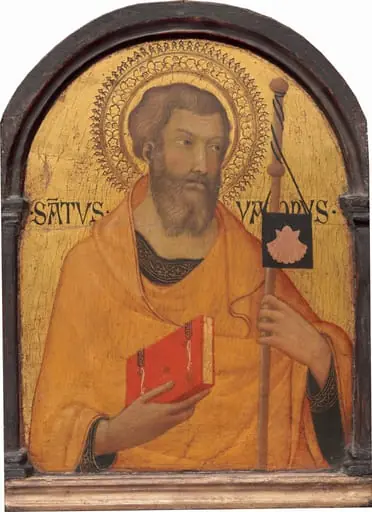
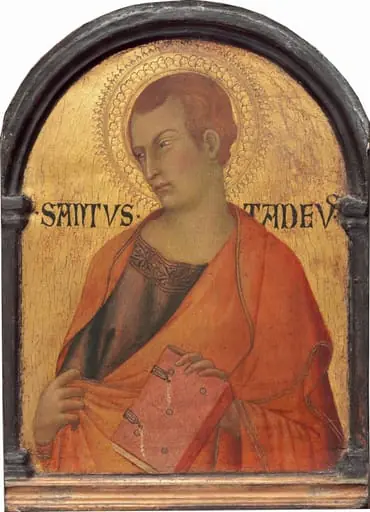
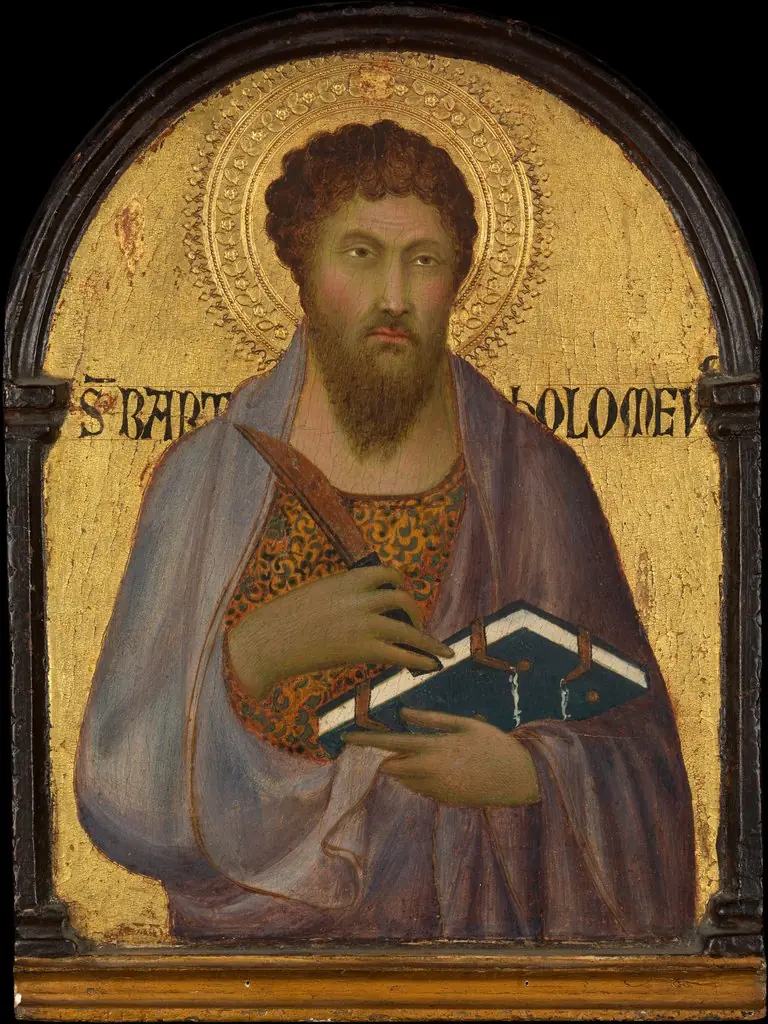
Simone Martini painted Saint Matthew circa 1315 as part of a ten‑panel series, likely executed in Siena. The work entered the collection of Johann Anton Ramboux in Cologne between 1832 and 1842, forming part of his early Italian holdings. Following Ramboux’s death, the panels were sold at his estate auction in May 1867 (lot 75) and subsequently acquired by the Wallraf‑Richartz‑Museum, which deaccessioned the series in 1922‑1923.
The four panels that later reached the National Gallery of Art were purchased from the Lehman collection by Philip Lehman by 1928, then sold to the Samuel H. Kress Foundation in June 1943, and finally gifted to the museum in 1952.
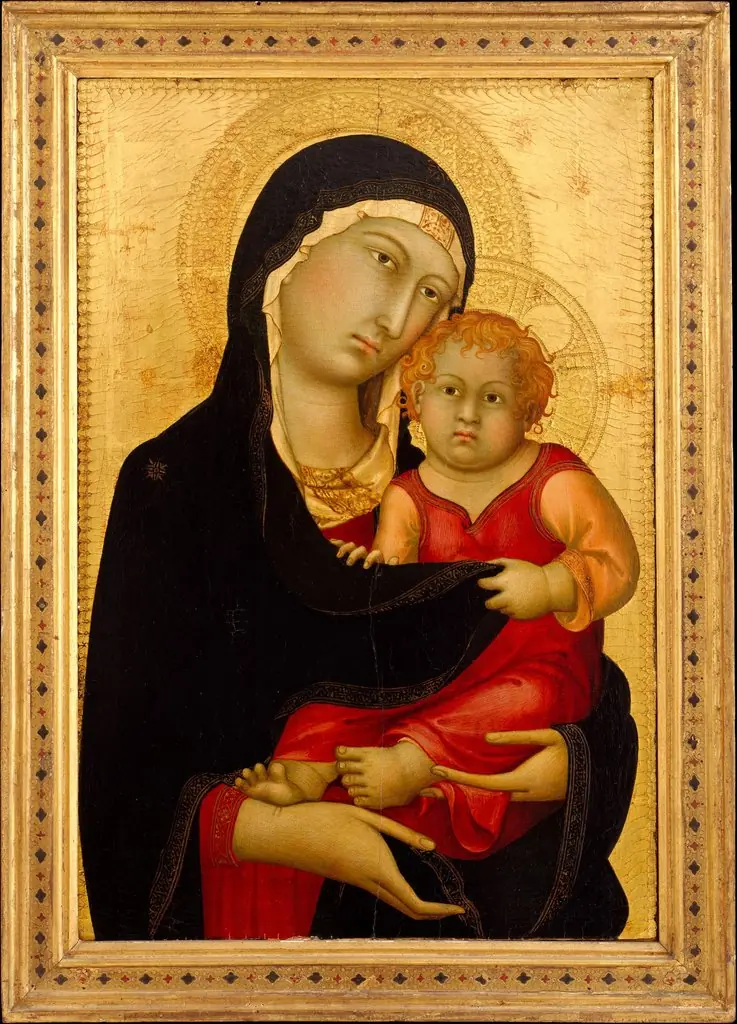
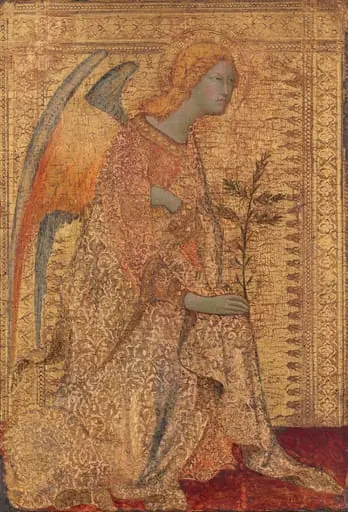
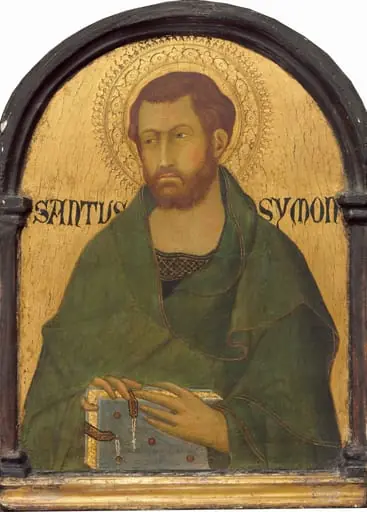
Saint Matthew by Simone Martini is held by the National Gallery of Art in Washington, D.C., as part of the Samuel H. Kress Collection, with the four panels from the series carrying the inventory numbers 1952.5.23-.26. The provenance traces the work to Johann Anton Ramboux of Cologne, who acquired the panel, together with six other components of the same series, presumably in Siena, between 1832 and 1842. After passing through his estate sale at J.M. Heberle in Cologne on 23 May 1867, the series was purchased by the Wallraf-Richartz-Museum, which deaccessioned it in 1922–1923.
The four NGA panels were acquired by Philip Lehman of New York by 1928, sold in June 1943 to the Samuel H. Kress Foundation, and given to the National Gallery of Art in 1952.
No exhibition history beyond the documented provenance transactions is recorded in the available sources.
Overview
Simone Martini's painting, Saint Matthew, created around 1318, is a tempera on panel work. This religious depiction portrays Matthew the Apostle, a significant figure in Christian tradition. The artwork showcases Martini's distinctive style and the prevalent artistic techniques of the early fourteenth century, offering a glimpse into devotional art of the period.
Technique & Style
Executed in tempera on panel, this painting exemplifies a common medium of the era. Tempera involves mixing pigments with an egg yolk binder, a technique known for producing vibrant, luminous colors and durable surfaces. This method allowed for the meticulous detail seen in the saint's garments and the intricate halo, contributing to the artwork's lasting visual clarity and rich chromatic quality.
Own this work as a print
Artist & collection