Artwork
Two Shepherds and a Boy
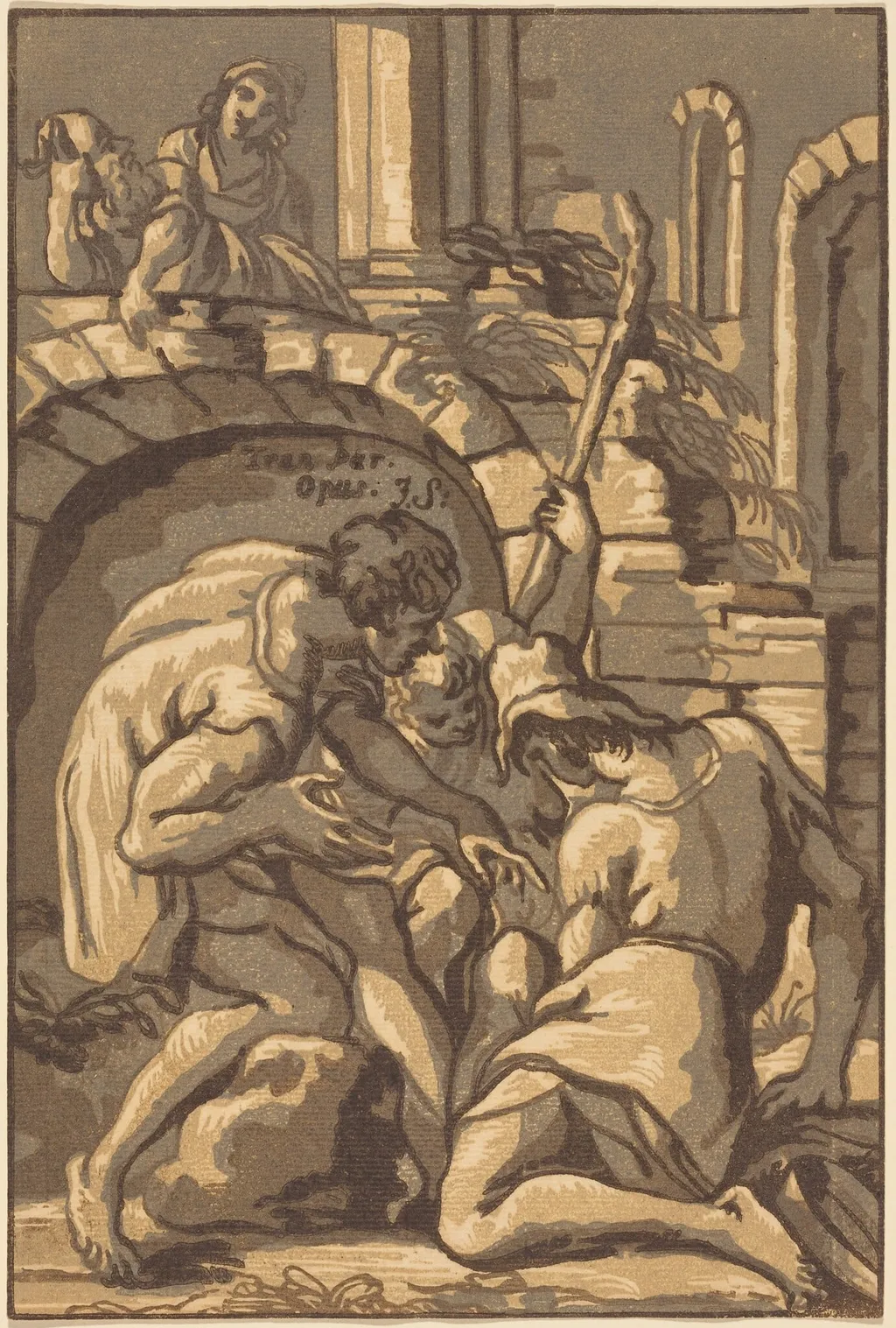
Two Shepherds and a Boy is an ink print by the Romanticist artist John Skippe. It dates from 1782 and is held in the collection of the National Gallery of Art.
- Inscription
- Inscribed:recto: in block at upper center: Trans. Par. / Opus J.S:; verso: in graphite, at bottom: 12844
About this work
Overview
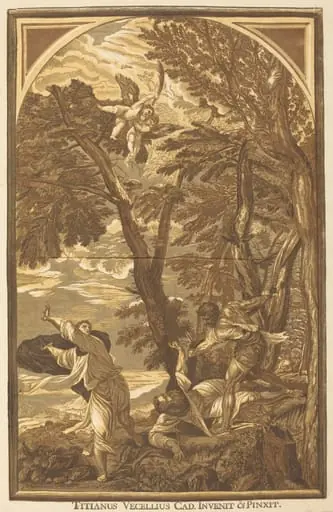
John Skippe’s 1782 work, Two Shepherds and a Boy, is a color chiaroscuro woodcut printed on laid paper. The image presents a quiet rural scene with three figures, a boy lying on the ground and two shepherds kneeling nearby, set against a backdrop of trees and rolling hills.
Subject & Meaning
The composition focuses on pastoral simplicity: the shepherds, dressed in modest attire, attend to the child in a tranquil landscape. The arrangement suggests a moment of care and repose, emphasizing the gentle relationship between the figures and their environment.
Technique & Style
Skippe employed the chiaroscuro woodcut method, using multiple blocks to introduce color and tonal contrast. The interplay of light and shadow creates a sense of volume, while the laid‑paper surface contributes to the work’s subtle texture and depth.
History & Provenance
Created in the late eighteenth century, the print reflects the period’s interest in rural genre scenes. It remains attributed to Skippe, an English printmaker known for his experiments with color woodcut techniques during this era.
Context
The piece aligns with contemporary tastes for bucolic subjects that prefigure Romanticism’s fascination with nature and everyday life. Its use of chiaroscuro links it to earlier European print traditions that sought to simulate painterly effects in the medium of woodcut.
Own this work as a print
Artist & collection

 The Death of Saint Peter Martyr
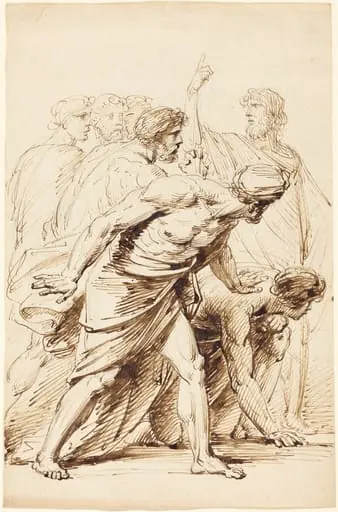 Seven Men in Antique Dress
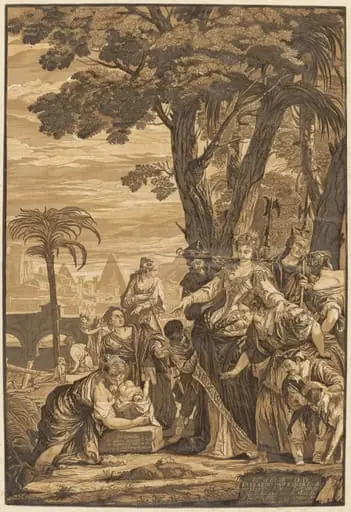 The Finding of Moses
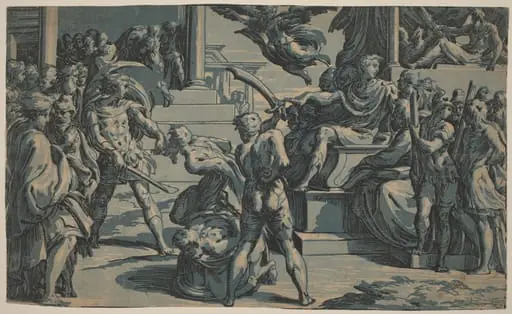 The Martyrdom of Saints Peter and Paul
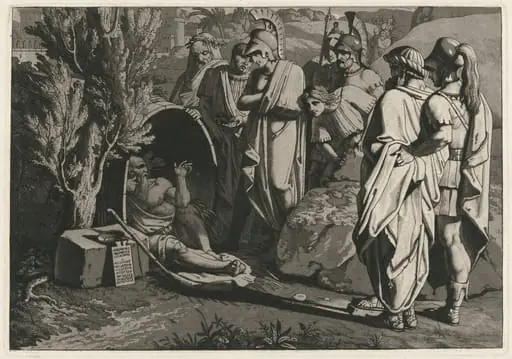 Diogenes in His Tub with Alexander and His Generals
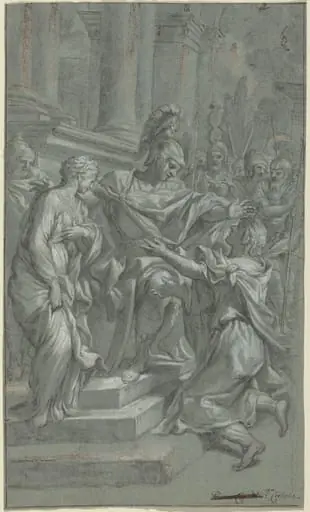 Scipio Restoring His Captive to Her Lover
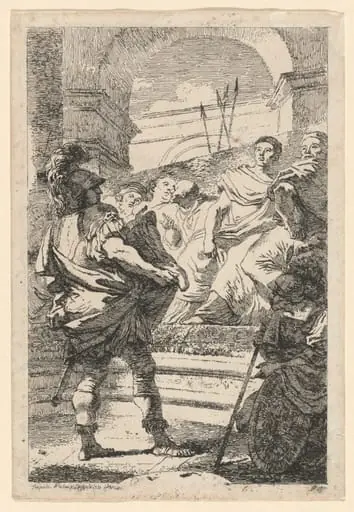 Mucius Scaevola
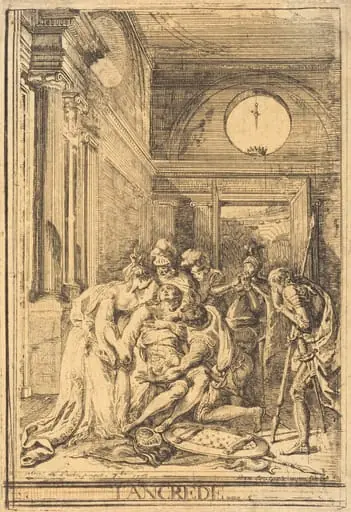 The Death of Tancred
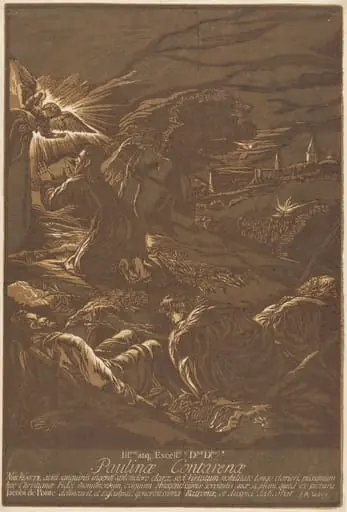
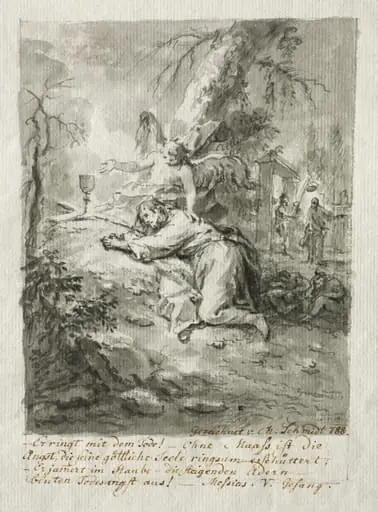 Christ on the Mount of Olives
 Melchisedech Blessing Abraham
 Bernardino
- Christ on the Mount of Olives