Artwork
Democritus, the Laughing Philosopher
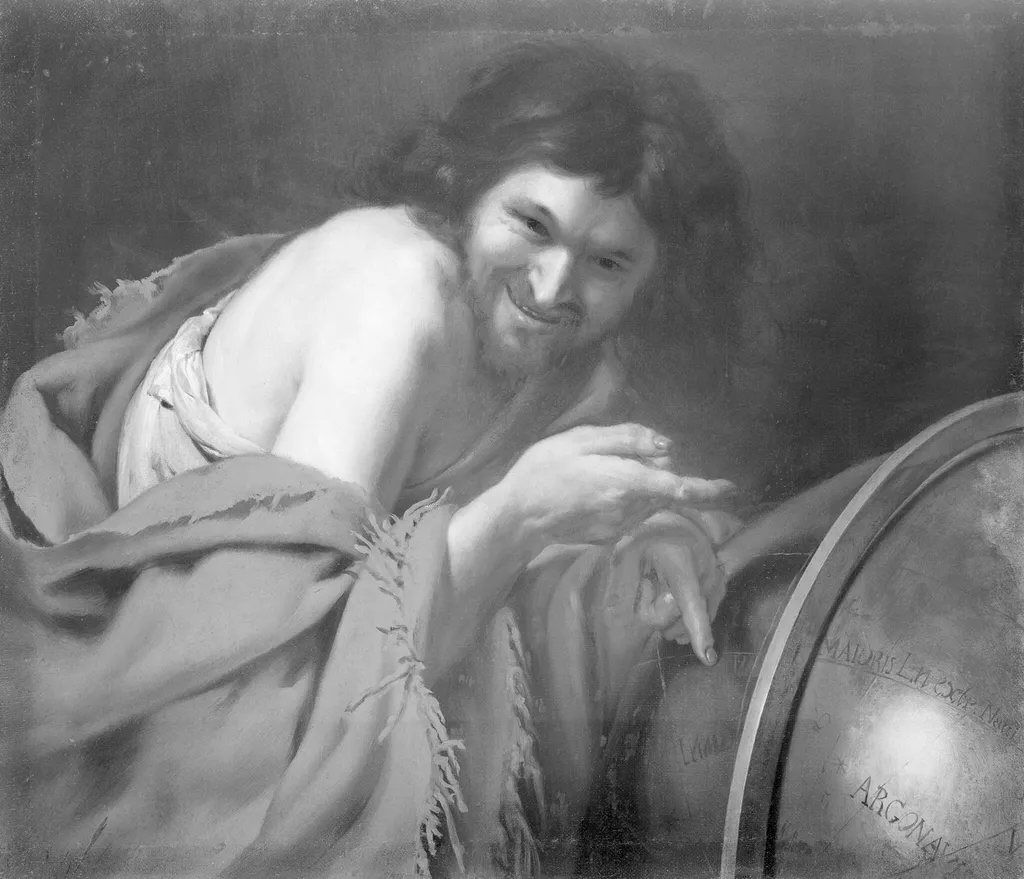
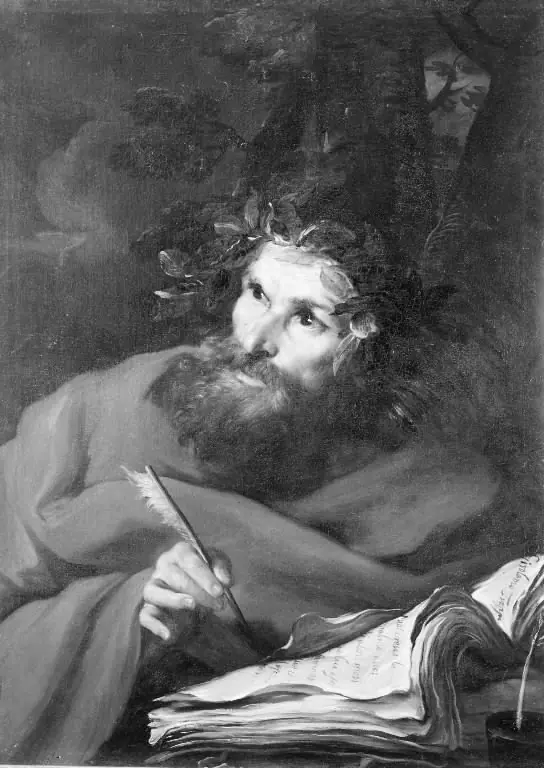
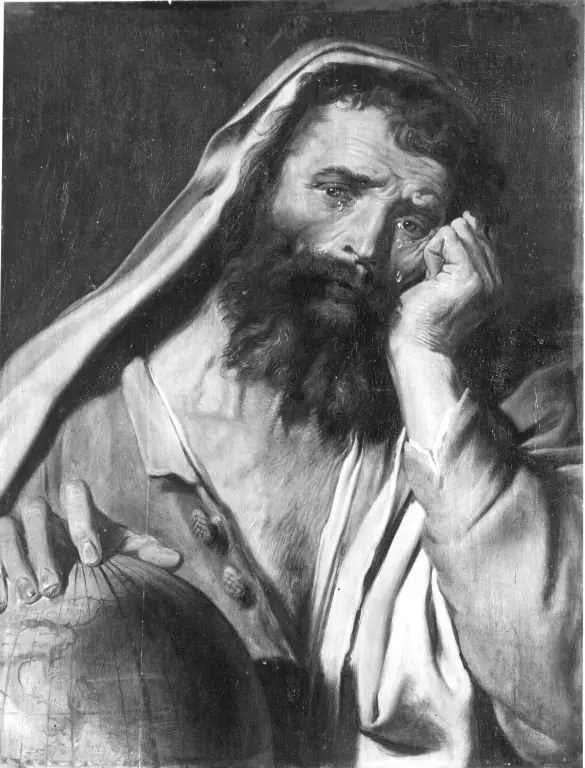
Democritus, the Laughing Philosopher is an oil painting by the Baroque artist Unknown. It dates from 1630 and is held in the collection of the Art Institute of Chicago. Created around 1630, this oil on canvas portrait depicts the ancient Greek thinker Democritus, renowned for his cheerful disposition.
- Accession no.
- 111427
- Credit line
- Gift in memory of Samuel Gans from his heirs
About this work
Overview
Created around 1630, this oil on canvas portrait depicts the ancient Greek thinker Democritus, renowned for his cheerful disposition. The work, attributed to a Spanish artist, is part of the collection at the Art Institute of Chicago.
Subject & Meaning
The figure is shown seated amid a modest interior, surrounded by books and scattered papers. Though captured in a moment of laughter, his gaze conveys a contemplative mood, suggesting an intellectual amusement that aligns with Democritus’s reputation as the "laughing philosopher."
Technique & Style
The painting employs chiaroscuro, using strong contrasts of light and shadow to model the sitter’s features and to give depth to the surrounding objects. This handling of illumination creates a quiet, intimate atmosphere while highlighting the texture of the canvas and the folds of the clothing.
History & Provenance
The canvas entered the Art Institute of Chicago’s holdings in the early twentieth century, though its precise acquisition path remains sparsely documented. Its attribution to a Spanish hand reflects stylistic affinities with mid‑seventeenth‑century Iberian portraiture.
Context
During the early Baroque period, portraiture often merged scholarly attributes with emotive expression. This work reflects that trend, presenting a philosopher not only as a thinker but also as a person capable of mirth, thereby humanizing the classical subject for contemporary viewers.
Artist & collection