Artwork
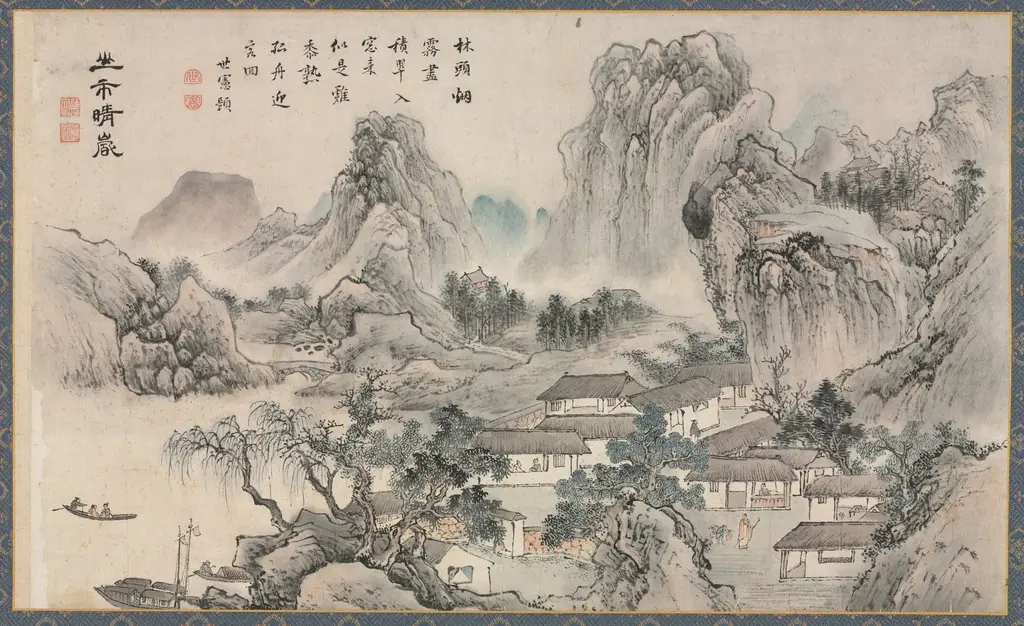
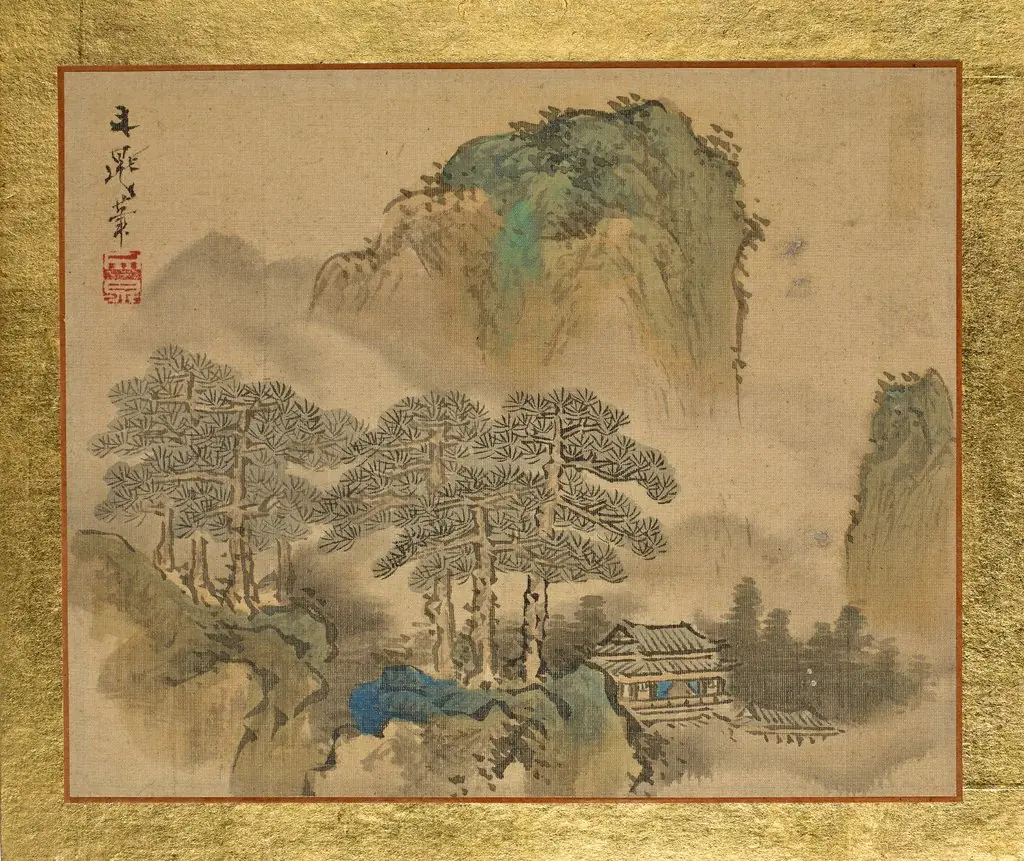
A House next to a Small Grove at the Shore in the Mist
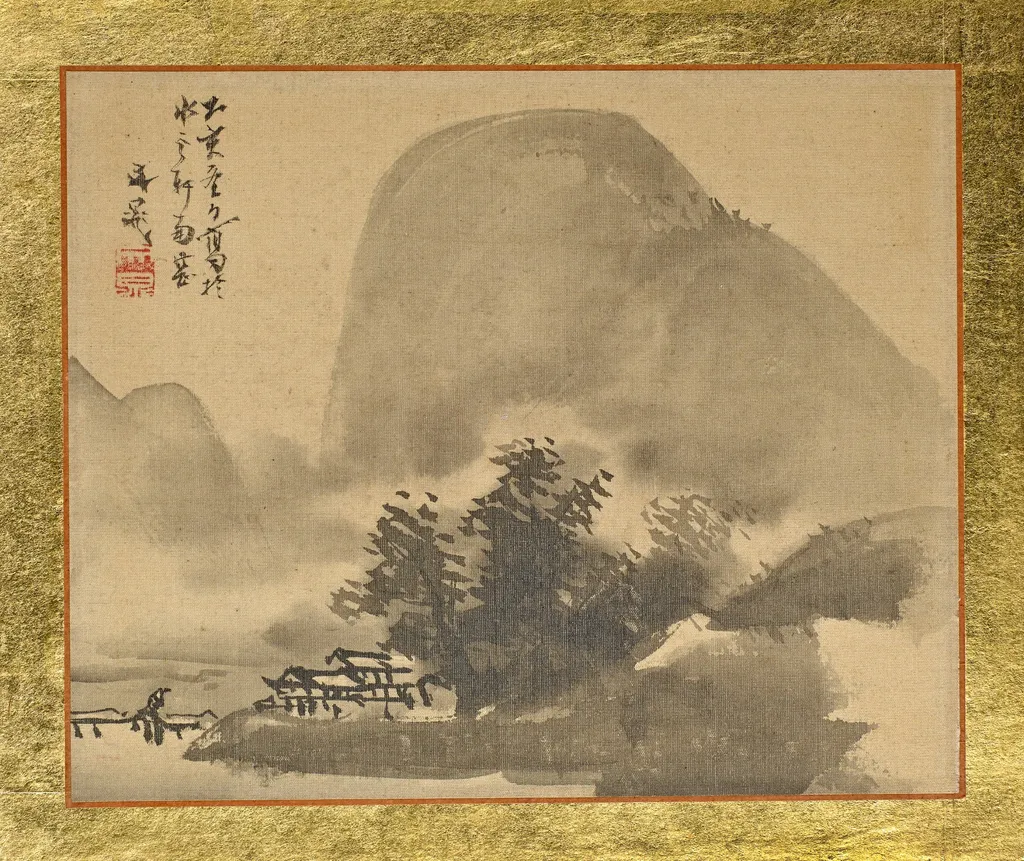
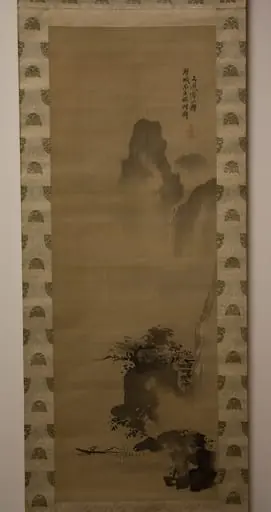
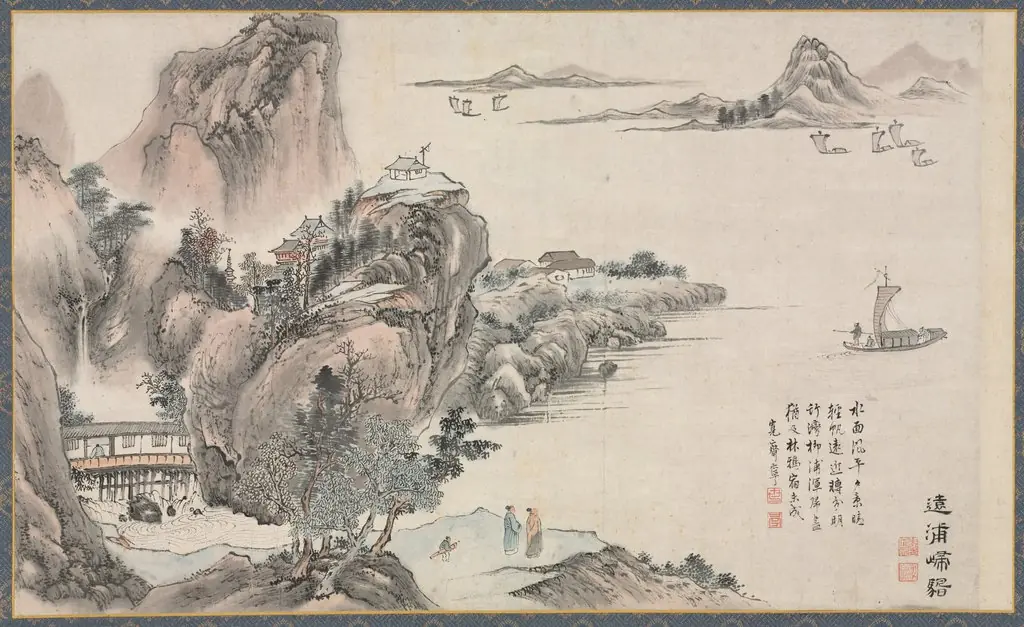
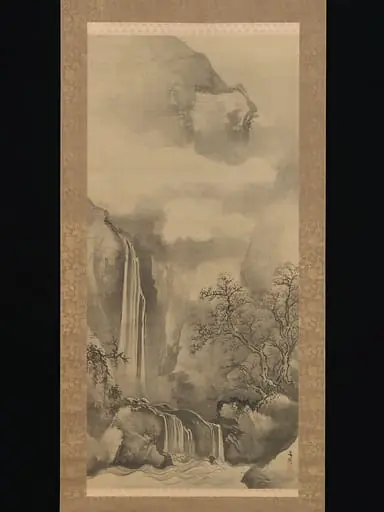
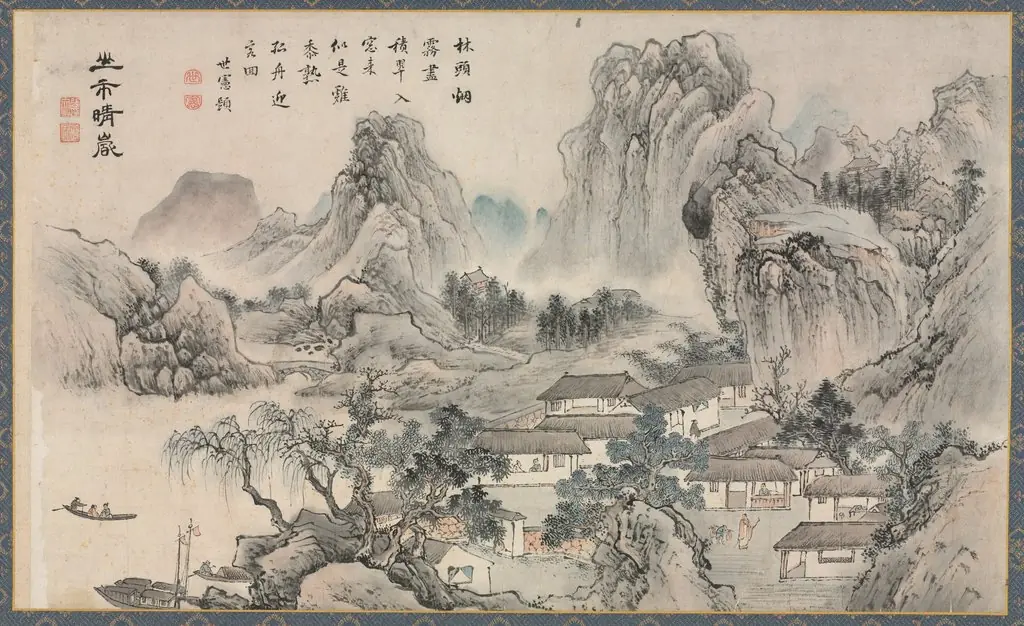
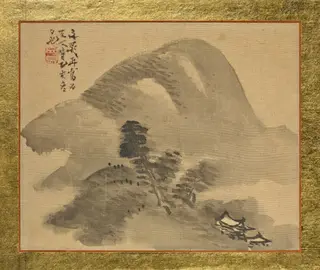
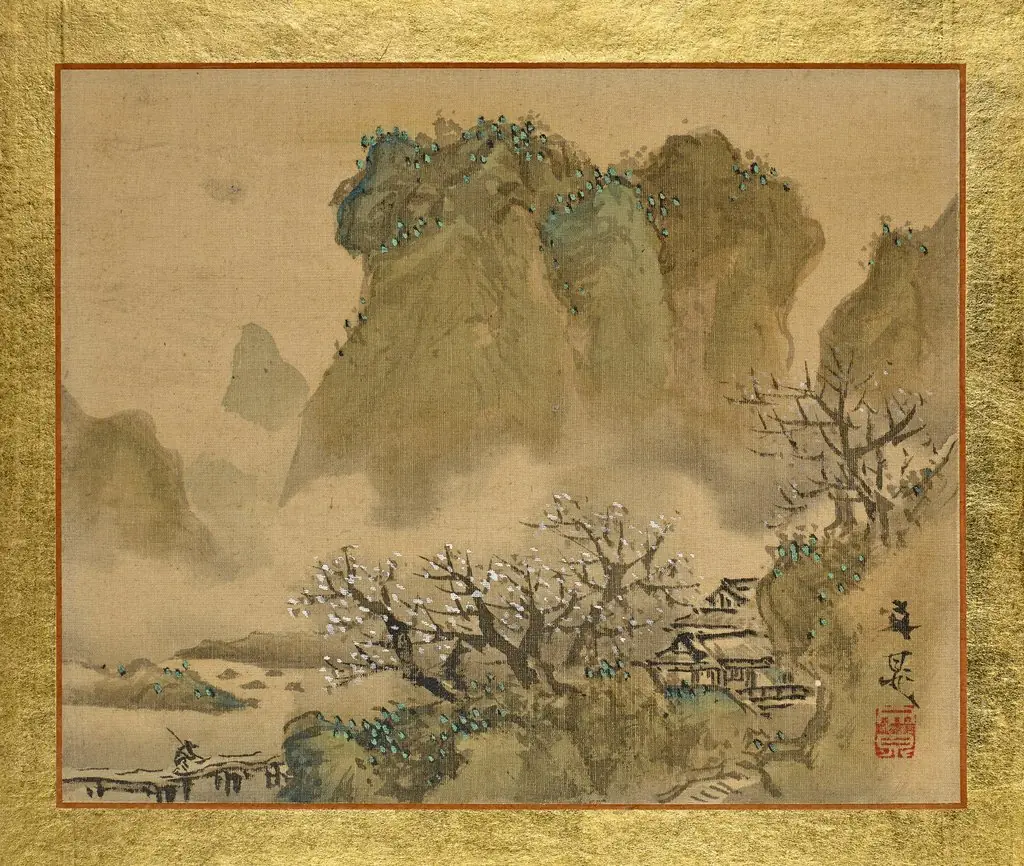
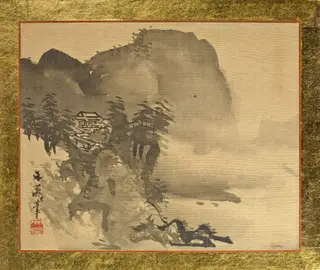
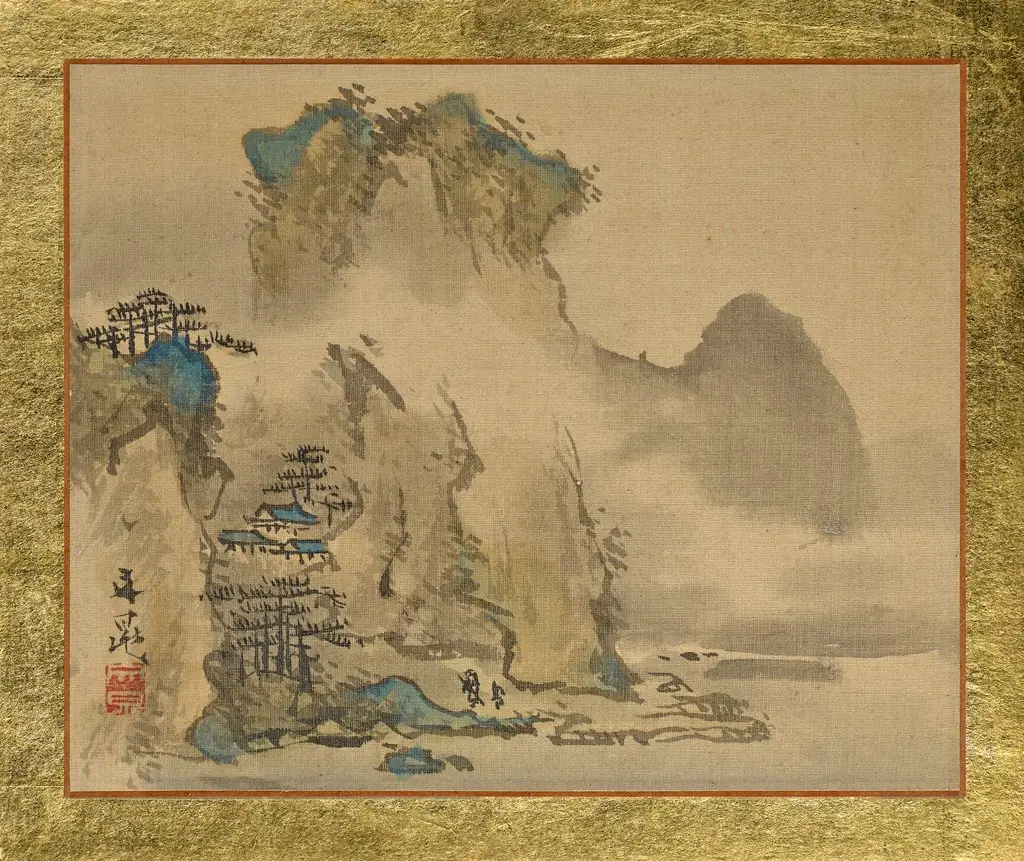
A House next to a Small Grove at the Shore in the Mist is an unspecified painting by the Nihonga artist Tani Bunchō. It dates from 1815 and is held in the collection of the Museum of Fine Arts, Houston.
About this work
This painting is called A House next to a Small Grove at the Shore in the Mist. It was created by Tani Bunchō in 1815. The artist worked during a time when Japanese art was evolving, and this piece reflects that change, showing a mix of traditional and new ideas.
You can learn more about this style by looking up the work of artist: Tani Bunchō (Japanese, 1763–1841).
Overview
Painted in 1815 by Tani Bunchō, this work depicts a modest dwelling near a dense cluster of trees along a mist-laden shoreline.
Painted in 1815 by Tani Bunchō, this work depicts a modest dwelling near a dense cluster of trees along a mist-laden shoreline. Executed in ink and light color on paper, it captures a quiet moment in nature, blending observational realism with the atmospheric sensibility of Japanese literati traditions. The painting resides in the Museum of Fine Arts, Houston, as part of its East Asian collection.
Subject & Meaning
The scene presents a solitary house nestled beside a grove, softened by a veil of mist rolling in from the shore. Rather than emphasizing human activity, the composition invites contemplation of solitude and transience. The mist obscures boundaries between land, water, and sky, suggesting a Zen-inspired meditation on impermanence and the quiet harmony between human habitation and nature.
Technique & Style
Bunchō employed ink wash techniques refined from Chinese literati models, yet adapted them with a distinctly Japanese sensitivity to atmosphere. Delicate brushwork defines the grove’s foliage, while graded washes create the hazy horizon. Subtle color accents, pale greens and muted ochres, enhance the mood without overpowering the monochrome foundation, reflecting a balance between scholarly restraint and naturalistic observation.
History & Provenance
Created during the late Edo period, the painting emerged from a cultural moment when Japanese artists increasingly engaged with both indigenous traditions and imported Chinese aesthetics. Bunchō, a scholar-painter active in Kyoto, was known for his eclectic style. The work entered the Museum of Fine Arts, Houston’s collection through documented acquisitions in the 20th century, though its earlier ownership remains unrecorded in public sources.
Context
In early 19th-century Japan, urbanization and increased foreign contact prompted artists to reexamine classical forms. Bunchō, trained in both Chinese-inspired ink painting and native Japanese styles, represented a generation seeking synthesis. This painting reflects that tension, its quiet realism diverges from decorative trends of the time, aligning instead with scholarly ideals of understated expression and personal reflection.
Legacy
Tani Bunchō’s work, including this piece, contributed to the evolution of literati painting in Japan by bridging Chinese models with local sensibilities. Though not widely known outside specialist circles, his approach influenced later artists who valued emotional restraint and natural observation over ornamental flourish. This painting remains a quiet testament to the introspective currents within Edo-period art.
Own this work as a print
Artist & collection