Artwork
Mountain Landscape
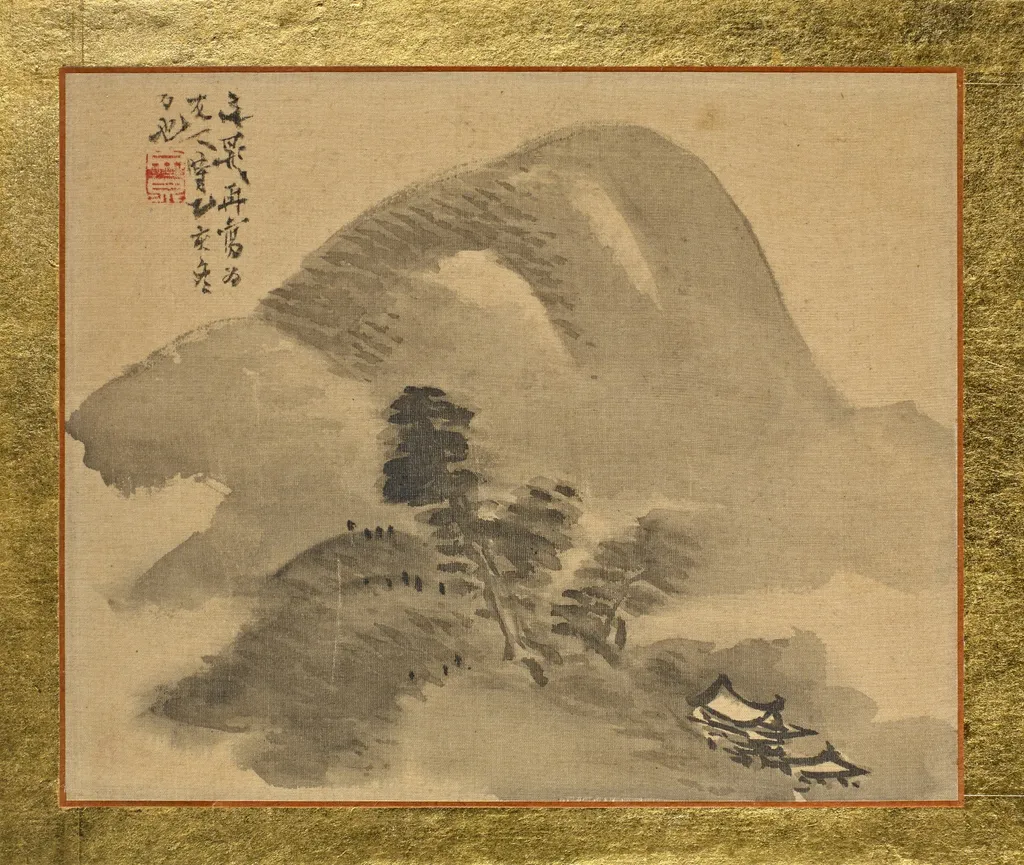
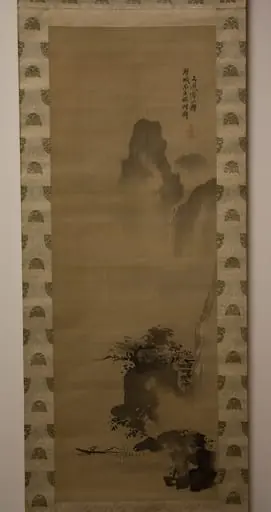
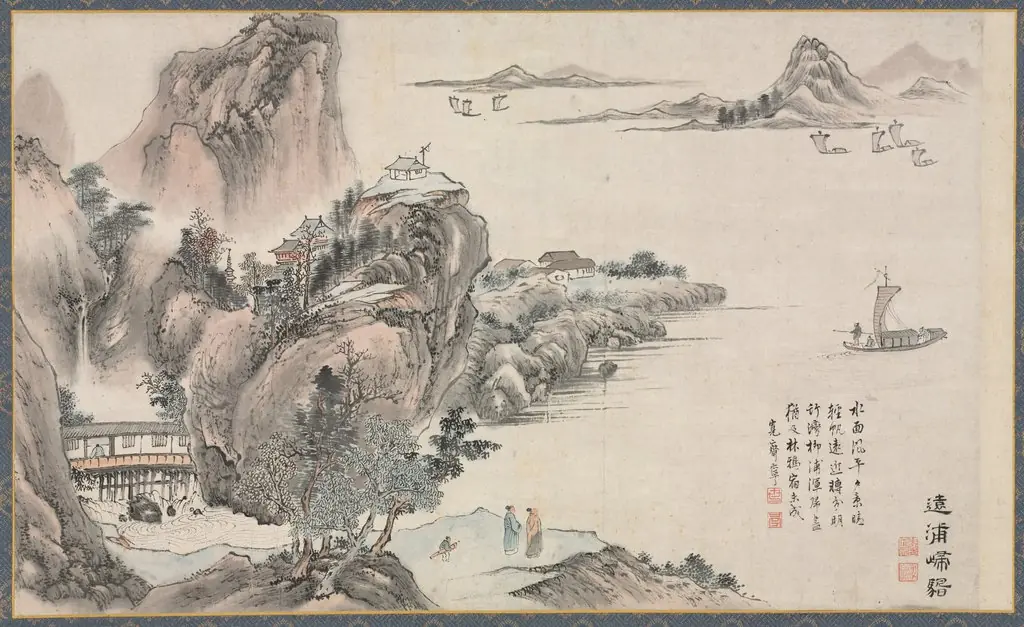
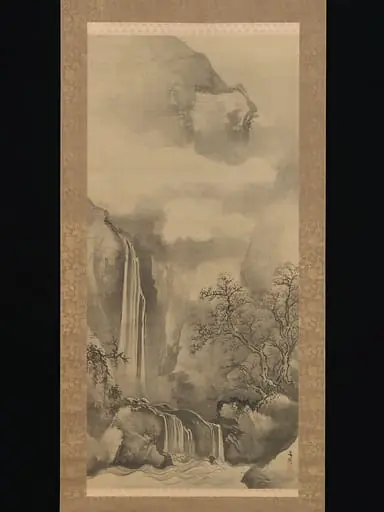
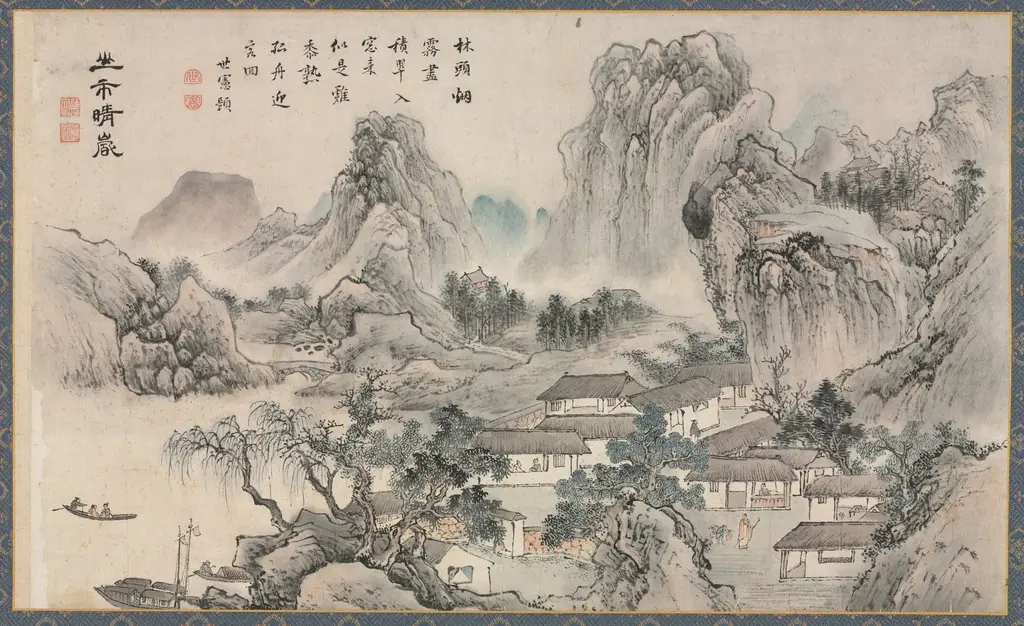
Mountain Landscape is an unspecified painting by the Nanga artist Tani Bunchō. It dates from 1815 and is held in the collection of the Museum of Fine Arts, Houston.
About this work
Overview
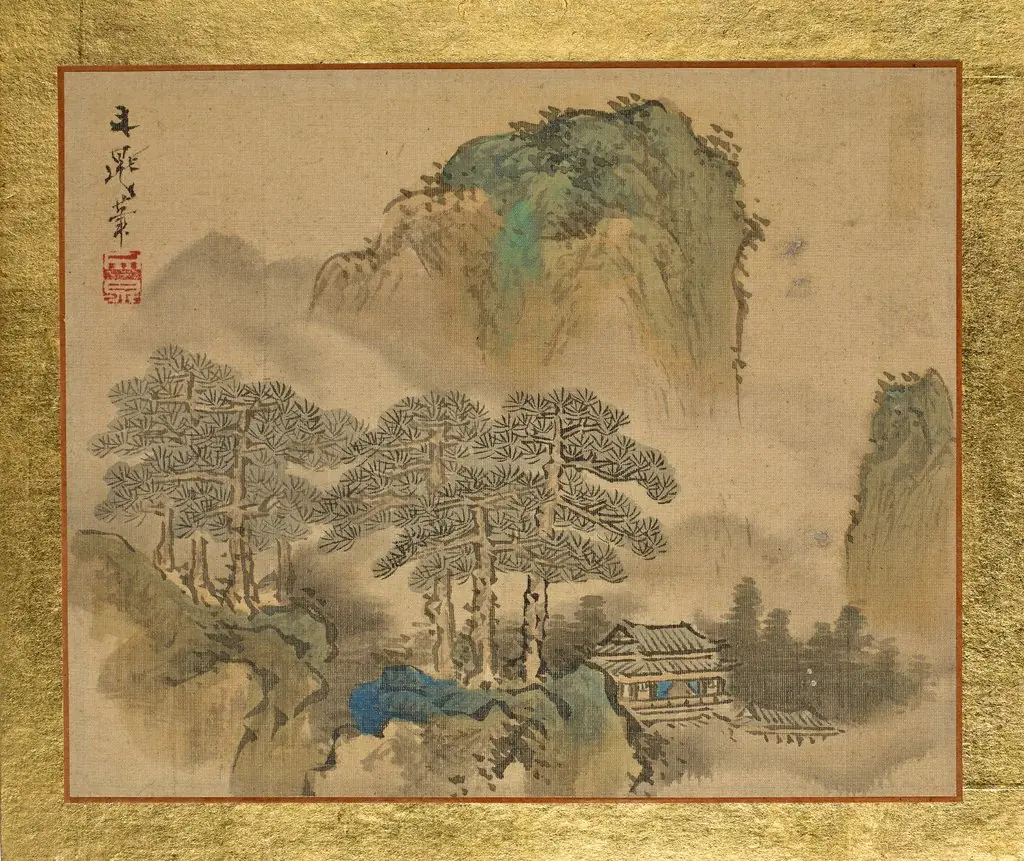
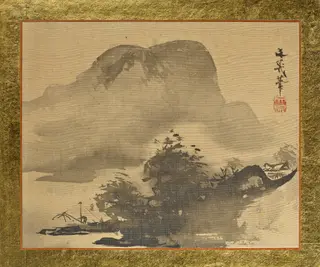
The composition centers on a dominant peak, flanked by a smaller ridge, with sparse foreground vegetation anchoring the viewer’s perspective.
Painted in 1815 by Tani Bunchō, this landscape depicts a quiet yet commanding mountain range. Executed in ink and subtle washes, the work emphasizes tonal variation over color, creating a meditative atmosphere. The composition centers on a dominant peak, flanked by a smaller ridge, with sparse foreground vegetation anchoring the viewer’s perspective. The piece resides in the Museum of Fine Arts, Houston, as part of its East Asian collection.
Subject & Meaning
The scene presents a solitary mountain range, devoid of human presence or narrative elements. This absence reflects a Zen-influenced aesthetic, where nature is contemplated for its own stillness and permanence. The balanced yet asymmetrical arrangement suggests harmony within natural order, aligning with traditional East Asian ideals of landscape as spiritual refuge rather than mere topography.
Technique & Style
Bunchō employed ink wash techniques to model form through gradations of gray, avoiding sharp outlines. Light and shadow are rendered with delicate layering, producing a sense of atmospheric depth. The brushwork is restrained yet precise, with minimal detail in the foreground trees serving to emphasize scale. This approach echoes Chinese literati traditions while maintaining a distinctly Japanese sensitivity to quietude and restraint.
History & Provenance
Created during the late Edo period, the painting reflects Bunchō’s engagement with both Chinese artistic models and indigenous Japanese sensibilities. It entered the Museum of Fine Arts, Houston’s collection through documented acquisition, likely as part of a broader effort in the 20th century to expand its holdings of East Asian ink paintings. Its provenance prior to museum acquisition remains unrecorded in public sources.
Context
Tani Bunchō worked in a period when Japanese artists were reinterpreting Chinese ink painting traditions through local lenses. While many contemporaries embraced color and decorative styles, Bunchō remained committed to monochrome landscapes as vehicles for introspection. This work aligns with scholarly circles that valued restraint, literary allusion, and the spiritual resonance of natural forms over literal representation.
Legacy
Though not widely exhibited outside specialized collections, the painting exemplifies the enduring influence of literati aesthetics in 19th-century Japan. Bunchō’s approach, blending technical discipline with philosophical quietude, contributed to a sustained tradition of ink landscape painting that influenced later generations of Japanese artists seeking alternatives to Westernizing trends.
Own this work as a print
Artist & collection