Artwork
Landscape
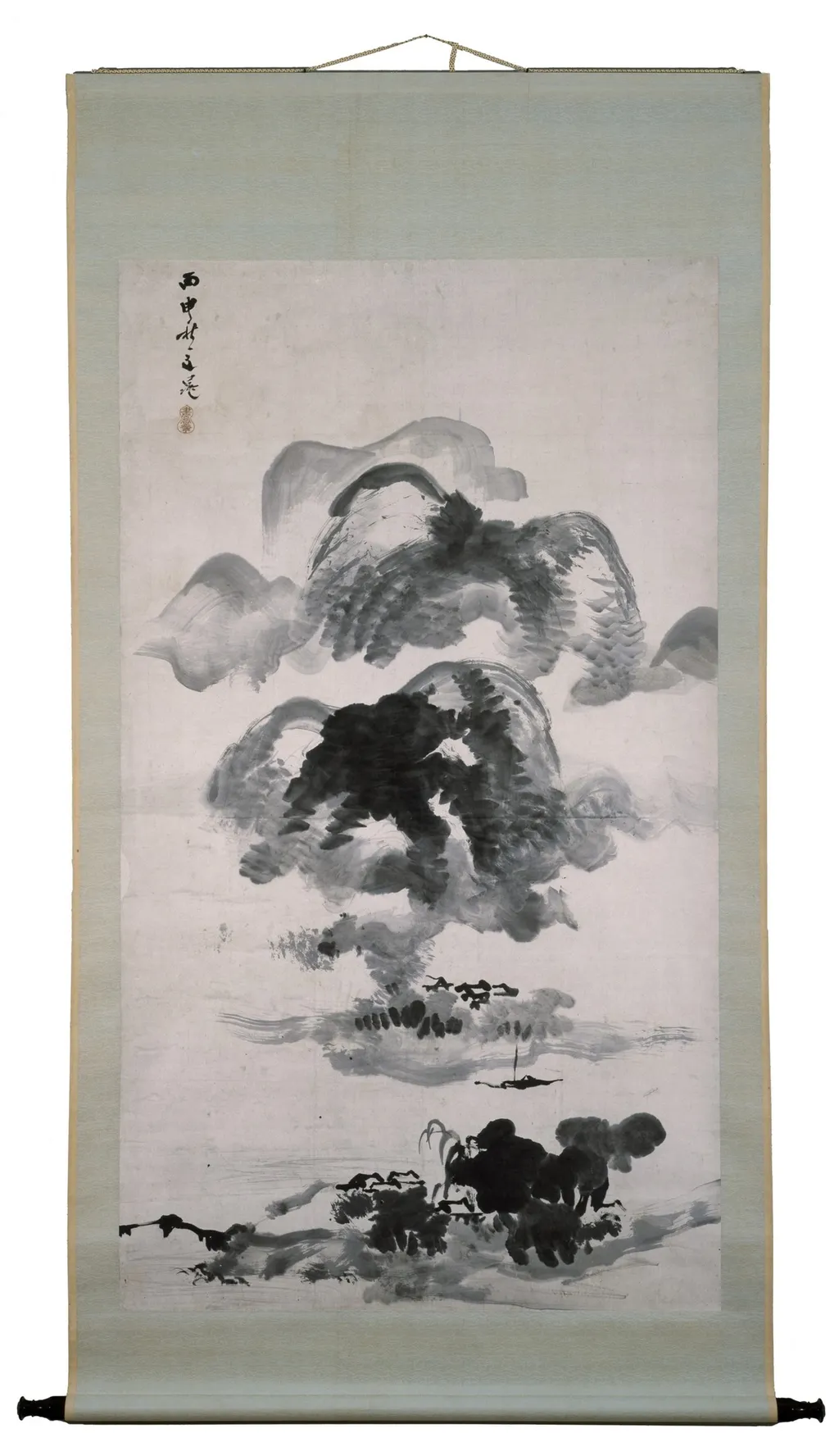
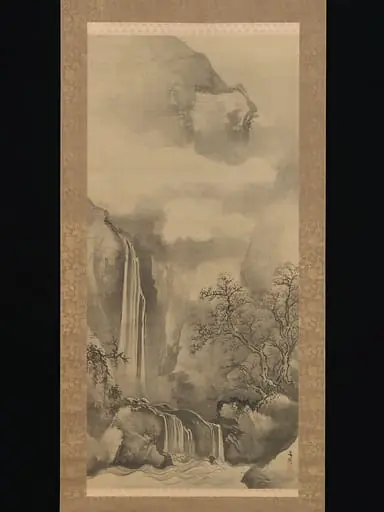
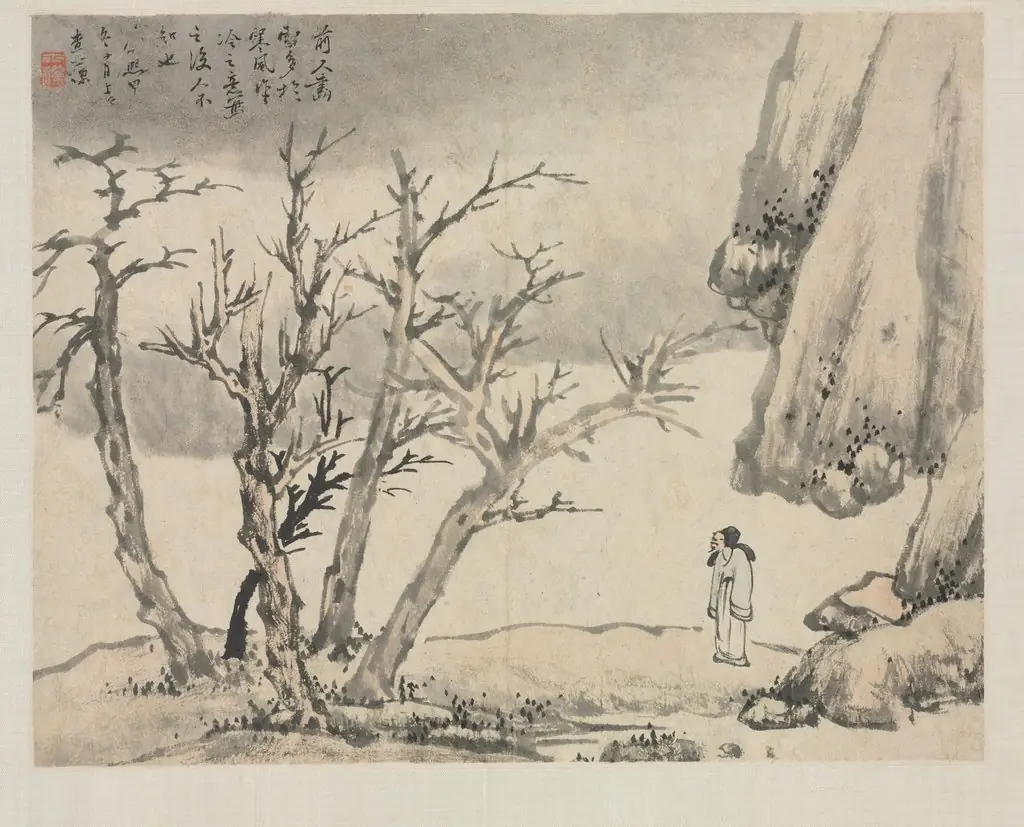
Landscape is an unspecified painting by the Nanga artist Tani Bunchō. It dates from 1812 and is held in the collection of the Museum of Fine Arts, Houston.
About this work
If you're interested in exploring more works like this, you might want to look up the artist Tani Bunchō (Japanese, 1763–1841).
This painting is a serene landscape with a large tree at its center. The tree's branches stretch upwards, and its roots extend into the ground. The background is a soft, muted color.
In the foreground, there are some plants and rocks that add texture and depth to the scene. The overall effect is one of calmness and tranquility.
If you're interested in exploring more works like this, you might want to look up the artist Tani Bunchō (Japanese, 1763–1841).
Overview
Painted around 1812 by Tani Bunchō, this landscape is a quiet contemplation of nature rendered in ink and color on paper. It belongs to the Museum of Fine Arts, Houston’s collection and exemplifies the artist’s engagement with both Japanese traditions and Chinese-inspired literati aesthetics. The composition avoids dramatic action, instead favoring stillness and balance.
Subject & Meaning
A solitary, ancient tree dominates the center, its gnarled roots anchoring it to the earth while its branches reach upward with restrained grace. Surrounding flora and scattered stones frame the scene without overwhelming it. The work evokes a sense of enduring presence, suggesting harmony between organic life and the quiet passage of time, a theme common in East Asian nature painting.
Technique & Style
Bunchō employed delicate ink washes and subtle tonal gradations to model forms, avoiding sharp outlines. The background fades into a soft, pale haze, enhancing depth without perspective. Textures in the foreground, rock surfaces, leaf clusters, are suggested with minimal brushwork, reflecting literati ideals of restraint and expressive economy over detailed realism.
History & Provenance
Created during the late Edo period, the painting reflects Bunchō’s synthesis of Chinese scholarly painting traditions with Japanese sensibilities. It entered the Museum of Fine Arts, Houston’s collection through documented acquisition, though its earlier ownership history remains unrecorded in public sources. Its preservation reflects continued appreciation for Edo-period ink landscapes.
Context
Tani Bunchō worked in a time when Japanese artists increasingly studied Chinese literati models, adapting them to local tastes. Unlike commercial ukiyo-e, his work appealed to educated elites who valued introspective, poetic imagery. This piece aligns with a broader movement toward personal expression in nature, distinct from courtly or religious themes prevalent earlier in the period.
Legacy
Bunchō’s landscapes, including this one, contributed to the evolution of Japanese ink painting beyond rigid academic styles. His emphasis on mood over detail influenced later generations of artists seeking authenticity in natural representation. Though not widely known outside specialist circles, his works remain important for understanding the diversity of Edo-period artistic practice.
Artist & collection


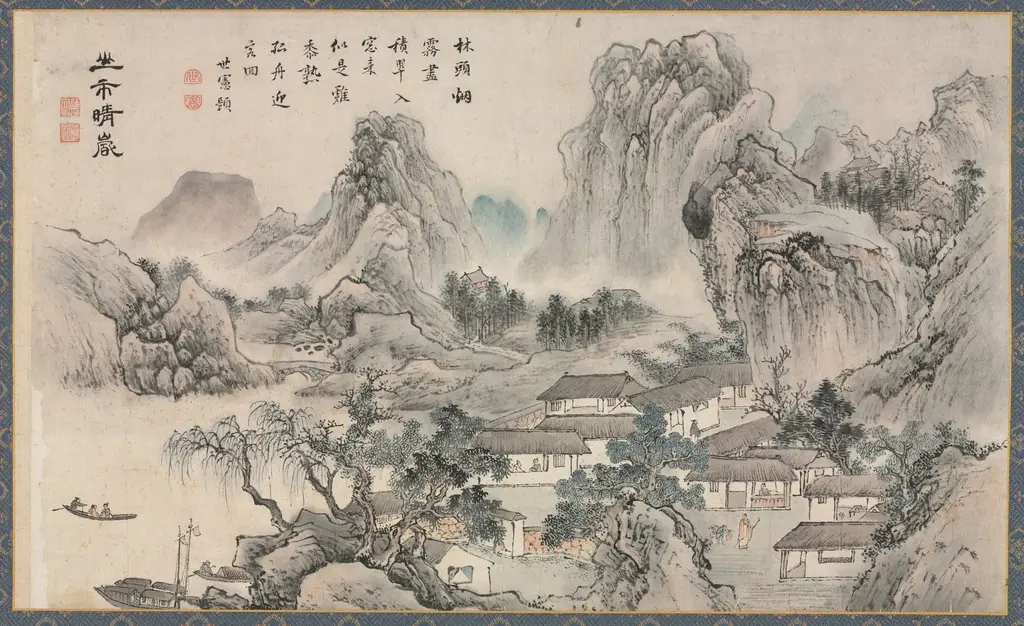
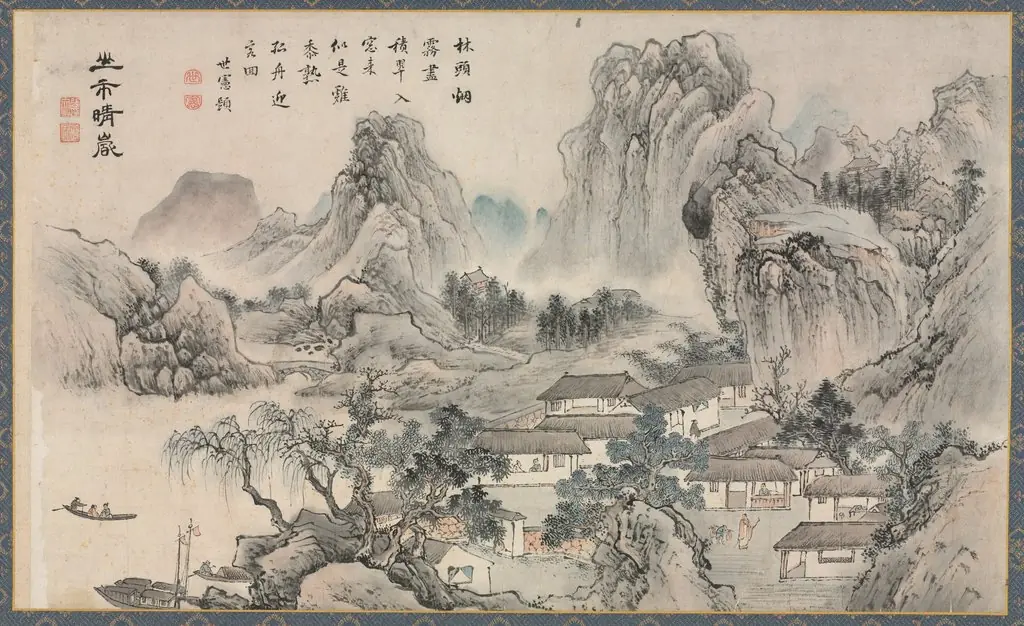
- Landscape Album in Various Styles: Landscape after Mi Fei
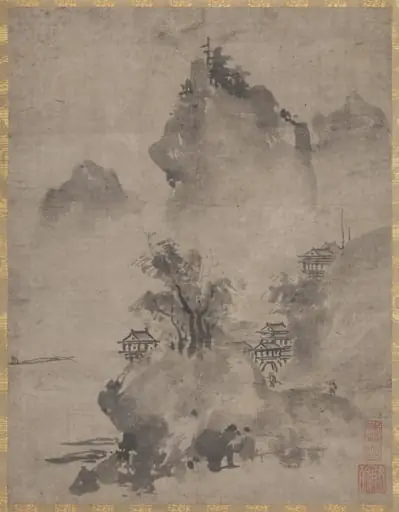 Coastal Landscape in the Haboku Style
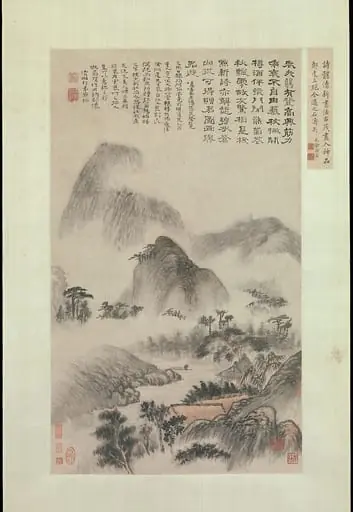 清 石濤(朱若極) 重陽山水圖 軸|Landscape Painted on the Double Ninth Festival
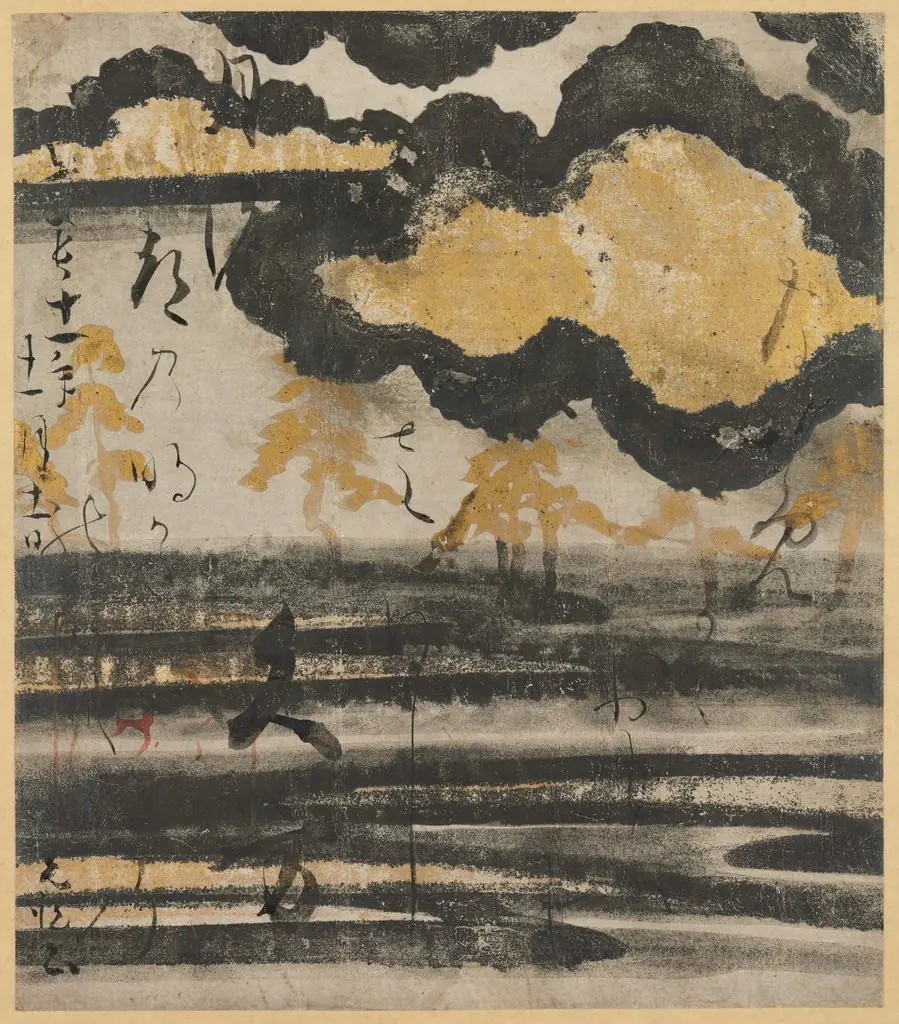 Poem-card from the Shinkokin wakashu (New Collection of Japanese Poems from Ancient and Modern Times) with Design of Pine on a Beach
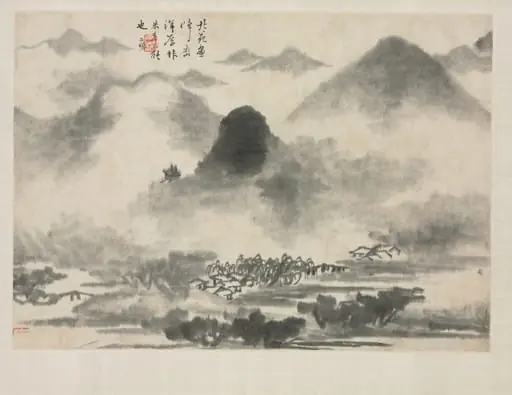 Landscape Album in Various Styles: Landscape after Mi Fei
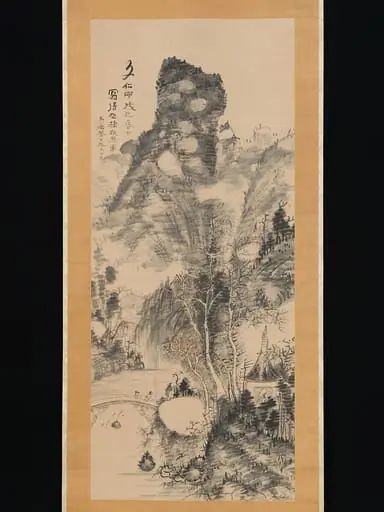 Untitled
 Poem-card from the Shinkokin wakashu (New Collection of Japanese Poems from Ancient and Modern Times) with Design of Pine on a Beach
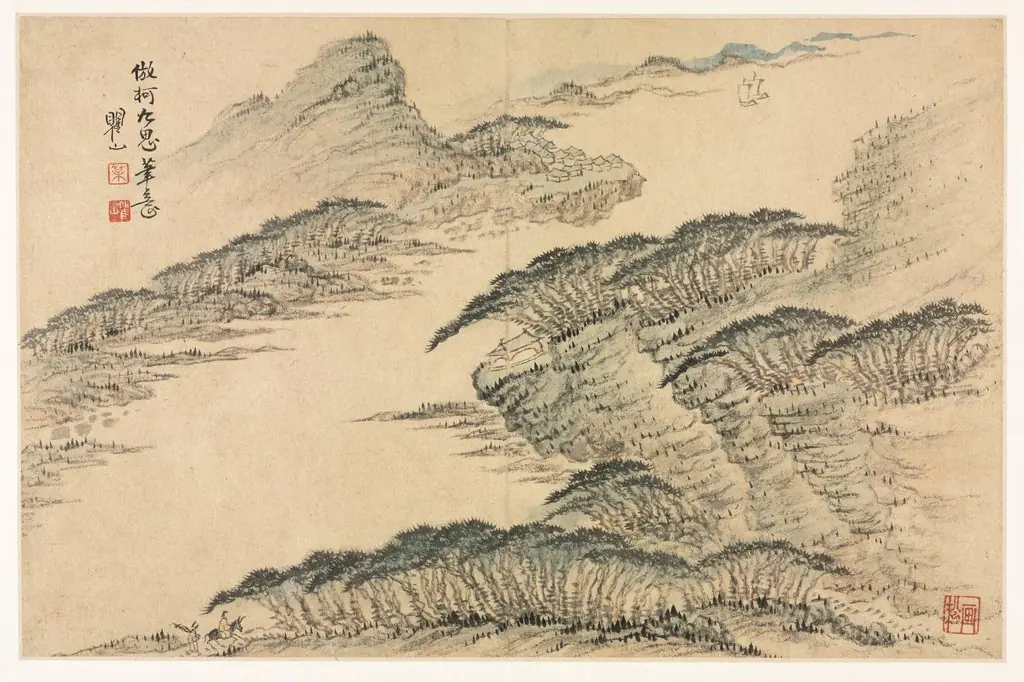 Landscapes in Various Styles after Old Masters
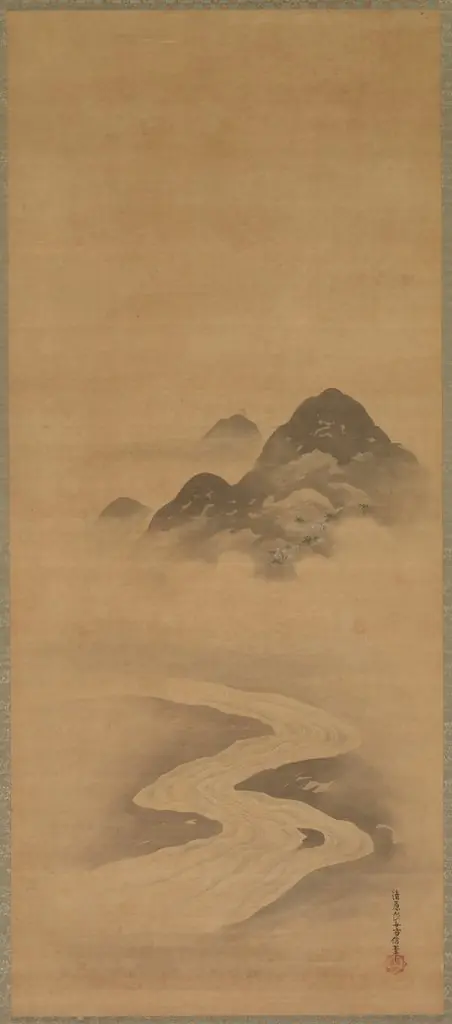 Minamoto no Nakakuni Visits Lady Kogō
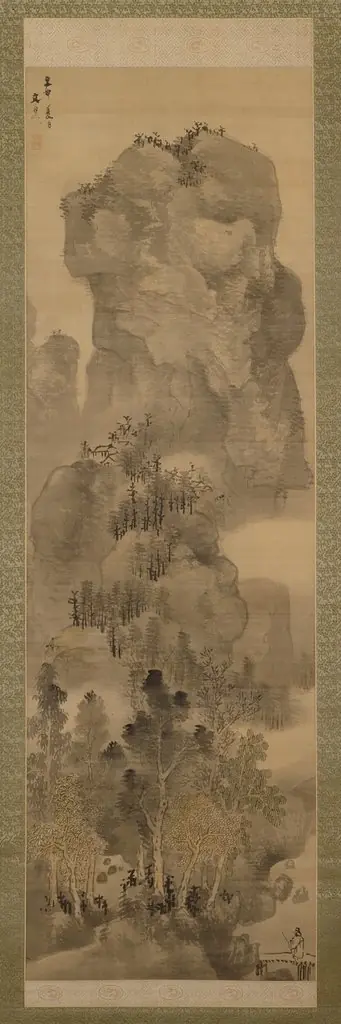 Summer Landscape
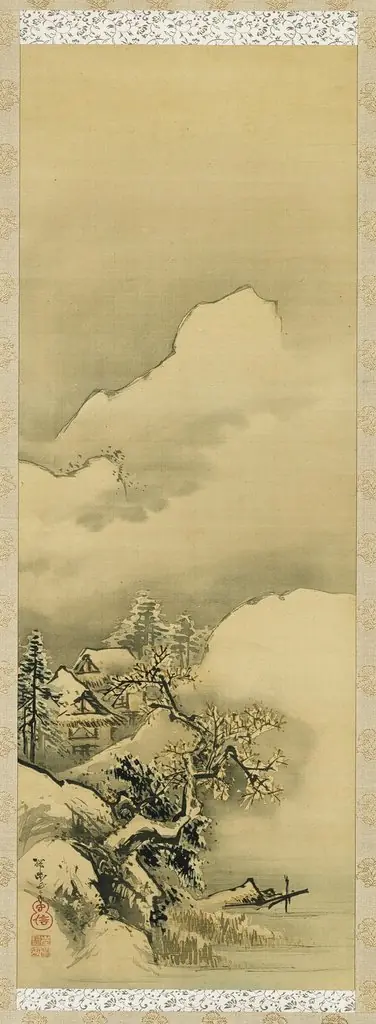 Houses and Trees beneath Snowy Mountains
 Landscape Album in Various Styles: Snowy Landscape