Artwork
Three girls from the Amsterdam Orphanage
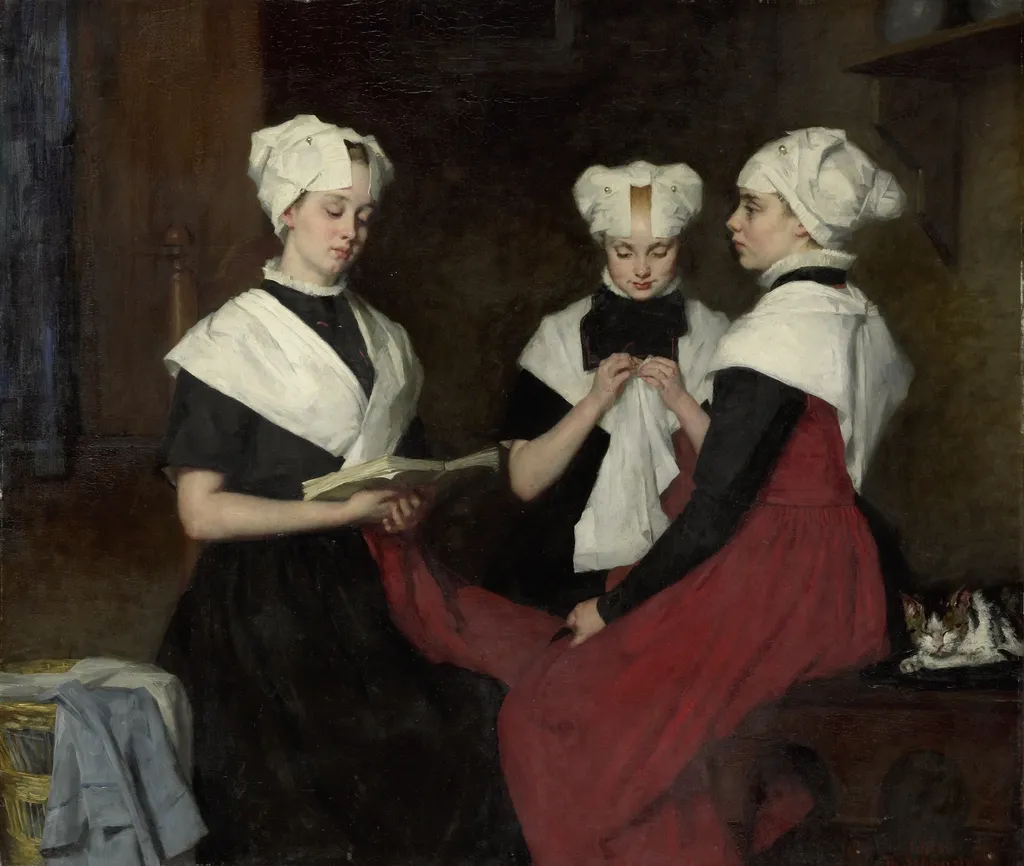
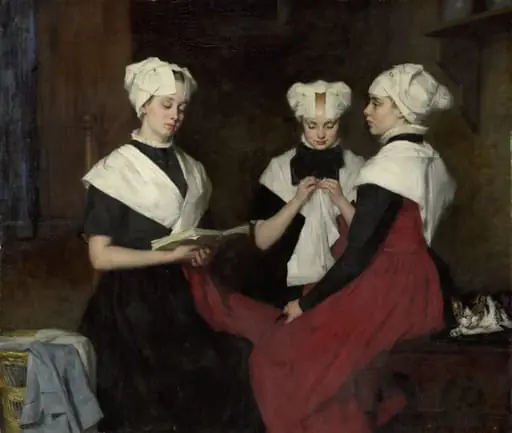
Three girls from the Amsterdam Orphanage is an oil painting by the Impressionist artist Thérèse Schwartze. It dates from 1893 and is held in the collection of the Rijksmuseum.
About this work
Subject & Meaning
The painting depicts three girls seated together, each engaged in a quiet domestic activity that constructs an idealized vision of orphaned childhood.
The painting depicts three girls seated together, each engaged in a quiet domestic activity that constructs an idealized vision of orphaned childhood. The central figure mends fabric, the girl at left reads aloud from a book, likely moralizing literature, and the right-hand figure listens, reinforcing themes of dutiful labor and pious instruction. Their attire, red dresses with black aprons, white shoulder shawls, and small white caps, was the prescribed orphanage uniform, its colors derived from Amsterdam’s civic shield, ensuring visibility and control beyond the institution’s walls.
Schwartze’s treatment emphasizes pictorial harmony over psychological depth or social critique. The calm grouping, balanced composition, and smooth, fine-painterly technique evoke domestic tranquility and order, while the dark background heightens the luminosity of the girls’ costumes. No overt symbolism beyond the emblematic costume is present; the scene’s meaning resides in its quiet domesticity and formal beauty rather than in allegory or moral narrative.
Technique & Style
The painting is executed in oil on canvas, employing a smooth, refined technique that recalls the fine painters of the Dutch Golden Age. The composition is balanced, with the three seated figures grouped closely together to convey an intimate, domestic atmosphere.
The figures are rendered with careful attention to color contrasts, particularly the striking red-black costumes against the white shoulder coverings and hats, which heighten the visual impact. The background is kept dark, ensuring the brightly colored attire of the girls dominates the scene. The handling emphasizes clarity and precision, avoiding psychological depth in favor of a polished, pictorial effect.
History & Provenance
Thérèse Schwartze created the oil painting Three girls from the Amsterdam Orphanage in 1885. The work was directly acquired by the Rijksmuseum in Amsterdam from the artist in the same year it was completed, establishing a continuous ownership chain since 1885. Schwartze selected the subject of the orphan girls primarily for their pictorial qualities and the striking visual contrast of their red-and-black uniforms against white accessories, rather than for social commentary.
Although the painting depicts three figures, Schwartze utilized only two models: the central and right figures were both portrayed by Elisabeth Vastenhout, while the name of the girl on the left remains unknown. The artist employed a refined, smooth technique reminiscent of seventeenth-century Dutch masters to capture the scene's domestic tranquility.
The painting has been part of the Rijksmuseum Amsterdam's collection since 1885, having been acquired directly from the artist Thérèse Schwartze in that same year. The work remains held by this institution, where it is recognized as a significant example of Schwartze's genre scenes depicting figures from the Amsterdam Orphanage.
Context
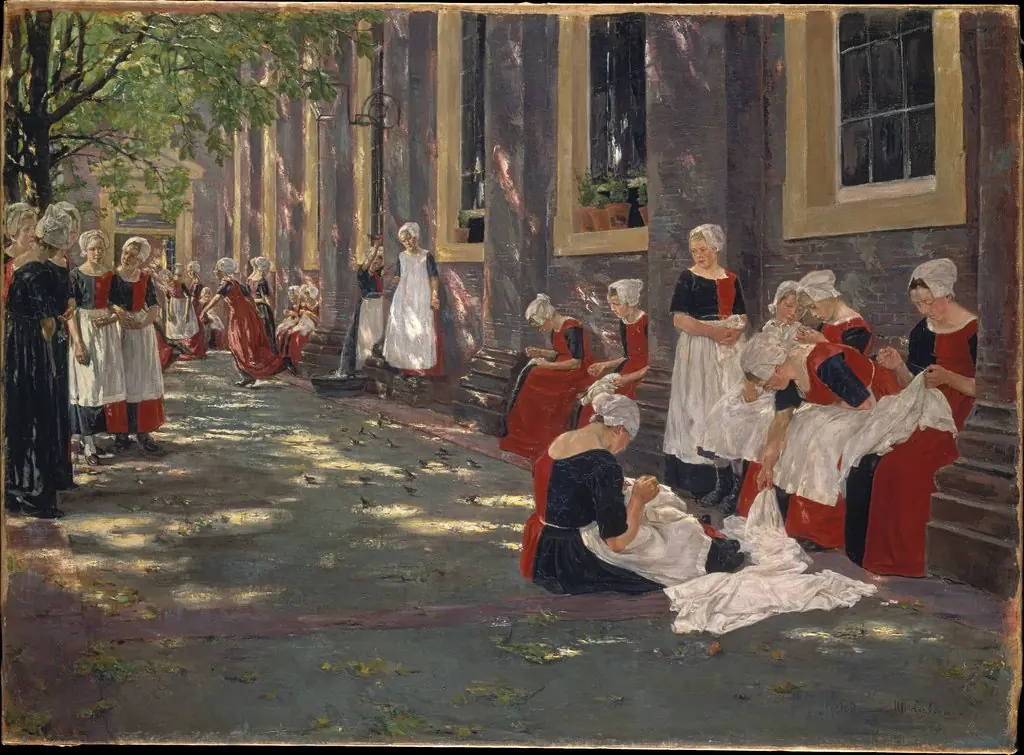
Thérèse Schwartze's 1885 painting Three girls from the Amsterdam Orphanage has been examined in relation to her broader artistic practice and its reception within late nineteenth-century Dutch art. Contemporary accounts noted her deliberate focus on formal qualities rather than psychological depth, aiming for a 'beautiful painting' with commercial intent. The work was quickly acquired by the Rijksmuseum and positioned among other genre scenes by artists such as Nicolaas van der Waay and Max Liebermann, reflecting shared interest in orphanage subjects as both pictorial motifs and symbols of social order.
Schwartze reused two child models, one identified as Elisabeth 'Leentje' Vastenhout, arranging them in a composed domestic scene that emphasized idyllic stability through contrasting clothing and meticulous technique reminiscent of Dutch Golden Age painters.
Legacy
The painting has become a reference point for studies of 19th‑century Dutch social realism and orphanage portraiture. Contemporary critics noted its precise rendering of costume and its subtle psychological nuance, even though Schwartze emphasized formal beauty over moral commentary. Later artists such as Nicolaas van der Waay, Karel Klinkenberg and Max Liebermann echoed its compositional balance and use of vivid colour contrasts when depicting institutional subjects.
The work’s frequent citation in scholarly surveys of Dutch genre painting underscores its lasting impact on the visual representation of orphanage life.
Overview
Three girls from the Amsterdam Orphanage is an oil painting by Thérèse Schwartze, created in 1889, not 1893, and held at the Rijksmuseum.
Own this work as a print
Artist & collection

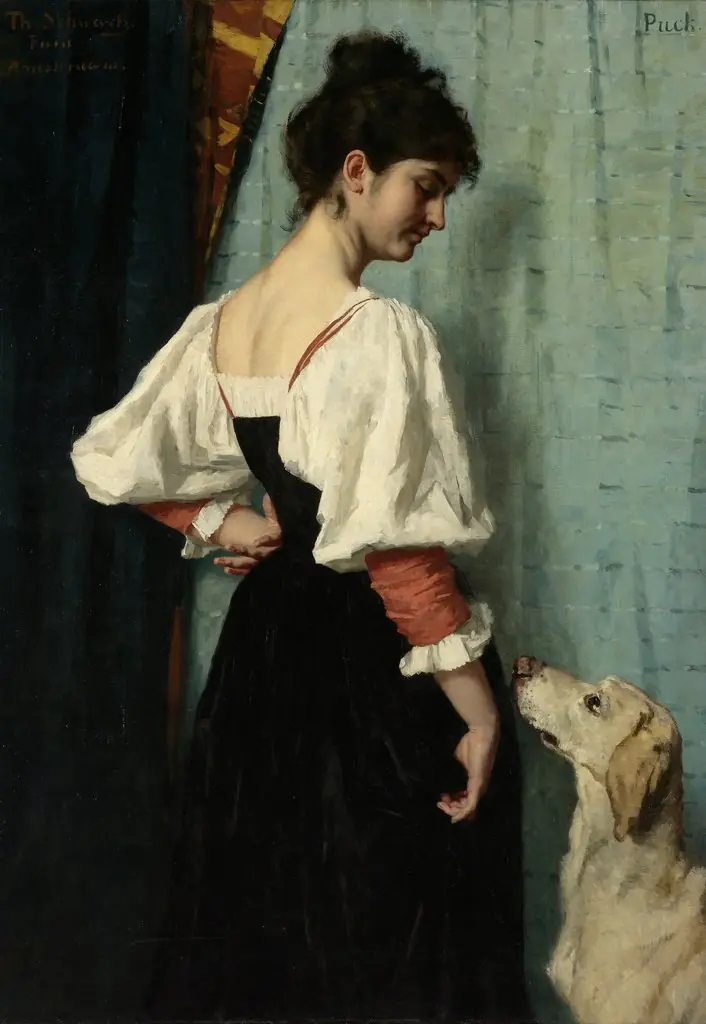 Young Italian woman with the dog Puck
 Untitled
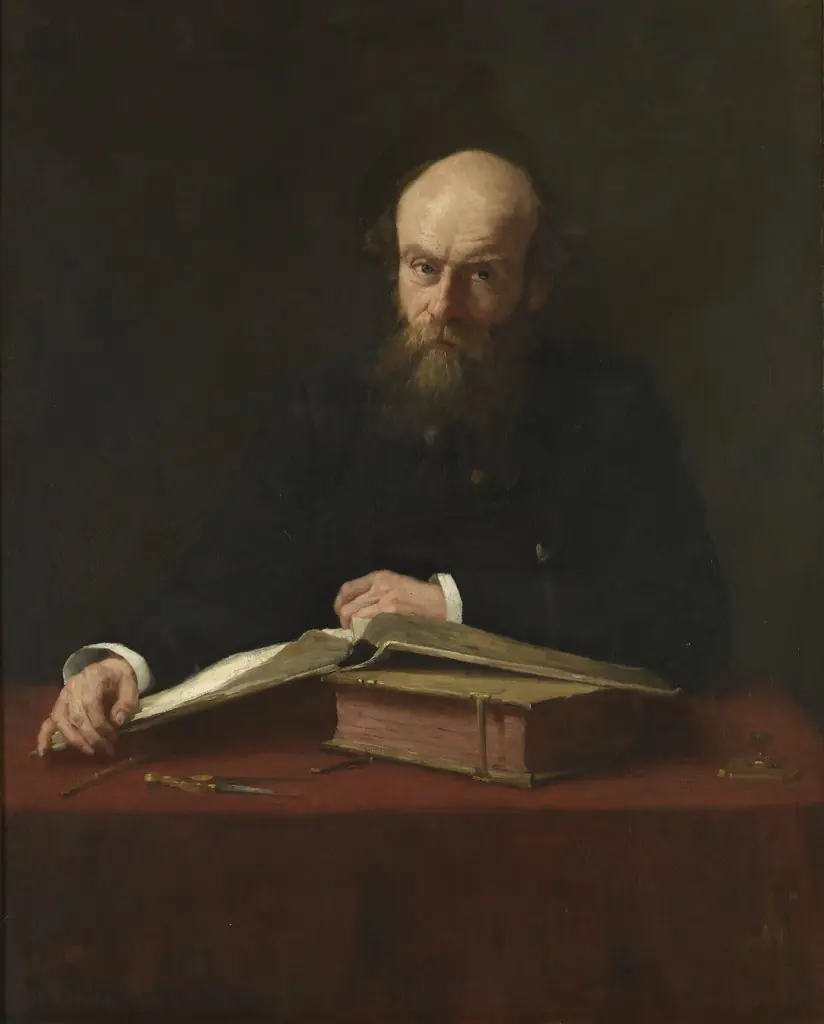 Portrait of Dr. P.J.H. Cuypers (1827-1921)
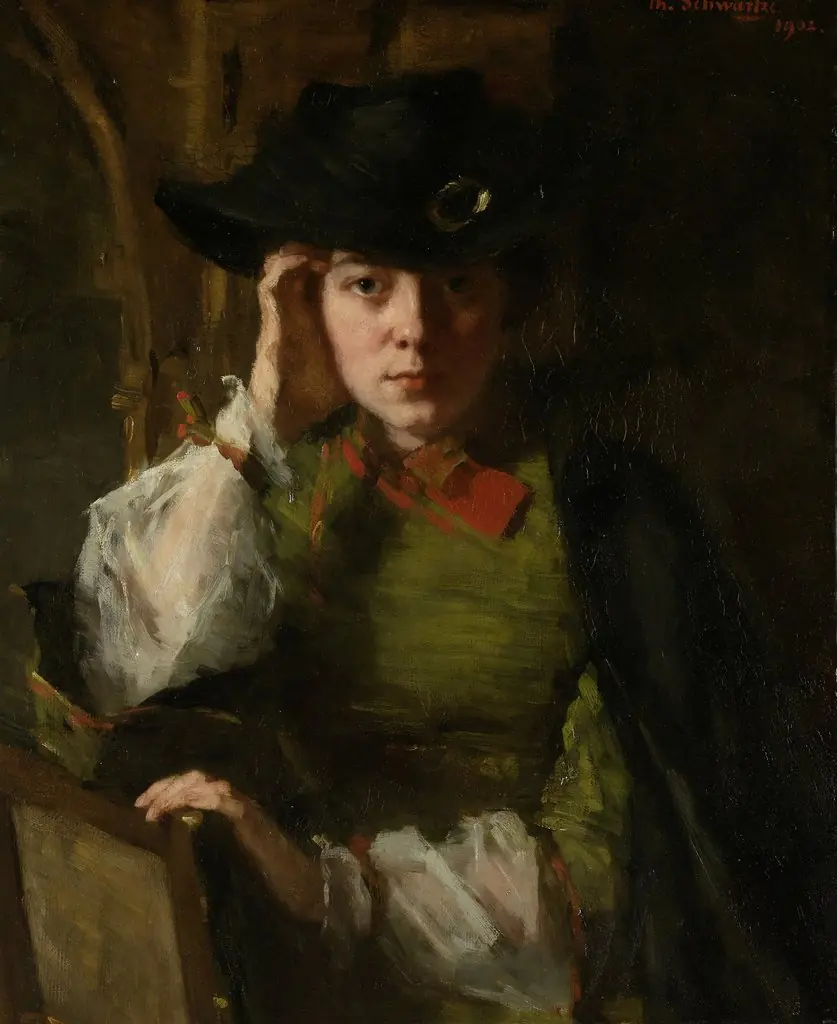 Portrait of Lizzy Ansingh
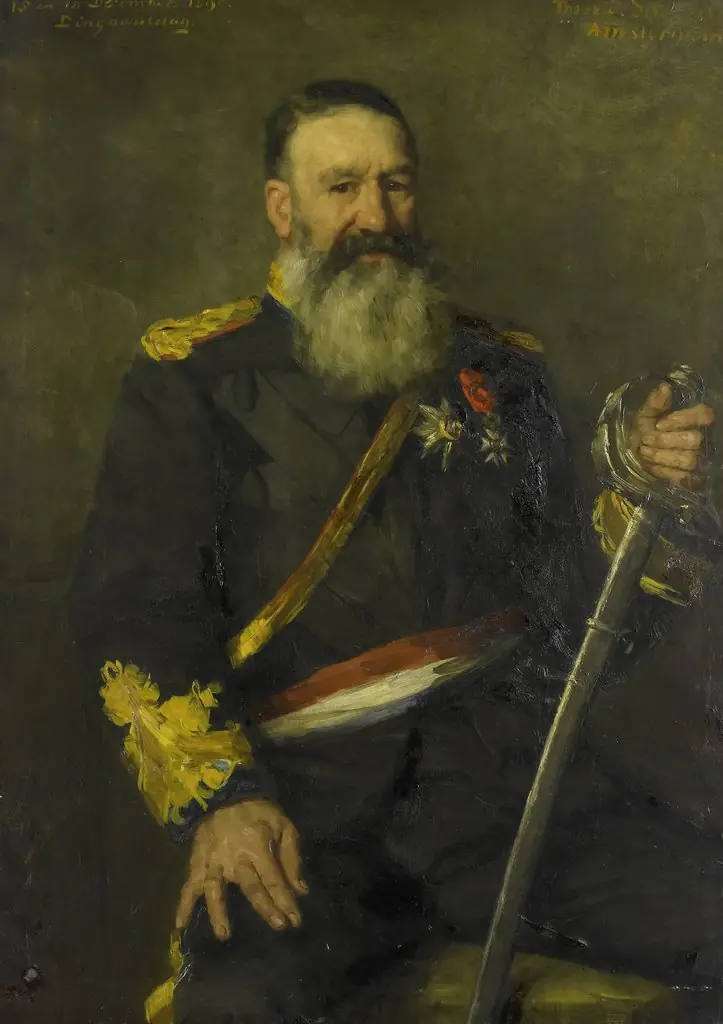 Portrait of Petrus Jacobus Joubert - Commander-General of the South African Republic
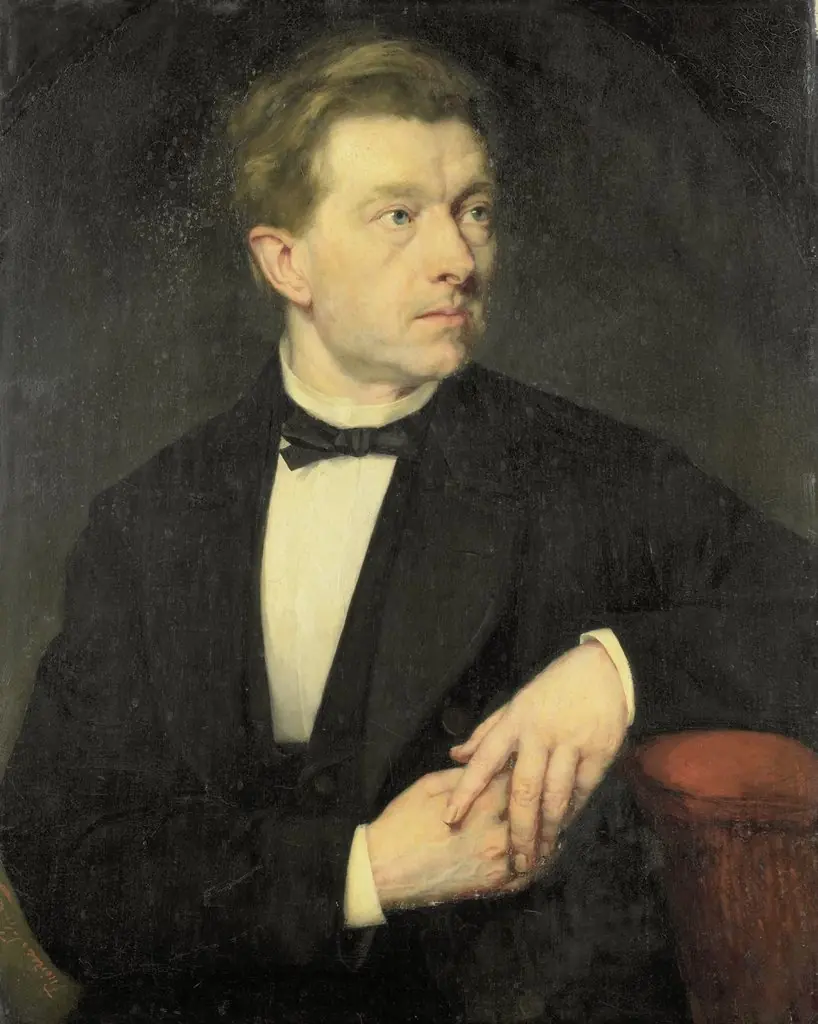 Portrait of Dr. J. L. Dusseau
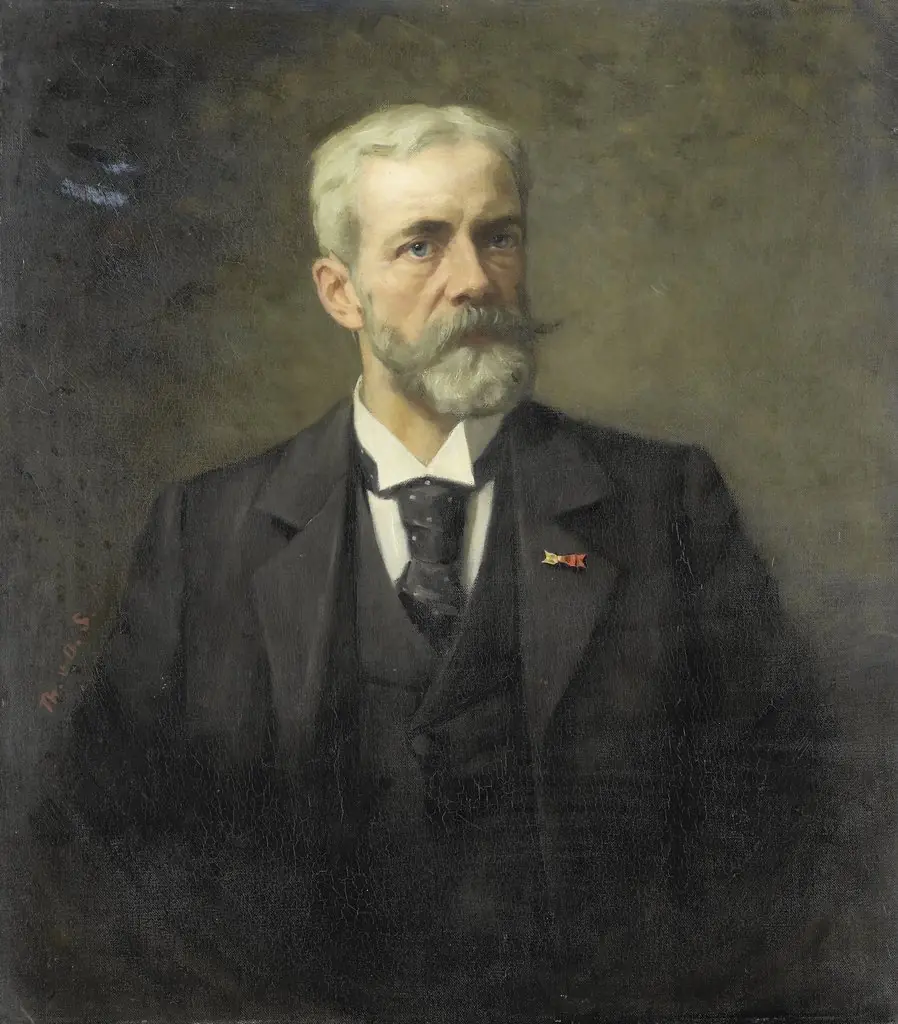 Portrait of Frederik Daniël Otto Obreen (1840-96), director Rijksmuseum
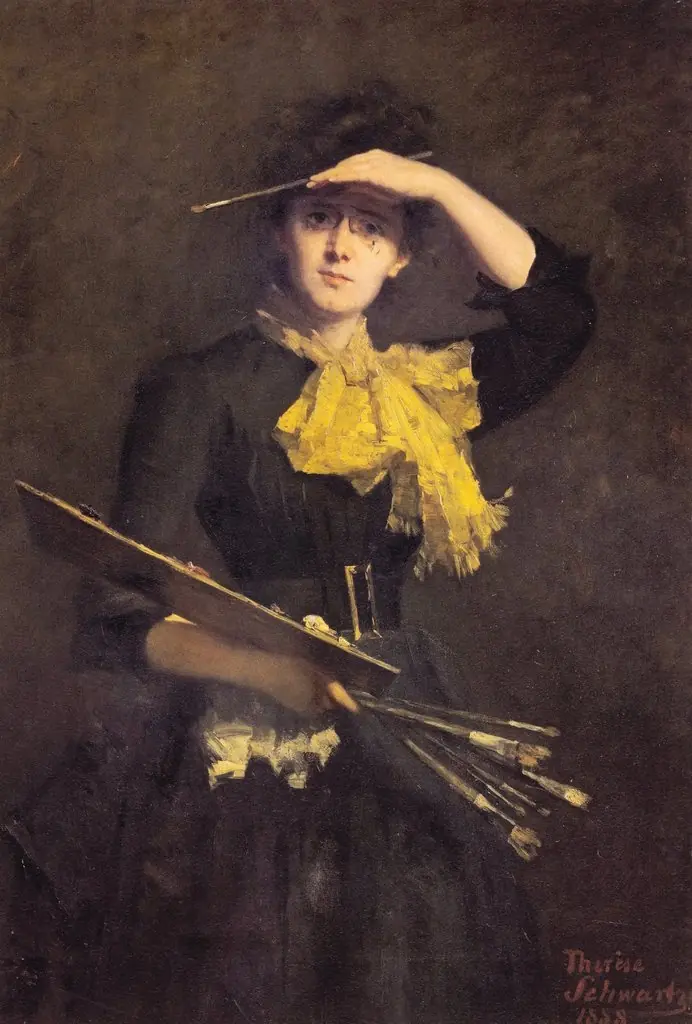 Self-portrait