Artwork
明嘉靖 佚名 王元帥圖 軸|Marshal Wang
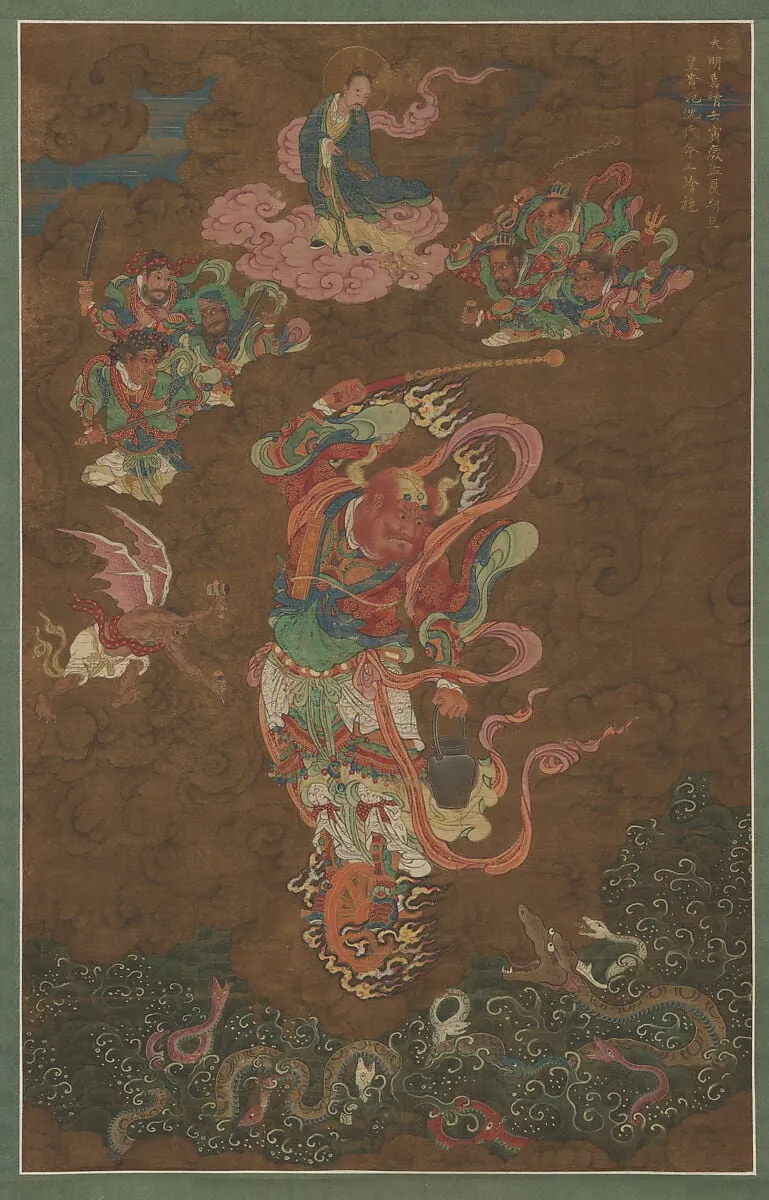
明嘉靖 佚名 王元帥圖 軸|Marshal Wang is an ink painting. It dates from 1542 and is held in the collection of the Metropolitan Museum of Art. This hanging scroll, titled Marshal Wang, depicts a prominent Chinese general amidst a host of mythical beings.
About this work
A Chinese general, Marshal Wang, stands surrounded by serpents and mythical creatures. Made in 1542, the painting reflects a period when Chinese and European art styles were influencing each other, a mix visible in its details.
Subject & Meaning
Together, the man, mythical creature, and snake form a triad that visually communicates the deity's role as a vanquisher of evil and protector of the faithful.
The painting depicts Marshal Wang, a Daoist military deity, rendered as a man accompanied by a mythical creature and a snake. The combination of a human figure with serpentine and supernatural animal companions reflects standard iconographic conventions for wrathful protective deities in Chinese religious painting, where subordinate creatures signal the marshal's command over demonic and animal realms. Produced during the Jiajing reign of the Ming dynasty, the work belongs to the genre of mythology, situating the subject within a tradition of devotional images intended to invoke martial spiritual power.
The hanging scroll format on silk, executed in ink and color, is consistent with temple and altar use, where such deities served as guardians against malevolent forces. Together, the man, mythical creature, and snake form a triad that visually communicates the deity's role as a vanquisher of evil and protector of the faithful.
Technique & Style
Marshal Wang is executed as a hanging scroll in ink and color on silk, a traditional Chinese painting support that allows for the layered washes and fine linework characteristic of Ming-dynasty figural work. The use of silk as a ground, rather than paper, supports both the saturated color passages and the precise contours needed to render the deity and the accompanying mythical creature and snake. The work is held in the collection of the Metropolitan Museum of Art, where its mounting and condition have been preserved as part of its institutional custody.
History & Provenance
Created in 1542 during the Ming dynasty, this hanging scroll titled Marshal Wang was produced by an unknown artist in China. The work, executed in ink and color on silk, depicts a man accompanied by a snake and other mythical creatures, reflecting the religious or mythological artistic traditions of the period. Currently held in the collection of the Metropolitan Museum of Art, the painting's specific commissioning patron, original ownership chain, and detailed creation circumstances remain undocumented in available records.
The date of 1542 aligns with the Jiajing reign era, situating the piece within mid-sixteenth-century Chinese art history, though no further provenance details regarding its journey to its current institutional home are provided.
The painting is held in the collection of the Metropolitan Museum of Art, where it remains located. It is classified as a painting within the museum's holdings and was created in 1542 in China. No specific accession number, acquisition date, or prior exhibition history is documented in the available sources. confirms the work's current custody at the Metropolitan Museum of Art, while corroborates its classification as a painting without providing further institutional details.
Legacy
The work titled 明嘉靖 佚名 王元帥圖 軸, attributed to an anonymous painter and dated to 1542, is classified as a mythological hanging scroll in the Metropolitan Museum of Art. Its inclusion in a major institutional collection has led scholars to treat it as a reference point for the study of Ming‑dynasty visual culture, influencing subsequent analyses of anonymous court paintings and the iconography of mythic figures such as the snake‑associated marshal. The painting’s provenance and exhibition history within the museum have contributed to a sustained reputation that positions it as a key example of anonymous Ming artwork in both academic discourse and museum displays.
Overview
This hanging scroll, titled Marshal Wang, depicts a prominent Chinese general amidst a host of mythical beings. Executed in ink and color on silk, the work dates to 1542 during the Ming Dynasty. It exemplifies a period of artistic exchange, subtly integrating diverse stylistic elements into its composition. The painting offers a glimpse into both traditional Chinese iconography and broader global influences of its era.
Context
Created in 1542, this painting emerged during a significant historical juncture when cultural exchanges between China and Europe were increasingly prevalent. This era saw the gradual introduction of new artistic ideas and visual conventions from the West into Chinese artistic practices. Marshal Wang serves as an artifact of this period, illustrating how external influences began to subtly shape the aesthetic sensibilities and detailed execution within traditional Chinese art.
Artist & collection

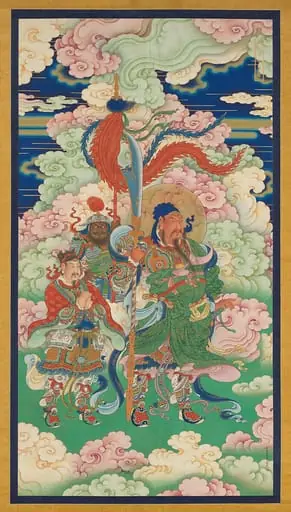
- 清 佚名 監門關聖帝君圖 軸|Guan Yu
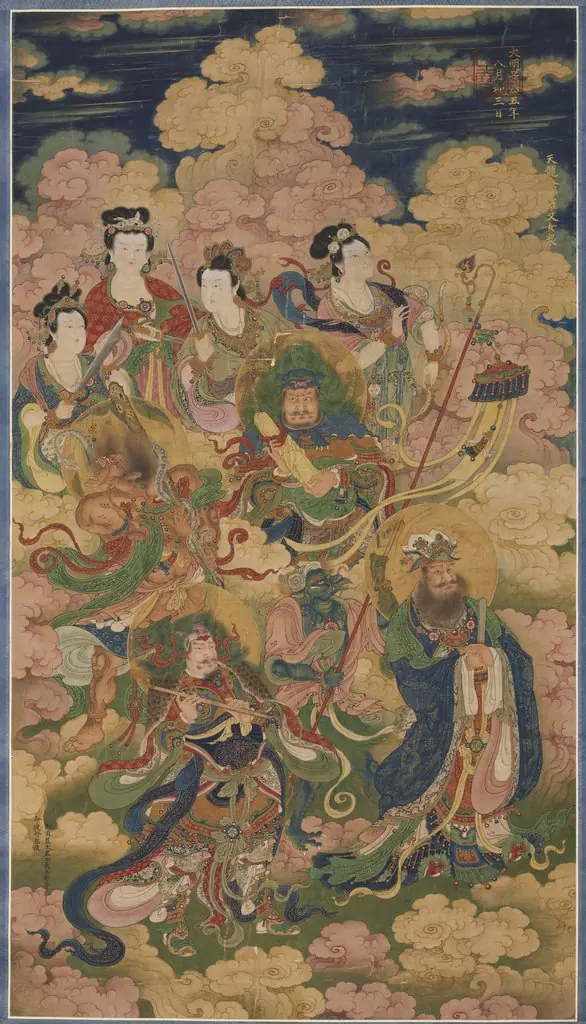 The Eight Hosts of Deva, Naga, and Yakshi
 The Eight Hosts of Deva, Naga, and Yakshi
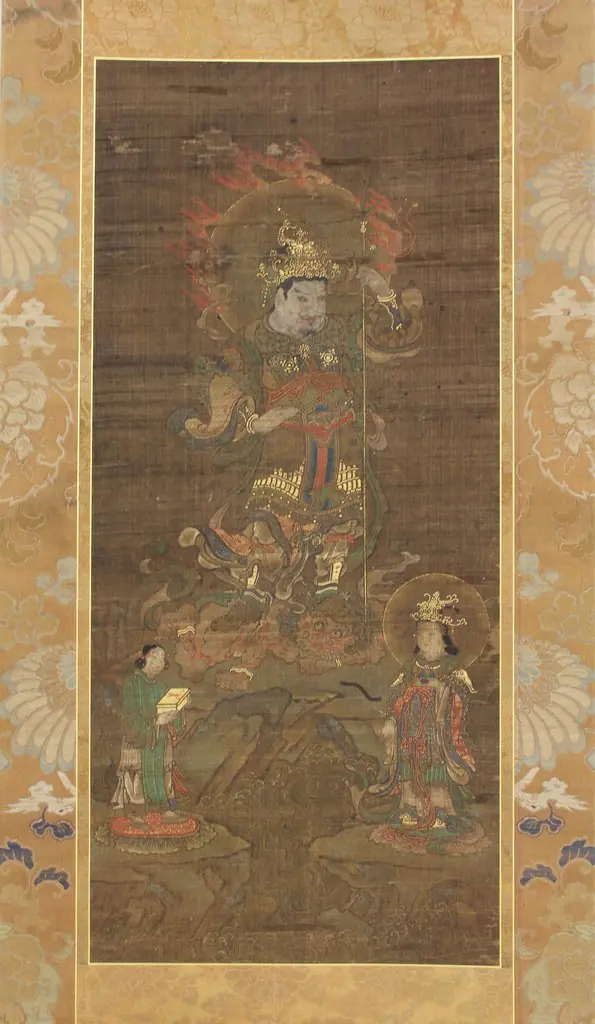 Mount Kurama Mandala: Bishamonten Triad (Kuramayama mandara: Bishamonten sanzonzō)
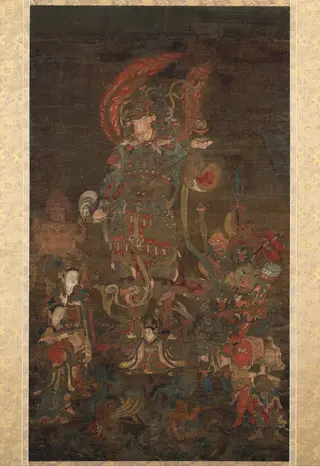 Bishamonten, the Guardian of the North, with his Retinue
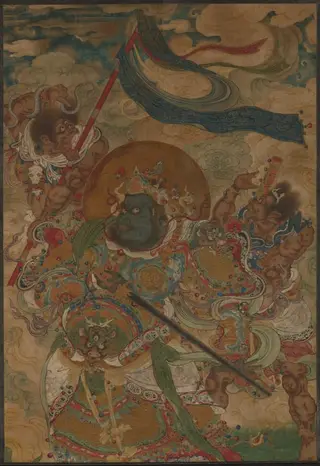 Heavenly King Virudhaka
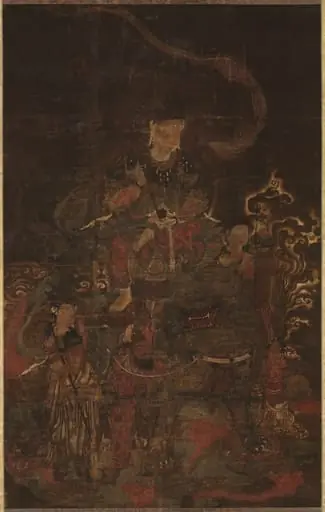 Monju Riding Lion with Attendants
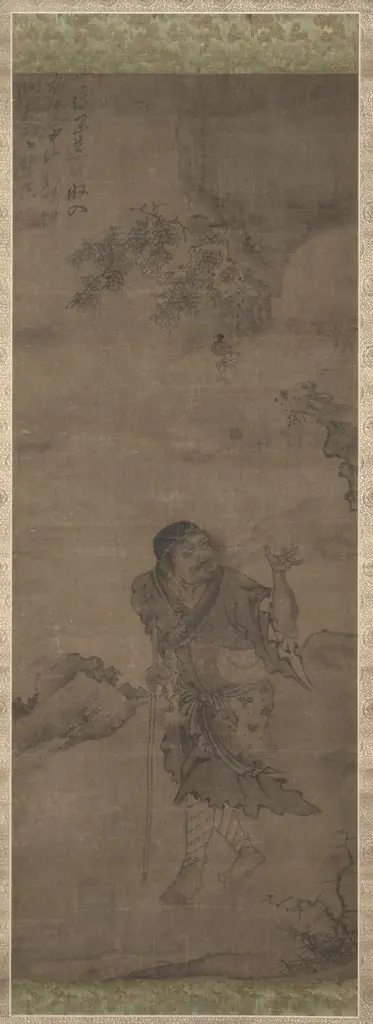 Li Tieguai
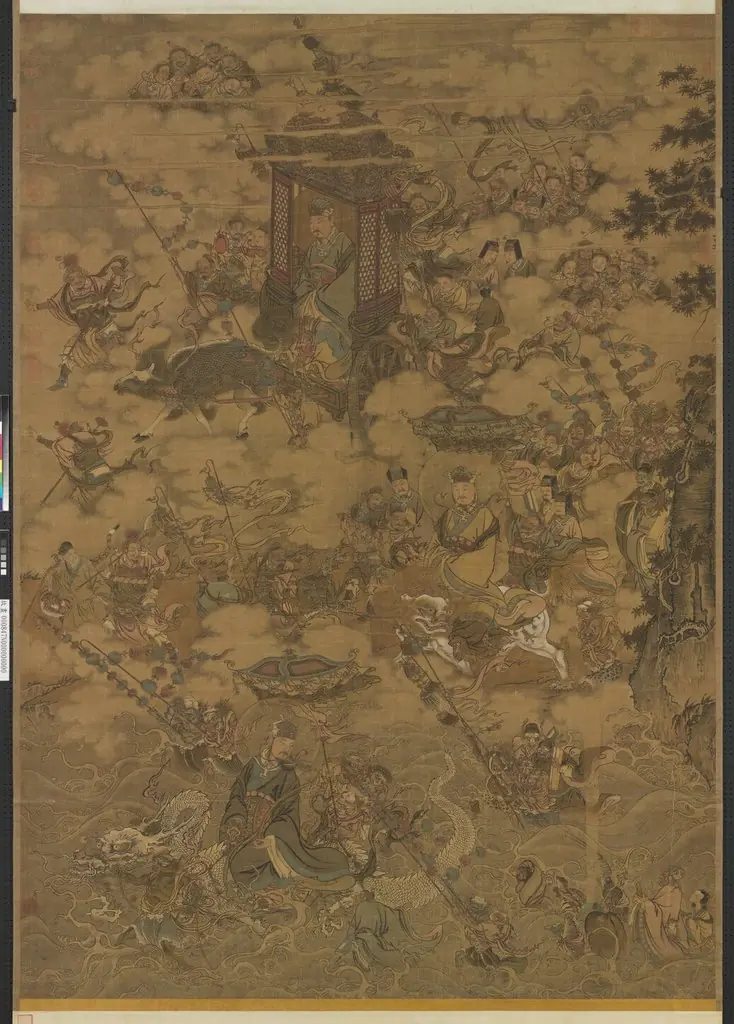 宋馬麟三官出巡圖 軸
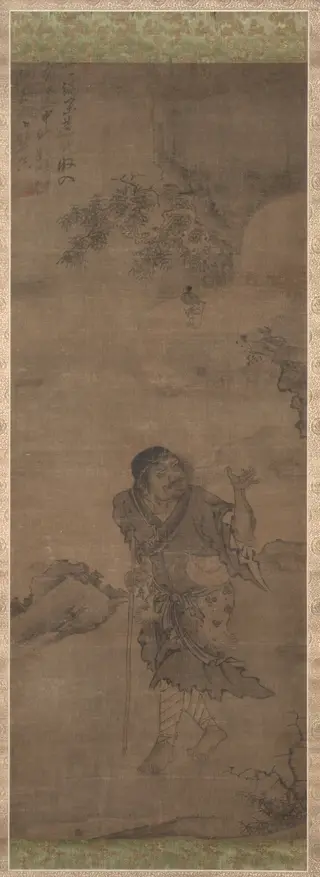 Li Tieguai; Liu Haichan
 Untitled
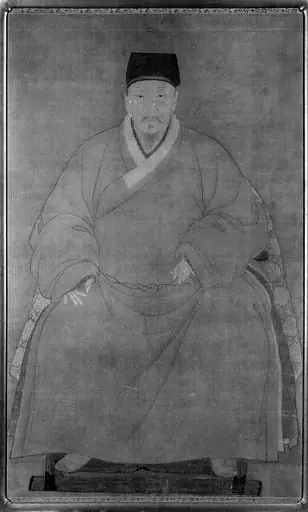 明 佚名 人物肖像 圖 鏡面|Portrait of a Gentleman