Artwork
無款 清末 京劇一百人物像 冊 絹本|One hundred portraits of Peking opera characters
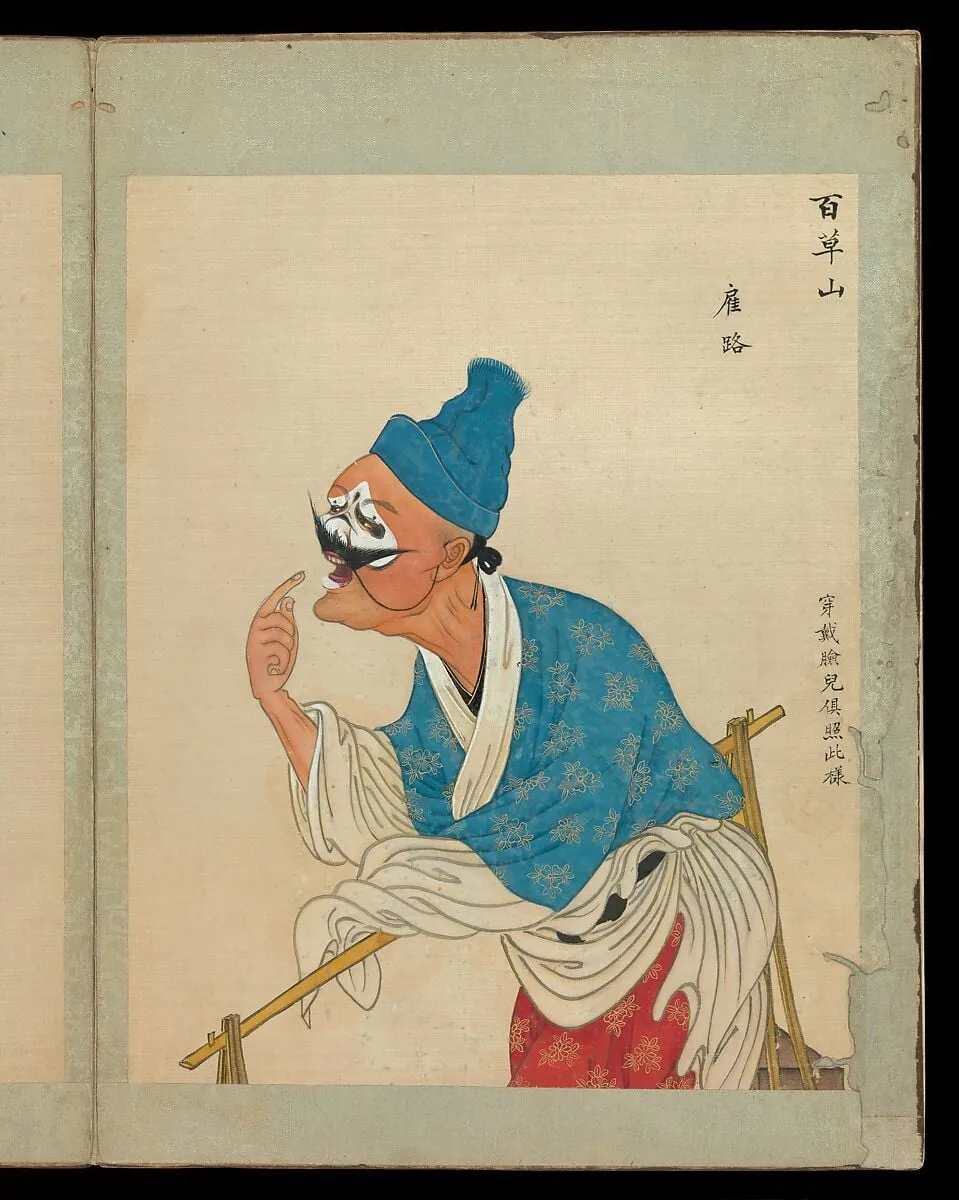
無款 清末 京劇一百人物像 冊 絹本|One hundred portraits of Peking opera characters is an ink painting. It dates from 1889 and is held in the collection of the Metropolitan Museum of Art. This album, titled One Hundred Portraits of Peking Opera Characters, comprises fifty individual paintings.
About this work
History & Provenance
The album titled One hundred portraits of Peking opera characters is an unsigned work created in China during the late Qing dynasty, dated to 1889.
The album titled One hundred portraits of Peking opera characters is an unsigned work created in China during the late Qing dynasty, dated to 1889. Executed on silk using ink, color, and gold, the piece comprises an album of fifty leaves depicting men and women in opera roles. The artist remains anonymous.
The album is held in the collection of the Metropolitan Museum of Art. While the specific commissioning patron or the precise chain of ownership prior to its museum acquisition is not detailed in the available records, the work is firmly established as a late nineteenth-century Chinese creation. The sources do not provide a specific inventory or accession number, nor any exhibition history for the album.
Context
The anonymous 1889 album of fifty silk leaves, titled 'One Hundred Portraits of Peking Opera Characters,' is held by the Metropolitan Museum of Art and exemplifies late-Qing portraiture that documented the popularity of Peking opera. The work comprises ink, color, and gold on silk and depicts both male and female opera figures. Its creation in China and inclusion in a major museum collection underscore its significance within the tradition of Chinese theatrical portraiture.
Overview
This album, titled One Hundred Portraits of Peking Opera Characters, comprises fifty individual paintings. Rendered with ink, color, and gold on silk, each leaf presents a distinct figure from Peking opera. The collection offers a comprehensive visual record of the theatrical art form, showcasing a diverse array of characters within a single, cohesive work.
Subject & Meaning
The album's primary focus is the rich tapestry of Peking opera. Each of the fifty paintings depicts a unique character, distinguished by varying facial expressions, elaborate costumes, and dynamic poses. Figures are shown in vibrant attire, including striking reds, and often hold props such as swords or fans, which are integral to their stage roles and narrative. This variety highlights the breadth of the genre.
Technique & Style
The artist employed fine brushwork to execute these detailed portraits. Ink and vibrant colors, alongside delicate gold accents applied with thin brushes, define each character's features and elaborate costumes. The remarkable preservation of the pigments allows the original intensity of the hues to remain visible, even after a century.
Close examination reveals the careful rendering of textile folds and the subtle gleam of decorative elements like hairpins.
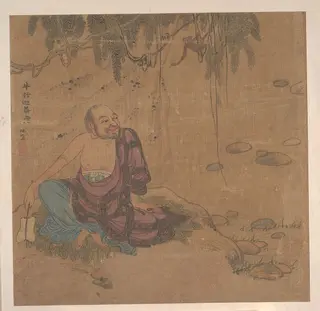
Artist & collection

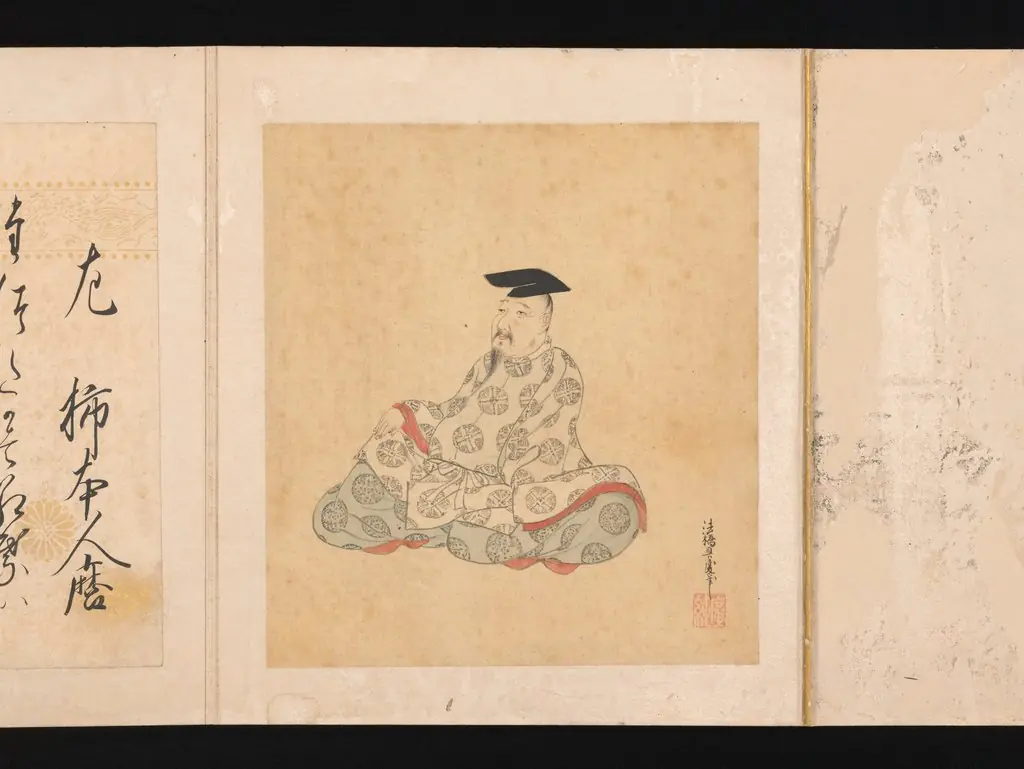 Portraits and Poems of the Thirty-six Poetic Immortals (Sanjūrokkasen)
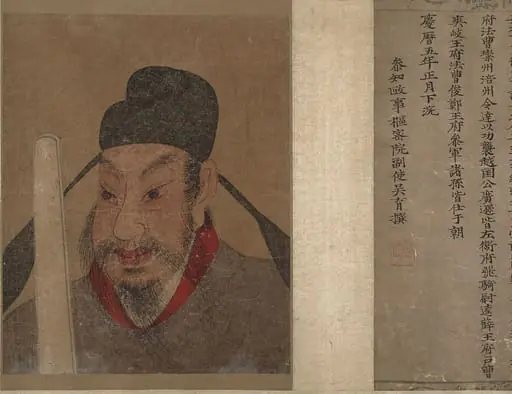 明 佚名(仿)吳育 新安汪氏譜牒 卷|Portrait of a Member and Record of the Wang Family
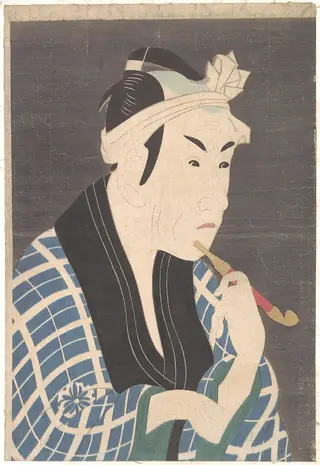 Untitled
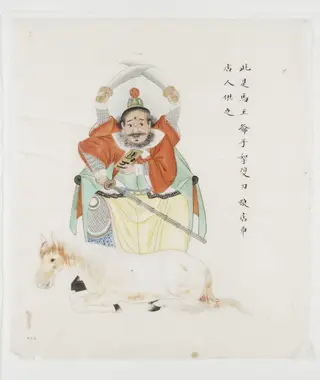 Mawang: Protector of Travellers
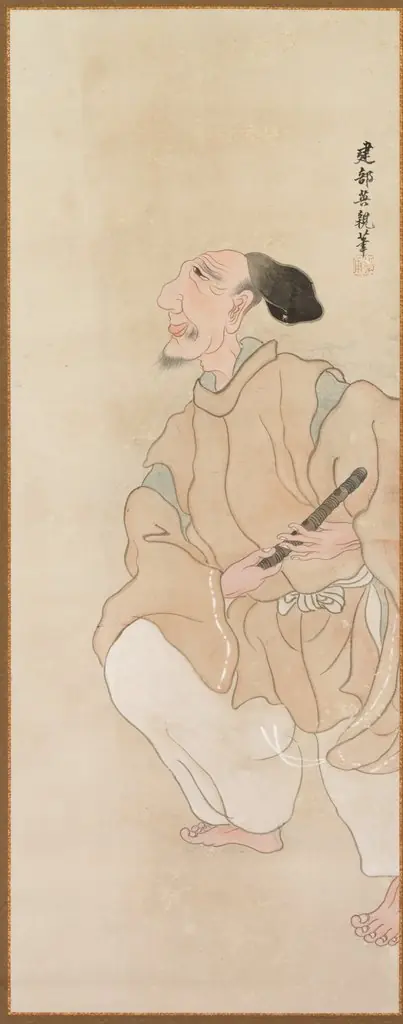 Genre Figures
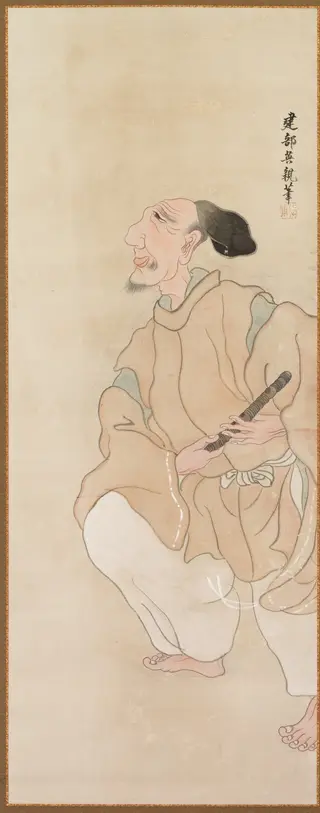 Genre Figures
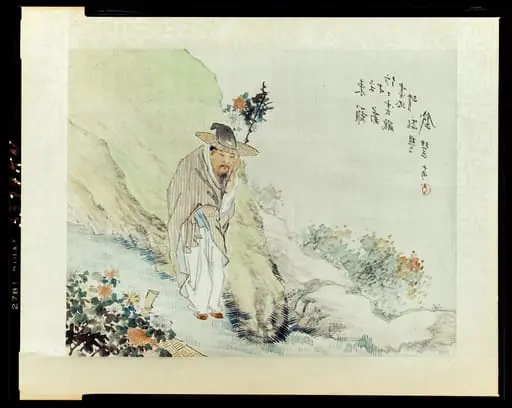 Homme descendant une colline
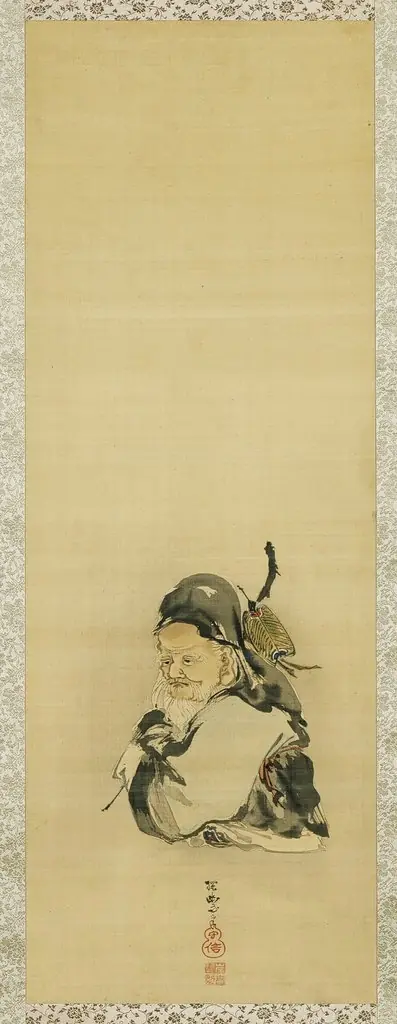 Buddhist Sage
![Paintings after Ancient Masters: A Lohan [after Guanxiu], by Chen Hongshou](https://artifactworldgallery.com/img/chen-hongshou--paintings-after-ancient-masters-a-lohan-after-guanxiu--92196fae80c7e0a7-w320.webp) Paintings after Ancient Masters: A Lohan [after Guanxiu]
Paintings after Ancient Masters: A Lohan [after Guanxiu]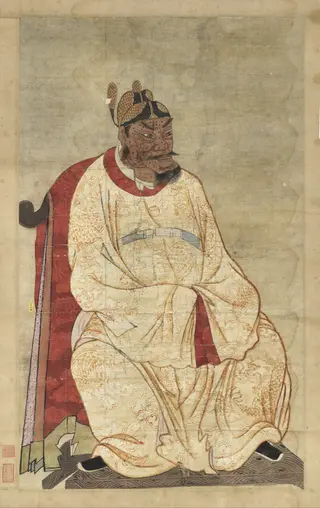 明太祖坐像(四) 軸