Artwork
A Bridal Couple
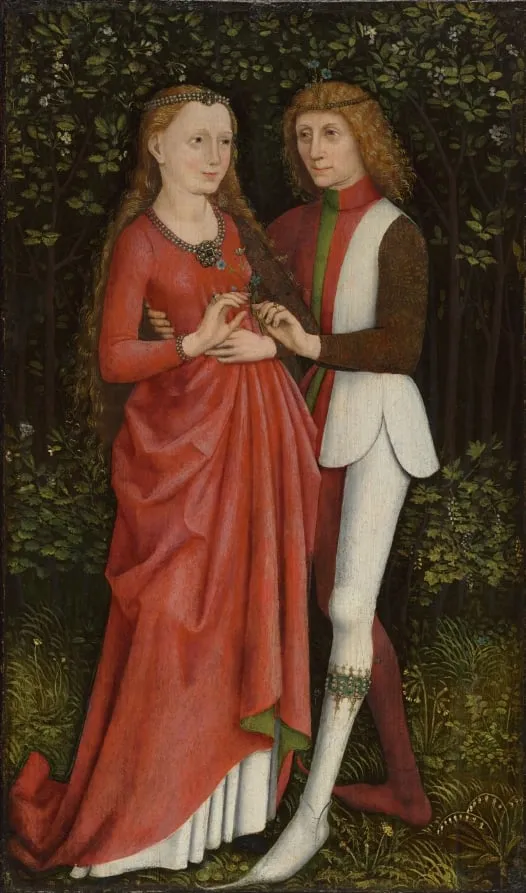
A Bridal Couple is an unspecified painting by the Northern Renaissance artist Unknown. It dates from 1470 and is held in the collection of the Cleveland Museum of Art.
- Accession no.
- 1932.179
- Credit line
- Delia E. Holden and L. E. Holden Funds
About this work
Look up more paintings from southern germany, 15th century to see how other artists did the same thing.
You see a young couple standing side by side in fancy 15th-century clothes. The man holds a flower, and the woman’s dress is covered in tiny embroidered blooms.
Every detail here is a hidden message. The flowers mean love and babies. The colors, red for passion, blue for loyalty, tell you how they’re supposed to feel. Even the way they stand, stiff and proper, shows what marriage meant back then.
Look up more paintings from southern germany, 15th century to see how other artists did the same thing.
Overview
This 15th-century panel painting portrays a newlywed aristocratic pair in formal attire, rendered with meticulous detail typical of southern German art of the period. The composition emphasizes ritualized poise rather than intimacy, reflecting the social function of marriage as an alliance. Every element, from fabric to flora, serves a symbolic purpose tied to marital ideals of the time.
Subject & Meaning
The couple stands rigidly side by side, their posture conveying duty over affection. The man holds a single bloom, while the woman’s gown is densely embroidered with floral patterns, alluding to fertility and domestic harmony. Colors are deliberately chosen: red for passion, blue for fidelity, and white for purity. These visual cues encode expected virtues rather than personal emotion.
Technique & Style
Executed in oil on wood, the painting exhibits fine brushwork characteristic of late medieval Netherlandish and German traditions. The textures of silk, embroidery, and petals are rendered with precision, creating a tactile realism. Backgrounds are minimally defined, focusing attention on the figures and their symbolic accoutrements, a hallmark of devotional and portrait painting of the era.
History & Provenance
The work likely originated in a wealthy urban household in southern Germany, possibly commissioned to commemorate a marriage alliance between noble families. Its survival suggests it was preserved within the family lineage, possibly displayed in a private chamber as a testament to status and continuity. No definitive record of its early ownership exists, but its style aligns with regional workshop practices of the 1470s–1490s.
Context
In 15th-century German-speaking regions, marriage portraits were not merely personal mementos but legal and social documents. They reinforced dynastic ties and public expectations of conduct. Similar works from Augsburg, Ulm, and Nuremberg share this symbolic language, using flora, color, and posture to communicate moral and familial ideals within a rigid social hierarchy.
Legacy
This painting exemplifies how early Renaissance portraiture in northern Europe merged secular life with moral instruction. Though later artistic movements favored naturalism and psychological depth, this work preserves a distinct medieval worldview in which identity was expressed through coded symbols rather than individual expression. It remains a key reference for understanding the visual rhetoric of marriage in pre-modern Europe.
Artist & collection









 Portia and Brutus
 Portrait of a young woman
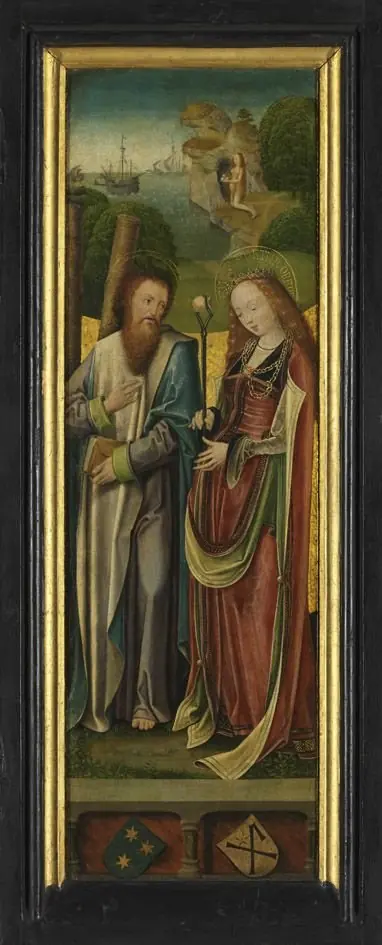 Flügelpaar: Die hll. Andreas und Agatha Außenseite: Maria der Verkündigung
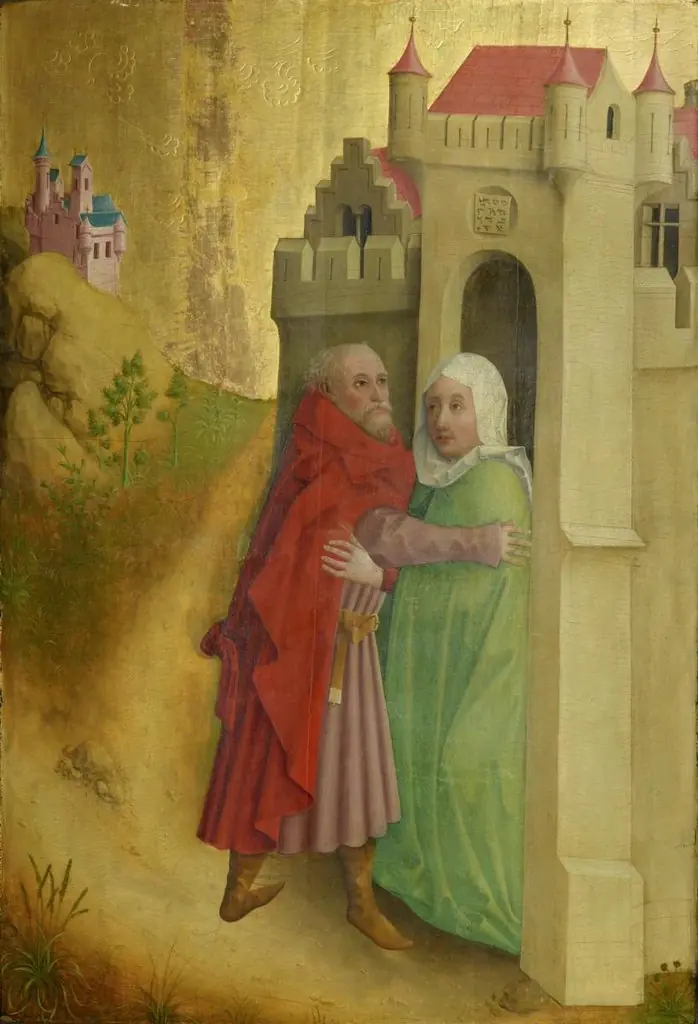 Begegnung von Joachim und Anna an der Goldenen Pforte
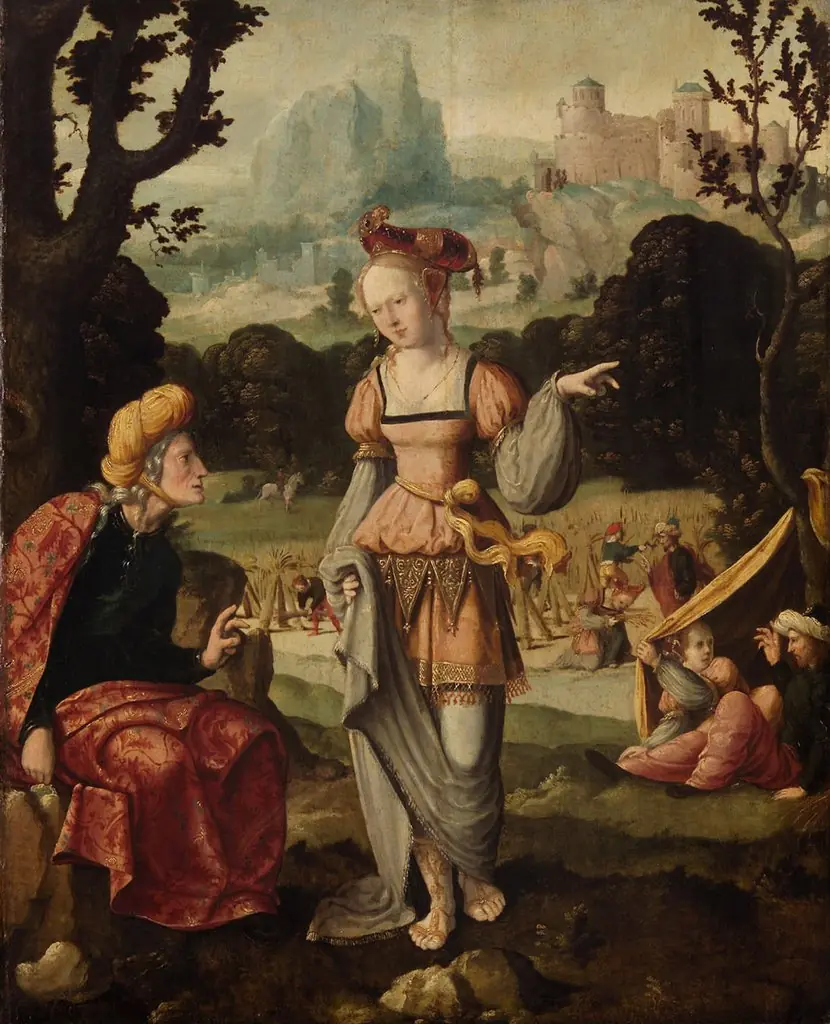 Ruth and Naomi in Boaz's field
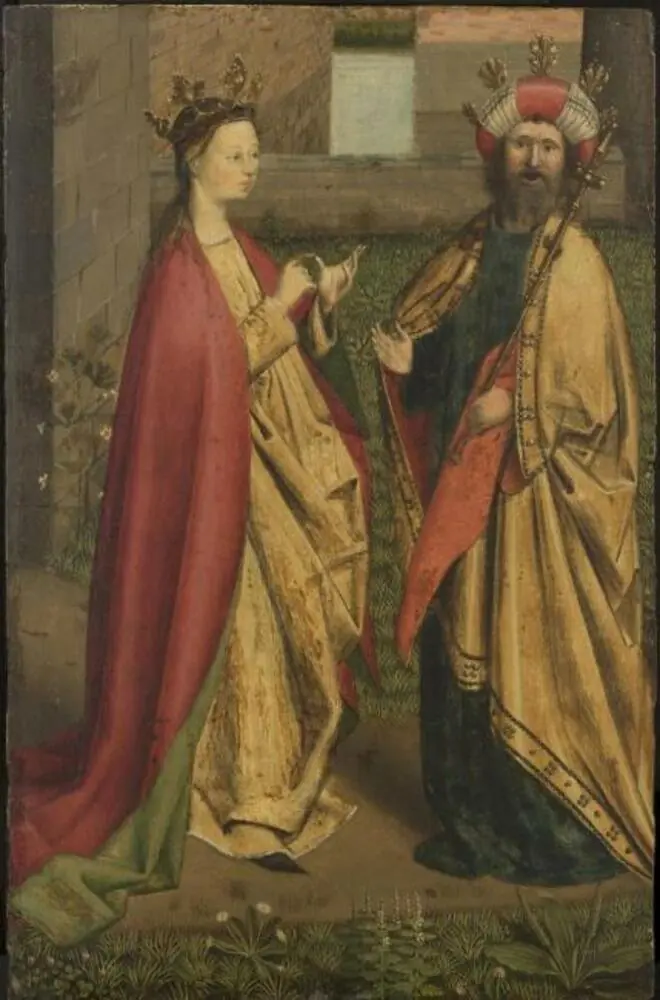 Saint Catherine of Alexandria Preaching to the Emperor
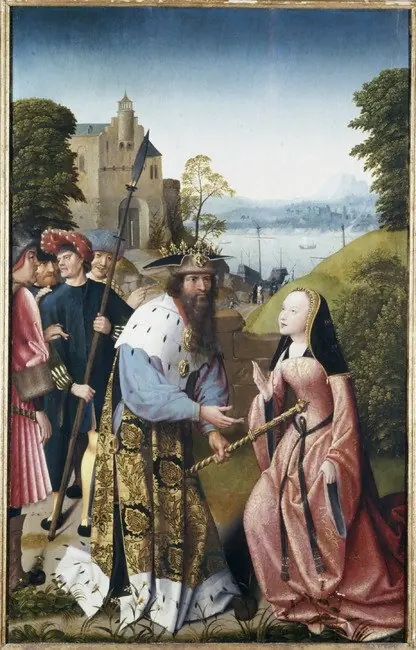 Dymphna’s Father Proposes to her
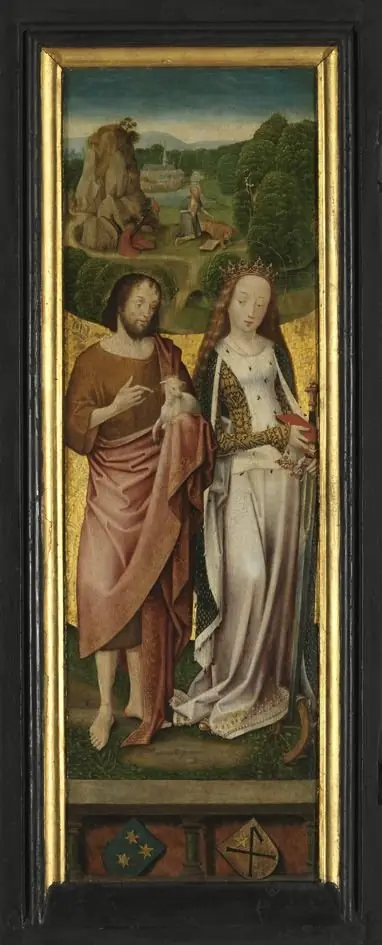 Flügelpaar: Die hll. Johannes der Täufer und Katharina (Außenseite: Engel der Verkündigung)
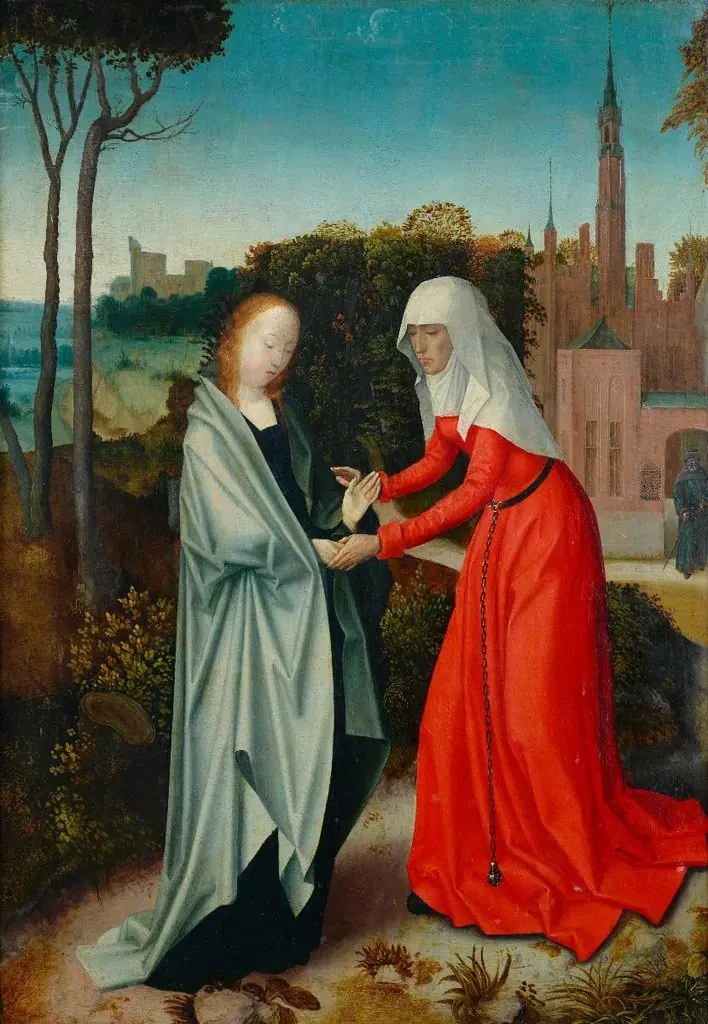 Heimsuchung Mariae zwischen St. Ursula mit den Zehntausend Jungfrauen und St. Martha. Aussenseiten der Flügel: Verkündigung Mariae
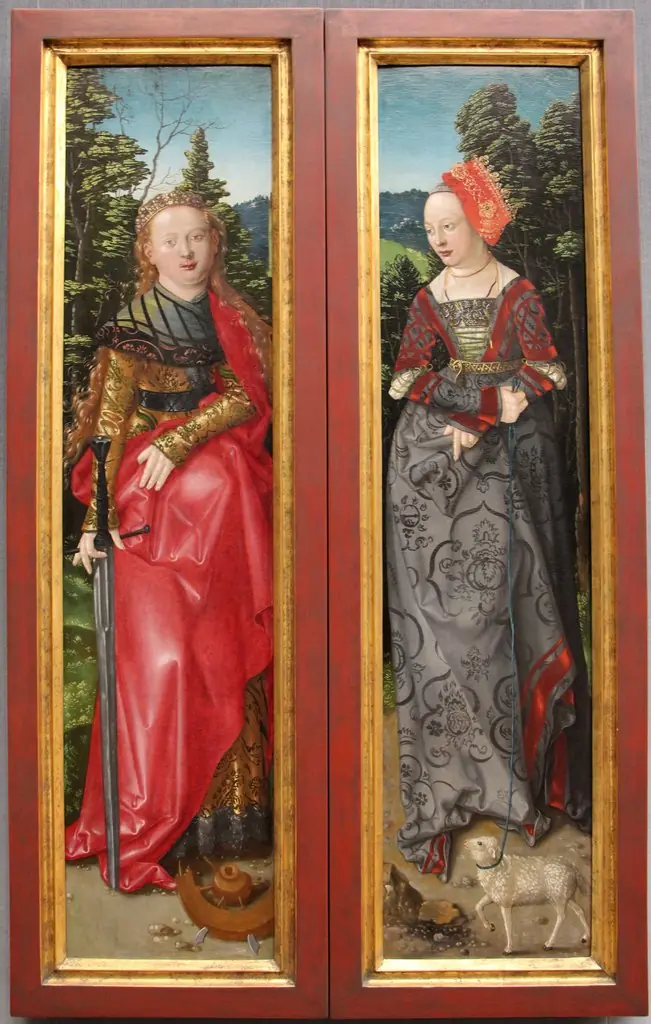 Der Dreikönigsaltar Außentafeln: Die Heiligen Katharina und Agnes
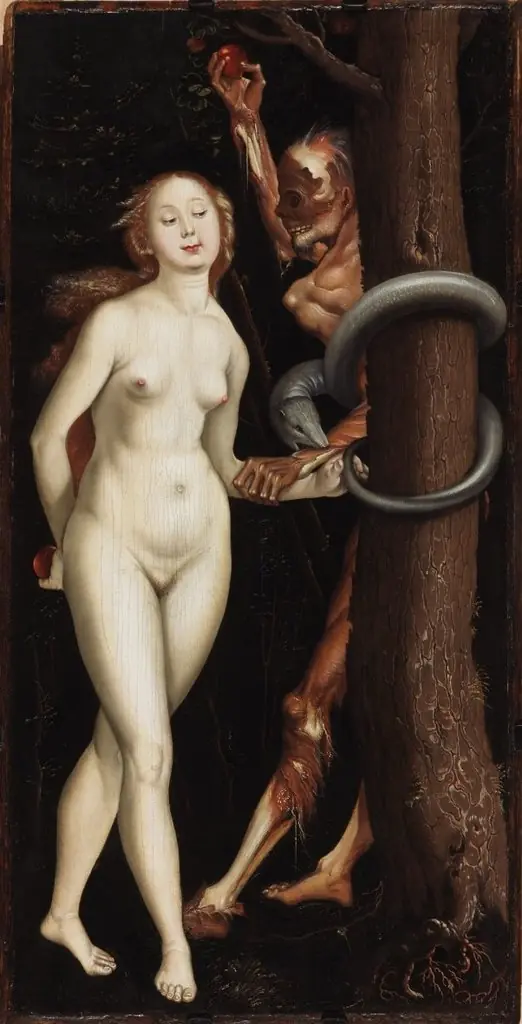 Eve, the Serpent and Death
- A Bridal Couple